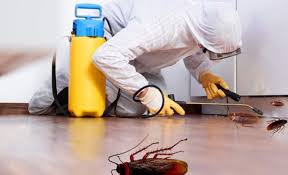


It usually starts with relief. The pests are gone, the house smells “strong,” and you assume the job was done right. Then a day or two later, something feels off. Your chest is tight. Your child is coughing more than usual. The cat won’t settle. The smell lingers longer than it should.
That’s the moment many people in Kenya begin to realize something uncomfortable. The problem may no longer be the pests. It might be the chemical that was used to remove them.
Across Nairobi estates like Kasarani, Embakasi, and even high-end areas like Kilimani, the line between pest control and chemical exposure is thinner than most people think. And the biggest risk isn’t always incompetence. It’s the quiet use of substances that should never be inside a home in the first place.
Why Some Fumigation Jobs Feel “Too Strong”
There’s a common belief that stronger smell equals stronger results. It’s an easy assumption to make. If something smells harsh, it must be working, right?
In reality, that strong smell is often a warning sign.
Many unlicensed fumigators rely on cheap, unregulated, or even banned chemicals because they act quickly and create a visible effect. Roaches scatter. Mosquitoes drop. The client is impressed. But what’s happening behind the scenes is more concerning.
These substances are often not designed for indoor use. Some were removed from the Kenyan market years ago due to health risks. Others are meant strictly for agricultural settings but are repurposed for homes because they are cheap and accessible.
The result is a treatment that may kill pests temporarily but exposes people to harmful residues long after the fumigator leaves.
Chemicals That Should Never Be Used Indoors in Kenya
Organophosphates and nerve-affecting pesticides
Certain chemicals, once common in pest control, are now restricted or banned for indoor use because of their impact on the nervous system. Substances like Diazinon and Chlorpyrifos fall into this category.
They don’t just affect insects. They can interfere with human neurological function, especially in children. Exposure symptoms can include dizziness, headaches, nausea, and in more serious cases, breathing difficulty.
If a fumigator refers to an old-school “dawa ya mende ya zamani,” there’s a real chance they are using one of these outdated and dangerous chemicals.
Gas tablets and highly toxic fumigants
There have been multiple cases in Kenya, especially in densely populated areas, where highly toxic fumigants like aluminium phosphide were used in residential spaces.
These are not household pest control products. They release gas that is lethal even in small amounts when used in enclosed areas.
Any mention of “gas tablets” or fumigation that requires you to vacate for extended periods without proper documentation should raise immediate concern.
Agricultural pesticides used in homes
Some fumigators use farm chemicals because they are easier to source and cheaper than regulated urban pest control products.
These chemicals are designed for open-air environments like farms, not enclosed living spaces. When used indoors, they linger on surfaces, contaminate food preparation areas, and expose occupants to unnecessary risk.
If a fumigator cannot clearly explain whether a product is approved for indoor residential use, it’s best not to proceed.
Improvised substances that are not pesticides at all
In some cases, what is being sprayed isn’t even a registered pesticide. Diesel, kerosene, or other improvised mixtures are sometimes used to create a strong smell that mimics effectiveness.
These substances do not solve pest problems. They simply introduce harmful fumes into the living space and can damage surfaces, fabrics, and appliances.
When Legal Chemicals Become Unsafe
Not all risks come from banned substances. Even approved pesticides can become dangerous when used incorrectly.
Concentration matters. A chemical meant to be diluted can become harmful if over-applied. Application matters too. Spraying kitchen counters, bedding, or children’s play areas without control increases exposure unnecessarily.
There’s also the issue of method. Professional pest control focuses on targeted treatment, not blanket spraying. When everything is sprayed indiscriminately, it usually signals a lack of training rather than thoroughness.
How to Tell If a Fumigator Is Using Safe Products
You don’t need technical knowledge to protect yourself. What matters is asking the right questions and paying attention to how the fumigator responds.
A legitimate professional will comfortably name the chemical being used and explain why it’s appropriate for your situation. They will have documentation, including a Safety Data Sheet, and won’t hesitate to share it.
Mixing should always happen in your presence using clearly labeled products. If the fumigator arrives with a pre-mixed container and avoids explaining what’s inside, that’s a strong indicator that something isn’t right.
Even the way they talk about re-entry time can tell you a lot. Safe indoor treatments usually allow you to return after a few hours with proper ventilation. Anything outside that range deserves further clarification.
Signs That a Fumigation Job Was Not Safe
Sometimes the warning signs appear after the job is done.
Persistent strong smells beyond a few hours, irritation in the eyes or throat, headaches, or unusual fatigue can all point to chemical exposure rather than normal post-treatment effects.
Children and pets are often the first to react. If a pet becomes lethargic or a child develops respiratory symptoms shortly after fumigation, it’s important to take that seriously.
These reactions are not part of effective pest control. They are indicators that something was used incorrectly or should not have been used at all.
What Safe Pest Control Looks Like in Practice
Professional pest control in Kenya has evolved significantly, especially in urban areas and regulated environments like offices, Airbnbs, and restaurants.
Modern approaches rely on targeted methods such as gel baits, low-odor sprays for cracks and crevices, and growth regulators that interrupt pest reproduction cycles.
These methods are designed to minimize human exposure while maintaining effectiveness. They also come with clear documentation and guidelines, which is something you should always expect from a qualified provider.
The focus is no longer on “strong smell” but on precision, safety, and long-term results.
What to Do If You Suspect Chemical Exposure
If something feels wrong after fumigation, the first step is to ventilate the space thoroughly. Open windows, allow fresh air in, and limit time spent in affected areas.
It’s also important to keep a record of what was used. If possible, take photos of any products or containers and keep payment records.
If symptoms persist, seeking medical advice is the safest course of action. Informing healthcare providers about possible pesticide exposure helps them respond appropriately.
Reporting unsafe practices also matters. It helps prevent the same situation from happening to someone else.
Choosing the Right Fumigator Without Guesswork
The safest way to avoid all of this is to be selective before the work begins.
A professional fumigator should be transparent about their process, their chemicals, and their qualifications. They should be willing to provide documentation and explain their approach in a way that makes sense.
If you feel rushed, unclear, or pressured to proceed without answers, that’s usually a sign to step back.
In places like Nairobi, where options are everywhere, the difference between a good and bad choice often comes down to how much you verify upfront.
The Real Risk Isn’t the Pests
Pests are frustrating, no doubt. But they are predictable problems with known solutions.
Unsafe chemicals are a different story. They introduce uncertainty into your home, your health, and your environment.
The goal of fumigation should be simple: eliminate pests without compromising the safety of the people living in that space.
If that balance isn’t clear, then it’s not pest control. It’s a risk.