Nairobi CBD - 00100
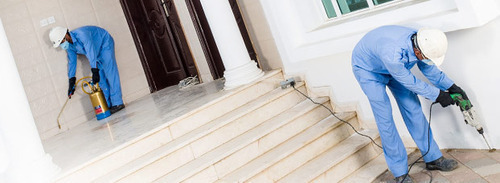
You may notice the signs slowly. A door that suddenly starts sticking. A skirting board that sounds hollow when you tap it. A painted wooden frame that looks fine from outside, but when you press it with your finger, it gives way and crumbles. Then you see a thin mud trail running up a wall or foundation corner, and the worry becomes real. Termites have already entered the building.
Post construction termite remediation services are needed when termites attack a building that is already complete and in use. This could be a family home, rental unit, school, hotel, office, shop, church, or commercial property. Unlike pre construction termite proofing, where the soil is treated before the slab is poured, remediation deals with an existing problem. The termites may already be inside walls, floors, cabinets, roof timber, or hidden foundation areas, which makes proper inspection and treatment very important.
Post construction termite remediation is a detailed process that begins with finding out where termites are active and how far the damage has spread. A good termite control professional will not just spray the visible mud tubes and leave. They will inspect the building carefully to understand where the termites are entering, what timber has been affected, and whether the structure needs repair as well as treatment.
The inspection may include checking skirting boards, door frames, window frames, floor edges, built in cabinets, ceiling spaces, roof timber, wall corners, foundations, damp areas, and external walls. The technician may tap timber to listen for hollow sounds, look for mud tubes, check for soft wood, and follow visible termite trails back toward possible soil entry points. In some cases, the most serious damage is hidden behind finishes, wardrobes, tiles, or wall panels.
Once the infestation is understood, the treatment plan can begin. This may involve direct treatment of active termite galleries, soil treatment around the foundation, drilling and injecting termiticide under concrete slabs, treating wall voids, and applying wood preservatives to affected timber. The goal is to stop the active colony and reduce the chance of termites returning through the same hidden routes.
If timber has already lost strength, treatment alone may not be enough. Damaged sections may need to be repaired or replaced by a qualified carpenter or builder. This can include floor joists, roof timber, skirting boards, door frames, wall plates, cabinets, or other structural and finishing timber. A proper remediation plan looks at both pest control and the safety of the building.
Termites do not stop on their own. Once they find a food source, they keep feeding and expanding their hidden pathways. What looks like a small mud trail today may be connected to a much larger underground colony. Waiting a few more months can turn a manageable treatment into expensive structural repair.
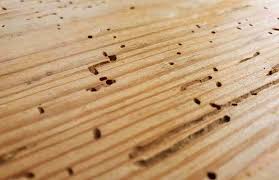
The problem with termite damage is that it is often hidden until the timber is already weak. You may not see open insects walking around. You may only notice a soft frame, a hollow sound, a cracked painted surface, or a floor that feels slightly uneven. In busy homes and rental properties, these signs are easy to ignore until the damage becomes obvious.
For homeowners, early action protects the property and reduces stress. For landlords, it helps prevent tenant complaints and bigger repair bills. For businesses, it protects the appearance, safety, and value of the premises. A hotel, office, school, or restaurant cannot afford to have visible termite damage suggesting poor maintenance.
There is also a safety concern. If termites damage timber that supports a floor, ceiling, staircase, or roof section, the weakness can become serious. Even if the building still looks normal from outside, the inside of the wood may be hollow. A professional inspection helps determine whether the affected timber is still safe or needs repair.
A family in an older Nairobi home may notice that one bedroom floor feels slightly soft. At first, they blame age or poor workmanship. After inspection, the technician finds termites entering from a crack near the foundation and feeding on floor support timber hidden below. The solution requires termite treatment and replacement of the weakened timber before the floor becomes unsafe.
A landlord in Kitengela may receive a call from a tenant saying the kitchen cabinet is breaking apart and there are mud lines near the wall. The landlord may be tempted to send a fundi to replace the cabinet, but if the termites are still active, the new cabinet may also be attacked. The correct approach is to treat the termite source first, then repair or replace damaged fittings.
A school in Kisumu may find that several wooden door frames on the ground floor are soft near the bottom. The maintenance team keeps repainting, but the problem returns. A termite inspection shows that subterranean termites are entering through untreated soil points around the foundation. Post construction termite remediation helps stop the active movement and protect the remaining timber.
A commercial building in Mombasa may have timber finishes affected by moisture and termites. The coastal climate can make some timber areas more vulnerable if there are leaks, poor drainage, or damp walls. A professional will need to identify both the termite activity and the moisture conditions supporting the problem.
One major challenge with termite remediation is knowing how far the infestation has gone. Termites may enter at one point and travel several metres through hidden wall gaps, flooring spaces, or ceiling areas before feeding on visible timber. A casual provider may treat only the area you can see, leaving the main activity untouched.
A professional termite expert understands termite behaviour and building structures. They know that mud tubes on one wall may point to a hidden soil entry point elsewhere. They know that damaged skirting may be connected to timber behind the wall. They also know how to inspect roof spaces, foundation edges, pipe openings, expansion joints, and damp areas where termites often find access.
Another issue is choosing the right treatment method. Some buildings need soil barrier treatment around the perimeter. Others may need drilling through slabs and injecting termiticide beneath the floor. Some require direct timber treatment or wall void treatment. A serious provider does not use one method for every property. They match the treatment to the building and the infestation.
Safety and neatness also matter. Post construction work happens in finished homes and businesses. Drilling, injecting, trenching, and applying chemicals must be done carefully to avoid unnecessary damage and protect occupants. A qualified provider gives clear instructions about access, drying time, children, pets, food areas, and when rooms can be used again.
Discovering termites can make anyone panic. Many people rush to call the first number they find online or ask for a quick referral in a WhatsApp group. The danger is that termite remediation is not a job for guesswork. An incomplete treatment may look cheaper at first, but if the termites return, you end up paying more.
The Real Plug helps connect people in Kenya with vetted local professionals offering post construction termite remediation services. Instead of gambling with unverified providers, you can find termite control experts who understand inspection, active colony treatment, soil barriers, timber protection, and repair coordination.
This is useful for homeowners, tenants, landlords, property managers, schools, hotels, offices, churches, real estate agents, and commercial building owners. Termites can affect both small houses and large buildings. The right professional should be able to inspect carefully, explain the problem clearly, and recommend treatment that fits the situation.
The Real Plug also gives peace of mind when hiring someone to work inside an occupied property. Termite remediation may involve access to rooms, stores, ceilings, walls, gardens, and foundations. You need a provider who respects your space, handles treatment safely, and communicates honestly about what needs to be done.
The Real Plug is built for people who want reliable local professionals without spending hours guessing who is genuine. When you search for termite remediation near me, termite damage repair Kenya, termite inspection and treatment, or post construction termite treatment, you need someone who can do more than spray visible mud trails.
Through The Real Plug, you can connect with vetted pest control professionals who understand existing buildings. A completed home needs a different approach from an open construction site. The provider must work around furniture, flooring, tenants, business hours, and finished surfaces while still treating the termite source properly.
For landlords and property managers, The Real Plug can help you respond quickly when tenants report termite signs. Delays can make the damage worse and may lead to disputes. A professional inspection and treatment report can also help show that action was taken responsibly.
For termite control professionals, The Real Plug creates a place to meet serious clients who are actively looking for help. Skilled fumigators with experience in termite remediation, soil treatment, timber protection, and follow up inspections can connect with property owners who need trusted solutions.
Before the technician arrives, try to make affected areas accessible. Move furniture away from damaged walls, skirting boards, door frames, cabinets, or corners where you have seen mud tubes. If the ceiling or roof space needs inspection, clear the access point so the technician can enter safely.
Do not remove all the termite signs before inspection. Mud tubes, soft wood, powder, wings, and damaged pieces can help the professional understand the type of termite activity and movement pattern. If you already cleaned an area, photos can still help, especially if the signs were clear.
Tell the technician about any leaks, damp walls, drainage problems, roof issues, or previous termite treatments. Moisture often makes termite problems worse. If the property has had termite activity before, the professional should know where treatment was done and whether there were follow up inspections.
If treatment is recommended, ask what it will involve. You should understand whether there will be drilling, trenching, chemical application, timber treatment, room restrictions, or repair work. A reliable termite remediation professional should explain the process in simple language before starting.
After termite remediation, keep the property dry and well maintained. Repair leaking taps, roof leaks, blocked gutters, and drainage problems quickly. Termites are attracted to moisture, and damp soil around the foundation can increase the risk of future activity.
Avoid storing timber, cardboard, firewood, old furniture, or construction waste directly against the building. These materials can attract termites and create easy access from the ground to the structure. Keep stored timber raised and away from walls where possible.
Watch for new signs after treatment. Mud tubes, soft wood, hollow sounds, stuck doors, discarded wings, or fresh damage should be reported quickly. Do not assume that a small sign is harmless. Early reporting makes follow up easier and less expensive.
Schedule regular termite inspections, especially if the property has already had an infestation. A treated building can remain protected for years, but soil movement, landscaping, plumbing repairs, or new construction work can disturb treated zones. Follow up inspections help confirm that the treatment is still working.
Post construction termite remediation services help stop active termite damage and restore confidence in a building that has already been attacked. The service looks at where the termites are entering, what they have damaged, how to eliminate them, and what protection is needed to reduce the chance of another infestation.
Termites can make a property owner feel helpless because so much of the damage happens out of sight. But with proper inspection, professional treatment, repair of weakened timber, and ongoing monitoring, the problem can be brought under control. Acting early gives you a better chance of saving money, protecting the structure, and avoiding deeper damage.
When you need post construction termite remediation services, hire a vetted termite control professional through The Real Plug and get your property inspected and treated before the damage spreads further.
If you are a skilled fumigation professional offering termite remediation, colony treatment, and soil barrier services, register on The Real Plug and connect with property owners looking for trusted termite control support.