Nairobi CBD - 00100
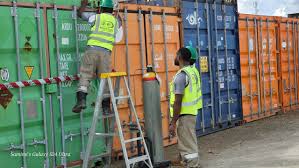
Your shipment has finally reached the port after weeks of planning, loading, paperwork, and waiting. The container is carrying coffee, tea, grains, seeds, timber products, fresh produce, processed food, or packed goods for a serious buyer. Then an inspector finds insect activity inside. It may be a few beetles near a pallet, webbing on cartons, frass under wooden packaging, or signs that pests moved through the cargo during storage or transport. Suddenly, everything slows down.
That is when import export container fumigation services become more than a compliance requirement. They become the difference between smooth clearance and costly delays. For exporters, importers, freight forwarders, clearing agents, warehouse operators, and commodity traders in Kenya, fumigation protects goods from pests and helps meet phytosanitary requirements. One missed treatment, one weak certificate, or one poorly fumigated container can lead to rejected cargo, demurrage charges, buyer complaints, and serious business losses.
Import export container fumigation is a professional treatment used to control pests inside shipping containers and cargo. The container is treated as a sealed space where fumigant gas can move through the cargo and kill insects or other pests hiding inside bags, cartons, pallets, timber packaging, crates, seeds, grains, or stored products. It is not the same as spraying the outside of a container and hoping the problem disappears.
A trained fumigation professional first checks the type of cargo, the destination country, the container condition, and the pest risk. The requirements for a container of coffee going to Europe may not be the same as a container of maize moving within the region or used machinery entering Kenya with wooden crating. Different countries and buyers may require specific treatment details, approved fumigants, exposure times, and proper documentation.
The container must also be inspected before treatment. The fumigator checks whether the doors seal properly, whether there are holes, damaged vents, weak floors, broken seals, or any gaps that can allow gas to escape. Fumigation only works when the fumigant stays at the right concentration for the required period. A leaking container can lead to incomplete treatment and failed compliance.
Once the container is ready, the fumigant is applied according to the cargo type and required standard. The container is then sealed for the correct exposure period. After treatment, it must be aerated safely before workers handle the goods or the container is released. A professional fumigator should also issue a clear fumigation certificate with the container number, cargo description, treatment details, date, exposure period, and provider information.
International trade is strict because pests can move from one country to another through cargo. A small insect hidden in grain, wood packaging, seeds, or cartons can become a major agricultural or storage pest in the destination country. That is why phytosanitary checks are taken seriously at ports, borders, warehouses, and destination inspection points.
For an exporter, a rejected container can be painful. The buyer may refuse the goods, ask for emergency treatment, demand compensation, or cancel future orders. The cargo may also sit at the port while storage charges and container fees continue rising. If the product is perishable or quality sensitive, delays can reduce value very quickly.
For importers, fumigation may be required when goods arrive with untreated wooden packaging, signs of insect activity, or missing compliance marks. Used machinery, timber crates, pallets, and agricultural goods can all attract inspection concerns. A professional fumigation service helps resolve the issue properly and supports clearance.
Fumigation also protects business reputation. Buyers want reliable suppliers who understand export standards. Clearing agents and freight forwarders want service providers who do not create avoidable delays. Commodity traders want cargo that reaches the buyer in clean, acceptable condition. Professional container fumigation helps keep that trust intact.
A coffee exporter in Kenya prepares green coffee beans for shipment to an overseas buyer. The beans have been stored in bags while paperwork is being finalized. Before dispatch, the exporter arranges container fumigation to reduce the risk of stored product pests moving with the cargo. The fumigation certificate then supports the shipment documents and gives the buyer confidence.
A tea exporter moving cargo through Mombasa may need fumigation depending on buyer or destination requirements. Even when the tea itself is well handled, pests can sometimes be associated with storage areas, pallets, cartons, or container spaces. A professional treatment helps protect the consignment before it enters the export chain.
An importer brings in used construction machinery packed with wooden crates and bracing. During inspection, the timber packaging does not have the required treatment marks, or pests are suspected. The container may be held until proper fumigation is done. A licensed provider can treat the container and issue documentation needed for clearance.
A grain trader exports bagged maize, beans, or pulses and later faces a buyer complaint because live insects were found at destination. The loss is not only financial. It affects trust. Regular container fumigation and proper storage inspection before loading can help prevent this kind of problem before it reaches the buyer.
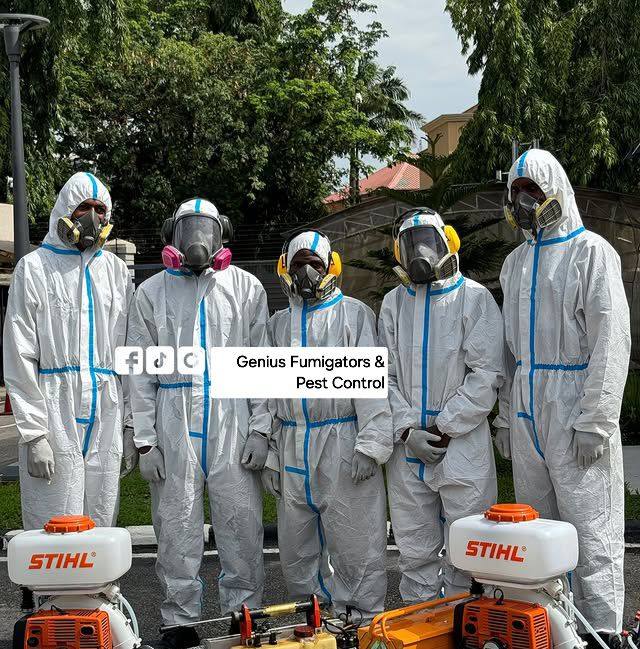
Container fumigation is not a casual job. Fumigants can be dangerous when handled incorrectly, and poor application can fail to control pests. A professional understands how to seal containers, calculate exposure needs, apply fumigants safely, monitor treatment conditions, and aerate the container before release.
One common problem is poor sealing. If gas escapes through door gaps, holes, vents, or damaged floors, pests may survive. The container may look treated on paper, but the actual fumigation may not be effective. A trained fumigator checks for these weak points before treatment begins.
Another issue is matching treatment to the cargo and destination requirements. Some goods can tolerate certain fumigants, while others need special handling. Some countries may reject a certificate if details are missing or if the treatment does not match their rules. A professional provider understands that documentation is part of the service, not an afterthought.
Safety is also a major concern. Fumigated containers should not be opened casually before aeration. Workers, drivers, warehouse staff, and handlers must be protected from exposure. A reliable fumigator gives clear instructions and confirms when the container is safe to handle.
When a container is delayed or a shipment deadline is close, many people rush to find any fumigation provider available. That can be risky. Import export fumigation requires knowledge of cargo handling, phytosanitary expectations, container sealing, fumigant safety, and documentation. The wrong provider can cost you more through delays or rejected paperwork.
The Real Plug helps connect people in Kenya with vetted local professionals offering import export container fumigation services. Instead of calling random contacts, exporters, importers, warehouse operators, clearing agents, and freight forwarders can find fumigation experts who understand container treatment and trade compliance.
This is useful for shipments moving through Mombasa Port, Inland Container Depot Nairobi, warehouses, export packing facilities, farms, factories, and storage yards. Whether you are handling coffee, tea, grains, seeds, tobacco, timber goods, processed food, or machinery with wooden packaging, the right professional can guide the fumigation process properly.
The Real Plug also helps reduce the stress of hiring blindly. When cargo value is high and timelines are tight, you need a provider who communicates clearly, shows up on time, follows safety procedures, and issues proper documentation. A trusted platform makes that search easier.
The Real Plug is built for people who want reliable local professionals without wasting time on uncertain referrals. When you search for container fumigation near me, phytosanitary fumigation, cargo fumigation services, or import export fumigation in Kenya, you need someone who understands both pest control and the movement of goods.
Through The Real Plug, exporters can find fumigation professionals before cargo is dispatched. Importers can get support when containers are held for treatment. Freight forwarders and clearing agents can connect with providers who understand port timelines and documentation needs. Warehouse operators can arrange fumigation before loading so issues are handled early.
For businesses that ship regularly, working with trusted fumigation professionals can save time and reduce risk. Container fumigation may need to be part of a routine export process, not something arranged in panic after an inspection problem appears. Planning early gives you more control over timing and paperwork.
For licensed fumigators, The Real Plug creates a way to reach serious trade clients. Professionals with experience in container treatment, cargo fumigation, and phytosanitary support can connect with exporters, importers, and logistics teams actively looking for reliable service.
Plan fumigation early in the shipping process. Some treatments require several days of sealed exposure and safe aeration before the container can move. If you wait until the container is already due at the port, you may create unnecessary pressure and delay. Speak to the fumigator before loading or immediately after loading so treatment can fit into the shipping schedule.
Share the cargo details clearly. The fumigator should know what is inside the container, where it is going, whether the goods are food, agricultural products, machinery, timber items, seeds, or tobacco, and whether the buyer has specific requirements. This helps avoid using the wrong approach or issuing incomplete documentation.
Make sure the container is suitable for fumigation. Damaged door seals, holes, rusted sections, open vents, or poor sealing can affect treatment. If the container is not gas tight, the fumigation may fail. A professional will inspect these details, but it helps to use a container that is in good condition from the start.
After fumigation, do not open the container seal without guidance. Opening it at the wrong time can affect the treatment record and may create safety risks. Ensure drivers, warehouse staff, port handlers, and clearing agents understand that the container should remain sealed as required until it reaches the appropriate inspection or handling point.
Inspect cargo before loading. Do not assume that goods are clean because the outer packaging looks fine. Check bag seams, pallets, cartons, wooden crates, container floors, and storage corners. If goods have been stored for a long time, inspect them carefully before they enter the container.
Use clean and compliant packaging. Wooden pallets, crates, and bracing should meet the required treatment standards when used for international trade. Poor packaging can cause problems even if the main cargo is clean. If you are unsure, ask your fumigation provider or clearing agent before loading.
Keep warehouses and loading areas clean. Spilled grain, old cartons, damp corners, broken pallets, and neglected storage areas can attract pests that later enter the container. Container fumigation works better when it is supported by good storage hygiene and proper stock handling.
Check the fumigation certificate before the shipment moves. Confirm that the container number, dates, fumigant details, exposure period, cargo description, and provider information are correct. A small mistake in documentation can create a big problem at destination.
Import export container fumigation services help protect cargo, satisfy phytosanitary requirements, and reduce the risk of costly shipment delays. For businesses involved in international trade, this service is part of responsible cargo handling. It protects the buyer, the supplier, the logistics chain, and the reputation of everyone involved.
Whether you are exporting coffee, tea, grains, seeds, tobacco, processed foods, timber products, or importing machinery and goods with wooden packaging, container fumigation should be handled by a qualified professional. The stakes are too high for shortcuts. A clean shipment with proper documentation gives everyone more confidence.
When you need import export container fumigation services, hire a vetted fumigation professional through The Real Plug and keep your cargo moving with the right treatment and documentation.
If you are a licensed fumigator offering container fumigation and phytosanitary treatment services, register on The Real Plug and connect with exporters, importers, and logistics clients looking for reliable cargo fumigation support.