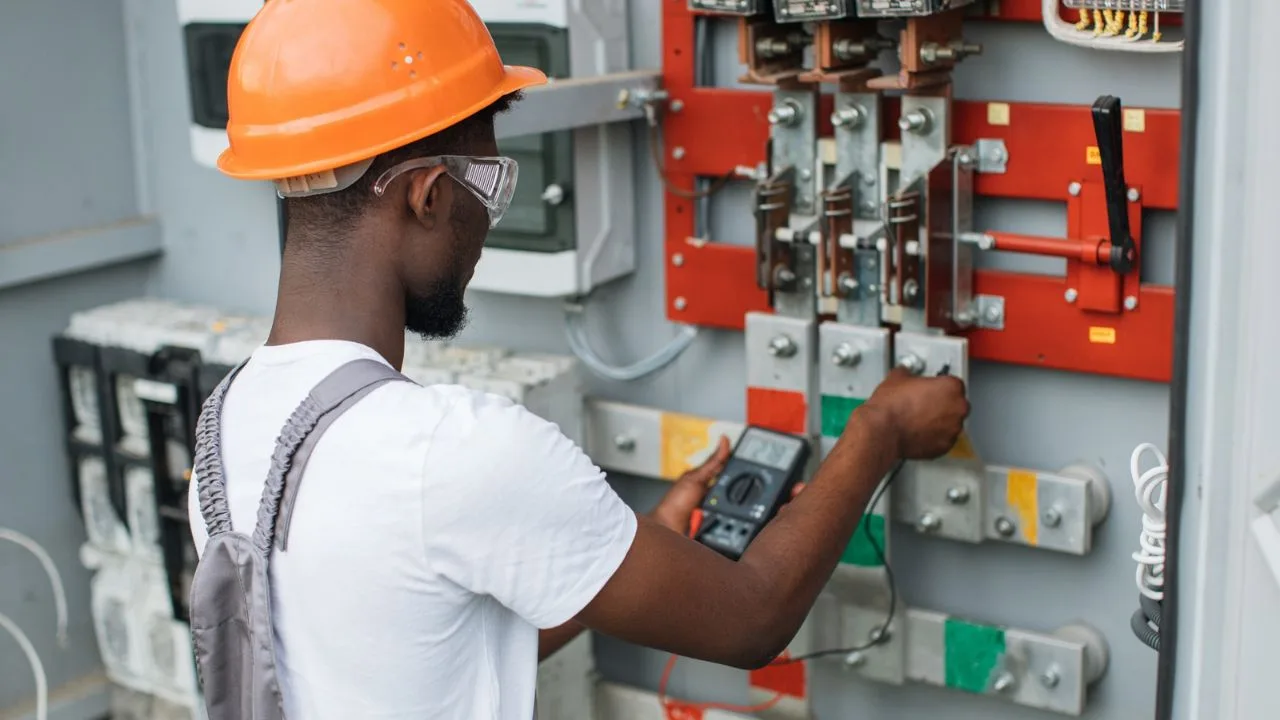


Solar power in Kenya is no longer a luxury conversation. It has become a survival conversation. With rising electricity bills, unpredictable token consumption, and occasional blackouts that disrupt everything from home businesses to simple evening routines, more households from Kitengela to Kisumu are actively switching to solar.
But alongside that growth has come a familiar problem. The installation itself is easy to arrange. The real challenge begins after the deposit is paid.
Most people know someone who has a story. The installer who delivered half the equipment and never returned. The system that worked for a few weeks then failed completely. The phone number that suddenly stopped going through. Solar is expensive, installed on your roof, and deeply tied to your daily life. When it fails, you don’t just lose money you lose power stability.
So the real question is not whether you should install solar. It’s how you make sure the person installing it doesn’t disappear after payment.
Start by Confirming EPRA Certification Before Anything Else
The first and most important filter in Kenya’s solar industry is licensing.
Installers and contractors are regulated by the Energy and Petroleum Regulatory Authority (EPRA), which categorizes them based on technical capacity. These classifications determine what type of solar systems they are legally allowed to install.
If someone is working on your roof, connecting your inverter, or interfacing with your home wiring, they should be licensed. This is not optional.
The simplest approach is to ask directly for their EPRA license number and class. A professional installer will provide it immediately without hesitation. The details should match their identity and be verifiable through official records.
If someone responds with vague statements like “experience matters more than license,” that is usually your first warning sign. Experience is valuable, but without certification it offers no protection if something goes wrong.
Ask for Proof of Long-Term Installations, Not Just Recent Jobs
Solar installations are easy to showcase on day one. Panels look clean, wiring is new, and everything appears to work. The real test comes months later when batteries age, weather conditions change, and system performance is challenged.
That is why past installations matter more than fresh photos.
A reliable installer should be able to show systems they installed at least six months or more ago. Even better if they can connect you to previous clients. Speaking to someone who already lives with the system gives you insight that no marketing message can provide.
You are not just checking whether they can install solar. You are checking whether they can maintain it beyond the installation day.
Break Down Every Quote Into Clear Components
One of the most common problems in solar installation is unclear pricing.
A single lump sum like “5kW system for Ksh 580,000” may sound simple, but it hides a lot. You don’t know the brand of panels, the type of inverter, battery quality, or even whether installation materials are included.
A proper quote should be itemized. Each component should be clearly listed, including brand, model, capacity, and warranty.
For example, panels should indicate wattage and manufacturer. Inverters should show brand and capacity. Batteries should specify chemistry and cycle life. Labour and installation should be separated from equipment costs.
Without this breakdown, it becomes impossible to know what you are actually paying for. Worse, it becomes easy for lower-quality components to be substituted without your knowledge.
Understand Payment Stages Before You Send Any Deposit
Solar fraud in Kenya often happens through poorly structured payments.
A common trap is a large upfront deposit followed by delays in delivery or incomplete installation. Once the money is gone, accountability becomes difficult.
A safer approach is structured payments tied to progress. A typical balanced arrangement includes an initial deposit, a second payment after equipment delivery and verification, and a final payment after commissioning.
The key idea is simple. You should never fully pay for a system that is not yet installed and working.
Installers who are confident in their work usually agree to staged payments because they are not relying on your deposit to fund the entire project.
Confirm Warranty Responsibility Beyond Installation Day
Solar systems are long-term investments. Panels can last decades, inverters several years, and batteries require ongoing support. That means the installer’s role does not end after installation.
One of the most important questions to ask is who handles warranty claims if something fails later.
A professional installer will provide documentation and supplier contacts. In many cases, reputable installers work with recognized manufacturers who have local or regional support channels.
This matters because if your installer disappears and you have no manufacturer contact, even a simple repair can become expensive or impossible to resolve quickly.
Warranty is not just paperwork. It is your long-term safety net.
Check Experience With Utility Approval and Compliance
In Kenya, grid-tied and hybrid solar systems often require inspection and approval before full integration with the national grid.
Installers who understand this process will have handled approvals before. They will know what documentation is required and how systems must be configured to meet standards.
You can ask directly whether they have completed installations that passed inspection successfully. A credible installer will have examples and documentation.
If someone avoids this question or suggests bypassing official processes, that is a serious risk. Non-compliant systems can be disconnected or flagged later, creating both financial and legal complications.
Ask Directly Why You Should Trust Them
This may feel like a blunt question, but it is one of the most revealing.
A professional installer will usually respond with structure. They will reference licensing, past work, office location, or verifiable client feedback. Some will also operate through verified platforms such as The Real Plug where identity and work history have already been checked.
Unreliable installers tend to rely on urgency or vague reassurance. Statements like “trust me,” “I’m different,” or pressure-based discounts are often used to rush decisions.
Solar systems are long-term investments. Anyone trying to rush the process is usually not aligned with long-term accountability.
Where to Find Reliable Solar Installers in Kenya
Finding trustworthy installers is not just about who appears first online.
Start with EPRA’s official register of licensed contractors. Cross-check names with online reviews where possible. Consistency across platforms is a strong indicator of legitimacy.
Companies that consistently share educational content about solar systems tend to be more reliable because they operate in public view. Visibility creates accountability.
Verified platforms like The Real Plug also reduce risk by pre-checking installers before listing them. This removes much of the guesswork from the selection process.
Avoid relying solely on anonymous social media posts or numbers without identifiable business information. If you cannot trace an installer to a physical office or verified identity, the risk is significantly higher.
Understanding the Real Cost Difference
On paper, cheaper solar quotes often look attractive. A lower upfront price can be tempting, especially when budgets are tight.
However, the real cost becomes clear over time. Systems with unverified components often fail earlier, lack warranty support, or require complete replacement. In such cases, the initial savings are quickly erased by repair or replacement costs.
A properly installed, verified system may appear more expensive at the beginning, but it provides consistent performance and long-term support. Over several years, it is almost always the more economical choice.
A Simple Pre-Hiring Checklist for Solar Installers
Before committing to any installer, a structured verification process helps reduce risk significantly.
Confirm EPRA licensing and match it to the individual or company
Request proof of past installations with verifiable contacts
Ask for a fully itemized quotation with brands and warranties
Agree on staged payments tied to delivery and installation milestones
Clarify warranty handling and supplier contacts
Confirm experience with inspection or compliance processes
If an installer can answer all of these clearly and consistently, they are likely operating professionally. If they avoid or rush through them, it is better to continue searching.
Making a Long-Term Decision, Not a Quick Transaction
Solar installation is not just a purchase. It is a long-term infrastructure decision that affects your home for years.
Kenya’s solar market is growing quickly, and with that growth comes both opportunity and risk. Reliable installers exist, but so do opportunistic ones who rely on rushed decisions.
Taking time to verify credentials, understand pricing, and confirm accountability is not overthinking. It is protecting your investment.
Because at the end of the day, solar is meant to give you independence from power uncertainty. The wrong installer can take that away faster than any blackout.