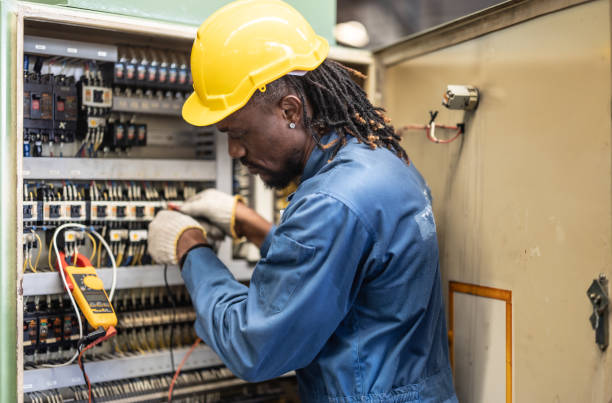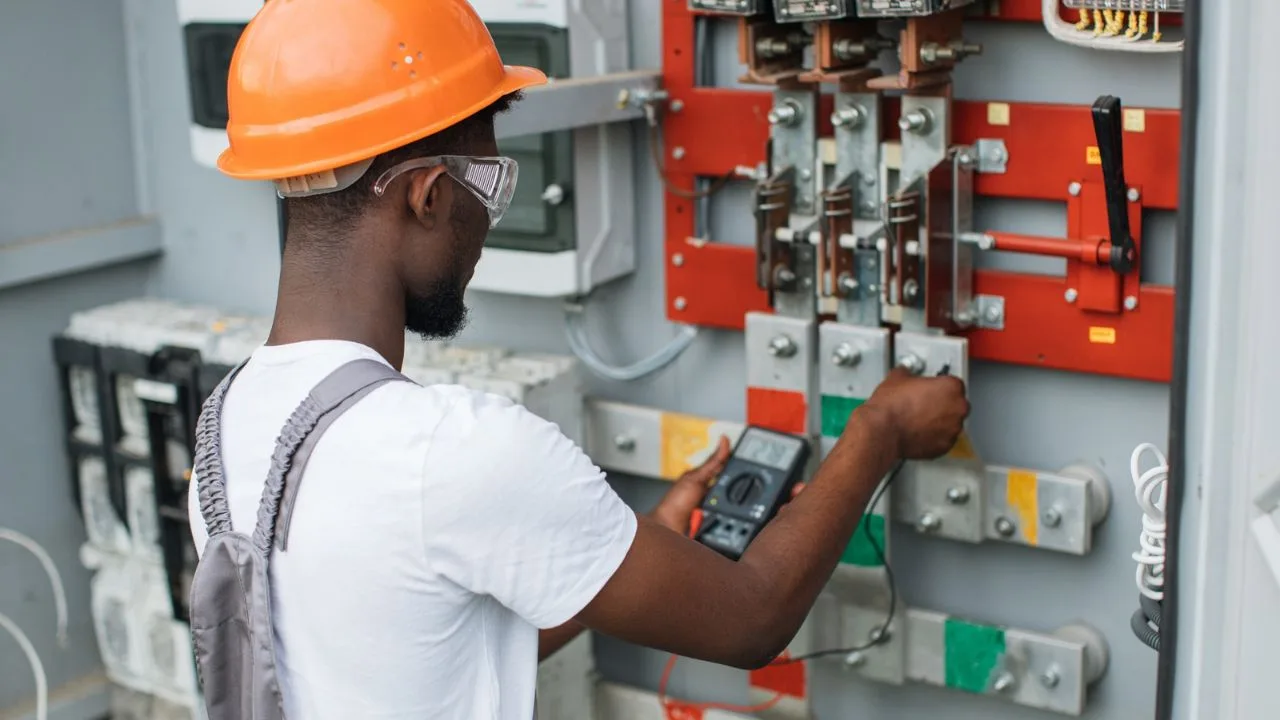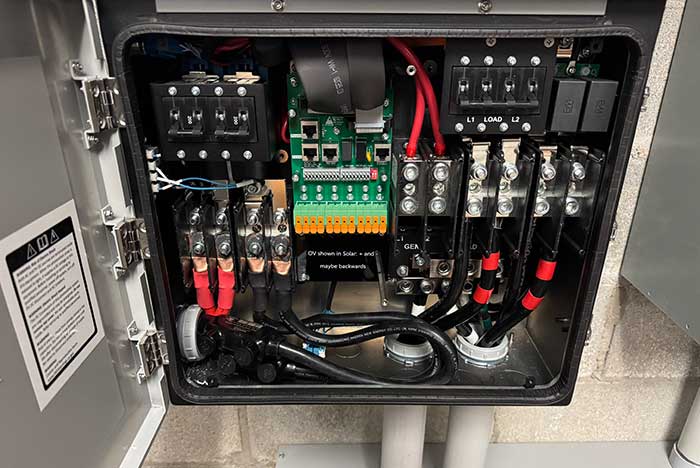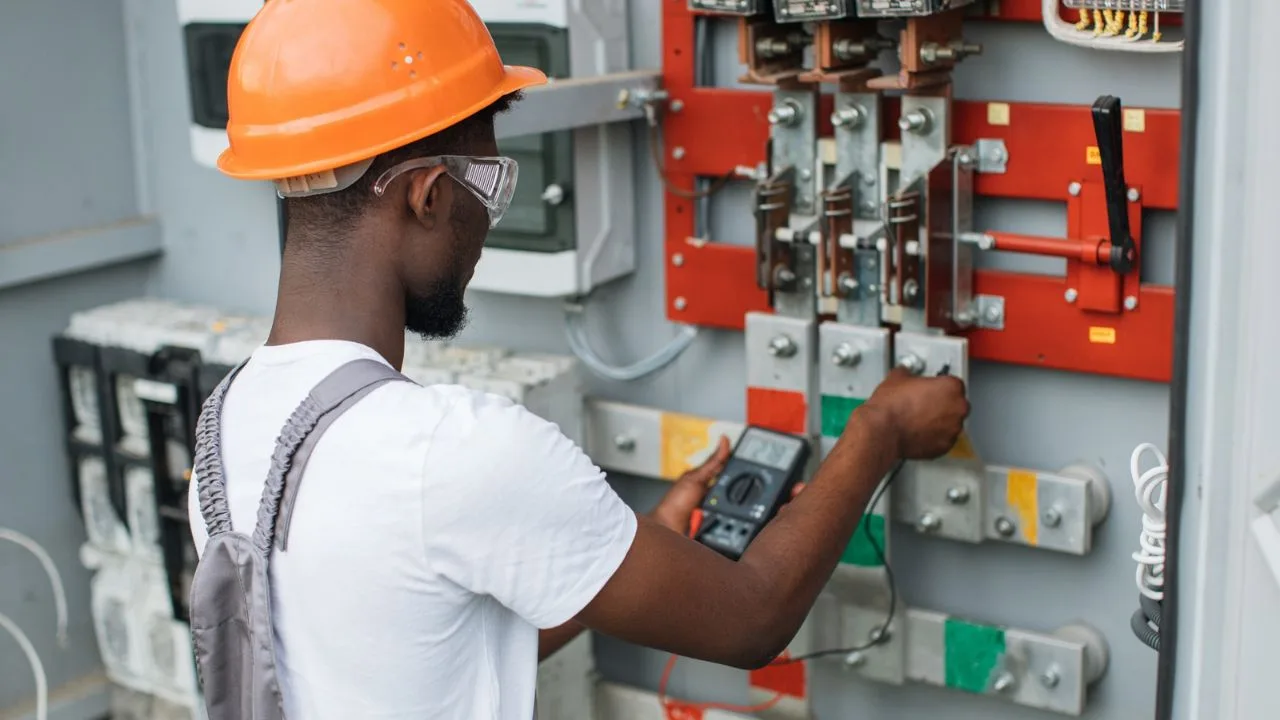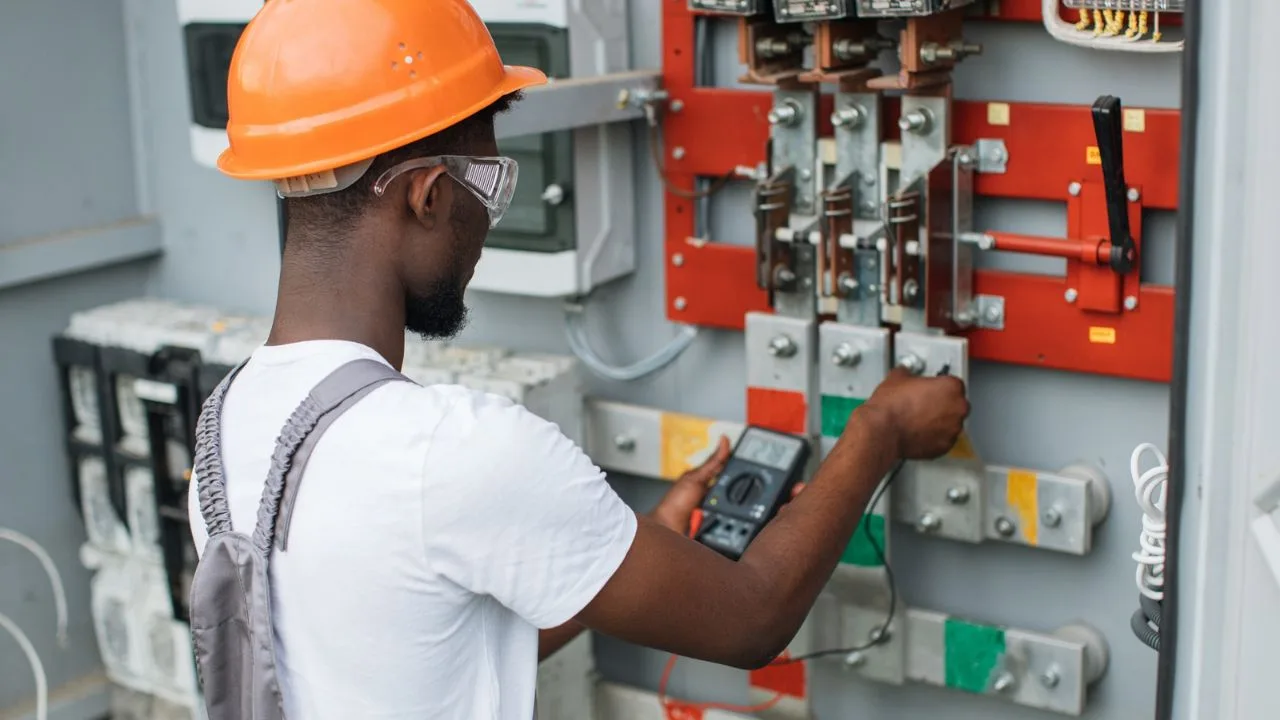


There’s a moment many Kenyans can relate to. The lights flicker, something sparks unexpectedly, and suddenly half the house goes dark. It’s not late enough to panic, but it’s late enough to feel stuck. And instead of calling an official service line, most people instinctively turn to Facebook.
You type “electrician Nairobi” or “fundi wa stima Thika” into a group, wait a few minutes, and your screen fills with numbers, names, and “niko available” replies. It feels efficient, almost reassuring. But when you step back and think about what’s at stake, electricity is not exactly the kind of job you want to leave to chance.
So what is the real experience of hiring an electrician through Facebook in Kenya today, and why are more people starting to look toward vetted platforms for something as critical as electrical work?
How Kenyans Are Finding Electricians on Facebook Today
Facebook has evolved into a powerful, informal marketplace for skilled labor. Electricians, like many other fundis, have built a strong presence there, and the hiring process has developed its own rhythm.
One common approach is the community-driven post. Someone asks for recommendations, and within minutes, comments start pouring in. You’ll see phone numbers, direct offers from electricians, and endorsements from people who claim to have worked with them before.
It’s quick and highly localized. If you’re in a specific estate or town, chances are someone nearby has already worked with the electrician being recommended.
Then there are electricians who actively market themselves through content. Some post videos explaining wiring basics, showing installations, or demonstrating completed jobs. Others maintain pages with detailed service listings and photos of past work.
At first glance, this builds confidence. You can see the person, observe their work, and even gauge how they communicate. But what you’re seeing is still self-reported. There’s no independent verification behind it.
What Makes Facebook So Appealing for Electrical Jobs
There’s a reason Facebook remains the first stop for many Kenyans.
Speed is a major factor. You can go from problem to contact in a matter of minutes. In situations where power issues disrupt daily life, that immediacy matters.
There’s also the sense of community validation. Seeing multiple recommendations for the same electrician creates a level of comfort, even if it’s informal.
Another advantage is accessibility. There’s no onboarding process, no platform learning curve. You simply post, scroll, and reach out.
For minor electrical issues, this system can work surprisingly well.
The Risks That Come With Informal Hiring
Electricity is not forgiving, and this is where the Facebook model starts to show its limitations.
The biggest concern is the lack of accountability. Once you hire an electrician through a comment or direct message, the platform no longer plays a role. If the work is poorly done, incomplete, or unsafe, resolving the issue becomes entirely your responsibility.
There is also the question of qualifications. Not every electrician advertising on Facebook is formally trained or certified. Some have learned through experience, which can be valuable, but it also means standards can vary widely.
Pricing adds another layer of uncertainty. Without clear benchmarks, costs are often negotiated on the spot. This can lead to inconsistent pricing, where two people pay very different amounts for the same job.
Safety is perhaps the most critical issue. Poor wiring, incorrect installations, or substandard materials can lead to serious consequences, from damaged appliances to electrical fires. These are risks that may not be immediately visible but can surface later with significant impact.
Why Vetted Platforms Like The Real Plug Are Changing the Landscape
As more Kenyans experience both the convenience and the uncertainty of Facebook hiring, there’s a noticeable shift toward platforms that offer more structure.
One example is The Real Plug, which focuses on connecting users with verified professionals.
The difference starts with vetting. Instead of leaving the burden entirely on the client, these platforms screen electricians before listing them. This can include verifying identity, checking certifications, and reviewing past work.
This alone changes the experience significantly. You’re no longer relying purely on comments or self-promotion. There’s an added layer of trust built into the system.
Accountability is another key factor. If something goes wrong, vetted platforms typically provide a channel for addressing complaints or disputes. That support structure is absent in informal Facebook transactions.
Pricing also becomes more transparent. Instead of negotiating blindly, users can see service categories and expected costs, making it easier to plan and compare options.
Safety standards are often built into the platform’s requirements. Electricians are expected to meet certain criteria, which reduces the likelihood of substandard work.
Balancing Facebook Convenience With Professional Assurance
It would be unrealistic to expect Kenyans to abandon Facebook entirely. The platform is deeply integrated into how people discover services and interact with providers.
In reality, many are adopting a more balanced approach.
Facebook is used for discovery. It helps identify active electricians, observe their work, and understand how they engage with clients.
For smaller, low-risk tasks, some people still choose to hire directly. But for more complex or safety-critical work, they turn to vetted platforms where there is greater assurance of quality and accountability.
This hybrid approach allows users to benefit from both speed and reliability without exposing themselves to unnecessary risk.
Practical Considerations Before Hiring an Electrician
If you’re planning to hire an electrician, whether through Facebook or elsewhere, a few considerations can help you make a better decision.
Pay attention to consistency in recommendations rather than relying on a single endorsement. Repeated mentions often indicate reliability.
Ask for clarity on the scope of work and pricing before the job begins. Written agreements, even simple ones on messaging platforms, can prevent misunderstandings.
For larger or more technical jobs, consider whether the electrician can demonstrate formal training or certification.
And when the work involves critical systems like full house wiring, meter installations, or major repairs, it is worth prioritizing platforms that offer verification and support.
The Direction Kenya’s Service Market Is Taking
What’s happening with electricians reflects a broader shift in Kenya’s service economy.
Informal platforms like Facebook opened access and created visibility for skilled workers. They made it easier for clients and fundis to connect directly.
Now, the focus is shifting toward reliability, safety, and accountability. People still value the human connection and flexibility, but they also want assurance that the job will be done correctly.
Platforms like The Real Plug are part of this transition. They build on what Facebook started but add structure where it matters most.
Final Thoughts
Hiring an electrician in Kenya has never been more accessible, but accessibility does not always equal reliability.
Facebook offers speed and a sense of community, while vetted platforms provide verification and peace of mind. The choice between the two often depends on the complexity and risk level of the job.
In 2026, the advantage lies in knowing when to use each option. For something as critical as electrical work, a little extra caution can make a significant difference.
Because when it comes to wiring your home, it’s not just about getting the lights back on. It’s about ensuring they stay on safely.