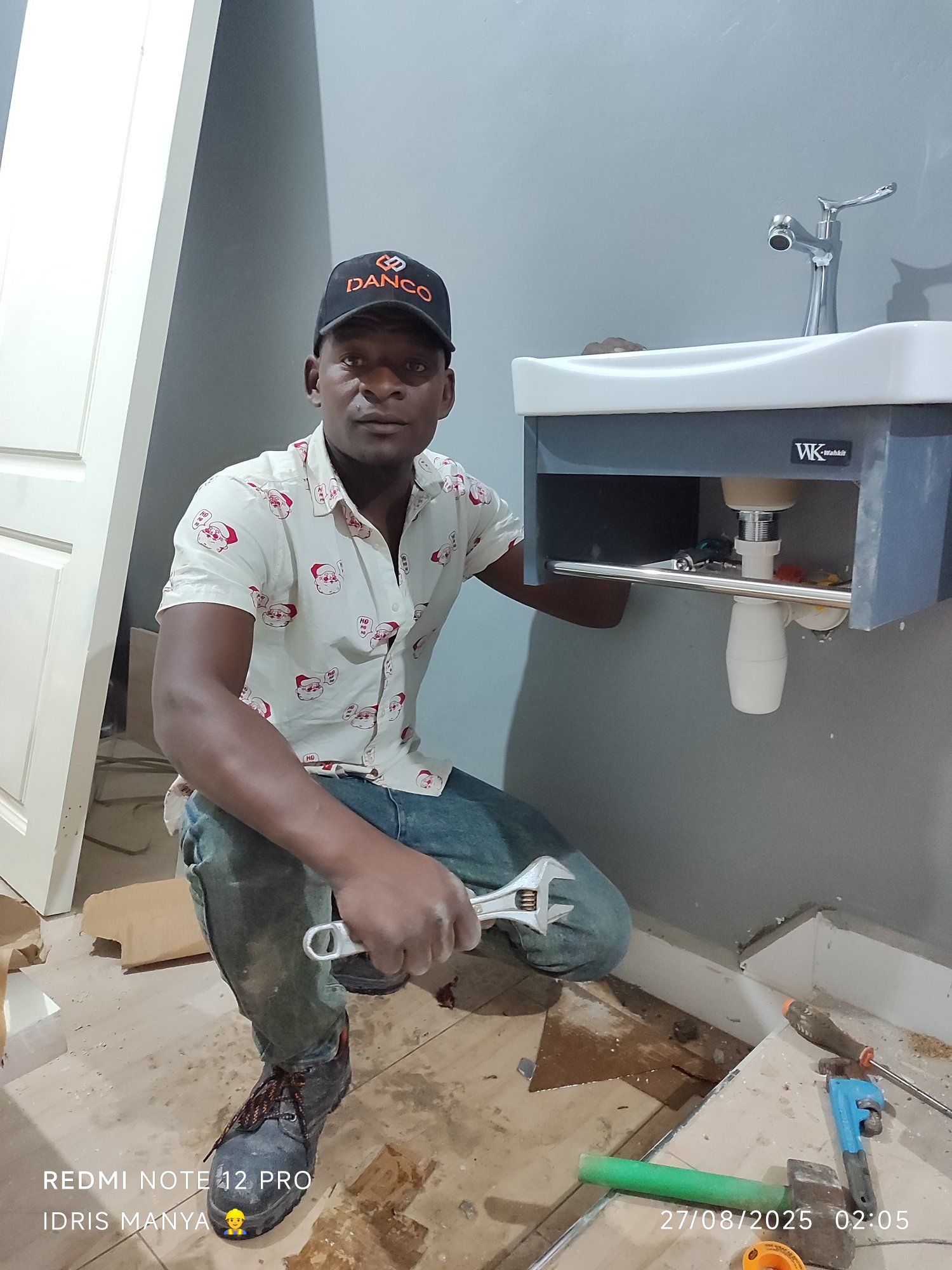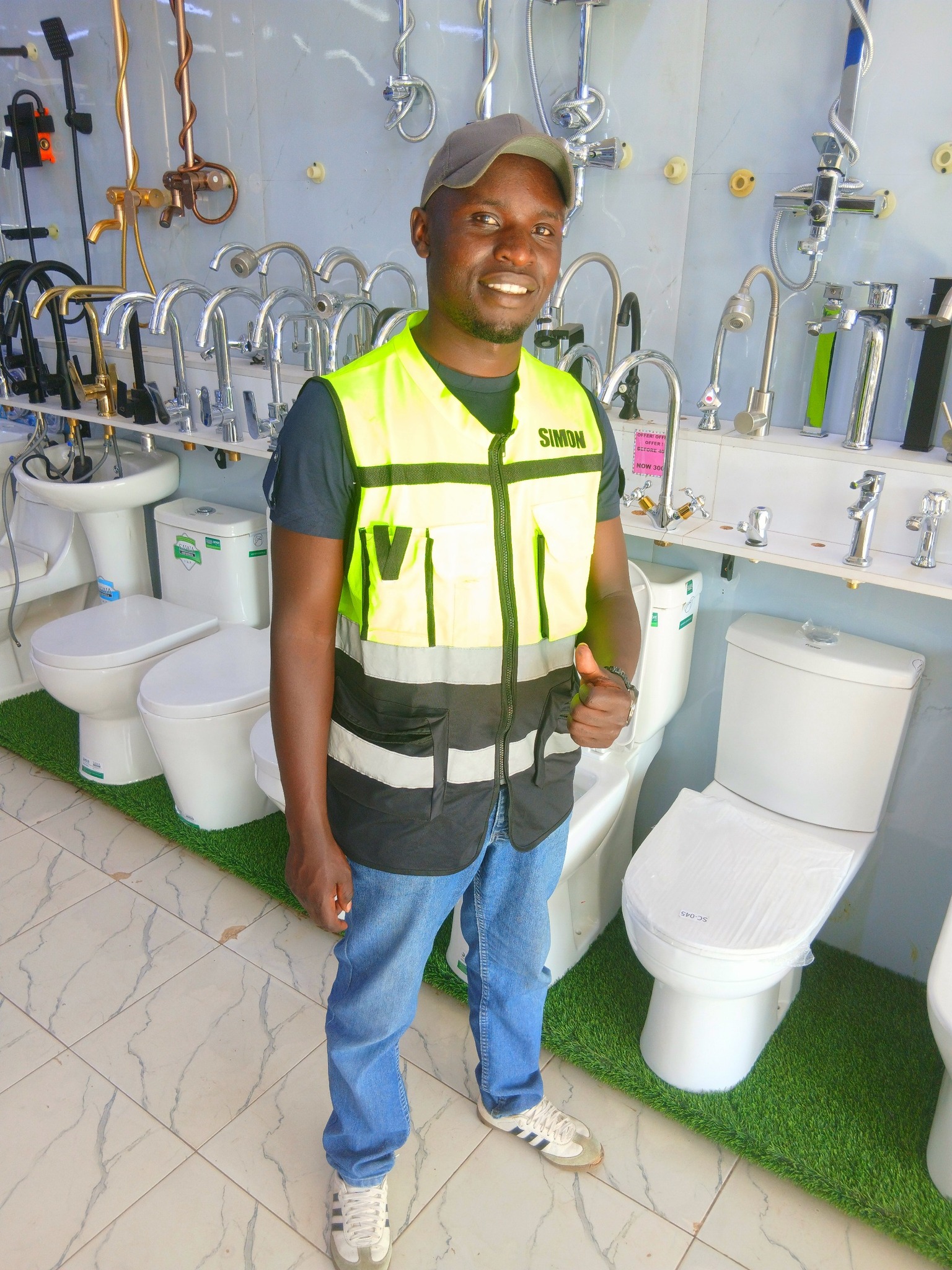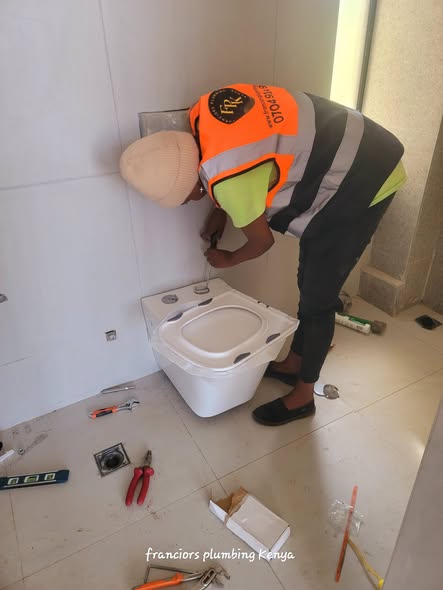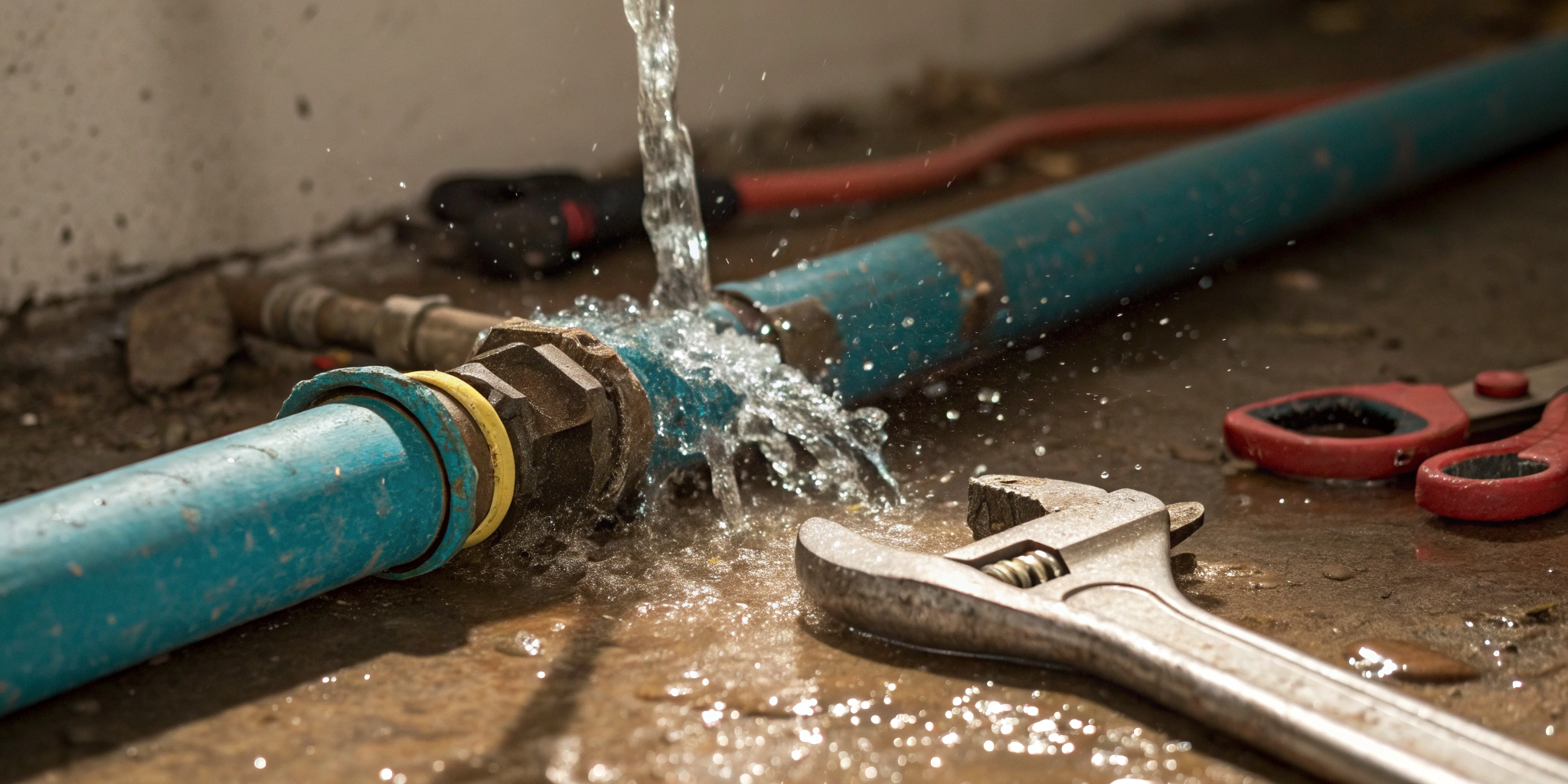


For many Kenyan plumbers, Australia sounds like a serious upgrade from chasing small repair jobs around Nairobi or waiting for the next construction site to open in Nakuru, Mombasa, Kisumu, or Eldoret. You may already have years of experience fixing burst pipes, installing water tanks, connecting drainage lines, or doing full plumbing work for new apartments. Those skills are valuable, and Australia is one of the countries where trained plumbers are in demand.
Still, plumbing jobs in Australia are not something you get through a shortcut. The country has clear rules for foreign tradespeople. You need to prove your skills, pass assessments, meet English requirements, apply through the correct visa pathway, and later get licensed in the state where you work.
That sounds like a lot, and honestly, it is. But for a Kenyan plumber who prepares well, Australia can offer good pay, stable work, and a possible long-term future. The key is to understand the process before spending your savings or trusting someone who promises a “direct job” without paperwork.
Why Australia Needs Foreign Plumbers
Australia has been facing a shortage of skilled tradespeople, including plumbers. Housing projects, infrastructure upgrades, commercial buildings, hospitals, schools, and regional developments all need people who can install and maintain proper water, drainage, gas, and sanitation systems.
Some Australian plumbers are also aging out of the workforce, while fewer young people are joining trades fast enough to replace them. This creates opportunities for skilled foreign workers, including Kenyans, especially those with solid training and verifiable experience.
Kenyan plumbers can be a good fit because many are used to practical problem-solving. A fundi who has worked on apartments in Syokimau, drainage systems in Mombasa, or commercial buildings in Westlands may already understand how demanding plumbing work can be. However, Australia will not rely on stories or confidence. You must document your experience and prove that your skills meet Australian standards.
How Plumbing Work in Australia Differs from Kenya
In Kenya, some plumbing work is informal. A client may call you, explain the issue, and expect you to solve it quickly using locally available materials. In many cases, experience and trust matter more than paperwork.
Australia is different. Plumbing is regulated, and the rules are strict. You are expected to follow plumbing codes, safety procedures, drawings, permits, and inspection requirements. Certain types of work, such as gas fitting or roof plumbing, require additional licences or endorsements.
This does not mean Kenyan plumbers cannot succeed. Many can adjust well. But you must be ready to learn new systems, new materials, and new ways of reporting work. In Australia, doing a job properly means doing it safely, legally, and according to code.
Types of Plumbing Jobs Available in Australia
Trades Assistant or Plumbing Labourer
Some foreign workers start as trades assistants, especially while waiting for full licensing. This role may involve carrying materials, preparing work areas, helping licensed plumbers, digging trenches, cutting pipes, and learning local site practices.
It may feel like a step down if you were already experienced in Kenya, but it can help you gain Australian work exposure while you complete licensing requirements.
General Plumber
General plumbers work on water supply systems, sanitary plumbing, drainage, fixtures, pipe repairs, maintenance, and installations. This is the main role many Kenyan plumbers target once their qualifications and licensing are sorted.
General plumbing work may be available in residential homes, apartment buildings, commercial properties, schools, hospitals, and public infrastructure projects.
Specialized Plumbing Roles
Specialized plumbers may work in gas fitting, fire protection, roof plumbing, backflow prevention, drainage, or industrial plumbing. These roles can pay more, but they usually require additional training, experience, and licensing.
If you have experience with large sites, pumps, pressure testing, fire systems, or commercial maintenance, make sure your CV explains this clearly. Do not simply write “experienced plumber.” Australian employers want details.
Visa Pathways for Kenyan Plumbers
There is no single visa called a plumber visa. Kenyan plumbers usually apply through Australia’s skilled migration system or employer sponsorship routes.
Skilled Independent Visa Subclass 189
This is a permanent skilled visa for applicants who meet the points requirement. It does not require employer sponsorship, but competition can be high. Points are based on age, English ability, qualifications, experience, and other factors.
For plumbers with strong profiles, this can be attractive because it allows more freedom once granted.
Skilled Nominated Visa Subclass 190
This visa involves nomination by an Australian state or territory. Some states nominate workers in occupations they need, including trades. If nominated, you may be expected to live and work in that state for a period.
This option may be useful for Kenyan plumbers whose points are not high enough for independent migration.
Skilled Work Regional Visa Subclass 491
This visa is linked to regional Australia. Many regional towns have serious shortages of tradespeople. While the word “regional” may sound remote, some of these places have good work opportunities and lower living costs than big cities.
For many skilled workers, regional Australia can be a practical entry point.
Temporary Skill Shortage Visa Subclass 482
This route requires an Australian employer to sponsor you. It can be faster if you already have a genuine job offer. However, it ties you to that employer, so you must understand the contract clearly before accepting.
Employer sponsorship sounds attractive, but it must be genuine. Avoid anyone selling fake job offers or asking for large payments without a verifiable employer.
The Skills Assessment Process
For many Kenyan plumbers, the skills assessment is the most important step. Australia needs to confirm that your training and experience match its trade standards.
Trades Recognition Australia is one of the main bodies involved in assessing trade skills. You may need to provide your NITA certificate, TVET documents, employment letters, work history, project details, payslips where available, and proof of practical experience.
Your reference letters should be detailed. A weak letter saying “he worked as a plumber” may not be enough. A stronger letter explains the dates you worked, duties performed, tools used, systems installed, and types of projects handled.
You may also face a technical interview or practical assessment depending on the pathway. This is where you must explain your work clearly using proper plumbing terms. If you have only learned through local site language, start improving your technical vocabulary early.
English Requirements and Site Communication
Australia uses English in workplaces, safety training, reporting, and licensing. Kenyan plumbers usually have an advantage because English is widely used in Kenya, but formal tests such as IELTS or PTE still require preparation.
Do not assume that speaking English casually is enough. The exam tests reading, writing, listening, and speaking in a structured way. Many applicants fail because they ignore writing practice.
On site, communication matters. You may need to read drawings, understand safety briefings, write simple reports, ask questions, and explain a fault to a supervisor. Clear communication can affect your safety, reputation, and chances of promotion.
How Much Plumbers Can Earn in Australia
Plumbing pay in Australia depends on licensing, location, experience, and specialization. A fully licensed plumber generally earns more than a trades assistant or supervised worker. Specialized roles, weekend work, overtime, and remote projects may increase earnings.
However, do not judge the opportunity only by converting Australian dollars into Kenya shillings. Australia has income tax, rent, transport costs, food expenses, insurance, licensing fees, and sometimes tool costs. Sydney and Melbourne can be expensive, while regional towns may offer better savings because rent is lower.
A plumber who earns slightly less in a regional town may save more than someone earning more in a major city but paying high rent. Always calculate possible savings, not just gross salary.
Costs Kenyan Plumbers Should Budget For
Moving to Australia can be expensive. You may need money for skills assessment, English tests, visa fees, medical exams, police clearance, document certification, flights, and initial settlement costs.
If you are moving with a spouse or children, the cost rises significantly. You may also need money for temporary accommodation, rent bond, transport, warm clothing depending on the region, local licensing, and gap training after arrival.
Be careful with anyone who says the whole process can be done cheaply or quickly. A genuine Australian migration process takes planning and money. Do not sell land, borrow heavily, or pay an agent before verifying the pathway and understanding the full cost.
How to Find Legitimate Plumbing Jobs in Australia
Real employers usually want a proper CV, skills assessment progress, references, interviews, and proof that you can qualify for a visa. They do not usually hire serious tradespeople through vague WhatsApp messages.
Use official job platforms, employer websites, and recognized recruitment channels. If you deal with an agency in Kenya, check whether it is properly licensed. Ask for the employer’s business name, website, registration details, job description, salary range, and contract terms.
When checking local professionals or businesses in Kenya, platforms such as The Real Plug help users find vetted service providers. Apply the same habit when dealing with overseas recruiters. Verify before you trust anyone with your money, passport, or documents.
If a recruiter cannot provide clear information, pressures you to pay immediately, or promises a visa without assessment, step back.
Common Mistakes Kenyan Plumbers Make
One common mistake is submitting poor documentation. Australia relies heavily on evidence. If you have worked on many projects but cannot prove it, your application may suffer.
Another mistake is ignoring regional areas. Many applicants focus only on Sydney or Melbourne because they are famous. Yet smaller cities and regional towns may have better demand for plumbers, less competition, and lower living costs.
Some applicants also underestimate the English test. Others assume that a NITA certificate automatically gives them an Australian licence. It does not. You may still need local licensing, supervised work, or gap training.
The most dangerous mistake is trusting fake agents. A promise of a guaranteed job, no interview, no skills assessment, or “tourist visa then convert” should raise concern. Australia has strict immigration rules, and shortcuts can lead to refusal, deportation, or long-term bans.
Preparing While Still in Kenya
Start by organizing your documents. Make sure your passport, ID, NITA certificate, TVET documents, reference letters, and employment records are accurate and consistent.
Update your CV with practical details. Mention the types of plumbing systems you have worked on, the size of projects, materials used, and whether you handled installation, repair, maintenance, or supervision.
Improve your technical English. Learn how to describe pressure testing, drainage falls, venting, hot water systems, backflow prevention, and pipe sizing. If you can explain your work clearly, assessments and interviews become easier.
It also helps to learn about Australian plumbing standards before applying. Watch educational videos, read official guidance where available, and speak to Kenyan plumbers already in Australia. Ask about licensing, rent, tools, work culture, and which regions are more realistic for newcomers.
Is Australia Worth It for Kenyan Plumbers?
Australia can be worth it for plumbers who are patient, organized, and ready to follow a structured process. The pay can be good, the work is respected, and there may be long-term migration options for those who qualify.
But it is not the best option for everyone. If you already have a strong plumbing business in Kenya, regular clients, and good income, moving may not make sense. Kenya still needs reliable plumbers, especially in growing towns, estates, schools, hotels, hospitals, and rental developments.
Australia is better suited for plumbers who want a regulated trade career, are willing to study, can budget properly, and are ready to start under supervision if required. The move should be treated like a serious project, not a gamble.
Conclusion
Plumbing jobs in Australia offer real opportunities for Kenyan plumbers, but only for those who prepare properly. The country needs skilled tradespeople, yet it also expects proof of experience, English ability, skills assessment, licensing, and respect for local standards.
Before applying, collect your documents, strengthen your references, understand the visa options, prepare for the English test, and research the cost of living in different regions. Avoid shortcuts and verify every recruiter or employer before paying anything.
A Kenyan plumber can build a good career in Australia, but success starts long before the flight. It starts with planning, patience, clean paperwork, and a clear understanding of what the journey really requires.