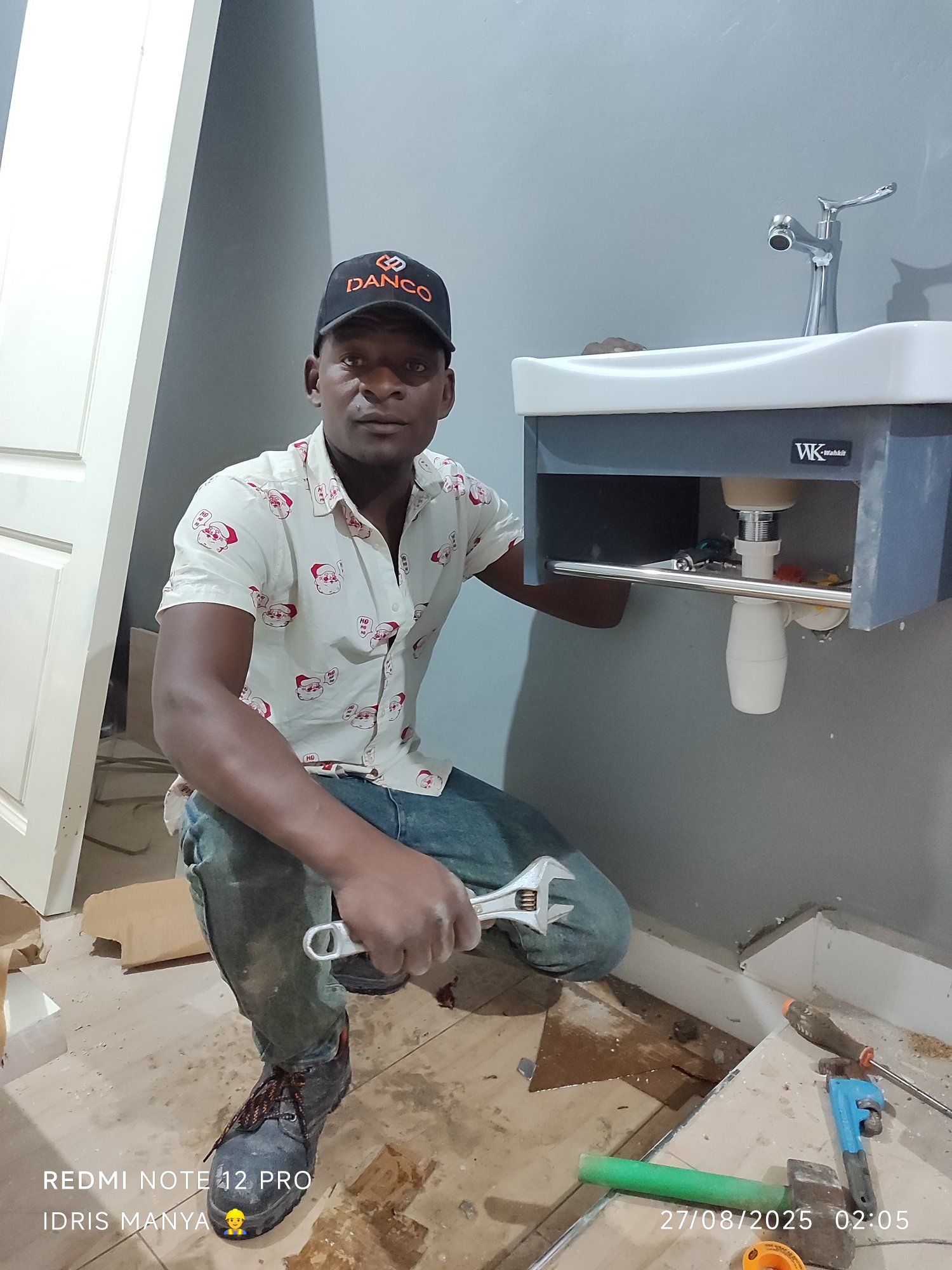


If you are a plumber in Kenya, you already know the job is more than repairing leaking taps or connecting pipes in a new flat. Good plumbing keeps homes safe, hotels running, schools functional, and construction projects moving. Whether you trained through a TVET college, passed a trade test, or learned under an experienced fundi before building your own client base, your skill has real value.
In 2026, skilled plumbers are needed in several countries where construction, maintenance, housing upgrades, and aging workforces have created labour gaps. For Kenyan plumbers, this opens doors. But moving abroad is not something to rush. Each country has its own licensing rules, visa process, costs, and working culture.
Why Skilled Plumbers Are in Demand Abroad
Many developed countries are facing a shortage of tradespeople. Older plumbers are retiring, fewer young workers are joining technical trades, and demand for housing, water systems, heating, drainage, and energy-efficient buildings keeps growing.
This shortage does not mean any plumber can simply walk into a job overseas. Employers usually want proof of training, experience, safety awareness, and the ability to follow building codes. If you have handled apartment plumbing in Nairobi, drainage work in Nakuru, or commercial installations in Mombasa, your experience can be useful, but you may still need assessment or retraining.
Top Countries Hiring Skilled Plumbers in 2026
Australia
Australia remains one of the most attractive destinations for skilled plumbers. Areas such as Queensland, Western Australia, and New South Wales often need tradespeople, especially outside major cities.
Plumbers may need their qualifications assessed through the relevant trade recognition process before applying for state licensing. Experience in gas fitting, drainage, roofing, or hot water systems can improve your chances. Pay can be strong, but cities like Sydney and Melbourne are expensive, so rent and transport must be considered carefully.
Canada
Canada continues to need plumbers due to housing construction, maintenance work, and infrastructure growth. Provinces such as Alberta, Ontario, British Columbia, and Saskatchewan may offer opportunities through skilled trade or provincial immigration routes.
Kenyan plumbers should expect to prove their experience, take language tests, and work toward local certification. Winter conditions can be challenging, especially for someone used to warmer towns like Kisumu or Mombasa, but indoor maintenance work remains steady.
Germany
Germany has a serious need for skilled workers, including plumbing, heating, and sanitation technicians. However, language is important. Most employers expect at least basic German because safety instructions, documents, and client communication are usually in German.
Kenyan qualifications may need recognition before full employment. The work culture is structured, punctual, and document-heavy. For plumbers who are patient with the process, Germany can offer stability and strong worker protections.
United Kingdom
The UK has demand for plumbers, especially those with experience in heating systems, maintenance, and domestic installations. Gas-related work requires special registration, so plumbers should not assume Kenyan experience automatically allows them to work on every system.
Pay can be attractive, particularly for experienced or self-employed plumbers, but the cost of living is high in many areas. Health and safety rules are also strict, and mistakes can affect licensing or employment.
United Arab Emirates and Gulf Countries
The UAE, Qatar, and Saudi Arabia regularly recruit plumbers, MEP technicians, and maintenance workers for construction, hotels, residential towers, and facility management.
Salaries may be lower than in Australia or Canada, but some jobs include accommodation and transport. Contracts should be read carefully before signing. Plumbers should confirm working hours, overtime terms, accommodation quality, and whether the employer is legitimate.
What Foreign Employers Usually Look For
Employers are not only looking for someone who can fix a blocked drain. They want plumbers who can read technical drawings, follow instructions, understand safety, and work professionally.
A NITA trade test, TVET certificate, diploma, or strong reference letters can help. A CV should be specific. Instead of saying “experienced plumber,” explain the type of projects you have handled, such as apartment blocks, hotels, schools, borehole connections, drainage systems, or bathroom renovations.
Good communication also matters. You may need to explain a fault to a supervisor, update a client, or report a safety issue clearly.
Common Mistakes Kenyan Plumbers Should Avoid
One common mistake is trusting agents who promise guaranteed jobs without proper documents. If someone asks for a large upfront payment but cannot show a verifiable employer, contract, or licence, be careful.
Another mistake is ignoring licensing. You may receive a visa but still be limited to assistant-level work until your skills are assessed. Start checking recognition requirements early because the process can take time.
Many plumbers also focus only on salary and forget living costs. A high monthly income may look good from Kenya, but rent, tax, transport, tools, exams, and insurance can reduce take-home pay.
How to Prepare Before Applying
Start by organizing your documents. Keep copies of certificates, trade tests, reference letters, passport, CV, and any photos or records of completed projects. Make sure your CV is clean, honest, and practical.
Research the official immigration and licensing websites of your target country. Avoid relying only on WhatsApp forwards or Facebook posts. Also, speak to Kenyans already working abroad where possible. They can help you understand real costs, work culture, and common challenges.
For local verification habits, platforms such as The Real Plug can help users find vetted professionals and businesses in Kenya. The same mindset applies when looking for overseas work: verify before you trust anyone with your money, documents, or passport.
Conclusion
Countries hiring skilled plumbers in 2026 include Australia, Canada, Germany, the UK, and Gulf countries. The opportunities are real, but so are the requirements. A good plumber must prepare documents, understand licensing, compare living costs, and verify every job offer.
For Kenyan plumbers with solid experience and patience, working abroad can be a smart step. Still, it should be a planned move, not a rushed decision. Whether you go overseas or continue building your name locally, quality plumbing skills remain valuable.