

A good night's sleep affects almost every aspect of daily life. It influences energy levels, concentration, mood, productivity, physical recovery, and even the body's ability to fight illness. Yet for many people in Kenya, quality sleep is becoming increasingly difficult to achieve. Busy work schedules, long commutes, financial pressures, family responsibilities, and constant exposure to screens often leave the mind active long after it's time to rest.
While occasional sleepless nights are normal, ongoing sleep problems can gradually affect both physical and mental wellbeing. People who don't sleep well may wake up feeling tired despite spending enough hours in bed, struggle to focus during the day, or notice increased irritability and muscle tension. In many cases, poor sleep isn't caused by a single issue but by a combination of stress, discomfort, lifestyle habits, and underlying health conditions.
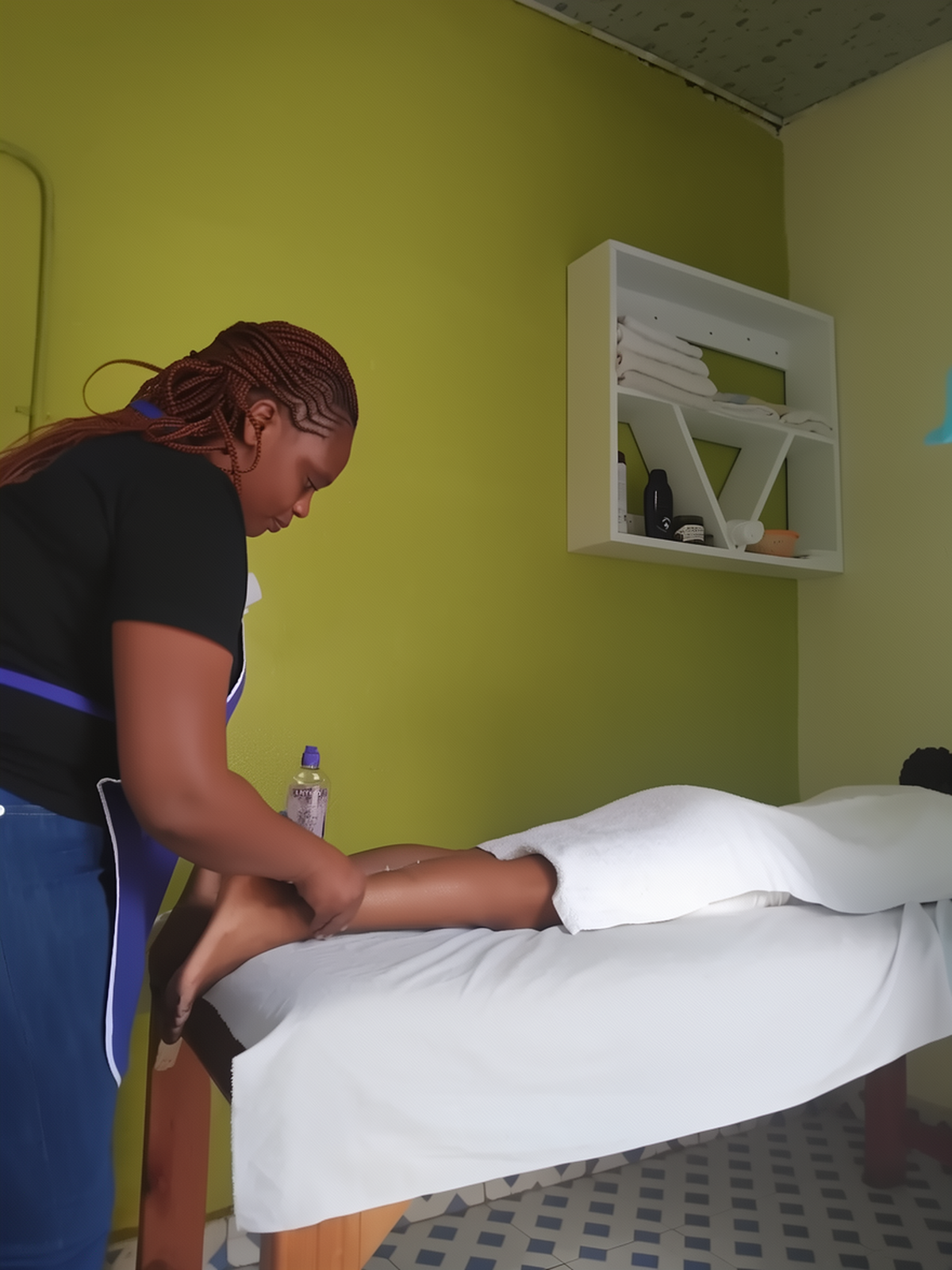
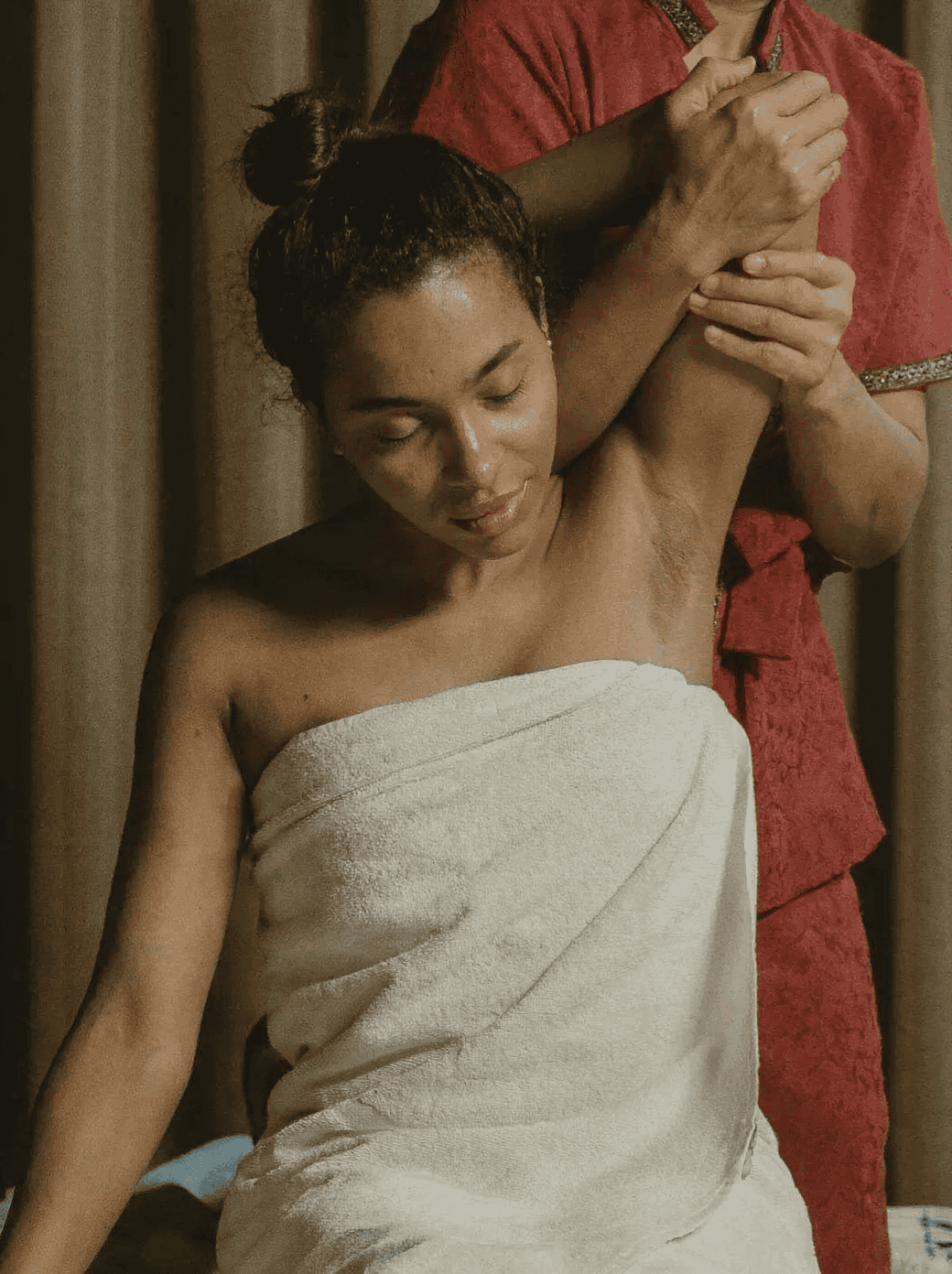
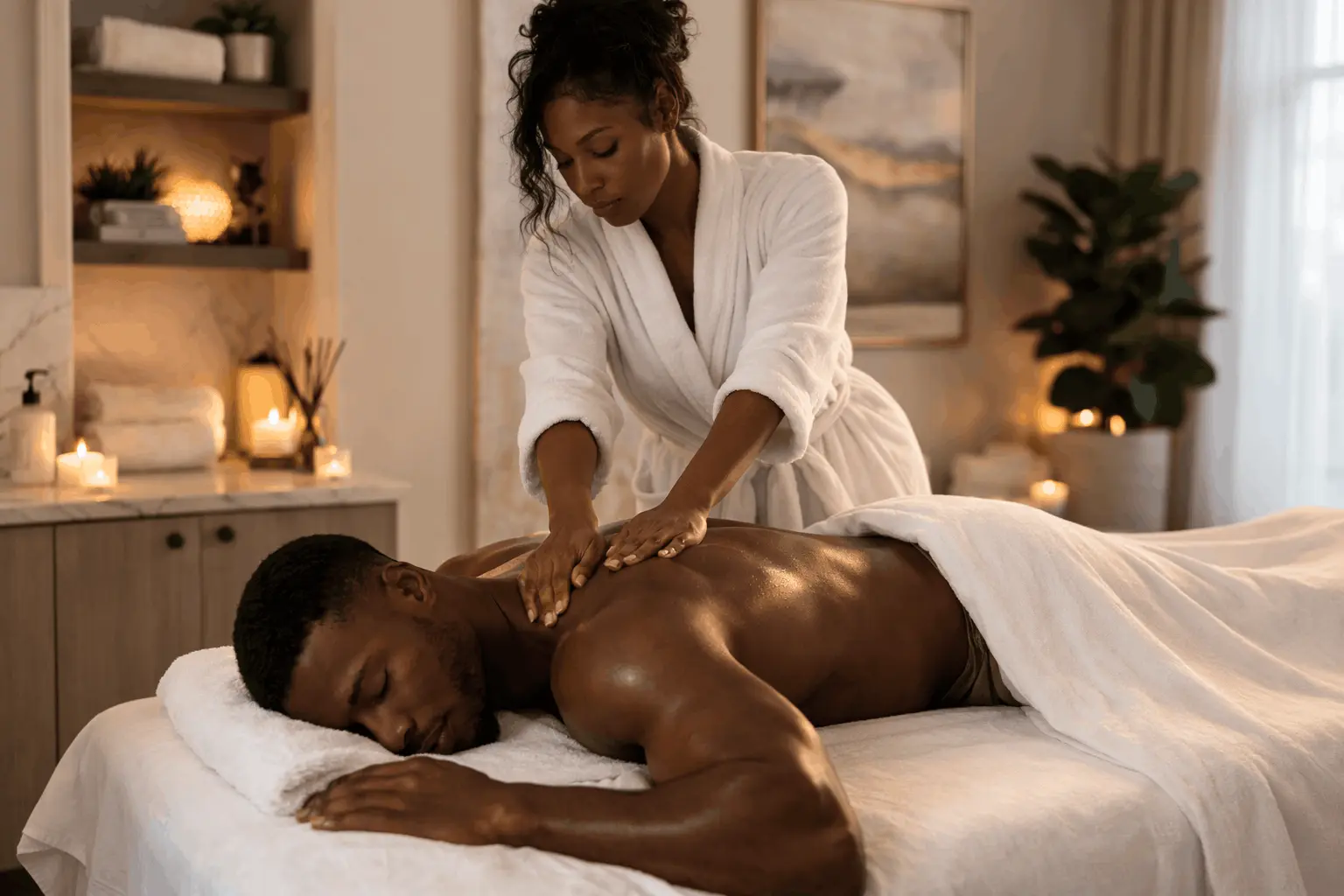
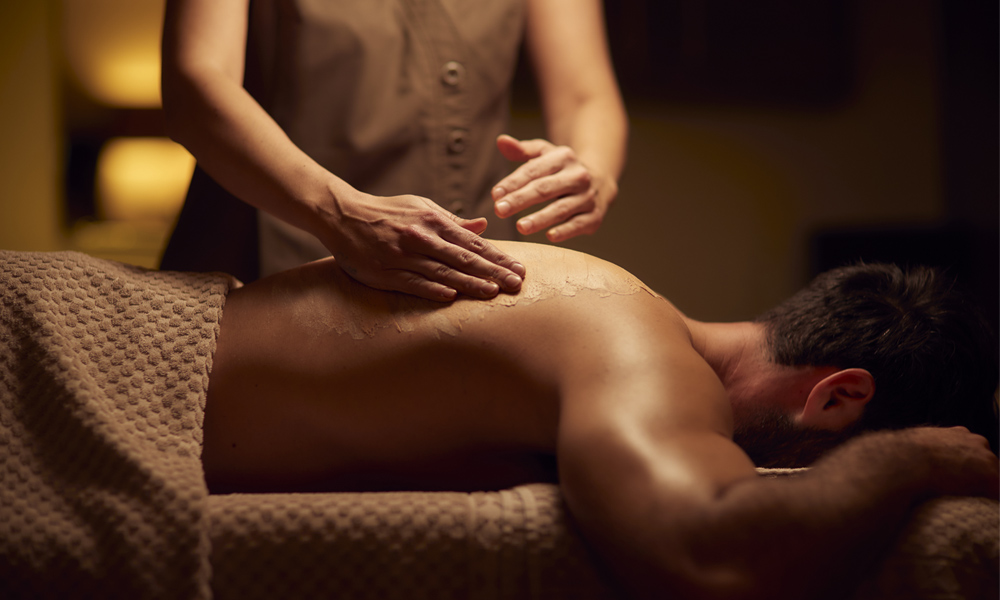
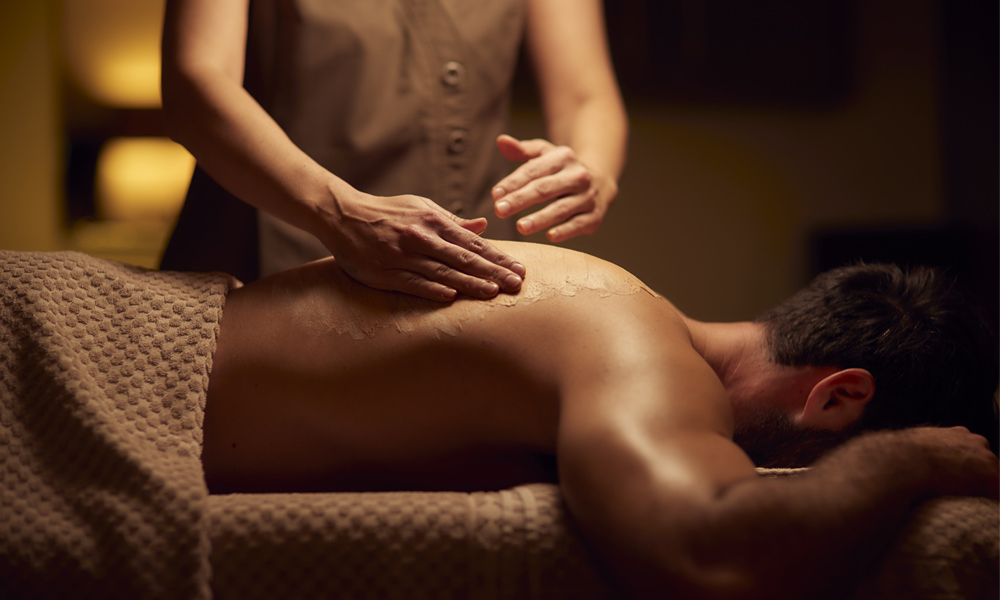
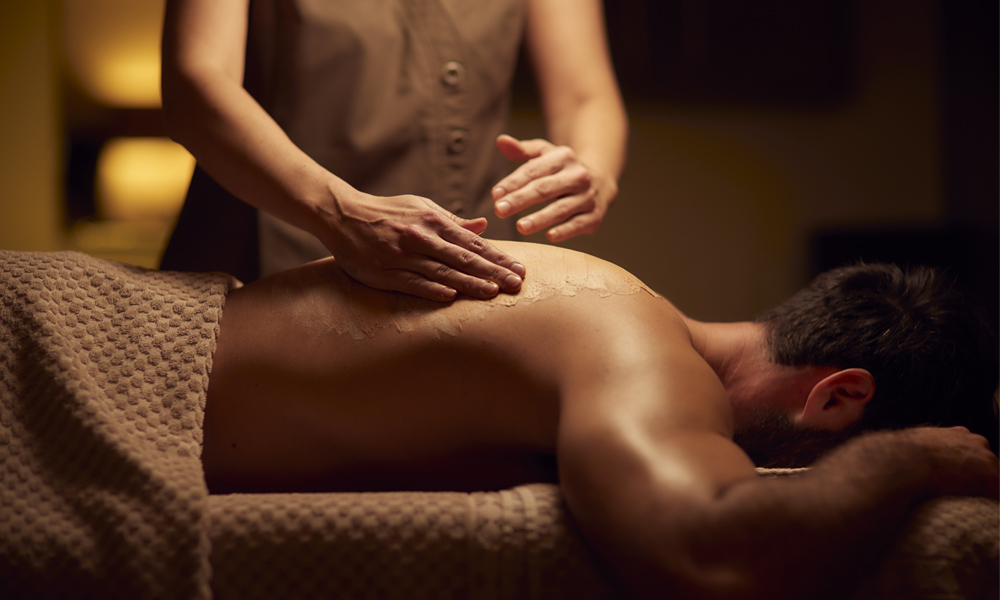
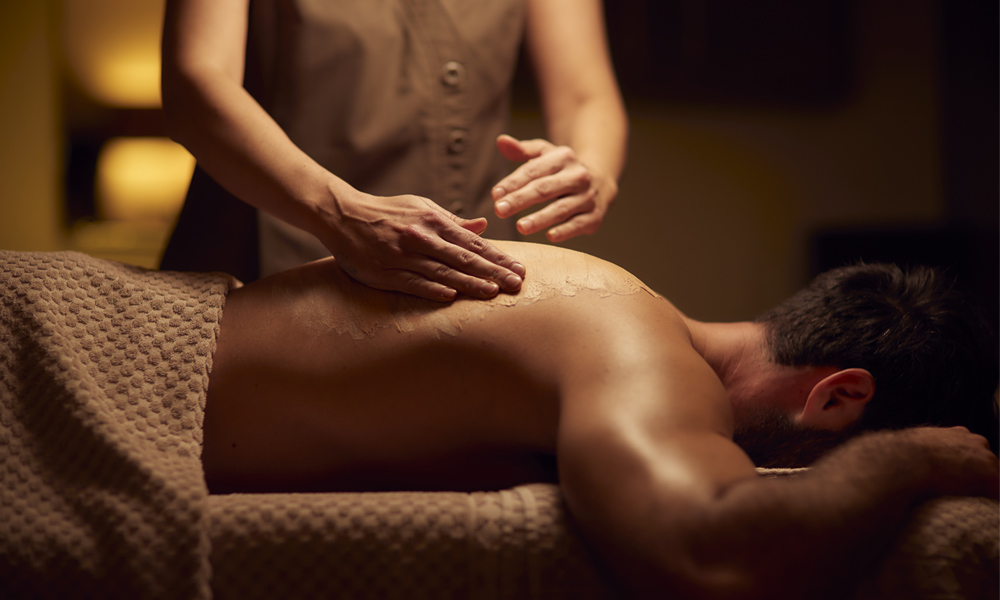
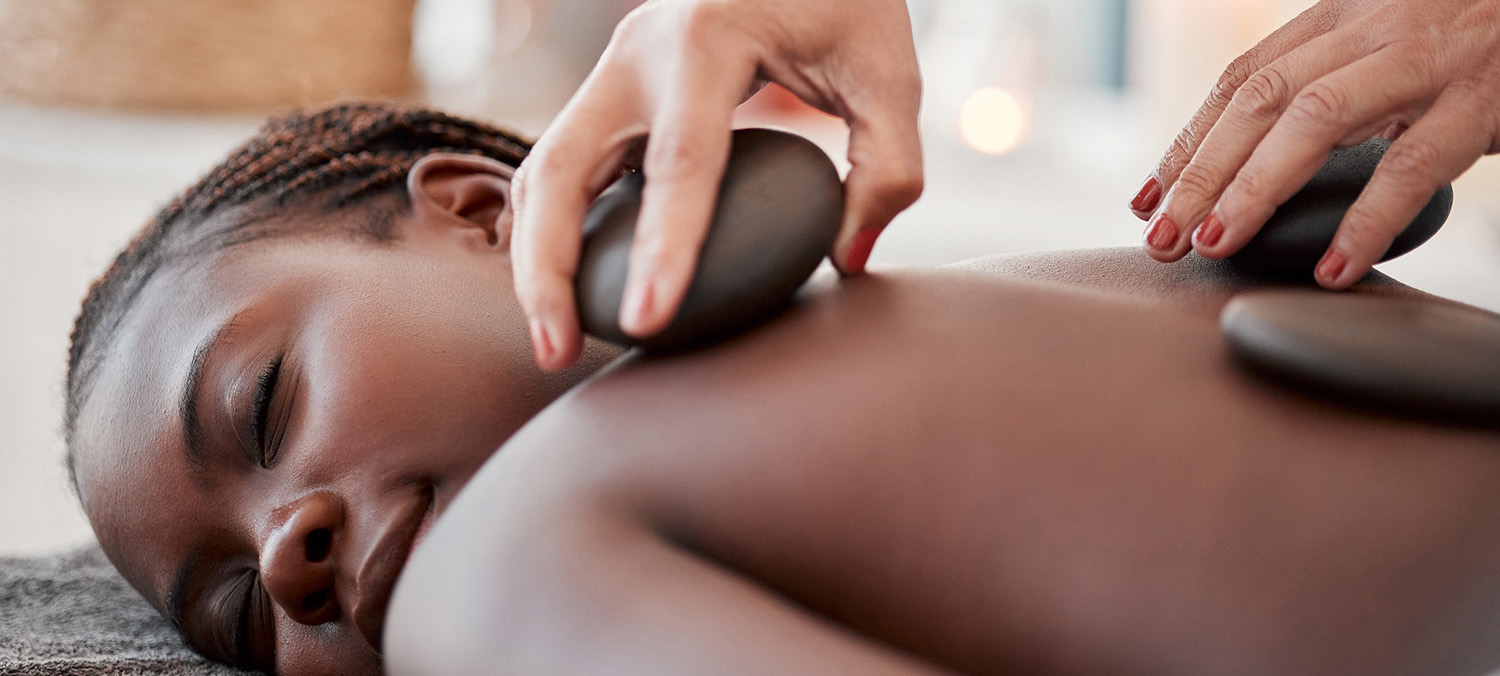
Massage therapy has gained attention as one of the complementary approaches that may help improve sleep quality. Although it isn't a cure for insomnia or other sleep disorders, professional massage can promote relaxation, reduce muscle tension, and support the body's natural transition into a more restful state. When combined with healthy sleep habits, it may become an effective part of a broader wellness routine.
Why Quality Sleep Matters More Than Many People Realize
Sleep is far more than simply taking a break from daily activities. During sleep, the body repairs tissues, regulates hormones, strengthens the immune system, and processes memories formed throughout the day. The brain also uses this time to restore cognitive function, making sleep essential for learning, decision-making, and emotional regulation.
Adults generally need between seven and nine hours of quality sleep each night, although individual needs vary. Unfortunately, many people consistently fall short of this recommendation due to demanding schedules or difficulty falling and staying asleep.
Poor sleep can affect nearly every part of daily life. Reduced concentration may lower workplace productivity, while ongoing fatigue increases the risk of mistakes, accidents, and poor decision-making. Physically, inadequate sleep has been associated with weakened immunity, slower recovery from exercise or injury, and increased sensitivity to pain.
Rather than viewing sleep as something optional, it's helpful to think of it as one of the foundations of good health, alongside proper nutrition, regular physical activity, and stress management.
How Stress and Anxiety Can Disrupt Sleep
Stress is one of the leading reasons people struggle to sleep well. When the body perceives stress, it releases hormones such as cortisol and adrenaline, preparing us to respond to challenges. While this response is useful during emergencies, it becomes problematic when stress continues long after the immediate situation has passed.
Many people find themselves lying awake replaying conversations, thinking about work deadlines, worrying about finances, or planning the next day's responsibilities. Even when the body feels physically tired, an active mind can make it difficult to fall asleep.
Stress also contributes to physical symptoms that interfere with rest. Tight shoulders, neck stiffness, lower back discomfort, jaw clenching, and tension headaches often become more noticeable at bedtime because there are fewer distractions competing for attention.
Massage therapy may help by encouraging the body to shift from its stress response into a more relaxed state, making it easier for some people to unwind before bedtime. While it doesn't eliminate life's stressors, it can reduce some of their physical effects.
The Role of Muscle Tension in Poor Sleep
Muscle tension and poor sleep often reinforce one another. After a long day of sitting at a desk, driving, standing for extended periods, or performing repetitive physical work, muscles can become stiff and uncomfortable. This discomfort may make it difficult to find a comfortable sleeping position or cause people to wake repeatedly during the night.
Neck pain, shoulder tightness, and lower back discomfort are particularly common complaints. Instead of allowing the body to fully relax, these aches keep muscles engaged, interrupting the natural process of falling asleep.
Massage therapy targets these areas by increasing circulation, reducing muscle tightness, and improving flexibility. As muscles become less tense, many people find it easier to settle into bed without constantly adjusting their position to relieve discomfort.
Although massage cannot correct every cause of pain, especially those related to serious medical conditions, it can be an effective way to manage everyday muscular tension that contributes to restless nights.
How Massage Therapy Promotes Relaxation
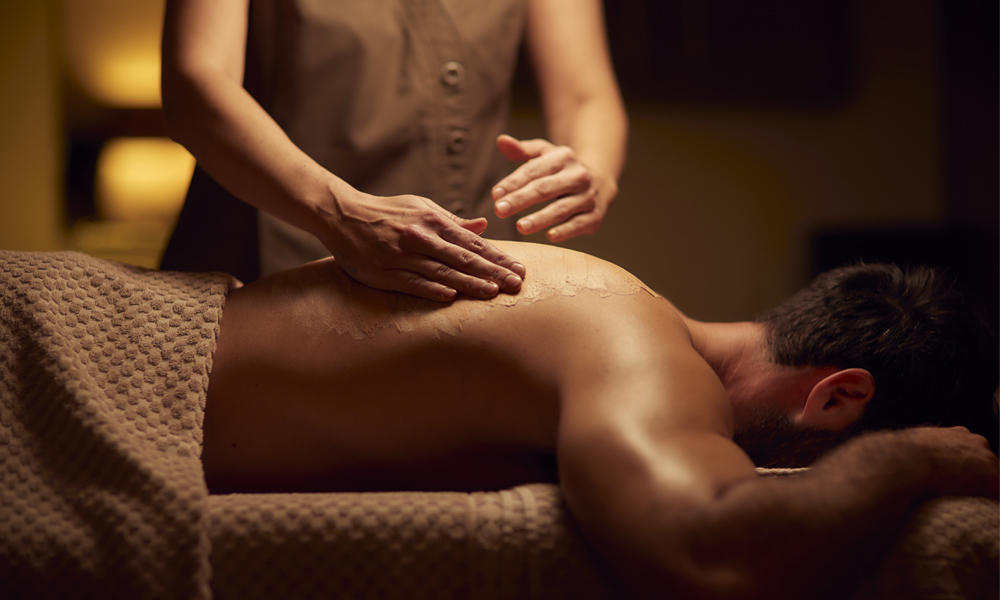
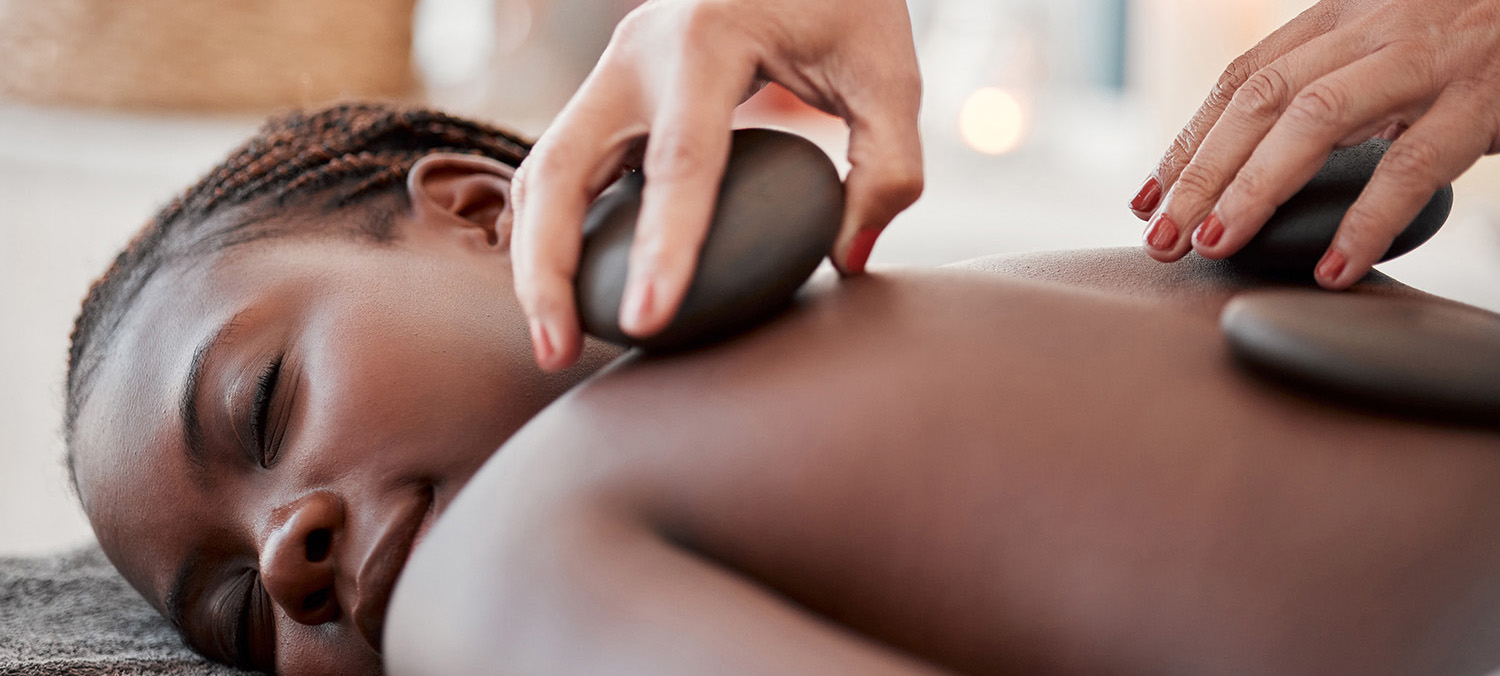
One of the main reasons massage is associated with better sleep is its ability to activate the body's relaxation response. During a professional massage, gentle pressure, rhythmic movements, and a calm environment encourage the nervous system to slow down.
As muscles relax, breathing often becomes deeper and more regular. Heart rate may decrease, and many people experience a noticeable reduction in feelings of physical tension. This shift helps move the body away from the heightened state associated with stress and toward one that supports rest and recovery.
Research has suggested that massage may also influence hormones linked to relaxation and emotional wellbeing. While scientific studies continue to explore these effects, many individuals report feeling calmer and mentally refreshed after a massage session.
This relaxed state can extend beyond the treatment itself, making it easier to transition into bedtime, particularly when massage is scheduled later in the day.
Can Massage Therapy Help People with Insomnia?
Insomnia is more than simply having the occasional bad night's sleep. It involves persistent difficulty falling asleep, staying asleep, or waking too early despite having enough opportunity to rest. The condition can significantly affect daily functioning and overall health.
Massage therapy should not be viewed as a standalone treatment for chronic insomnia, especially when symptoms are severe or long-lasting. However, it may complement medical care by addressing some of the factors that contribute to poor sleep, including stress, muscle tension, and physical discomfort.
People who experience mild sleep difficulties related to busy lifestyles or temporary stress may notice improvements after regular massage sessions. Others may find that massage becomes one helpful component alongside sleep hygiene practices, counselling, or medical treatment recommended by healthcare professionals.
Anyone experiencing persistent insomnia should consult a qualified healthcare provider to identify potential underlying causes and determine the most appropriate treatment plan.
Massage and the Mind-Body Connection
Sleep isn't influenced solely by physical comfort. Emotional wellbeing also plays a significant role in determining how easily we drift off each night. Many people carry emotional stress in their bodies without consciously realizing it, often through tight shoulders, shallow breathing, or clenched muscles.
Massage encourages greater awareness of these physical responses while providing an opportunity to pause from the demands of daily life. For the duration of a session, there are no emails to answer, meetings to attend, or household responsibilities demanding attention. This uninterrupted time can help quiet the mind and promote a stronger connection between mental and physical relaxation.
The experience varies from person to person. Some clients leave feeling energized, while others notice a deep sense of calm that makes bedtime feel more natural. Although massage doesn't replace mental health support when needed, it can complement broader efforts to maintain emotional balance.
Building Better Sleep Habits Alongside Massage Therapy
Massage works best when combined with healthy daily habits that support consistent, restorative sleep. Establishing a regular bedtime and wake-up time helps regulate the body's internal clock, making it easier to fall asleep naturally.
Reducing screen time before bed can also make a noticeable difference. Phones, tablets, and televisions emit blue light that may interfere with the production of melatonin, the hormone responsible for regulating sleep. Replacing screen time with reading, gentle stretching, or relaxation techniques can help prepare the body for rest.
Regular physical activity during the day supports better sleep at night, although vigorous exercise immediately before bedtime may have the opposite effect for some people. Limiting caffeine later in the day and avoiding heavy meals close to bedtime are additional strategies that can improve sleep quality.
Massage complements these habits by helping reduce physical tension and encouraging a calmer state before sleep rather than replacing healthy routines altogether.
Choosing the Right Massage for Relaxation
Not every massage technique is intended to promote sleep. Some treatments focus on athletic recovery or rehabilitation, while others prioritize relaxation and stress reduction.
Swedish massage is often recommended for individuals seeking better sleep because it uses gentle, flowing strokes that encourage relaxation without causing excessive muscle soreness afterward. Aromatherapy massage may also appeal to people who enjoy calming scents as part of their wellness routine, although responses to essential oils vary.
Deep tissue massage can be beneficial for chronic muscle tension, but because it involves firmer pressure, some people prefer scheduling these sessions earlier in the day rather than immediately before bedtime.
Discussing your goals with a qualified massage therapist allows them to recommend an approach that aligns with your needs, comfort level, and overall health.
Finding a Qualified Massage Therapist in Kenya
Choosing an experienced massage therapist is important for both comfort and safety. A professional practitioner should take time to understand your health history, discuss any existing medical conditions, and explain what you can expect during treatment.
If you have chronic pain, recent injuries, pregnancy, or underlying health conditions, be sure to mention these before your appointment. Certain massage techniques may need to be adjusted depending on your circumstances.
Reading client reviews, seeking recommendations, and selecting therapists with appropriate training can help you make an informed choice. If you're looking for verified wellness professionals or other trusted service providers across Kenya, The Real Plug offers a convenient way to discover vetted professionals across different industries, making it easier to connect with reliable services.
Good communication remains essential throughout the session. Let your therapist know if the pressure feels too strong or if you have specific areas of discomfort that require attention.
Massage Therapy as Part of a Healthier Lifestyle
Better sleep rarely comes from a single solution. Instead, it usually reflects a combination of healthy habits that work together to support both physical and mental wellbeing. Massage therapy can contribute to this process by reducing muscle tension, encouraging relaxation, and helping the body recover from the demands of everyday life.
Whether your sleep challenges stem from work-related stress, physical discomfort, or a busy lifestyle, incorporating massage into a balanced wellness routine may help create the conditions for more restful nights. Combined with good sleep hygiene, regular exercise, proper nutrition, and professional medical advice when necessary, massage can become a valuable tool for improving overall quality of life.
If sleep problems persist despite making positive lifestyle changes, it's important to seek guidance from a healthcare professional. Identifying and treating underlying conditions is often the key to achieving long-term improvements in sleep quality and overall health.