

Whether you're an experienced athlete, a weekend runner, a gym enthusiast, or someone whose job involves physical labour, muscle soreness is a familiar part of life. After a challenging workout or a physically demanding day, it's normal to feel stiff, tired, or slightly uncomfortable as your muscles recover from the effort. In many cases, this soreness is a sign that your body is adapting to new physical demands.
Recovery is often overlooked, yet it's one of the most important aspects of maintaining an active lifestyle. Without enough time for muscles to repair and rebuild, fatigue can accumulate, performance may decline, and the risk of injury can increase. While proper nutrition, hydration, rest, and sleep remain the foundations of recovery, massage therapy has become a popular complementary approach for people looking to support their body's natural healing process.
Massage therapy isn't a shortcut to faster fitness gains, nor does it replace proper medical care when injuries occur. However, it can help reduce muscle tightness, improve circulation, encourage relaxation, and restore mobility after exercise. Whether you're training for a sporting event or simply trying to stay active, understanding how massage fits into muscle recovery can help you make informed decisions about your overall wellness routine.
What Happens to Your Muscles After Exercise?
Exercise challenges the muscles in different ways depending on the type, intensity, and duration of the activity. Strength training creates resistance that causes tiny microscopic tears in muscle fibres, while activities such as running, cycling, football, or swimming place repeated demands on muscles through continuous movement.
These microscopic changes are a normal part of the body's adaptation process. As muscles repair themselves, they become stronger and better prepared for future activity. This is why recovery is just as important as the workout itself. Without enough time for repair, muscles remain fatigued, making subsequent training sessions less effective and potentially increasing the risk of overuse injuries.
Immediately after exercise, muscles may also experience temporary inflammation and reduced flexibility. This is part of the body's natural response to physical stress and should not automatically be viewed as a problem. However, excessive muscle tightness or prolonged discomfort may interfere with everyday movement and limit your ability to continue training consistently.
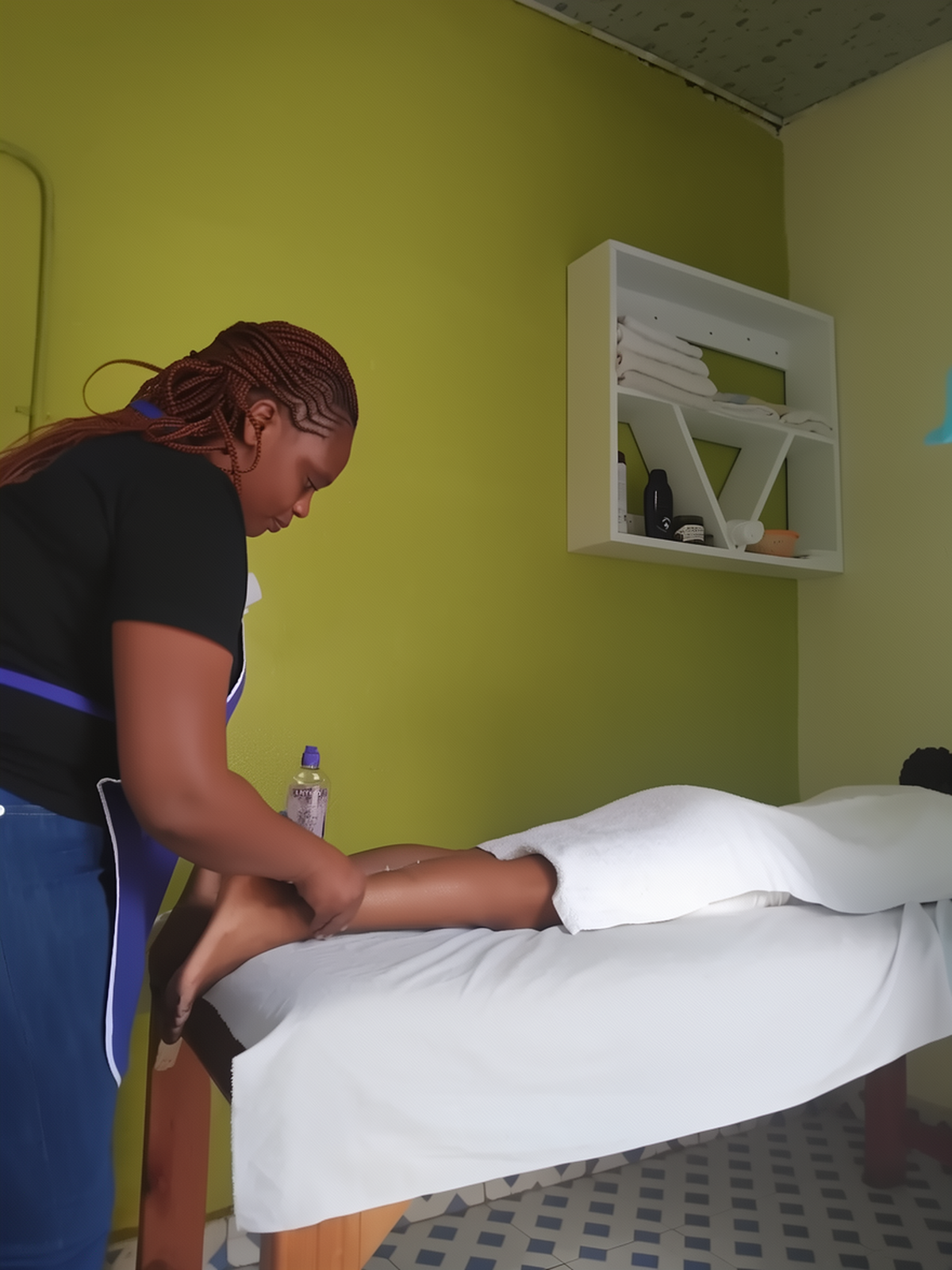
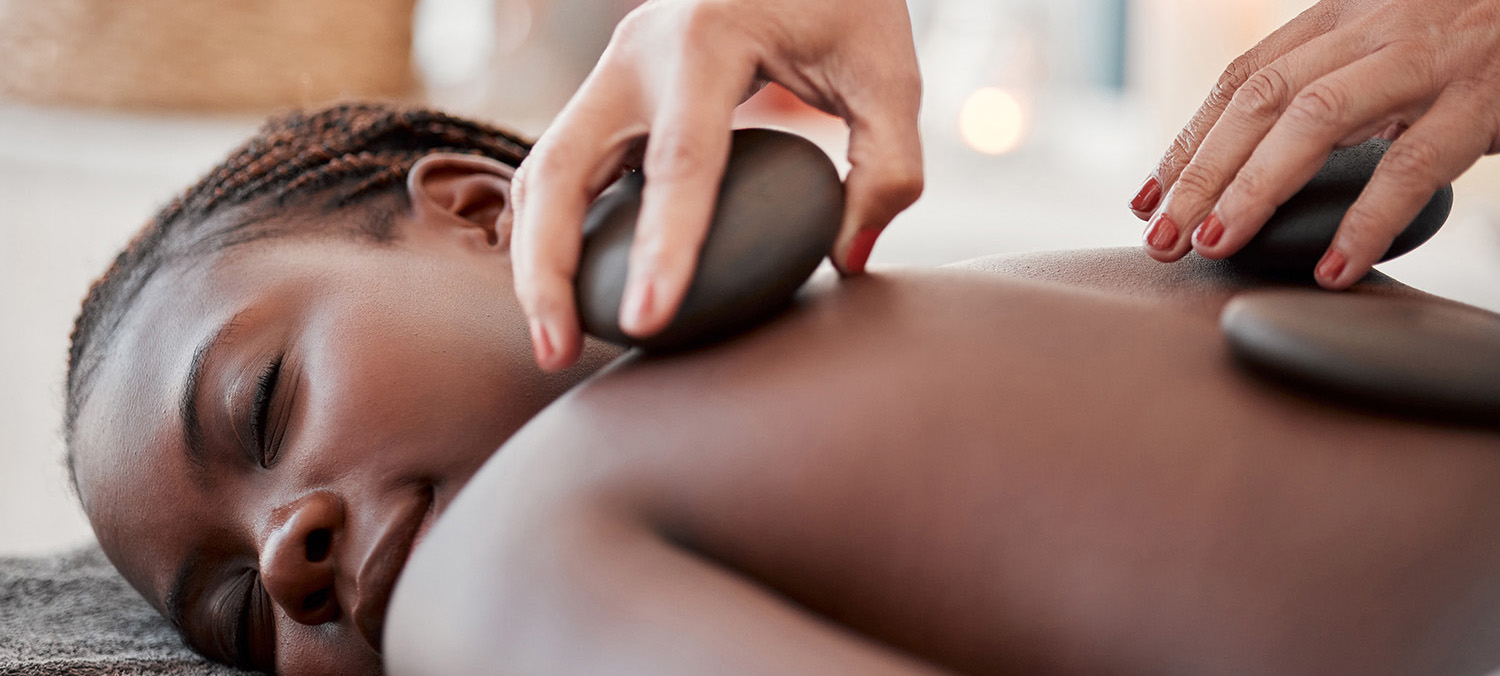
Massage therapy supports this recovery process by helping muscles relax while promoting circulation to tissues that have been working hard.
Understanding Delayed Onset Muscle Soreness (DOMS)
One of the most common reasons people seek massage after exercise is to relieve Delayed Onset Muscle Soreness (DOMS). Unlike soreness that develops during a workout, DOMS usually appears between 12 and 48 hours after unfamiliar or intense physical activity and may last several days.
DOMS often occurs after increasing workout intensity, trying a new exercise, returning to training after a break, or performing movements that place greater emphasis on muscle lengthening, such as downhill running or controlled lowering during strength exercises.
Symptoms typically include muscle tenderness, stiffness, reduced range of motion, and discomfort when moving affected muscles. Although DOMS can feel uncomfortable, it is generally considered a normal response to exercise rather than a sign of injury.
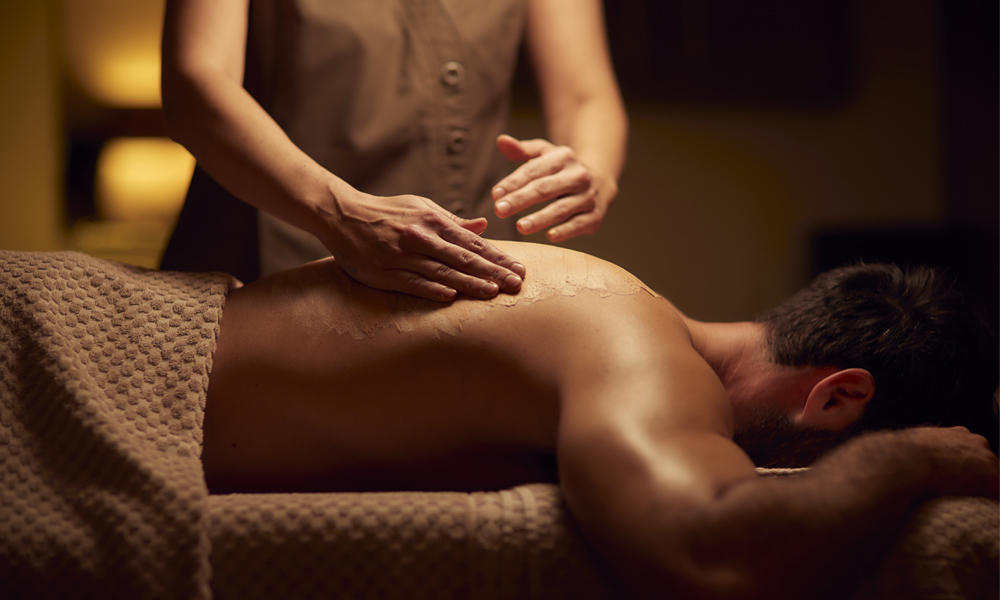
Massage therapy may help reduce the perception of soreness by easing muscle tension and encouraging relaxation. While it does not completely prevent DOMS, many active individuals report feeling less stiff and more comfortable following a professional massage.
How Massage Therapy Supports Tissue Recovery
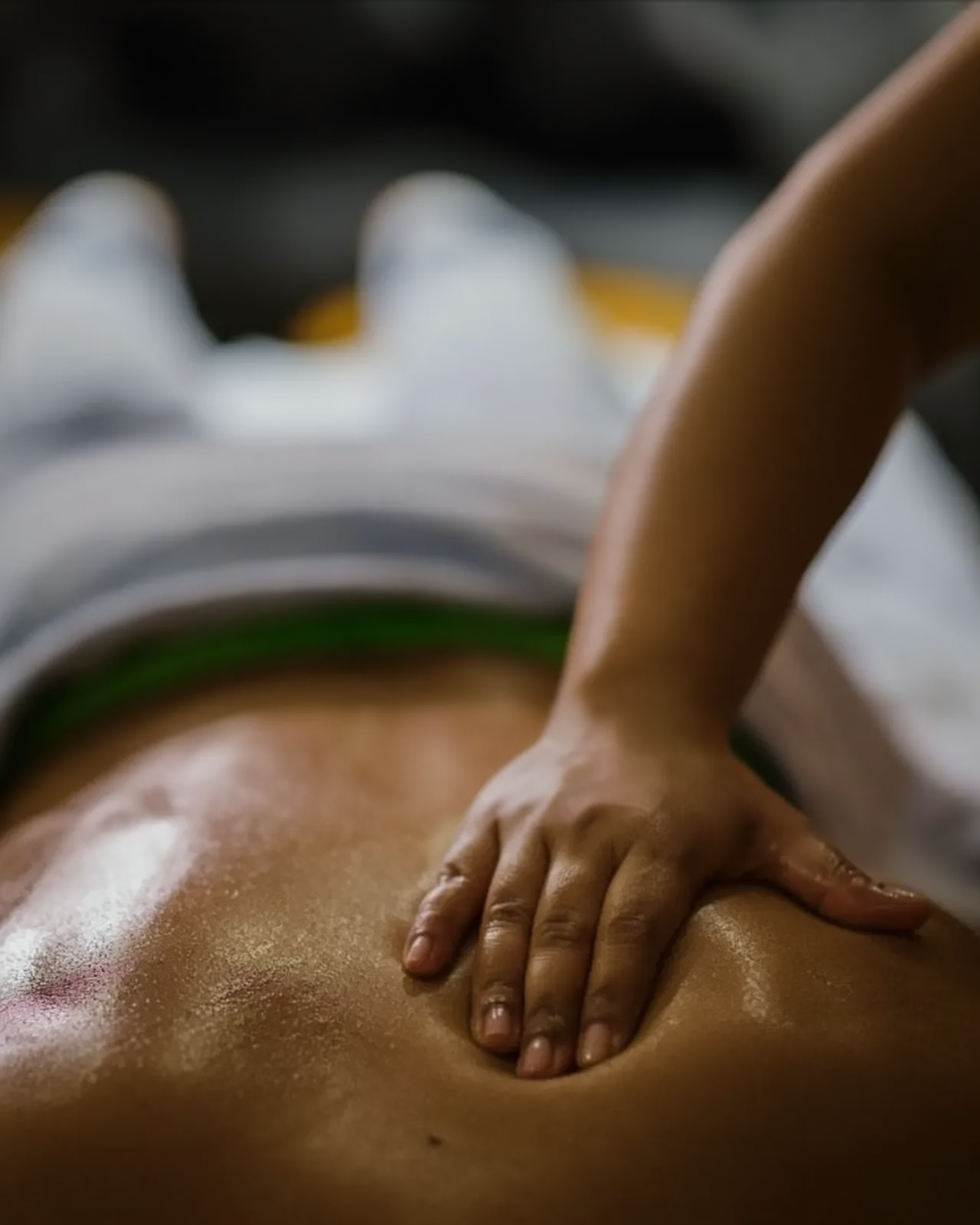
Muscle recovery depends on the body's ability to repair the tiny changes that occur during exercise. Massage therapy supports this process by stimulating soft tissues through controlled pressure and movement.
As muscles are gently manipulated, circulation increases, allowing oxygen and nutrients to reach recovering tissues more efficiently. Better blood flow also helps remove metabolic waste products that accumulate during physical activity. Although the body naturally performs these functions on its own, massage may support these processes by encouraging healthy circulation.
Massage also reduces muscle tightness that often develops after demanding workouts. Relaxed muscles move more comfortably and may recover their normal flexibility more quickly than muscles that remain tense for prolonged periods.
It's important to understand that massage does not "repair" damaged muscles directly. Instead, it creates favourable conditions that complement the body's own healing mechanisms while improving comfort during recovery.
The Role of Circulation in Muscle Recovery
Healthy circulation is essential for effective recovery after exercise. Blood delivers oxygen, amino acids, glucose, and other nutrients needed to repair muscle tissue while helping transport waste products away from working muscles.
During intense physical activity, circulation naturally increases to meet the muscles' demands. After exercise, maintaining good blood flow continues to support tissue repair and recovery. Massage therapy encourages circulation by applying pressure that stimulates blood movement through muscles and surrounding soft tissues.
Improved circulation may also contribute to reduced feelings of stiffness and fatigue following strenuous activity. Many people notice that muscles feel warmer, looser, and easier to move after a massage session.
Although massage promotes circulation, it should always be combined with other healthy recovery practices, including staying hydrated, eating balanced meals, and getting enough rest. Together, these habits create the best environment for muscle recovery.
Massage Therapy and Mobility
Muscle soreness often limits mobility, making everyday movements feel more difficult than usual. Walking upstairs after an intense leg workout, reaching overhead following upper-body training, or bending comfortably after physical labour can become challenging when muscles are tight.
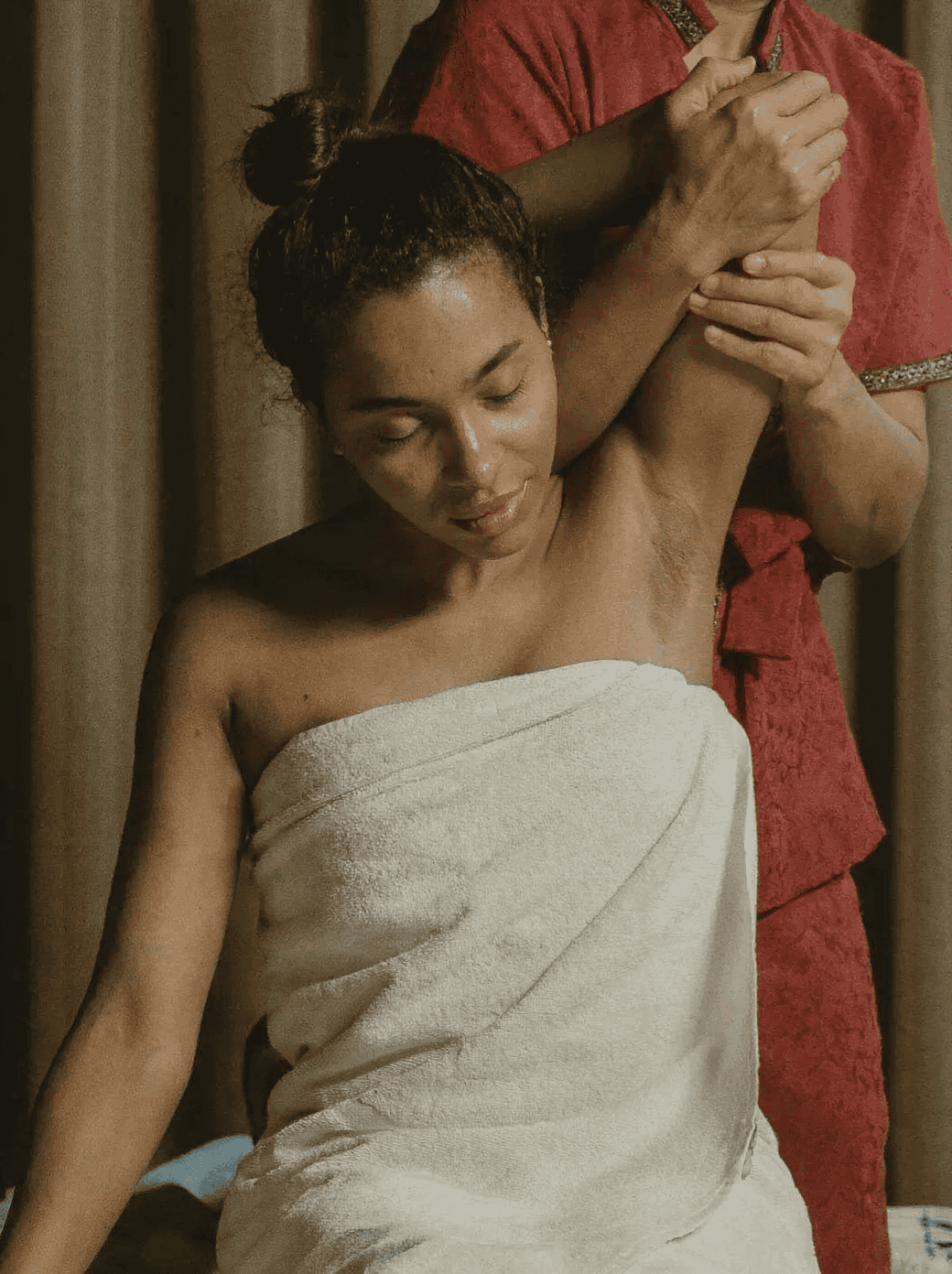
Massage therapy helps improve mobility by reducing muscle tension that restricts movement. As muscles relax, joints often move more freely, allowing people to return to normal activities with greater comfort.
Improved mobility is particularly valuable for individuals who exercise regularly. Maintaining a healthy range of motion supports proper movement patterns during training, helping exercises feel smoother and reducing unnecessary strain on surrounding muscles and joints.
Massage alone isn't enough to maintain long-term flexibility. Stretching, strength training, mobility exercises, and regular physical activity all work together to support healthy movement throughout the body.
Does Massage Help Reduce Muscle Soreness?
Scientific research on massage therapy and muscle recovery continues to evolve, but many studies suggest that massage may reduce the intensity of muscle soreness experienced after exercise. While it may not eliminate soreness entirely, massage often helps people feel more comfortable during the recovery period.
One reason is that massage encourages relaxation of muscles that have remained contracted after physical activity. It may also reduce the sensation of stiffness, making movement easier during the days following exercise.
Individual experiences vary depending on the type of exercise performed, the timing of the massage, and the techniques used. Some people benefit from a massage shortly after intense activity, while others prefer waiting until the following day when soreness becomes more noticeable.
Rather than expecting immediate elimination of discomfort, it's more realistic to view massage as one supportive tool that contributes to overall recovery and wellbeing.
Choosing the Right Type of Massage for Recovery
Different massage techniques serve different purposes, and the best choice depends on your activity level, training goals, and physical condition.
Sports massage is specifically designed for physically active individuals. It combines techniques that help address muscle tightness, improve flexibility, and support recovery after training or competition. Athletes often use sports massage throughout their training season to maintain muscle health and prepare for upcoming events.
Swedish massage provides a gentler approach focused on relaxation and improved circulation. It can be an excellent option for people experiencing general muscle fatigue or those new to massage therapy.
Deep tissue massage targets deeper layers of muscle and connective tissue, making it useful for longstanding areas of tightness. However, because it involves firmer pressure, it may not always be the best choice immediately after particularly intense exercise.
A qualified massage therapist can recommend an appropriate treatment based on your individual recovery needs.
Massage Should Complement Other Recovery Strategies
While massage offers several benefits, it works best when combined with evidence-based recovery practices rather than replacing them. Proper nutrition provides the building blocks muscles need for repair, while hydration supports normal muscle function and circulation.
Sleep is equally important because much of the body's recovery takes place during deep sleep. Without enough rest, muscles may take longer to recover regardless of how many recovery treatments are used.
Active recovery, such as light walking, swimming, or gentle cycling, can also help maintain circulation without placing excessive stress on recovering muscles. Stretching and mobility exercises further support flexibility and movement between workouts.
Massage fits naturally within this broader recovery strategy by helping reduce physical tension while encouraging relaxation and comfort.
Finding a Qualified Massage Therapist in Kenya
Choosing the right massage therapist can make a significant difference in your recovery experience. If you're physically active, look for a therapist with experience treating athletes, gym-goers, or individuals recovering from physically demanding work.
A professional therapist should ask about your training routine, recent exercise, injuries, and overall health before beginning treatment. This information helps them tailor the massage to your specific needs while avoiding techniques that may be unsuitable for certain conditions.
Recommendations from coaches, physiotherapists, fitness instructors, or trusted friends can be valuable when selecting a therapist. If you're looking for verified wellness professionals or other trusted service providers across Kenya, The Real Plug provides a platform where users can discover vetted professionals across different industries, making it easier to connect with reliable services.
Communication is equally important during your appointment. Let your therapist know if the pressure feels uncomfortable or if you have areas that require particular attention following training.
Making Recovery a Priority
Recovery is often the difference between steady progress and unnecessary setbacks. While challenging workouts help build strength and endurance, it's during recovery that the body repairs, adapts, and becomes more resilient. Ignoring this process can lead to prolonged soreness, reduced performance, and a greater likelihood of injury over time.
Massage therapy supports muscle recovery by easing tension, encouraging healthy circulation, improving mobility, and helping the body relax after physical activity. Although it isn't a replacement for proper sleep, nutrition, hydration, or medical treatment when injuries occur, it complements these practices as part of a balanced recovery plan.
Whether you're training for competition, exercising to improve your health, or managing the physical demands of everyday work, investing in recovery helps you stay active, move comfortably, and continue pursuing your goals with greater confidence and consistency.