

Mental wellness is an essential part of overall health, yet it often receives less attention than physical wellbeing. Many people focus on eating healthier, exercising regularly, or treating physical illnesses while overlooking the effects that stress, emotional fatigue, and burnout can have on everyday life. In Kenya, balancing work, family responsibilities, financial commitments, and the demands of modern living can leave little time to slow down and recharge.
Mental wellness isn't simply the absence of mental illness. It also involves the ability to cope with daily challenges, maintain healthy relationships, stay productive, and enjoy life. When stress becomes constant, even routine tasks can begin to feel overwhelming. It's common for emotional strain to show up physically through headaches, muscle tension, poor sleep, fatigue, or difficulty concentrating.
Massage therapy has become increasingly popular as a complementary wellness practice because it supports both physical and emotional relaxation. While it is not a treatment for mental health conditions such as depression or anxiety disorders, massage can help reduce muscle tension, encourage relaxation, and create opportunities for intentional self-care. Combined with healthy lifestyle habits and professional support when needed, massage therapy can play a valuable role in maintaining overall mental wellbeing.
Understanding the Connection Between Mental and Physical Health
The mind and body are closely connected. Emotional stress doesn't remain confined to thoughts and feelings—it often produces physical changes throughout the body. During stressful situations, muscles naturally tighten, breathing may become shallower, and stress hormones such as cortisol increase to prepare the body for action.
While this response is useful during short-term challenges, ongoing stress can leave the body in a prolonged state of tension. Many people experience stiff shoulders, neck pain, tension headaches, digestive discomfort, or fatigue without immediately recognizing that emotional stress may be contributing to these symptoms.
Physical discomfort can also affect mental wellbeing. Living with persistent muscle pain or poor sleep may increase irritability, reduce concentration, and make everyday tasks feel more demanding. This creates a cycle where physical tension contributes to emotional stress, which then causes even more muscle tightness.
Massage therapy helps interrupt this cycle by encouraging the body to relax, allowing both physical and emotional tension to gradually ease.
How Stress Affects Emotional Wellbeing
Stress is a normal part of life, but chronic stress can gradually affect emotional resilience. Deadlines at work, family obligations, business responsibilities, financial concerns, and constant digital connectivity can leave many people feeling mentally exhausted before the day is over.
Over time, prolonged stress may contribute to irritability, reduced motivation, difficulty concentrating, mood changes, and sleep disturbances. Some people find themselves becoming impatient over minor inconveniences, while others withdraw from social activities or lose interest in hobbies they once enjoyed.
The body often sends warning signs before emotional exhaustion becomes severe. Persistent fatigue, frequent headaches, muscle tension, digestive discomfort, and difficulty relaxing are all common indicators that stress levels may be becoming difficult to manage.
Massage therapy cannot remove the sources of stress, but it can help reduce some of the physical symptoms associated with it. By encouraging relaxation and easing muscle tension, massage provides the body with an opportunity to recover from the constant demands of daily life.
How Massage Therapy Encourages Relaxation
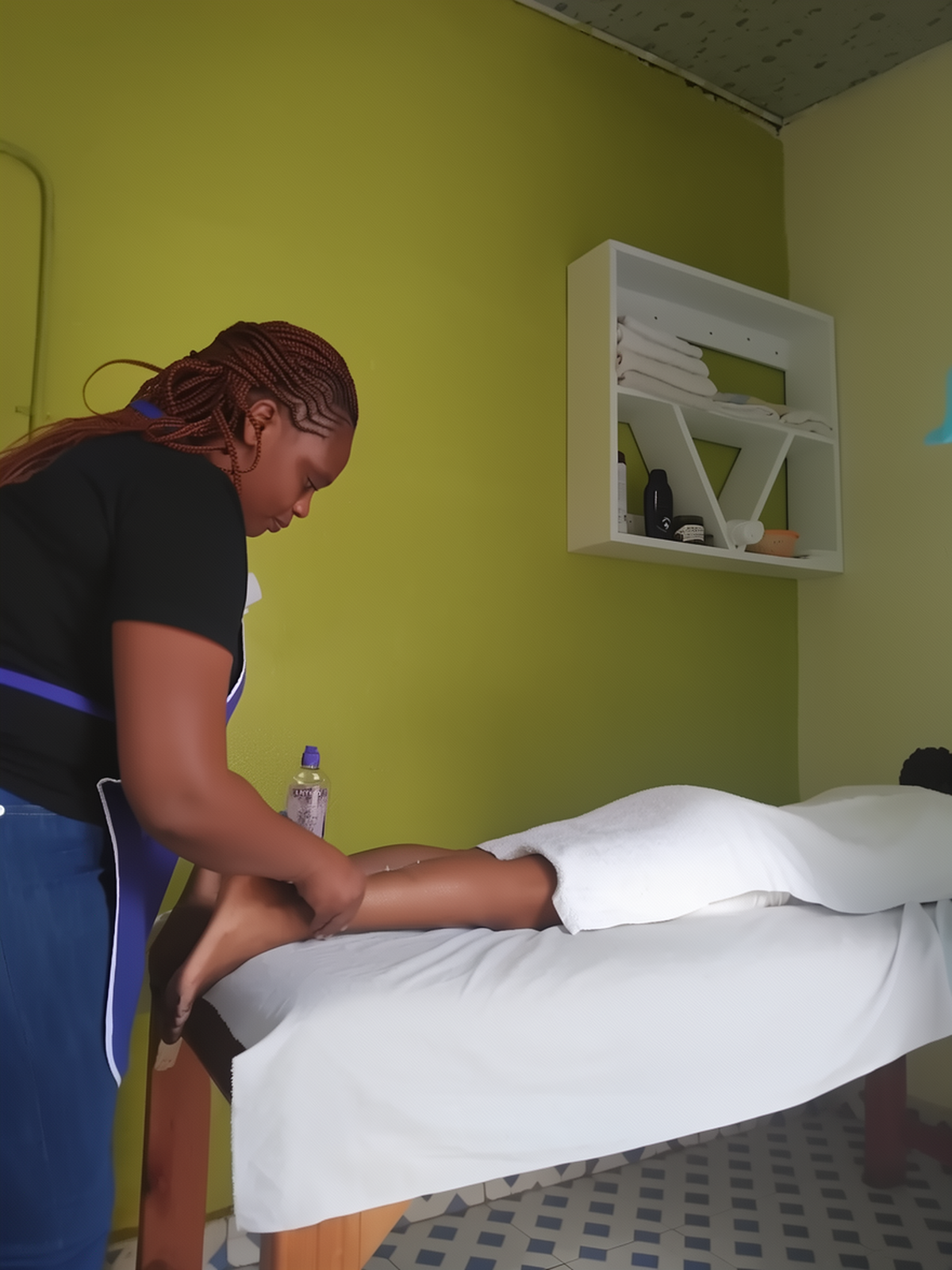
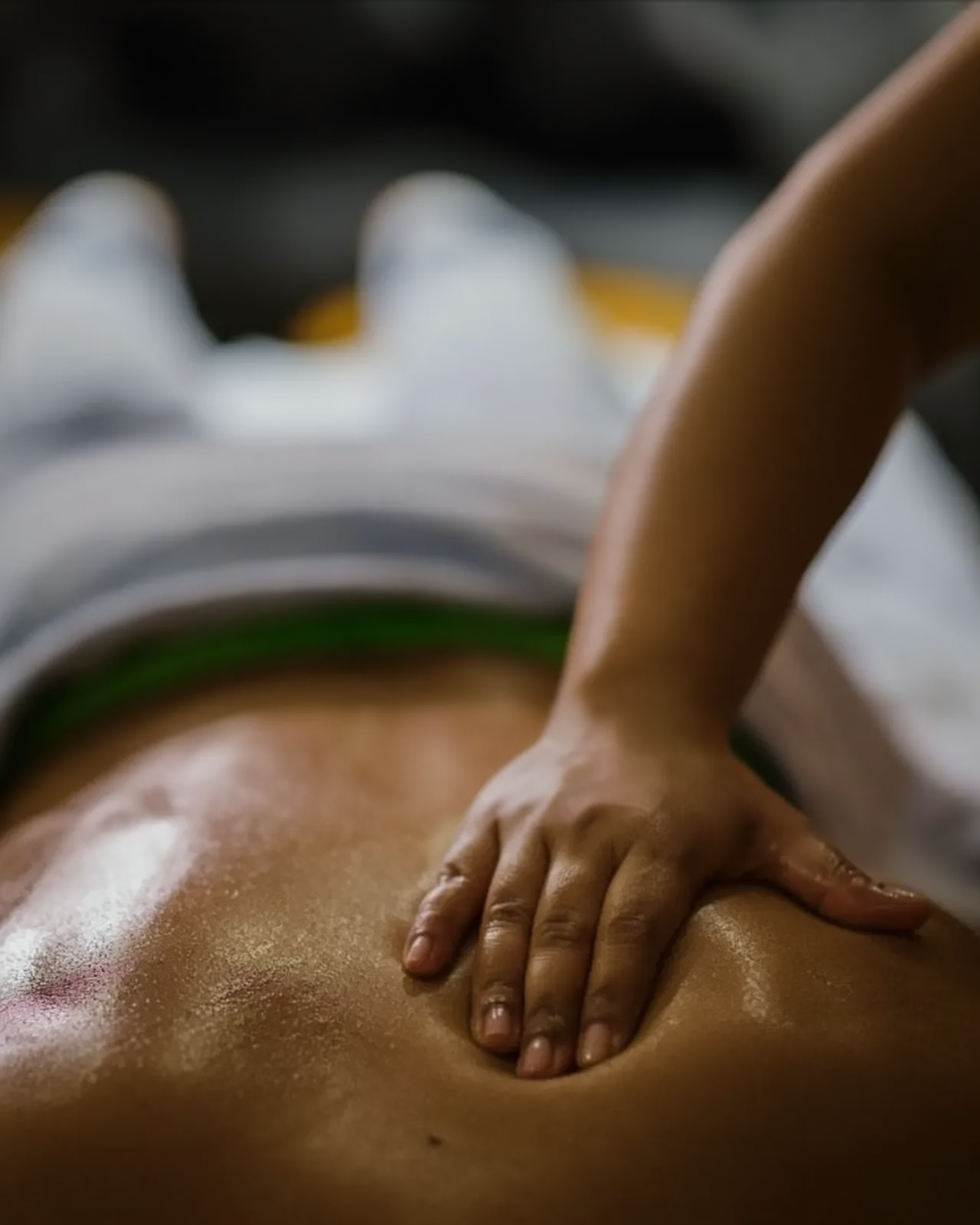
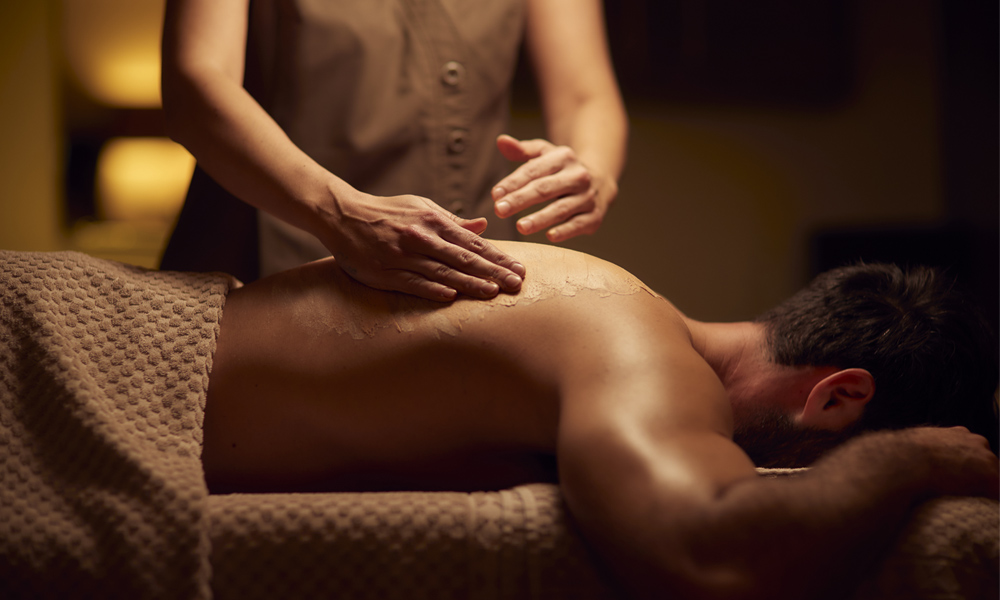
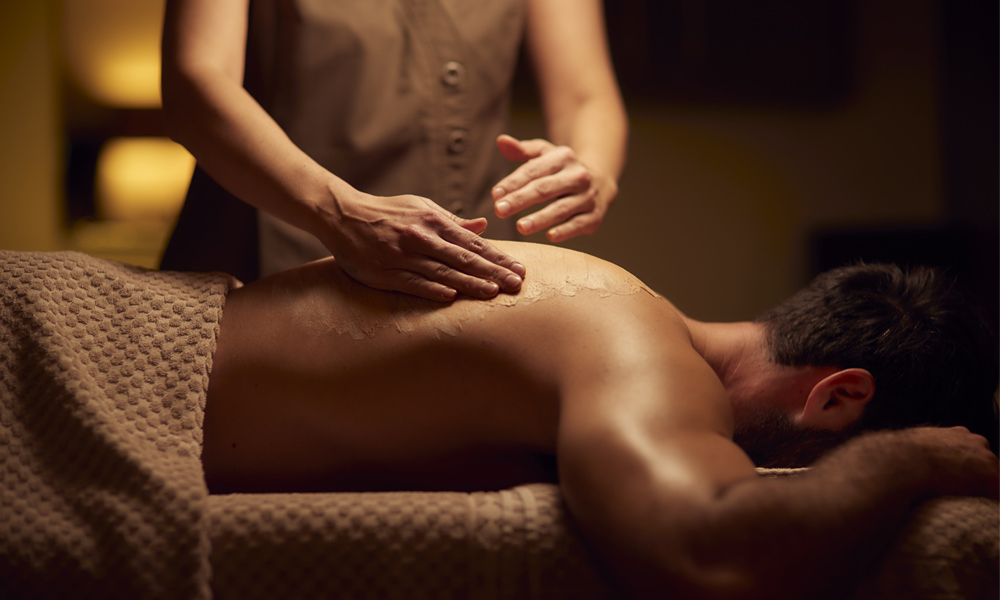
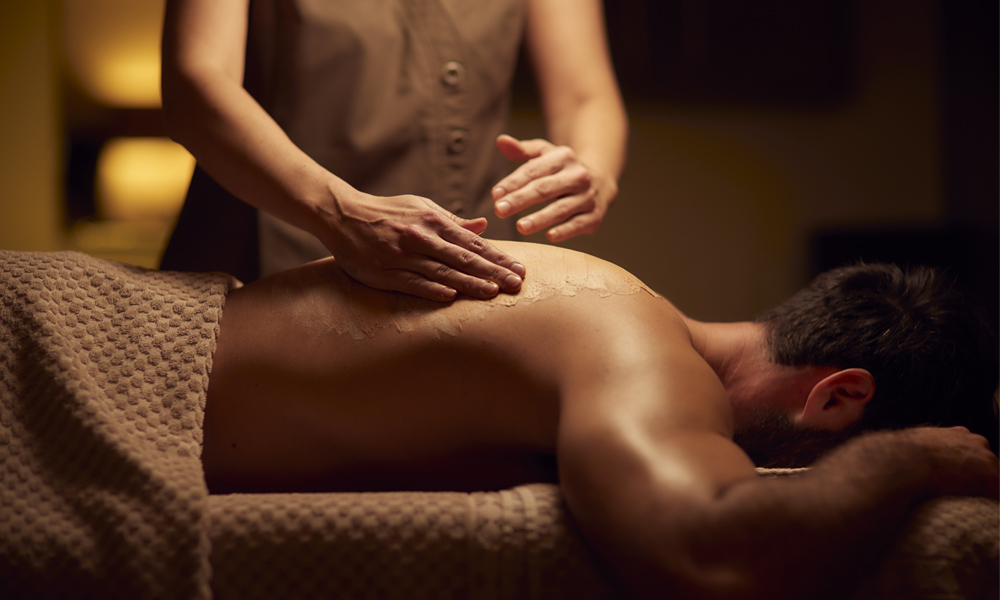
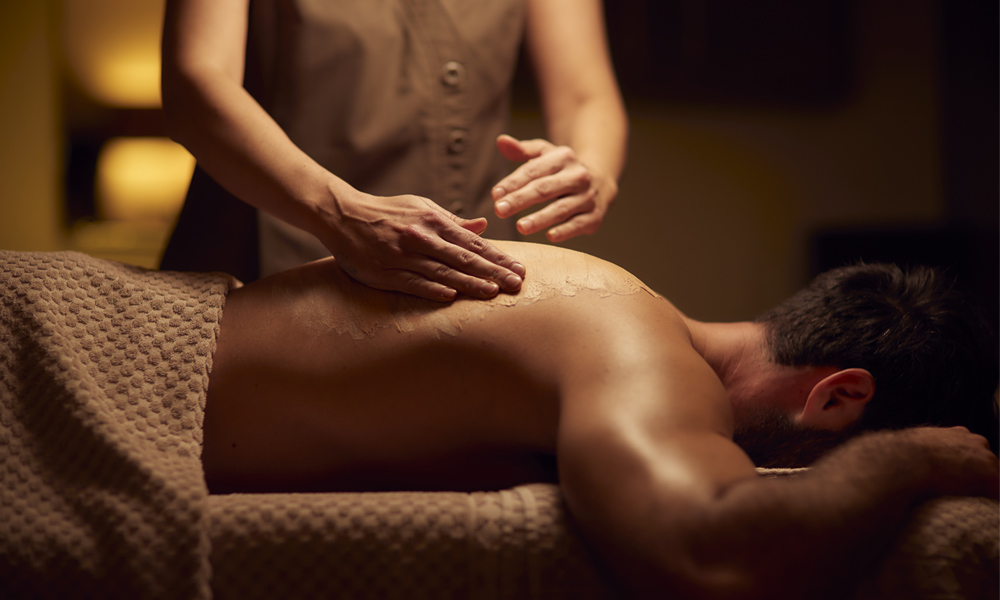
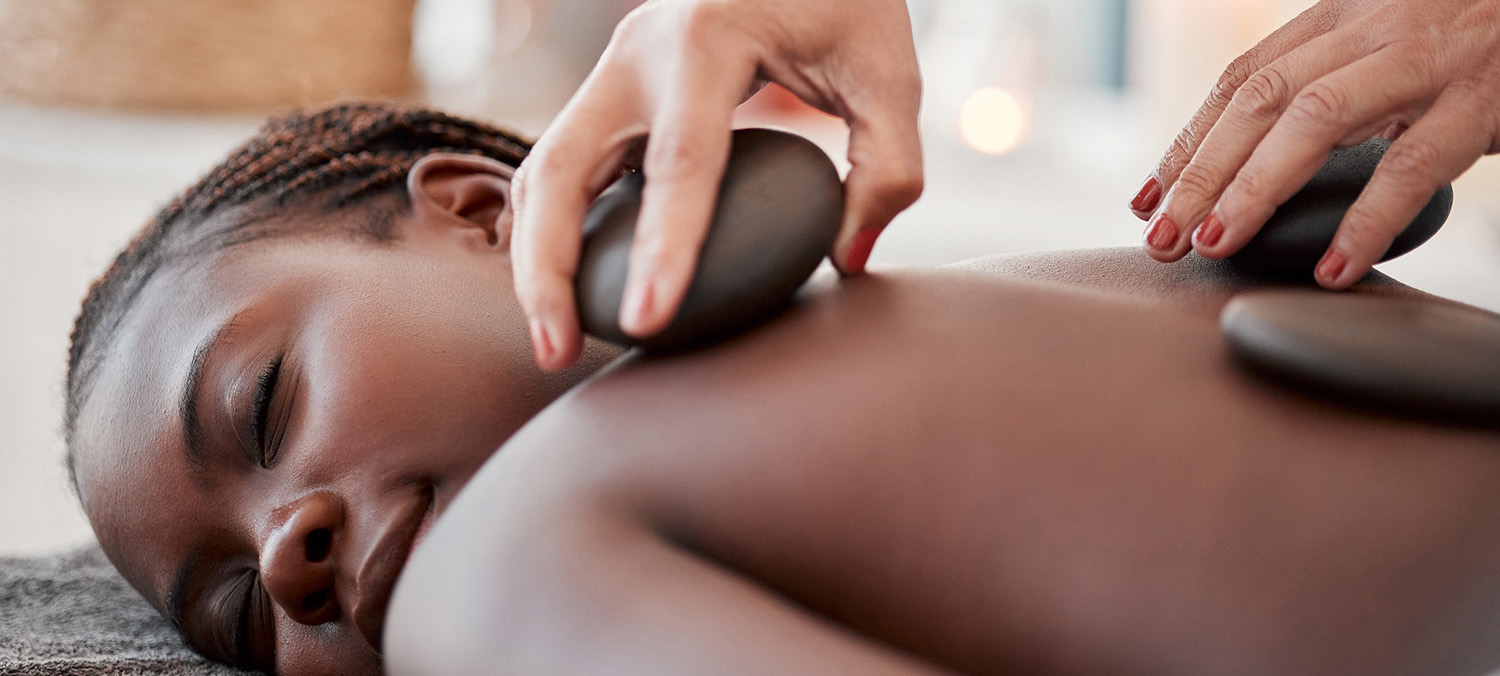
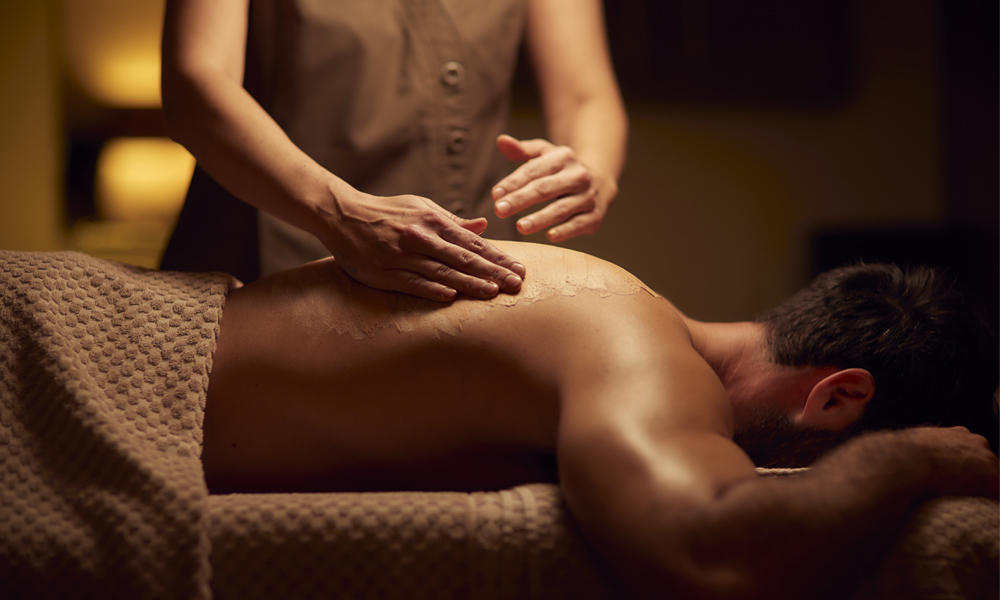
One of the most immediate benefits of massage therapy is its ability to promote relaxation. During a massage session, rhythmic movements and controlled pressure help calm the nervous system while encouraging the body to shift away from its stress response.
As muscles begin to relax, breathing often becomes slower and deeper. Heart rate may decrease, and many people notice a feeling of calm that extends beyond the treatment itself. This relaxation response helps counteract some of the physical effects of prolonged stress.
Research has suggested that massage may support lower levels of cortisol while encouraging the release of hormones associated with feelings of wellbeing, including serotonin and dopamine. Although these effects vary between individuals, many clients describe feeling mentally refreshed, emotionally lighter, and physically more comfortable after a session.
Creating regular opportunities for relaxation allows the body to recover from everyday pressures instead of remaining in a constant state of tension.
Massage Therapy and Emotional Wellbeing
Emotional wellbeing involves more than simply avoiding stress. It includes feeling capable of handling life's challenges, maintaining healthy relationships, and experiencing a sense of balance despite occasional difficulties.
Massage therapy contributes to emotional wellbeing by creating space to pause and focus on self-care. In a world where many people spend their days responding to emails, attending meetings, managing businesses, or caring for others, taking time to rest can feel surprisingly unfamiliar.
Many clients find that massage provides a rare opportunity to disconnect from distractions and become more aware of how their bodies are feeling. It's not uncommon to realize just how much tension has built up in the shoulders, neck, or back only after those muscles begin to relax.
While massage should never replace counselling or mental health treatment where appropriate, it can complement other wellbeing practices by helping individuals feel calmer and more physically at ease.
Understanding Burnout and Why Prevention Matters
Burnout is more than simply feeling tired after a busy week. It is a state of physical, mental, and emotional exhaustion that often develops after prolonged periods of unmanaged stress. People experiencing burnout may feel constantly drained, detached from their work, or unable to maintain the same level of motivation they once had.
Burnout can affect professionals across many industries, from healthcare workers and teachers to entrepreneurs, office employees, and small business owners. Even caregivers looking after family members can experience similar symptoms when they spend extended periods prioritizing others over themselves.
Ignoring the early signs of burnout often allows the problem to worsen over time. Persistent fatigue, poor sleep, reduced productivity, increased irritability, and frequent physical tension may all indicate the need for healthier coping strategies.
Massage therapy supports burnout prevention by encouraging regular periods of rest and recovery. Although it cannot eliminate workplace pressures or personal responsibilities, it reminds the body that relaxation is an important part of maintaining long-term wellbeing.
Why Self-Care Is More Than an Occasional Treat
The phrase "self-care" is often associated with luxury or indulgence, but genuine self-care is about maintaining habits that support long-term physical and emotional health. It includes getting enough sleep, eating nutritious meals, staying active, managing stress, and seeking help when needed.
Unfortunately, many people wait until they feel completely overwhelmed before prioritizing their wellbeing. By then, stress may already have affected sleep, productivity, and physical health.
Massage therapy can become one practical component of a consistent self-care routine. Rather than being reserved for holidays or special occasions, regular massage sessions provide structured time to recover from everyday pressures and reconnect with physical wellbeing.
Of course, self-care looks different for everyone. For some people, it may include exercise or spending time outdoors. For others, it may involve reading, meditation, hobbies, or connecting with family and friends. Massage complements these activities by supporting both physical relaxation and emotional balance.
Combining Massage with Other Healthy Mental Wellness Habits
Although massage offers meaningful benefits, it works best when combined with other healthy lifestyle practices. Mental wellness depends on a combination of habits that support both the mind and body over time.
Regular exercise helps reduce stress while improving mood and energy levels. Walking, cycling, swimming, or participating in local fitness classes can all contribute to better emotional wellbeing. Maintaining a consistent sleep schedule, eating balanced meals, and limiting excessive alcohol or caffeine intake also support healthy brain function.
Mindfulness practices, deep breathing exercises, journaling, spending time in nature, and maintaining strong social connections provide additional ways to manage everyday stress. For individuals experiencing ongoing emotional challenges, speaking with a qualified mental health professional remains one of the most effective forms of support.
Massage fits naturally into this broader wellness approach by helping the body recover physically while reinforcing the importance of regular relaxation.
When Massage Is Not a Substitute for Mental Healthcare
Massage therapy can support emotional wellbeing, but it's important to understand its limitations. It is not a treatment for clinical depression, anxiety disorders, post-traumatic stress disorder, or other mental health conditions.
If someone is experiencing persistent sadness, overwhelming anxiety, panic attacks, thoughts of self-harm, significant changes in behaviour, or difficulty functioning in everyday life, they should seek help from a qualified healthcare provider or mental health professional. Early support often leads to better outcomes.
Massage may still play a supportive role alongside counselling, psychotherapy, or medical treatment by helping reduce muscle tension and promoting relaxation. However, it should never delay or replace evidence-based mental healthcare.
Recognizing when professional support is needed is an important part of caring for both mental and physical health.
Choosing a Qualified Massage Therapist in Kenya
A positive massage experience begins with choosing a trained and professional therapist. Look for someone who takes time to discuss your health history, understands your treatment goals, and explains the techniques they plan to use.
Professional massage therapists should provide a comfortable, respectful environment where clients feel safe discussing any concerns or preferences. Good communication is especially important if you're seeking massage as part of a broader stress-management or wellness routine.
If you're looking for verified wellness professionals or other trusted service providers across Kenya, The Real Plug offers a platform where users can discover vetted professionals across different industries, making it easier to connect with reliable services.
Whether you're booking your first massage or looking for ongoing wellness support, choosing a qualified therapist helps ensure treatment is both safe and tailored to your individual needs.
Building a Healthier Relationship with Your Wellbeing
Mental wellness isn't achieved through a single activity or occasional break from work. It's built through consistent habits that help the body and mind recover from everyday challenges. Massage therapy offers one practical way to reduce physical tension, encourage relaxation, and create dedicated time for self-care in an increasingly busy world.
Combined with regular physical activity, healthy sleep habits, balanced nutrition, meaningful social connections, and professional mental healthcare when needed, massage can contribute to a more balanced and sustainable approach to wellbeing. Rather than waiting until stress becomes overwhelming, making relaxation part of your regular routine can help build resilience and improve your overall quality of life.
Looking after your mental wellbeing isn't about avoiding every stressful situation. It's about giving yourself the tools and support needed to navigate life's challenges while maintaining your health, energy, and sense of balance.