

Booking your first massage can feel a little intimidating. You might be wondering what actually happens during a session, what you're supposed to wear, whether you need to talk throughout the treatment, or even if there's a "right" way to prepare. These are common questions, and if you've never had a professional massage before, it's perfectly normal to feel unsure.
The good news is that massage therapy is designed to help you feel more comfortable, not more anxious. A professional therapist understands that many first-time clients have questions, and a good session should leave you feeling relaxed from the moment you arrive. Whether you're booking a massage to ease back pain, recover after exercise, reduce stress, or simply take a break from a busy routine, knowing what to expect can make the experience far more enjoyable.
Across Kenya, massage therapy has become increasingly accessible. You'll find massage services in dedicated wellness centres, hotels, physiotherapy clinics, beauty spas, and independent practices in cities like Nairobi, Mombasa, Kisumu, Nakuru, and Eldoret. While each establishment may have its own approach, the basic experience remains largely the same.
This guide walks you through everything you need to know before your first massage—from choosing the right treatment and preparing for your appointment to understanding what happens during the session and how to care for yourself afterward.
Why People Book Their First Massage
People decide to try massage therapy for many different reasons. Some are looking for relief from persistent neck or shoulder tension caused by long hours at a desk. Others want to recover from intense workouts, manage stress, improve sleep, or simply take time to relax after a demanding week.
In Kenya, changing work patterns have contributed to the growing popularity of massage therapy. Office workers often spend most of the day seated, drivers cover long distances on busy roads, and many people balance demanding careers with family responsibilities. These daily routines can leave muscles feeling tight and the mind constantly switched on.
Massage offers an opportunity to slow down while addressing physical discomfort. It isn't only about luxury or pampering, as it's sometimes portrayed. For many people, regular massage has become part of a broader wellness routine alongside exercise, healthy eating, and adequate sleep.
If you're booking your first session because someone recommended it or because you've been curious for a while, you're already taking a step toward understanding what works best for your own wellbeing.
Choosing the Right Type of Massage
One of the biggest mistakes first-time clients make is booking the first massage they see without understanding the different options available.
If your main goal is relaxation, a Swedish massage is often the best place to start. It uses gentle to moderate pressure with long, flowing strokes that help reduce tension and promote relaxation.
If you've been dealing with chronic muscle stiffness, especially around the neck, shoulders, or lower back, a deep tissue massage may be more suitable. This technique uses firmer pressure to target deeper layers of muscle, though it shouldn't be unbearably painful.
Active individuals may benefit from sports massage, which focuses on improving mobility, preventing injuries, and supporting recovery after physical activity.
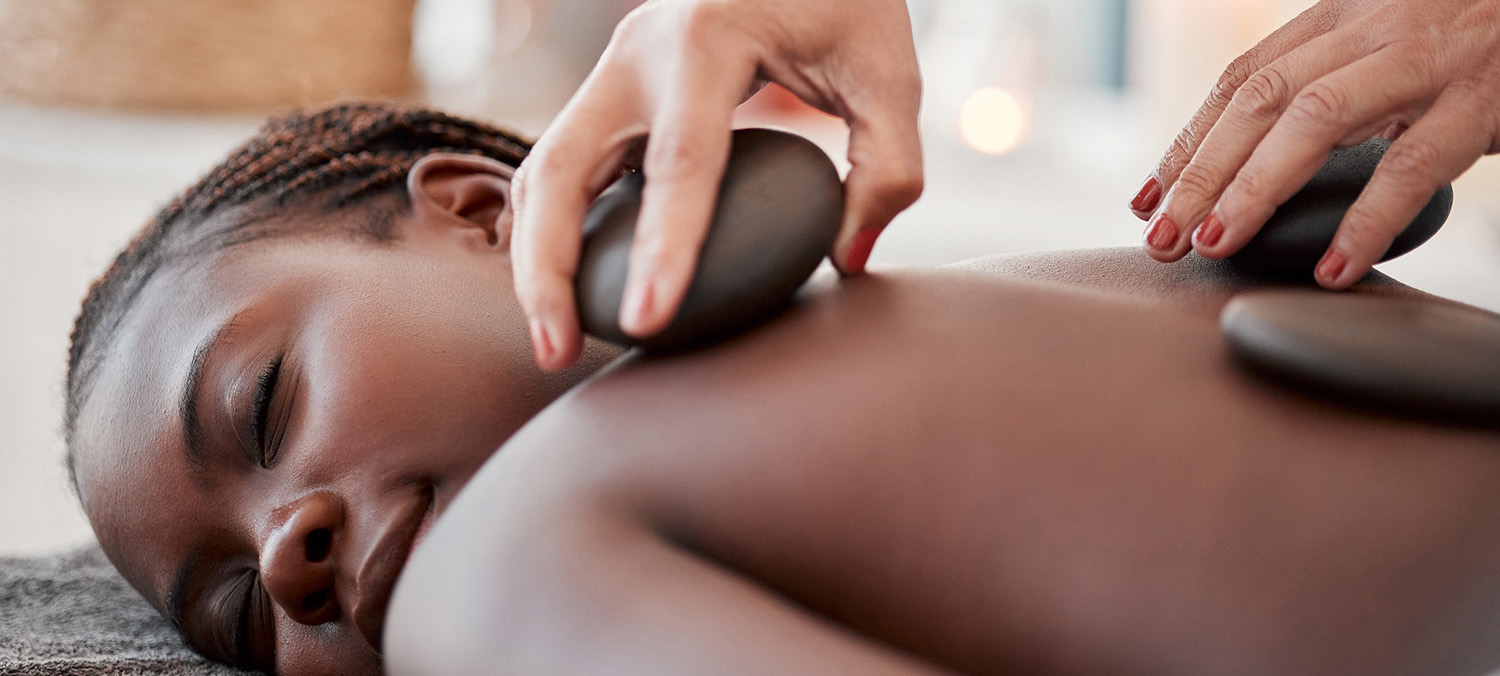
Other options include aromatherapy massage, hot stone massage, reflexology, and prenatal massage for expectant mothers. If you're unsure which treatment fits your needs, don't hesitate to ask the therapist before booking. A reputable provider will explain the differences and recommend a treatment based on your goals rather than trying to sell the most expensive service.
How to Prepare Before Your Appointment
Preparing for your massage doesn't require much, but a few simple steps can make the experience more comfortable.
Try not to arrive immediately after eating a heavy meal. A light snack is perfectly fine, but lying face down with a very full stomach isn't particularly pleasant. At the same time, avoid arriving hungry, especially if your appointment is scheduled around lunchtime or in the evening.
It's also a good idea to drink water throughout the day before your session. Being well hydrated supports overall comfort and helps you feel refreshed afterward.
If you've exercised heavily, allow yourself a little time to cool down before your appointment. Walking into the treatment room out of breath or excessively sweaty can make it difficult to relax.
Shower beforehand if possible. This isn't just about courtesy—it also helps you feel more comfortable during the session, particularly if you've been commuting through traffic or spending time outdoors in Kenya's warm climate.
Avoid applying large amounts of perfume, body spray, or heavily scented lotions before your appointment, as some therapists or other clients may be sensitive to strong fragrances.
What Should You Wear?
One of the most common questions people ask before their first massage is, "What am I supposed to wear?"
The simple answer is: wear comfortable clothing to your appointment.
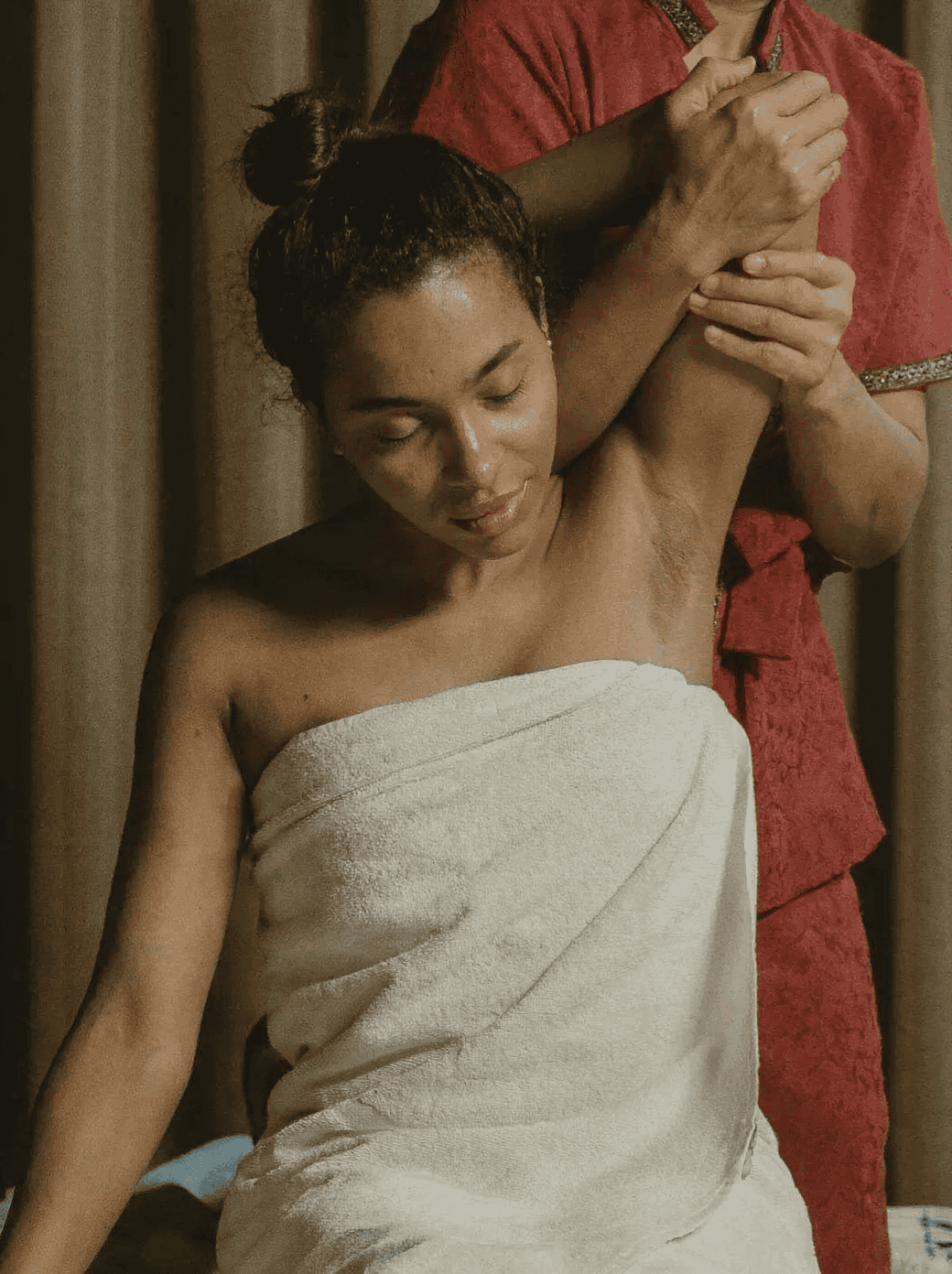
Once you arrive, the therapist will explain what clothing, if any, should be removed based on the type of massage you've booked. You'll always be given privacy to change, and you'll be covered with clean towels or sheets throughout the treatment. Only the area being worked on is uncovered, ensuring your comfort and privacy.
If you're uncomfortable removing certain items of clothing, communicate that clearly. Professional therapists are accustomed to adapting treatments to suit individual comfort levels.
Some massages, such as Thai massage or certain sports therapy sessions, may even be performed while you're wearing loose, comfortable clothing.
Remember, your comfort matters more than following any imagined "rules."
Why Arriving on Time Makes a Difference
It's worth planning to arrive about 10 to 15 minutes before your scheduled appointment.
This gives you enough time to complete any consultation forms, discuss your medical history, and settle in without feeling rushed. If you're visiting a wellness centre in a busy part of Nairobi or Mombasa, remember to allow extra time for traffic and parking.
Arriving late doesn't just shorten your own session—it can also affect appointments scheduled after yours. Most professional therapists work with carefully planned schedules, so punctuality helps everyone enjoy a smoother experience.
If you're unexpectedly delayed, call ahead. Many businesses appreciate the courtesy and can let you know whether your appointment can still go ahead as planned.
The Importance of the Consultation
Before your massage begins, your therapist will usually ask several questions. This isn't just routine paperwork—it's an important part of providing safe and effective treatment.
You'll likely be asked about previous injuries, ongoing pain, surgeries, allergies, medications, pregnancy, or existing medical conditions. If you've recently experienced an accident or you're receiving treatment from a doctor or physiotherapist, mention this during the consultation.
Be honest about why you've booked the massage. If your lower back has been bothering you for months, say so. If you're simply looking to relax after a stressful period at work, that's equally valuable information.
The more your therapist understands your goals, the better they can tailor the session to your needs.
What Actually Happens During the Massage?
For many first-time clients, this is the part that causes the most uncertainty.
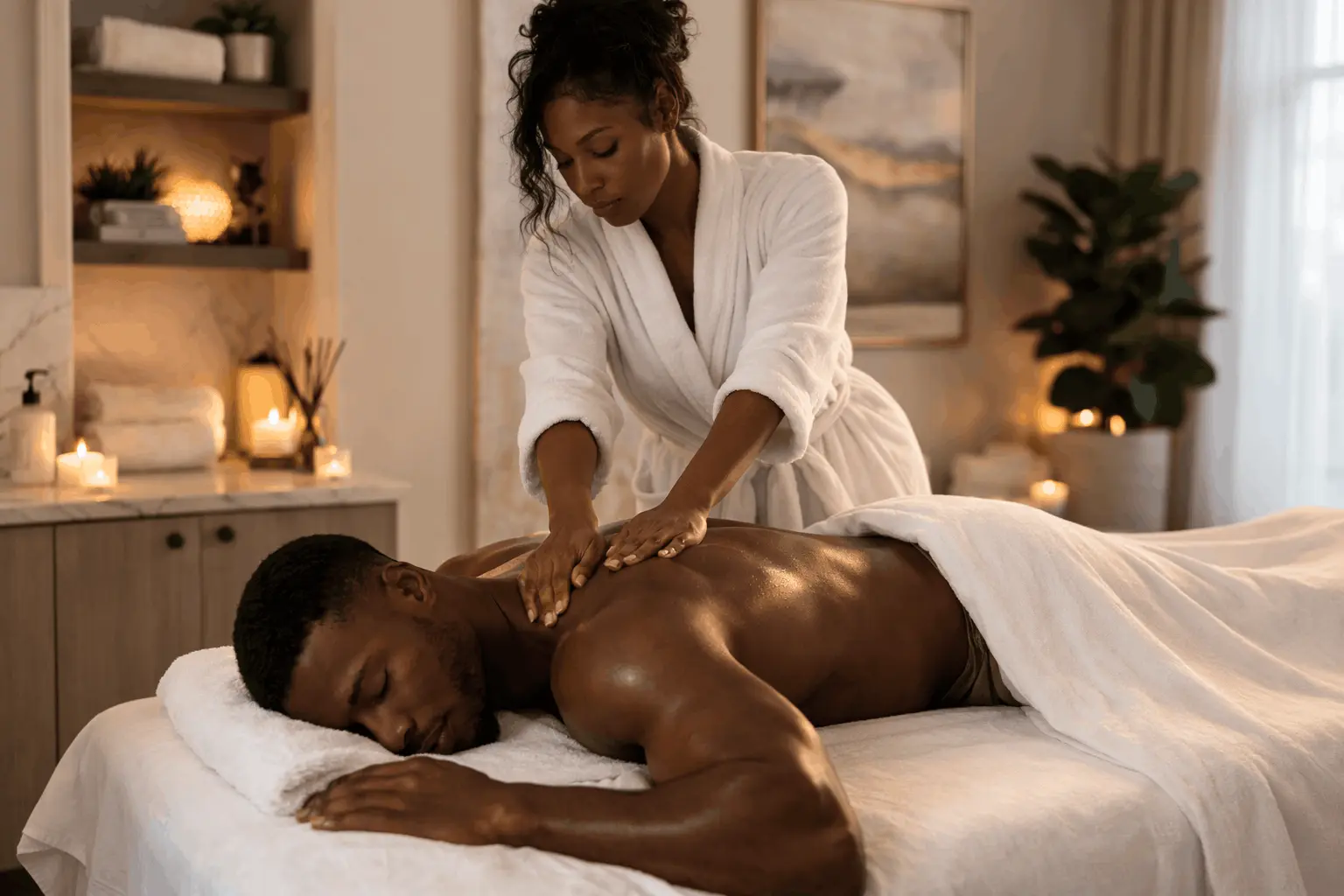
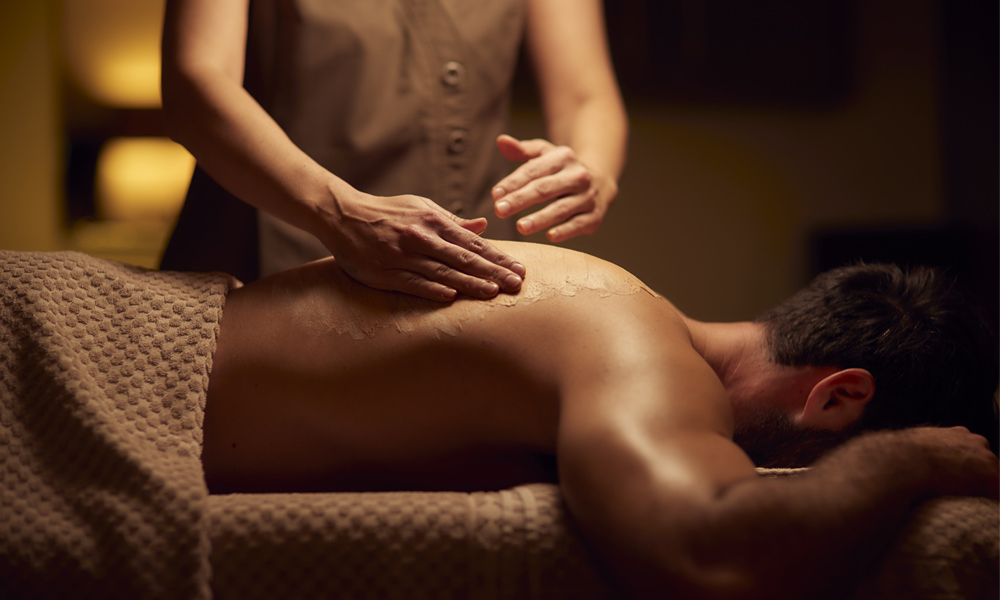
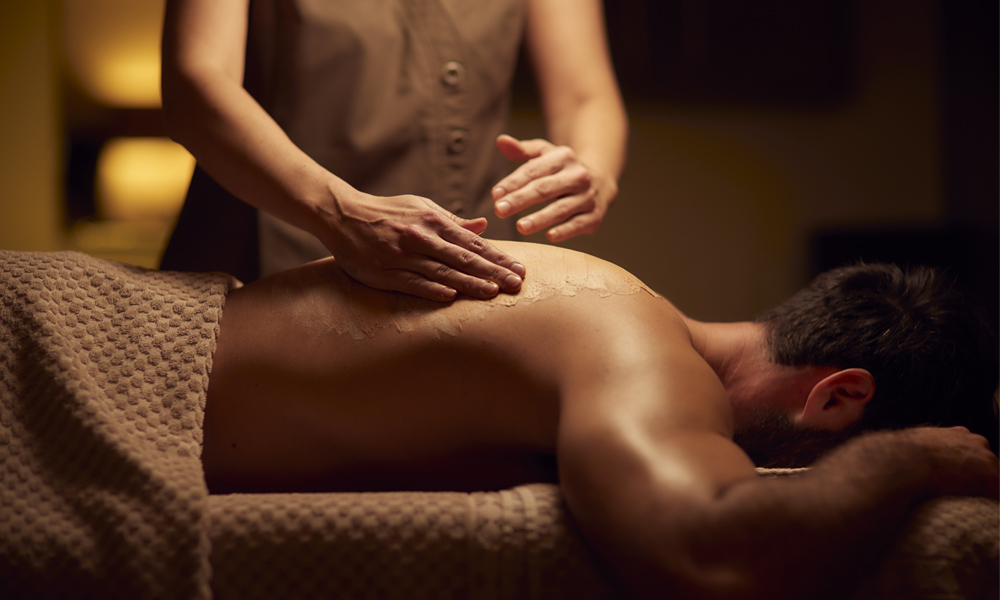
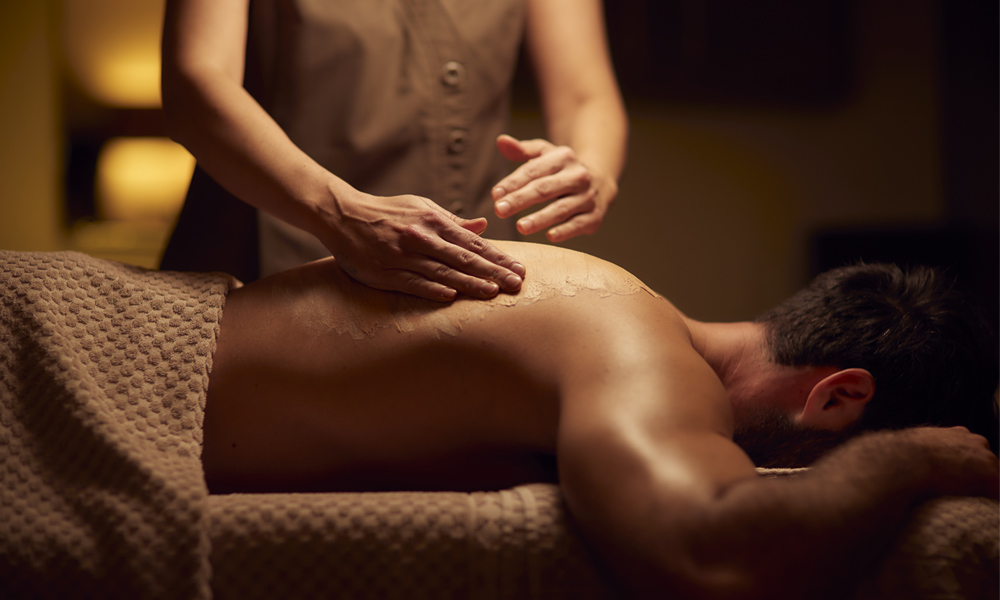
After changing, you'll be asked to lie on the massage table before the therapist enters the room. Depending on the treatment, you may begin face down or face up.
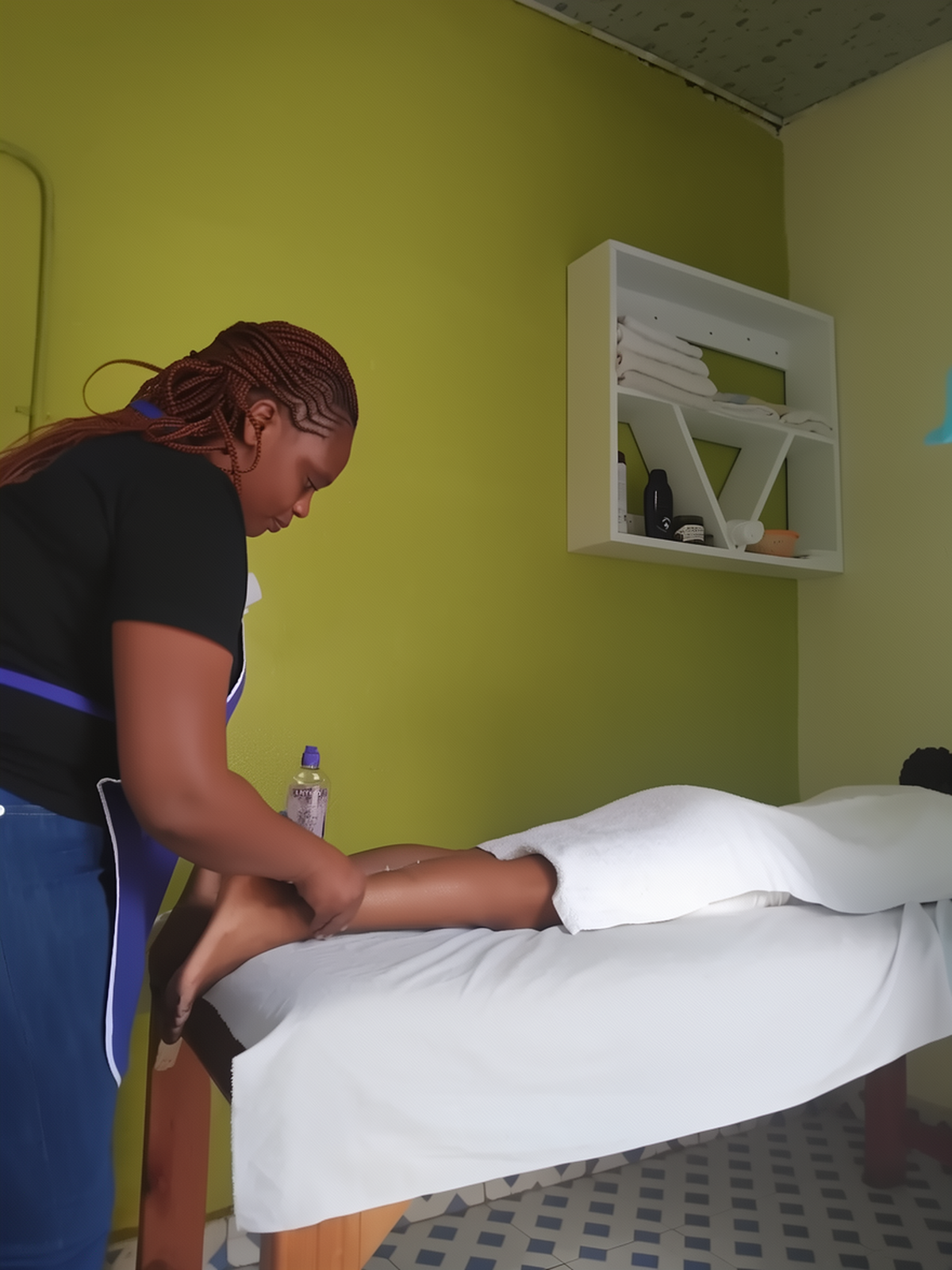
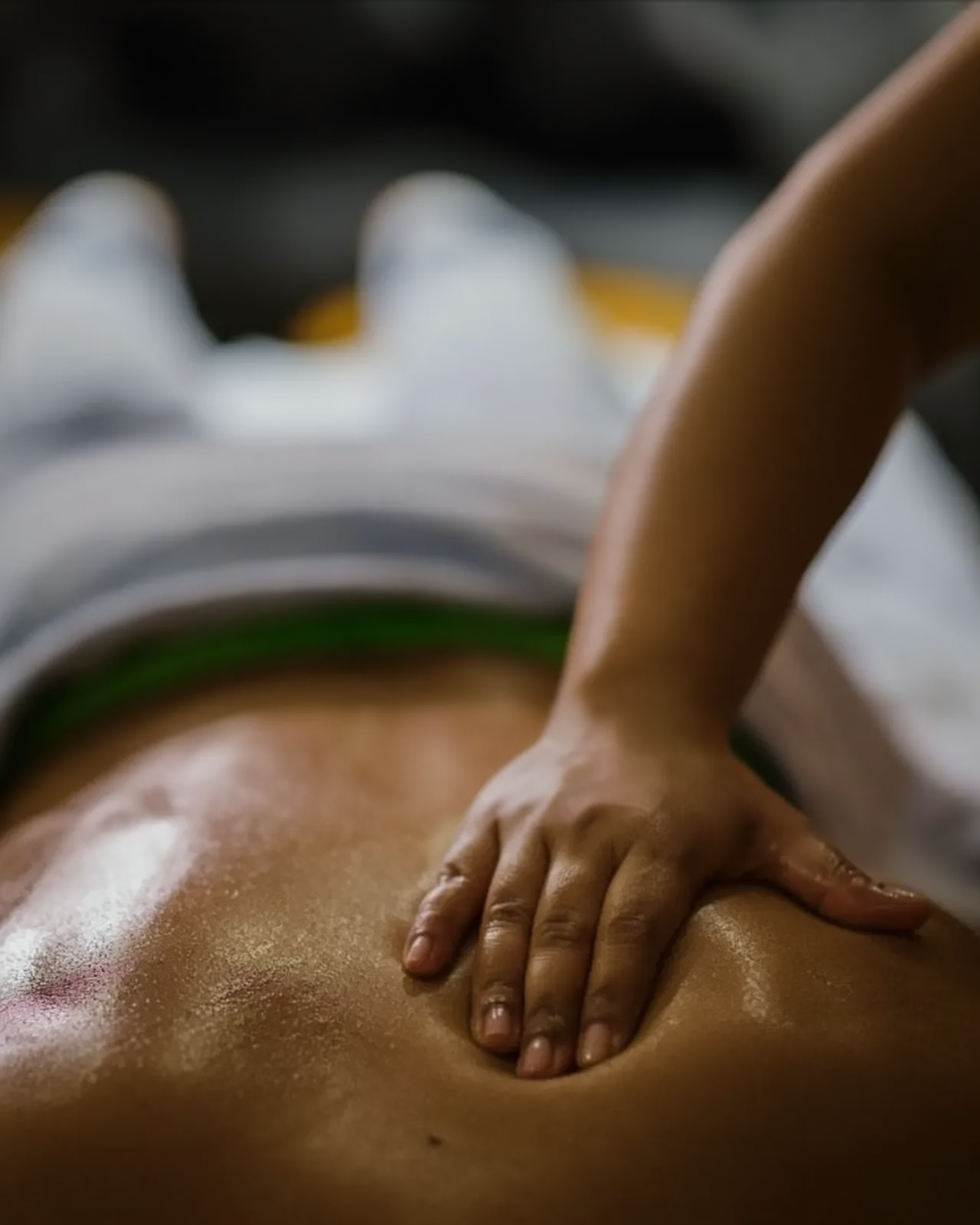
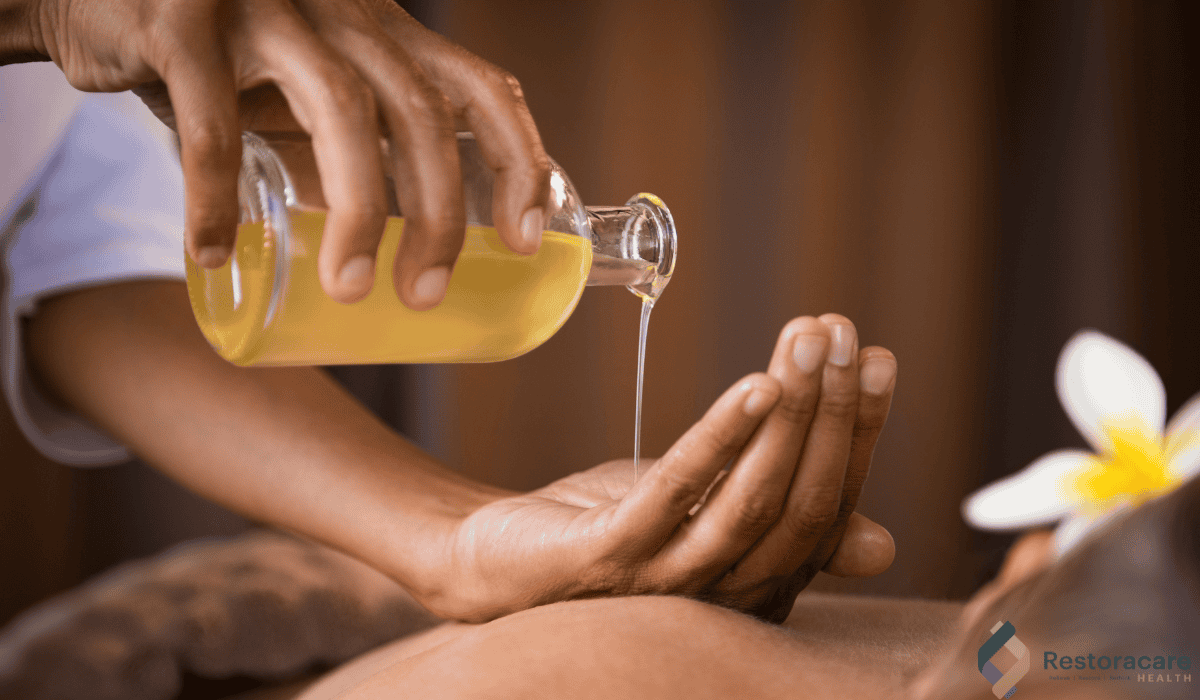
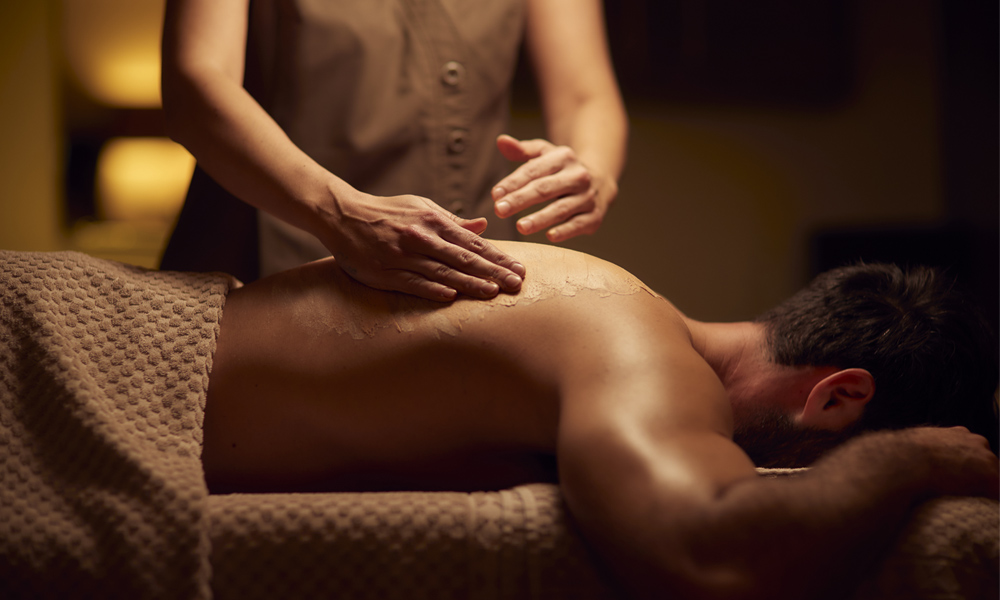
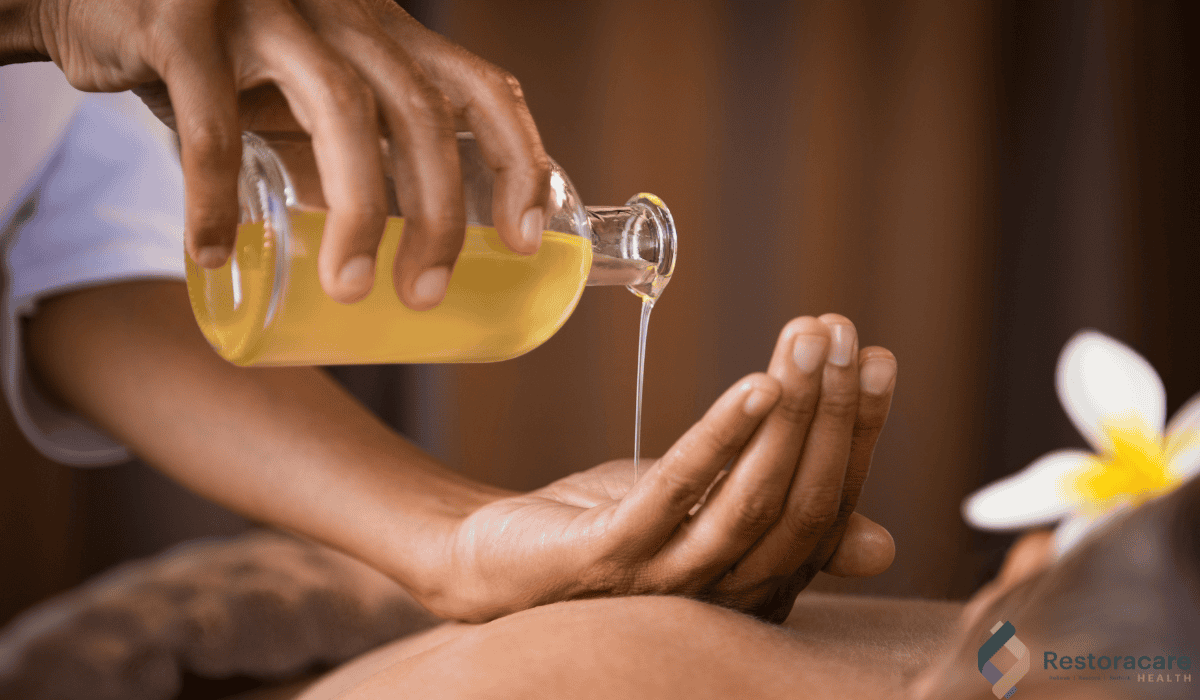
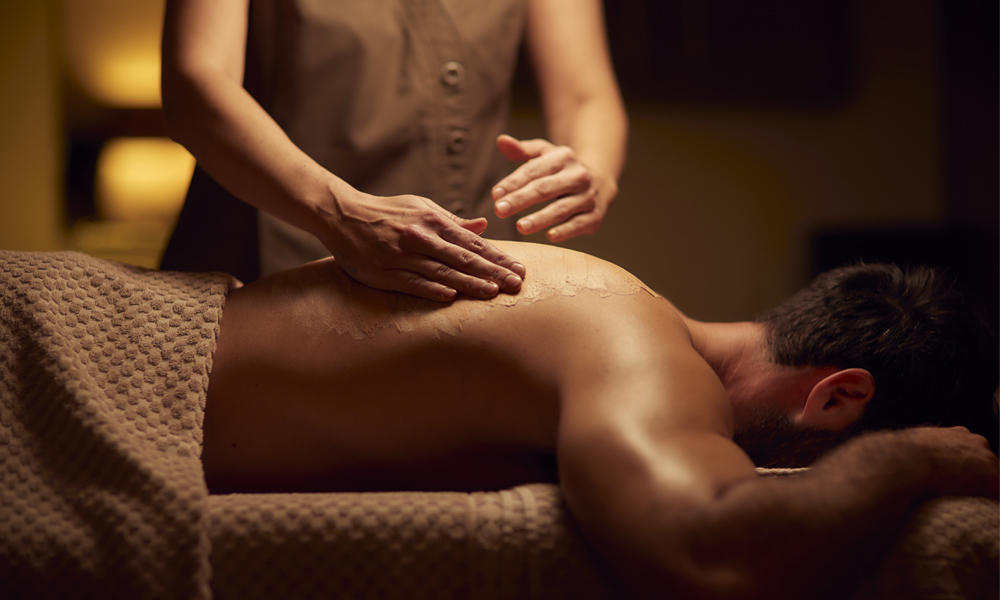
Massage oil or lotion is often applied to reduce friction and allow smooth movements across the skin. The therapist will work systematically across different muscle groups using techniques appropriate for the type of massage you've selected.
You don't need to help or actively participate unless the therapist asks you to change positions or move a limb slightly. Your only job is to relax as much as possible.
Some people fall asleep during massages, while others remain fully awake. Both are completely normal.
If anything feels uncomfortable—whether it's the pressure, room temperature, music volume, or positioning—say something. Professional therapists expect feedback and would much rather adjust the session than have you remain uncomfortable.
Should You Talk During the Massage?
There isn't a correct answer because everyone experiences massage differently.
Some clients enjoy quiet conversation, especially at the beginning of the session. Others prefer complete silence so they can fully relax.
Don't feel obligated to keep a conversation going if you don't want to. Likewise, don't worry if you have questions during the treatment. A good therapist will follow your lead while remaining professional throughout the session.
The most important communication relates to your comfort. Always mention if the pressure feels too strong, too light, or if you experience any unexpected pain.
Massage should challenge tight muscles when appropriate, but it should never leave you feeling like you have to endure discomfort in silence.
Understanding Massage Etiquette
Professional massage therapy follows clear boundaries designed to protect both clients and therapists.
Your therapist will leave the room while you change, knock before re-entering, and use draping techniques to maintain your privacy throughout the session.
It's generally considered courteous to silence your phone before treatment begins. Constant notifications can interrupt not only your relaxation but also the therapist's ability to maintain focus.
If you're feeling unwell with a fever, contagious illness, or skin infection, it's usually better to reschedule rather than attend your appointment.
Many people also wonder about tipping. In Kenya, tipping is appreciated in some spas and wellness centres but is generally optional rather than expected. If you receive excellent service and wish to leave a gratuity, that's entirely your choice.
What to Do After Your Massage
Your massage doesn't end the moment you step off the table. How you care for yourself afterward can influence how you feel over the next day or two.
Drink water after your session to stay hydrated. While massage doesn't "flush toxins" as is sometimes claimed, hydration supports normal body function and may help you feel more refreshed.
If you've had a deep tissue massage, it's normal to experience mild muscle tenderness similar to what you might feel after a workout. This usually settles within a day or two.
Avoid scheduling extremely strenuous exercise immediately after an intense massage. Your muscles have already been worked, and giving them time to recover can be beneficial.
Many people also notice they sleep particularly well after massage. If your schedule allows, avoid rushing straight back into a stressful environment. Even taking a few quiet minutes before returning to work or heading home can help you enjoy the benefits for longer.
How Often Should You Get a Massage?
There isn't a universal schedule that works for everyone.
If you're simply looking for occasional relaxation, a massage every few weeks or once a month may be enough. People managing chronic muscle tension or recovering from injuries may initially benefit from more frequent sessions, depending on advice from their therapist or healthcare provider.
Athletes often include massage as part of their regular training routine, while office workers may book appointments whenever prolonged sitting begins to cause discomfort.
Rather than following someone else's schedule, pay attention to how your own body responds. Regularity matters more than frequency. Even occasional massage can become a valuable part of maintaining your overall wellbeing.
Finding a Trusted Massage Therapist in Kenya
With more massage providers emerging across Kenya, taking time to choose a reputable therapist is worthwhile.
Look for businesses with positive client reviews, clean facilities, transparent pricing, and therapists who communicate professionally. If a provider avoids answering questions about qualifications or rushes through consultations, consider it a reason to keep looking.
Online business directories can also simplify the search. Platforms such as The Real Plug help users discover vetted professionals across Kenya, making it easier to compare businesses and identify service providers with established reputations before booking an appointment.
Whether you're searching in Nairobi, Mombasa, Kisumu, Nakuru, or another town, prioritizing professionalism and client safety will usually lead to a much better experience than choosing based on price alone.
Your First Massage Doesn't Have to Be Intimidating
It's easy to overthink your first massage appointment, but most of the worries people have beforehand disappear within the first few minutes of the session. Professional massage therapists work with first-time clients every day, and their role is to create a safe, comfortable, and respectful environment where you can relax and address whatever brought you in—whether that's stress, muscle tension, or simple curiosity.
The key is choosing the right type of massage, communicating openly about your needs, and selecting a reputable therapist who values professionalism as much as technical skill. Massage therapy isn't about following strict rules or knowing exactly what to expect before you walk through the door. It's about finding an approach that suits your body, your comfort level, and your wellness goals.
With a little preparation and the right expectations, your first massage can be the beginning of a healthier routine that supports both physical comfort and mental wellbeing.