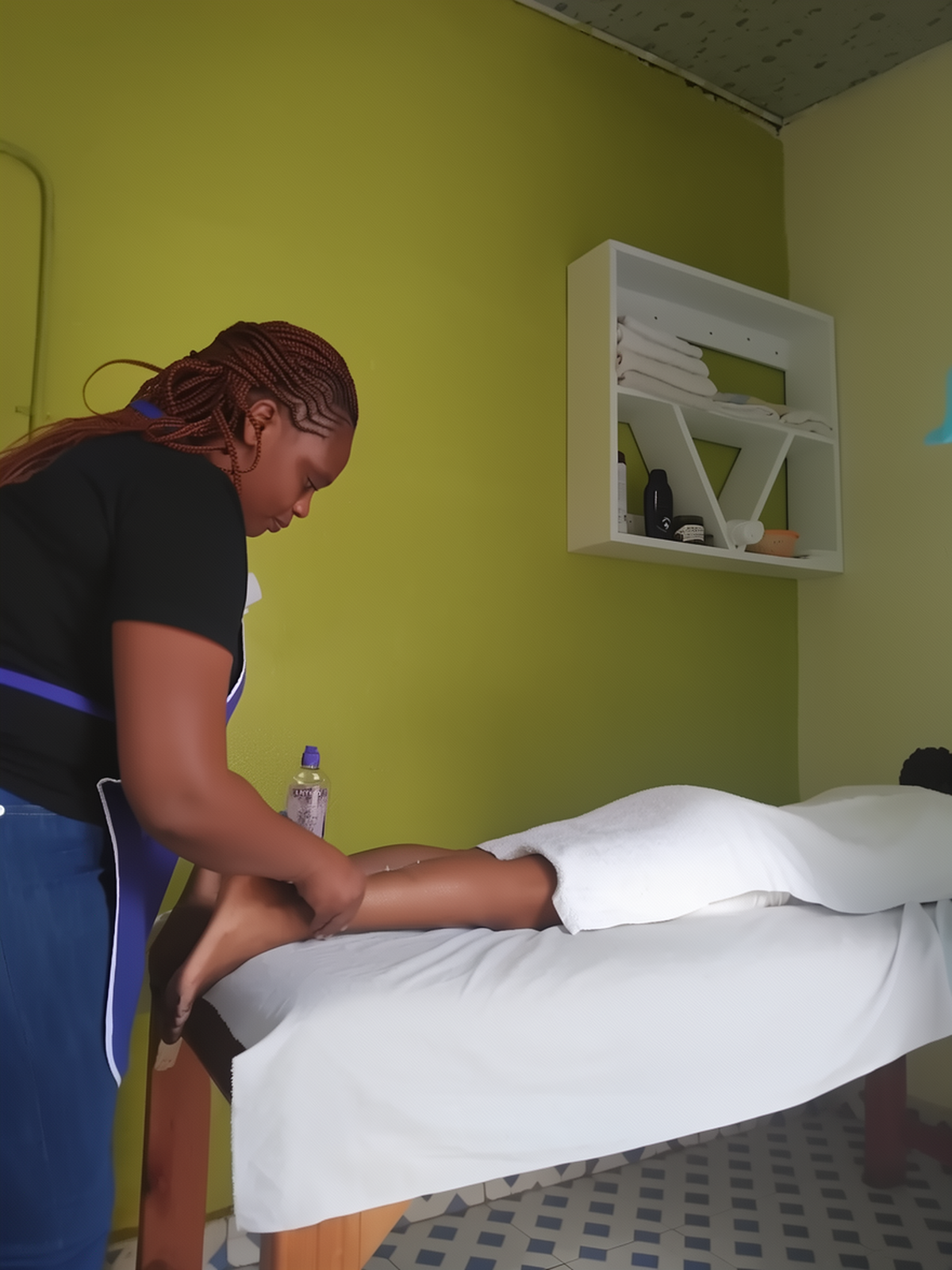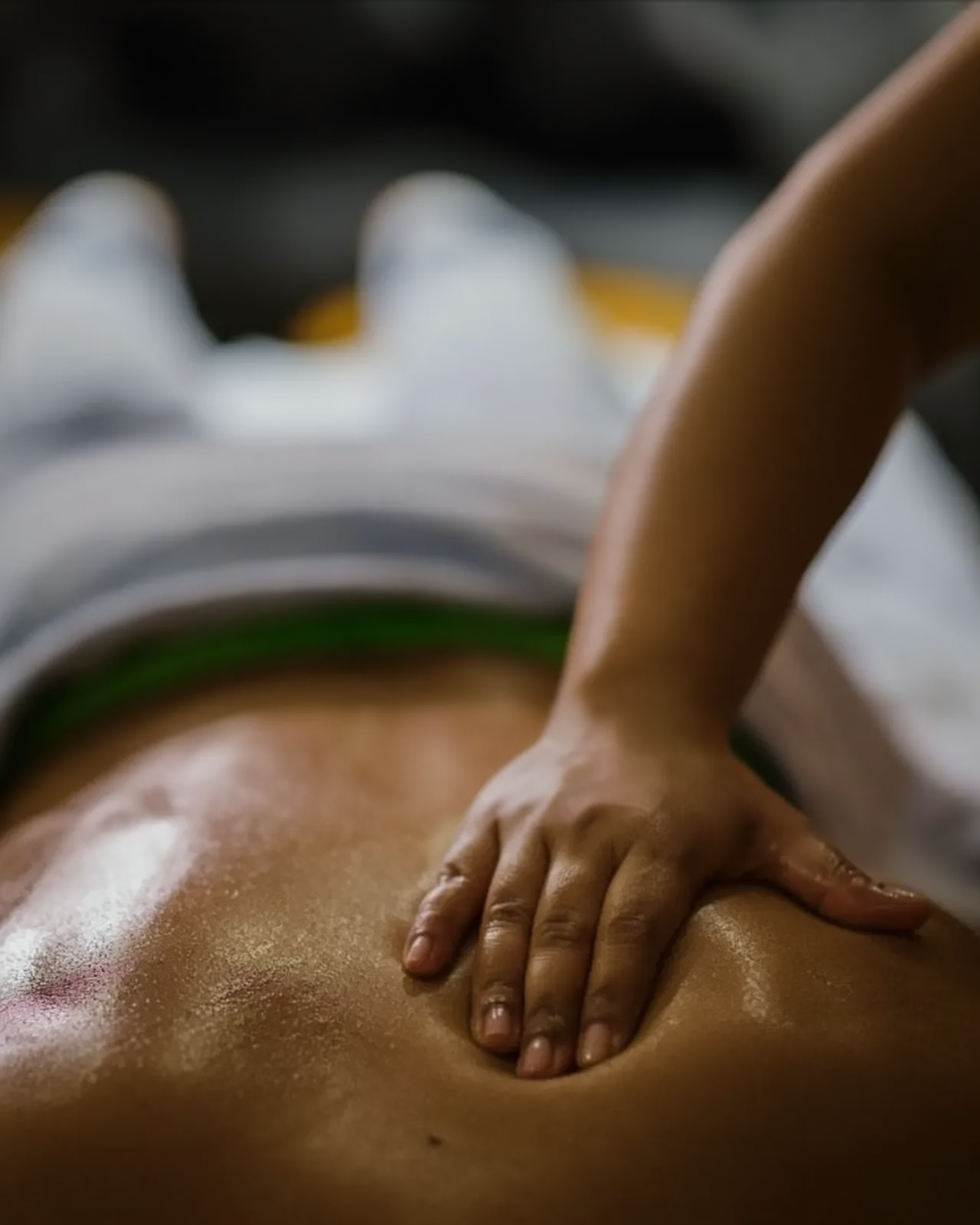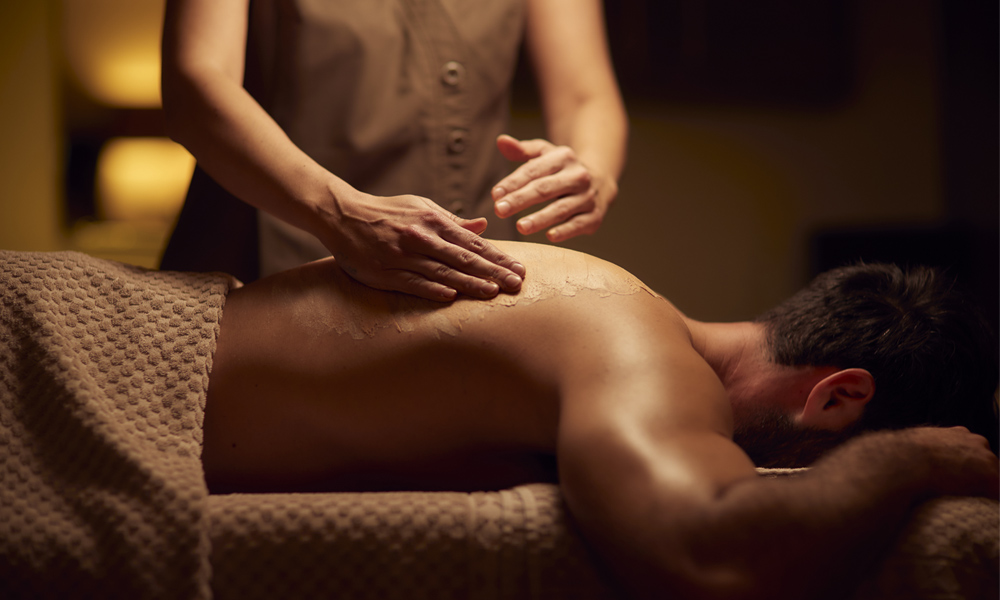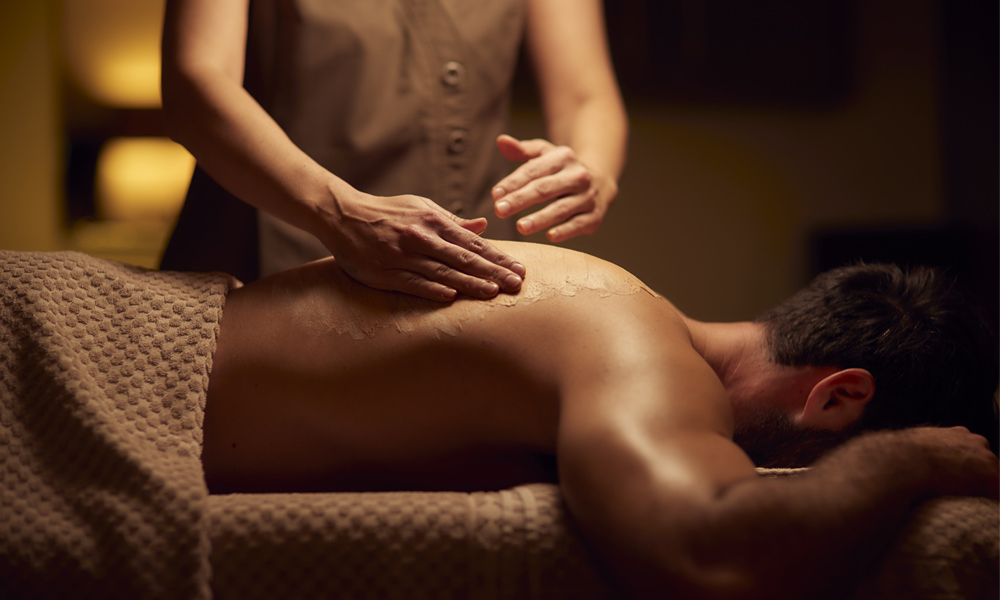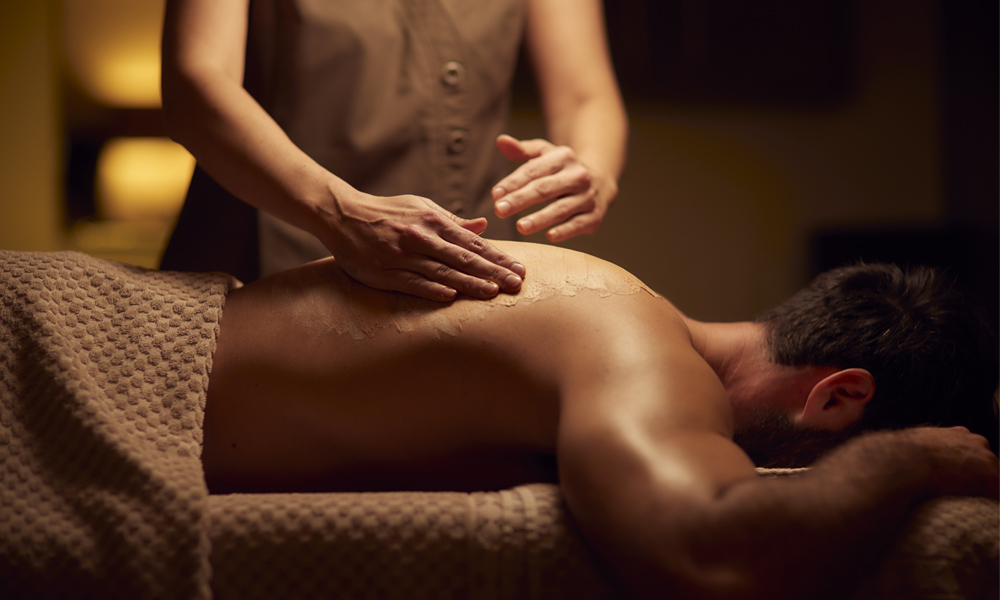


Not every massage is about switching off for an hour or enjoying a quiet afternoon at the spa. Sometimes, your body needs something more targeted. Perhaps you've been dealing with persistent neck stiffness after months of working at a computer, lower back discomfort that never quite goes away, or tight muscles that seem to return no matter how much you stretch. In situations like these, a deep tissue massage may be more appropriate than a standard relaxation massage.
Deep tissue massage is one of the most requested therapeutic massage treatments in Kenya, particularly among office workers, athletes, manual labourers, and people recovering from physically demanding activities. While it shares some similarities with other massage styles, its primary focus is different. Rather than simply helping you relax, deep tissue massage targets deeper layers of muscles and connective tissues where long-term tension often develops.
That doesn't mean it's the right choice for everyone. Despite its growing popularity, there are many misconceptions surrounding deep tissue massage. Some people believe it has to be extremely painful to be effective, while others assume it can cure every type of pain. The truth is more balanced. When performed by a qualified therapist and used for the right reasons, deep tissue massage can be a valuable part of managing muscle tension, improving mobility, and supporting recovery.
In this guide, we'll explain how deep tissue massage works, who benefits most from it, when it may not be appropriate, what happens during a session, and how to choose a qualified therapist in Kenya.
What Is Deep Tissue Massage?
Deep tissue massage is a therapeutic massage technique that focuses on reaching the deeper layers of muscles, tendons, and connective tissues. Unlike Swedish massage, which emphasizes gentle relaxation through flowing strokes, deep tissue massage uses slower, more deliberate movements combined with firmer pressure to address areas of chronic tension.
The goal isn't simply to apply more force. Instead, therapists use controlled techniques to release tight muscles, improve movement, and reduce discomfort that has developed over time due to repetitive strain, poor posture, physical work, or previous injuries.
Many people assume "deep tissue" simply means pressing harder. In reality, effective deep tissue massage requires skill, anatomical knowledge, and careful communication with the client. Pressure is adjusted according to the individual's tolerance, the muscles being treated, and the purpose of the session.
When performed correctly, the massage should feel purposeful rather than overwhelming. Some areas may be temporarily uncomfortable, especially where muscles have remained tight for a long time, but excessive pain is neither necessary nor beneficial.
How Deep Tissue Massage Works
Your muscles naturally tighten in response to physical activity, stress, injury, or repetitive movement. Normally, they return to a relaxed state once the activity ends. However, daily habits such as sitting at a desk for eight hours, driving long distances, carrying heavy loads, or repeating the same movements every day can leave certain muscles in a constant state of tension.
Over time, these muscles may lose flexibility, movement becomes restricted, and simple tasks like turning your head, bending over, or lifting objects can become uncomfortable.
Deep tissue massage addresses these issues by applying slow, focused pressure along specific muscle fibres. The therapist works layer by layer, allowing the muscles to gradually relax instead of forcing them to release.
The treatment also influences the nervous system. As muscles begin to let go of unnecessary tension, the brain receives signals that it is safe to reduce protective muscle guarding. This combination of physical pressure and neurological response often leads to noticeable improvements in movement and comfort.
It's important to understand that deep tissue massage doesn't "break apart knots" in the way people sometimes imagine. Instead, it helps reduce excessive muscle tension, improves tissue mobility, and encourages healthier movement patterns.
Common Techniques Used During Deep Tissue Massage
Although every therapist has their own approach, most deep tissue massages involve a combination of specialized techniques designed to work beneath the surface muscles.
Slow, Sustained Pressure
Unlike faster relaxation massages, deep tissue massage often involves slow movements that allow the therapist to work carefully through areas of tightness. This measured approach helps the muscles respond gradually without triggering unnecessary resistance.
Trigger Point Therapy
Many therapists incorporate trigger point techniques into deep tissue sessions. Trigger points are highly sensitive areas within tight muscles that may contribute to discomfort in the surrounding region or even in completely different parts of the body.
Applying controlled pressure to these points can help reduce muscle tension and improve overall movement.
Cross-Fibre Friction
This technique involves working across the direction of muscle fibres rather than along them. It may be used around areas of scar tissue, chronic muscle tightness, or old injuries where mobility has become restricted.
Myofascial Techniques
Deep tissue massage often includes methods that address the fascia—the connective tissue surrounding muscles and other structures throughout the body. Gentle sustained pressure may help improve how these tissues glide during movement, contributing to greater flexibility and comfort.
The combination of these techniques depends on the client's needs, health history, and treatment goals rather than following a fixed routine.
The Benefits of Deep Tissue Massage
Deep tissue massage offers a range of benefits that extend beyond simple relaxation. While every person's experience is different, many clients notice improvements in both physical comfort and mobility after treatment.
Relieving Chronic Muscle Tension
One of the primary reasons people choose deep tissue massage is to address long-standing muscle tightness.
Perhaps you've noticed your shoulders constantly creeping upward during stressful workdays or your lower back feeling stiff after years of sitting at a desk. Deep tissue massage targets these persistent areas, helping muscles relax more effectively than they often can through stretching alone.
Although a single session may provide noticeable relief, long-term tension usually responds best to regular treatment combined with improved posture, movement, and strengthening exercises.
Supporting Recovery After Physical Activity
Exercise places healthy stress on the muscles, but intense training can also leave them feeling sore and fatigued.
Many athletes and active individuals use deep tissue massage as part of their recovery routine. The treatment may help reduce muscle tightness, improve flexibility, and make it easier to return to training feeling more comfortable.
Whether you're a recreational runner, football player, cyclist, weightlifter, or someone who enjoys weekend hikes in places like the Ngong Hills or Karura Forest, deep tissue massage can complement your recovery strategy when used appropriately.
Improving Mobility and Flexibility
Restricted muscles often limit how comfortably you can move. Everyday tasks such as reaching overhead, twisting while driving, or bending to pick something up may become increasingly difficult.
By reducing tightness in muscles and surrounding connective tissues, deep tissue massage can help improve range of motion. Many clients notice that movements feel smoother and less restricted after treatment.
For people whose jobs involve repetitive movement or prolonged sitting, this improved mobility can make daily life considerably more comfortable.
Helping Manage Certain Types of Pain
Deep tissue massage is commonly used to support people dealing with muscular pain, particularly around the neck, shoulders, upper back, hips, and lower back.
It's important to emphasize that massage doesn't cure medical conditions or eliminate every source of pain. However, for discomfort primarily related to muscle tension, repetitive strain, or poor posture, it can provide meaningful relief as part of a broader treatment plan.
Persistent pain should always be assessed by a qualified healthcare professional to identify the underlying cause before relying on massage alone.
Who Can Benefit Most from Deep Tissue Massage?
Although almost anyone can enjoy massage therapy, deep tissue massage is particularly well suited to people dealing with specific physical challenges.
Office workers often benefit because prolonged computer use commonly leads to tight shoulders, stiff necks, and lower back discomfort.
Construction workers, mechanics, healthcare professionals, and people in physically demanding occupations frequently develop muscle fatigue from lifting, bending, or repetitive movements that deep tissue massage may help relieve.
Athletes and regular gym-goers also use deep tissue massage to support recovery, improve flexibility, and prepare for ongoing training.
Drivers who spend many hours behind the wheel often experience tight hips, aching backs, and neck stiffness that respond well to targeted therapeutic massage.
Even individuals managing long-term postural issues may find deep tissue massage useful when combined with stretching, strengthening exercises, and ergonomic improvements.
Who Should Avoid Deep Tissue Massage?
Despite its many benefits, deep tissue massage isn't appropriate for everyone.
People with recent fractures, severe osteoporosis, active infections, open wounds, blood clotting disorders, or certain cardiovascular conditions should consult a healthcare professional before booking treatment.
If you're pregnant, specialized prenatal massage delivered by a therapist trained in pregnancy care is generally a safer option than standard deep tissue massage.
Individuals taking blood-thinning medication should also discuss massage with their doctor because firm pressure may increase the risk of bruising.
Deep tissue massage may not be suitable immediately after surgery, during acute injuries, or when significant inflammation is present. In these situations, the body often needs time to heal before more intensive manual therapy becomes appropriate.
A professional therapist will always ask about your medical history during the consultation and adjust—or postpone—treatment if necessary.
Does Deep Tissue Massage Hurt?
This is probably the question therapists hear most often.
The short answer is: it can feel intense, but it should not be unbearably painful.
Deep tissue massage often involves working through muscles that have remained tight for months or even years. As a result, some temporary discomfort is normal, particularly when pressure is applied to particularly tense areas.
However, pain should never become so severe that you tense up, hold your breath, or feel unable to communicate. Excessive pain causes muscles to tighten defensively, making treatment less effective.
Professional therapists encourage clients to speak up throughout the session. If the pressure feels too strong, it can and should be adjusted.
Remember that everyone's pain tolerance is different. A treatment that feels comfortable for one person may feel overwhelming for another.
What to Expect During Your Appointment
A deep tissue massage begins much like any professional massage session—with a consultation.
Your therapist will ask about your medical history, lifestyle, previous injuries, current pain, and treatment goals. They may also ask about your occupation because daily activities often provide important clues about where muscle tension develops.
Once the session begins, the therapist usually starts with lighter techniques to warm the muscles before gradually working deeper into specific areas.
You may notice slower movements compared to a Swedish massage, along with more focused attention on problem areas such as the neck, shoulders, hips, or lower back.
Communication remains important throughout the session. If you experience sharp pain, numbness, or discomfort beyond your tolerance, tell your therapist immediately.
A typical appointment lasts between 60 and 90 minutes, depending on the areas being treated.
Aftercare: What Happens After a Deep Tissue Massage?
It's completely normal to feel different after a deep tissue massage than you would after a relaxation massage.
Some clients experience mild muscle soreness similar to what they feel after a workout. This generally settles within one or two days as the muscles adjust.
Staying hydrated after your appointment supports normal recovery, although it's worth noting that drinking water isn't necessary because massage has supposedly "released toxins"—a common myth that isn't supported by scientific evidence.
Gentle walking and light stretching can help maintain the improved mobility achieved during treatment. Many therapists also recommend avoiding particularly strenuous exercise for the remainder of the day if significant deep tissue work was performed.
Pay attention to how your body feels over the following days. Improvements in movement and reduced muscle tension often become more noticeable after the initial soreness subsides.
How Often Should You Get a Deep Tissue Massage?
There isn't a one-size-fits-all answer because frequency depends on your goals, lifestyle, and physical condition.
Someone recovering from ongoing muscle tension may initially benefit from sessions every two to four weeks, while another person might only book treatment after particularly demanding periods at work or intense sporting events.
Athletes often schedule massages around training cycles or competitions, while office workers may choose monthly appointments to help manage posture-related tension before it becomes problematic.
Your therapist can recommend a schedule based on your individual needs rather than encouraging unnecessary appointments.
Choosing the Right Deep Tissue Massage Therapist in Kenya
Because deep tissue massage involves more specialized techniques than a standard relaxation massage, choosing a qualified therapist is especially important.
Look for providers who take time to conduct a proper consultation, explain their approach, and ask about your health history before beginning treatment. Professional therapists understand anatomy, recognize when massage may not be appropriate, and adjust their techniques based on each client's condition.
Don't base your decision solely on price. Experience, hygiene, communication, and professionalism contribute just as much to the quality of your session.
If you're searching for reputable massage therapists in Kenya, online directories such as The Real Plug make it easier to compare vetted professionals, read reviews, and find trusted wellness providers in your area before booking an appointment.
Taking a few extra minutes to research your options can lead to a much safer and more rewarding experience.
Is Deep Tissue Massage Right for You?
Deep tissue massage is an excellent choice for people dealing with persistent muscle tension, postural discomfort, physically demanding work, or recovery after exercise. By targeting deeper layers of muscle and connective tissue, it goes beyond simple relaxation to address areas where tightness has built up over time.
At the same time, it's important to remember that deep tissue massage isn't meant to be a test of endurance. Effective treatment relies on skill, communication, and working within your body's comfort level—not on applying as much pressure as possible. Nor is it a substitute for medical care when pain is caused by injuries or underlying health conditions.
If you're looking for a massage that focuses on improving movement, easing long-standing muscle tightness, and supporting your body's recovery, deep tissue massage may be exactly what you need. Choosing a qualified therapist and combining massage with healthy movement, stretching, and good posture can help you enjoy lasting improvements in both comfort and mobility.