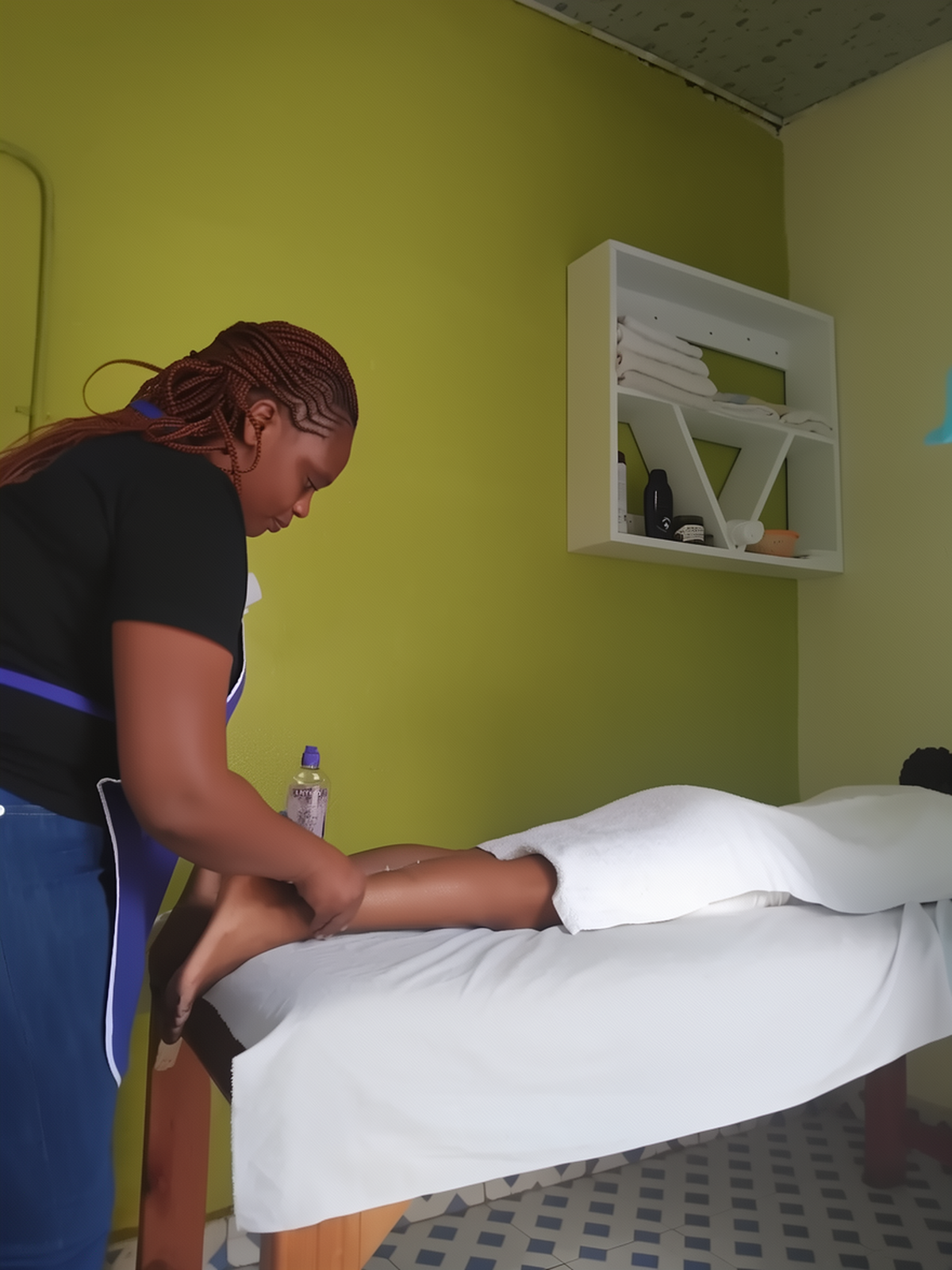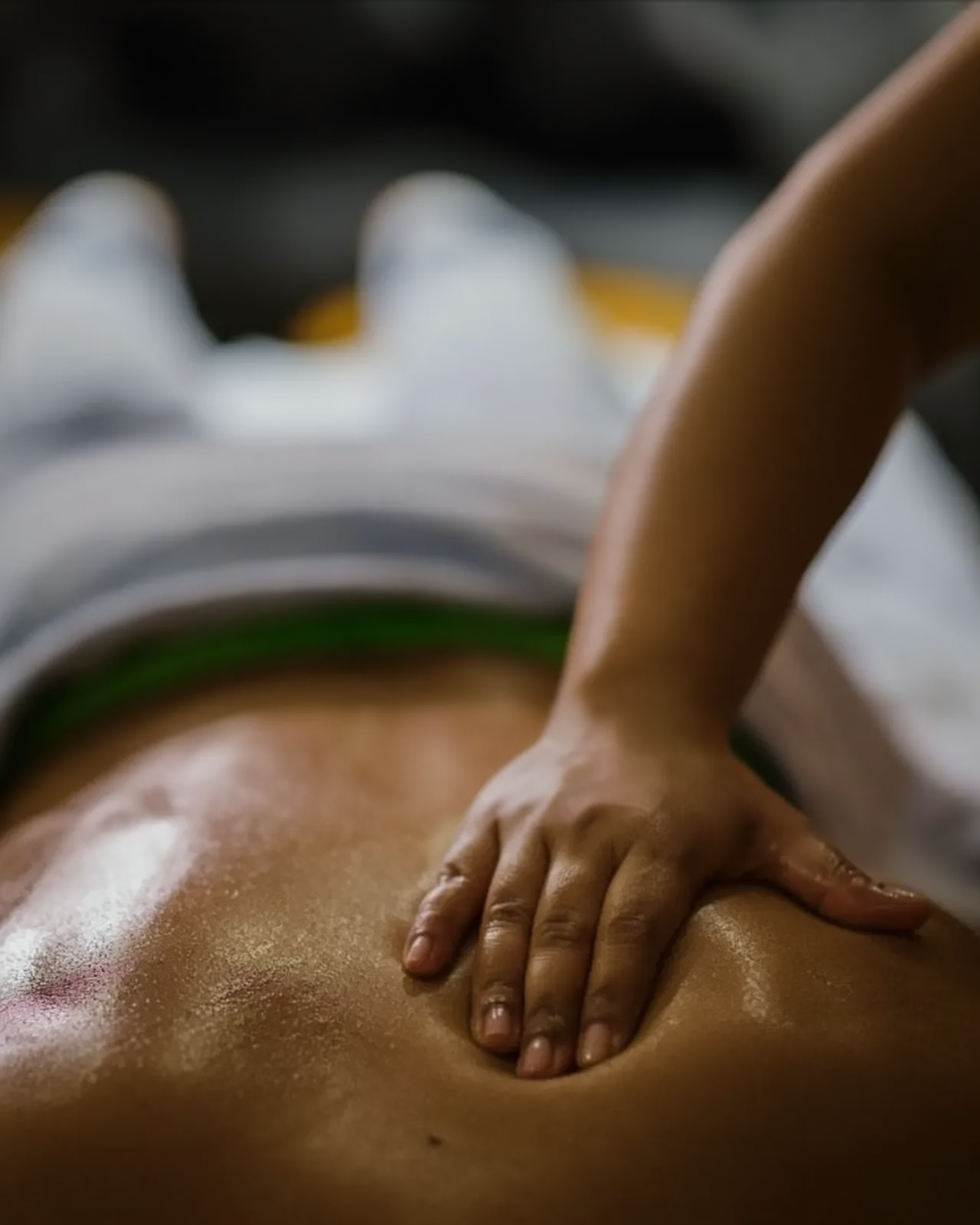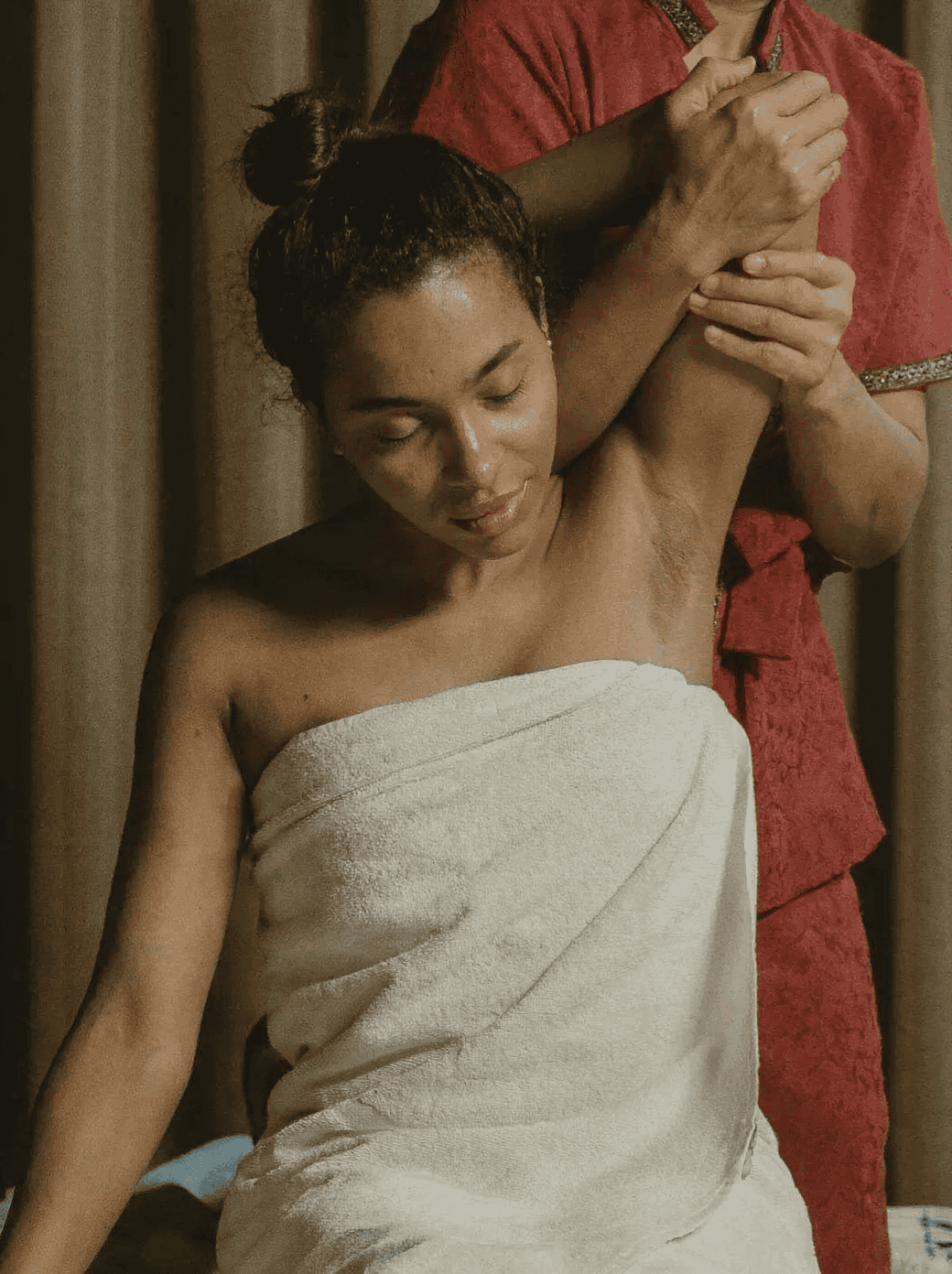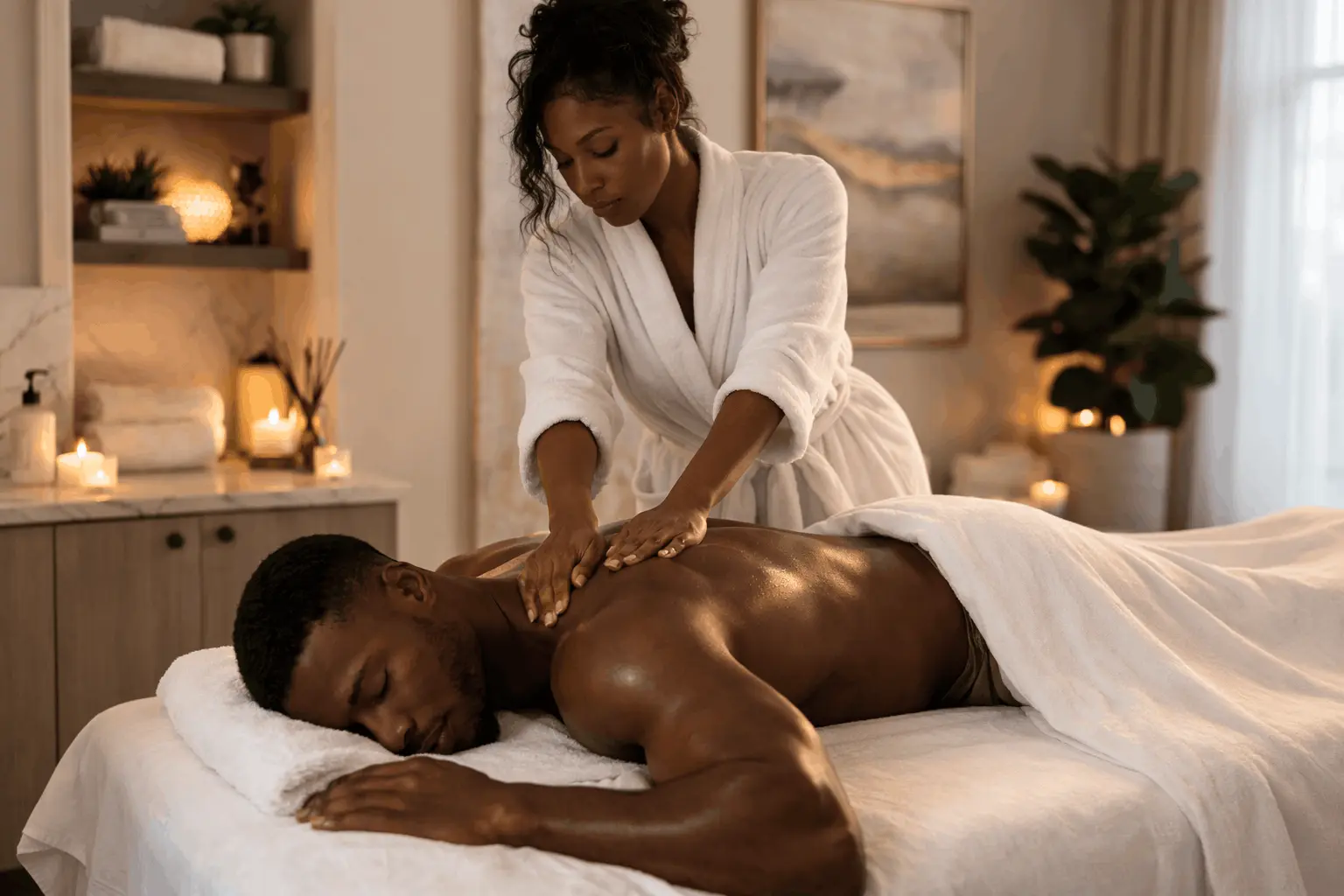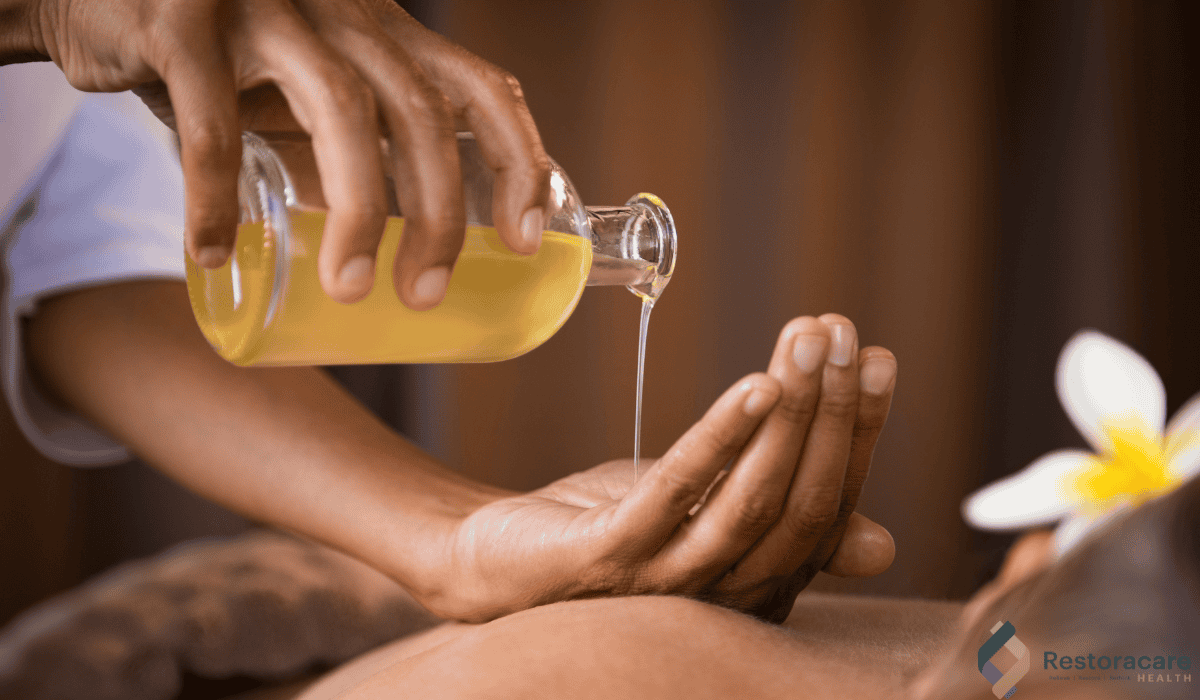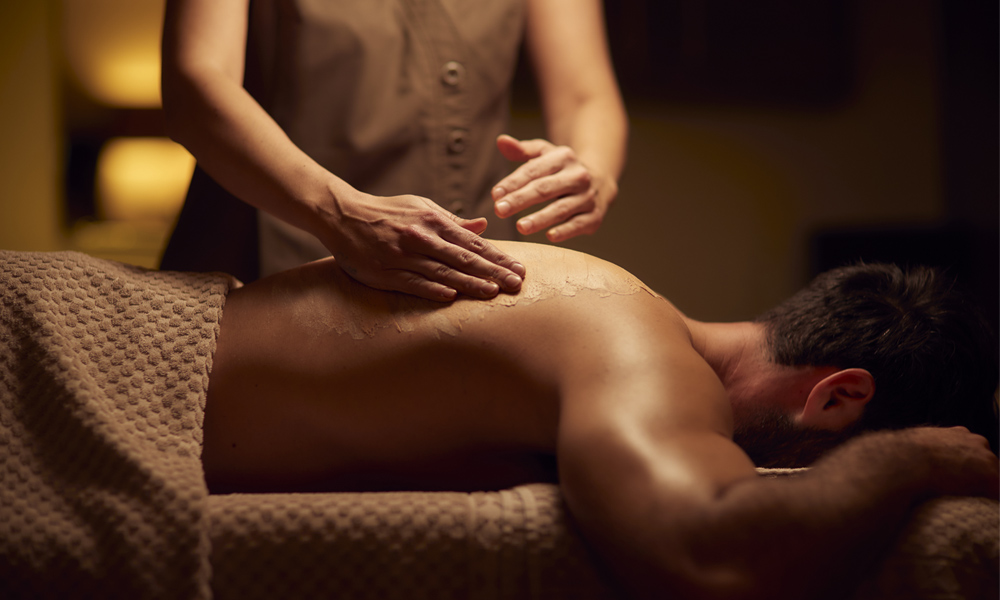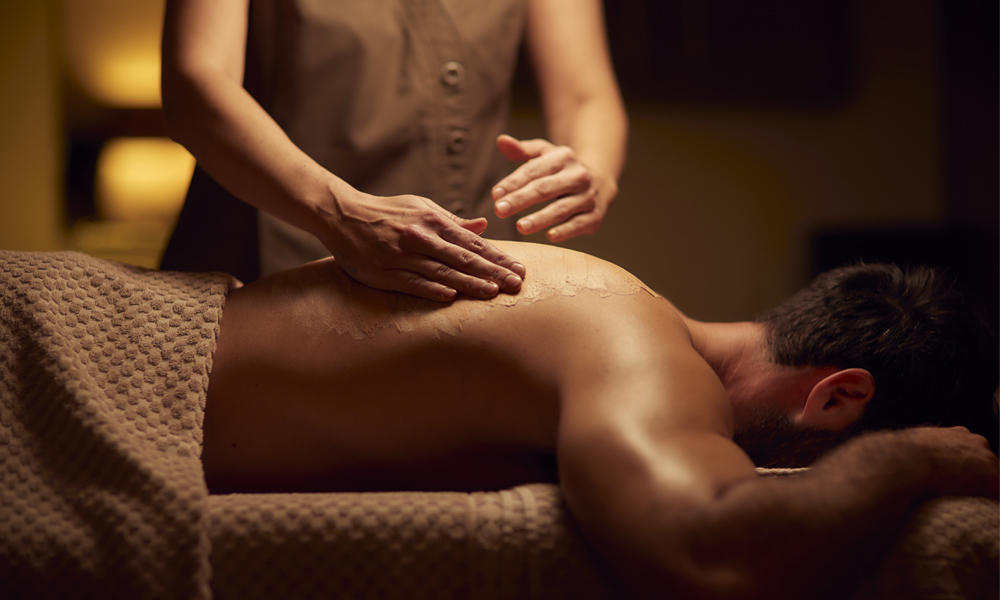


There was a time when massage therapy in Kenya was largely associated with luxury hotels, holiday resorts, and the occasional spa day. Today, that perception is changing. More people are discovering that a professional massage is not simply an indulgence—it's a practical way to support both physical and mental wellbeing. Whether you're an office worker dealing with stiff shoulders, a parent juggling daily responsibilities, an athlete recovering after training, or someone who spends hours behind the wheel, massage therapy has become an increasingly accessible part of a healthy lifestyle.
Modern life places unique demands on our bodies. Long commutes through traffic, hours spent sitting at desks, repetitive manual work, and the constant pressure of balancing work and personal responsibilities all take their toll. Over time, these everyday habits can lead to muscle tension, poor posture, chronic aches, fatigue, and increased stress levels. While massage isn't a replacement for medical care, it can play a valuable role in helping the body recover and function more comfortably.
Professional massage therapy combines trained techniques with an understanding of the body's muscles, connective tissues, and movement patterns. Depending on the type of massage, it can help reduce discomfort, improve flexibility, encourage relaxation, and support recovery after physical activity. Just as importantly, many people find that regular massage creates an opportunity to disconnect from daily pressures and focus on their overall wellbeing.
In this guide, we'll explore the many physical and mental health benefits of professional massage therapy, explain how these benefits work, and look at why more Kenyans are making massage part of their wellness routines.
Massage Therapy Supports the Body Beyond Relaxation
Ask someone why they get a massage, and there's a good chance they'll say it's to relax. While relaxation is certainly one of the most immediate and noticeable benefits, it's only one part of the bigger picture.
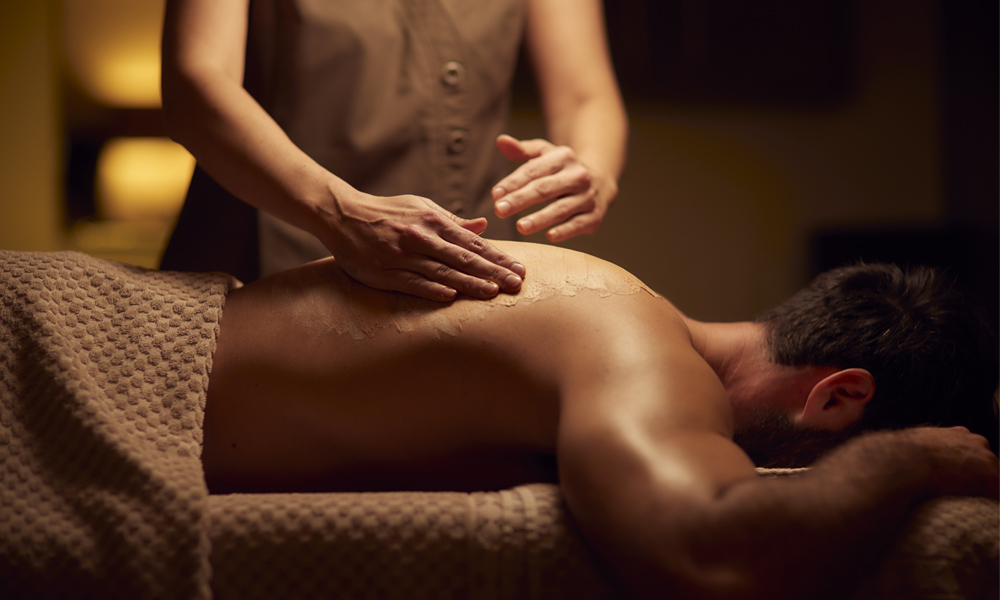
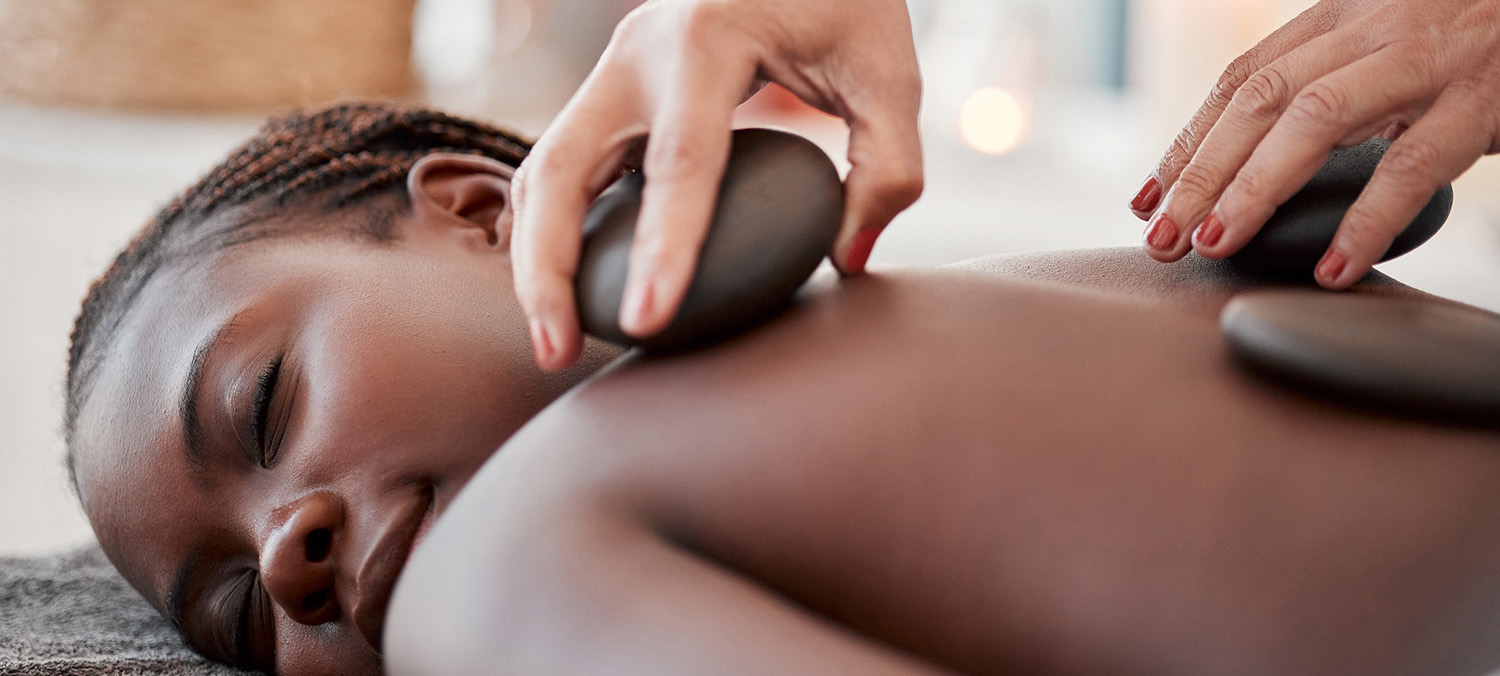
Massage therapy works by applying different levels of pressure and movement to muscles, tendons, ligaments, and soft tissues. These techniques encourage muscles to release tension, improve circulation, and stimulate the nervous system in ways that promote recovery and comfort. Depending on the treatment, massage can be gentle and calming or more focused on addressing deep muscle tightness and restricted movement.
In Kenya, many people spend a significant part of the day seated at computers or driving through busy urban areas. Others work in physically demanding industries such as construction, agriculture, healthcare, or hospitality. Despite these very different occupations, they often experience similar problems—tight shoulders, lower back discomfort, sore legs, headaches, or fatigue caused by muscle strain.
Professional massage addresses these issues by targeting the source of muscle tension rather than simply masking symptoms for a short period. Combined with healthy movement, good posture, and appropriate medical advice where necessary, massage can become an important part of maintaining long-term physical wellbeing.
Reducing Stress and Helping the Mind Slow Down
Stress has become one of the most common health challenges in modern life. Tight deadlines, financial responsibilities, family commitments, long commutes, and constant notifications from phones and computers can leave many people feeling mentally exhausted long before the day is over.
One of the reasons massage therapy is so effective for stress management is that it encourages the body to move away from its heightened "fight or flight" response and into a more relaxed state. During a massage, breathing often becomes slower and deeper, muscles gradually soften, and many clients notice that their minds become quieter. Some even drift off to sleep without realizing it.
Research has shown that massage may help reduce levels of cortisol, often referred to as the body's primary stress hormone. At the same time, it may encourage the release of neurotransmitters such as serotonin and dopamine, which contribute to feelings of calm and wellbeing. While massage isn't a cure for anxiety or chronic mental health conditions, it can provide meaningful support as part of a broader approach to managing stress.
This is particularly valuable in busy Kenyan cities such as Nairobi and Mombasa, where fast-paced lifestyles can make it difficult to find genuine moments of rest. Even a single hour away from emails, traffic, and daily responsibilities can leave many people feeling noticeably refreshed.
Relieving Muscle Pain and Everyday Aches
One of the most practical reasons people seek professional massage therapy is to reduce muscle pain. Unlike discomfort caused by injuries or certain medical conditions, muscular pain often develops gradually. Hours spent sitting at a desk, carrying heavy loads, standing for extended periods, or repeating the same movements day after day can all contribute to stiffness and soreness.
Massage helps by working directly on tight muscles and surrounding soft tissues. Through kneading, stretching, and controlled pressure, therapists can reduce muscle tension, improve mobility, and ease discomfort that has built up over time. For many people, this results in greater freedom of movement and less pain during everyday activities.
Office workers commonly experience tightness across the neck, shoulders, and upper back due to prolonged computer use. Drivers often report lower back discomfort after long hours on the road. Manual labourers may develop muscle fatigue from lifting, bending, or repetitive tasks. In each case, massage therapy offers a non-invasive way to manage muscular tension while supporting overall recovery.
It's important to remember, however, that persistent or severe pain should always be assessed by a qualified healthcare professional. Massage is a supportive therapy, not a replacement for medical diagnosis or treatment.
Improving Blood Circulation Throughout the Body
Healthy circulation is essential for keeping muscles and tissues functioning properly. Blood carries oxygen and nutrients to different parts of the body while helping remove waste products produced during normal muscle activity.
Massage encourages circulation by applying rhythmic pressure that stimulates blood flow to targeted areas. While the effects are temporary, improved circulation can contribute to healthier muscle function and may help reduce the feeling of stiffness that often follows prolonged inactivity.
People who spend much of the day seated—whether working in an office or travelling long distances—sometimes notice that their legs feel heavy or tired by the evening. Gentle massage can help ease this sensation by encouraging movement and reducing muscular tension.
Better circulation may also support recovery after exercise by helping muscles receive the nutrients they need during the repair process. Although massage alone won't dramatically transform circulation or cardiovascular health, it complements other healthy habits such as regular physical activity and staying hydrated.
Supporting Flexibility and Better Range of Motion
Many people don't realize they've lost flexibility until simple movements become uncomfortable. Reaching overhead, bending to tie shoelaces, turning the head while driving, or getting out of bed in the morning can all become more difficult when muscles remain tight for extended periods.
Massage therapy helps improve flexibility by reducing muscle stiffness and encouraging soft tissues to move more freely. Techniques such as stretching, compression, and deep tissue work can gradually improve the range of motion around joints, making everyday activities feel easier and more comfortable.
This benefit is especially valuable for athletes, dancers, fitness enthusiasts, and older adults who want to maintain mobility as they age. It can also help office workers whose muscles tighten after spending hours sitting in the same position.
Of course, lasting improvements in flexibility usually require a combination of massage, regular stretching, and appropriate exercise. Massage prepares the muscles by reducing tension, making movement feel more natural and less restricted.
Helping the Body Recover After Physical Activity
Whether you've completed a marathon, spent an afternoon hiking, or simply had an intense gym session, your muscles experience tiny amounts of stress during exercise. This is a normal part of building strength and endurance, but it can also leave you feeling sore over the following day or two.
Sports massage and deep tissue massage are commonly used to support recovery by easing muscle tightness and improving overall comfort after physical activity. While research on massage and athletic performance continues to evolve, many athletes report feeling less stiff and better prepared for future training sessions when massage forms part of their recovery routine.
In Kenya, interest in recreational fitness has grown significantly over the past decade. Running clubs, cycling groups, CrossFit gyms, football leagues, and hiking communities have become increasingly popular. As more people embrace active lifestyles, professional massage is also becoming a practical recovery tool rather than something reserved for elite athletes.
It's worth noting that timing matters. Immediately after an extremely strenuous workout, your therapist may recommend a lighter approach depending on your condition. Recovery should always be tailored to the individual's activity level and overall health.
Better Sleep Through Reduced Physical Tension
Anyone who has struggled to sleep because of an aching back or tense shoulders understands how closely physical comfort and rest are connected. Even when muscle pain isn't severe, lingering tension can make it difficult to fully relax at bedtime.
Massage therapy may contribute to better sleep by reducing muscle discomfort and encouraging a more relaxed state before bedtime. Many people report sleeping more deeply after a massage, particularly when the session takes place later in the day.
The calming environment of a professional massage—quiet surroundings, gentle movements, and focused attention—also gives the mind a chance to slow down. For individuals who spend their days constantly responding to emails, meetings, or household responsibilities, this mental pause can make falling asleep easier later that evening.
While massage isn't a treatment for chronic insomnia or sleep disorders, it can support healthy sleep habits as part of a balanced lifestyle that includes regular exercise, good sleep hygiene, and stress management.
Improving Posture in Everyday Life
Poor posture often develops gradually. Hours spent leaning over laptops, looking down at mobile phones, or sitting in unsupported chairs can create muscular imbalances that affect how the body naturally aligns itself.
Massage therapy helps by releasing tight muscles that pull the body into uncomfortable positions. For example, tension across the chest and shoulders may contribute to rounded shoulders, while tight muscles in the hips or lower back can influence standing posture and walking patterns.
When combined with strengthening exercises and greater awareness of posture throughout the day, massage can make it easier to maintain healthier movement habits. Many people notice that they stand taller, move more comfortably, and experience fewer tension headaches after addressing long-standing muscle tightness.
Of course, posture isn't corrected overnight. Massage provides temporary relief and improved mobility, but long-term improvements depend on daily habits, ergonomic workspaces, and regular physical activity.
Supporting Mental Wellbeing Through Human Connection
Beyond its physical effects, massage offers something that many people rarely experience in today's fast-paced world: uninterrupted time to simply be still.
Professional therapeutic touch, delivered with appropriate boundaries and respect, can have a calming effect that extends beyond muscles alone. During a massage session, there are no emails to answer, meetings to attend, or household chores demanding attention. For an hour or so, your focus shifts entirely to your own wellbeing.
Many clients describe leaving a massage feeling mentally clearer and emotionally lighter. This doesn't mean massage replaces counselling, psychological care, or medical treatment for mental health conditions. Rather, it creates space for relaxation that many people struggle to achieve in everyday life.
As conversations around mental health become more open in Kenya, wellness practices such as massage are increasingly recognized as one of many tools that can contribute to overall emotional wellbeing.
Encouraging a More Preventive Approach to Health
One of the most overlooked benefits of regular massage is that it encourages people to pay closer attention to their bodies. Rather than waiting until discomfort becomes severe, clients often become more aware of early signs of muscle tension, poor posture, or physical fatigue.
This increased awareness can lead to healthier decisions in other areas of life. Someone who notices recurring neck tension during massage sessions may decide to improve their workstation ergonomics. An athlete who regularly receives sports massage might become more consistent with stretching and recovery exercises. Even something as simple as recognizing the effects of chronic stress can motivate positive lifestyle changes.
Massage is most effective when viewed as part of a broader commitment to health rather than a quick fix. Combined with balanced nutrition, regular exercise, adequate sleep, and appropriate healthcare, it contributes to a more preventive approach to wellbeing.
Choosing a Qualified Massage Therapist Matters
The benefits of massage therapy depend not only on the techniques used but also on the professionalism and experience of the therapist. A qualified practitioner will begin with a consultation, ask about your medical history, understand your goals, and adapt the treatment accordingly.
When choosing a massage therapist in Kenya, look for providers with good reviews, clean facilities, transparent pricing, and a professional approach to client care. Avoid businesses that make unrealistic medical claims or promise guaranteed cures for complex health conditions.
Online directories can make the search easier. For example, The Real Plug helps users discover vetted professionals across Kenya, making it simpler to compare service providers and identify businesses with established reputations before booking a session.
Taking the time to choose a reputable therapist not only improves your overall experience but also ensures that your treatment is delivered safely and professionally.
Massage Therapy Is an Investment in Long-Term Wellbeing
Massage therapy is often thought of as something people enjoy once in a while, perhaps during a holiday or special occasion. In reality, its greatest value often comes when it's viewed as part of an ongoing approach to health rather than an occasional luxury. Whether your goal is reducing stress, easing persistent muscle tension, improving flexibility, sleeping better, or supporting recovery after physical activity, professional massage offers benefits that extend well beyond the treatment room.
That doesn't mean massage is a cure for every ache or health concern. It's most effective when combined with healthy daily habits and appropriate medical care where needed. By understanding its role and choosing qualified professionals, you can make massage therapy a practical addition to your overall wellness routine.
As more Kenyans embrace preventive healthcare and holistic wellbeing, massage therapy continues to earn its place as a trusted tool for supporting both body and mind. A single session can provide welcome relief, but regular, thoughtfully chosen treatments have the potential to contribute to lasting comfort, resilience, and a better quality of life.