

Most people know how a good massage feels. Tight shoulders begin to loosen, stiff muscles become easier to move, and by the end of the session, both the body and mind often feel noticeably calmer. But have you ever wondered why this happens?
Massage therapy has been practiced for thousands of years, long before modern medicine could explain its effects. Today, researchers have a much better understanding of how massage interacts with the body's muscles, connective tissues, nervous system, and circulation. While there is still ongoing research into some of its long-term benefits, there is strong evidence that professional massage can positively influence how the body responds to stress, muscle tension, and physical recovery.
One common misconception is that massage simply "works out knots." In reality, the process is much more complex. A massage session affects several interconnected systems at once. Gentle pressure, stretching, and rhythmic movements send signals throughout the body, encouraging muscles to relax, improving blood flow, influencing the nervous system, and creating conditions that help the body recover more comfortably.
Whether you're considering your first massage or you've already made it part of your wellness routine, understanding the science behind massage therapy helps explain why so many people—from office workers and athletes to older adults and busy parents—continue to benefit from it.
Your Body Is Designed to Respond to Touch
Touch is one of the earliest senses humans develop, and it remains an important part of how the body interacts with the world throughout life. Our skin contains millions of sensory receptors that constantly send information to the brain about pressure, temperature, movement, and pain.
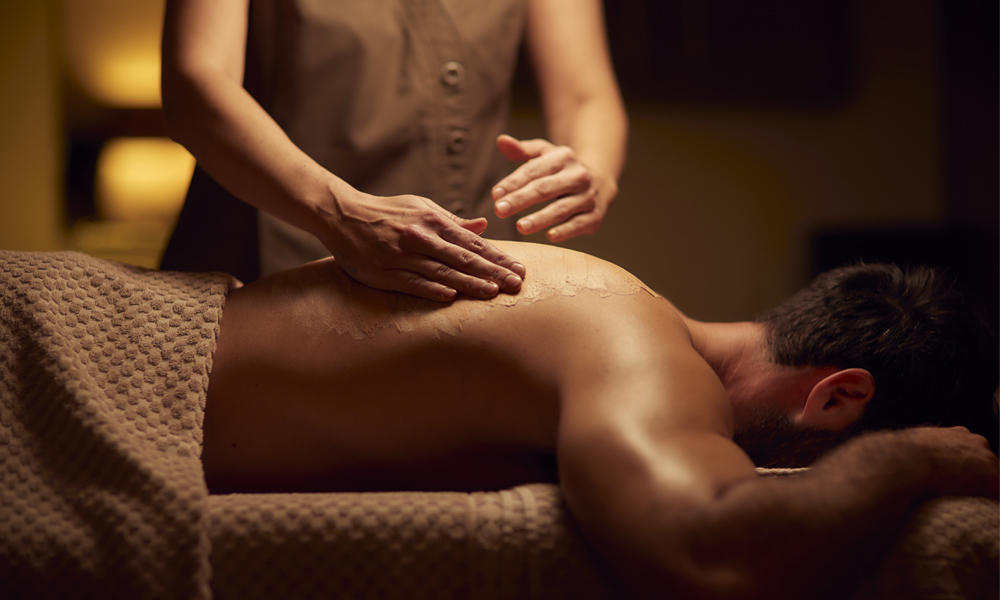
When a trained massage therapist applies controlled pressure to the body, these receptors become activated. Rather than simply responding to the physical contact itself, the brain begins processing a wide range of information about the intensity, location, and rhythm of the touch. This communication influences several body systems at the same time.
Gentle, repetitive massage movements often encourage the nervous system to shift into a more relaxed state. Muscles that have remained tense because of stress or prolonged activity begin to soften, breathing naturally slows, and many people notice they become more aware of areas where they have been carrying tension without realizing it.
This is one reason why massage often feels beneficial even before deeper techniques are applied. The body isn't just reacting to pressure—it's responding to a carefully controlled series of signals that promote relaxation and comfort.
How Massage Affects Your Muscles
Muscles are constantly adapting to how we move throughout the day. Whether you're lifting heavy objects, sitting behind a computer, driving across Nairobi during rush hour, or spending hours on your feet, your muscles respond by tightening, contracting, and supporting your movements.
Sometimes these muscles don't fully relax afterward. Repetitive movements, poor posture, overuse, or emotional stress can leave certain muscles feeling tight or fatigued for days or even weeks.
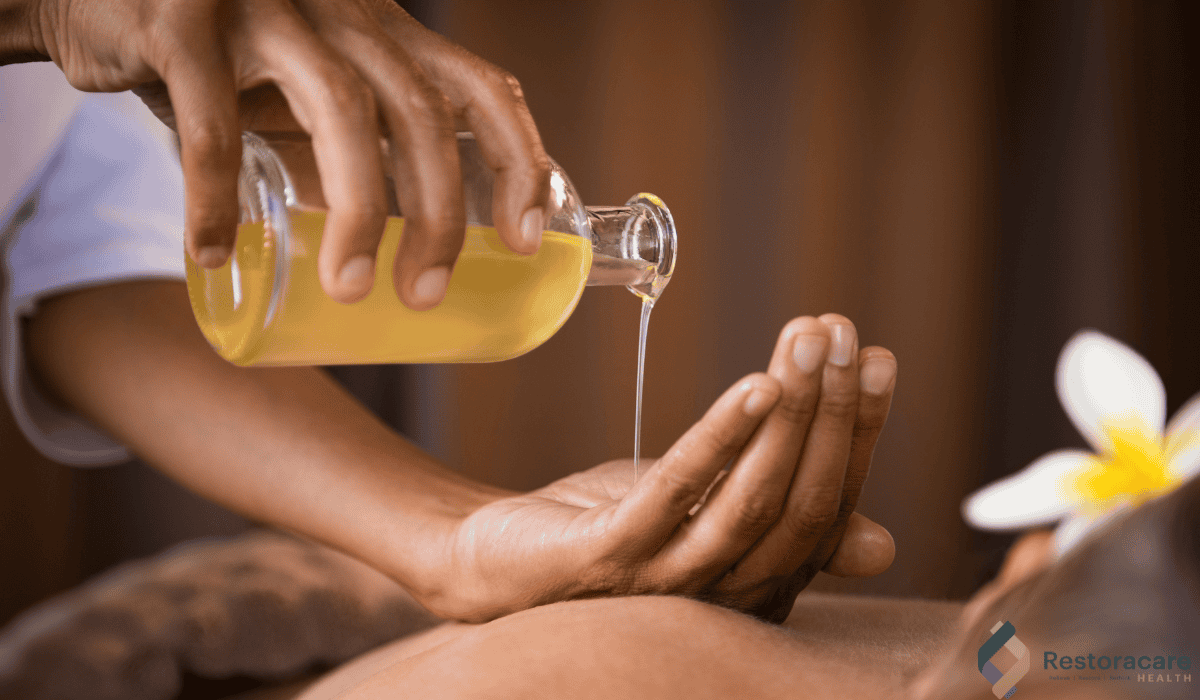
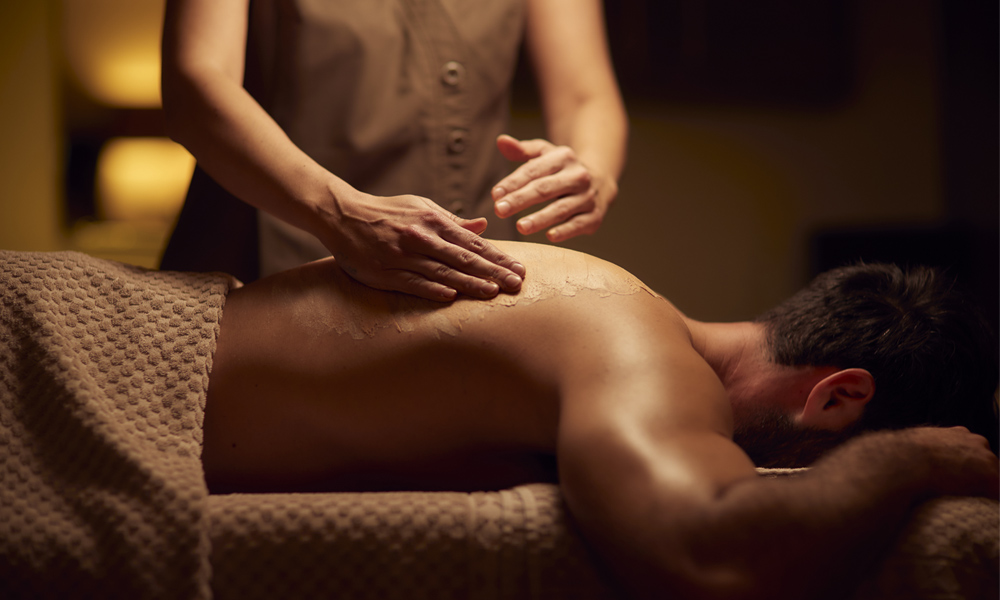
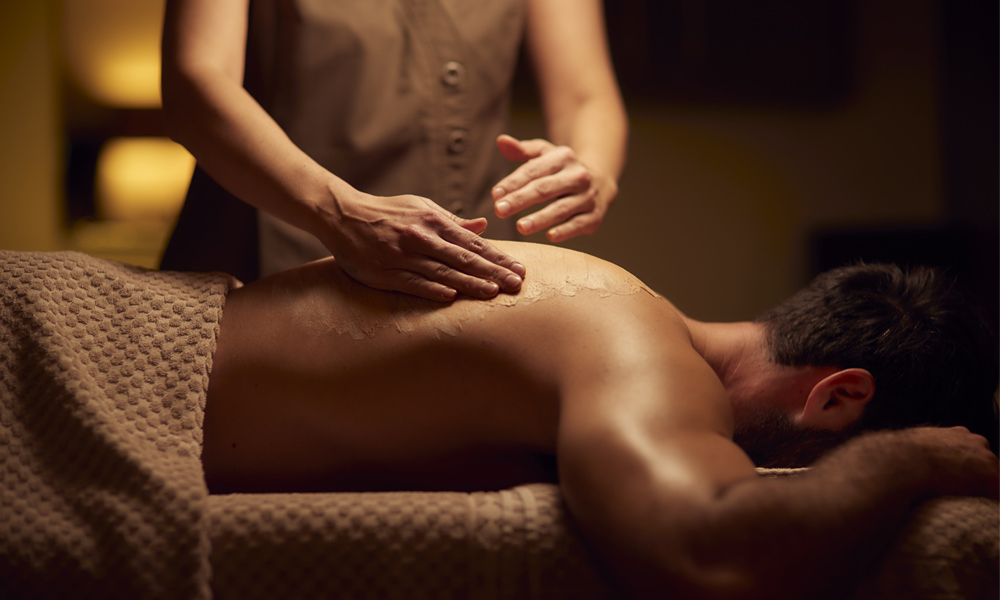
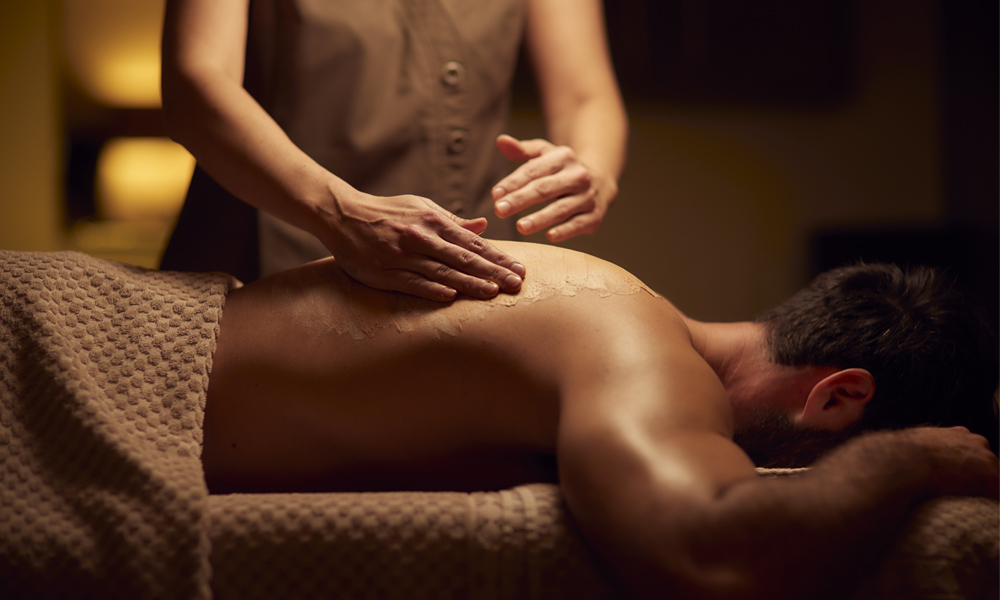
Massage helps by applying pressure that encourages muscles to release unnecessary tension. Different techniques work in different ways. Long flowing strokes warm the muscles and improve circulation near the surface, while slower, deeper movements target muscles that have remained tight for longer periods.
As muscles become more relaxed, many people notice improved movement and less discomfort during everyday activities. Turning the head, bending down, reaching overhead, or walking may all feel easier after treatment.
It's important to understand that massage doesn't physically "break up knots" in the way many people imagine. Instead, it helps reduce excessive muscle tension, improves movement within soft tissues, and encourages the nervous system to allow those muscles to relax more effectively.
Understanding Fascia: The Tissue Many People Haven't Heard Of
When people think about massage, they usually picture muscles. However, another important structure plays a significant role in how the body moves: fascia.
Fascia is a thin but incredibly strong network of connective tissue that surrounds muscles, bones, nerves, blood vessels, and organs. You can think of it as a supportive web that helps hold everything together while allowing different parts of the body to move smoothly.
Healthy fascia is flexible and glides easily as you move. However, injury, prolonged inactivity, repetitive movement, or inflammation can sometimes cause fascia to become less mobile. This may contribute to feelings of stiffness or restricted movement.
Some massage techniques focus specifically on improving how fascia moves. By applying slow, sustained pressure, therapists may help encourage greater flexibility within these connective tissues, making movement feel more natural and comfortable.
Although researchers continue studying fascia and its role in musculoskeletal health, many therapists consider it an important part of understanding why certain movement restrictions improve following massage.
Improving Blood Circulation Without "Flushing Toxins"
One of the most frequently discussed effects of massage is improved circulation. While this benefit is real, it's often misunderstood.
Your blood continuously carries oxygen and nutrients throughout the body while removing waste products produced during normal cellular activity. Good circulation supports healthy muscle function, healing, and overall tissue health.
Massage temporarily increases blood flow to the areas being treated. The pressure applied during massage encourages movement within blood vessels, allowing fresh, oxygen-rich blood to reach muscles more efficiently.
This improved circulation helps explain why muscles often feel warmer and more relaxed during treatment. It also supports the body's natural recovery processes following exercise or prolonged physical activity.
You'll sometimes hear claims that massage "flushes toxins" from the body. This is misleading. The liver, kidneys, lungs, and digestive system are responsible for removing waste products from the body. Massage doesn't replace these functions or dramatically accelerate detoxification.
Instead, massage supports healthy circulation and creates conditions that allow muscles and other soft tissues to function more comfortably.
How Massage Influences the Nervous System
Perhaps one of the most fascinating effects of massage involves the nervous system.
The nervous system controls nearly everything your body does, from movement and breathing to heart rate and emotional responses. It has two main branches that are especially relevant during massage: the sympathetic nervous system and the parasympathetic nervous system.
The sympathetic nervous system is often described as the body's "fight or flight" response. It's designed to help you react quickly during stressful situations by increasing alertness, raising heart rate, and preparing muscles for action.
The parasympathetic nervous system has the opposite role. Often called the "rest and digest" system, it helps slow the heart rate, supports digestion, encourages relaxation, and promotes recovery.
Many people spend much of their day operating in a heightened state of stress. Deadlines, traffic, financial concerns, family responsibilities, and constant phone notifications can keep the sympathetic nervous system active for extended periods.
Massage encourages the body to shift toward parasympathetic activity. This change helps explain why breathing slows, muscles relax, and clients often feel deeply calm during or after treatment.
It's not simply a matter of feeling comfortable—the nervous system itself is responding to therapeutic touch in ways that encourage recovery rather than constant vigilance.
Massage and Stress Hormones: What Happens in the Body?
Stress affects far more than your mood. When you're under pressure, your body releases hormones such as cortisol and adrenaline, preparing you to respond to challenges. This response is useful in short bursts, but remaining in a constantly stressed state can contribute to muscle tension, fatigue, poor sleep, and difficulty concentrating.
Massage therapy has been shown in many studies to help lower perceived stress, and some research suggests it may also reduce cortisol levels while encouraging the release of neurotransmitters such as serotonin and dopamine. These chemicals are associated with feelings of relaxation, emotional balance, and overall wellbeing.
It's important not to overstate these effects. Massage doesn't "reset" your hormones overnight or eliminate the causes of stress. If your workload remains overwhelming or you're dealing with ongoing personal challenges, those issues still need to be addressed.
What massage can do is provide your body with an opportunity to temporarily step out of a heightened stress response. For many people, this creates a sense of mental clarity that carries into the rest of the day and supports healthier coping strategies.
Why Massage Helps After Exercise
If you've ever completed a challenging workout or spent an entire day doing physically demanding work, you've probably experienced sore muscles afterward. This soreness is a normal part of how muscles adapt to physical activity.
Massage supports recovery by reducing muscle tension, improving circulation, and helping restore comfortable movement. While it won't prevent every ache or dramatically speed up muscle growth, it can make the recovery process feel more manageable.
Athletes often include massage as one part of a broader recovery routine alongside stretching, hydration, proper nutrition, adequate sleep, and active recovery exercises. Increasingly, recreational runners, cyclists, football players, hikers, and gym-goers across Kenya are doing the same.
The timing of massage also matters. Gentle massage may be appropriate shortly after physical activity, while deeper techniques are often more beneficial once the initial soreness has settled. A qualified therapist will recommend an approach that matches your activity level and recovery needs.
Can Massage Help with Pain?
Pain is a complex experience. It isn't determined solely by damaged tissues but also by how the brain interprets signals coming from the body. This is why two people with similar muscle tension can experience very different levels of discomfort.
Massage may help reduce certain types of musculoskeletal pain by decreasing muscle tightness, improving movement, and influencing how the nervous system processes pain signals. Many people with tension headaches, neck stiffness, or lower back discomfort report meaningful relief after professional massage.
However, massage isn't appropriate for every type of pain. Pain caused by fractures, infections, certain nerve conditions, or serious medical illnesses requires proper medical assessment and treatment.
Professional therapists understand these limitations. Rather than claiming to cure every condition, they work within their scope of practice and refer clients to healthcare professionals whenever necessary.
The Psychological Benefits Are Part of the Science Too
The science of massage isn't limited to muscles and circulation. The psychological experience plays an important role as well.
Modern life rarely allows uninterrupted periods of rest. Phones ring constantly, emails demand immediate attention, and many people move from one responsibility to another without stopping. During a massage session, those distractions are intentionally removed.
The quiet environment, focused attention, and therapeutic touch encourage mindfulness in a way that many people find difficult to achieve on their own. Clients often describe feeling mentally lighter after treatment, even if the physical techniques remained relatively gentle.
Researchers continue exploring how relaxation influences mental health, sleep quality, and stress resilience. While massage isn't a replacement for counselling or mental healthcare, it can become an important component of an overall wellness strategy.
Why Different Types of Massage Produce Different Results
Not every massage creates the same physiological response because each technique serves a different purpose.
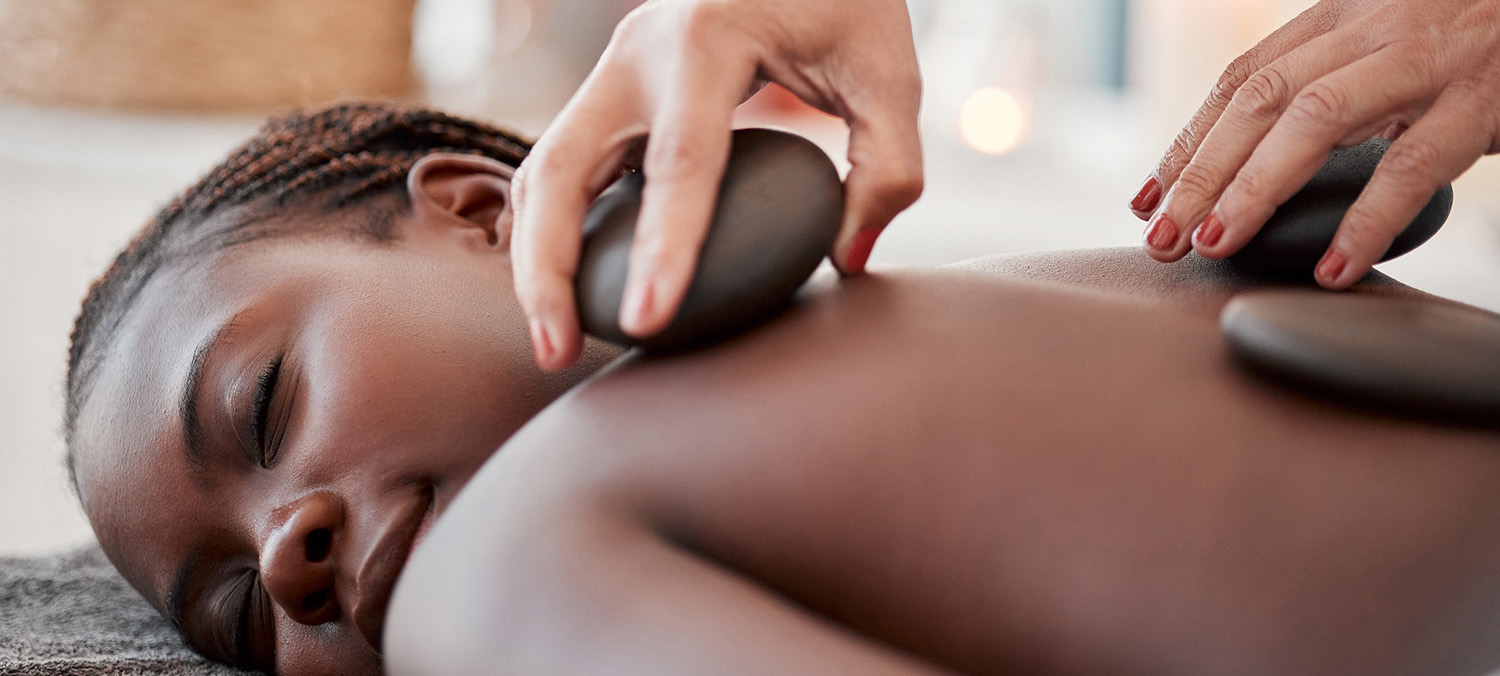
Swedish massage focuses on relaxation and improving circulation through gentle, flowing movements. Deep tissue massage targets deeper muscle layers where chronic tension often develops. Sports massage combines stretching and targeted pressure to support athletic performance and recovery. Hot stone massage uses heat to encourage muscles to relax before manual techniques are applied.
The best massage depends on your goals. Someone seeking stress relief may benefit most from a calming Swedish massage, while another person managing persistent muscle tightness might require a deeper therapeutic approach.
This is why professional consultations matter. Understanding your health history, activity level, and expectations allows the therapist to choose techniques that match your individual needs rather than applying the same routine to every client.
Why Choosing a Qualified Massage Therapist Makes a Difference
The science behind massage therapy only translates into real benefits when treatments are delivered correctly. Technique, communication, hygiene, and professional judgment all influence the quality of the experience.
A qualified therapist will begin by asking about your medical history, current symptoms, lifestyle, and goals before recommending a treatment. They understand when massage is appropriate, when techniques should be modified, and when a client should be referred to another healthcare professional.
As massage therapy continues to grow across Kenya, it's becoming easier to compare providers online before booking an appointment. Reading reviews, checking credentials, and choosing businesses with a reputation for professionalism can help you make a more informed decision.
Platforms such as The Real Plug also make it easier to discover vetted massage therapists and wellness professionals across Kenya, giving users a practical way to identify trusted service providers without relying solely on word of mouth.
Massage Therapy Works with the Body—Not Against It
One of the reasons massage therapy has remained relevant for centuries is that it works with the body's natural systems rather than trying to override them. Instead of forcing change, massage encourages muscles to relax, supports healthy circulation, influences the nervous system, and creates an environment where recovery becomes easier.
Science continues to expand our understanding of exactly how these processes work, but the overall picture is becoming increasingly clear. Massage doesn't rely on mystery or exaggerated claims. Its benefits come from well-understood interactions between touch, movement, muscles, connective tissues, and the nervous system.
Whether your goal is reducing stress, recovering after exercise, improving flexibility, or simply feeling more comfortable in your daily life, understanding the science behind massage helps explain why it has become such a valuable part of modern wellness. Combined with regular exercise, healthy nutrition, quality sleep, and appropriate medical care, professional massage therapy can play a meaningful role in supporting long-term health and wellbeing.