

For many people, wellness starts with good intentions. A gym membership is purchased in January, a new water bottle appears on the desk, and there is a promise to get more sleep. A few weeks later, however, work deadlines, family responsibilities, traffic, and everyday life often get in the way.
The reality is that long-term wellness is rarely built through dramatic lifestyle changes. Instead, it develops through consistent habits that are realistic enough to maintain over time. Small daily choices—how much water you drink, how often you move your body, how well you manage stress, and how you recover from physical and mental demands—often have a greater impact than short bursts of motivation.
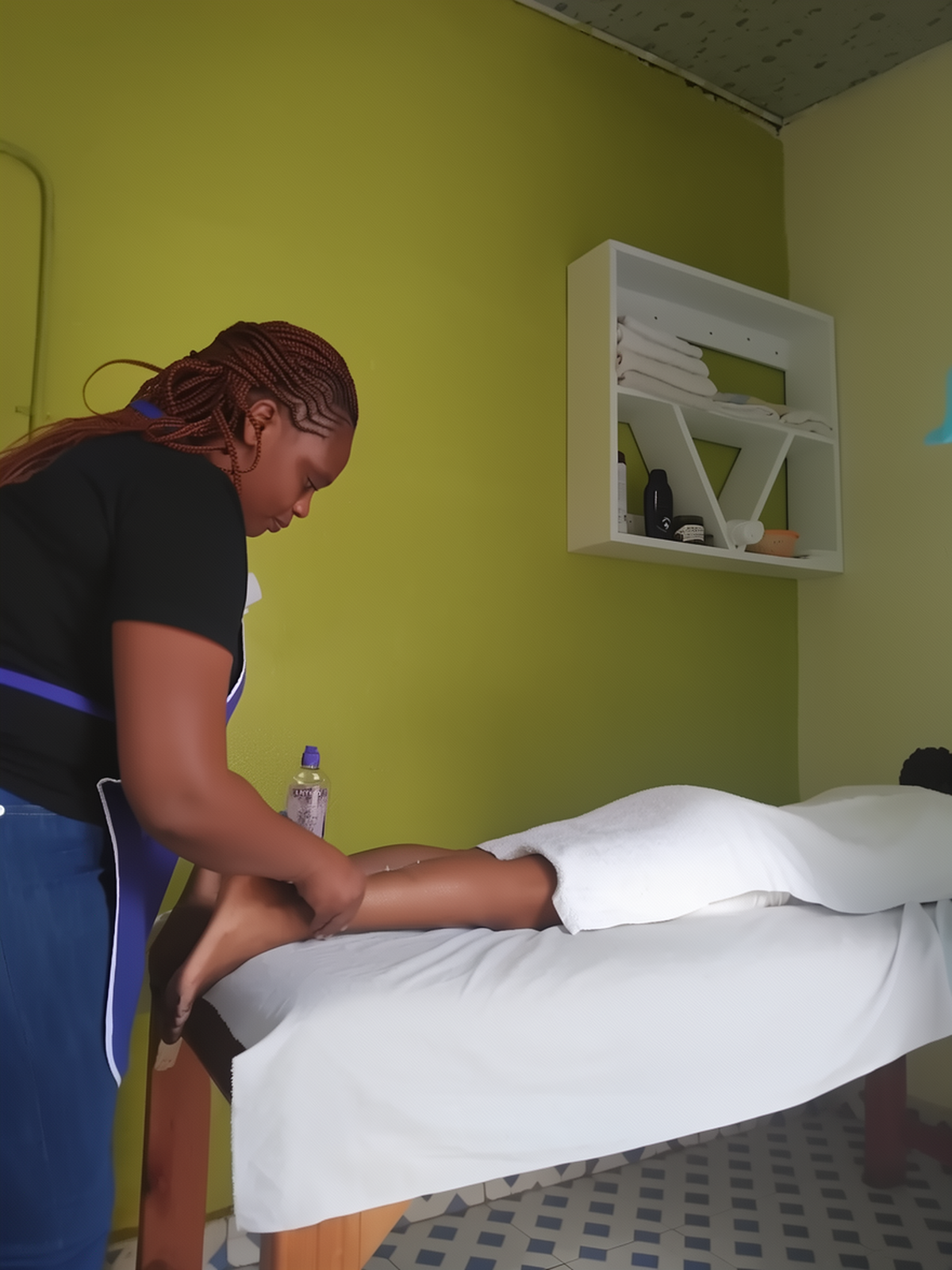
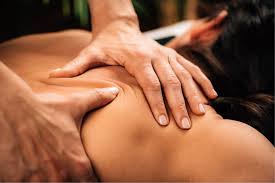
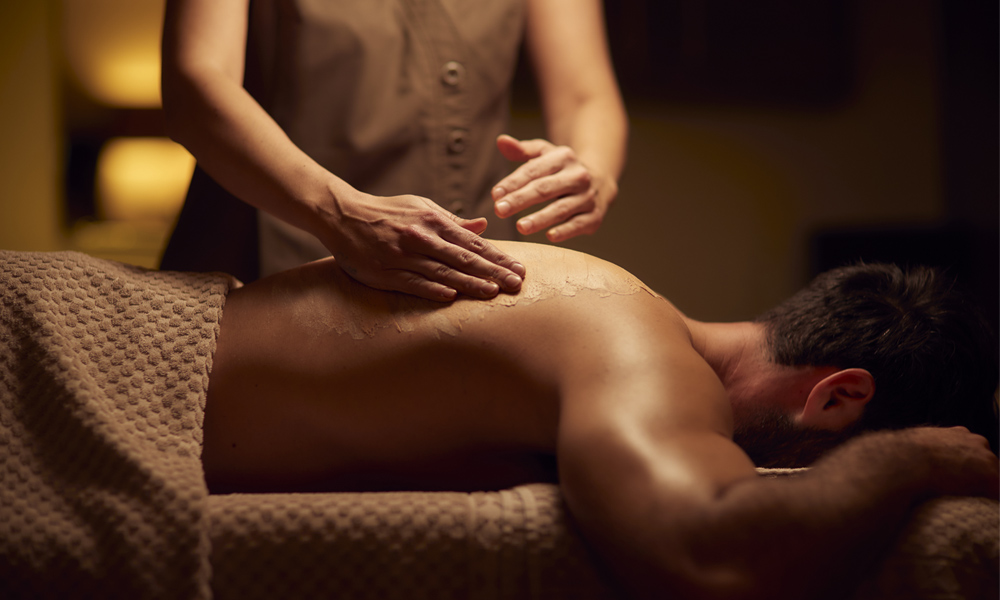
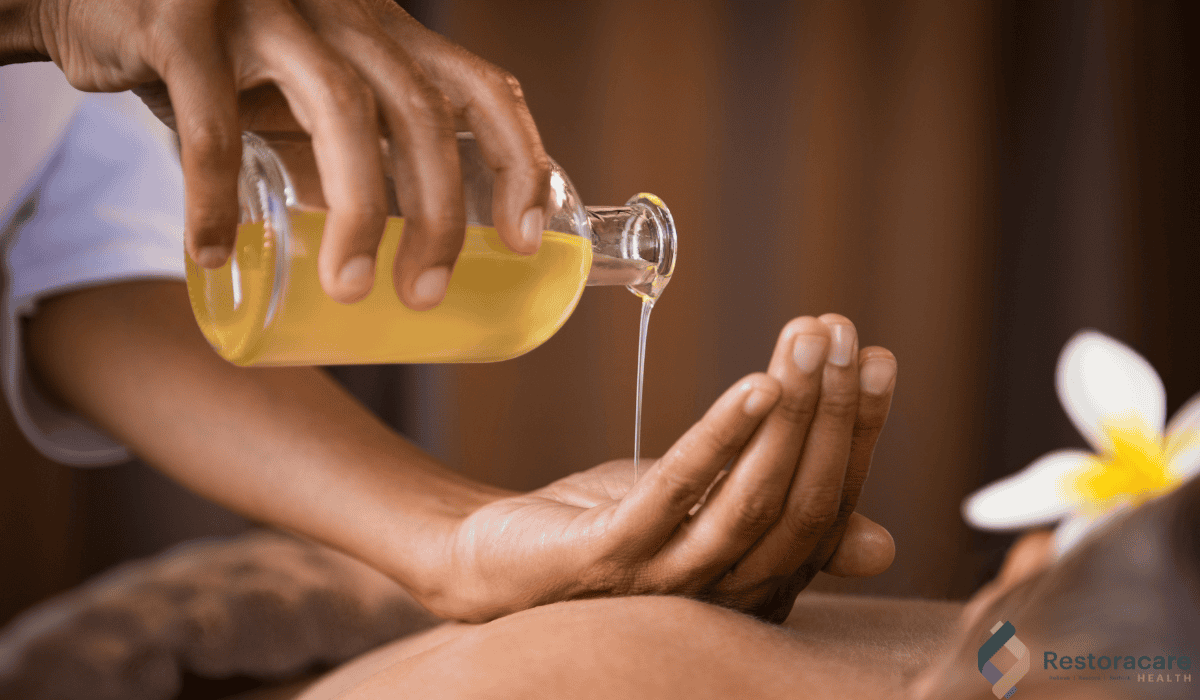
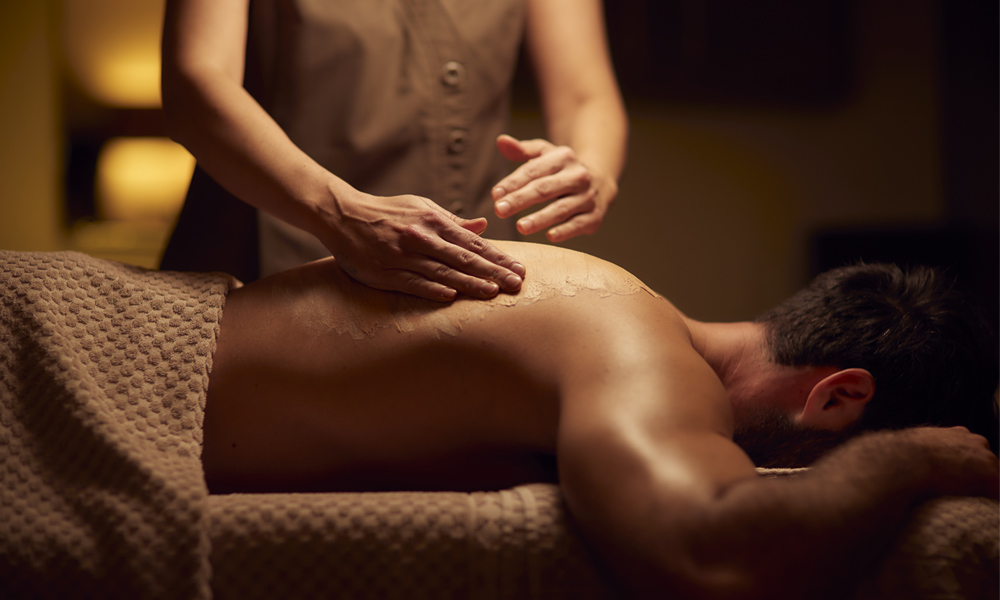
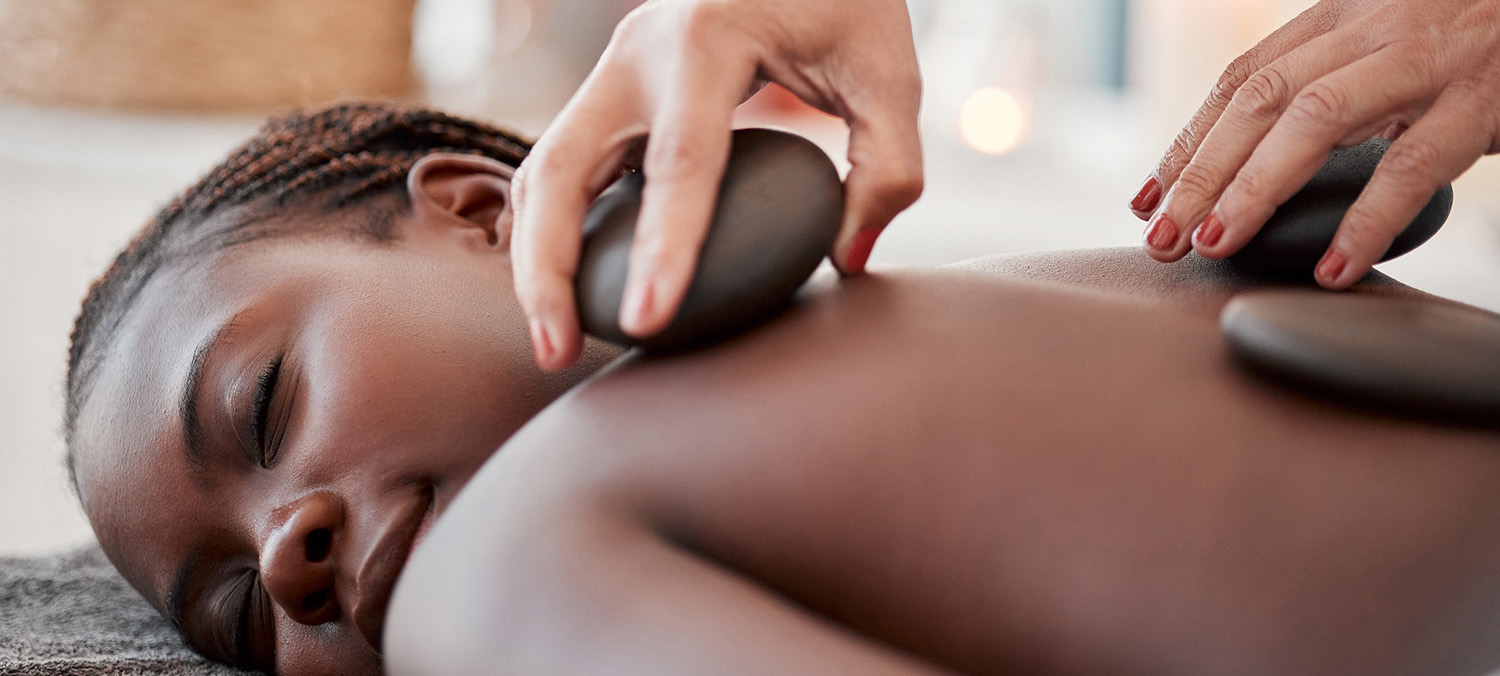
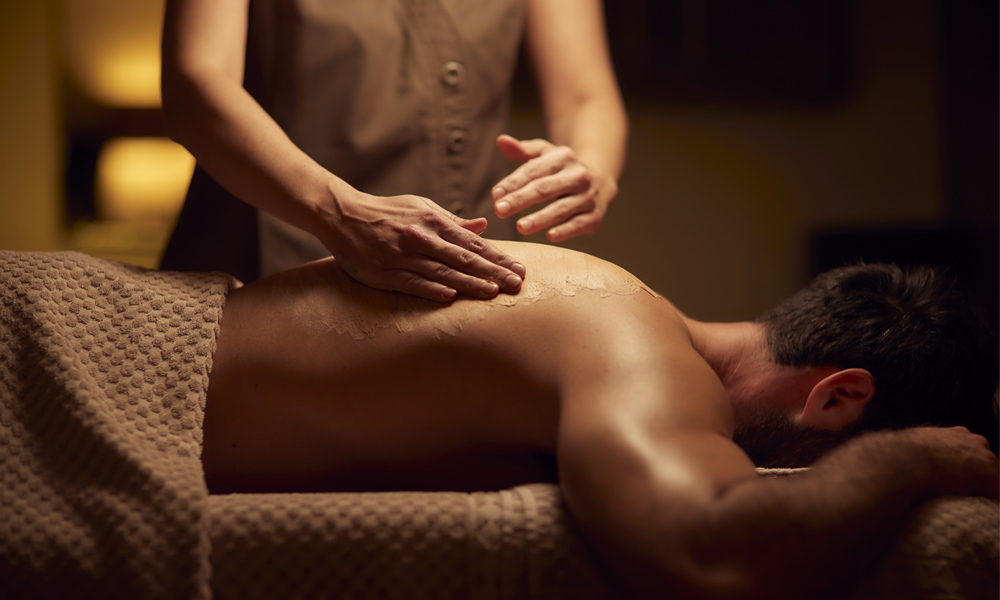
Massage therapy is increasingly becoming part of that conversation. While many people associate massage with luxury or occasional pampering, it can also play a practical role in supporting a balanced wellness routine. When combined with healthy habits such as exercise, stretching, hydration, and proper rest, massage therapy can contribute to a more sustainable approach to overall well-being.
Why Wellness Is About Consistency, Not Perfection
One common misconception about wellness is that it requires a strict routine or expensive lifestyle. In reality, the healthiest habits are often the simplest.
Consider two people. One spends an entire weekend focused on health but neglects self-care during the rest of the month. The other consistently takes short walks, stays hydrated, manages stress, and prioritizes sleep throughout the week. The second person is likely to experience greater long-term benefits.
This principle applies to wellness routines across Kenya, whether someone is working in a Nairobi office, running a business in Kisumu, studying at university, or managing a farm in rural areas.
Sustainable wellness focuses on habits that fit naturally into everyday life. The goal is not perfection. The goal is creating a lifestyle that supports physical, mental, and emotional health over time.
Massage therapy works best when viewed through this lens—not as an isolated treatment, but as one component of a broader wellness strategy.
The Role of Self-Care Habits in Everyday Health
Self-care often gets misunderstood. Some people imagine luxury spa days or expensive wellness retreats, but self-care is much more practical than that.
It includes everyday actions that help maintain physical and mental balance. This might mean taking breaks during a busy workday, spending time outdoors, limiting screen time before bed, or making time for activities that reduce stress.
In Kenya's fast-paced urban environments, many people struggle to create space for these habits. Long commutes, demanding jobs, and family commitments can leave little time for personal well-being.
This is where intentional self-care becomes important. Even small investments in personal wellness can help improve energy levels, concentration, and overall quality of life.
Massage therapy can support these efforts by providing dedicated time to relax, disconnect from daily pressures, and focus on physical recovery.
Supporting Physical Recovery Through Massage Therapy
Physical recovery is often overlooked until discomfort appears.
Whether someone spends their day sitting at a desk, standing for long hours, driving, or engaging in physical labor, the body experiences strain that accumulates over time.
Muscle tightness, stiffness, tension headaches, and general fatigue are common signs that recovery may be needed.
Massage therapy can complement recovery efforts by helping individuals pay attention to their physical well-being before minor discomfort becomes a larger issue.
For active individuals, regular recovery practices are just as important as workouts themselves. Athletes understand that performance improvements often occur during recovery periods rather than during training sessions.
The same concept applies to everyday wellness. Recovery allows the body to adapt, repair, and function more effectively over time.
Exercise and Fitness Are Only Part of the Equation
Exercise remains one of the most important pillars of good health.
Whether it's jogging around Karura Forest, cycling in Naivasha, attending fitness classes, or simply walking regularly, movement supports cardiovascular health, strength, flexibility, and mental well-being.
However, exercise alone does not guarantee wellness.
Many people focus heavily on training while neglecting recovery. This can lead to persistent soreness, reduced motivation, and increased risk of strain-related issues.
A balanced fitness routine includes both activity and recovery. Stretching, hydration, quality sleep, and occasional massage therapy can help support the body's ability to recover from physical exertion.
Rather than viewing wellness as exercise versus rest, it is more useful to see both as equally important parts of the same process.
Why Stretching Shouldn't Be Ignored
Stretching often receives less attention than workouts, despite its importance.
Many people rush through warm-ups or skip stretching entirely after exercise. Others spend long hours seated without considering how limited movement affects flexibility and posture.
Regular stretching helps maintain mobility and encourages healthy movement patterns. It can also reduce the stiffness that develops from prolonged sitting, driving, or repetitive tasks.
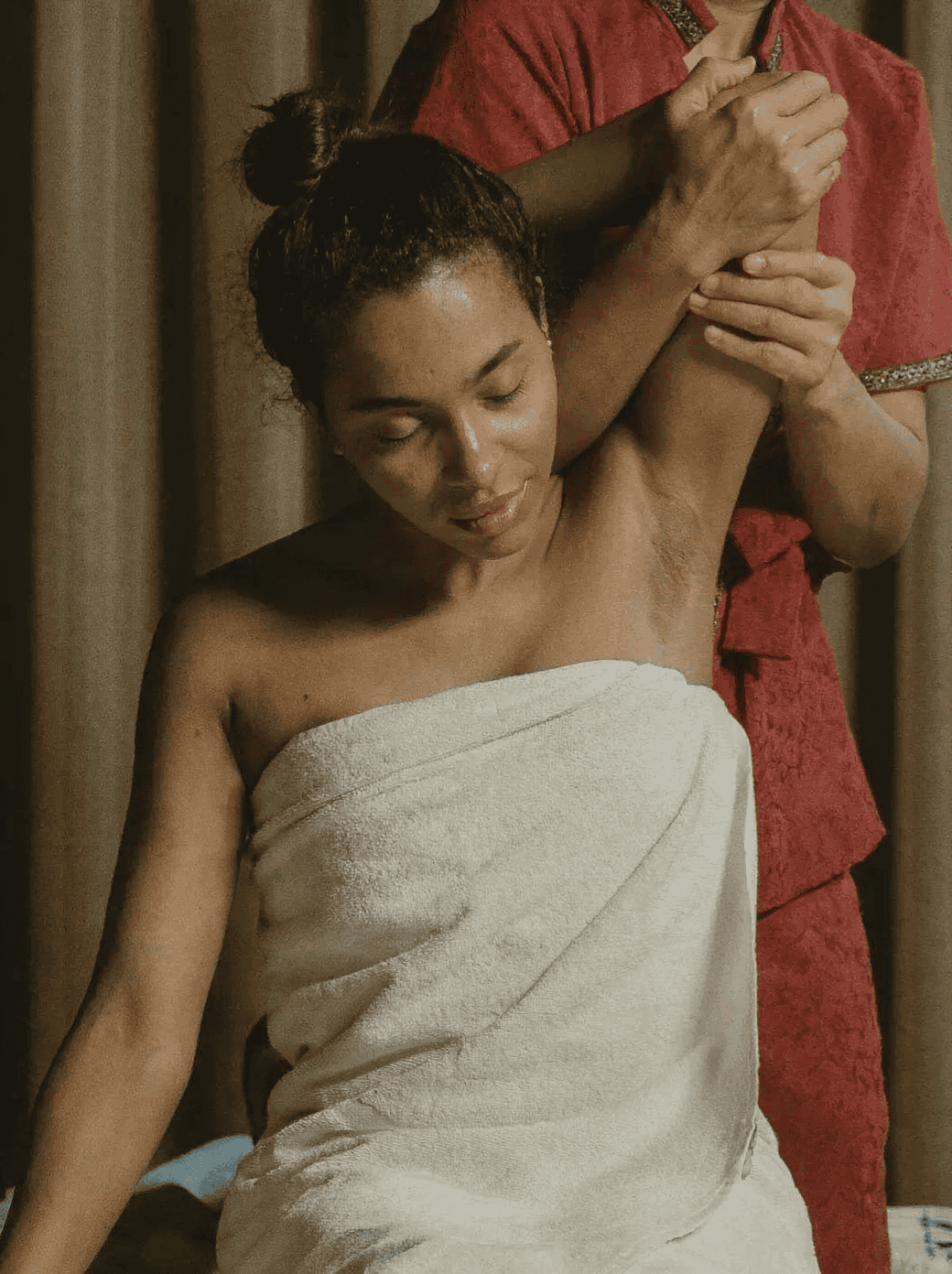
When combined with massage therapy, stretching becomes part of a broader approach to maintaining physical comfort.
A therapist may identify areas of tightness that benefit from targeted stretching, helping clients become more aware of how their bodies move and respond to daily activities.
The goal is not extreme flexibility but maintaining comfortable movement throughout everyday life.
Hydration: One of the Simplest Wellness Habits
Hydration is often underestimated because it seems so basic.
Yet many people go through the day without drinking enough water, especially when busy with work or travel. Even mild dehydration can contribute to fatigue, headaches, and reduced concentration.
Kenya's warm climate makes hydration particularly important. Whether spending time outdoors, exercising, or simply navigating a busy day, fluid intake plays a significant role in overall well-being.
Hydration also supports recovery processes within the body. While drinking water is not a substitute for healthy habits, it remains one of the easiest and most effective ways to support wellness.
Simple habits such as carrying a reusable water bottle or setting reminders can make a noticeable difference over time.
Sleep Habits Matter More Than Many People Realize
Ask most adults if they would like more sleep, and the answer is usually yes.
Unfortunately, quality sleep is often sacrificed in favor of work, entertainment, social commitments, or screen time.
Sleep plays a critical role in physical recovery, cognitive performance, emotional regulation, and overall health. Consistently poor sleep can affect energy levels, mood, concentration, and productivity.
Creating better sleep habits does not always require dramatic changes. Small adjustments such as reducing evening screen exposure, maintaining a consistent sleep schedule, and creating a comfortable sleeping environment can help.
Many people also find that relaxation-focused activities, including massage therapy, contribute to a greater sense of calm that supports healthy sleep routines.
Managing Stress Before It Becomes Overwhelming
Stress is a normal part of life, but unmanaged stress can affect both mental and physical health.
Financial pressures, work responsibilities, family obligations, and everyday challenges create demands that many people navigate daily.
The problem often arises when stress accumulates without healthy coping mechanisms.
Wellness routines should include strategies for managing stress before it becomes overwhelming. This may involve exercise, meditation, social connections, hobbies, time outdoors, or relaxation practices.
Massage therapy can fit naturally into this framework by providing dedicated time for mental and physical relaxation.
The benefits often extend beyond muscles and joints. Many clients appreciate the opportunity to slow down, disconnect from constant demands, and focus on personal well-being.
Preventive Wellness Versus Reactive Wellness
Many people seek wellness services only after experiencing discomfort or burnout.
While there is nothing wrong with addressing problems when they arise, preventive wellness offers a different perspective.
Preventive wellness focuses on maintaining health before issues develop. Rather than waiting until stress, fatigue, or muscle tension become severe, individuals take consistent steps to support overall well-being.
This approach is increasingly common among professionals, fitness enthusiasts, and health-conscious individuals.
Massage therapy can be part of preventive wellness when incorporated into a broader routine that includes movement, recovery, hydration, and stress management.
The goal is not necessarily to solve problems but to support long-term balance and resilience.
Creating a Sustainable Wellness Routine
The best wellness routine is not the most complicated one. It is the one that can realistically be maintained.
A sustainable routine often includes regular movement, nutritious food choices, adequate hydration, quality sleep, stress management, and sufficient recovery.
Importantly, it should fit the realities of everyday life.
For some people, that may mean weekly gym sessions and daily walks. For others, it may involve stretching at home, prioritizing sleep, and scheduling occasional wellness treatments.
Finding trusted wellness professionals can also make the process easier. Platforms such as The Real Plug help users connect with vetted service providers across Kenya, making it simpler to discover professionals who support healthy lifestyle goals.
Ultimately, wellness is not built through short-term efforts. It develops through consistent habits that support physical and mental well-being over months and years.
Final Thoughts
Building a healthy wellness routine does not require perfection, expensive products, or dramatic lifestyle changes. It starts with practical habits that can be sustained over time.
Exercise, stretching, hydration, quality sleep, stress management, and recovery all contribute to overall health. Massage therapy fits naturally within this framework by supporting relaxation, recovery, and self-care as part of a broader wellness strategy.
Rather than viewing wellness as a destination, it may be more helpful to see it as an ongoing practice. Small, consistent actions often produce the greatest long-term results—and those are the habits most worth building.