

Headaches are among the most common health complaints, affecting people of all ages and lifestyles. For some, they're an occasional inconvenience after a long day at work. For others, frequent headaches can interfere with concentration, productivity, family life, and even simple daily activities. In Kenya, where many people spend long hours commuting, working at desks, using computers, or managing physically demanding jobs, headaches related to muscle tension and stress have become increasingly common.
It's easy to reach for a painkiller when a headache starts, but recurring headaches often have underlying causes that deserve attention. Poor posture, muscle tightness, dehydration, stress, inadequate sleep, and eye strain are just a few of the factors that may contribute to recurring discomfort. Addressing these causes can sometimes provide more lasting relief than simply treating the pain itself.
Massage therapy has become a popular complementary approach for managing certain types of headaches, particularly those linked to muscle tension. While it isn't a cure for every headache and should never replace medical care when serious symptoms are present, professional massage may help reduce muscle tightness, encourage relaxation, and support overall wellbeing. Understanding which headaches may respond to massage—and when professional medical advice is necessary—is essential for making informed decisions about your health.
Understanding the Different Types of Headaches
Not all headaches are the same, and identifying the type of headache you're experiencing is an important first step in finding appropriate treatment. Some headaches are short-lived and relatively mild, while others may indicate an underlying medical condition that requires immediate attention.
Tension headaches are the most common type and are often associated with stress, muscle tightness, or poor posture. They typically produce a dull, aching sensation and may feel like a tight band wrapped around the head. Migraine headaches are different, often causing moderate to severe throbbing pain that may be accompanied by nausea, vomiting, or sensitivity to light and sound. Some people also experience visual disturbances, known as an aura, before a migraine begins.
Other headaches may result from sinus infections, dehydration, medication overuse, or underlying neurological conditions. Because the causes vary widely, it's important not to assume that every headache can be treated in the same way.
Massage therapy is most commonly used to help manage headaches related to muscle tension rather than headaches caused by infections, injuries, or serious medical conditions.
How Muscle Tightness Can Trigger Headaches
Many headaches begin outside the head itself. Tight muscles in the neck, shoulders, upper back, and jaw can place pressure on surrounding tissues, contributing to discomfort that spreads into the head. This is particularly common among people who spend long hours working at computers, driving, studying, or looking down at mobile phones.
Poor posture can make the problem worse. A forward head position places additional strain on the muscles responsible for supporting the neck, forcing them to work harder throughout the day. Over time, these muscles become fatigued and tight, increasing the likelihood of tension headaches.
Stress often adds another layer to the problem. Many people unconsciously clench their jaw, raise their shoulders, or tighten their neck muscles during stressful situations. When this tension becomes a daily habit, headaches may become more frequent.
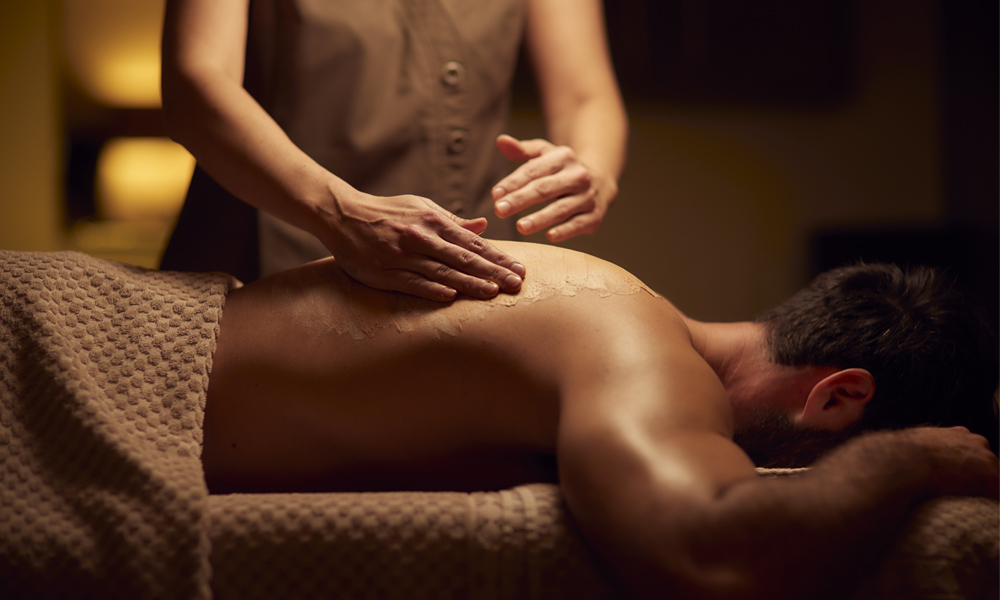
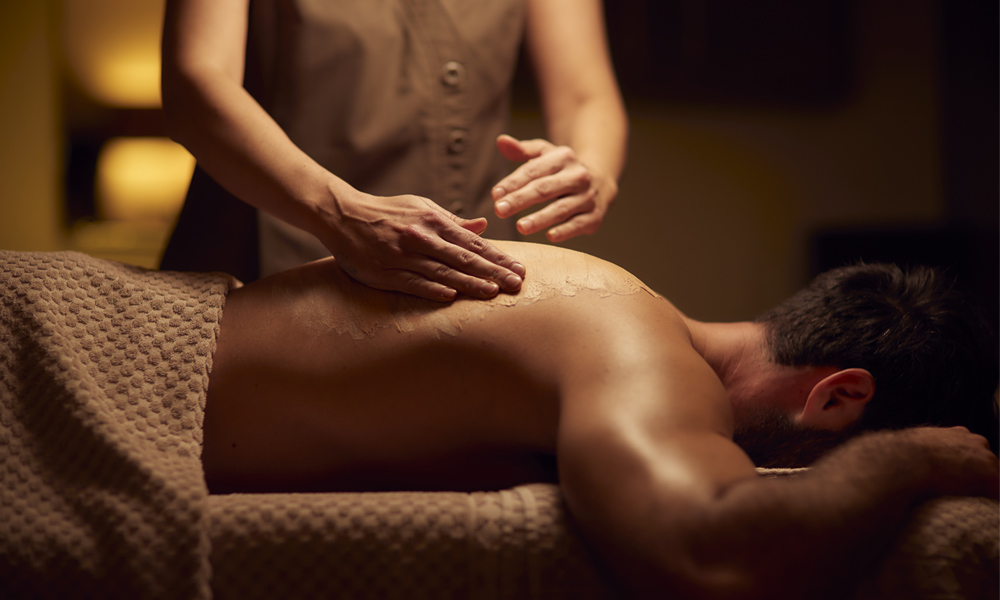
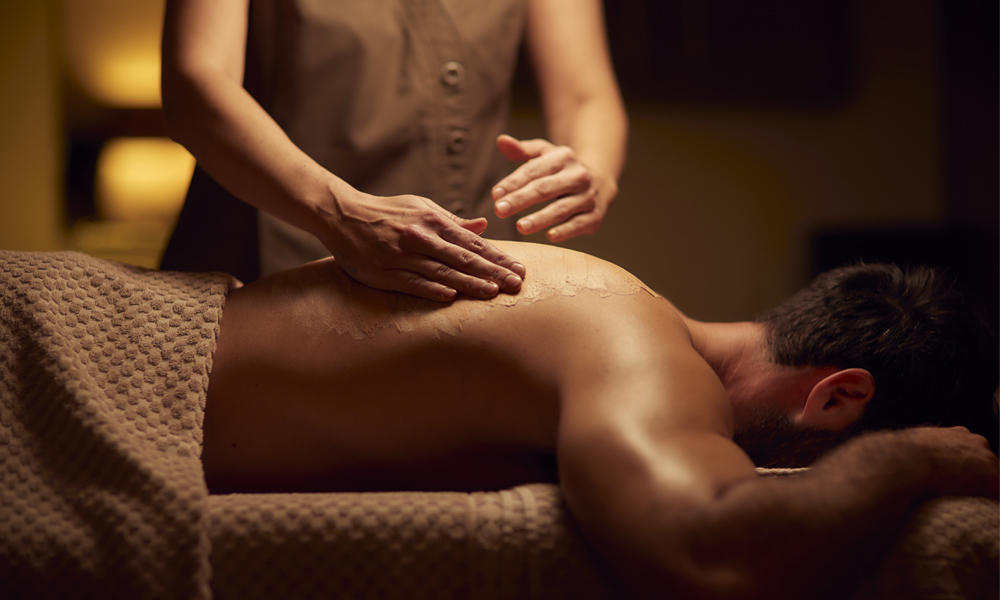
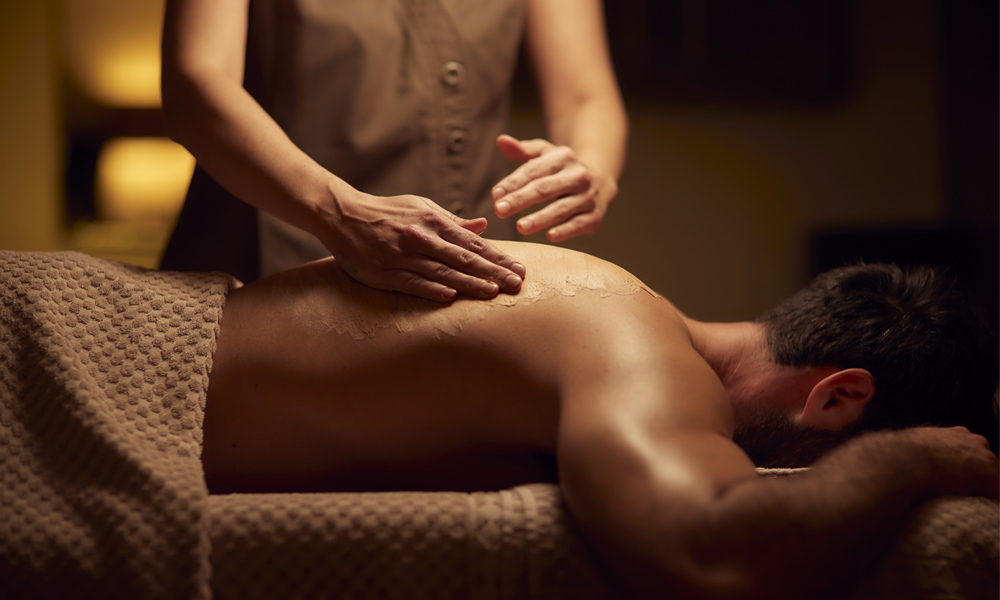
Massage therapy works by targeting these tight muscles, helping them relax and reducing the strain that may be contributing to headache symptoms.
Can Massage Therapy Help Tension Headaches?
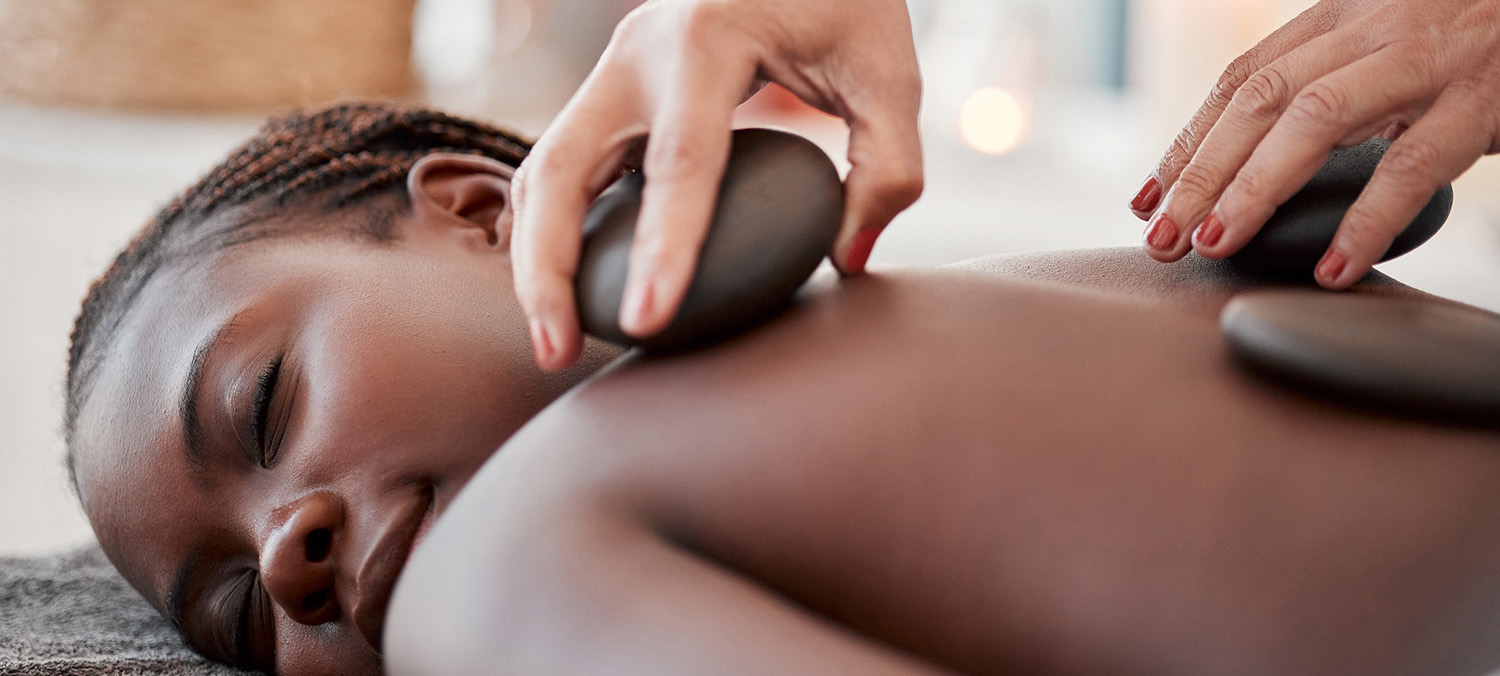
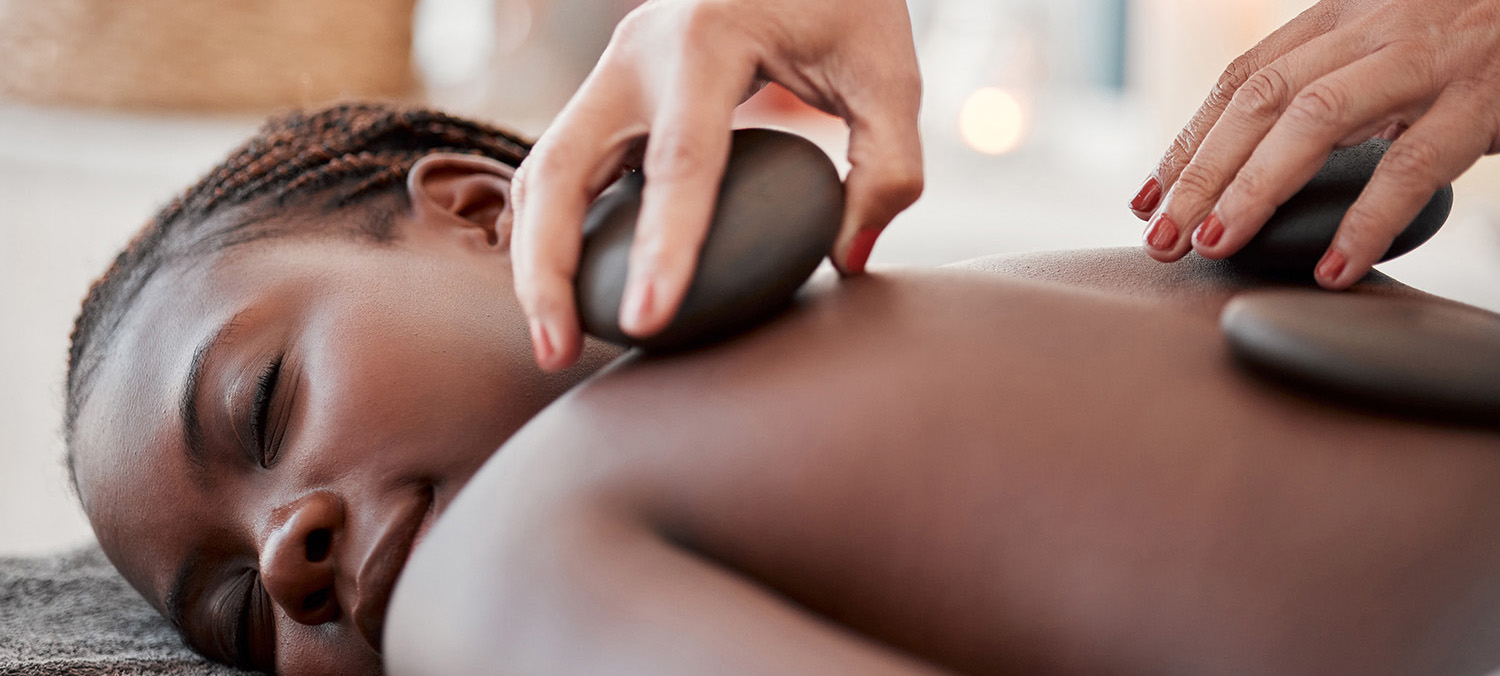
Massage therapy is widely used to help manage tension headaches because it focuses on one of their most common contributing factors—muscle tension. By applying controlled pressure to the muscles of the neck, shoulders, upper back, and scalp, massage can help improve circulation and reduce stiffness that may be triggering discomfort.
Many people notice that tension headaches become less intense after a massage session, particularly when headaches are linked to prolonged sitting, workplace stress, or poor posture. Massage may also help increase awareness of muscle tension, encouraging individuals to recognize and correct habits that contribute to recurring headaches.
The benefits often extend beyond the muscles themselves. A massage session encourages relaxation, slower breathing, and reduced physical stress, all of which may contribute to a lower frequency of tension headaches over time.
However, results vary from person to person. While some experience immediate relief, others may notice gradual improvements after incorporating regular massage into a broader wellness routine.
The Relationship Between Stress and Headaches
Stress is one of the most common headache triggers. During periods of emotional pressure, the body releases hormones such as cortisol and adrenaline, preparing us to respond to challenges. While this response is useful in short bursts, prolonged stress can leave muscles tense and the nervous system constantly on alert.
It's not uncommon for someone to develop a headache after a demanding workday, during exam periods, or while managing personal or financial challenges. In many cases, the physical effects of stress are just as significant as the emotional ones.
Massage therapy encourages the body to activate its natural relaxation response. As muscles loosen and breathing becomes more regular, many people report feeling calmer and more comfortable. This reduction in overall physical tension may help lower the frequency of stress-related headaches for some individuals.
Massage should be viewed as one part of a healthy stress-management plan rather than the only solution. Regular exercise, adequate sleep, relaxation techniques, and maintaining a balanced lifestyle remain equally important.
Can Massage Therapy Help People with Migraines?
Migraines are more complex than tension headaches and involve changes in the brain and nervous system. While massage cannot prevent or cure migraines, it may help some individuals manage certain contributing factors, particularly muscle tightness and stress.
Many people living with migraines notice that stress, poor sleep, or tight neck muscles can trigger an episode. Massage may help reduce these physical triggers by encouraging relaxation and relieving muscle tension, potentially lowering the likelihood of stress-related migraine attacks in some individuals.
It's important to note that massage is not appropriate during every migraine episode. Some people become extremely sensitive to touch, light, or sound while experiencing a migraine, making massage uncomfortable rather than helpful.
Anyone with frequent or severe migraines should work closely with a healthcare professional to identify triggers, explore treatment options, and determine whether massage is appropriate as part of their overall management plan.
The Importance of Posture in Preventing Headaches
Modern lifestyles have introduced new habits that place considerable strain on the neck and shoulders. Office workers, students, drivers, and people who spend hours using smartphones often adopt a forward head posture without realizing it. This seemingly small change forces the muscles at the back of the neck to support additional weight throughout the day.
Over time, this continuous strain can contribute to muscle fatigue, stiffness, and recurring headaches. Rounded shoulders, poorly adjusted workstations, and prolonged sitting further increase the pressure placed on the upper body.
Massage therapy helps relieve the muscle tension created by poor posture, but lasting improvement usually requires addressing the underlying habits as well. Adjusting your workstation, taking regular movement breaks, stretching throughout the day, and strengthening the muscles that support good posture can all help reduce the likelihood of recurring headaches.
Combining massage with these simple lifestyle changes often produces better long-term results than relying on massage alone.
Other Lifestyle Factors That Contribute to Headaches
Muscle tension is only one piece of the puzzle. Several everyday habits can increase the likelihood of developing headaches, even in otherwise healthy individuals.
Dehydration is a common but often overlooked cause of headaches, particularly during hot weather or after physical activity. Skipping meals, consuming excessive caffeine, or not getting enough quality sleep can also contribute to recurring symptoms. Eye strain from prolonged computer use or reading without adequate breaks is another frequent trigger.
Managing headaches effectively often involves looking at your daily routine as a whole. Staying hydrated, eating regular balanced meals, limiting excessive alcohol intake, maintaining consistent sleep habits, and scheduling regular breaks from screens can all support better overall health.
Massage therapy complements these healthy habits by addressing physical tension that lifestyle changes alone may not fully relieve.
When Headaches Require Medical Attention
Although many headaches are harmless and temporary, some symptoms should never be ignored. Massage therapy is not appropriate as the first response if a headache may be linked to a serious medical condition.
Seek immediate medical attention if you experience a sudden, severe headache that develops within seconds or minutes, especially if it is unlike any headache you've had before. Medical evaluation is also essential if headaches occur after a head injury or are accompanied by confusion, weakness, numbness, difficulty speaking, vision changes, seizures, persistent vomiting, or loss of consciousness.
Recurring headaches that become more frequent, increase in severity, or fail to improve with appropriate treatment should also be assessed by a qualified healthcare professional. Identifying underlying causes early allows for more effective treatment and helps rule out serious conditions.
Massage therapists should always refer clients for medical assessment when symptoms suggest that massage may not be appropriate.
Choosing a Qualified Massage Therapist in Kenya
Finding an experienced massage therapist is important, particularly if you're seeking treatment for recurring headaches. A qualified therapist should ask about your symptoms, medical history, headache patterns, and any diagnosed health conditions before beginning treatment.
Professional therapists understand that headaches have many possible causes and will avoid making assumptions or promises about guaranteed results. Instead, they will tailor treatment to your individual needs while encouraging medical evaluation when necessary.
If you're looking for verified wellness professionals or other trusted service providers across Kenya, The Real Plug offers a convenient platform where users can discover vetted professionals across different industries, making it easier to connect with reliable services.
Open communication is essential throughout your massage session. Let your therapist know if you experience discomfort, if certain areas are particularly sensitive, or if your headache symptoms change over time.
Taking a Balanced Approach to Headache Relief
Headaches can have many different causes, and understanding those causes is often the key to finding lasting relief. For people whose headaches are linked to muscle tightness, stress, or poor posture, massage therapy may provide meaningful benefits by reducing physical tension and encouraging relaxation.
At the same time, massage should be viewed as part of a broader approach to wellbeing rather than a standalone solution. Maintaining good posture, managing stress, staying hydrated, getting enough sleep, and seeking medical advice when symptoms are unusual or persistent all contribute to better headache management.
By combining healthy lifestyle habits with appropriate professional care, many people can reduce the frequency and severity of headaches while improving their overall quality of life. If headaches continue despite these efforts or are accompanied by concerning symptoms, consulting a healthcare provider remains the safest and most effective next step.