

The human body has an impressive way of looking after itself. Every day, it works quietly to circulate blood, remove waste products, fight infections, and maintain fluid balance. One of the systems responsible for these essential tasks is the lymphatic system, a network of vessels, lymph nodes, and organs that helps support the immune system while moving excess fluid away from tissues.
When this system isn't working as efficiently as it should, or when the body is recovering from surgery, injury, or certain medical conditions, fluid can sometimes accumulate and cause swelling. This is where lymphatic drainage massage may be recommended. Unlike a traditional massage that focuses on relieving muscle tension, lymphatic drainage massage uses very light, rhythmic movements designed to encourage the natural flow of lymph fluid through the body.
In Kenya, awareness of lymphatic drainage massage has grown as more physiotherapy clinics, rehabilitation centres, wellness practices, and trained massage therapists begin offering the treatment. It's particularly common among people recovering from certain medical procedures or looking for supportive care alongside advice from healthcare professionals.
This guide explains how lymphatic drainage massage works, its potential benefits, situations where it may be helpful, and when it's important to seek professional medical advice before booking a session.
What Is Lymphatic Drainage Massage?
Lymphatic drainage massage, sometimes called manual lymphatic drainage (MLD), is a specialised massage technique that uses slow, gentle, and carefully directed hand movements to encourage lymph fluid to move through the lymphatic system.
Unlike deep tissue or sports massage, lymphatic drainage does not rely on firm pressure. In fact, the touch is intentionally light because lymph vessels are located just beneath the surface of the skin. Applying excessive pressure can compress these delicate vessels and reduce the effectiveness of the technique.
The treatment is designed to support the body's natural lymphatic function rather than forcing fluid through the system. It is commonly performed by specially trained physiotherapists, occupational therapists, or massage therapists who have received additional education in lymphatic drainage techniques.
Understanding the Lymphatic System
To appreciate how lymphatic drainage massage works, it helps to understand the role of the lymphatic system itself.
The lymphatic system is part of both the immune and circulatory systems. It consists of lymph vessels, lymph nodes, and organs such as the spleen and thymus. Instead of carrying blood, these vessels transport lymph—a clear fluid containing white blood cells, proteins, and waste products collected from body tissues.
As lymph moves through the body, it passes through lymph nodes, where harmful bacteria, viruses, and other unwanted substances are filtered before the fluid eventually returns to the bloodstream.
Unlike the circulatory system, which relies on the heart to pump blood continuously, the lymphatic system depends largely on muscle movement, breathing, and normal body activity to keep lymph flowing. When this movement is reduced or lymph vessels are affected by surgery, illness, or injury, fluid may begin to accumulate in surrounding tissues.
How Lymphatic Drainage Massage Works
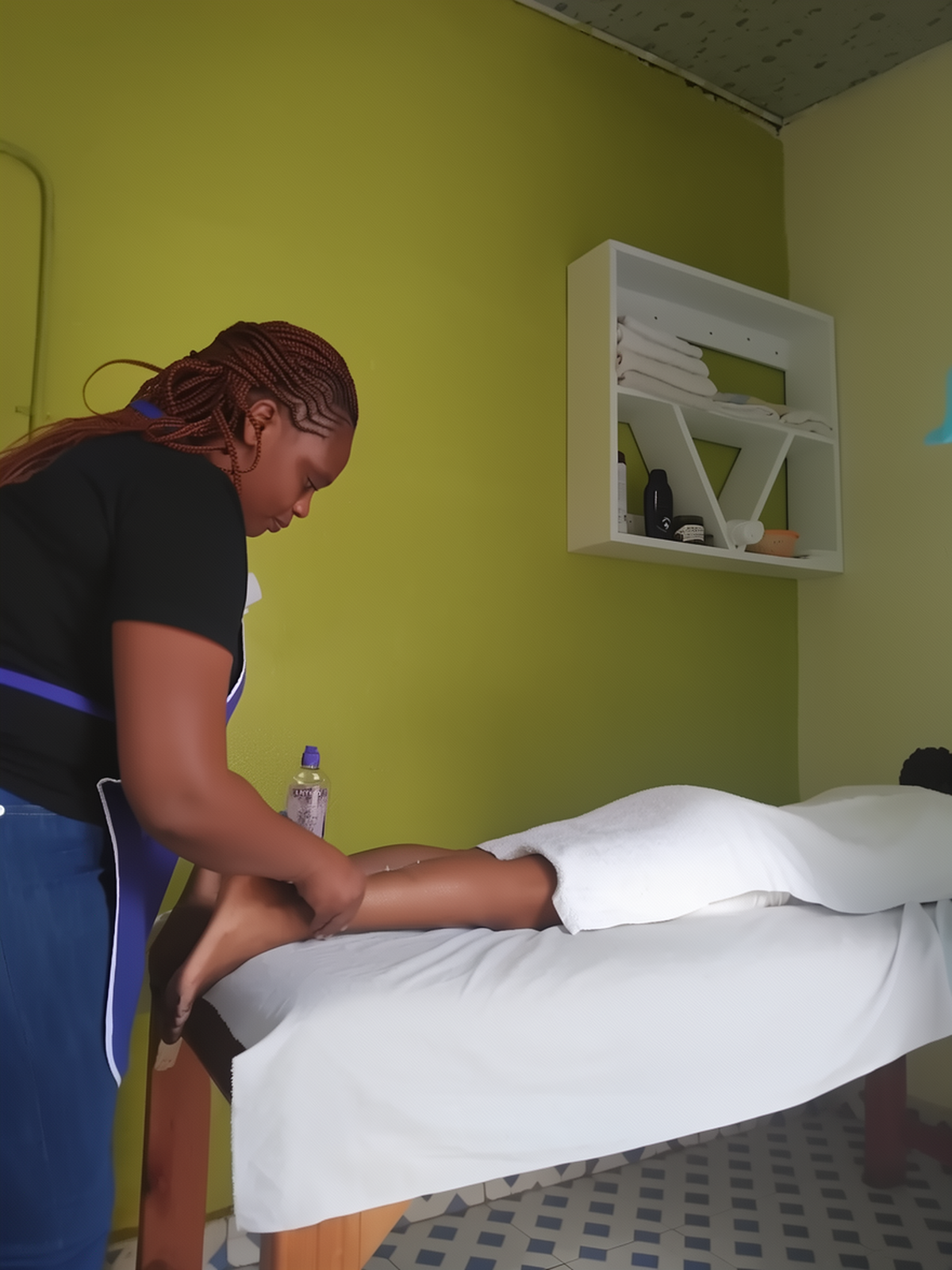
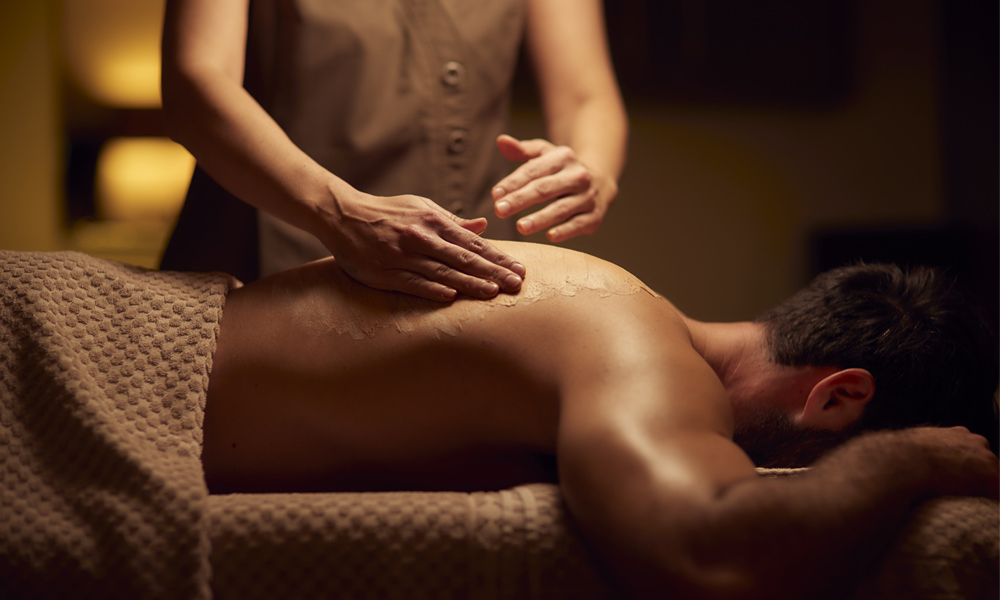
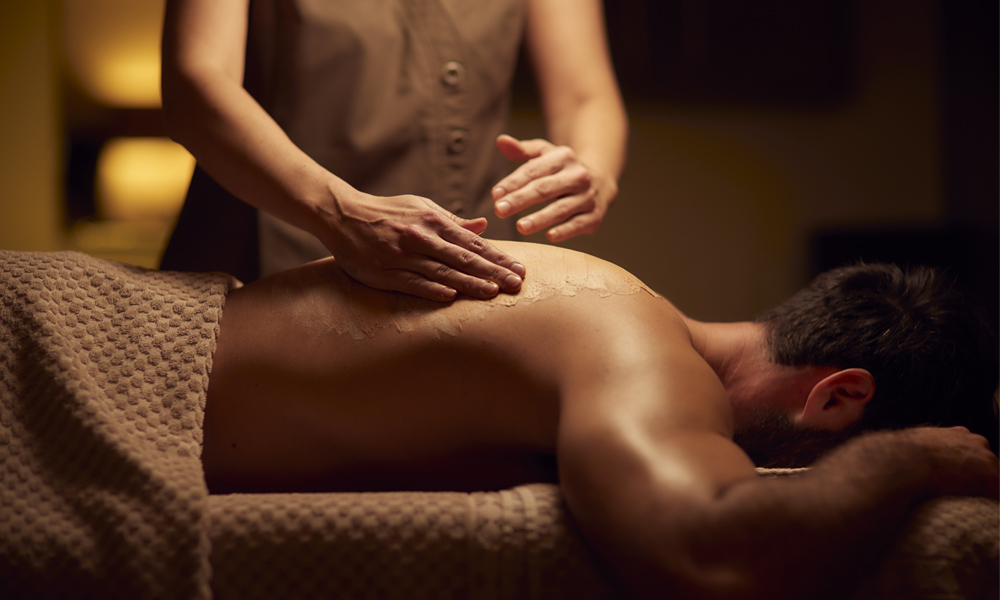
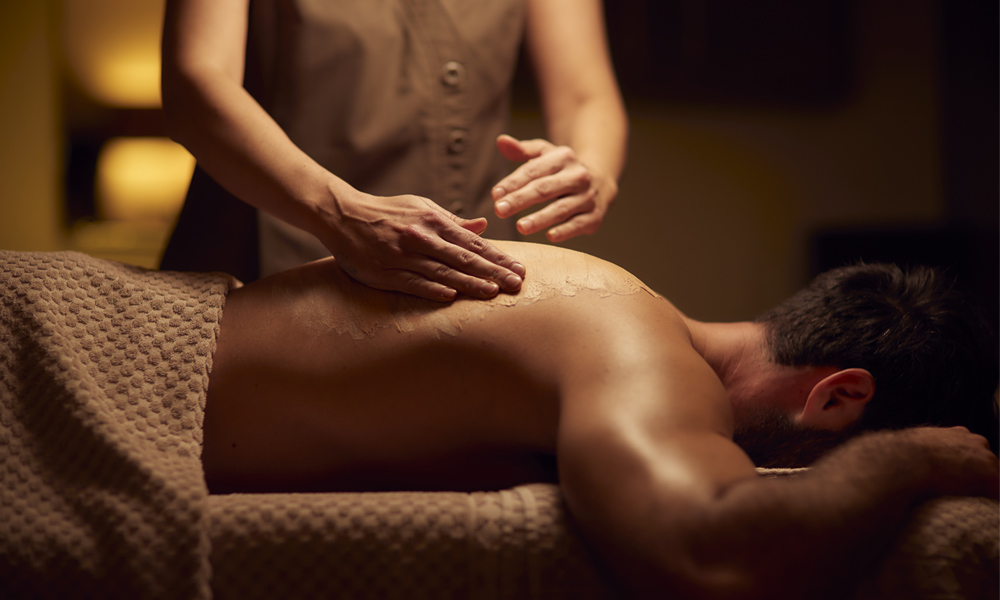
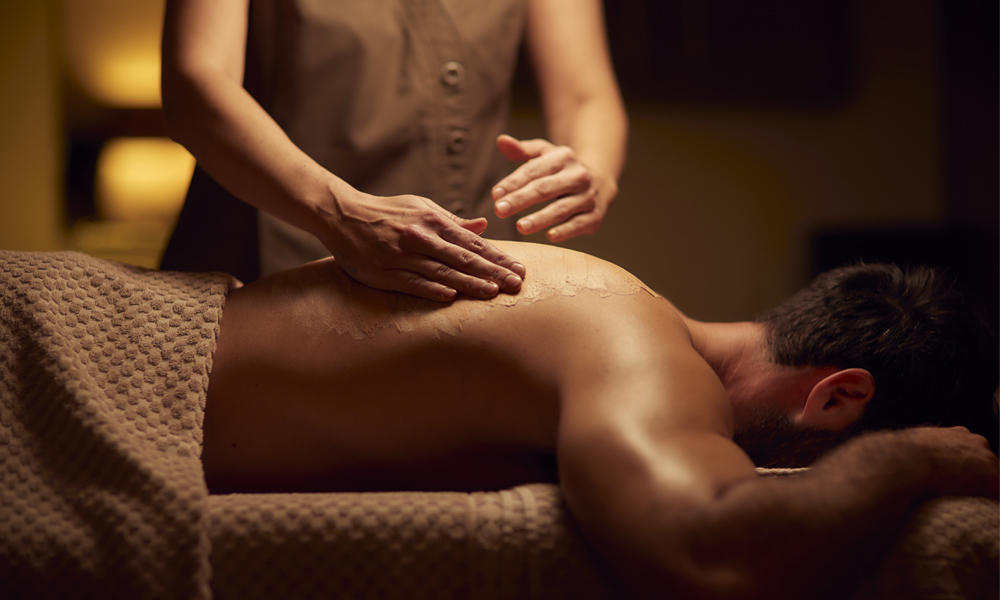
During a lymphatic drainage massage, the therapist uses slow, rhythmic strokes and gentle stretching motions to encourage lymph fluid to move toward functioning lymph nodes where it can continue its normal journey through the body.
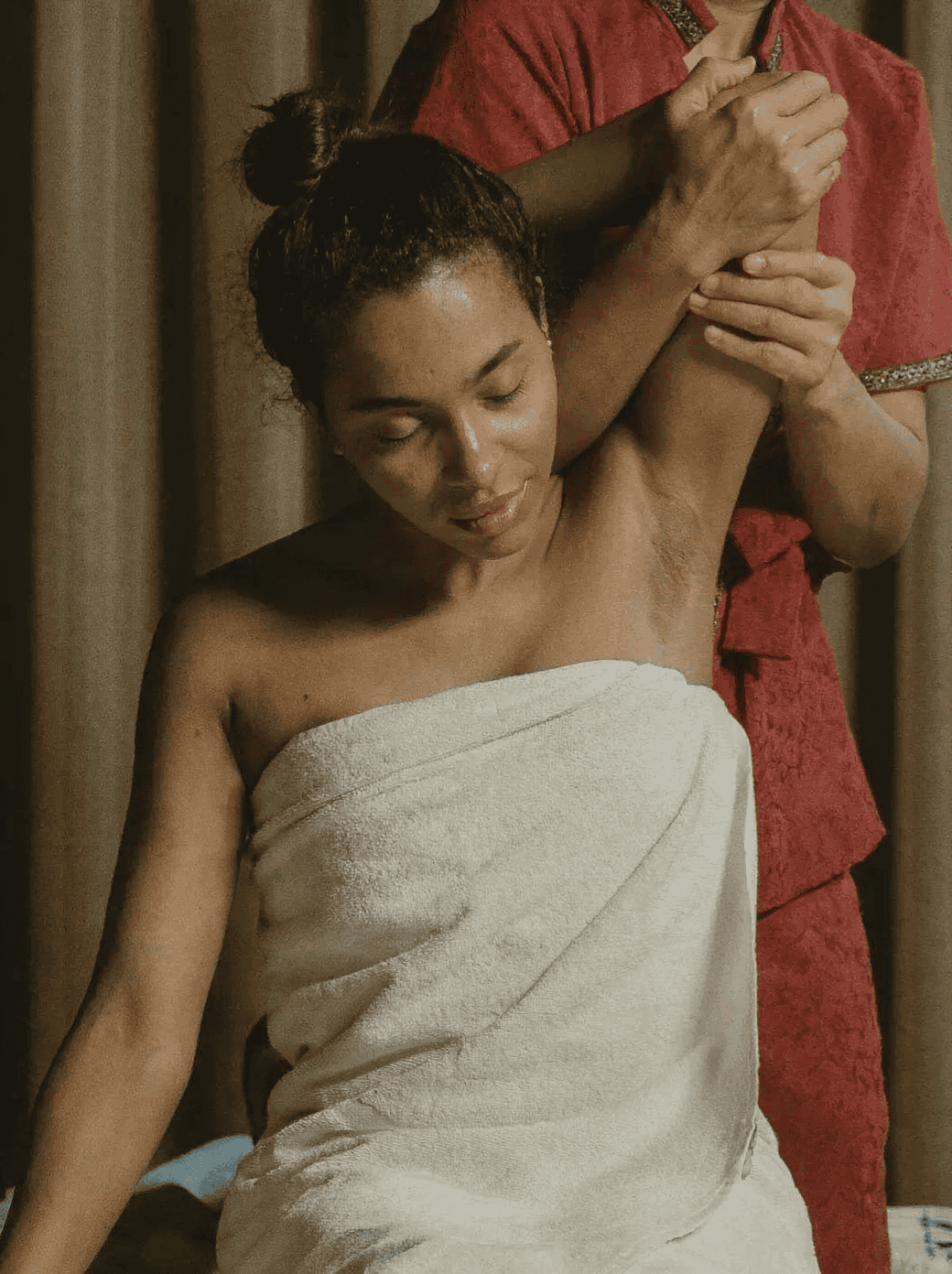
The massage usually begins near major lymph node groups, such as those in the neck, underarms, or groin. This helps prepare the pathways before attention is directed to areas where fluid may be collecting.
Rather than working deeply into muscles, the therapist focuses on the skin and superficial tissues using carefully sequenced movements. Each stroke follows the direction of normal lymph flow, making specialised training essential for effective treatment.
Because the pressure is so gentle, many first-time clients are surprised by how different the treatment feels compared to a traditional massage. Although it may not seem intensive, the technique is intentionally designed to support the body's natural drainage process rather than manipulate muscle tissue.
Conditions Where Lymphatic Drainage Massage May Be Recommended
Lymphatic drainage massage is not intended as a general relaxation massage, although many people find it calming. Instead, it is often used as part of broader care plans for specific situations.
Lymphedema
One of the most recognised uses is in managing lymphedema, a condition where lymph fluid builds up because the lymphatic system has been damaged or is not functioning properly.
Lymphedema commonly affects an arm or leg after certain cancer treatments involving lymph node removal or radiation therapy. Manual lymphatic drainage is often incorporated into comprehensive lymphedema management under medical supervision.
Recovery After Surgery
Some surgeons recommend lymphatic drainage massage during recovery from certain procedures to help manage swelling once the initial healing period has passed.
This may include cosmetic procedures or reconstructive surgeries, although timing varies depending on the operation. Clients should only begin treatment when their surgeon confirms it is appropriate.
Injury Recovery
Following some injuries, temporary swelling may occur as part of the body's natural healing response. In selected cases and with appropriate medical guidance, lymphatic drainage massage may support recovery by encouraging normal fluid movement.
However, massage should never be performed immediately after an acute injury without professional advice.
Chronic Swelling
Certain medical conditions can contribute to persistent swelling in the limbs. In these situations, lymphatic drainage massage may be recommended as part of a broader treatment plan developed by healthcare professionals.
It's important to understand that not all swelling is related to the lymphatic system, making proper diagnosis essential before treatment begins.
Potential Benefits of Lymphatic Drainage Massage
When performed appropriately and for suitable individuals, lymphatic drainage massage may offer several benefits.
Helps Manage Swelling
The primary purpose of lymphatic drainage massage is to encourage the movement of excess lymph fluid, helping reduce swelling associated with certain medical conditions or recovery processes.
For people living with lymphedema, this can contribute to improved comfort and mobility when combined with compression garments, exercise, and medical care.
Supports Recovery
After some surgeries or injuries, carefully timed lymphatic drainage massage may become part of a structured rehabilitation plan. Reducing excess fluid may help improve comfort while supporting the body's natural healing process.
The exact role of massage varies depending on the procedure, so guidance from the treating healthcare provider remains essential.
Promotes Relaxation
Although its primary purpose is therapeutic rather than recreational, the slow rhythm and gentle touch of lymphatic drainage massage often create a deeply relaxing experience.
Many clients appreciate having dedicated time to rest while receiving supportive care during recovery.
May Improve Comfort
Persistent swelling can create feelings of heaviness, tightness, or restricted movement. By helping manage fluid accumulation where appropriate, lymphatic drainage massage may improve overall comfort for some individuals.
Results differ depending on the underlying cause of the swelling and the individual's overall health.
What to Expect During a Session
A lymphatic drainage massage begins with a consultation covering your medical history, recent surgeries, current medications, and the reason you're seeking treatment.
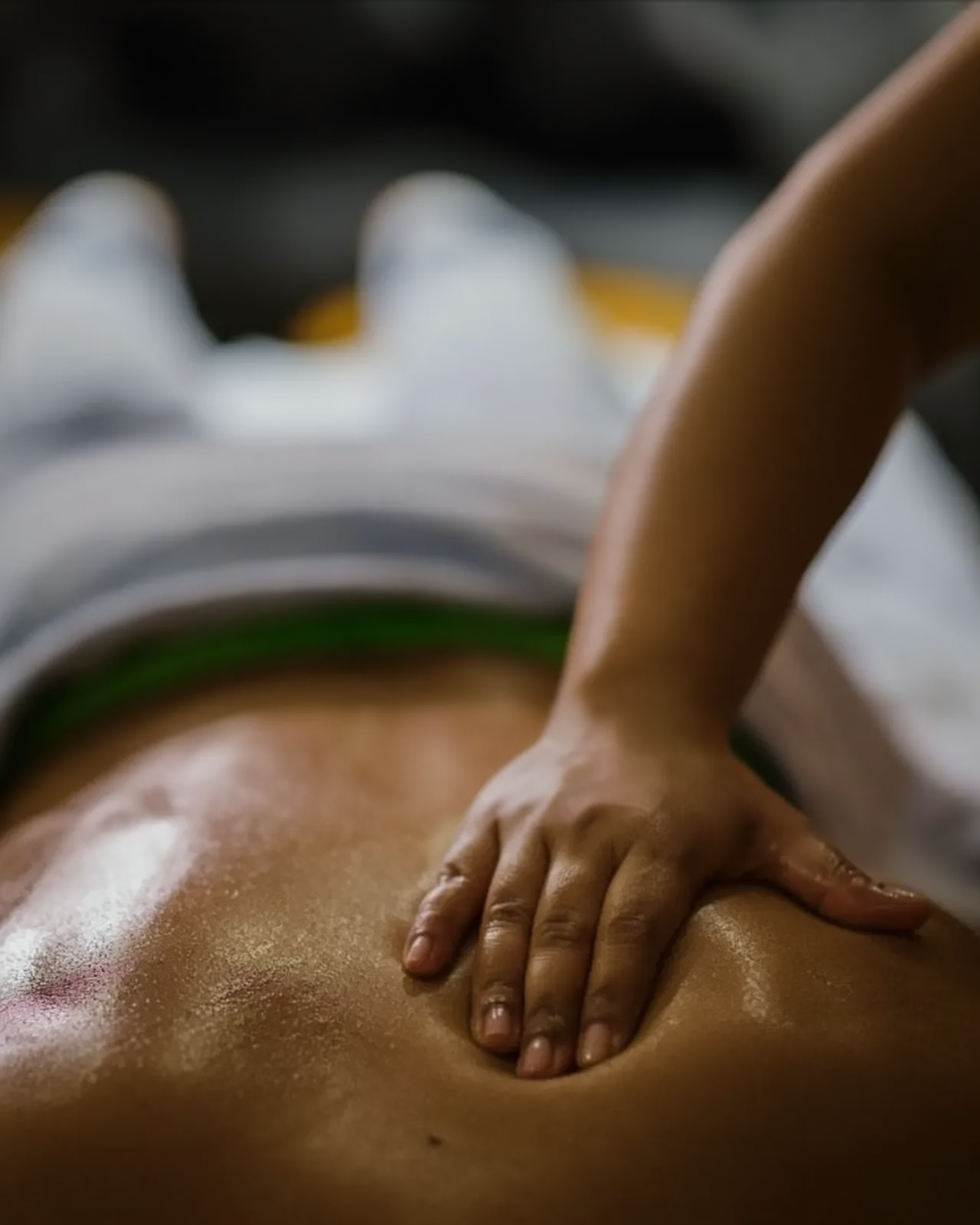
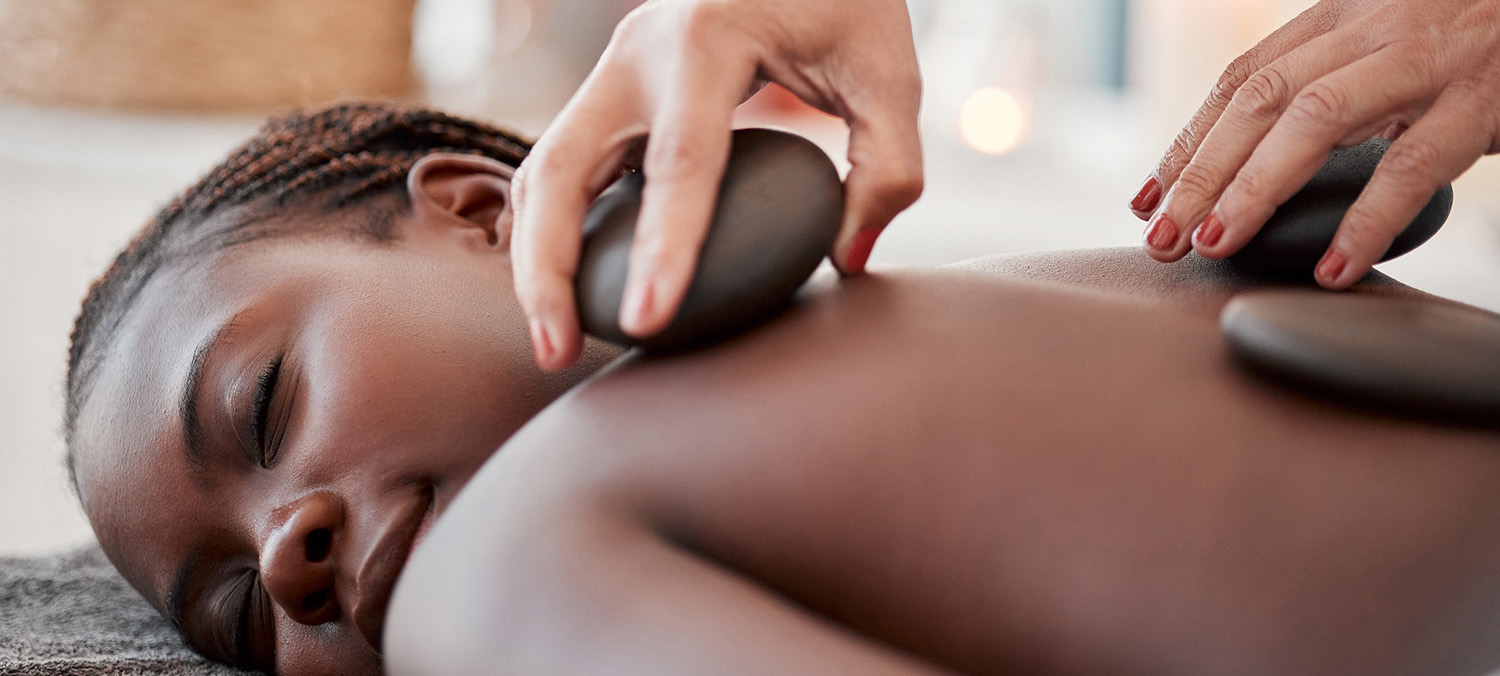
Unlike a traditional massage, there is usually very little pressure. The therapist applies gentle, repetitive movements that lightly stretch the skin while following the natural pathways of lymph flow.
The sequence typically begins near central lymph node groups before progressing to affected areas. Sessions commonly last between 45 and 60 minutes, although treatment duration varies according to individual needs.
Because the massage is so gentle, many people find it surprisingly calming. Some clients even fall asleep during the session.
Following treatment, your therapist may recommend drinking water, remaining physically active within your healthcare provider's guidelines, or continuing any prescribed compression therapy if applicable.
Who Should Seek Medical Advice Before Lymphatic Drainage Massage?
While lymphatic drainage massage can be beneficial in appropriate situations, it is not suitable for everyone. Certain medical conditions require careful assessment before treatment.
People with unexplained swelling should always seek medical evaluation first. Swelling can result from many causes, including heart disease, kidney disease, blood clots, infections, or medication side effects. Treating swelling without identifying its cause could delay necessary medical care.
Individuals with congestive heart failure, severe kidney disease, active infections, uncontrolled high blood pressure, or acute deep vein thrombosis should not undergo lymphatic drainage massage unless specifically advised by their healthcare provider.
Those recovering from surgery should also obtain clearance from their surgeon before beginning treatment, as starting massage too early may interfere with healing.
Pregnant women considering lymphatic drainage massage should discuss it with both their healthcare provider and a qualified therapist experienced in prenatal care.
Safety Considerations
When performed by appropriately trained professionals, lymphatic drainage massage is generally considered safe for suitable candidates. However, proper assessment before treatment is essential.
A qualified practitioner will ask detailed questions about your health history, medications, recent surgeries, and any ongoing medical conditions before deciding whether treatment is appropriate.
The massage should never be painful. Because the lymphatic system lies close to the surface of the skin, excessive pressure offers no additional benefit and may actually reduce the effectiveness of the technique.
Clients should also be cautious of unrealistic claims. While lymphatic drainage massage has recognised roles in managing certain conditions, it is not a cure-all or a substitute for medical treatment.
Choosing a Qualified Lymphatic Drainage Therapist in Kenya
Lymphatic drainage massage requires specialised training that goes beyond general massage techniques. If you're seeking this treatment, choose a practitioner with recognised qualifications in manual lymphatic drainage and experience working with your specific condition or stage of recovery.
Don't hesitate to ask about their training, certifications, and experience, particularly if you're recovering from surgery or managing lymphedema. Professional therapists should also communicate with your healthcare team when appropriate and explain the goals and limitations of the treatment clearly.
If you're looking for trained massage therapists, physiotherapists, rehabilitation specialists, or wellness professionals in Kenya, The Real Plug offers a convenient way to find vetted service providers across different regions. Taking the time to choose a qualified professional helps ensure that your treatment is both safe and tailored to your individual needs.
Is Lymphatic Drainage Massage Right for You?
Lymphatic drainage massage serves a very different purpose from a standard relaxation massage. Rather than focusing on muscle tension, it is designed to support the movement of lymph fluid in carefully selected situations where this may be beneficial. For people managing lymphedema, recovering from certain surgeries, or following a treatment plan recommended by their healthcare provider, it can be an important part of comprehensive care.
At the same time, it isn't appropriate for everyone. Swelling can sometimes signal serious underlying medical conditions that require prompt diagnosis and treatment, making professional medical assessment essential before seeking massage therapy.
When performed by a properly trained practitioner and supported by appropriate medical advice where needed, lymphatic drainage massage offers a gentle, evidence-informed approach that can complement recovery and improve comfort. Understanding its purpose, benefits, and limitations allows you to make informed decisions while choosing care that prioritises both safety and long-term wellbeing.