

Whether you're training for your first 10-kilometre race, preparing for a football tournament, cycling through Kenya's scenic routes, or simply working towards personal fitness goals at the gym, recovery is just as important as training itself. Many people focus on workouts, nutrition, and hydration but overlook one factor that can significantly influence how their bodies perform and recover: sports massage.
Despite its name, sports massage isn't reserved for elite athletes. In fact, many of the people who benefit most are recreational runners, gym enthusiasts, hikers, swimmers, cyclists, dancers, and anyone whose body is regularly exposed to physical activity. Even individuals with physically demanding jobs can benefit from the techniques used in sports massage to manage muscle fatigue and maintain flexibility.
As Kenya's fitness culture continues to grow, with more people joining running clubs, participating in marathons, hiking trails like Mount Longonot and Ngong Hills, or embracing strength training, sports massage has become increasingly recognized as an essential part of a well-rounded fitness routine rather than an occasional luxury.
This guide explores what sports massage is, how it differs from other types of massage, its benefits before and after exercise, how it supports injury prevention, and what to expect during a professional treatment.
What Is Sports Massage?
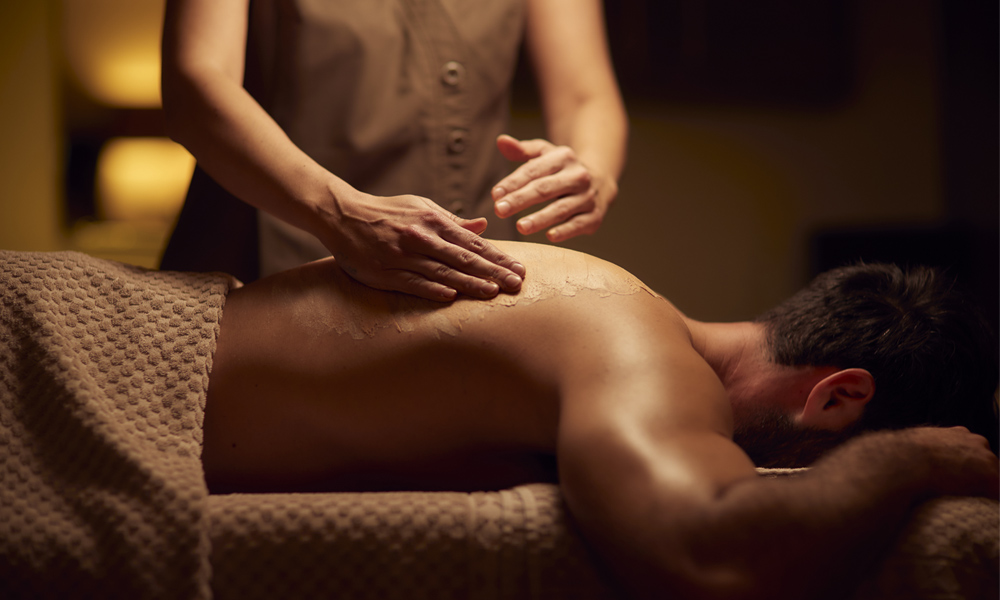
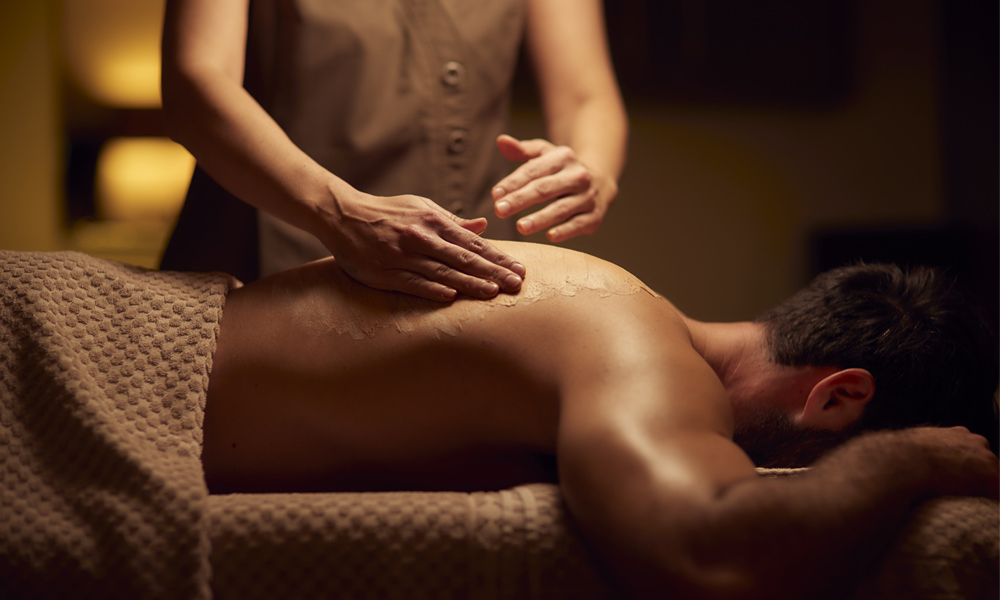
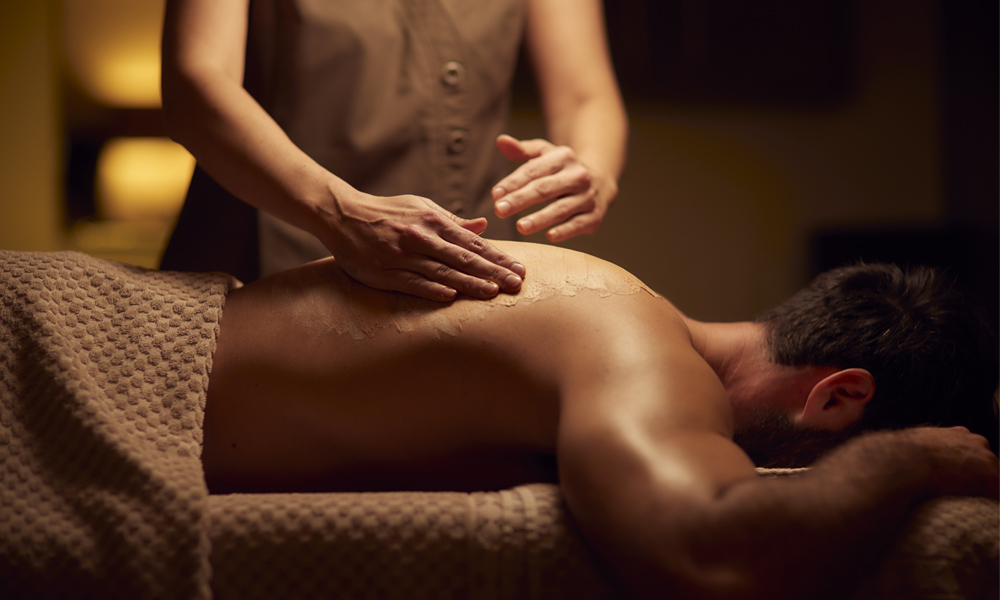
Sports massage is a specialized form of massage therapy designed to support people who are physically active. While relaxation is often a welcome side effect, the primary goal of sports massage is to improve muscle function, assist recovery, reduce the risk of injury, and help the body perform more efficiently.
Unlike a Swedish massage, which focuses on overall relaxation, sports massage is usually more targeted. Therapists assess the muscles and movement patterns most affected by your chosen activity and tailor the treatment accordingly.
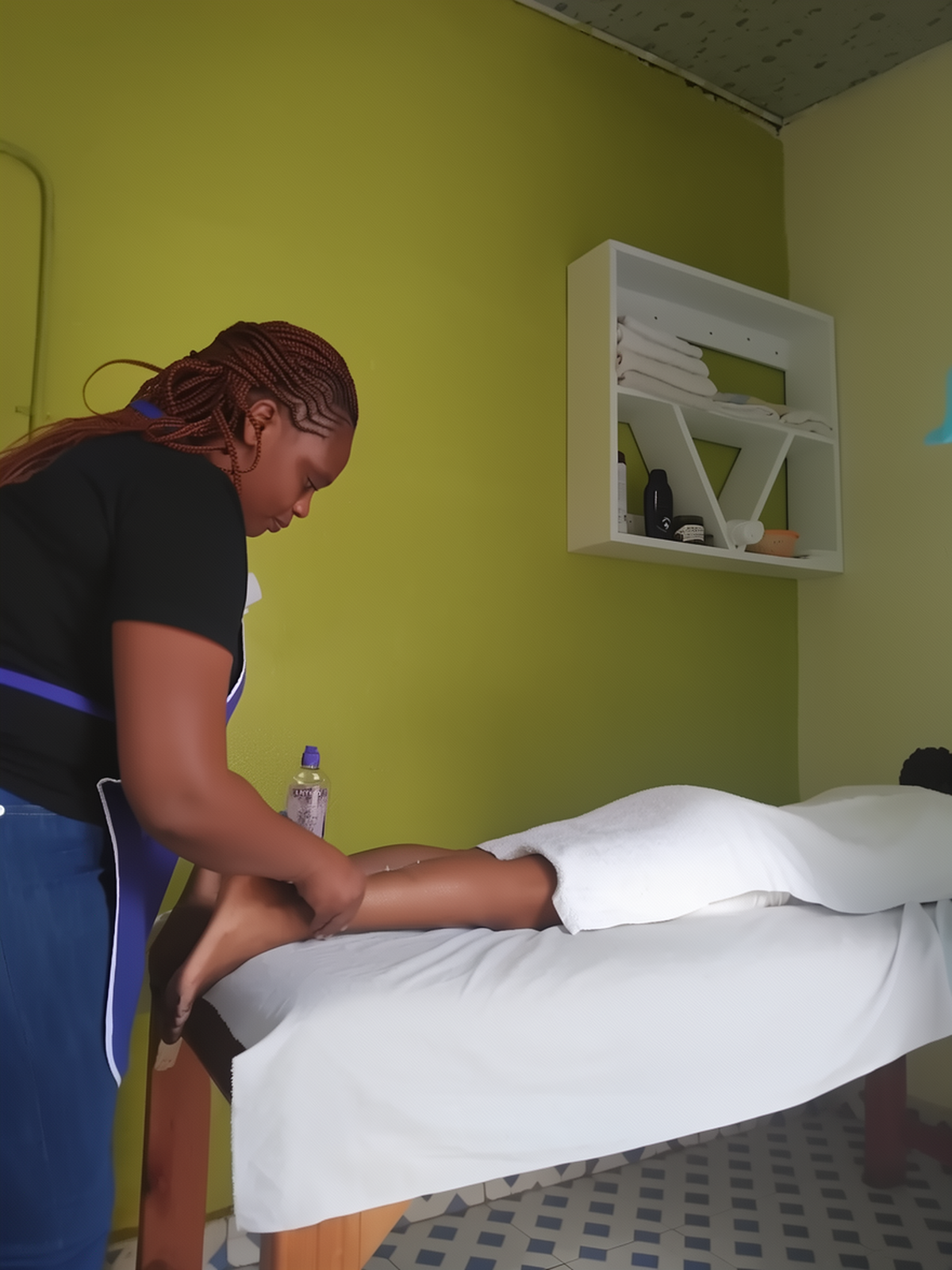
For example, a long-distance runner may receive focused work on the calves, hamstrings, hips, and feet, while a swimmer might require more attention around the shoulders, upper back, and chest. Someone who regularly lifts weights may need treatment for the lower back, neck, forearms, or quadriceps depending on their training routine.
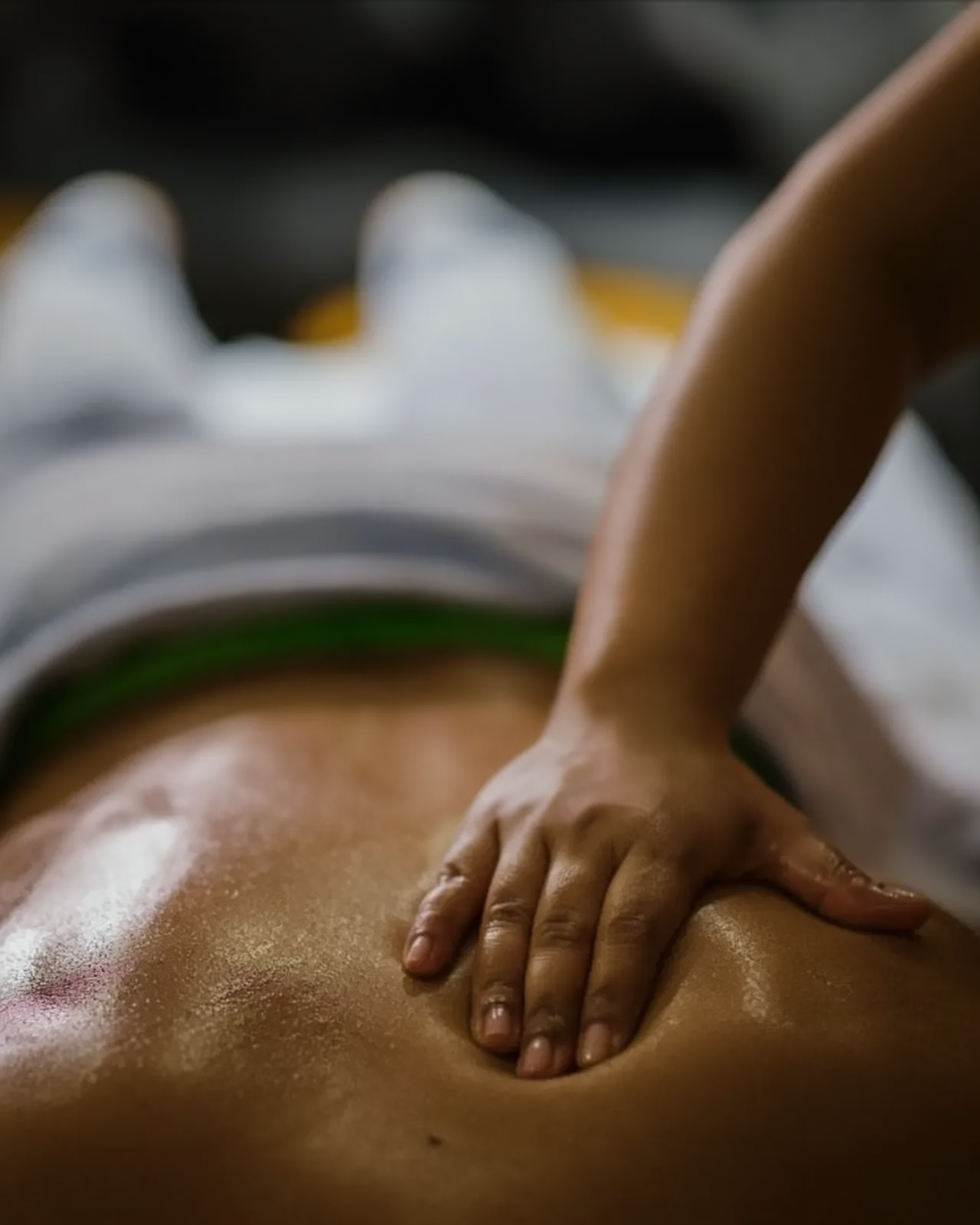
Sports massage combines several techniques, including deep tissue work, stretching, compression, trigger point therapy, and joint mobilization. The exact combination depends on your sport, training schedule, current physical condition, and overall goals.
Who Can Benefit from Sports Massage?
One of the biggest misconceptions about sports massage is that it's only useful for professional athletes. In reality, you don't need to compete in international events or train every day to benefit from this type of treatment.
Anyone who regularly exercises places repeated demands on their muscles. Whether you're jogging around your neighbourhood, attending fitness classes, playing weekend football with friends, or hiking Kenya's national parks, your body experiences small amounts of physical stress that require proper recovery.
Sports massage is commonly used by:
- Recreational runners and marathon participants
- Football and rugby players
- Cyclists
- Gym members and weightlifters
- Tennis and squash players
- Dancers
- Swimmers
- Hikers and mountaineers
- Martial artists
- Fitness enthusiasts
- People with physically demanding occupations
Even if you don't identify as an athlete, regular physical activity is enough to make sports massage a worthwhile consideration.
How Sports Massage Differs from Other Massage Types
Although sports massage shares some techniques with deep tissue massage, the two are not exactly the same.
Deep tissue massage primarily focuses on relieving chronic muscle tension and improving mobility in everyday life. Sports massage, on the other hand, is designed around physical performance and recovery. The therapist considers your training schedule, recent competitions, upcoming events, previous injuries, and specific movement patterns.
A sports massage session may include stretching, muscle activation techniques, and targeted work on areas under the greatest physical demand rather than treating the entire body equally.
The intensity also varies depending on timing. A massage before a sporting event looks very different from one performed several days after competition.
This individualized approach makes sports massage especially valuable for people with active lifestyles.
Pre-Event Sports Massage: Preparing the Body for Performance
One of the most common uses of sports massage is before training sessions or competitive events.
A pre-event massage is generally shorter and more stimulating than a traditional massage. Rather than encouraging deep relaxation, the aim is to prepare the muscles for activity by increasing circulation, improving flexibility, and reducing stiffness.
Therapists use brisk movements, dynamic stretching, and gentle compression to help the muscles feel warm and responsive without creating fatigue. The treatment isn't intended to solve long-standing muscle issues immediately before an event but to help the body perform at its best on the day.
For example, a runner preparing for the Nairobi City Marathon may receive a focused massage on the legs and hips to encourage mobility before the race. A football player might have the calves, hamstrings, and lower back treated to improve movement and reduce feelings of tightness.
Pre-event massage usually takes place anywhere from a few hours to a day before competition, depending on the athlete's preferences and schedule.
Post-Event Sports Massage: Supporting Recovery
After intense physical activity, muscles need time to recover. Tiny amounts of muscle damage occur naturally during exercise, especially after long-distance running, heavy strength training, or competitive sports.
A post-event sports massage focuses on helping the body recover from these physical demands. The techniques are generally gentler than those used during regular deep tissue sessions because the muscles may already be fatigued.
The goals of post-event massage include reducing muscle tightness, encouraging healthy circulation, improving comfort, and helping restore normal movement patterns.
Many athletes report feeling less stiff and more prepared for their next training session after receiving appropriate recovery massage. Although sports massage won't eliminate every ache or completely prevent delayed onset muscle soreness (DOMS), it can contribute to a more comfortable recovery process.
Proper recovery also depends on other factors such as hydration, nutrition, sleep, and active recovery exercises. Massage works best as one part of a complete recovery strategy rather than a standalone solution.
Helping Prevent Sports Injuries
No massage can guarantee that you'll never experience an injury. However, sports massage may help reduce certain risk factors that contribute to common muscular problems.
Tight muscles often limit flexibility and alter movement patterns. Over time, these changes can place additional stress on joints and surrounding tissues. By improving mobility and reducing excessive muscle tension, sports massage helps the body move more efficiently.
Therapists can also identify areas that consistently feel tight or restricted during treatment. While massage therapists don't diagnose injuries, they may notice patterns that suggest it's worth paying closer attention to certain muscles or movement habits.
For example, repeated tightness in the hip flexors may indicate that an office worker who also runs regularly could benefit from more stretching and strengthening exercises between massage sessions.
Early awareness of these issues can support better training decisions before discomfort develops into more significant problems.
Improving Flexibility and Range of Motion
Flexibility plays an important role in almost every physical activity. Restricted muscles can affect running technique, lifting mechanics, swimming strokes, cycling posture, and many everyday movements.
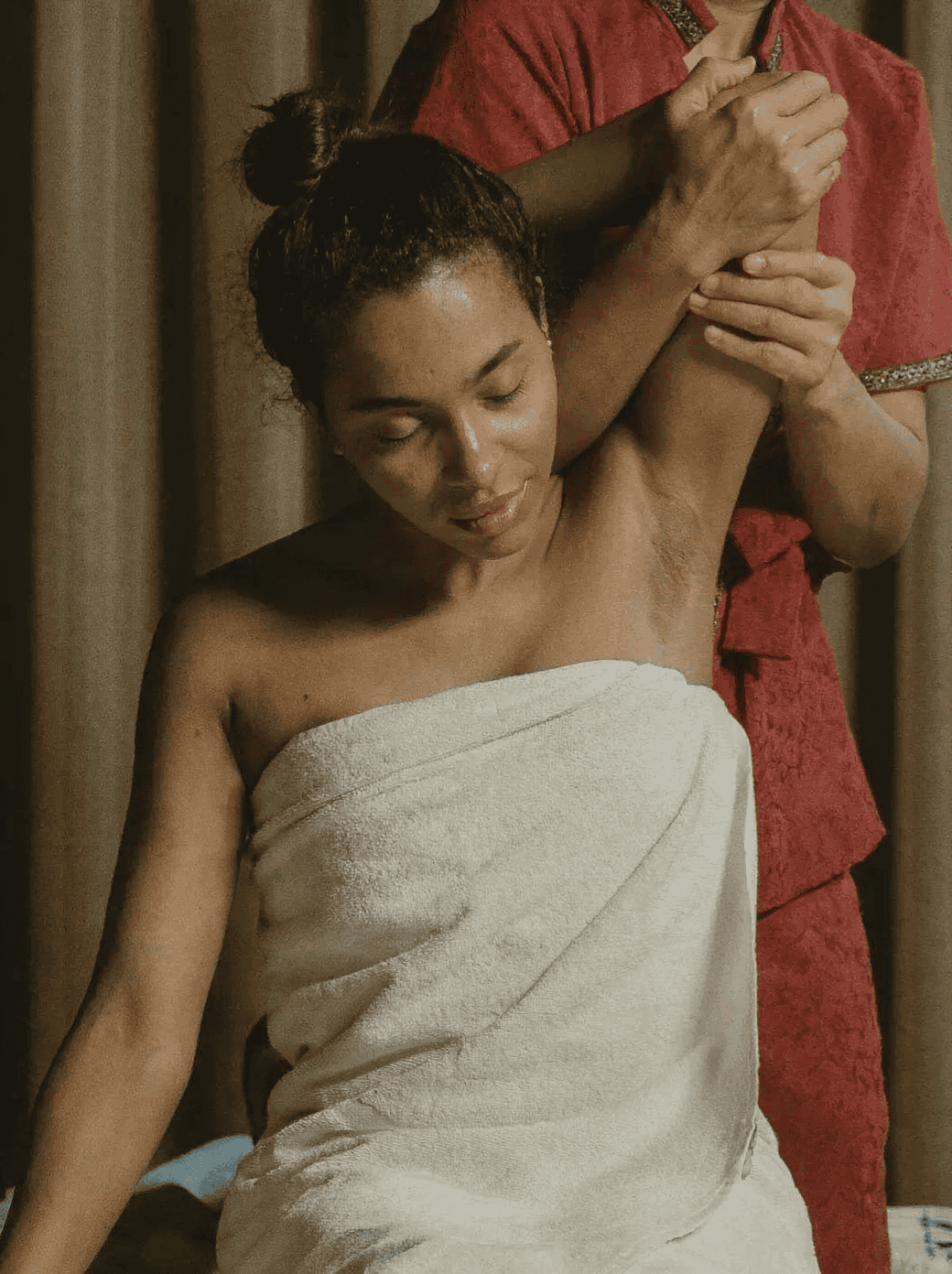
Sports massage helps improve flexibility by reducing muscle tension and encouraging greater mobility within soft tissues. Therapists often combine massage with assisted stretching to increase range of motion around specific joints.
For athletes, improved flexibility can contribute to more efficient movement and greater comfort during training. For recreational exercisers, it simply makes physical activity feel easier and more enjoyable.
It's important to remember that lasting improvements in flexibility require consistency. Massage creates favourable conditions for movement, but regular stretching and mobility exercises remain essential.
Supporting Muscle Recovery After Training
Recovery is where progress actually happens. During exercise, muscles experience controlled stress. During recovery, they adapt, rebuild, and become stronger.
Sports massage supports this process by helping muscles relax after intense physical activity. Improved circulation to the treated areas may assist with delivering oxygen and nutrients needed during normal recovery processes, while reducing muscle tightness can make subsequent training sessions feel more comfortable.
Many athletes schedule sports massages around demanding training blocks rather than waiting until pain develops. This proactive approach allows small areas of tension to be addressed before they begin affecting performance.
Whether you're preparing for a cycling event, training for a half marathon, or simply increasing your weekly gym sessions, recovery deserves as much attention as the workouts themselves.
Managing Common Sports-Related Muscle Problems
Sports massage is frequently used to help manage muscular discomfort associated with regular training.
Some of the most common issues include:
- Tight calf muscles after running
- Shoulder tension in swimmers
- Neck and upper back tightness in cyclists
- Lower back discomfort after strength training
- Tight hamstrings and quadriceps in football players
- Hip stiffness in runners
- Forearm fatigue in racquet sports
Massage doesn't replace proper rehabilitation for serious injuries, but it can play a valuable role in managing muscular tightness that develops alongside regular physical activity.
If pain is severe, persistent, or associated with swelling, instability, or loss of function, medical assessment should always come before massage treatment.
What Happens During a Sports Massage Session?
Every sports massage begins with a consultation. Your therapist will ask about your sport, training frequency, recent competitions, previous injuries, current discomfort, and future goals.
Unlike a general relaxation massage, the conversation often focuses heavily on movement. You may be asked which exercises cause discomfort, whether certain muscles feel tight during activity, or if you've recently changed your training routine.
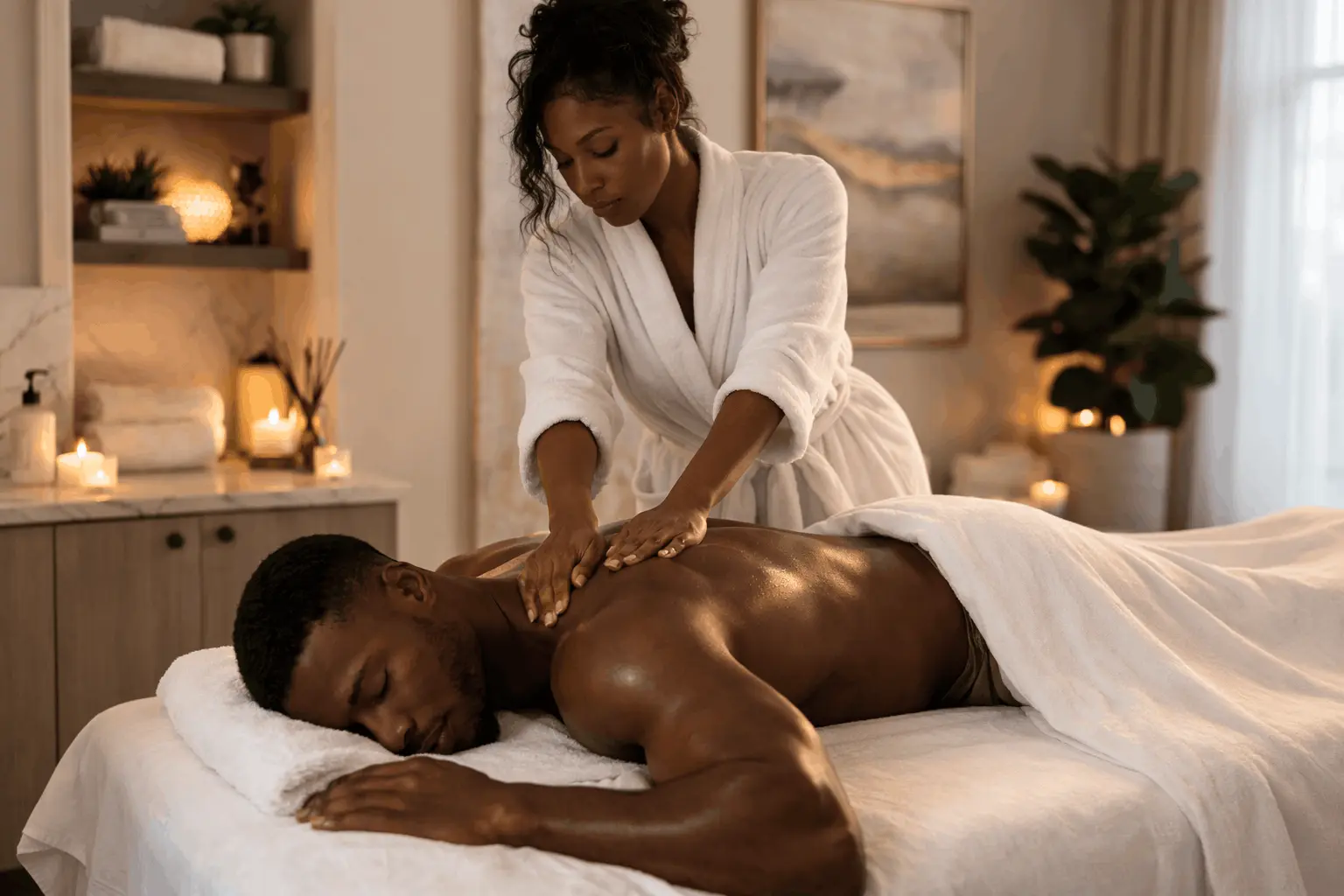
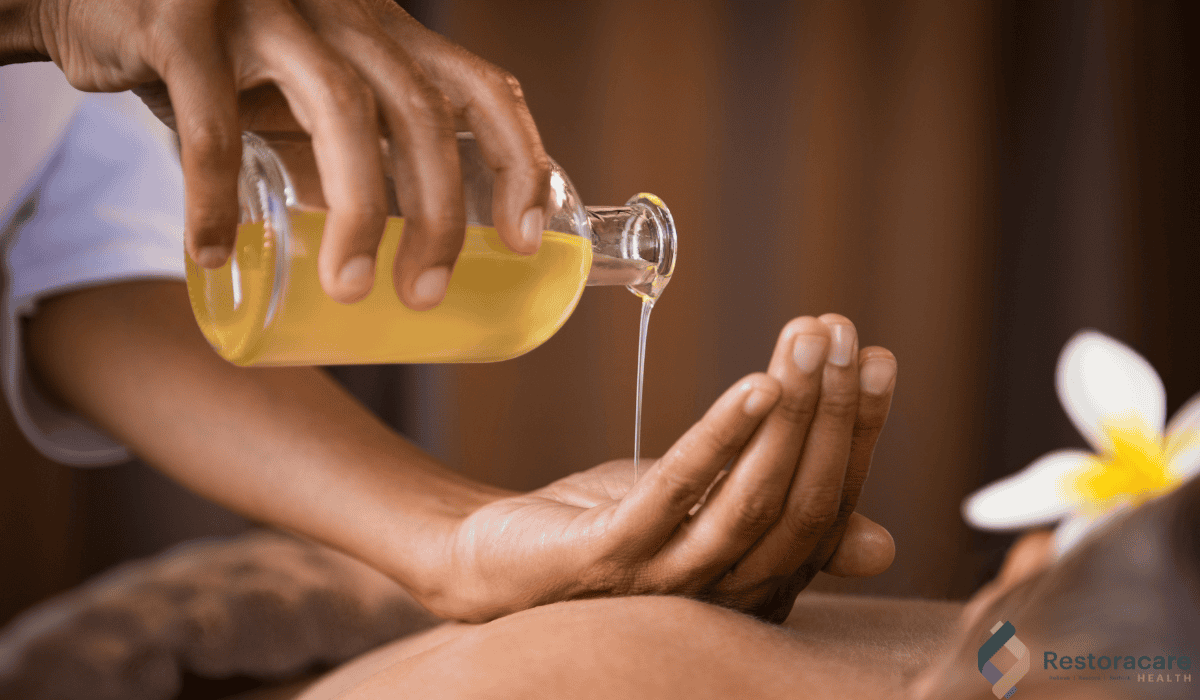
The treatment itself usually targets the muscles most involved in your chosen activity. Depending on your needs, the therapist may use deep tissue techniques, stretching, compression, trigger point therapy, or assisted movement exercises.
Communication throughout the session is essential. Some techniques may feel intense, but they should never cause unbearable pain. Your therapist should adjust pressure according to your comfort and treatment goals.
Sports massage sessions typically last between 45 and 90 minutes, depending on the number of areas being treated.
Aftercare: Maximizing the Benefits of Sports Massage
What you do after your massage can influence how your body responds.
Hydration remains important, particularly if you've recently completed a demanding training session. Drinking water supports normal recovery and helps you feel refreshed.
If you've had a deeper sports massage, you may notice mild muscle soreness over the next day. This is generally temporary and should settle naturally.
Avoid scheduling an extremely intense workout immediately after a deep treatment unless your therapist advises otherwise. Giving the muscles a little time to adapt often produces better long-term results.
Continue following your normal recovery routine, including stretching, balanced nutrition, adequate sleep, and gradual progression in training intensity.
Massage is most effective when integrated into these healthy habits rather than replacing them.
How Often Should Athletes Get a Sports Massage?
There isn't a single schedule that suits everyone. The ideal frequency depends on your sport, training intensity, competition calendar, and recovery needs.
Professional athletes may receive massage weekly or even more frequently during peak training periods. Recreational runners or gym-goers often benefit from sessions every three to six weeks, while people preparing for major events sometimes schedule treatments before and after competitions.
The goal isn't simply to receive more massages—it's to time them appropriately within your training programme.
Working with both your coach and massage therapist can help create a schedule that supports performance without interfering with recovery.
Choosing a Qualified Sports Massage Therapist in Kenya
Sports massage requires more than strong hands. It demands an understanding of anatomy, biomechanics, common sports injuries, and how different activities place unique demands on the body.
When choosing a therapist, ask whether they have experience working with athletes or active individuals similar to yourself. A therapist who regularly treats runners may approach treatment differently from one who specializes in weightlifting or swimming.
Look for businesses with positive client reviews, professional consultations, clean facilities, and transparent pricing. A reputable therapist should ask detailed questions about your training and explain their treatment plan before beginning the session.
If you're looking for trusted providers, platforms such as The Real Plug make it easier to discover vetted massage therapists and wellness professionals across Kenya. Comparing providers beforehand helps you choose someone whose experience aligns with your activity level and goals.
Sports Massage Is About More Than Recovery
It's easy to think of sports massage as something you book only after a difficult race or when your muscles are already sore. In reality, its greatest value often comes from being part of an ongoing training strategy. By supporting flexibility, encouraging healthy movement, managing muscle tension, and promoting effective recovery, sports massage helps active individuals stay consistent with their fitness goals.
Whether you're an experienced athlete or someone who enjoys regular weekend workouts, taking care of your muscles between training sessions can improve both comfort and performance. Sports massage isn't a shortcut to better results, nor does it replace proper coaching, exercise, or rehabilitation. Instead, it complements these efforts by helping your body recover more efficiently and prepare for the physical demands ahead.
As Kenya's fitness community continues to grow, sports massage is becoming an increasingly practical investment for anyone who wants to train smarter, recover well, and stay active for the long term.