

Neck and shoulder pain has quietly become one of the most common health complaints in Kenya. Whether you're spending hours behind a desk in Nairobi, driving across counties for work, running a business, studying for exams, or simply scrolling through your phone after a long day, the muscles around your neck and shoulders are often working harder than you realize. It's not unusual to dismiss the stiffness as something that will disappear after a night's sleep, only to wake up feeling just as tight the next morning.
The way many people work today has changed dramatically. More jobs involve computers, prolonged sitting, frequent phone use, and repetitive movements that place constant stress on the upper body. Even people with physically demanding jobs often develop muscle tension from lifting, bending, or carrying heavy loads. Over time, these everyday habits can lead to persistent discomfort that affects productivity, sleep, concentration, and overall quality of life.
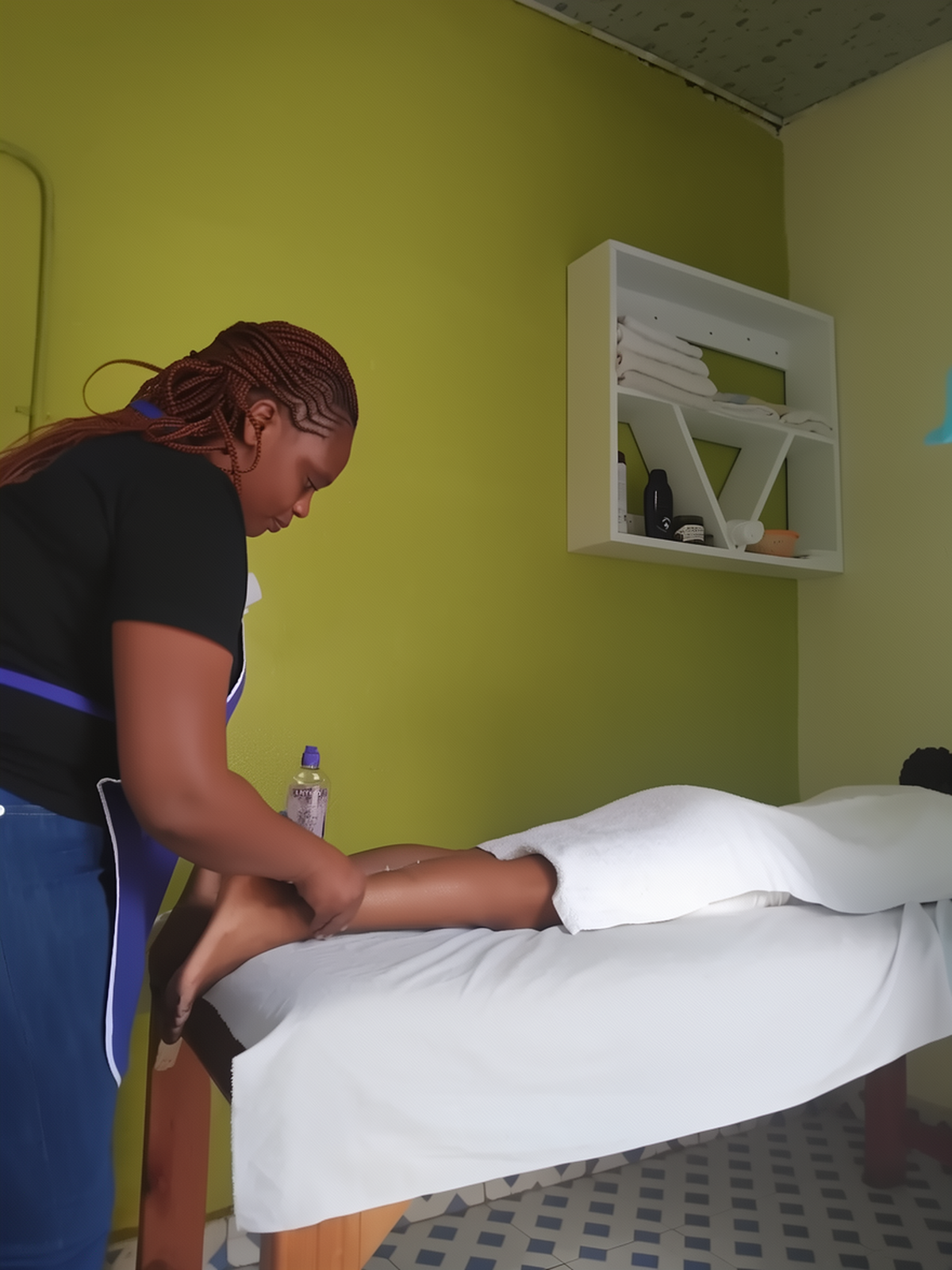
Massage therapy has become an increasingly popular option for managing neck and shoulder pain because it addresses muscle tension directly rather than simply masking symptoms. While it isn't a cure for every condition, professional massage can play an important role in relieving tight muscles, improving mobility, reducing stress, and supporting recovery alongside other treatments.
Why Neck and Shoulder Pain Is So Common Today
Modern lifestyles place considerable demands on the muscles that support the head, neck, and shoulders. The average adult spends several hours each day looking down at a phone, typing on a keyboard, driving, or sitting in front of a screen. Although these activities may not feel physically demanding, maintaining the same position for extended periods causes muscles to remain contracted much longer than they were designed to.
Office workers are particularly familiar with this pattern. A workstation that isn't properly adjusted can encourage rounded shoulders, a forward head posture, and unnecessary strain on the upper back. Even small habits, such as cradling a phone between the shoulder and ear during calls or repeatedly reaching for a computer mouse, can contribute to muscle imbalance over time.
Outside the office, people working in construction, healthcare, hospitality, retail, transportation, and agriculture often experience similar problems. Repetitive lifting, prolonged standing, awkward body positions, and physically demanding tasks can all overload the muscles surrounding the neck and shoulders.
Stress also plays a surprisingly significant role. During periods of anxiety or emotional pressure, many people unconsciously tighten their shoulders and clench the muscles around the neck. After weeks or months of ongoing stress, these muscles may remain constantly tense, creating persistent discomfort even when there is no injury.
How Poor Posture Leads to Persistent Pain
Posture is more than simply sitting up straight. It refers to how the body aligns itself throughout daily activities. When posture is consistently poor, certain muscles become overworked while others weaken, creating an imbalance that contributes to pain.
Forward head posture has become increasingly common due to extensive smartphone and computer use. Every centimetre the head moves forward increases the amount of weight the neck muscles must support. Instead of comfortably carrying the head's natural weight, these muscles work continuously to prevent it from falling forward.
This extra workload often leads to:
- Tight neck muscles
- Shoulder stiffness
- Upper back discomfort
- Reduced flexibility
- Frequent muscle fatigue
Rounded shoulders create another common issue. As chest muscles tighten and upper back muscles weaken, the shoulders gradually move forward, placing additional stress on surrounding joints and connective tissues. Many people don't notice this gradual change until discomfort becomes difficult to ignore.
Improving posture usually requires more than simply reminding yourself to sit upright. It often involves strengthening weakened muscles, stretching tight tissues, improving workstation ergonomics, and reducing prolonged periods of sitting.
Office Work and the Hidden Effects of Sitting All Day
Desk jobs are often considered physically easy, yet they can contribute significantly to chronic musculoskeletal pain. Sitting for eight or more hours each day reduces movement, limits circulation, and allows muscle tension to build gradually.
Many office workers develop what is sometimes referred to as "computer neck" or "tech neck." This isn't a formal medical diagnosis but rather a collection of symptoms linked to prolonged screen use. These symptoms often include stiffness, aching around the base of the skull, shoulder tightness, and discomfort that worsens toward the end of the workday.
Laptop use can make matters worse because screens are typically positioned too low, encouraging people to bend their necks forward. Similarly, poorly adjusted office chairs or desks may force the body into awkward positions for extended periods.
Simple workplace habits can reduce strain considerably. Raising computer monitors to eye level, supporting the lower back, positioning keyboards correctly, taking regular movement breaks, and changing sitting positions throughout the day all help reduce pressure on the neck and shoulders.
Massage therapy complements these ergonomic improvements by releasing muscle tension that has already developed, making it easier to maintain healthier posture afterward.
Understanding Muscle Tightness and Trigger Points
Muscle tightness isn't always caused by injury. In many cases, muscles become stiff because they remain contracted for too long without adequate rest or movement.
Within these tight muscles, small sensitive areas known as trigger points can develop. These are commonly described as "knots," although they aren't actually tied muscles. Trigger points are localized areas where muscle fibres remain contracted, causing pain that may spread to other parts of the body.
For example, a trigger point in the upper shoulder may create pain that travels into the neck or behind the eye. This referred pain often confuses people because the source of discomfort isn't always where the pain is felt.
Professional massage therapists are trained to identify these areas through careful assessment and manual examination. Various massage techniques can gradually reduce trigger point sensitivity, improve circulation, and restore more normal muscle function.
Although some tenderness during treatment is normal, massage should not involve excessive pain. Effective therapy focuses on reducing muscle tension while keeping the client comfortable and relaxed.
The Connection Between Neck Tension and Headaches
Many people are surprised to learn that headaches often begin with tight muscles rather than problems inside the head itself.
Tension headaches are among the most common headache types worldwide. They frequently develop when muscles in the neck, shoulders, and upper back become tight enough to place pressure on surrounding tissues. The resulting pain may feel like a dull ache or a tight band around the forehead or back of the head.
Long hours at a computer, emotional stress, poor posture, lack of sleep, and prolonged driving can all contribute to these headaches.
Massage therapy may help reduce the frequency or intensity of tension headaches by relaxing the muscles responsible for the discomfort. Improved blood flow, decreased muscle stiffness, and reduced stress levels often work together to provide relief.
However, not every headache responds to massage. Sudden severe headaches, headaches accompanied by vision changes, weakness, confusion, fever, or neurological symptoms require immediate medical evaluation rather than massage treatment.
How Massage Therapy Helps Relieve Neck and Shoulder Pain
Massage therapy works through several mechanisms that support both immediate comfort and longer-term recovery.
Manual pressure applied to muscles helps increase circulation, delivering oxygen and nutrients while assisting the removal of metabolic waste products that accumulate during prolonged muscle contraction. Improved circulation often reduces stiffness and promotes relaxation.
Massage also encourages the nervous system to shift away from its stress response. As muscles relax, breathing slows, heart rate decreases, and many people notice an overall reduction in physical tension throughout the body.
Regular massage may also improve joint mobility by reducing restrictions in surrounding soft tissues. When muscles become less tight, everyday movements such as turning the head, lifting the arms, or reaching overhead often become easier and less painful.
Perhaps equally important is the opportunity to interrupt the cycle of pain and muscle guarding. Chronic discomfort frequently causes muscles to tighten even further, creating additional pain. Massage helps break this cycle, allowing muscles to recover more effectively.
Types of Massage Used for Neck and Shoulder Pain
Massage therapy isn't a single technique. Different approaches may be appropriate depending on the underlying cause of discomfort.
Swedish massage focuses on relaxation and improving circulation using gentle, flowing strokes. It is often suitable for individuals experiencing stress-related muscle tension or those receiving massage for the first time.
Deep tissue massage applies slower, firmer pressure to deeper muscle layers. This approach may benefit people with longstanding muscle tightness or chronic stiffness, although it should always be performed within the client's comfort level.
Sports massage is commonly used for athletes but can also help people with repetitive strain injuries or physically demanding occupations. It combines stretching, targeted pressure, and movement techniques to improve muscle function.
Trigger point therapy specifically targets sensitive muscle knots responsible for referred pain. Although pressure may briefly feel uncomfortable, many clients experience significant improvement afterward.
Some therapists also incorporate myofascial release, stretching, or assisted mobility exercises to improve overall movement and flexibility.
When Massage Therapy Should Be Part of a Broader Treatment Plan
While massage therapy can be highly effective for muscle-related pain, it isn't appropriate as the sole treatment for every condition.
Persistent pain following an accident, numbness extending into the arms, muscle weakness, unexplained weight loss, fever, severe swelling, or loss of bladder or bowel control should always be assessed by a qualified healthcare professional before seeking massage therapy.
In many situations, the best results come from combining massage with other interventions. Physiotherapy, targeted exercise, posture correction, ergonomic improvements, and regular physical activity often complement massage exceptionally well.
Doctors may also recommend imaging studies or specialist evaluation if symptoms suggest nerve compression, arthritis, spinal disorders, or other medical conditions requiring different treatment.
Rather than replacing medical care, massage therapy often serves as one valuable component of a comprehensive recovery plan.
Preventing Neck and Shoulder Pain in Everyday Life
Relief doesn't end when the massage session is over. Daily habits play a significant role in preventing discomfort from returning.
Regular movement remains one of the simplest yet most effective strategies. Standing up every 30 to 60 minutes, stretching the chest and shoulders, rotating the neck gently, and taking short walks throughout the day help prevent muscles from remaining tense for prolonged periods.
Workstation adjustments can also make a substantial difference. Positioning computer screens at eye level, keeping feet flat on the floor, supporting the lower back, and avoiding prolonged phone use without a headset all reduce unnecessary strain.
Physical activity strengthens the muscles responsible for maintaining good posture. Walking, swimming, yoga, Pilates, and resistance training all contribute to healthier movement patterns that support the neck and shoulders.
Stress management shouldn't be overlooked either. Deep breathing exercises, regular sleep, mindfulness practices, and adequate rest can significantly reduce unconscious muscle tension.
Finding a Qualified Massage Therapist in Kenya
Choosing the right massage therapist is just as important as deciding to seek treatment. Professional training, experience, and an understanding of musculoskeletal conditions all contribute to safer and more effective care.
Before booking an appointment, it's worth asking about qualifications, areas of specialization, and experience treating neck and shoulder pain. A reputable therapist should take time to discuss your symptoms, medical history, and treatment goals before beginning any hands-on work.
Many people also appreciate reading client reviews or seeking recommendations from trusted healthcare providers, friends, or family members. If you're looking for verified wellness professionals or other service providers across Kenya, The Real Plug can be a useful platform for finding vetted professionals in different industries, helping users make more informed choices.
Open communication during treatment is equally important. Let your therapist know if pressure feels too intense, if certain movements cause discomfort, or if your symptoms change over time. Massage should support recovery, not create additional pain.
Looking Beyond Temporary Relief
Neck and shoulder pain rarely develops overnight, and lasting improvement often requires more than a single massage session. Understanding the habits that contribute to muscle tension is just as important as treating the symptoms themselves.
Combining massage therapy with better posture, regular movement, ergonomic workspaces, physical exercise, and stress management offers the greatest chance of long-term relief. For many people, these changes not only reduce pain but also improve energy levels, productivity, and overall wellbeing.
If stiffness has become part of your daily routine, it's worth paying attention to what your body is trying to tell you. Early intervention can often prevent minor muscle tension from developing into chronic pain that interferes with work, sleep, and everyday activities.