

Stress has become an almost unavoidable part of modern life. Whether it's navigating Nairobi's traffic, meeting tight work deadlines, managing a growing business, balancing family responsibilities, or dealing with financial pressures, many people in Kenya find themselves carrying more mental and physical tension than they realize. While occasional stress is a normal response to life's challenges, ongoing stress and anxiety can take a toll on both the mind and body if left unchecked.
It's common to think of stress as something that only affects emotions, but the effects often show up physically too. Tight shoulders, headaches, restless sleep, muscle aches, fatigue, and even digestive discomfort can all be linked to prolonged stress. When these symptoms persist, they can make everyday activities feel more demanding and reduce overall quality of life.
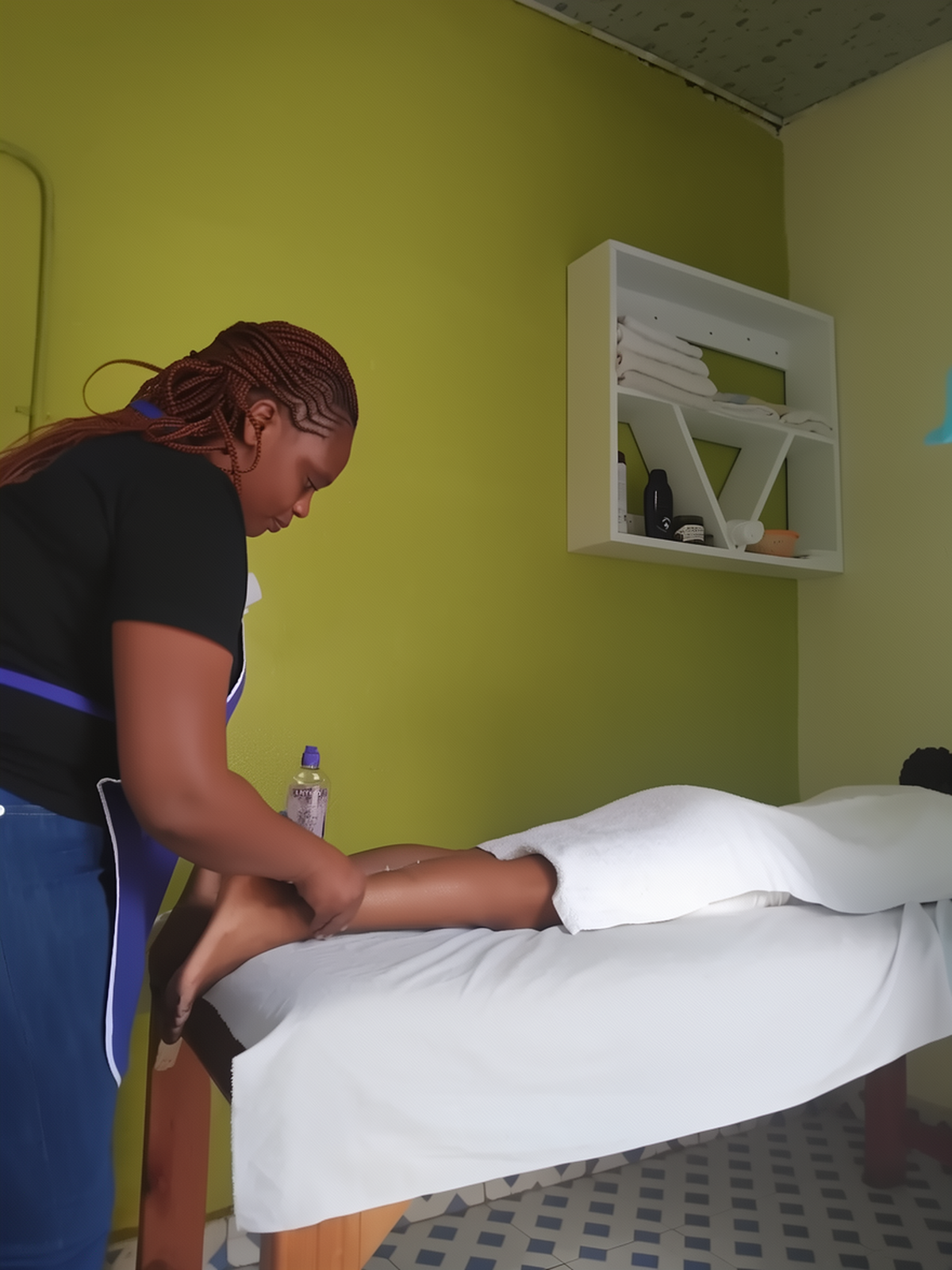
Massage therapy has long been recognized as one way to help people unwind, but its benefits extend beyond simply feeling relaxed for an hour. Professional massage can help reduce muscle tension, encourage the body's natural relaxation response, and complement other healthy habits that support emotional wellbeing. While massage is not a treatment for anxiety disorders or other mental health conditions on its own, it can be a valuable part of a broader stress-management routine that helps people feel calmer and more balanced.
Understanding What Happens to Your Body During Stress
Stress is the body's natural response to situations it perceives as challenging or threatening. When faced with a stressful event, the brain signals the release of hormones such as cortisol and adrenaline, preparing the body for what is commonly known as the "fight-or-flight" response.
This reaction can be incredibly useful during emergencies because it increases heart rate, sharpens focus, and directs more blood to the muscles. However, many of today's stressors are not short-lived emergencies. Financial concerns, demanding work schedules, family obligations, and constant digital connectivity can keep the body in a prolonged state of alertness.
When stress hormones remain elevated for extended periods, they may contribute to muscle tension, difficulty sleeping, irritability, headaches, fatigue, and reduced concentration. Some people also notice changes in appetite, digestive discomfort, or a feeling of being constantly overwhelmed.
Recognizing how stress affects the body is an important first step toward managing it. While it's impossible to eliminate every source of stress, finding healthy ways to help the body return to a relaxed state can make a meaningful difference over time.
The Link Between Stress, Anxiety, and Physical Tension
Stress and anxiety are closely connected, but they are not exactly the same. Stress is typically a response to an external situation, while anxiety can persist even when there is no immediate threat. Both, however, often produce similar physical symptoms.
Many people unconsciously tighten their neck, shoulders, jaw, or back during stressful situations. Others may clench their fists, experience shallow breathing, or develop tension headaches without realizing these habits are linked to emotional strain. Over weeks or months, this ongoing muscle tightness can become a source of chronic discomfort that adds to the overall feeling of stress.
Sleep can also suffer. Difficulty falling asleep, waking frequently during the night, or feeling tired despite getting enough hours of rest are common experiences for people dealing with high levels of stress or anxiety. Lack of quality sleep then makes it harder for the body to recover, creating a cycle that can be difficult to break.
Massage therapy addresses one part of this cycle by helping release physical tension, allowing the body to relax and making it easier for some people to experience a greater sense of calm.
How Massage Therapy Encourages the Body's Relaxation Response
One of the reasons massage therapy is so effective for stress relief is that it encourages the body to shift away from its stress response and activate what is known as the relaxation response. This is a natural state where the heart rate slows, breathing becomes deeper, muscles begin to loosen, and the nervous system becomes less reactive.
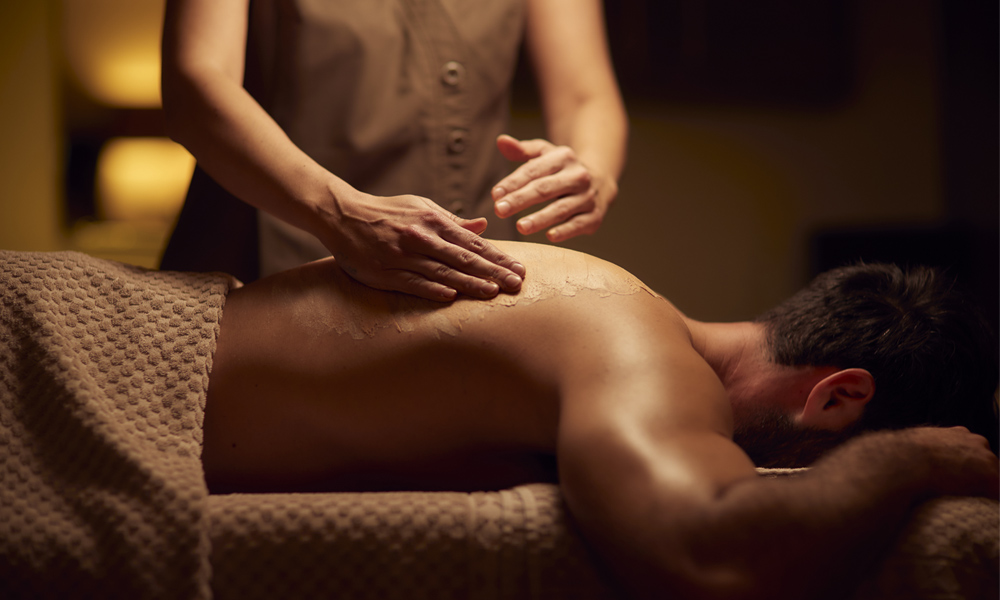
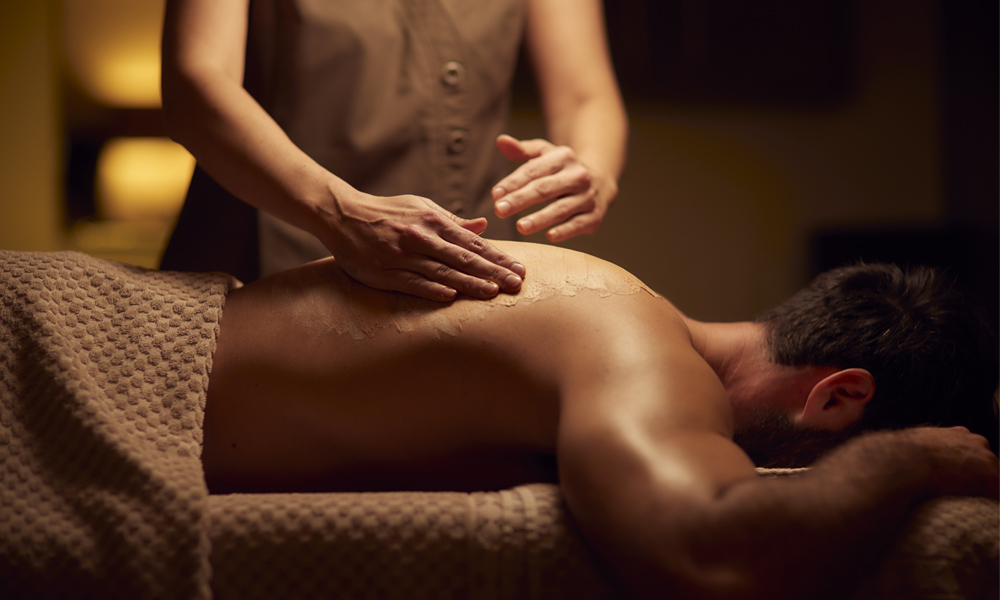
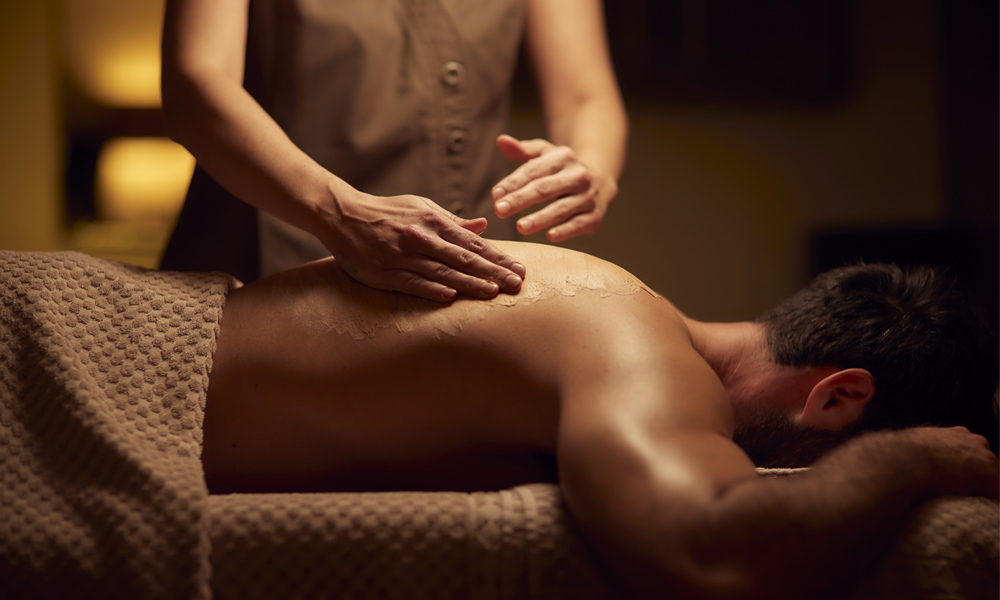
During a massage, gentle pressure and rhythmic movements stimulate the body's soft tissues while creating an environment that encourages rest. Many people notice that their breathing becomes slower without consciously trying, and their muscles gradually release tension that has built up over days or even weeks.
Research has suggested that massage may help lower cortisol levels while supporting the release of hormones associated with relaxation and wellbeing, such as serotonin and dopamine. Although the exact biological effects can vary from person to person, many clients report feeling calmer, more focused, and emotionally refreshed after a professional massage session.
The benefits often extend beyond the massage table. When the body becomes familiar with relaxing more deeply, it may become easier to manage everyday stressors without feeling constantly overwhelmed.
Stress Hormones and Why They Matter
Cortisol is often referred to as the body's primary stress hormone, and it plays an important role in helping us respond to challenges. In healthy amounts, cortisol helps regulate metabolism, blood pressure, and the sleep-wake cycle. Problems tend to arise when stress remains constant and cortisol stays elevated for long periods.
Chronic stress may contribute to persistent fatigue, reduced immune function, poor concentration, increased muscle tension, and disrupted sleep patterns. While massage therapy cannot eliminate cortisol entirely—nor should it, since the hormone serves important functions—it may help the body regulate its stress response more effectively.
Massage also encourages better circulation, allowing oxygen and nutrients to reach muscles more efficiently while promoting a sense of physical comfort. As muscles relax and breathing slows, many people experience reduced feelings of restlessness or mental fatigue.
It's important to remember that stress management is rarely about one single solution. Massage works best when combined with other healthy lifestyle habits that support both physical and emotional health.
Emotional Wellbeing and the Benefits of Human Touch
Human touch plays a significant role in emotional wellbeing. Safe, professional therapeutic touch can provide comfort, promote relaxation, and create a temporary pause from the constant demands of daily life.
Many people spend their days moving from one responsibility to another without taking time to slow down. A massage session provides an opportunity to disconnect from emails, phone calls, meetings, and other distractions while focusing entirely on physical and mental recovery.
This dedicated period of relaxation often allows people to become more aware of how much tension they have been carrying. It's not uncommon for someone to realize their shoulders have been raised or their jaw has been clenched for most of the day only after those muscles begin to relax.
While massage should never be viewed as a replacement for counselling or mental health treatment, it can complement emotional wellbeing by creating space for rest, reducing physical discomfort, and encouraging mindfulness through body awareness.
Can Massage Therapy Help with Anxiety?
Massage therapy may help reduce some of the physical symptoms associated with anxiety, particularly muscle tension, restlessness, and feelings of physical discomfort. Some people also report improved sleep and a greater sense of calm following regular massage sessions.
However, it's important to have realistic expectations. Massage is not a cure for anxiety disorders, depression, or other mental health conditions. Individuals experiencing persistent anxiety, panic attacks, or significant emotional distress should seek guidance from qualified healthcare or mental health professionals.
For many people, massage becomes one supportive element within a larger self-care routine. Combined with therapy, regular exercise, healthy sleep habits, mindfulness practices, and appropriate medical care where necessary, massage can contribute to overall emotional resilience.
The key is viewing massage as part of a balanced approach rather than expecting it to solve every source of stress on its own.
Different Types of Massage for Relaxation
Not every massage technique focuses on deep pressure. In fact, people seeking stress relief often benefit from gentler approaches designed to calm the nervous system rather than target specific injuries.
Swedish massage remains one of the most popular options for relaxation. Long, flowing strokes combined with gentle kneading encourage circulation while helping muscles release tension gradually. This style is particularly suitable for first-time clients or anyone feeling overwhelmed by everyday stress.
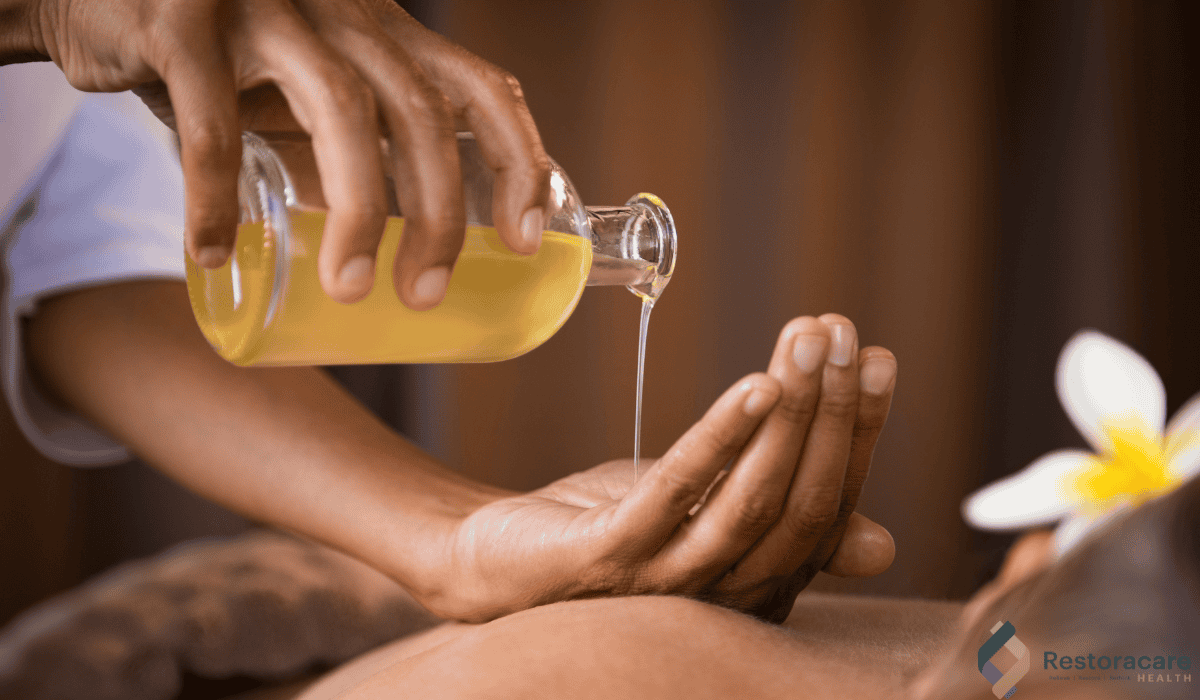
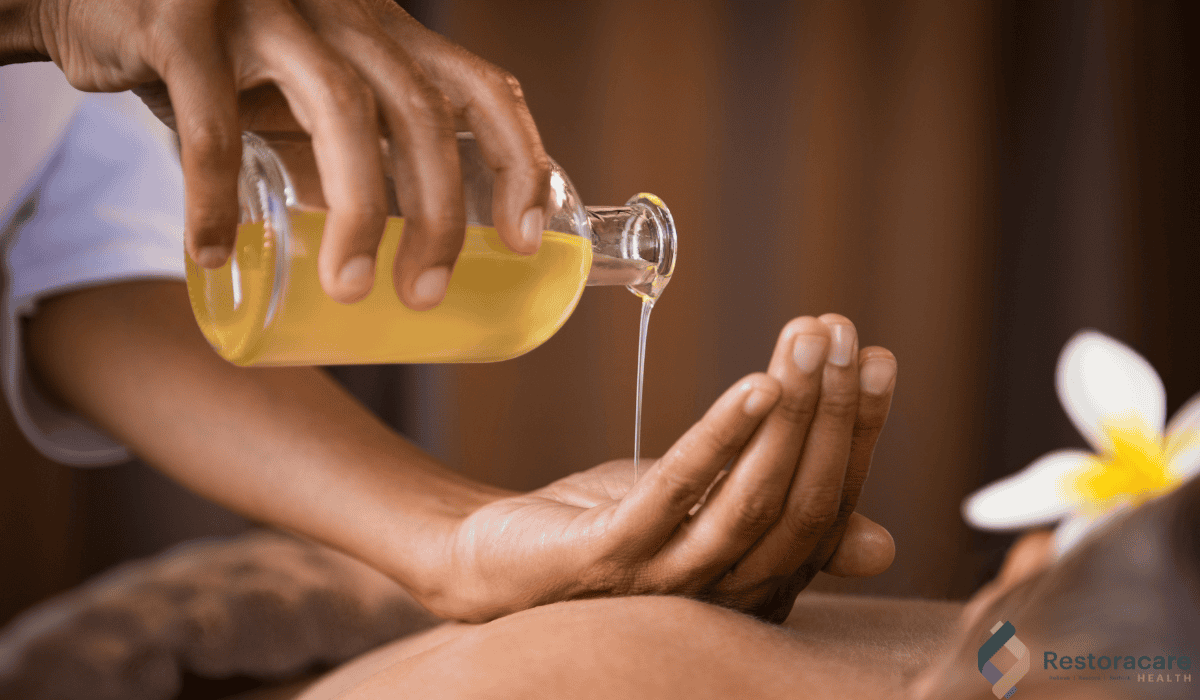
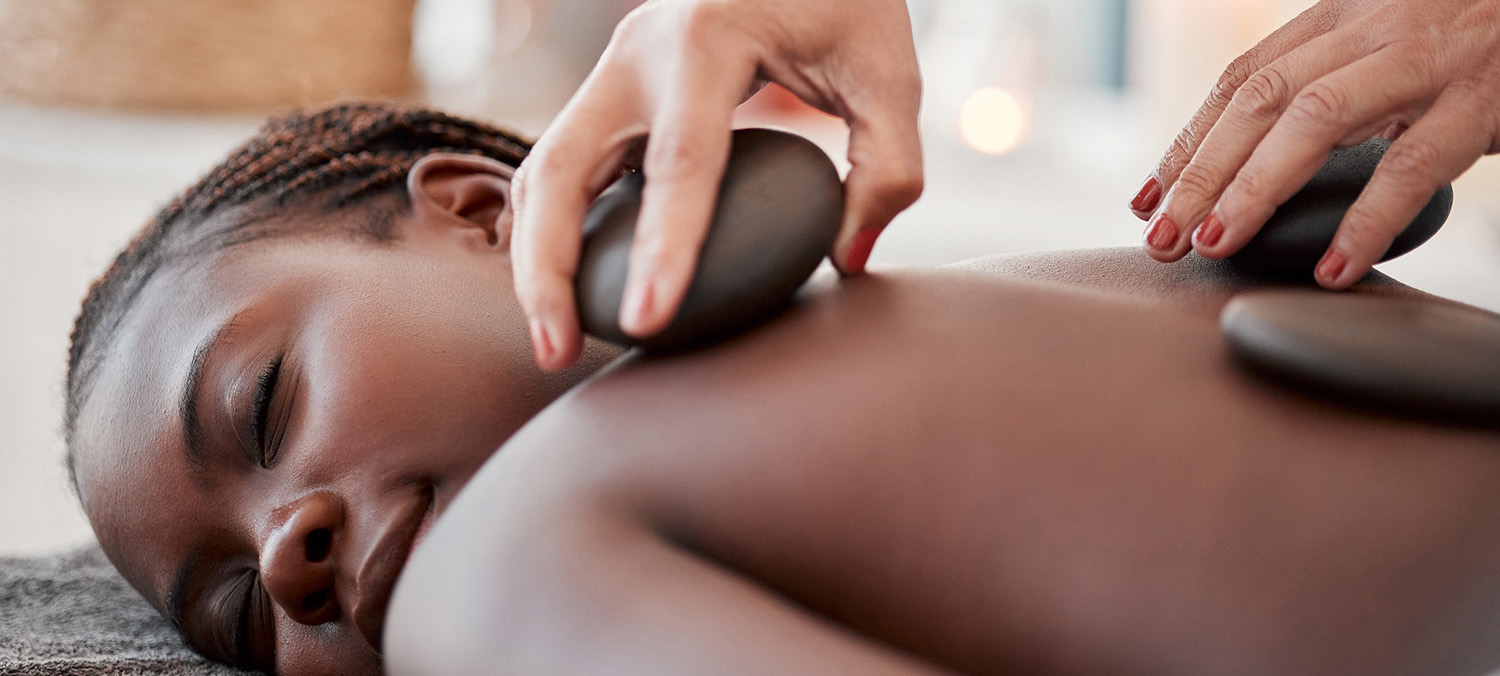
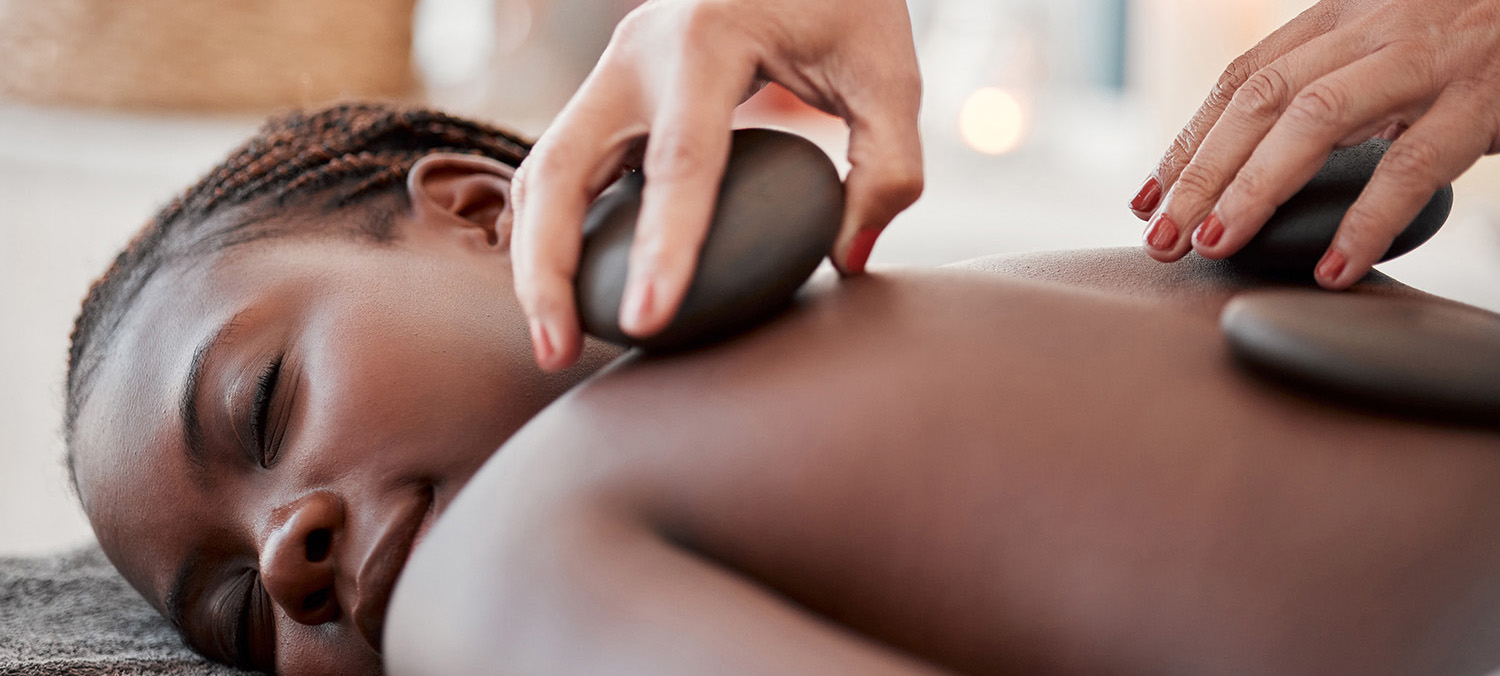
Aromatherapy massage combines traditional massage techniques with carefully selected essential oils that some people find calming, although individual responses can vary. Hot stone massage is another option that uses warmed stones to help muscles relax more deeply before manual techniques are applied.
The most appropriate treatment depends on personal preference, comfort level, and any existing health conditions. A qualified massage therapist will usually discuss these factors before recommending a suitable approach.
Making Massage Part of a Healthy Stress-Management Routine
Massage therapy delivers the greatest benefits when it becomes part of an ongoing approach to wellbeing rather than something reserved only for times of extreme stress.
Regular physical activity, even something as simple as walking through your neighbourhood or local park, helps reduce stress hormones while improving mood. Maintaining consistent sleep habits, eating balanced meals, staying hydrated, and limiting excessive caffeine intake also support the body's ability to cope with daily pressures.
Mindfulness techniques, deep breathing exercises, spending time with family and friends, and taking regular breaks from digital devices can further reduce mental fatigue. Massage fits naturally into this routine by helping the body recover physically while encouraging moments of intentional relaxation.
Many people schedule massage sessions monthly or every few weeks, depending on their workload, stress levels, and personal needs. The goal isn't simply temporary relief but supporting long-term wellbeing through consistent self-care.
Choosing a Qualified Massage Therapist in Kenya
Finding a professional massage therapist is essential for both safety and effectiveness. A reputable therapist should be properly trained, maintain professional standards, and take time to understand your medical history, current symptoms, and treatment goals before beginning a session.
If you have underlying medical conditions, are pregnant, or have recently undergone surgery, it's important to discuss these factors beforehand, as certain massage techniques may need to be modified or avoided.
Reading reviews, asking for recommendations, and choosing therapists with relevant experience can help you make an informed decision. If you're looking for verified wellness professionals or other trusted service providers across Kenya, The Real Plug offers a platform where users can discover vetted professionals across different industries, making it easier to connect with reliable services.
Open communication during your appointment is equally important. Let your therapist know if the pressure feels uncomfortable or if you have areas that require special attention. A professional massage should always prioritize your comfort and wellbeing.
Massage Is One Piece of the Wellness Puzzle
Managing stress and anxiety is rarely about finding a single solution. Every person's experience is different, and what works well for one individual may need to be combined with other approaches for someone else. Massage therapy offers meaningful benefits by easing muscle tension, encouraging relaxation, and supporting the body's natural recovery from everyday stress.
Combined with healthy lifestyle habits, social support, regular physical activity, and professional healthcare when needed, massage can become an important part of maintaining both physical and emotional wellbeing. Rather than waiting until stress becomes overwhelming, incorporating regular moments of relaxation into daily life can help build resilience and improve overall quality of life.
Taking care of your mental and physical health isn't a luxury—it's an investment in your ability to work, connect with others, and enjoy everyday life with greater comfort and balance.