

Whether you're training for your first marathon, playing football with friends on weekends, lifting weights at the gym, or simply trying to stay active, your muscles go through more than you might realize. Exercise places healthy stress on the body, helping build strength, endurance, and resilience. But without proper recovery, even the most effective training routine can lead to fatigue, soreness, or injury.
Across Kenya, interest in fitness continues to grow. More people are joining gyms, participating in road races, cycling, hiking, swimming, and taking part in recreational sports. At the same time, many active individuals are becoming more aware that performance isn't only about how hard you train. Recovery has become an equally important part of maintaining long-term health and achieving fitness goals.
Massage therapy is one recovery method that has gained popularity among both professional athletes and everyday fitness enthusiasts. While it won't replace proper training, nutrition, or medical treatment when injuries occur, massage can complement an active lifestyle by helping reduce muscle tension, improving flexibility, supporting recovery, and promoting overall wellbeing.
Why Recovery Is Just as Important as Training
Many people focus most of their attention on workouts while giving little thought to recovery. However, the body actually adapts to exercise during periods of rest rather than during the workout itself. Strength gains, muscle repair, and improvements in endurance all depend on giving the body enough time and support to recover.
Every training session creates tiny microscopic tears in muscle fibres. This is a normal part of the process that allows muscles to become stronger as they heal. Problems arise when recovery is consistently overlooked. Training intensely day after day without adequate rest can increase fatigue, reduce performance, and raise the risk of overuse injuries.
Recovery involves more than simply taking a day off. Quality sleep, balanced nutrition, proper hydration, stretching, and active recovery all contribute to helping muscles repair themselves efficiently. Massage therapy fits naturally into this process by addressing muscle tightness and promoting relaxation after demanding physical activity.
Whether you're preparing for a competitive event or exercising to improve your overall health, prioritizing recovery helps you train more consistently while reducing unnecessary setbacks.
How Exercise Affects Your Muscles
Physical activity challenges muscles in different ways depending on the type of exercise. Weight training places muscles under resistance, while running, football, cycling, and swimming involve repetitive movements that can lead to fatigue over time. High-intensity interval training, common in many fitness programmes, combines strength and endurance demands that place significant stress on the body's soft tissues.
After exercise, it's common to experience delayed onset muscle soreness (DOMS), which usually develops within 24 to 48 hours after unfamiliar or intense activity. Although soreness is a normal response, excessive muscle tightness can limit movement and make subsequent training sessions less comfortable.
Massage therapy helps improve circulation to these hardworking muscles, encouraging the delivery of oxygen and nutrients needed for recovery. While research continues to explore exactly how massage influences muscle repair, many active individuals report feeling less stiff and more mobile after treatment.
It's worth remembering that some soreness is part of healthy training adaptation. Massage doesn't eliminate this process but may help make recovery more comfortable and support overall physical readiness.
Massage Therapy and Muscle Recovery
One of the primary reasons athletes seek massage therapy is to support muscle recovery between training sessions. During exercise, muscles experience repeated contractions that can lead to temporary tightness and fatigue. Following intense activity, improving circulation and encouraging relaxation may help restore normal muscle function.
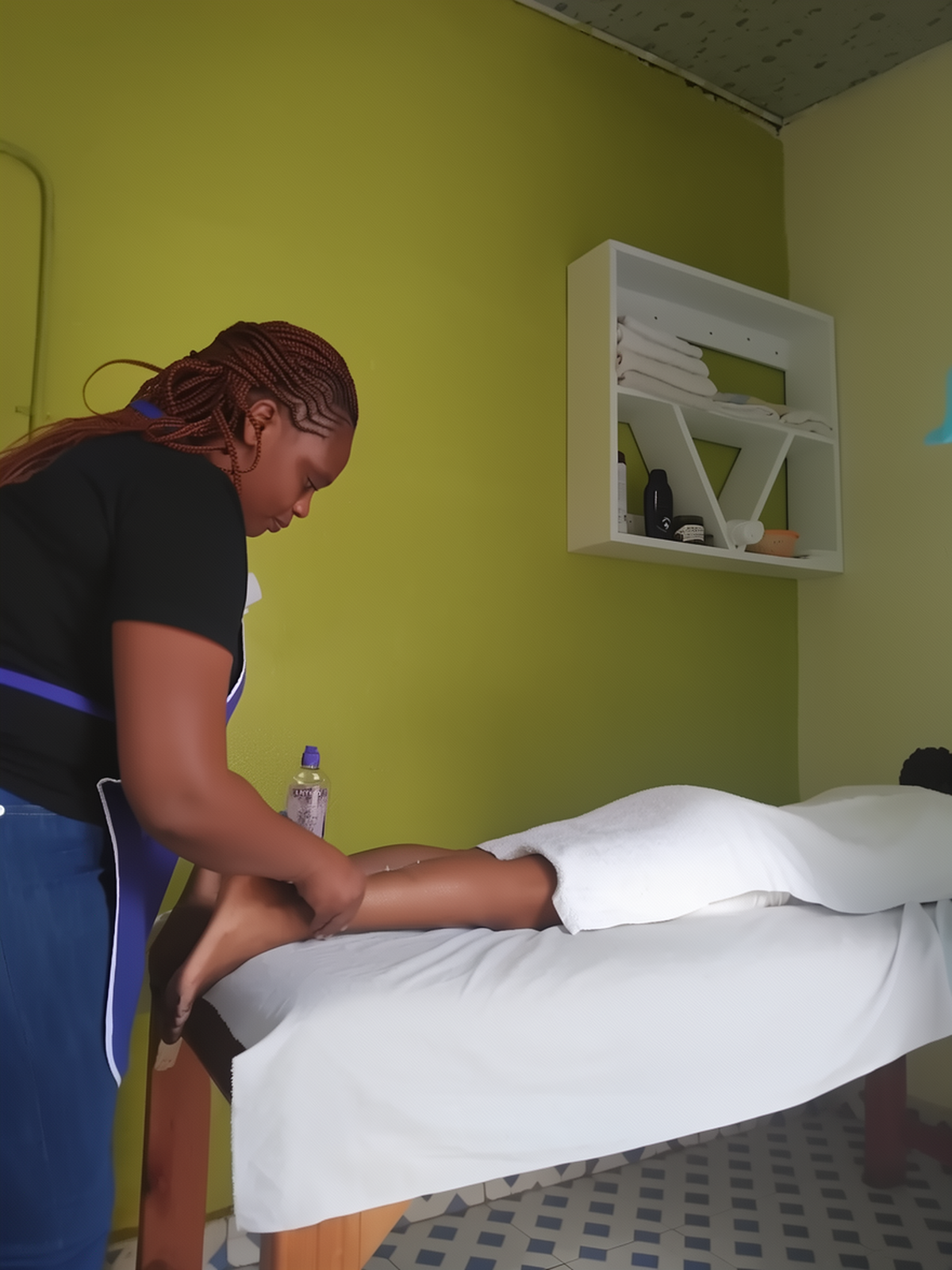
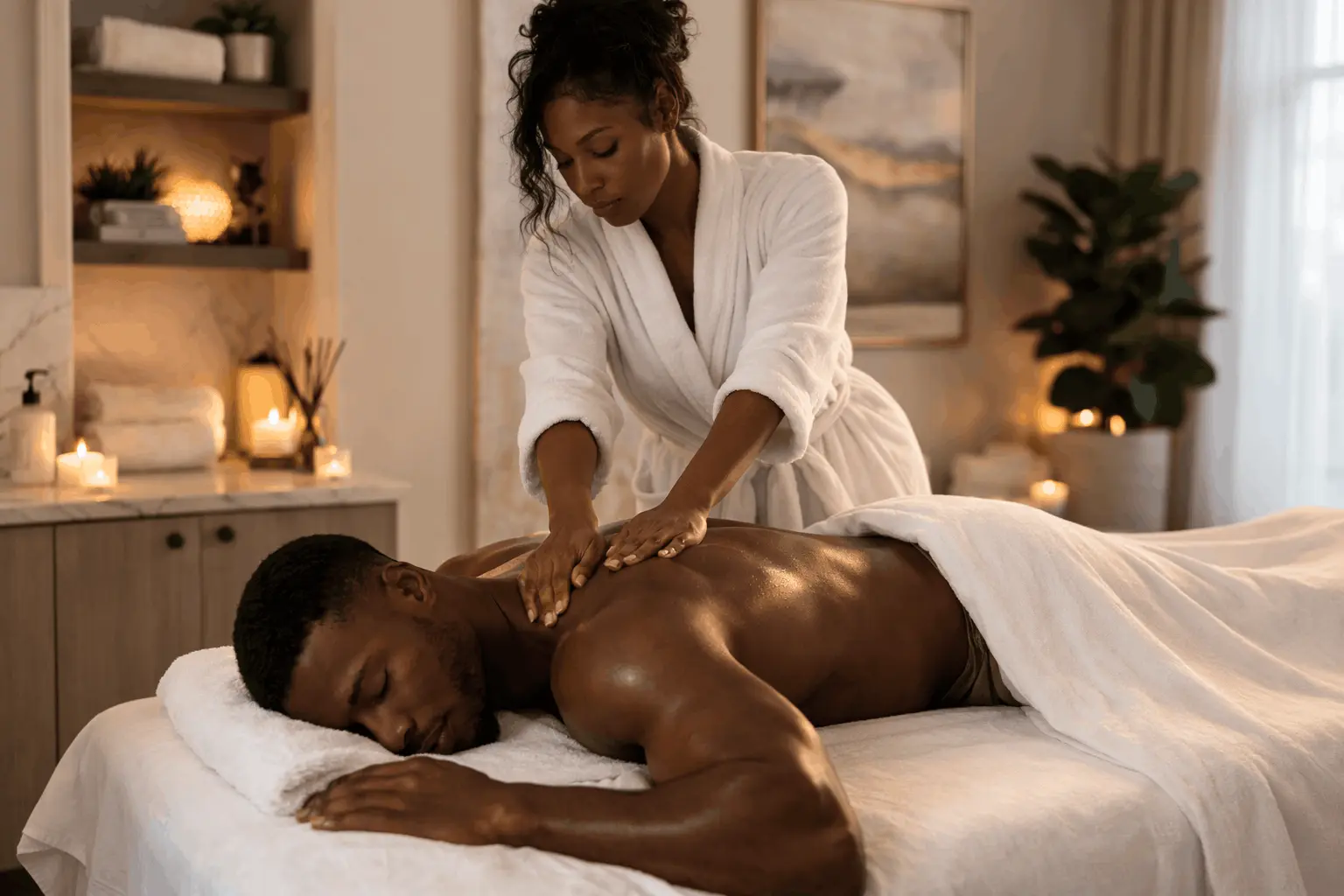
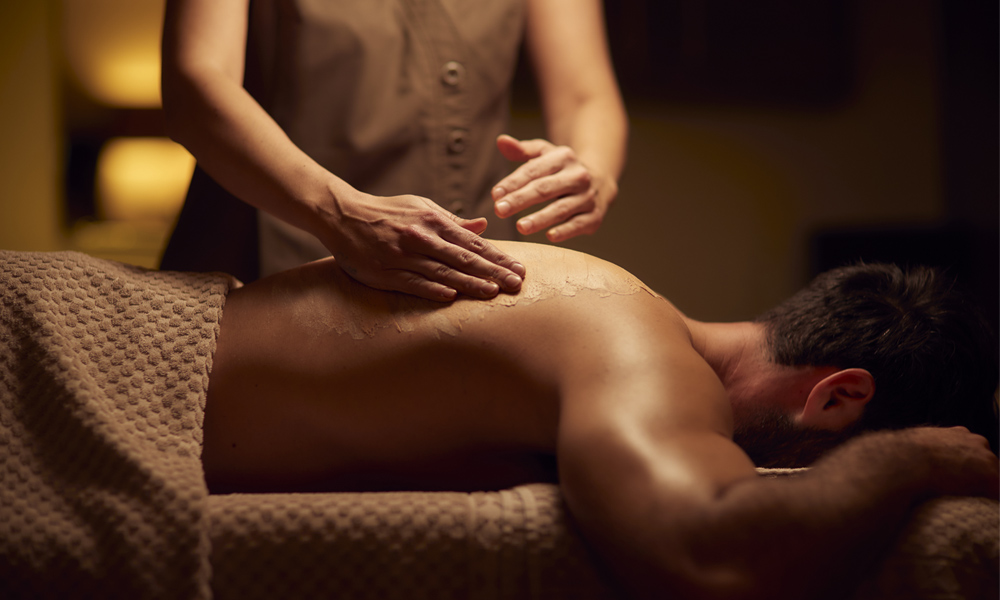
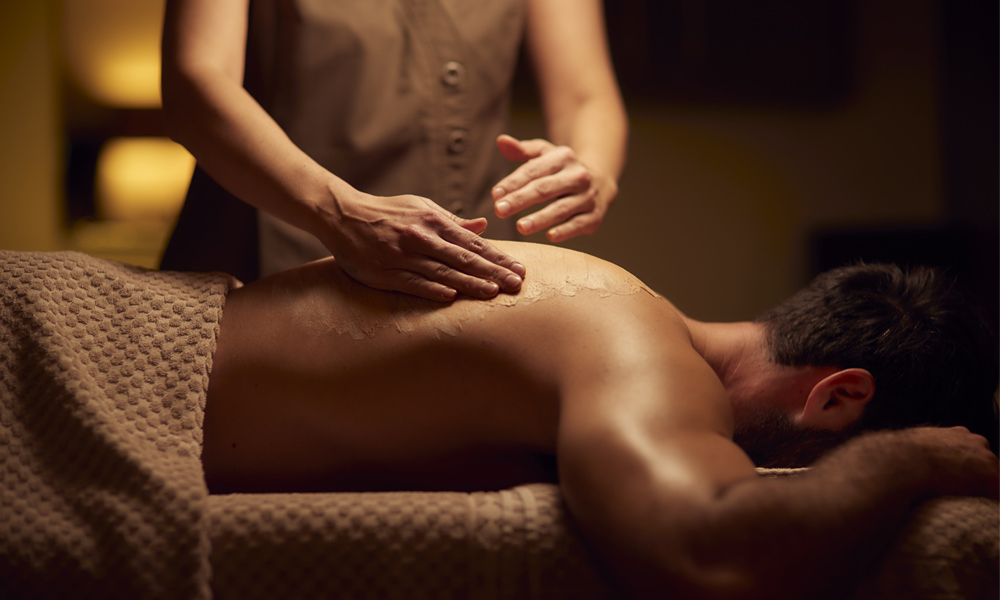
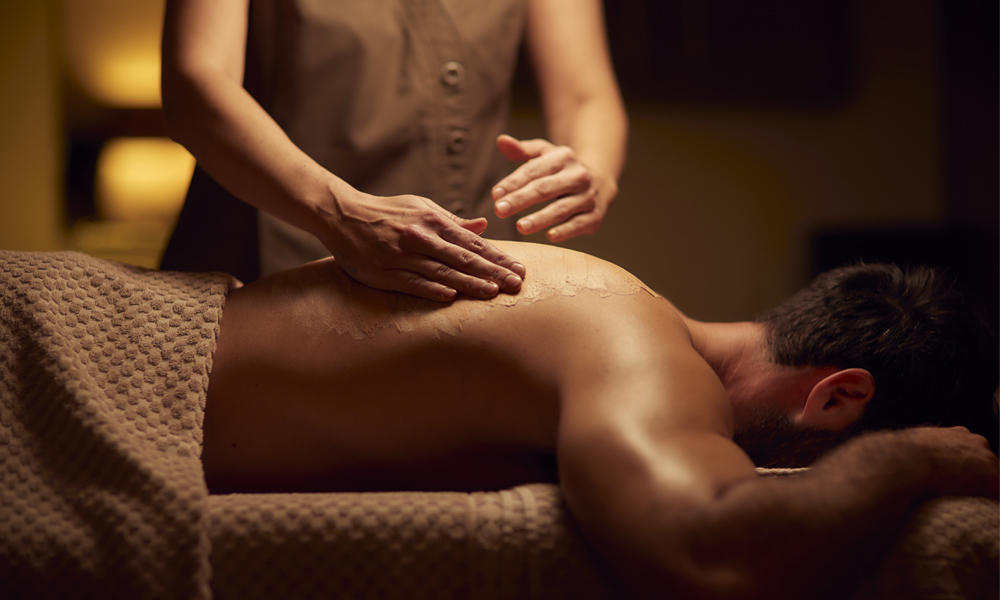
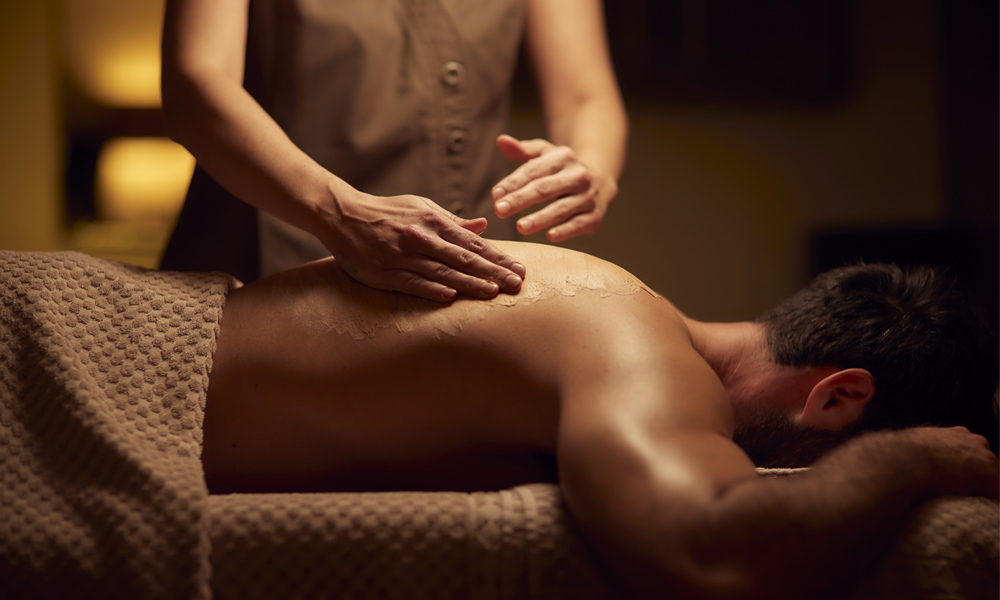
Massage works by applying controlled pressure to muscles and surrounding soft tissues. These techniques may help reduce muscle stiffness, improve tissue flexibility, and encourage blood flow to areas that have been heavily used during exercise. Many athletes describe feeling lighter or less restricted after a session, particularly following demanding competitions or training blocks.
Recovery is not only physical but also mental. Training for sporting events often requires discipline and consistency, which can create both physical and psychological fatigue. Taking time for recovery, including massage, gives athletes an opportunity to relax while allowing the body to recover from ongoing demands.
Although massage is beneficial, it should complement rather than replace evidence-based recovery strategies such as adequate sleep, proper hydration, balanced nutrition, and sensible training progression.
Can Massage Therapy Help Prevent Sports Injuries?
No treatment can guarantee complete protection from injuries, but massage therapy may contribute to injury prevention when combined with proper training practices. Muscles that remain excessively tight or fatigued for long periods can affect movement patterns, increasing stress on joints and surrounding tissues.
Regular massage may help identify areas of unusual tightness before they become more serious problems. A skilled therapist can often detect muscle imbalances or restricted movement that may benefit from stretching, strengthening exercises, or changes in training habits.
For example, runners frequently develop tight calf muscles and hip flexors, while people who lift weights may experience tension in the shoulders, chest, and lower back. Addressing these issues early can help maintain healthy movement and reduce unnecessary strain during exercise.
It's important to understand that massage alone cannot prevent injuries caused by poor technique, excessive training, inadequate warm-ups, or accidents. Building strength gradually, using correct form, and allowing enough recovery time remain the most effective ways to reduce injury risk.
Improving Flexibility and Range of Motion
Flexibility plays an important role in many sports and fitness activities. Limited movement around joints can affect exercise technique, reduce efficiency, and increase the likelihood of discomfort during physical activity.
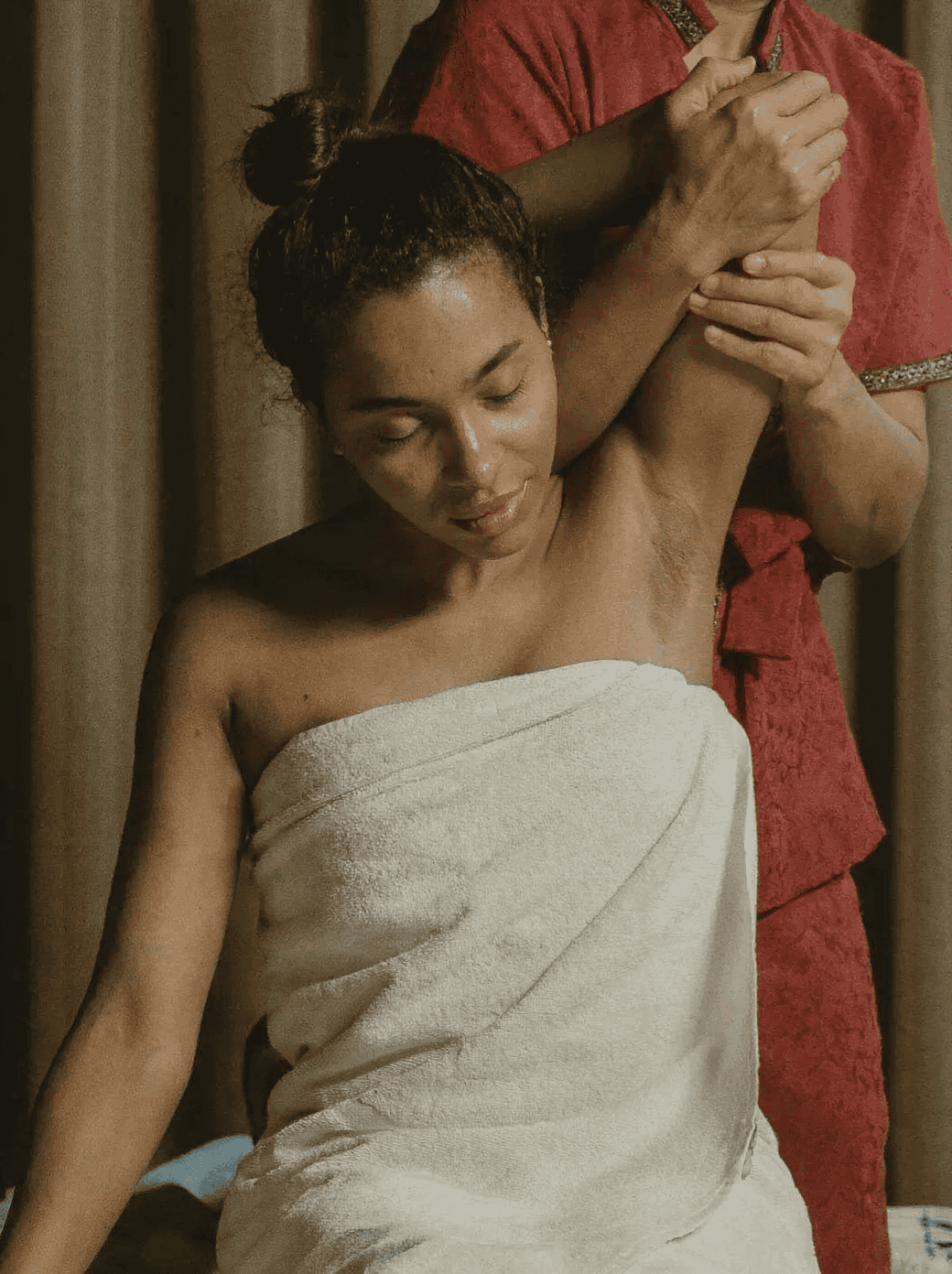
Massage therapy helps by reducing muscle tightness that may restrict movement. As muscles become more relaxed, many people notice improvements in flexibility and range of motion. This can make activities such as squatting, reaching overhead, running, or changing direction feel smoother and more comfortable.
Athletes who participate in sports requiring agility, speed, or repetitive movement often include massage alongside stretching and mobility exercises as part of their recovery routine. Better flexibility doesn't necessarily mean becoming extremely flexible; rather, it means allowing joints and muscles to move comfortably through their intended range without unnecessary restriction.
Combining massage with regular mobility work and strength training typically produces more sustainable improvements than relying on massage alone.
Massage Before and After Exercise: Is There a Difference?
The timing of a massage session can influence its purpose. Pre-event massage is usually shorter and more stimulating, designed to prepare muscles for activity rather than encourage deep relaxation. These sessions often involve quicker movements that increase circulation and help athletes feel physically ready for competition.
Post-event massage, on the other hand, focuses on recovery. After intense exercise, slower techniques may help reduce muscle tension and promote relaxation while supporting the body's natural recovery processes.
For people who exercise recreationally, massage doesn't always need to be scheduled immediately before or after a workout. Many choose regular sessions every few weeks to maintain muscle health, particularly during periods of consistent training.
Discussing your fitness goals with your massage therapist allows them to tailor treatment according to your training schedule and physical needs.
Massage Therapy for Different Types of Athletes
Massage therapy isn't reserved for elite competitors. People participating in a wide range of activities can benefit from professional treatment depending on their individual needs.
Distance runners often experience tightness in the calves, hamstrings, and hips after covering long distances. Football players may require attention to the legs, hips, and lower back because of sprinting, sudden changes in direction, and frequent physical contact. Cyclists commonly develop stiffness in the neck, shoulders, and hip flexors due to prolonged riding positions, while swimmers may experience muscle fatigue around the shoulders and upper back.
Even people who attend the gym a few times each week can develop muscle tension from repetitive lifting or high-intensity workouts. Massage provides an opportunity to address these areas before discomfort begins interfering with regular exercise.
The techniques used will vary depending on the sport, training intensity, and any existing injuries or mobility restrictions.
Supporting Training Without Replacing It
Massage therapy works best as part of a comprehensive fitness programme rather than as a substitute for proper training or rehabilitation. Building strength, endurance, and flexibility still depends on consistent exercise, balanced nutrition, sufficient hydration, and adequate sleep.
Similarly, massage should not replace physiotherapy or medical treatment when dealing with significant injuries such as ligament tears, fractures, or severe muscle strains. These conditions require assessment by qualified healthcare professionals before returning to exercise.
Instead, massage supports training by helping athletes feel more comfortable, reducing muscle tightness, and encouraging relaxation between demanding workouts. Many fitness enthusiasts find that regular massage makes it easier to maintain consistency because they recover more comfortably from training sessions.
Consistency often matters more than intensity when pursuing long-term fitness goals, and recovery plays an important role in maintaining that consistency.
Choosing a Qualified Sports Massage Therapist in Kenya
Not every massage therapist specializes in working with active individuals. If your goal is to support sports performance or manage training-related muscle tension, it's worth finding someone with experience in sports massage or musculoskeletal therapy.
A professional therapist should ask about your training routine, recent injuries, current fitness goals, and any areas of discomfort before beginning treatment. They should also explain the techniques being used and adjust pressure according to your comfort level and recovery needs.
Recommendations from coaches, physiotherapists, training partners, or healthcare providers can be helpful when selecting a therapist. If you're searching for verified wellness professionals or other trusted service providers across Kenya, The Real Plug provides a platform where users can discover vetted professionals across a range of industries, making it easier to connect with reliable services.
Clear communication is essential during every session. Let your therapist know if you have an upcoming competition, are recovering from intense training, or are experiencing any unusual pain that may require medical evaluation.
Making Massage Part of a Long-Term Fitness Routine
Fitness is a long-term commitment rather than a short-term project, and sustainable progress depends on balancing effort with recovery. Massage therapy offers a practical way to care for your muscles while supporting flexibility, reducing physical tension, and complementing other healthy recovery habits.
Whether you're training competitively, working towards personal fitness goals, or simply staying active for better health, looking after your body between workouts can make a noticeable difference over time. Massage works best alongside proper exercise programming, nutritious eating, quality sleep, hydration, and appropriate medical care whenever injuries occur.
By giving recovery the same attention as training, athletes and fitness enthusiasts can improve consistency, reduce unnecessary discomfort, and continue enjoying the activities that keep them active and healthy.