

Back pain has a way of creeping into everyday life. It might start as a dull ache after sitting through a full day of meetings, become noticeable after lifting heavy shopping bags, or develop gradually from poor posture and long hours behind a computer. For some people, it's an occasional inconvenience. For others, it affects sleep, work, exercise, and even simple tasks like bending down to tie a shoe.
It's no surprise that many people look for ways to manage back pain beyond medication alone. Massage therapy is one of the options that frequently comes up, and it's widely available in wellness centres, physiotherapy clinics, rehabilitation facilities, and spas across Kenya. But how much can it actually help?
The answer depends on what's causing the pain. Massage therapy can be an effective way to reduce muscle tension, improve flexibility, and support recovery for certain types of back pain. At the same time, it isn't a cure for every back condition, and there are situations where medical evaluation should always come first.
This guide explores the common causes of back pain, how massage therapy may help, its limitations, and when it's important to seek professional medical advice.
Understanding Back Pain
Back pain is one of the most common health complaints worldwide. It can affect people of all ages, from office workers and students to athletes and manual labourers. While discomfort can occur anywhere along the spine, the lower back is the area most frequently affected because it supports much of the body's weight and plays a key role in everyday movement.
Back pain may develop suddenly after an injury or appear gradually over weeks or months. In many cases, it improves with time, movement, and conservative treatment. However, persistent or severe pain may indicate an underlying medical condition that requires professional assessment.
Understanding the source of the pain is an important first step before deciding whether massage therapy is appropriate.
Common Causes of Back Pain
Back pain isn't a single condition. It's a symptom that can have many different causes, some relatively minor and others more serious.
Muscle Strain
One of the most common causes is muscle strain. Lifting something awkwardly, sudden twisting movements, overexertion during exercise, or repetitive physical work can overstretch muscles and ligaments in the back.
Muscle strains often respond well to rest, gradual movement, and supportive treatments such as massage once the initial acute pain has settled.
Poor Posture
Modern lifestyles encourage long periods of sitting, often with poor posture. Hours spent working at a desk, driving, or looking down at a phone can place continuous stress on the muscles supporting the spine.
Over time, these muscles may become tight and fatigued, contributing to ongoing discomfort in the neck, shoulders, and lower back.
Sedentary Lifestyle
A lack of regular movement can weaken muscles that help stabilise the spine. Weak core muscles combined with prolonged sitting often contribute to stiffness and recurring back pain.
Introducing regular physical activity alongside appropriate treatment may help improve long-term comfort.
Sports and Physical Activity
Exercise is beneficial for overall health, but improper technique, inadequate warm-ups, or excessive training can sometimes lead to muscle tightness or minor injuries affecting the back.
Athletes and active individuals frequently use massage therapy as part of their recovery routines to help manage muscular tension.
Medical Conditions
Not all back pain is muscular. Conditions such as herniated discs, arthritis, osteoporosis, spinal stenosis, kidney problems, infections, or fractures can also cause back pain.
In these situations, massage alone is not an appropriate treatment, making accurate diagnosis essential.
How Massage Therapy May Help Back Pain
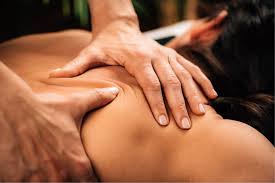
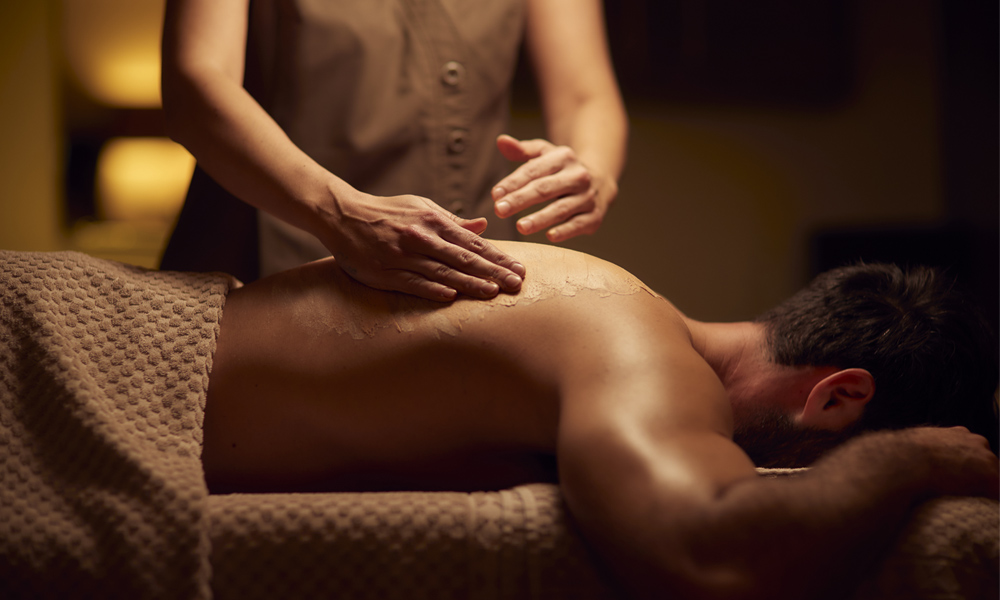
Massage therapy primarily works by addressing muscles and soft tissues rather than the bones or joints themselves. For people whose back pain is largely related to muscle tension, stress, or postural strain, massage may provide several meaningful benefits.
Reduces Muscle Tension
Tight muscles often contribute to ongoing discomfort by limiting movement and placing additional stress on surrounding structures.
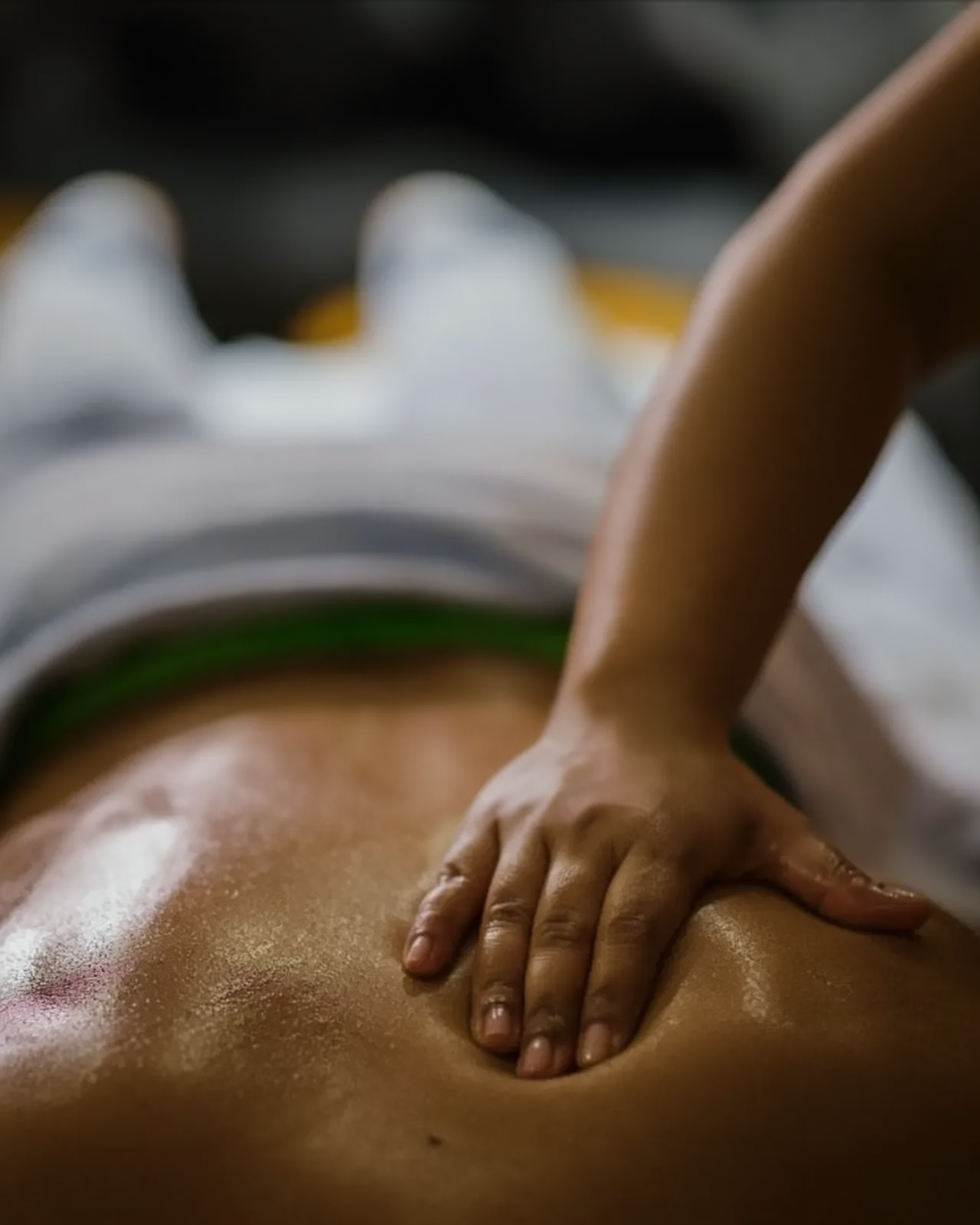
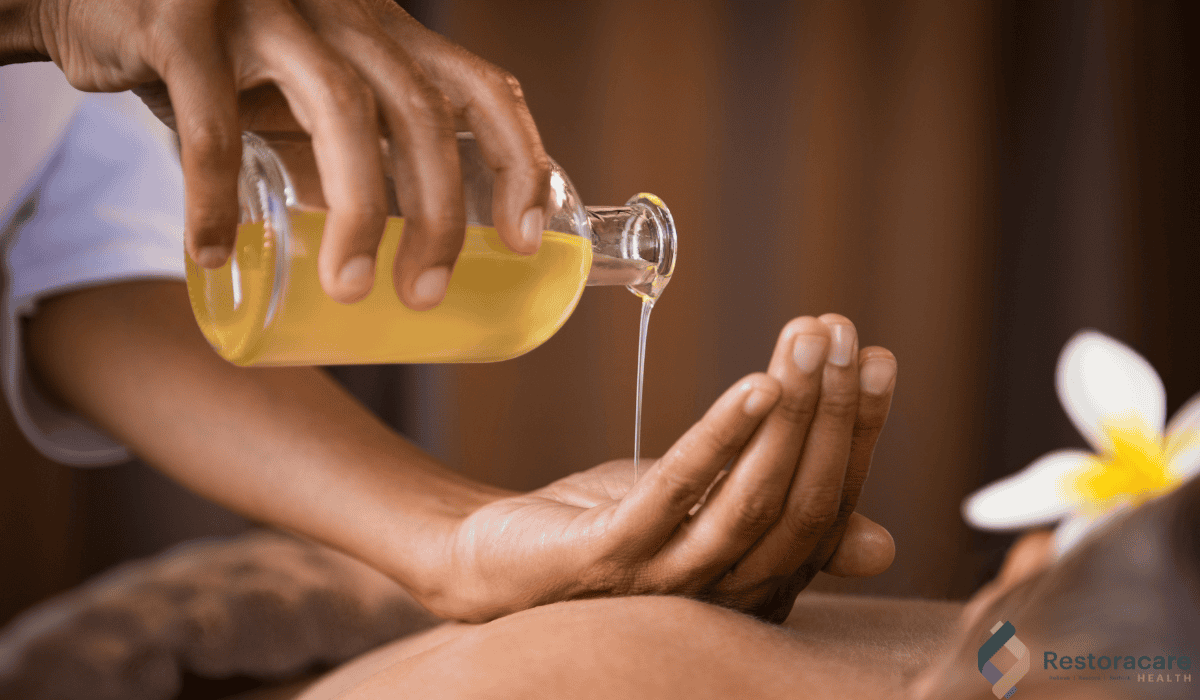
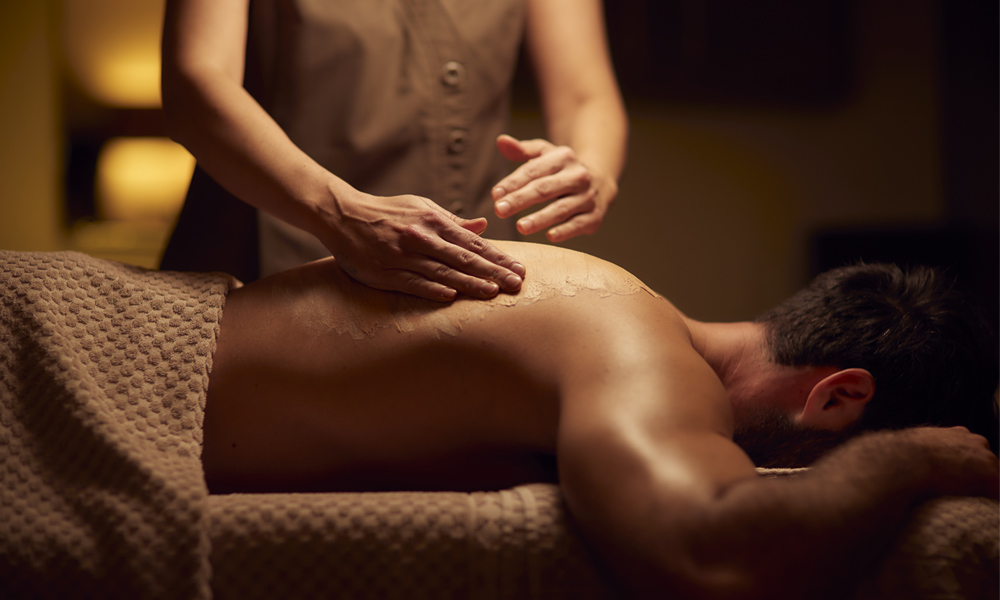
Massage uses controlled pressure, kneading, and stretching techniques to encourage muscles to relax. As muscle tension decreases, many people notice improved comfort and greater ease of movement.
For desk workers who spend much of the day sitting, this can be particularly beneficial for the upper back, shoulders, and neck.
Improves Mobility
When muscles are tight, even simple movements such as bending, twisting, or reaching overhead can become uncomfortable.
By helping muscles relax and improving tissue flexibility, massage may temporarily increase range of motion and make everyday activities feel easier.
This improved mobility is often most noticeable when massage is combined with stretching and regular exercise.
Encourages Relaxation
Pain and stress often reinforce one another. Persistent discomfort can increase stress levels, while stress may cause muscles to tighten even further.
Massage encourages the body's natural relaxation response, helping reduce feelings of tension that may contribute to muscular discomfort.
Many people report feeling both physically and mentally refreshed after a session, even if their pain is not completely eliminated.
Supports Circulation
Massage stimulates blood flow to the treated muscles, helping deliver oxygen and nutrients while supporting the body's natural recovery processes.
Although improved circulation alone does not cure back pain, it may contribute to reduced stiffness and improved comfort following treatment.
Types of Massage That May Help Back Pain
Different massage techniques serve different purposes. The most suitable option depends on the cause of the discomfort, your overall health, and your treatment goals.
Swedish Massage
Swedish massage uses gentle, flowing movements that promote relaxation while easing mild muscular tension. It's often a good starting point for people experiencing stress-related tightness or those new to massage therapy.
Deep Tissue Massage
Deep tissue massage applies slower, firmer pressure to reach deeper layers of muscle. It may be appropriate for chronic muscle tightness or long-standing postural tension.
Because the pressure is more intense, it's important to communicate with the therapist throughout the session to ensure your comfort.
Sports Massage
People who develop back discomfort through physical activity or regular exercise may benefit from sports massage. The treatment focuses on muscles commonly affected by athletic training and supports flexibility and recovery.
Trigger Point Therapy
Some therapists incorporate trigger point techniques into massage sessions. These target specific areas of muscle tightness that may contribute to pain in nearby regions.
Trigger point therapy can be effective for selected muscular problems but should always be performed by someone with appropriate training.
Massage as Part of a Broader Treatment Plan
Massage therapy is often most effective when viewed as one part of a comprehensive approach to managing back pain rather than a standalone solution.
Depending on the underlying cause, healthcare providers may recommend combining massage with physiotherapy, stretching exercises, strength training, posture correction, ergonomic adjustments, and lifestyle changes.
For example, someone experiencing recurring lower back pain from prolonged desk work may benefit from massage alongside regular movement breaks, improved workstation setup, and exercises that strengthen the core muscles.
Addressing the underlying cause helps improve long-term outcomes while reducing the likelihood of recurring discomfort.
What Massage Therapy Cannot Do
Although massage can provide relief for many muscular causes of back pain, it's important to recognise its limitations.
Massage cannot repair herniated discs, correct spinal fractures, reverse arthritis, or treat serious infections affecting the spine. It also cannot replace medical treatment for conditions involving nerve compression or other structural problems.
Be cautious of anyone claiming that massage alone can cure chronic back conditions without proper medical evaluation. Reputable therapists understand when referral to a healthcare provider is appropriate.
When You Should See a Doctor Before Booking a Massage
While mild muscular back pain often improves with conservative care, certain symptoms require prompt medical assessment before considering massage therapy.
Seek medical advice if your back pain follows a serious fall, road traffic accident, or other significant injury.
You should also consult a healthcare professional if you experience pain accompanied by numbness, weakness, difficulty walking, loss of bladder or bowel control, fever, unexplained weight loss, or pain that radiates sharply down one or both legs.
Persistent back pain lasting several weeks without improvement also deserves medical evaluation to identify the underlying cause.
Once serious conditions have been ruled out, your healthcare provider may recommend massage therapy as part of your overall management plan.
What to Expect During a Massage for Back Pain
A professional massage session begins with a discussion about your symptoms, medical history, recent injuries, and treatment goals.
The therapist may ask where the pain is located, when it began, what movements worsen it, and whether you've already received medical assessment.
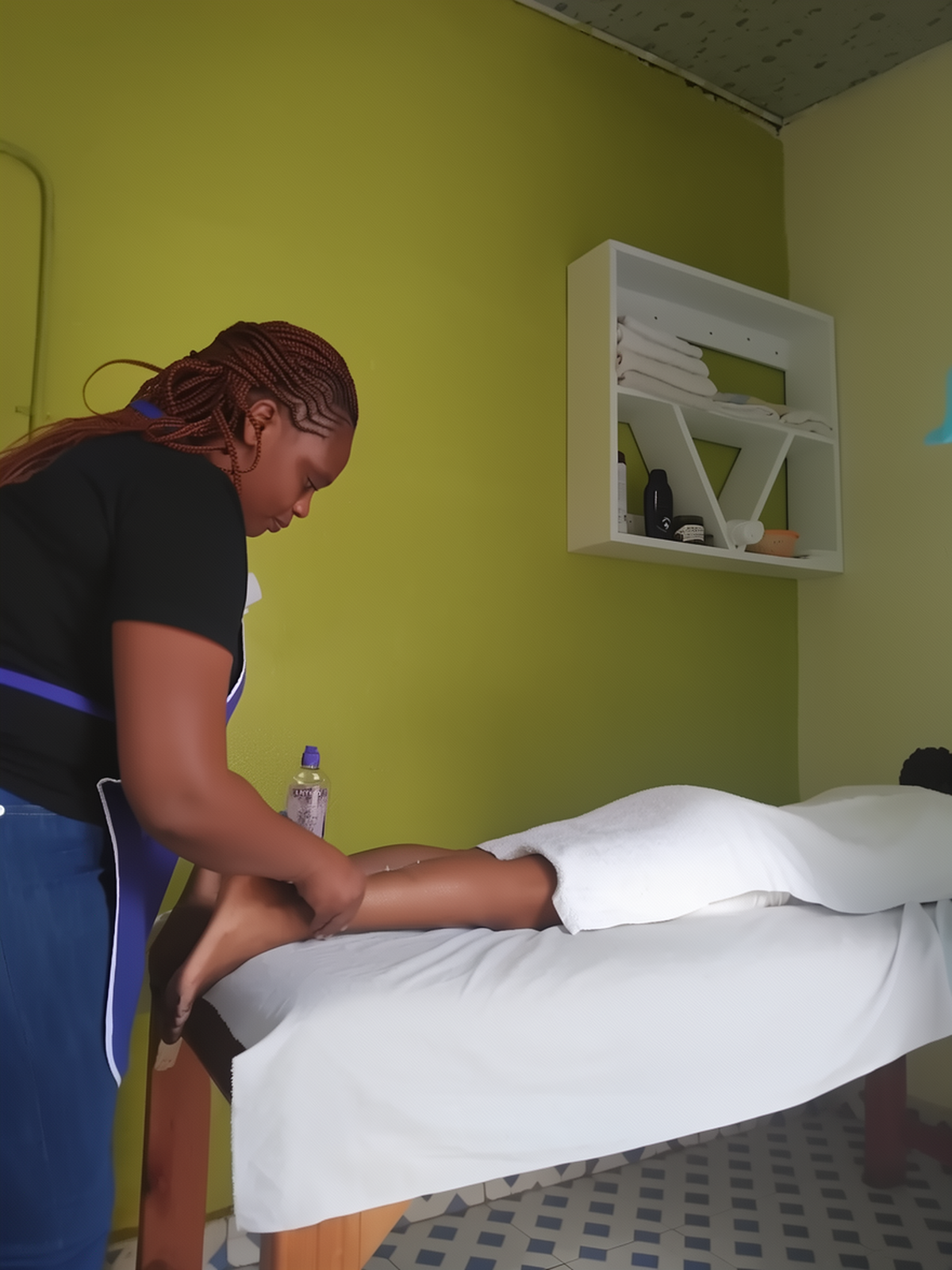
During the massage, pressure is adjusted according to your comfort and the nature of your symptoms. Areas of muscular tension receive focused attention, while techniques are modified if certain movements increase discomfort.
Communication throughout the session is important. Massage should never involve severe pain, and you should always tell your therapist if anything feels uncomfortable.
After the appointment, you may be encouraged to stay hydrated, perform gentle stretches, or follow any exercises recommended by your healthcare provider or physiotherapist.
Choosing a Qualified Massage Therapist in Kenya
Back pain deserves careful assessment, which makes choosing the right therapist particularly important. Look for practitioners with recognised massage training who understand musculoskeletal conditions and know when referral to a doctor or physiotherapist is necessary.
Professional therapists should take a full health history before treatment, ask detailed questions about your symptoms, and explain whether massage is likely to be appropriate for your situation. Clean facilities, good communication, and a willingness to adapt treatment to your comfort level are also signs of quality care.
If you're looking for experienced massage therapists, physiotherapists, or rehabilitation professionals in Kenya, The Real Plug makes it easier to find vetted service providers across different regions. Choosing a trusted professional helps ensure your treatment is guided by appropriate knowledge, safety, and ethical practice.
Can Massage Therapy Help Back Pain?
For many people, the answer is yes—but with an important qualification. Massage therapy is most effective for back pain related to muscle tension, stress, overuse, or poor posture. By encouraging muscle relaxation, improving flexibility, supporting circulation, and promoting overall wellbeing, it can become a valuable part of a broader recovery plan.
However, massage is not a cure for every type of back pain. Structural conditions, nerve compression, infections, fractures, and other medical problems require proper diagnosis and treatment from qualified healthcare professionals. Ignoring persistent or severe symptoms in favour of massage alone may delay necessary care.
When used appropriately and delivered by a trained therapist, massage therapy can complement medical treatment rather than replace it. Combined with regular movement, good posture, strengthening exercises, and professional healthcare advice where needed, it offers many people a practical way to manage everyday back discomfort and improve their quality of life.