

Pregnancy brings remarkable changes to the body, but it also comes with its share of physical and emotional challenges. As a baby grows, it's common for expectant mothers to experience back pain, swollen feet, tired muscles, disrupted sleep, and increased stress. While many of these changes are a normal part of pregnancy, they can make everyday activities feel more demanding than usual.
This is where pregnancy massage, also known as prenatal massage, can play a supportive role. Designed specifically for pregnant women, prenatal massage uses gentle techniques that prioritise both the mother's comfort and the baby's safety. Unlike a regular massage, every aspect of the treatment—from positioning to pressure—is adapted to accommodate the changes taking place during pregnancy.
Across Kenya, more wellness centres, physiotherapy clinics, and spas are offering prenatal massage services as awareness of maternal wellbeing continues to grow. However, not every massage therapist is trained to work with pregnant clients, and not every stage of pregnancy is suitable for massage without careful consideration.
If you're expecting a baby or helping someone who is, understanding the benefits, safety guidelines, and situations where medical advice is essential can help you make informed decisions about prenatal massage.
What Is Pregnancy Massage?
Pregnancy massage is a therapeutic massage specifically adapted for women during pregnancy. It focuses on relieving common discomforts associated with pregnancy while ensuring that both mother and baby remain safe throughout the treatment.
Unlike standard massage sessions, prenatal massage avoids certain techniques, positions, and pressure points that may not be appropriate during pregnancy. Therapists trained in prenatal care understand how pregnancy affects posture, circulation, ligaments, and muscles, allowing them to modify the massage accordingly.
The overall goal is to promote relaxation, reduce muscular discomfort, improve comfort during pregnancy, and support general wellbeing. While many women find prenatal massage beneficial, it should always complement—not replace—regular antenatal care provided by qualified healthcare professionals.
How Pregnancy Massage Differs from a Regular Massage
Although many massage techniques remain gentle and relaxing, prenatal massage is quite different from a conventional full-body massage.
One of the most noticeable differences is positioning. Pregnant women are generally not asked to lie flat on their stomachs, especially after the first trimester. Instead, therapists often position clients on their side using supportive pillows or specially designed pregnancy cushions. This helps avoid unnecessary pressure on the abdomen while allowing the mother to remain comfortable throughout the session.
The pressure used during prenatal massage is also typically lighter than that used during deep tissue treatments. Pregnancy causes hormonal changes that make ligaments more flexible, so overly aggressive techniques may cause unnecessary discomfort.
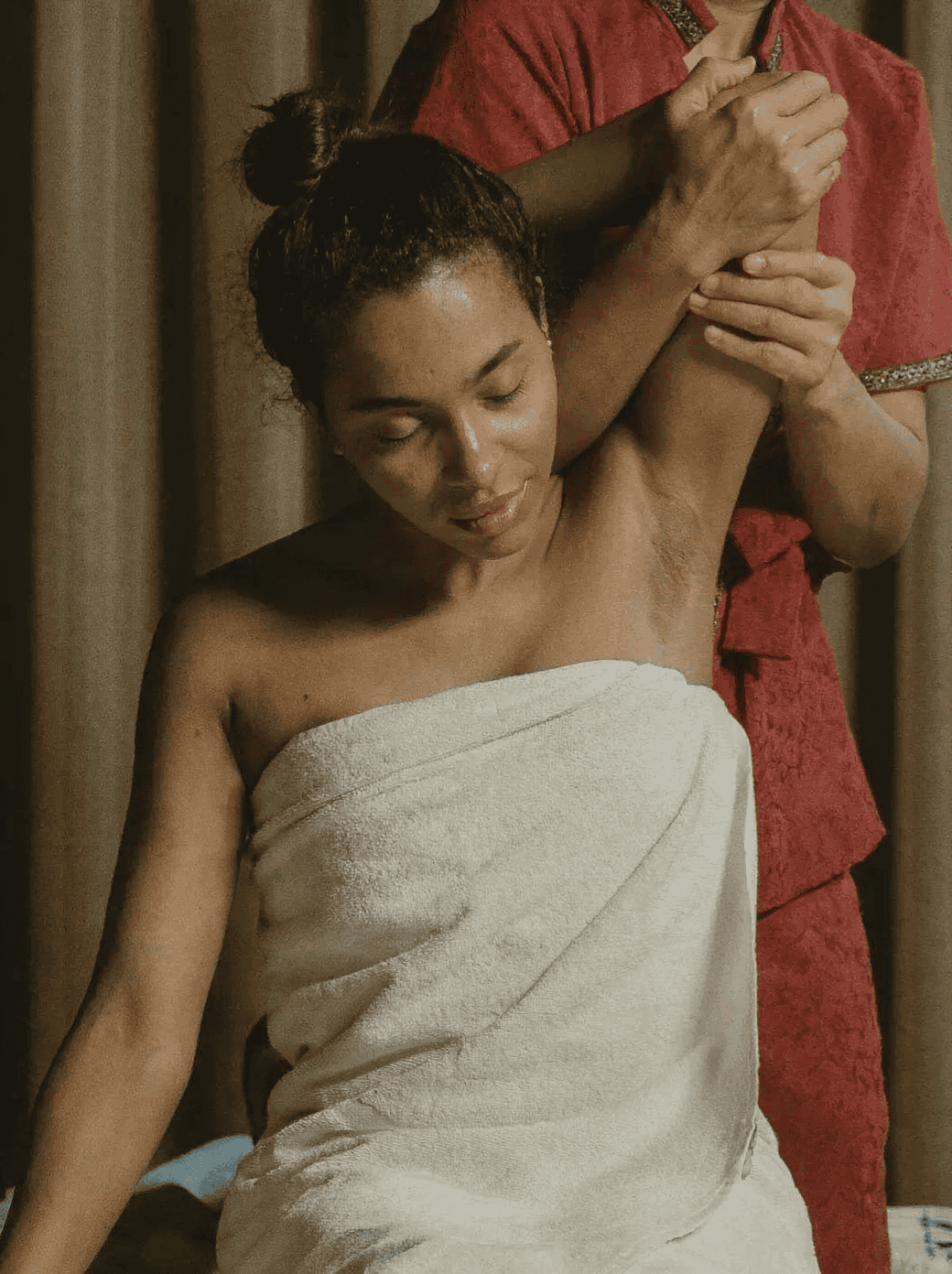
Therapists also pay close attention to areas that commonly become strained during pregnancy, including the lower back, hips, shoulders, neck, and legs.
Benefits of Pregnancy Massage
Many expectant mothers choose prenatal massage because it helps ease some of the physical and emotional demands of pregnancy. While every pregnancy is different, several potential benefits are commonly reported.
Helps Relieve Back and Hip Pain
As pregnancy progresses, the body's centre of gravity shifts forward, placing additional strain on the lower back, hips, and pelvis. Combined with hormonal changes that loosen ligaments, this often leads to discomfort that can affect everyday movement.
Gentle massage techniques may help relax tight muscles surrounding these areas, making it easier for some women to move more comfortably.
Reduces Muscle Tension
Pregnancy places extra demands on muscles throughout the body. Carrying additional weight and adjusting to changing posture can create tightness in the shoulders, neck, legs, and lower back.
Prenatal massage focuses on easing this muscular tension without using excessive pressure, helping many women feel more physically comfortable.
Encourages Relaxation
Pregnancy is an exciting time, but it can also bring emotional ups and downs. Preparing for childbirth, balancing work and family responsibilities, and adjusting to physical changes may contribute to increased stress.
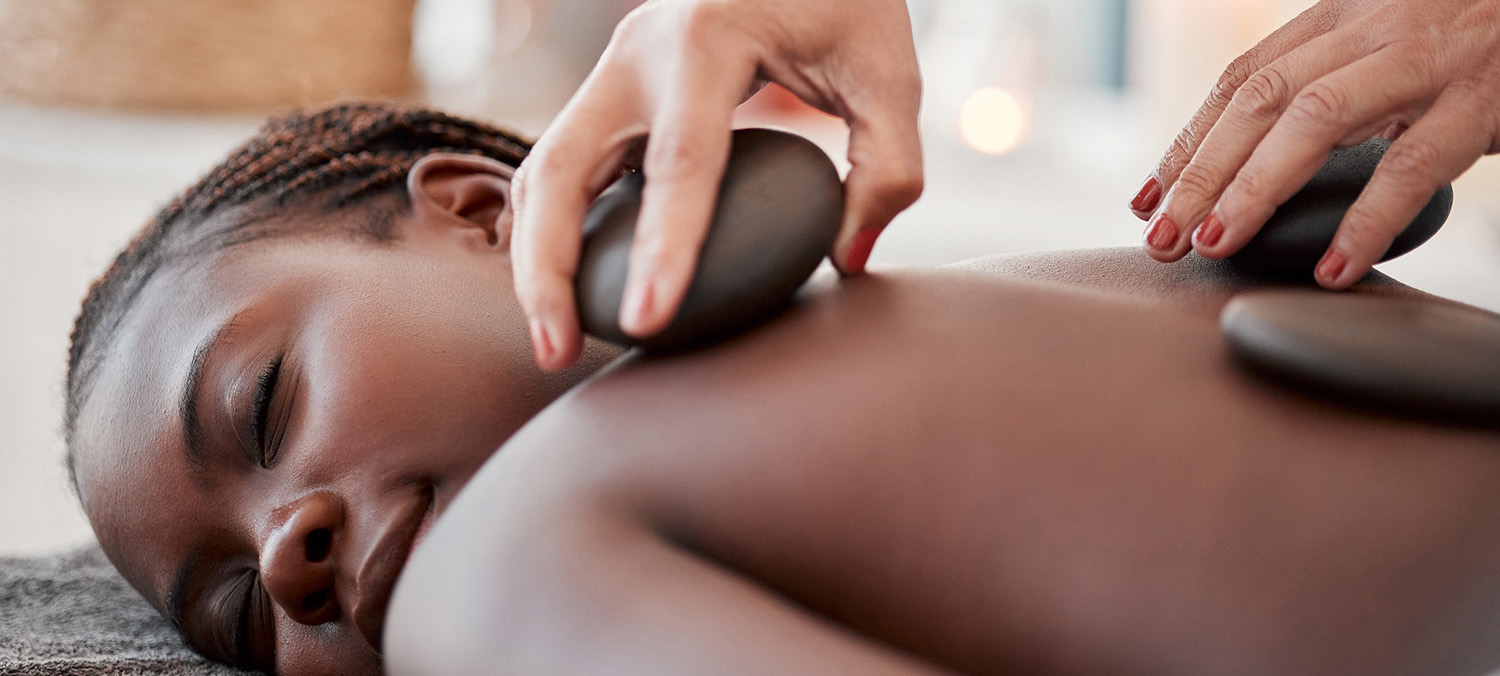
A calm massage environment, combined with gentle therapeutic touch, often helps promote relaxation and provides valuable time to slow down and focus on personal wellbeing.
May Improve Sleep Quality
As pregnancy advances, finding a comfortable sleeping position can become increasingly difficult. Muscle discomfort and stress may also contribute to restless nights.
Many women report feeling more relaxed after a prenatal massage, which may make it easier to rest and enjoy better-quality sleep, particularly when massage is incorporated into a broader self-care routine.
Helps Ease Leg and Foot Discomfort
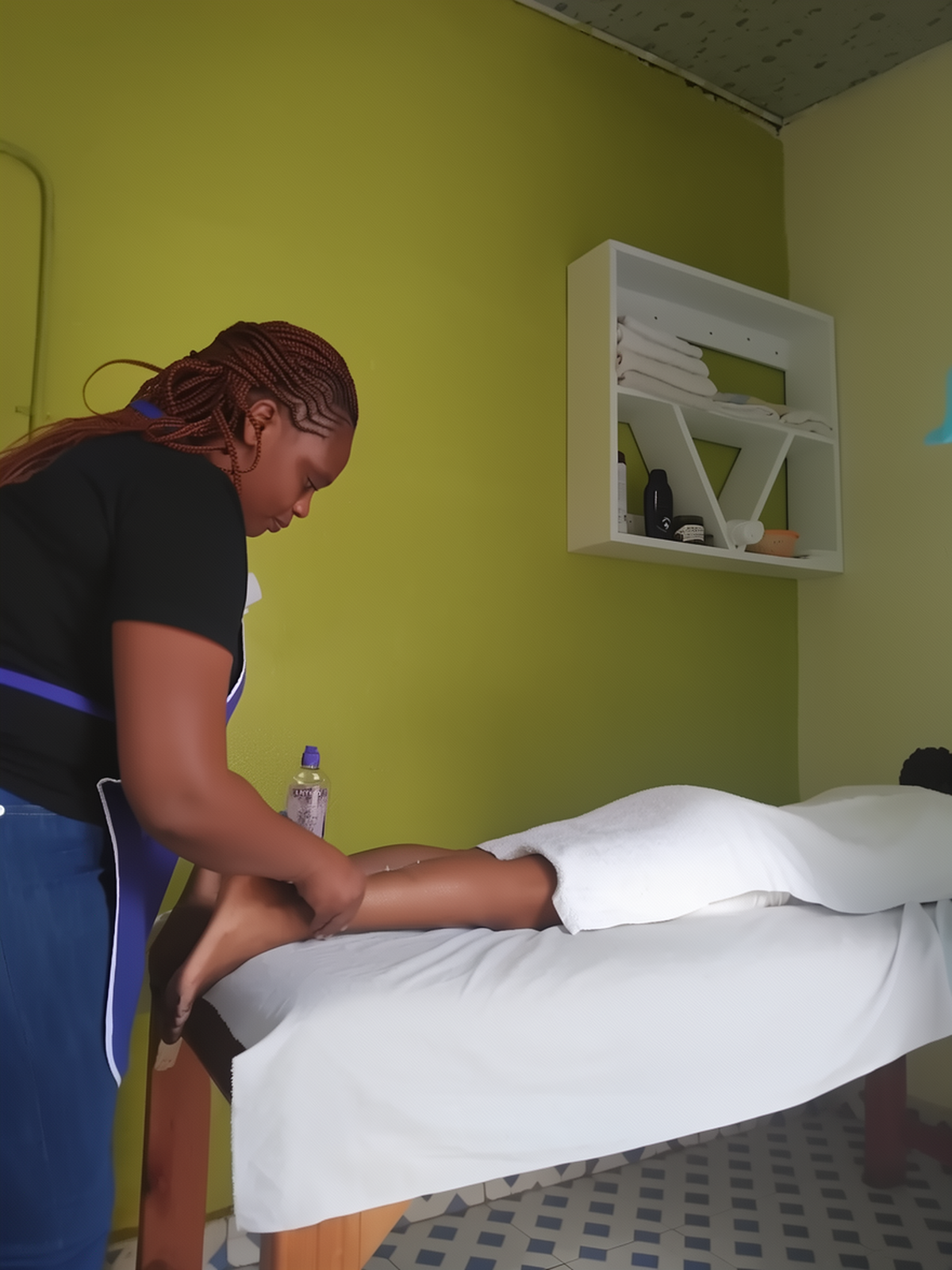
Swollen feet and tired legs are common, especially during the later stages of pregnancy. Gentle massage may provide temporary relief by encouraging comfort and relaxation in these frequently affected areas.
However, therapists avoid deep pressure on the legs because pregnancy increases the risk of blood clots. Any unusual swelling, redness, or pain in one leg should always be assessed by a healthcare professional before massage.
When Is Pregnancy Massage Considered Safe?
For many healthy pregnancies, prenatal massage is considered safe after the first trimester, provided it is performed by a therapist with appropriate training.
Many healthcare providers recommend waiting until the second trimester before receiving massage because the first 12 weeks involve significant fetal development and carry a naturally higher risk of miscarriage. While there is no strong evidence linking massage to miscarriage, some therapists choose not to provide prenatal massage during the first trimester out of caution.
During the second and third trimesters, massage can often be safely performed when there are no pregnancy complications and the client's healthcare provider has not advised against it.
Every pregnancy is unique, so discussing massage with your doctor or midwife before booking an appointment is always a sensible step.
Suitable Stages of Pregnancy
Second Trimester
The second trimester is generally regarded as the most comfortable period for prenatal massage. Morning sickness often improves, energy levels may increase, and the growing abdomen is still manageable for many women.
Massage during this stage often focuses on easing back discomfort, improving relaxation, and helping the body adapt to changing posture.
Third Trimester
Massage remains suitable for many women during the third trimester, although additional care is taken to ensure comfort. Extra pillows and careful positioning become increasingly important as the pregnancy progresses.
Therapists may focus on relieving hip discomfort, lower back tension, swollen feet, and muscular fatigue associated with carrying additional weight.
Sessions may also be slightly shorter if remaining in one position becomes uncomfortable.
Safety Guidelines During Pregnancy Massage
Safety is always the highest priority during prenatal massage. Qualified therapists follow several important guidelines to minimise risks while ensuring the mother's comfort.
Pregnant clients are usually positioned on their side rather than lying flat on their back for extended periods. This helps avoid compression of major blood vessels that can reduce blood flow and cause dizziness, particularly later in pregnancy.
Deep tissue techniques around the legs are generally avoided because pregnancy naturally increases the risk of blood clots. Gentle techniques are considered more appropriate for supporting comfort without placing unnecessary pressure on sensitive areas.
The abdomen is not deeply massaged during prenatal treatments. Instead, the therapist focuses on muscles that commonly become tense as the body changes throughout pregnancy.
Open communication is equally important. If the mother feels uncomfortable, dizzy, short of breath, or experiences any unusual symptoms during the session, the massage should stop immediately.
Situations That Require Medical Advice Before Massage
Although prenatal massage is safe for many healthy pregnancies, certain situations require medical clearance before treatment.
Women experiencing high-risk pregnancies should always consult their obstetrician or healthcare provider before booking a massage. This includes pregnancies complicated by conditions such as preeclampsia, gestational hypertension, severe swelling, vaginal bleeding, or a history of preterm labour.
Medical advice is also important if there are multiple pregnancies, such as twins or triplets, or if the mother has diabetes, significant cardiovascular disease, or other serious medical conditions.
Massage should be postponed if there is fever, an active infection, unexplained abdominal pain, or sudden swelling accompanied by headaches or vision changes. These symptoms require prompt medical evaluation rather than wellness treatment.
If there is ever uncertainty about whether massage is appropriate, it's always safer to consult a healthcare provider first.
What to Expect During a Prenatal Massage
A prenatal massage begins with a thorough consultation. The therapist asks about your pregnancy stage, overall health, medical history, any complications, and areas where you're experiencing discomfort.
Once the consultation is complete, you'll be positioned comfortably on the massage table using pillows or specialised pregnancy supports. Side-lying is the most common position during the second and third trimesters, helping reduce pressure on the abdomen while allowing easy access to the back, shoulders, hips, and legs.
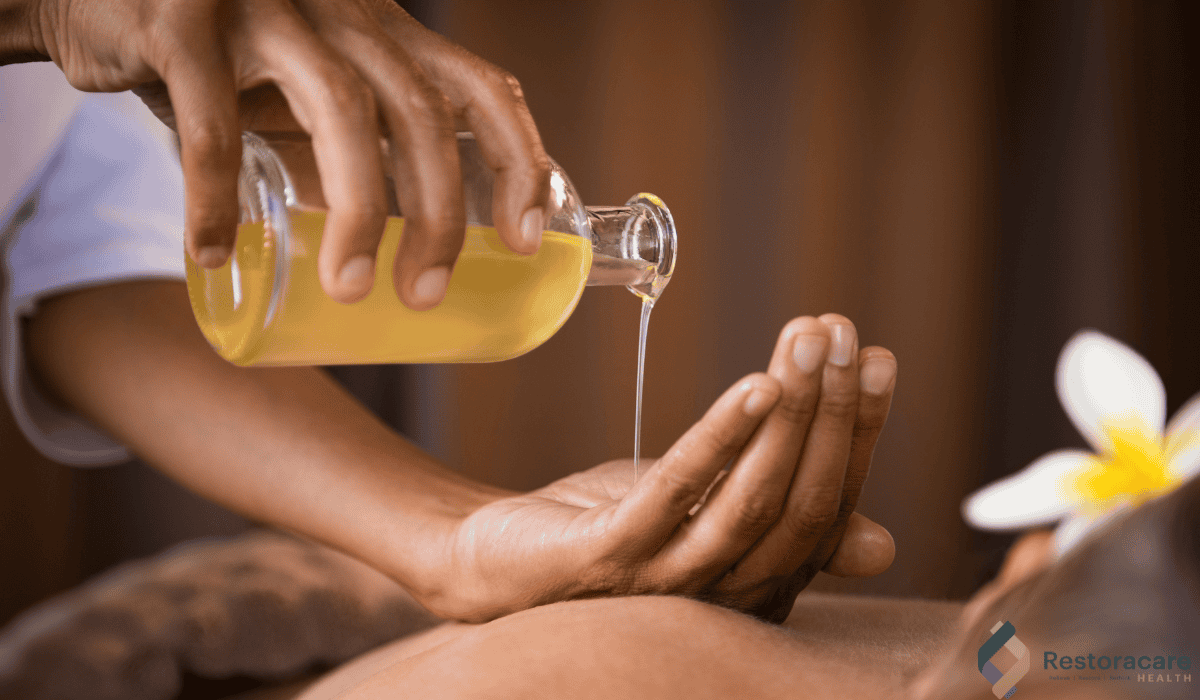
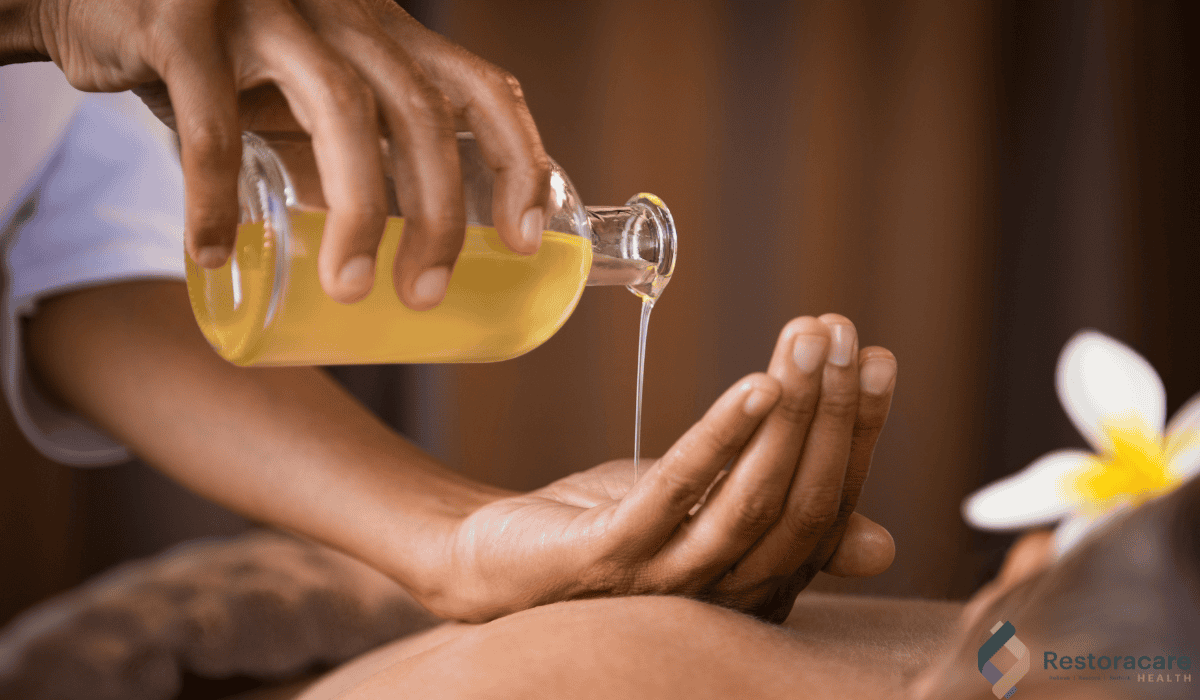
Massage oils or lotions suitable for sensitive skin are typically used to allow smooth, gentle movements. The therapist checks in regularly to ensure you're comfortable and adjusts positioning whenever necessary.
Sessions generally last between 45 and 60 minutes, although shorter appointments may be recommended depending on individual comfort and pregnancy stage.
Choosing a Qualified Prenatal Massage Therapist in Kenya
Not every massage therapist has the training required to provide safe prenatal massage. When choosing a provider, it's important to confirm that they have specific experience working with pregnant clients and understand the modifications needed at different stages of pregnancy.
A qualified prenatal therapist should ask detailed questions about your pregnancy before treatment, explain the positioning they will use, and encourage open communication throughout the session. Clean facilities, professional hygiene practices, and a calm environment are equally important.
If you're looking for experienced prenatal massage therapists, physiotherapists, or wellness professionals in Kenya, The Real Plug provides a convenient way to discover vetted service providers across different regions. Choosing a verified professional helps ensure that your care is guided by appropriate training, experience, and professional standards.
Is Pregnancy Massage Worth Considering?
Pregnancy massage can be a valuable addition to a healthy prenatal care routine for many women. By focusing on relaxation, muscle comfort, improved posture, and overall wellbeing, it offers support during a time when the body is constantly adapting to change.
At the same time, it's important to recognise that prenatal massage is not a substitute for medical care. It should always be viewed as a complementary therapy, with healthcare providers remaining the primary source of guidance throughout pregnancy. Women experiencing complications or unusual symptoms should seek medical advice before scheduling any massage treatment.
When performed by a qualified prenatal massage therapist and with appropriate medical clearance where necessary, pregnancy massage offers a gentle, safe, and comforting way to ease some of the physical demands of pregnancy. For many expectant mothers, it becomes a welcome opportunity to relax, reconnect with their changing bodies, and enjoy a moment of calm before welcoming a new baby.