

A full body massage is one of the most popular wellness treatments available today, and for good reason. Whether you've been sitting at a desk for hours, spending long days on your feet, recovering after exercise, or simply feeling the effects of a busy lifestyle, a professional massage offers an opportunity to slow down and give your body some well-deserved attention.
Despite its popularity, many first-time clients aren't entirely sure what "full body massage" actually means. Does it involve every part of the body? How long does it take? What should you wear? Will the therapist respect your privacy? These are all common questions, especially for people booking their first massage.
Across Kenya, wellness centres, spas, physiotherapy clinics, and massage studios offer a variety of full body massage treatments tailored to different needs. While individual techniques may vary depending on the therapist and the type of massage selected, the overall goal remains the same: promoting relaxation, easing muscle tension, improving circulation, and supporting overall wellbeing.
This guide explains exactly what a full body massage includes, the areas typically treated, expected session lengths, privacy considerations, and what you can expect before, during, and after your appointment.
What Is a Full Body Massage?
A full body massage is a professional treatment that works on most of the body's major muscle groups during a single session. Rather than focusing on one specific area, such as the neck or lower back, the therapist uses massage techniques across multiple regions of the body to encourage relaxation, relieve muscle tension, and improve overall comfort.
The exact approach depends on the type of massage you've chosen. A Swedish massage, for example, typically uses long, flowing strokes and gentle kneading to promote relaxation, while a deep tissue massage applies slower, firmer pressure to target deeper layers of muscle and connective tissue.
Although it's called a "full body" massage, it doesn't necessarily mean every single area is treated. Professional therapists always tailor the session to the client's comfort level, health history, and preferences. If there are areas you'd rather not have massaged, you can discuss this before the session begins.
Areas Typically Included in a Full Body Massage
One of the defining features of a full body massage is its comprehensive approach. Rather than concentrating on a single source of discomfort, the therapist works through several major muscle groups to create a balanced treatment.
Back and Shoulders
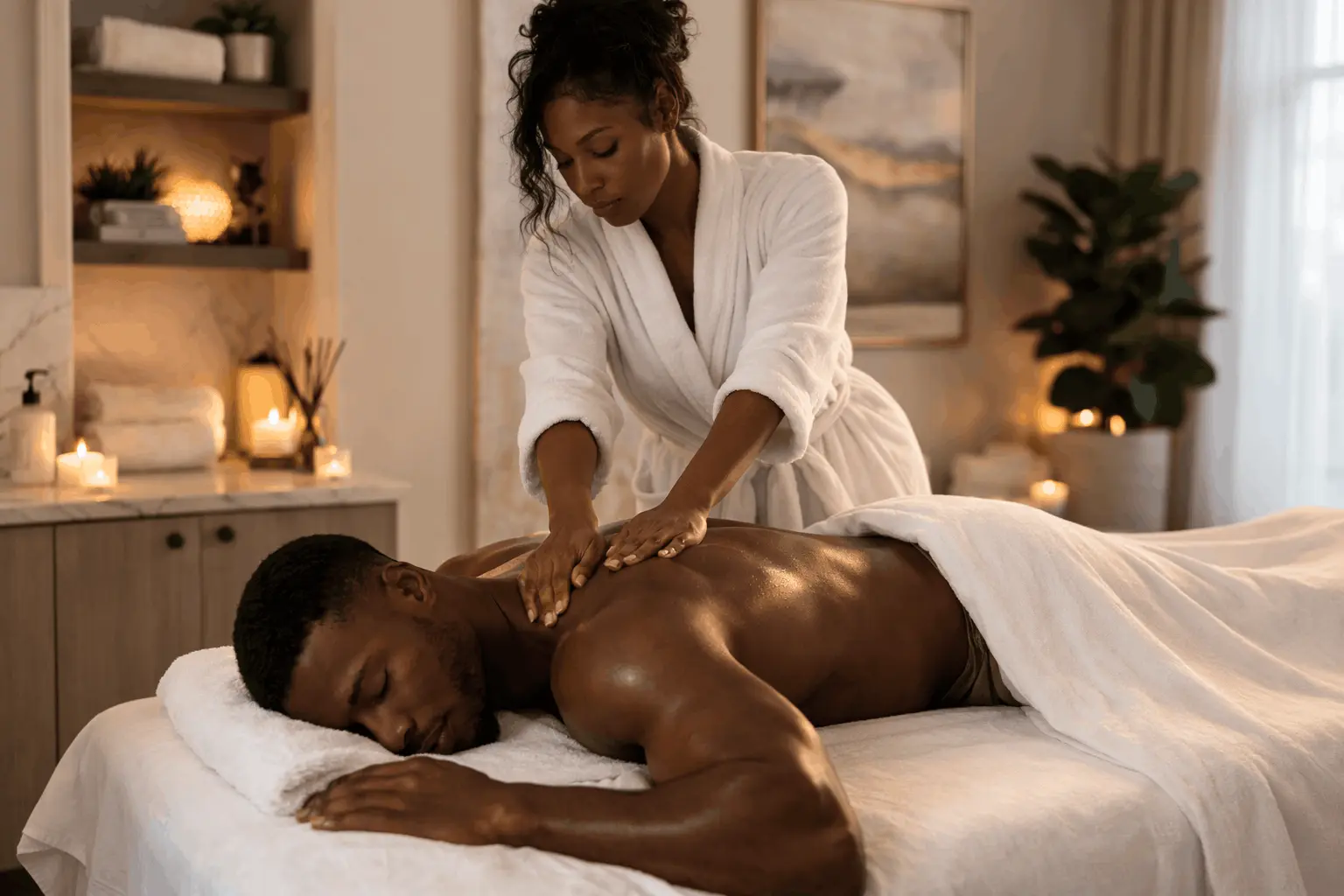
The back is often where people carry the most physical tension. Long hours at a computer, heavy lifting, driving, or even everyday stress can lead to tight muscles around the shoulders and upper back.
During the massage, the therapist uses a combination of strokes, kneading, and gentle pressure to help loosen these muscles. If you've requested a deeper treatment, additional techniques may be used to address persistent knots or areas of tightness.
Neck
Neck discomfort is increasingly common, especially among people who spend long periods looking at phones or computer screens. Gentle massage techniques can help ease muscle tension around the neck while improving flexibility and encouraging relaxation.
The therapist will usually ask about any previous neck injuries before working on this area, ensuring the treatment remains appropriate for your individual needs.
Arms and Hands
Although they are often overlooked, the arms and hands perform repetitive tasks throughout the day. Typing, lifting, driving, cooking, and manual work all place strain on these muscles.
Massage of the forearms, wrists, palms, and fingers may help relieve tension while providing a surprisingly relaxing experience, particularly for people whose work relies heavily on hand movements.
Legs
The thighs, calves, and lower legs contain some of the body's largest muscle groups. Whether you've been exercising, standing for long periods, or travelling, these muscles can become tight and fatigued.
Massage techniques applied to the legs encourage relaxation and may temporarily improve circulation while helping reduce feelings of muscle stiffness.
Feet
Many clients consider the foot massage one of the most enjoyable parts of the session. Since the feet support the body's weight every day, they often accumulate tension without us realising it.
Massage of the feet can feel especially beneficial after long periods of walking, standing, or wearing restrictive footwear.
Head and Scalp (Optional)
Some full body massages include a gentle scalp massage towards the end of the treatment. This can be deeply relaxing and may help reduce feelings of tension around the forehead, temples, and scalp.
Not every massage includes this step, so it's perfectly acceptable to ask beforehand if it's something you'd enjoy.
Face (Optional)
Certain spa treatments incorporate a light facial massage, particularly those designed for relaxation or wellness rather than sports recovery. As with scalp massage, this is optional and depends on both the treatment type and your personal preference.
Areas That Are Not Typically Included
Professional massage therapists maintain clear boundaries regarding sensitive areas of the body. Intimate areas are never massaged during a legitimate professional treatment.
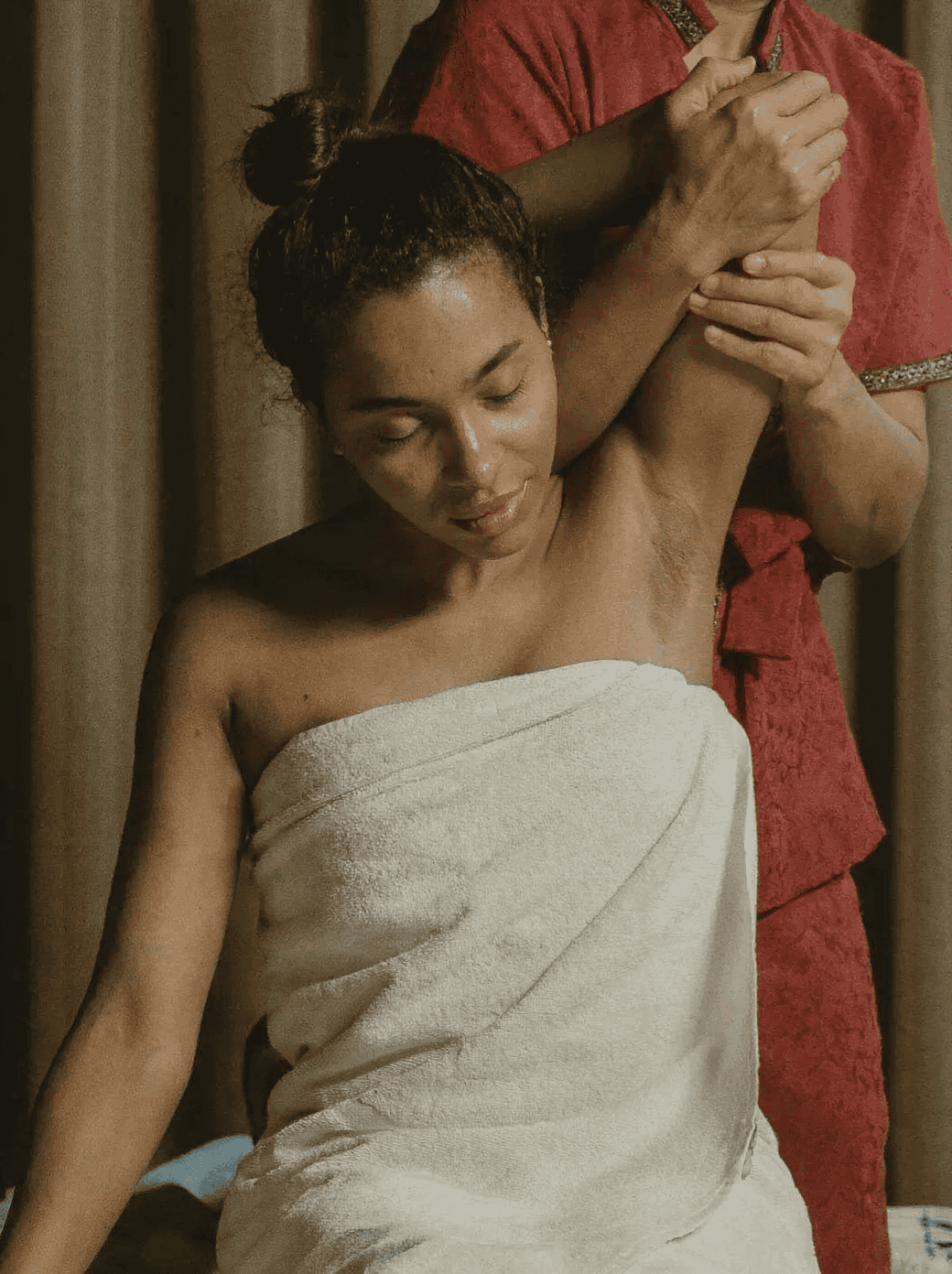
Clients remain appropriately draped throughout the session using clean towels or sheets, with only the area currently being worked on exposed. This approach protects privacy while allowing the therapist to perform the massage effectively.
If you're ever uncertain about what will be included, don't hesitate to ask before the treatment begins. Professional therapists welcome these conversations and will explain the process clearly.
How Long Does a Full Body Massage Take?
The length of a full body massage depends on the provider and the type of treatment selected. The most common session durations include:
- 60 minutes, which allows the therapist enough time to work through the major muscle groups.
- 90 minutes, offering additional attention to areas of tension while maintaining a slower, more relaxed pace.
- 120 minutes, often chosen by clients seeking a more comprehensive or luxurious experience.
Shorter sessions of 30 or 45 minutes usually focus on specific problem areas rather than providing a complete full body treatment.
If it's your first massage, a 60-minute session often provides a comfortable introduction without feeling rushed.
Benefits of a Full Body Massage
People book full body massages for many different reasons, but several potential benefits are commonly reported.
Promotes Relaxation
Perhaps the most obvious benefit is relaxation. Gentle massage techniques, combined with a quiet environment, soft music, and comfortable surroundings, encourage both the mind and body to slow down.
Many clients leave feeling calmer than when they arrived, making massage a popular option for managing the pressures of modern life.
Helps Reduce Muscle Tension
Muscle tightness develops for many reasons, including prolonged sitting, repetitive movements, physical work, and exercise. Massage helps loosen these areas through controlled pressure and movement.
Although one session may provide temporary relief, people experiencing ongoing muscle discomfort often incorporate regular massage into their wellness routines.
Supports Healthy Circulation
Massage encourages blood flow to the muscles being treated. Healthy circulation supports the transport of oxygen and nutrients throughout the body while assisting normal recovery processes.
While massage should not be viewed as a treatment for circulatory disorders, many clients report feeling refreshed and energised after a session.
Encourages Better Sleep
Relaxation and improved physical comfort often make it easier for some people to unwind at bedtime. Evening massage appointments are particularly popular among individuals who struggle to relax after demanding workdays.
Although results vary, many clients notice improved sleep quality following a massage.
Provides Time for Self-Care
In a world where schedules are often packed with responsibilities, setting aside an hour for a full body massage offers an opportunity to focus entirely on personal wellbeing.
For many people, this dedicated time away from work, technology, and daily demands is just as valuable as the physical treatment itself.
Privacy and Professionalism During a Massage
One of the biggest concerns among first-time clients relates to privacy. Reputable massage therapists understand that maintaining client dignity and comfort is essential.
Before the massage begins, you'll be given privacy to undress to your comfort level and lie on the massage table beneath a clean sheet or towel. The therapist leaves the room while you prepare and only returns once you're ready.
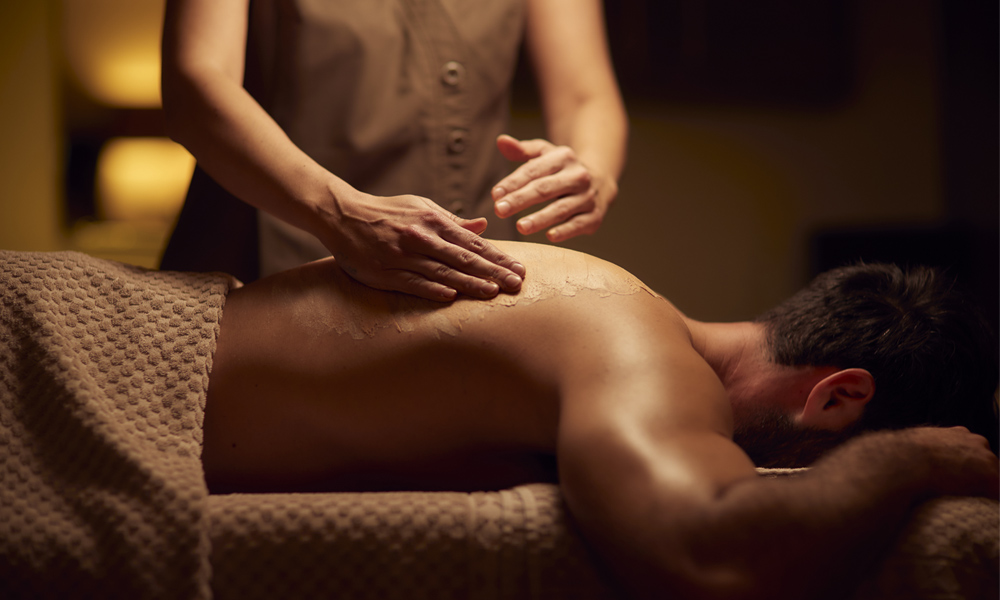
Throughout the treatment, careful draping techniques ensure that only the body part currently being massaged is uncovered. The rest of your body remains covered at all times.
If there are areas you'd prefer not to have treated, simply let your therapist know before the session begins. Professional therapists respect personal boundaries and will adjust the treatment accordingly without judgement.
What to Expect Before Your Appointment
Most appointments begin with a short consultation. The therapist will ask about your general health, medical conditions, allergies, injuries, medications, pregnancy, or any recent surgeries. This information helps determine whether massage is appropriate and whether certain techniques should be modified.
It's generally recommended to arrive a few minutes early so you don't feel rushed. Wearing comfortable clothing also makes changing easier before and after the session.
Avoid eating a heavy meal immediately beforehand, and remember to communicate any specific goals you have for the massage, such as relieving neck tension or focusing on relaxation.
What Happens During the Massage?
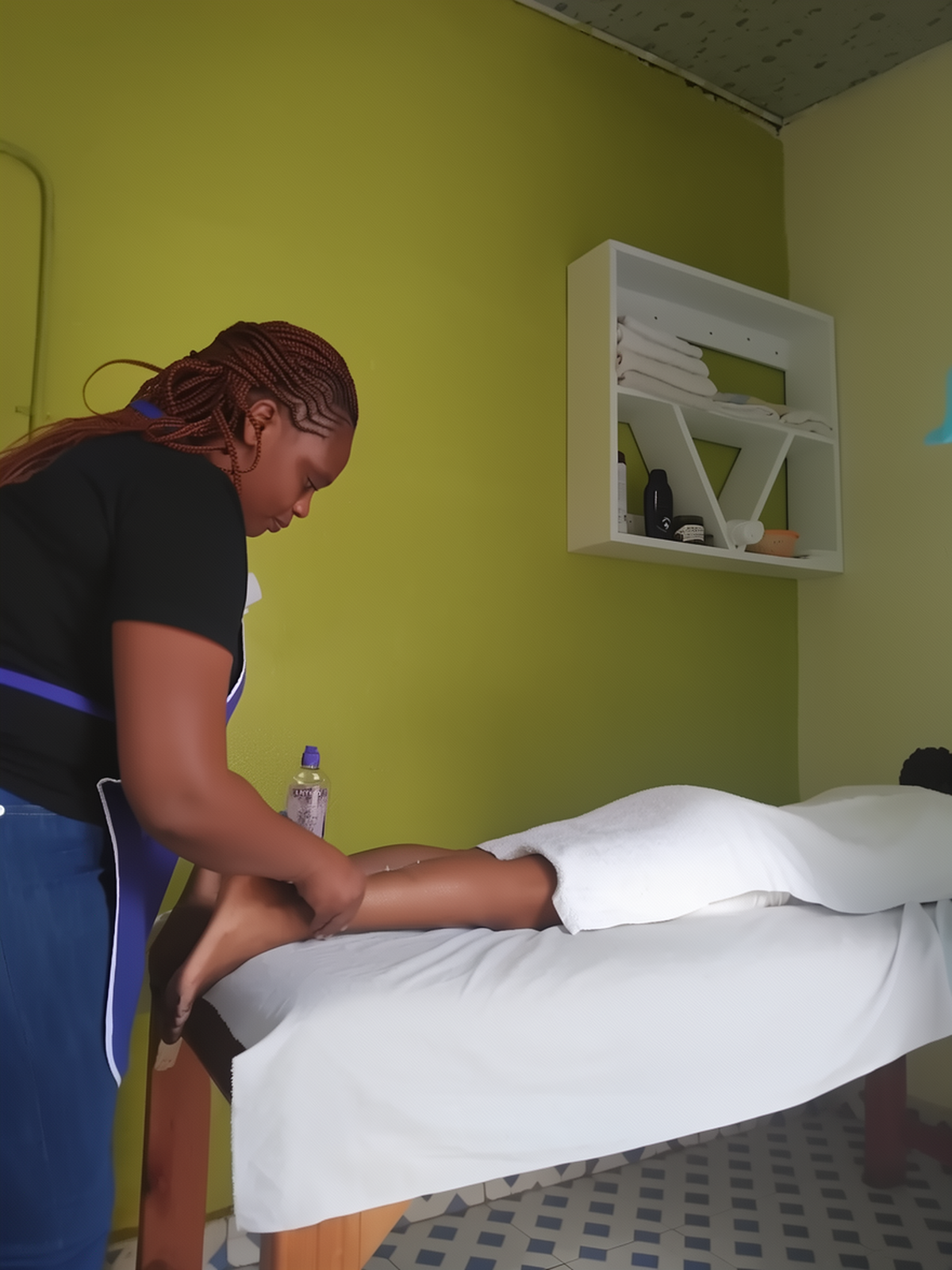
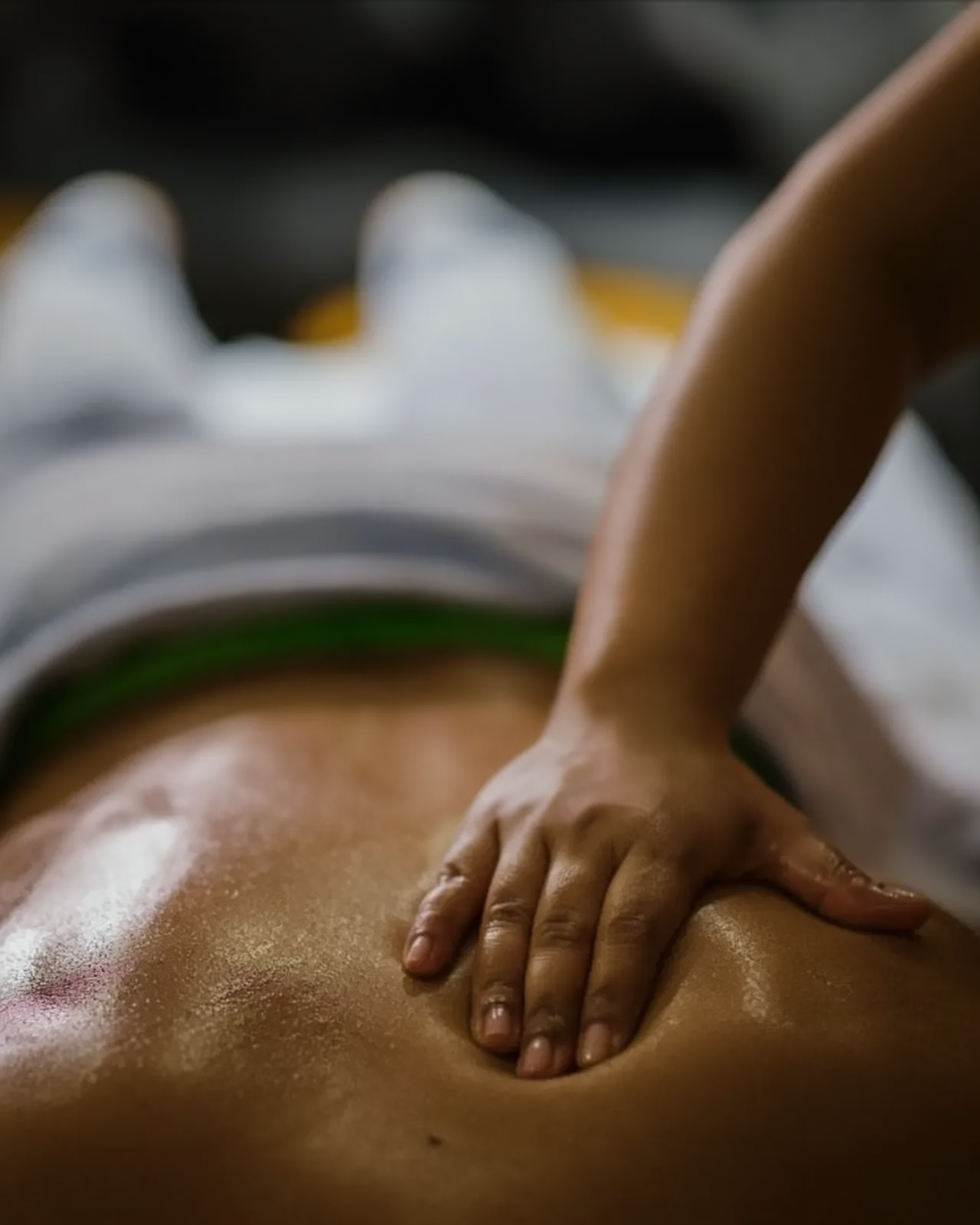
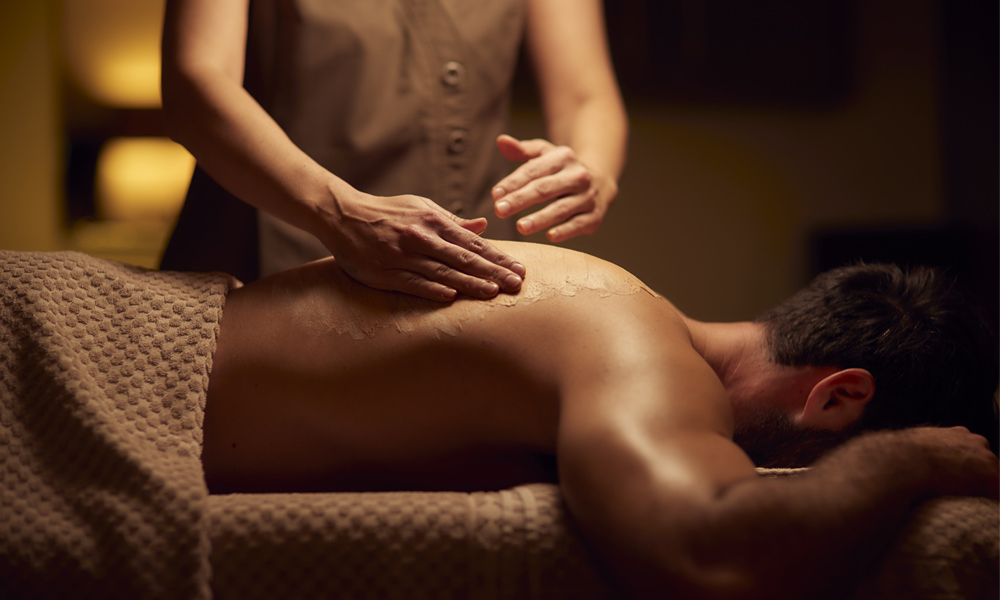
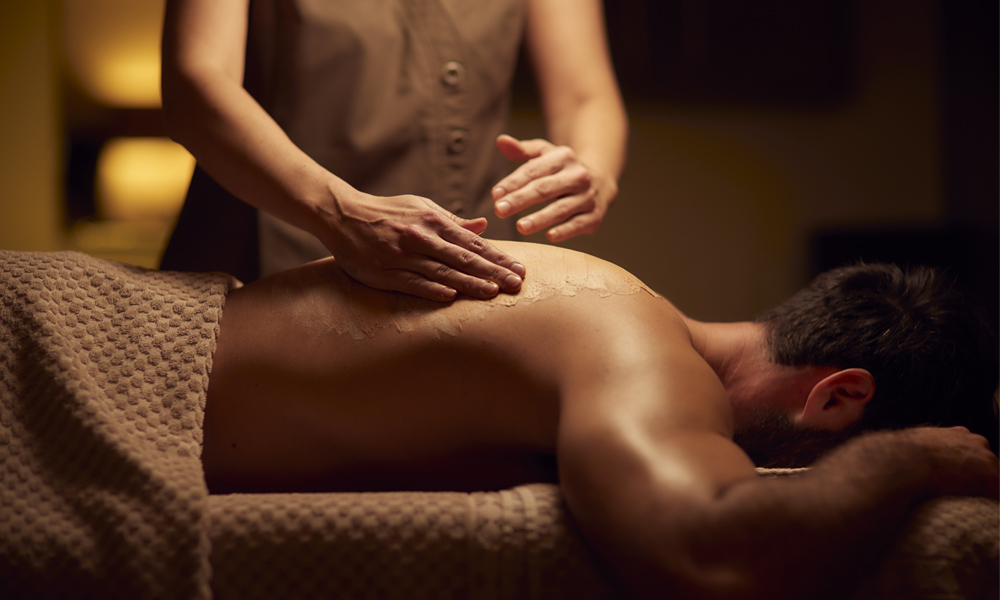
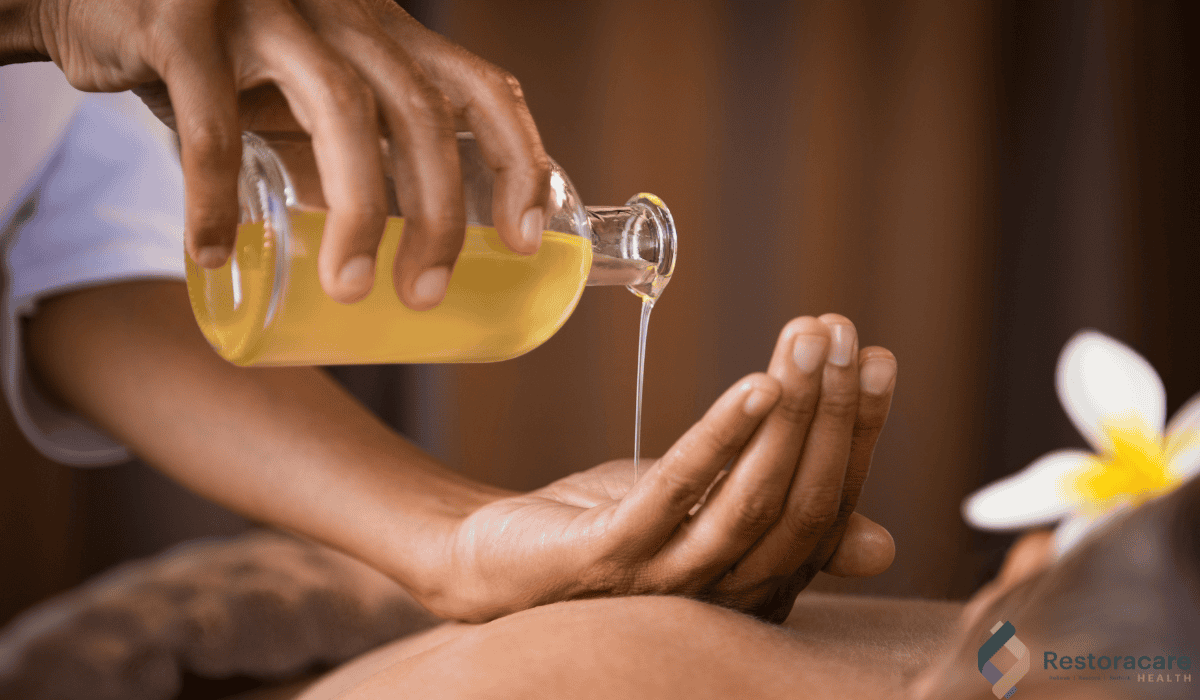
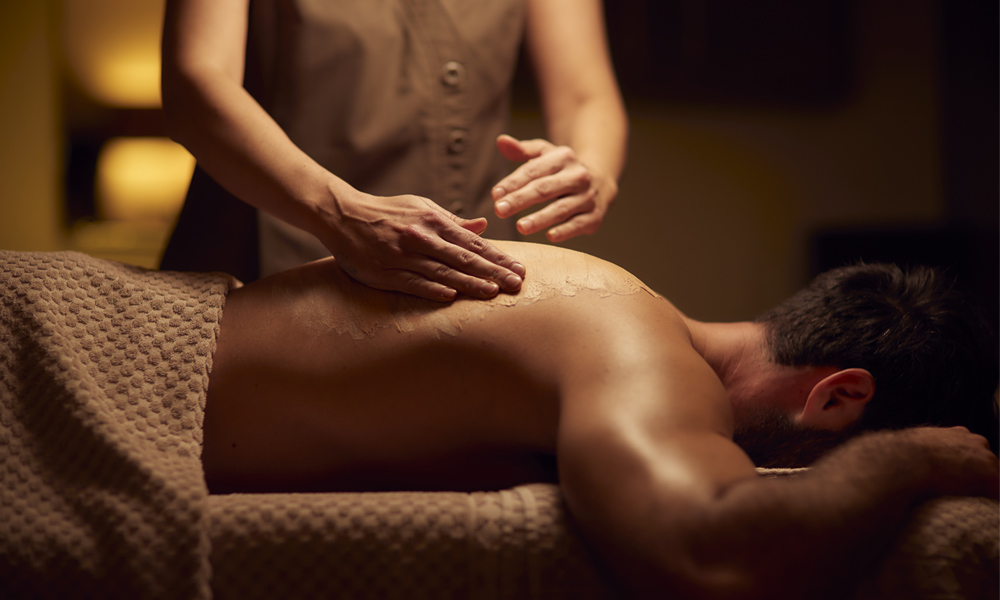
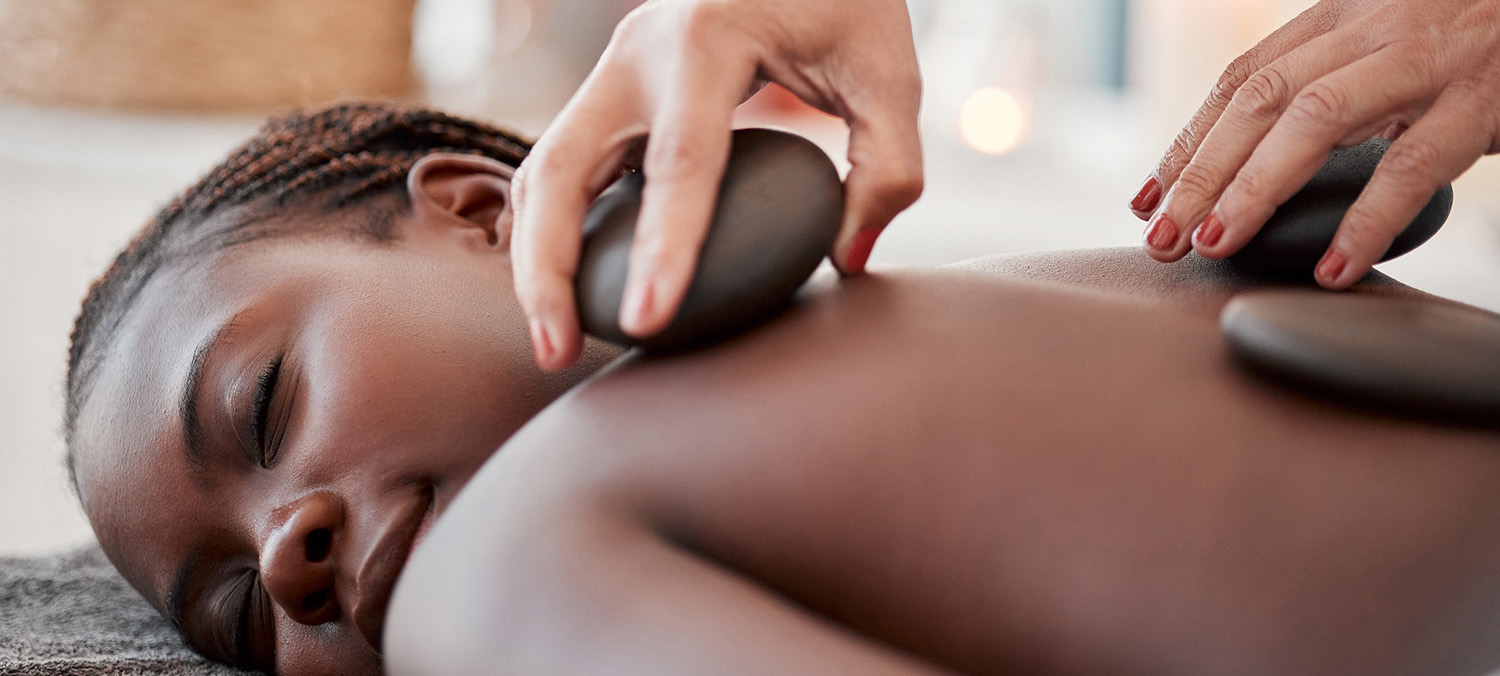
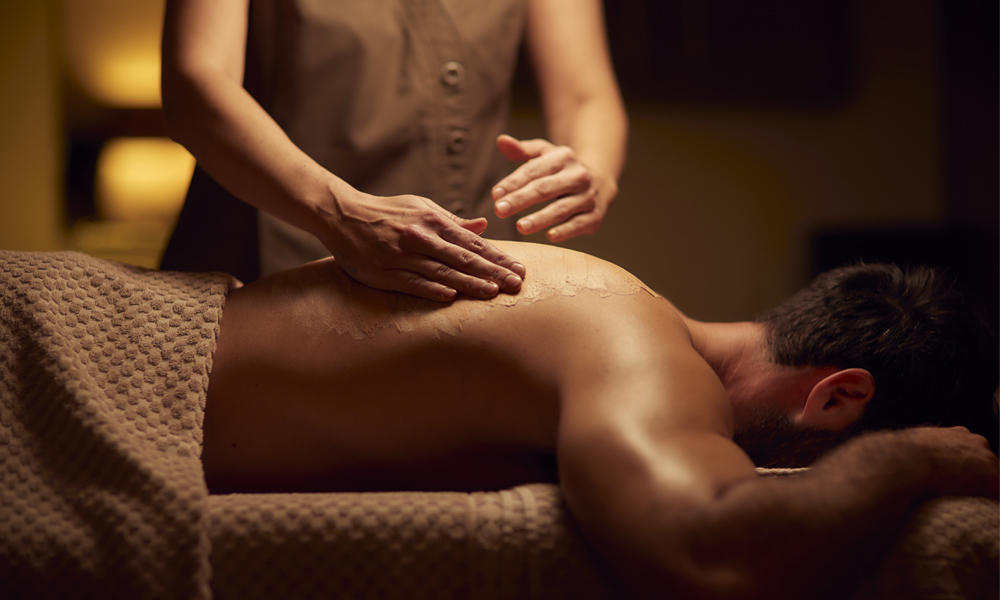
Once you're comfortably positioned on the massage table, the therapist begins the treatment using massage oil or lotion to reduce friction against the skin.
The massage usually follows a logical sequence, often beginning with the back before moving to other parts of the body. Depending on the treatment style, techniques may include long gliding strokes, kneading, gentle stretching, circular movements, or deeper pressure where appropriate.
If at any point the pressure feels too firm or too light, it's perfectly acceptable to say so. Massage should be comfortable, even when working on areas of muscle tension.
Many clients choose to close their eyes and relax quietly, while others may engage in light conversation. There is no right or wrong approach—the session is intended to suit your comfort.
After Your Full Body Massage
When the massage is finished, the therapist leaves the room so you can get dressed privately. It's best to stand up slowly, particularly if you're feeling deeply relaxed.
Drinking water after the session is commonly recommended, and many people prefer to avoid strenuous physical activity for the rest of the day if possible.
Some clients notice immediate improvements in relaxation and muscle comfort, while others experience gradual benefits over the following day. Mild tenderness can occasionally occur after deeper massage techniques, but this typically settles within a short period.
Listening to your body and allowing yourself time to enjoy the post-massage relaxation often helps extend the overall benefits of the treatment.
Choosing a Professional Massage Therapist in Kenya
The quality of a massage depends not only on the techniques used but also on the professionalism of the therapist. When choosing a provider, look for recognised training, clean facilities, clear communication, and positive customer feedback.
A reputable therapist will take time to understand your health history, explain the treatment process, answer your questions, and ensure you feel comfortable throughout the session. Hygiene standards, proper draping, and respect for client privacy should always be non-negotiable.
If you're looking for qualified massage therapists or reputable wellness centres across Kenya, The Real Plug is a useful resource for finding vetted professionals in different locations. Having access to verified service providers helps you make informed decisions while choosing a therapist who prioritises both safety and quality care.
Is a Full Body Massage Right for You?
A full body massage can be a worthwhile option for anyone looking to relax, ease everyday muscle tension, or simply take a break from the demands of daily life. Whether you spend your days behind a desk, on your feet, travelling frequently, or staying active through sports and exercise, massage offers a chance to reset both physically and mentally.
It's important to remember that massage complements a healthy lifestyle but doesn't replace medical treatment for ongoing pain or underlying health conditions. If you have concerns about injuries, chronic pain, or certain medical issues, consult your healthcare provider before booking a session.
For many people, regular massage becomes more than an occasional luxury. It becomes part of a balanced wellness routine that supports physical comfort, relaxation, and overall wellbeing. By understanding what a full body massage includes and knowing what to expect, you'll be better prepared to enjoy a safe, comfortable, and rewarding experience.