

After a long day of walking through Nairobi's busy streets, standing for hours at work, or simply keeping up with everyday responsibilities, it's not unusual for your feet to feel tired. For many people, a good foot massage offers instant relief. Reflexology takes that idea a step further. Rather than focusing only on relaxing sore feet or hands, it is based on the belief that specific points on the feet, hands, and ears correspond to different parts of the body.
Reflexology has been practised in various forms for centuries and remains a popular complementary wellness therapy around the world, including Kenya. Wellness centres, spas, and holistic health practitioners often include reflexology alongside massage therapy, offering clients another way to unwind and support their overall wellbeing.
If you're considering booking your first reflexology session, it's helpful to understand what the treatment involves, the theories behind it, what research says, and what you can realistically expect. While many people find reflexology deeply relaxing, it's important to have balanced expectations about what it can and cannot do.
What Is Reflexology?
Reflexology is a complementary therapy that involves applying controlled pressure to specific points on the feet, hands, or ears. These areas, often referred to as "reflex points," are believed by reflexology practitioners to correspond with different organs, glands, and systems within the body.
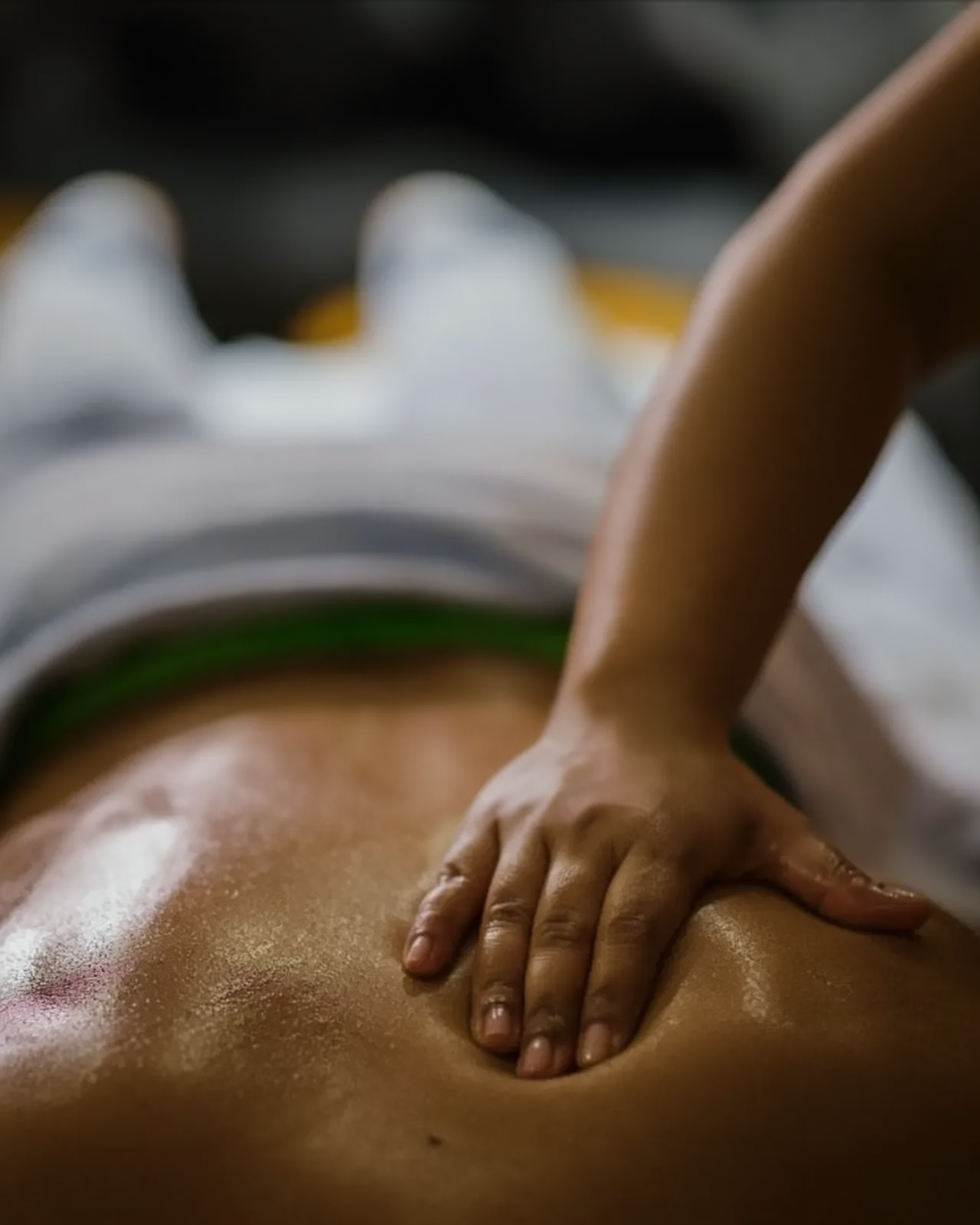
Unlike a traditional massage, reflexology doesn't focus on working muscles or soft tissues throughout the body. Instead, practitioners use their fingers, thumbs, and hands to apply pressure to carefully selected points based on reflexology maps and individual treatment goals.
Many people choose reflexology because they enjoy the calming nature of the treatment, while others include it as part of a broader wellness routine that may also involve massage, exercise, healthy eating, and stress management.
It's worth noting that reflexology is considered a complementary therapy rather than a replacement for conventional medical care.
The Theory Behind Reflexology
The central idea behind reflexology is that the body is interconnected, and that stimulating specific pressure points may encourage balance within corresponding areas of the body. Reflexology maps divide the feet, hands, and ears into zones that practitioners associate with particular organs and body systems.
For example, certain areas of the foot are believed to relate to the spine, while others are associated with the digestive system, lungs, or head. During a session, the practitioner applies pressure to these points using precise thumb and finger techniques.
From a scientific perspective, these reflex point maps have not been conclusively proven to correspond directly with internal organs. However, researchers have explored other possible explanations for why many people report positive experiences following reflexology.
Some experts suggest that the treatment may stimulate the nervous system, encourage relaxation, reduce stress, or activate the body's natural relaxation response. Others believe that the benefits are similar to those experienced during massage or other forms of therapeutic touch.
While more research is needed to fully understand how reflexology works, many clients value it as a relaxing and enjoyable wellness practice regardless of the underlying mechanism.
Foot Reflexology
Foot reflexology is by far the most widely practised form of reflexology. Since the feet contain numerous nerve endings and bear the body's weight every day, many people find this treatment particularly satisfying.
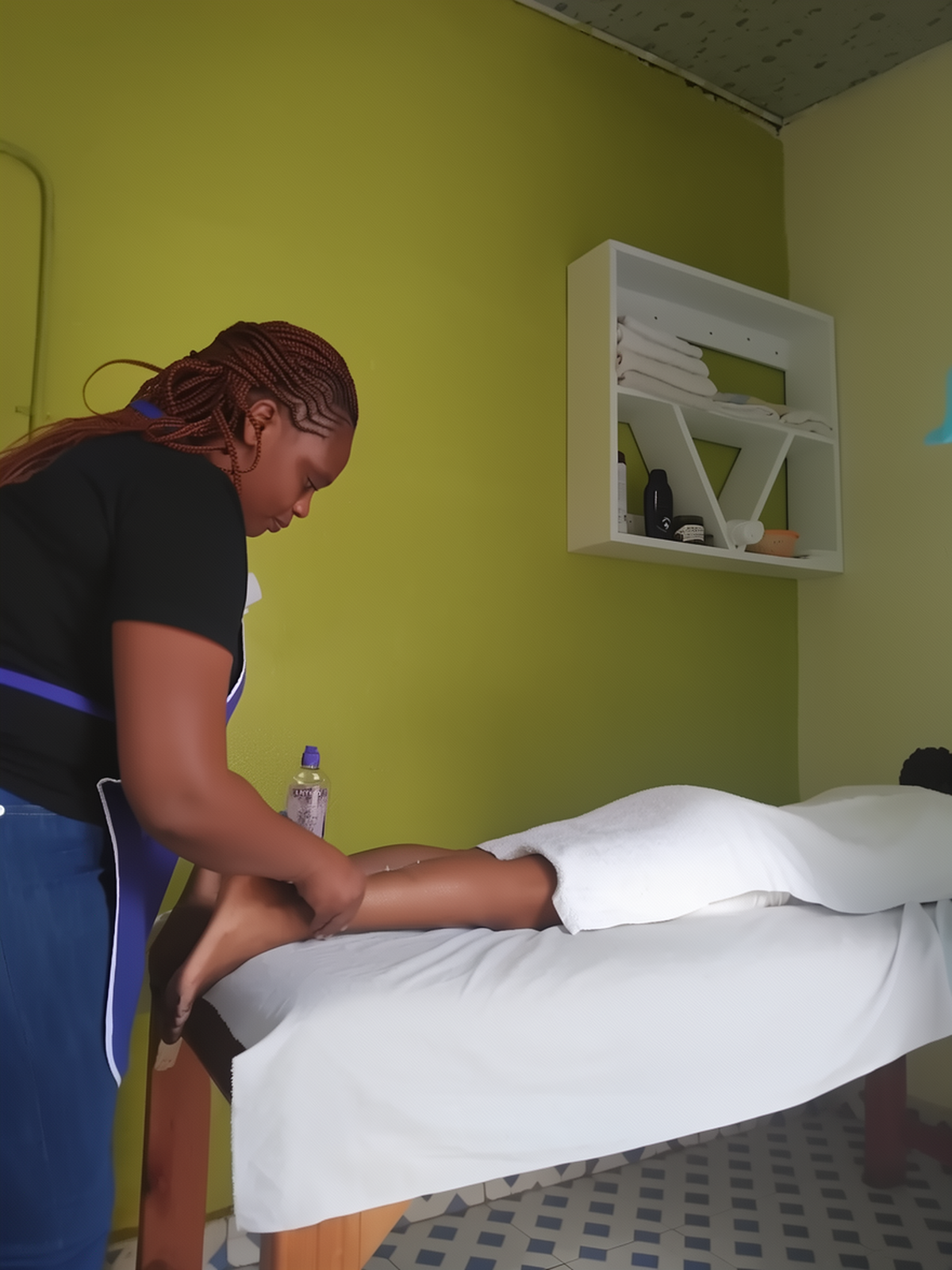
During a foot reflexology session, the practitioner begins by examining the feet before applying pressure to specific reflex points using their thumbs, fingers, and knuckles. The pressure is firm but generally comfortable, although some areas may feel more sensitive than others.
Unlike a standard foot massage, which primarily aims to relax muscles and soft tissues, reflexology follows a structured sequence based on reflexology charts. The practitioner may spend extra time on certain points depending on the client's goals or areas of concern.
Many clients describe leaving a foot reflexology session feeling deeply relaxed, with tired feet feeling lighter and more comfortable. While some people also report improvements in overall wellbeing, individual experiences vary considerably.
Hand Reflexology
Hand reflexology follows the same general principles as foot reflexology but focuses on pressure points located on the hands and fingers.
This approach can be especially appealing for people who are uncomfortable having their feet touched or who have foot injuries that make foot reflexology unsuitable. It may also be convenient for individuals seeking shorter wellness treatments during busy workdays.
The hands contain many nerve endings and are constantly engaged in daily activities such as typing, writing, cooking, driving, and lifting. Applying controlled pressure to the hands can therefore provide a relaxing experience in its own right.
Hand reflexology sessions are often shorter than foot treatments but can still offer an opportunity to unwind while giving frequently used muscles and joints some welcome attention.
Ear Reflexology
Ear reflexology, sometimes referred to as auricular reflexology, focuses on specific points located on the outer ear. According to reflexology theory, different parts of the ear correspond with various regions of the body.
Practitioners apply gentle pressure using their fingers or specialised tools designed for reflexology. In some complementary health settings, tiny ear seeds or pellets may be temporarily placed on selected points to provide ongoing gentle stimulation, although this practice is distinct from traditional reflexology massage.
Because the ear contains many sensory nerve endings, clients often find the treatment surprisingly relaxing despite its relatively small treatment area.
As with foot and hand reflexology, ear reflexology should be viewed as a complementary wellness practice rather than a medical intervention.
What Happens During a Reflexology Session?
If you've never experienced reflexology before, the treatment is generally simple and non-invasive. Most sessions begin with a brief consultation during which the practitioner asks about your health history, current symptoms, medications, and treatment goals.
For foot reflexology, you'll usually remove your shoes and socks before sitting in a reclining chair or lying comfortably on a treatment table. The practitioner may cleanse your feet before beginning the session.
Using their thumbs and fingers, they apply varying levels of pressure across different reflex points in a systematic pattern. The treatment may feel relaxing overall, although certain areas can occasionally feel tender or more sensitive than others.
Sessions commonly last between 30 and 60 minutes, depending on the type of reflexology and the provider's approach.
Many clients become so relaxed during treatment that they drift into a light sleep before the session concludes.
Potential Benefits of Reflexology
People choose reflexology for many different reasons, and while scientific evidence continues to evolve, several commonly reported benefits help explain its popularity.
Encourages Relaxation
One of the most consistent experiences reported by clients is deep relaxation. The quiet environment, focused touch, and dedicated time away from daily responsibilities allow many people to unwind both physically and mentally.
Stress affects nearly every aspect of life, from sleep quality to concentration, making relaxation alone a valuable outcome for many individuals.
May Help Reduce Stress
Although reflexology is not a treatment for anxiety disorders or chronic stress, many people say they feel calmer after a session. Like massage therapy, reflexology provides uninterrupted time in a peaceful setting where the body's natural relaxation response can take over.
This calming effect is one reason some people choose regular reflexology appointments as part of their personal wellness routine.
Relieves Tired Feet and Hands
Even without considering reflexology theory, spending time applying careful pressure to the feet or hands can feel physically rewarding.
People whose jobs require standing for long hours, walking extensively, typing, or performing repetitive hand movements often appreciate the simple comfort that reflexology provides.
Supports General Wellbeing
Many clients describe leaving reflexology appointments feeling refreshed, lighter, or more balanced. While these experiences are subjective and vary from person to person, they contribute to reflexology's ongoing popularity within the wellness industry.
What Reflexology Cannot Do
It's important to approach reflexology with realistic expectations. While many people find the treatment relaxing and enjoyable, current scientific evidence does not support claims that reflexology can diagnose illnesses, cure diseases, or directly treat serious medical conditions.
No reputable reflexologist should advise clients to stop taking prescribed medications or avoid seeking conventional medical care.
If you're experiencing persistent pain, unexplained symptoms, or ongoing health concerns, it's essential to consult a qualified healthcare professional for proper evaluation and treatment.
Viewed as a complementary wellness practice rather than a medical solution, reflexology can still play a meaningful role in supporting relaxation and overall wellbeing.
Is Reflexology Safe?
For most healthy adults, reflexology is generally considered safe when performed by a trained practitioner. However, there are situations where treatment should be delayed or modified.
People with open wounds, severe fungal infections, burns, or recent fractures affecting the hands or feet should postpone treatment until healing has occurred.
Individuals with certain circulatory disorders, severe osteoporosis, or advanced diabetes affecting sensation in the feet should consult their healthcare provider before booking reflexology.
Pregnant women should also discuss reflexology with both their healthcare provider and a qualified practitioner, as some therapists choose to modify or avoid certain pressure points during pregnancy.
A professional reflexologist will always ask about your health history before beginning treatment to ensure it is appropriate for your circumstances.
Who May Benefit Most from Reflexology?
Reflexology appeals to a wide variety of people because it is gentle, non-invasive, and suitable for many lifestyles.
Office workers who spend long hours at desks often enjoy reflexology as a way to relax after mentally demanding days. Healthcare workers, retail staff, hospitality employees, teachers, and others who spend much of the day on their feet may appreciate the soothing attention given to tired feet.
Travellers frequently book reflexology after long flights or road trips to ease feelings of fatigue. Older adults looking for a gentle wellness treatment also often find reflexology appealing, provided there are no medical contraindications.
Some people simply enjoy the experience because it offers dedicated time for relaxation without requiring a full body massage.
Choosing a Qualified Reflexology Practitioner in Kenya
As reflexology becomes more widely available across Kenya, it's important to choose a practitioner with appropriate training and professional standards. A qualified reflexologist should take time to understand your health history, explain the treatment clearly, and maintain a clean, comfortable treatment environment.
Before booking, it's worth checking client reviews, asking about training or certifications, and confirming what the session will involve. Professional practitioners are transparent about the complementary nature of reflexology and avoid making unrealistic medical claims.
If you're looking for trusted reflexologists, wellness practitioners, or massage therapists in Kenya, The Real Plug is a practical resource for finding vetted professionals across different locations. Choosing a verified provider gives you greater confidence in the quality of care and professionalism you can expect.
Is Reflexology Worth Trying?
Reflexology offers a different experience from traditional massage, focusing on specific pressure points rather than working directly on muscles throughout the body. For many people, that's part of its appeal. It provides a gentle, calming treatment that encourages relaxation while giving special attention to the feet, hands, or ears.
Although research has not confirmed many of the broader health claims sometimes associated with reflexology, many clients continue to value it for its ability to reduce stress, promote relaxation, and provide a welcome break from busy routines. Approaching reflexology with realistic expectations allows you to appreciate its strengths without expecting it to replace medical care.
Whether you're looking for a relaxing wellness experience, curious about complementary therapies, or simply want to give your tired feet some extra attention, reflexology may be worth exploring. Choosing a qualified practitioner and maintaining open communication about your health and expectations helps ensure a safe, comfortable, and enjoyable session.