

Modern life has a way of keeping people constantly switched on. Between demanding work schedules, family responsibilities, traffic, financial pressures, and the endless stream of notifications from our phones, finding genuine moments of rest can feel surprisingly difficult.
Many people think of stress as purely a mental experience, something that exists only in the mind. In reality, stress affects the entire body. It influences sleep patterns, energy levels, concentration, mood, and even physical health. Over time, unmanaged stress can contribute to a cycle of fatigue and tension that becomes difficult to break.
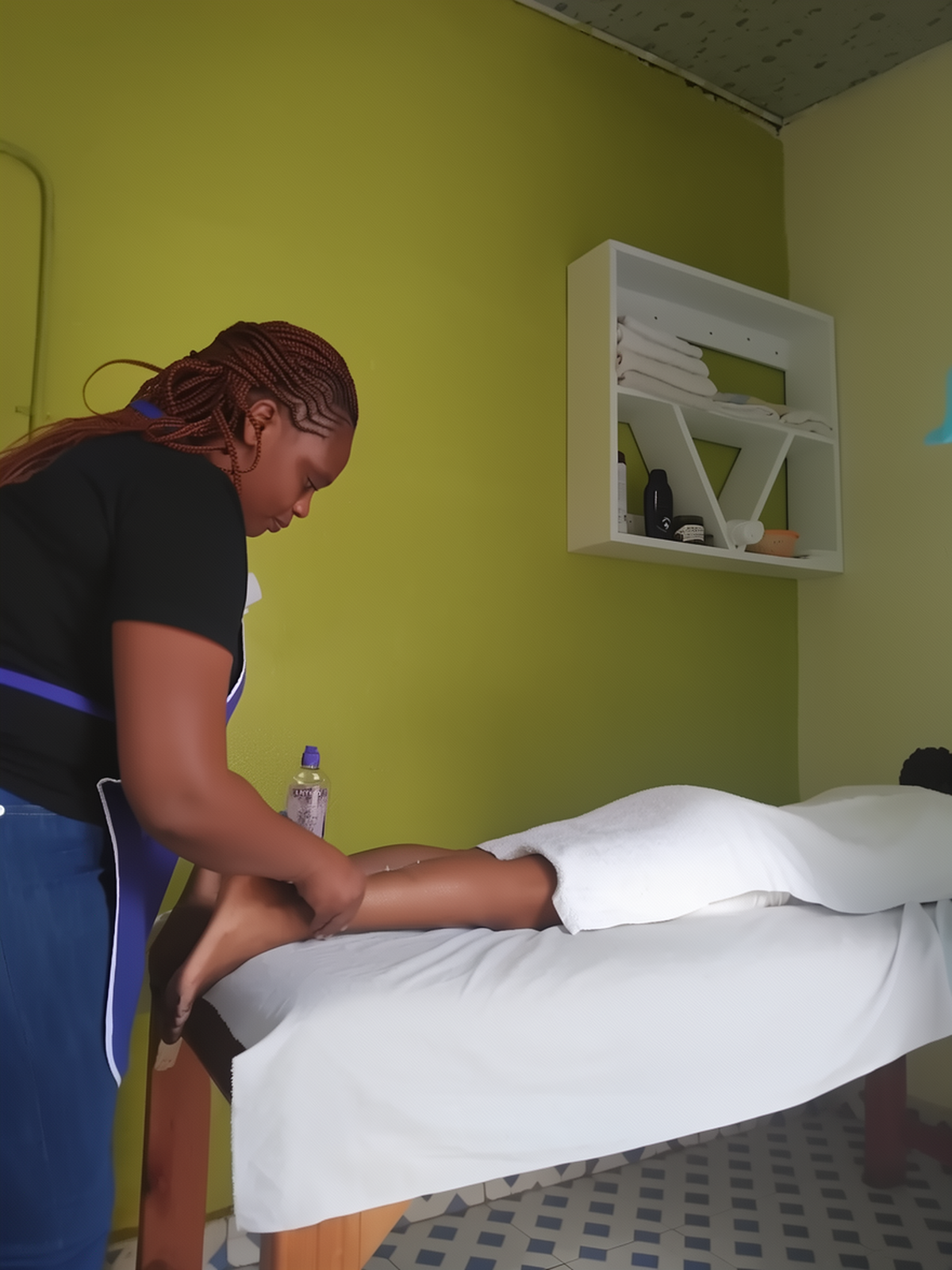
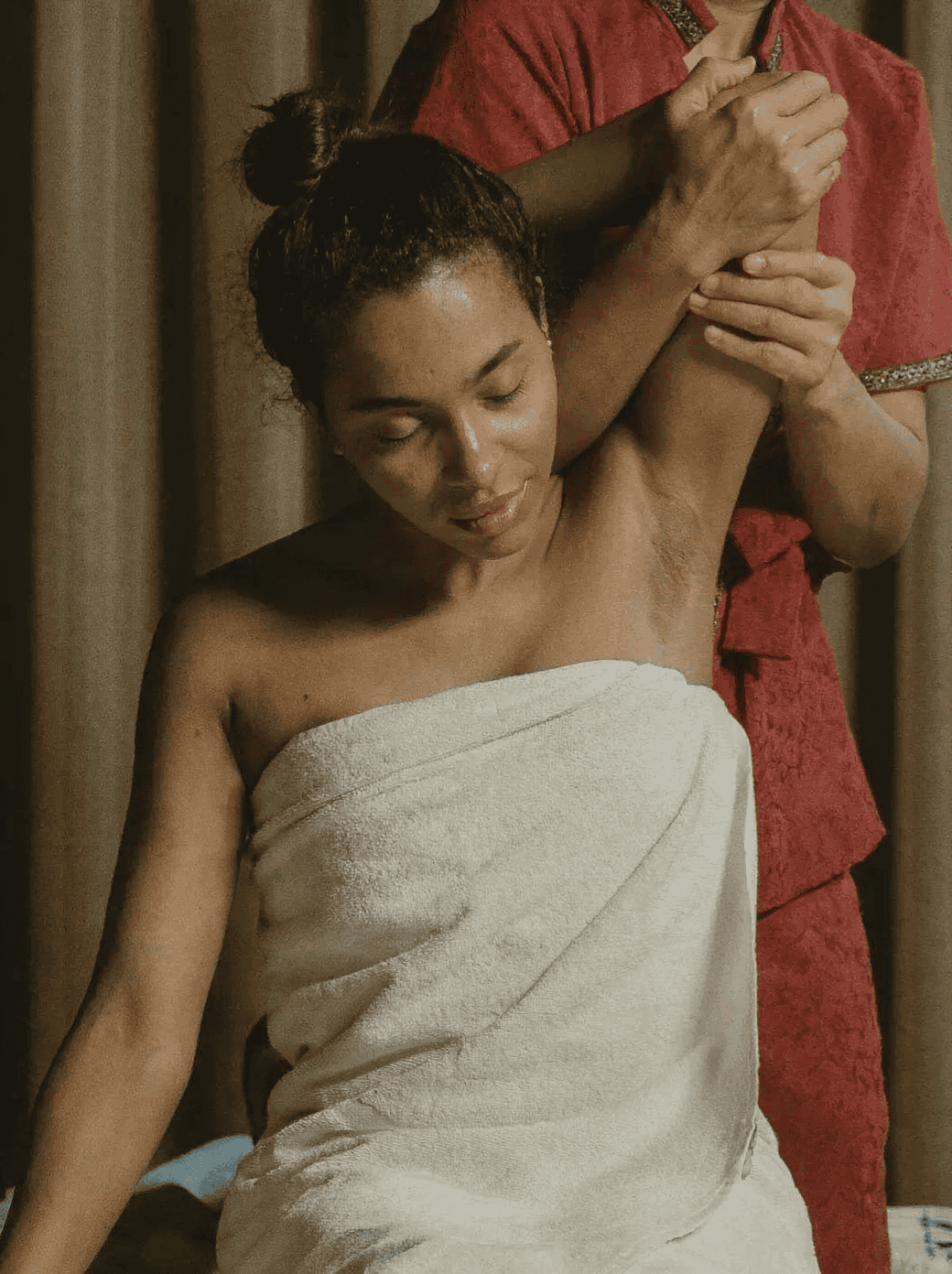
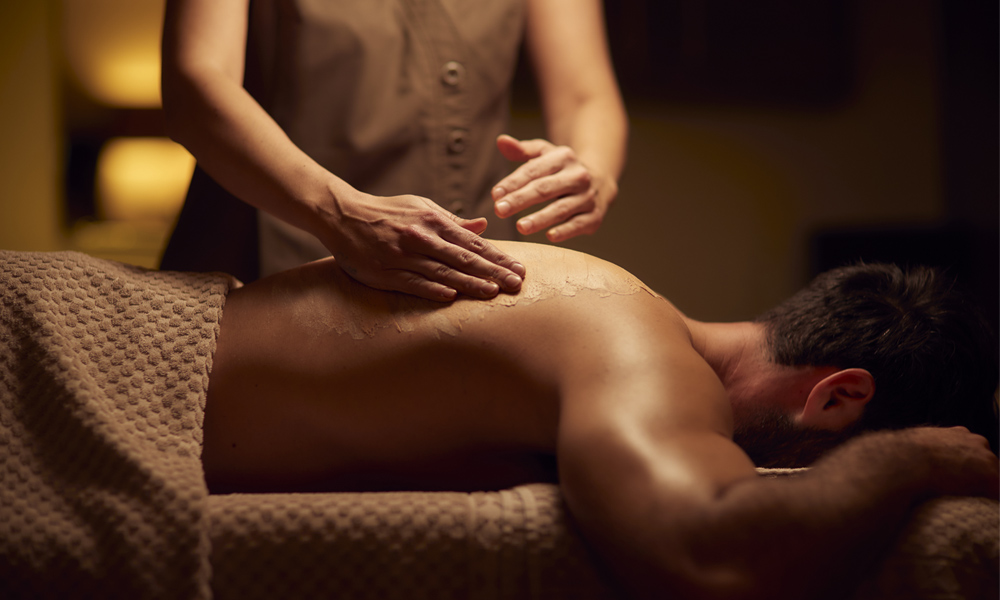
This is one reason why wellness practices such as massage therapy have become increasingly popular. While often associated with relaxation, massage can play a broader role in supporting physical recovery, mental wellbeing, and overall health.
Across Kenya, more people are recognizing the importance of balancing productivity with self-care. Whether it's a busy professional in Nairobi, a business owner in Nakuru, or a parent juggling multiple responsibilities, the need for effective stress management is becoming increasingly relevant.
How Stress Affects the Body
Stress is a natural response designed to help us react to challenges and potential threats. In short bursts, it can be useful. It sharpens focus, increases alertness, and prepares the body to take action.
The problem arises when stress becomes chronic.
When the body remains in a prolonged state of tension, it continuously releases stress hormones such as cortisol and adrenaline. Over time, this can affect multiple systems throughout the body.
Many people experience elevated heart rates, muscle tightness, digestive discomfort, headaches, reduced concentration, and sleep disturbances without immediately connecting these symptoms to stress.
In fast-paced urban environments, where long commutes and demanding work schedules are common, chronic stress has become an increasingly familiar experience. The effects are often subtle at first, but they can gradually impact both physical and mental wellbeing.
Recognizing the Physical Symptoms of Stress
Stress does not always announce itself as anxiety or worry. Sometimes it shows up in physical ways that people overlook.
A stiff neck after a busy week. Persistent shoulder tension. Frequent headaches. Tightness in the jaw. Lower back discomfort. Difficulty sleeping despite feeling exhausted.
These are all common physical manifestations of stress.
Many people carry tension in their muscles without realizing it. The body often responds to emotional pressure by tightening certain muscle groups, particularly around the neck, shoulders, upper back, and lower back.
Over time, these patterns can contribute to chronic discomfort and reduced mobility.
Recognizing these physical signs is often the first step toward addressing the underlying causes and finding healthier ways to manage stress.
Massage Therapy and Relaxation
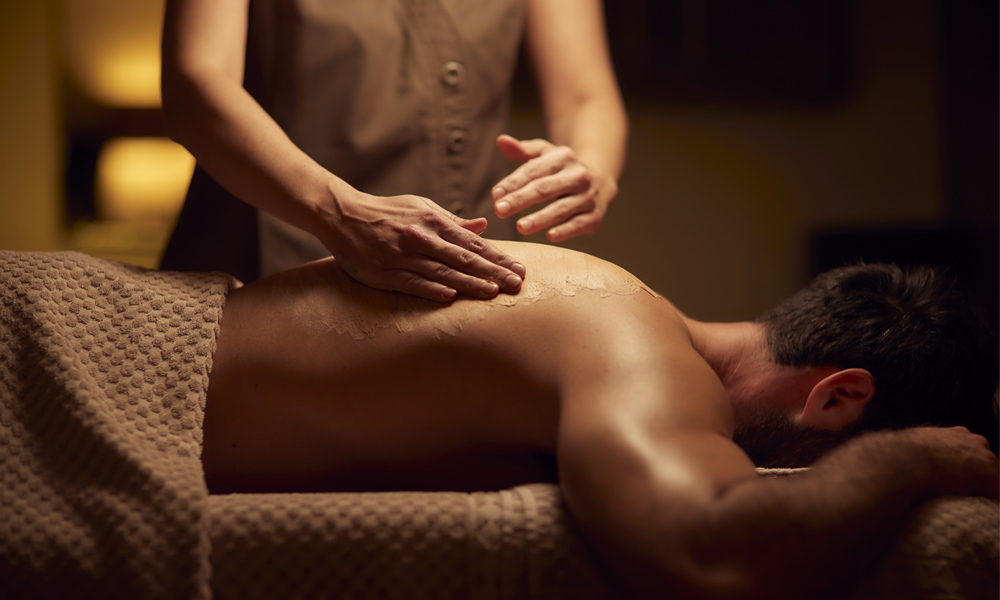
One of the primary reasons people seek massage therapy is simple: it helps them relax.
However, relaxation is more than just feeling comfortable for an hour. When the body relaxes, several beneficial physiological processes begin to occur.
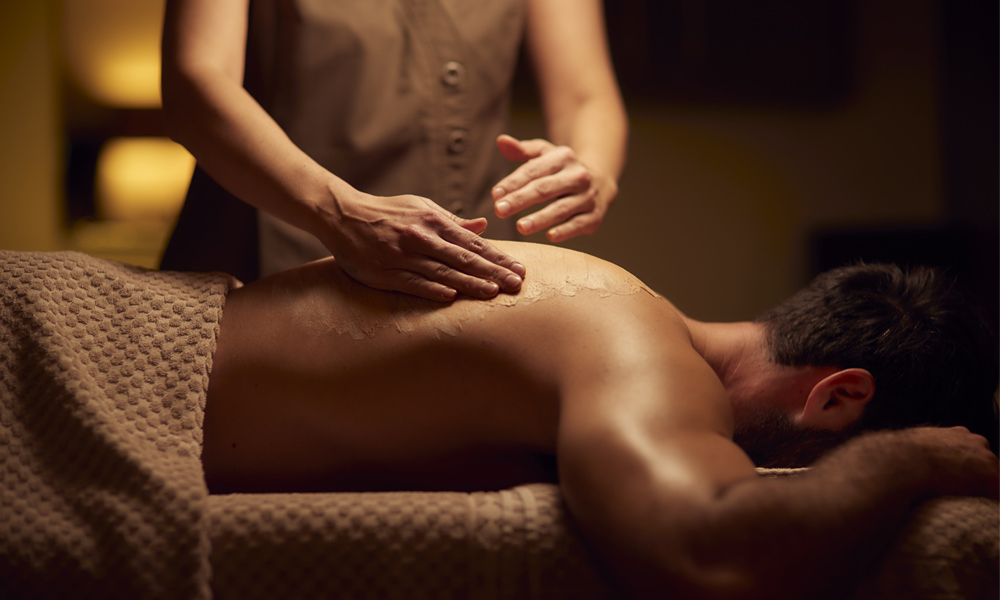
Massage therapy helps reduce muscle tension, encourages healthy circulation, and creates an environment where the nervous system can shift away from a constant state of alertness.
Many people describe feeling calmer, lighter, and more mentally clear after a massage session. Part of this response comes from the opportunity to disconnect from daily demands and focus entirely on recovery.
In a culture where being busy is often worn as a badge of honour, intentionally slowing down can feel unfamiliar. Yet relaxation remains an essential component of overall health.
The Connection Between Sleep and Recovery
Sleep is one of the most important forms of recovery available to the human body.
During sleep, muscles repair themselves, tissues recover, memories are processed, and essential biological functions take place. Unfortunately, stress often interferes with this process.
Many people struggle with falling asleep, staying asleep, or achieving restful sleep because their minds remain active long after the day has ended.
Physical tension can also contribute to poor sleep quality. Tight muscles, discomfort, and restlessness make it difficult for the body to fully relax.
Massage therapy may help support better sleep by promoting physical relaxation and reducing muscle tension. While it is not a treatment for sleep disorders, many individuals report improved sleep quality following regular massage sessions.
When the body feels more relaxed, it often becomes easier to transition into restorative sleep.
Burnout and Persistent Fatigue
Burnout has become a growing concern across many professions.
It is often associated with prolonged stress, emotional exhaustion, and a feeling of being mentally or physically drained. Unlike ordinary tiredness, burnout can persist even after a full night's sleep.
Professionals working long hours, entrepreneurs managing growing businesses, healthcare workers, teachers, and caregivers frequently experience the cumulative effects of chronic pressure.
One challenge with burnout is that people often ignore the early warning signs. They push through exhaustion, believing rest can wait until later.
Massage therapy cannot eliminate the causes of burnout, but it can provide a valuable opportunity to pause and recover. By helping the body release physical tension and promoting relaxation, massage may support broader wellness efforts aimed at preventing long-term exhaustion.
Mental Wellness Beyond Physical Health
Mental wellness is about more than the absence of mental illness. It involves emotional resilience, the ability to cope with challenges, and maintaining a sense of balance in daily life.
Physical wellbeing and mental wellbeing are closely connected. When the body feels tense, uncomfortable, or exhausted, mental clarity often suffers as well.
Massage therapy supports this mind-body connection by encouraging relaxation and creating space for mental recovery. Many clients report feeling more focused, calm, and emotionally balanced after treatment.
While massage should not be viewed as a substitute for professional mental health care when needed, it can complement broader wellness practices that support emotional health.
As conversations around mental wellness become more open in Kenya, people are increasingly exploring holistic approaches that address both mind and body.
Supporting Emotional Wellbeing
Life inevitably comes with periods of uncertainty, change, and emotional pressure.
Whether it's workplace challenges, financial concerns, relationship difficulties, or major life transitions, emotional stress can accumulate over time.
Self-care is often discussed in broad terms, but genuine self-care involves creating opportunities for recovery and restoration.
Massage therapy provides a structured way to step away from daily demands and focus on personal wellbeing. The experience itself can encourage mindfulness, helping individuals reconnect with how their bodies feel and identify areas of tension they may have been ignoring.
This sense of awareness can contribute positively to emotional wellbeing and stress management.
Work-Life Balance in a Busy World
Achieving perfect work-life balance is rarely realistic. Most people experience periods when work demands more attention than usual.
The challenge is ensuring that recovery remains part of the equation.
In many Kenyan cities, long commutes, business commitments, and increasing digital connectivity make it difficult to truly switch off. Even during evenings and weekends, emails, messages, and work-related responsibilities often continue.
Without intentional recovery time, stress can become a permanent background presence.
Massage therapy is one of several wellness practices that can help create boundaries between productivity and rest. Whether scheduled monthly or incorporated into a regular self-care routine, it serves as a reminder that recovery deserves the same attention as work.
Why Relaxation Matters for Long-Term Health
Relaxation is often misunderstood as laziness or inactivity. In reality, it is a vital biological function.
The body requires periods of recovery to maintain physical health, cognitive performance, emotional resilience, and overall wellbeing. Without adequate relaxation, stress accumulates and may contribute to a wide range of health challenges over time.
Simple practices such as quality sleep, regular exercise, healthy nutrition, spending time outdoors, and relaxation therapies all play a role in maintaining balance.
Massage therapy fits into this broader picture by helping individuals manage physical tension while supporting relaxation and recovery.
As awareness of preventive wellness continues to grow, more people are recognizing that taking care of their health is not something reserved for times of crisis. It is an ongoing investment in quality of life.
Finding Wellness Services in Kenya
As interest in wellness services continues to increase, finding qualified practitioners has become easier than ever. Whether someone is looking for massage therapists, wellness specialists, fitness professionals, or other service providers, trusted directories can help simplify the search process.
For individuals seeking vetted professionals in different sectors, The Real Plug provides a platform where users can discover service providers and make informed decisions based on their needs.
Having access to reliable information makes it easier to prioritize wellbeing and connect with qualified professionals.
Final Thoughts
Stress is an unavoidable part of life, but living in a constant state of tension does not have to be. Understanding how stress affects the body, prioritizing quality sleep, and creating opportunities for relaxation are all important steps toward better health.
Massage therapy offers more than temporary comfort. It can support recovery, promote relaxation, help manage physical symptoms of stress, and contribute to overall wellness when combined with healthy lifestyle habits.
In a world that often rewards constant activity, taking time to rest, recover, and recharge may be one of the most valuable investments a person can make in their long-term health.