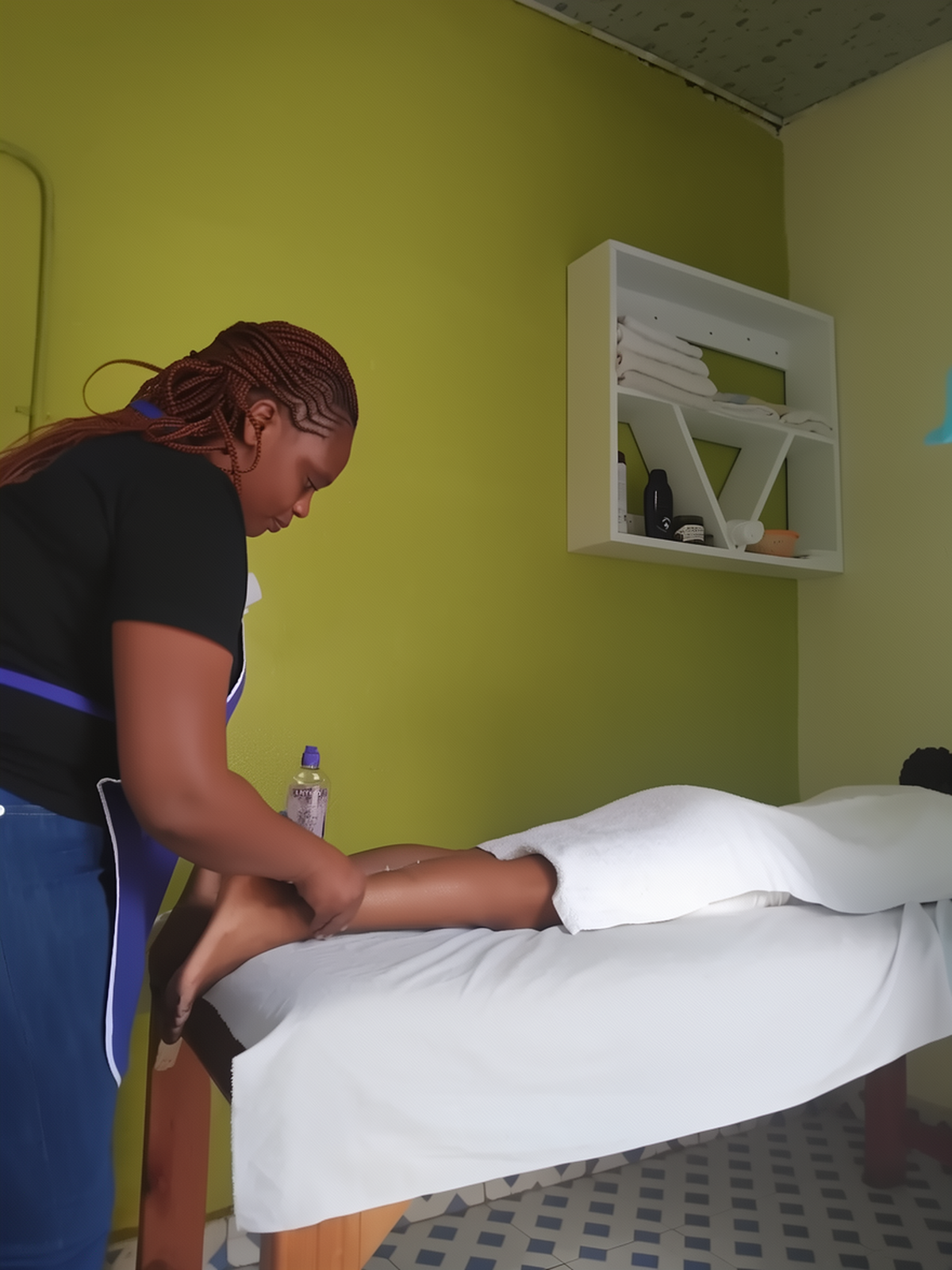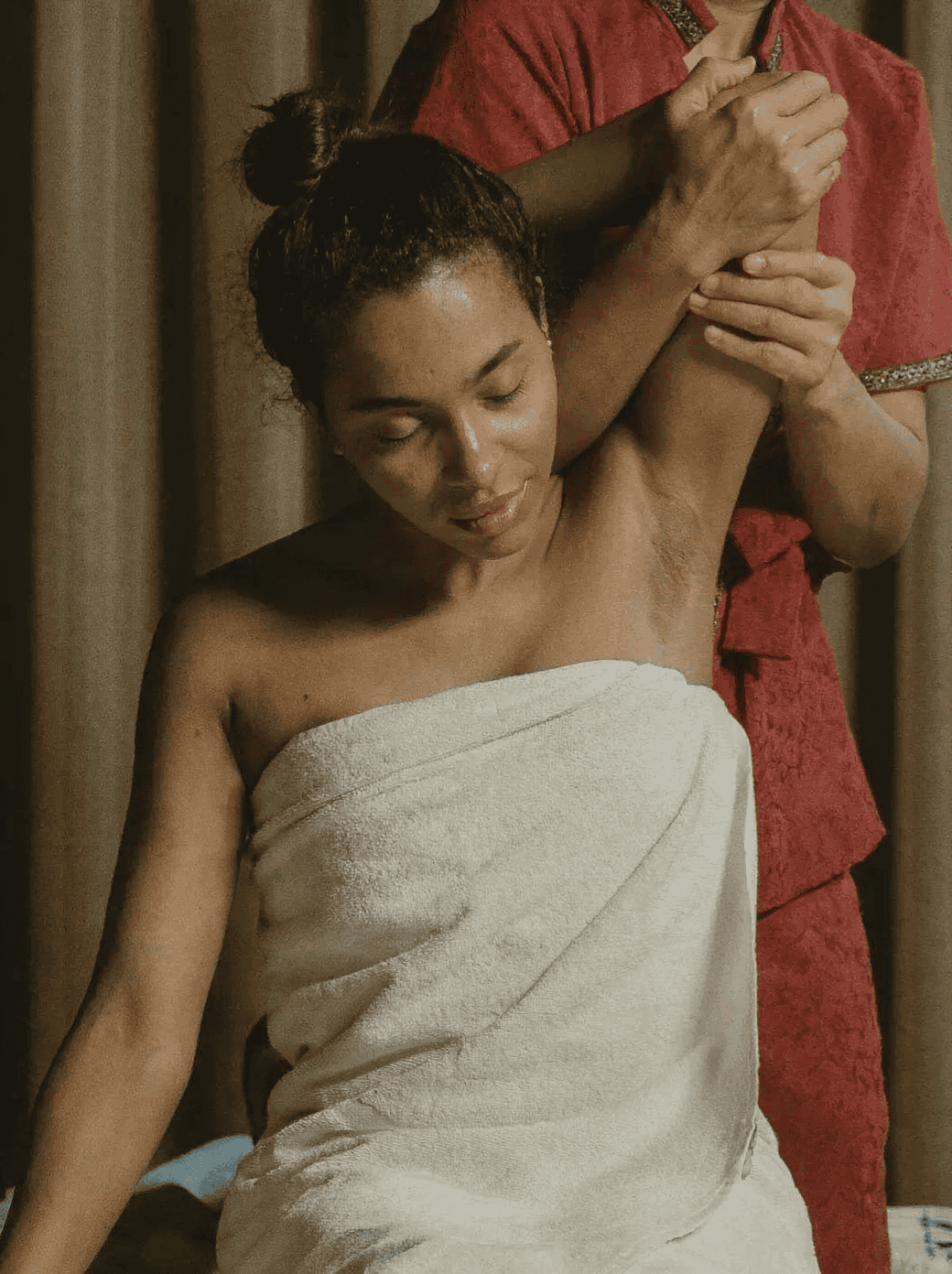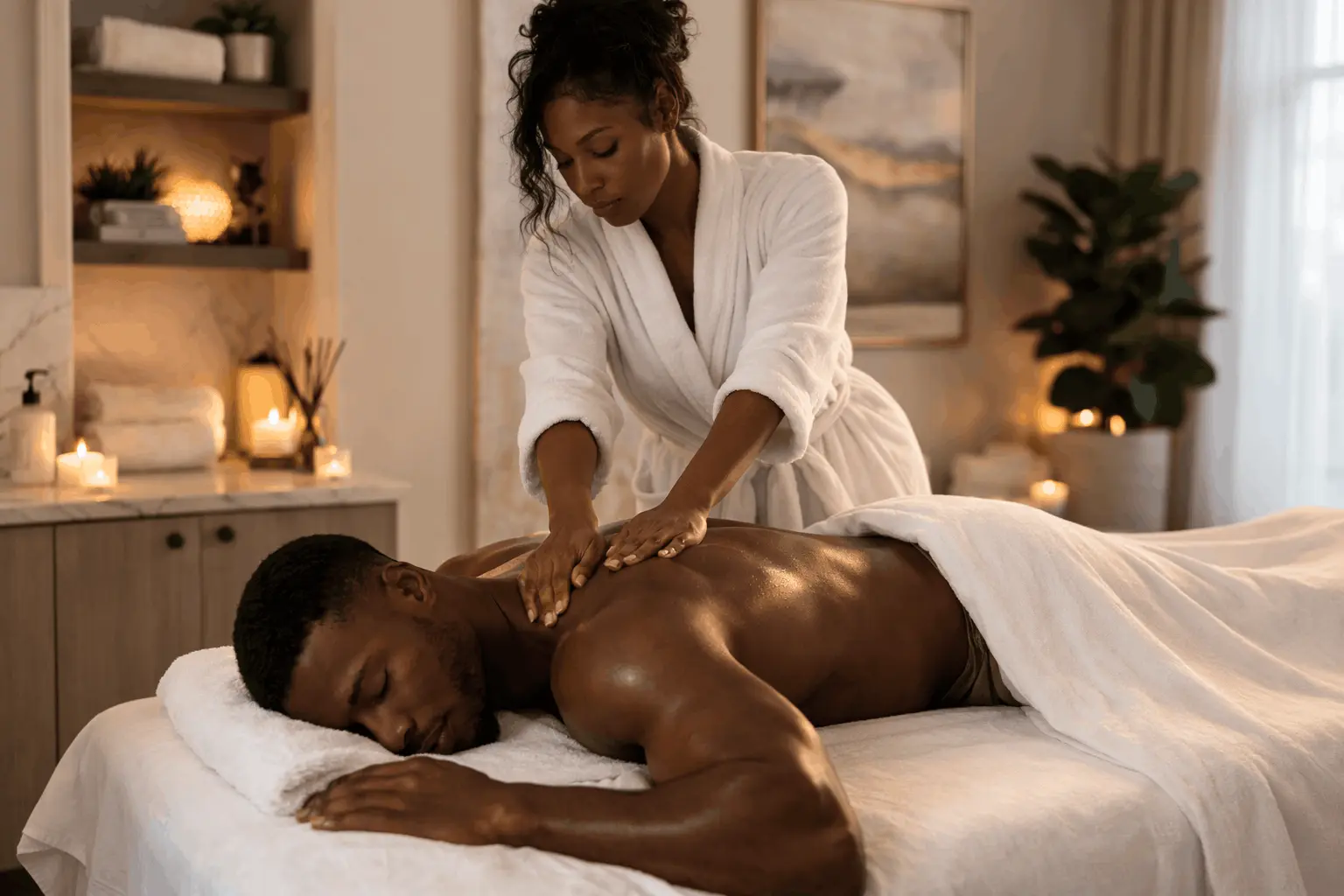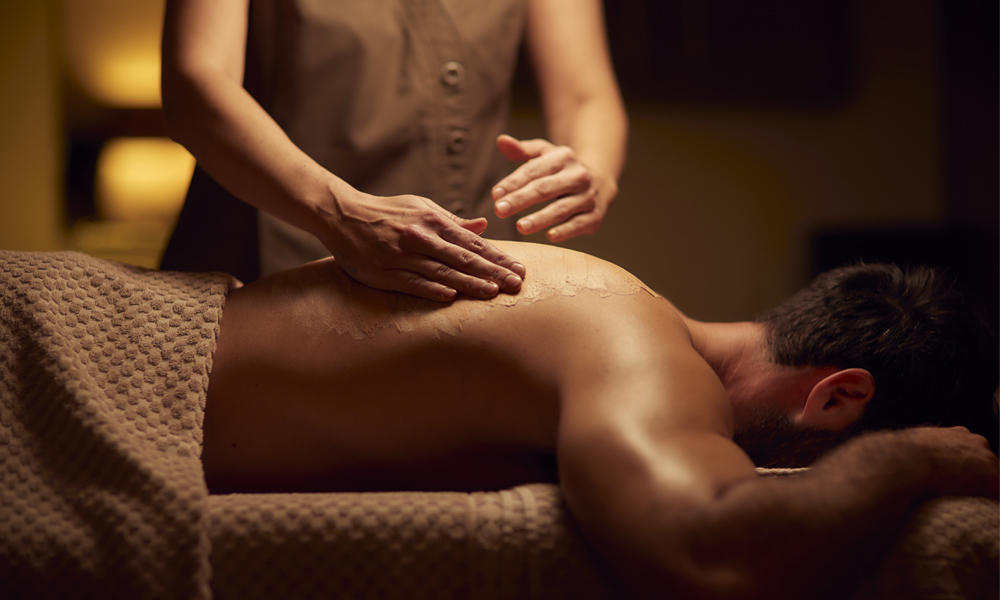


Massage therapy is no longer viewed as an occasional luxury reserved for hotel spas and holiday resorts. Across Kenya, more people are turning to professional massage services as part of their wellness routines, recovery plans, and stress management strategies.
From corporate professionals spending hours behind a desk in Nairobi to athletes training in Eldoret, hospitality workers in Mombasa, and busy entrepreneurs managing demanding schedules, massage therapy is increasingly being used to address everyday physical and mental strain.
Yet despite its growing popularity, many people still have questions. What exactly is massage therapy? Which type of massage is best for your needs? Is deep tissue massage better than Swedish massage? How often should you book a session? And how do you choose a qualified massage therapist in Kenya?
This guide answers those questions and more. Whether you're researching massage therapy for the first time, comparing treatment options, or looking for a professional therapist, this article provides a complete overview of massage therapy services in Kenya.
Understanding What Massage Therapy Actually Is
At its core, massage therapy involves the skilled manipulation of muscles, soft tissues, tendons, and connective tissues to improve physical function, reduce tension, and promote relaxation.
A trained massage therapist uses various techniques, including pressure, kneading, stretching, and rhythmic movements, to target specific areas of the body.
While many people associate massage with relaxation, professional massage therapy serves several different purposes.
Some clients book sessions to:
- Relieve muscle pain
- Recover after exercise
- Reduce stress and anxiety
- Improve circulation
- Address tension headaches
- Improve flexibility and mobility
- Support overall wellness
Others seek massage therapy because prolonged sitting, repetitive work, physical labour, or high stress levels have begun affecting their daily comfort and productivity.
For example, it is common for office workers in Nairobi's Upper Hill and Westlands business districts to develop neck stiffness, shoulder tension, and lower back discomfort after years of desk-based work. Massage therapy is often one of the first wellness services they explore to help manage these issues.
The important thing to understand is that not all massage treatments are the same. Different techniques are designed for different goals, which is why understanding the available options matters before booking an appointment.
Why More Kenyans Are Booking Massage Therapy Services
The rise of massage therapy services in Kenya reflects broader changes in lifestyle, work habits, and attitudes toward wellness.
Urban living often comes with unique physical and mental demands.
Long hours in traffic, sedentary work environments, physically demanding jobs, intensive fitness training, and increasing workplace pressures all contribute to stress and muscle tension.
Many people first consider massage therapy after experiencing symptoms such as:
- Persistent neck pain
- Tight shoulders
- Lower back discomfort
- Frequent headaches
- Muscle soreness
- Poor sleep quality
- General fatigue
- High stress levels
Rather than waiting until these issues become severe, many Kenyans now incorporate massage into preventive wellness routines.
This shift is particularly noticeable among:
Corporate Professionals
Professionals working in finance, technology, consulting, and administration often experience posture-related tension caused by prolonged computer use and limited movement during the day.
Athletes and Fitness Enthusiasts
From runners in Eldoret to gym members in Nairobi and Kisumu, active individuals frequently use massage therapy to support recovery and reduce muscle tightness.
Hospitality and Tourism Professionals
Workers in hospitality often spend long hours standing, walking, and performing physically demanding tasks. Massage can help manage the resulting strain.
Wellness-Focused Consumers
A growing number of Kenyans view massage therapy as part of a broader self-care and wellness strategy, alongside exercise, nutrition, and mental health practices.
The Different Types of Massage Therapy Explained
One of the biggest misconceptions about massage therapy is that every massage offers the same experience.
In reality, different techniques are designed to achieve different outcomes.
Understanding these differences can help you choose the treatment that best matches your goals.
Swedish Massage: The Most Popular Introduction to Massage Therapy
For first-time clients, Swedish massage is often the ideal starting point.
This technique uses long, flowing strokes combined with gentle kneading and rhythmic movements designed to relax the body and calm the nervous system.
Unlike more intensive therapies, Swedish massage focuses primarily on relaxation and improving circulation.
It is particularly suitable for people who:
- Are new to massage therapy
- Experience mild muscle tension
- Want stress relief
- Need help relaxing
- Have difficulty sleeping
Many clients leave a Swedish massage session feeling lighter, calmer, and less physically tense.
For professionals managing stressful work schedules, this type of massage often provides a valuable mental reset.
Deep Tissue Massage: Addressing Chronic Tension and Muscle Tightness
Deep tissue massage is one of the most requested therapeutic treatments in Kenya.
Unlike Swedish massage, which focuses on relaxation, deep tissue massage targets deeper muscle layers and connective tissues.
Therapists use slower movements and firmer pressure to work through areas of chronic tension.
People commonly choose deep tissue massage when dealing with:
- Chronic neck pain
- Lower back pain
- Shoulder tightness
- Sports-related muscle tension
- Postural issues
- Repetitive strain discomfort
A common example is the office worker who spends years sitting in front of a computer and begins experiencing persistent upper back and neck discomfort.
In these situations, deep tissue massage may help release tight muscles that contribute to ongoing discomfort.
It is important to note that deep tissue massage should not feel unbearable. Effective treatment involves controlled pressure that addresses tension without causing unnecessary pain.
Aromatherapy Massage: Combining Touch and Essential Oils
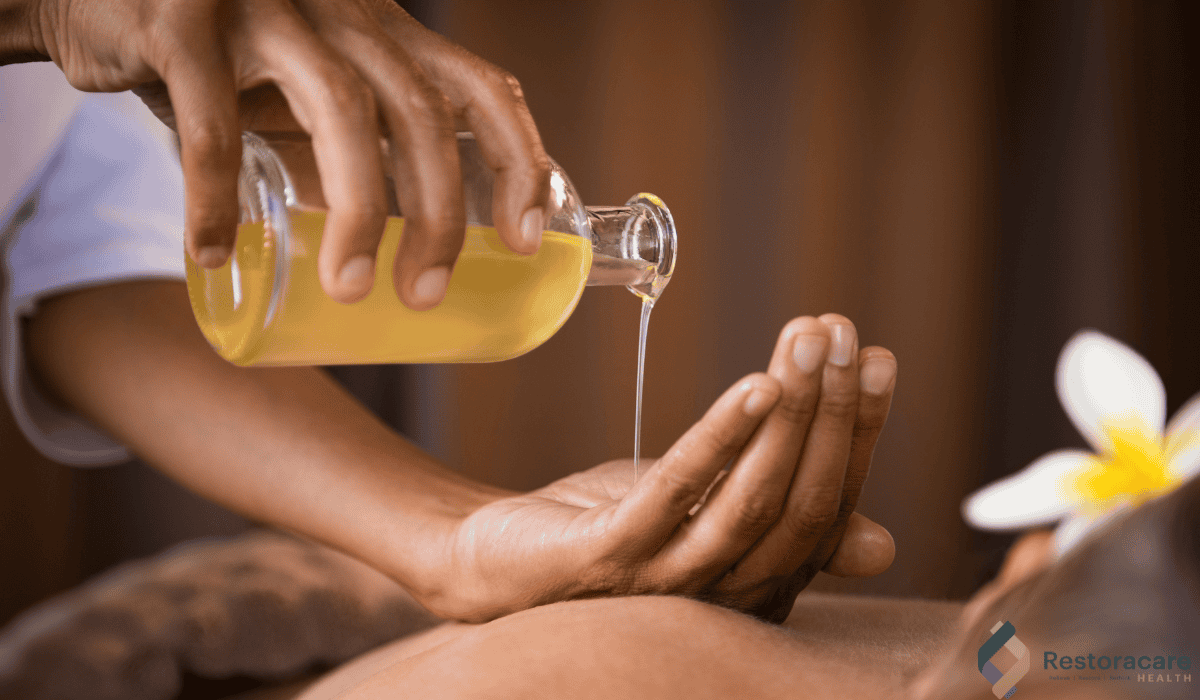
Aromatherapy massage combines traditional massage techniques with essential oils selected for their therapeutic properties.
The oils are typically diluted and applied during treatment while their aroma contributes to the overall experience.
Different oils may be chosen based on specific goals.
Examples include:
- Lavender for relaxation
- Eucalyptus for respiratory comfort
- Peppermint for mental clarity
- Chamomile for stress relief
Many clients choose aromatherapy massage when they want a deeply calming experience that addresses both physical and emotional tension.
This treatment is especially popular among people dealing with work-related stress and mental fatigue.
Hot Stone Therapy: Using Heat to Enhance Muscle Relaxation
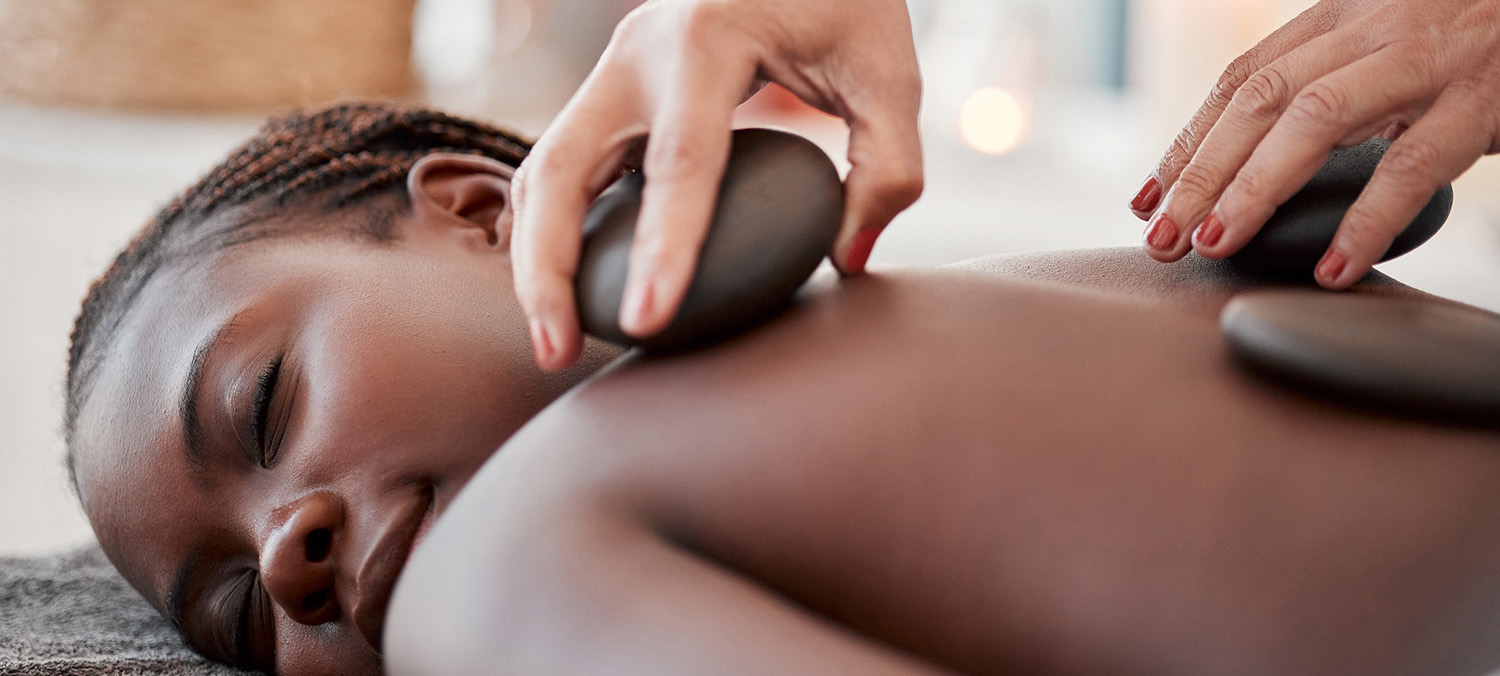
Hot stone therapy incorporates heated stones placed strategically on the body before or during massage treatment.
The warmth helps muscles relax more quickly, allowing the therapist to work deeper without excessive pressure.
Clients often choose hot stone therapy when experiencing:
- Significant muscle stiffness
- Chronic tension
- Physical fatigue
- Stress-related tightness
Many people find the warmth itself highly therapeutic, particularly during colder seasons or after physically demanding weeks.
Couples Massage: A Shared Wellness Experience
Couples massage allows two people to receive massage treatments simultaneously in the same treatment space.
Although often associated with romantic partners, couples massage can also be enjoyed by:
- Friends
- Siblings
- Parents and adult children
- Wedding parties
Hotels, resorts, and wellness centres across Kenya frequently offer couples massage packages as part of relaxation and wellness experiences.
The appeal lies in combining professional treatment with a shared experience.
Full Body Massage: Comprehensive Relaxation and Recovery
A full body massage focuses on all major muscle groups rather than a single problem area.
Treatment commonly includes:
- Neck
- Shoulders
- Back
- Arms
- Hands
- Legs
- Feet
For many clients, this provides the most balanced experience because it addresses tension throughout the entire body.
People who sit for long periods, travel frequently, or experience widespread muscle tightness often benefit from full body treatments.
What Benefits Can You Expect From Massage Therapy?
One reason massage therapy continues to grow in popularity is that its benefits extend beyond simple relaxation. Different clients seek massage for different reasons, but most experience a combination of physical, mental, and emotional improvements.
Relief From Everyday Muscle Tension
Many Kenyans spend their days either sitting for long periods or performing physically demanding work.
An accountant in Nairobi may spend ten hours at a computer, while a construction worker in Nakuru may spend the day lifting heavy materials. Although their jobs are very different, both can develop muscle tightness and discomfort.
Massage therapy helps release tension that accumulates over time, particularly in the neck, shoulders, lower back, and legs.
Better Stress Management
Stress has become a common part of modern life.
Long commutes, work pressures, family responsibilities, and financial concerns can all take a toll on mental well-being.
Many clients report feeling calmer and more relaxed after a massage session. The quiet environment, focused attention, and physical relaxation often create a noticeable reduction in stress levels.
Improved Sleep Quality
Poor sleep and physical tension often reinforce one another.
When muscles remain tight and stress levels remain elevated, quality sleep can become difficult. Regular massage therapy may help some individuals relax more effectively and enjoy better rest.
Enhanced Recovery After Exercise
Athletes and fitness enthusiasts frequently use massage therapy as part of their recovery routines.
Whether training for a marathon, participating in competitive sports, or simply maintaining an active lifestyle, massage can help reduce muscle soreness and improve recovery between workouts.
Improved Flexibility and Mobility
Tight muscles can restrict movement and contribute to stiffness.
Regular massage therapy may help maintain flexibility, particularly when combined with stretching and exercise.
What Happens During a Massage Therapy Session?
One of the most common concerns among first-time clients is uncertainty about what to expect.
Understanding the process can help you feel more comfortable before your appointment.
The Initial Consultation
Professional therapists usually begin by discussing your goals and health history.
You may be asked about:
- Areas of discomfort
- Previous injuries
- Medical conditions
- Activity levels
- Desired pressure level
- Previous massage experience
This conversation helps the therapist tailor the session to your needs.
Preparing for Treatment
After the consultation, you'll be given privacy to prepare.
Professional therapists maintain appropriate draping throughout the session and only expose the area currently being treated.
Comfort, privacy, and professionalism should always be prioritized.
During the Massage
The therapist will use techniques appropriate for your chosen treatment.
Communication is encouraged throughout the session. If pressure feels too strong or too light, you should feel comfortable speaking up.
A skilled therapist adjusts the treatment based on your feedback.
After the Session
Many clients feel deeply relaxed afterward.
Others feel energized and refreshed.
Therapists often recommend:
- Drinking water
- Avoiding strenuous exercise immediately afterward
- Paying attention to how your body feels over the next 24 hours
Deep tissue massage may occasionally result in mild soreness, similar to what you might feel after exercise.
Swedish Massage vs Deep Tissue Massage: Which Should You Choose?
One of the most common questions prospective clients ask is whether Swedish massage or deep tissue massage is the better option.
The answer depends entirely on your goals.
Swedish massage is generally the better choice if your primary objective is relaxation, stress relief, and gentle muscle release.
Deep tissue massage is often more suitable if you're dealing with chronic tension, recurring muscle pain, postural issues, or sports-related tightness.
For example:
A first-time spa visitor looking to unwind after a stressful work week will often enjoy Swedish massage more.
A gym enthusiast dealing with persistent shoulder tightness may benefit more from deep tissue treatment.
Neither option is inherently superior. The best choice depends on your individual needs.
How Often Should You Book Massage Therapy?
There is no universal schedule that works for everyone.
The ideal frequency depends on your goals, lifestyle, and physical condition.
For General Wellness
Many people benefit from a massage every three to four weeks.
This schedule allows for ongoing relaxation and stress management.
For High-Stress Professionals
Professionals facing significant workplace pressure may find bi-weekly sessions helpful.
This is especially common among executives, entrepreneurs, healthcare professionals, and corporate employees.
For Athletes
Athletes often schedule massage sessions more frequently, particularly during intense training periods.
Weekly or bi-weekly appointments are common depending on recovery needs.
For Chronic Tension or Discomfort
Some individuals begin with more frequent sessions before transitioning to a maintenance schedule.
A qualified therapist can help determine an appropriate treatment plan.
How Much Do Massage Therapy Services Cost in Kenya?
Cost is often an important consideration when comparing providers.
Massage therapy pricing varies significantly depending on location, facility type, therapist qualifications, and session length.
In general, clients can expect different pricing tiers across the market.
Entry-level wellness centres and independent therapists often charge less than luxury spas located in premium hotels or high-end wellness facilities.
Factors that commonly affect pricing include:
- Session duration
- Therapist experience
- Facility quality
- Type of massage
- Home or mobile service availability
- Location
For example, massage services in upscale areas of Nairobi may cost significantly more than comparable treatments in smaller towns.
While price matters, it should not be the only factor considered.
Professional qualifications, hygiene standards, and client reviews are often better indicators of overall value.
Mobile Massage Services vs Spa-Based Massage
The growth of mobile wellness services has created more options for clients.
Both approaches have advantages.
Mobile Massage Services
Mobile therapists travel to the client's home, hotel, or office.
Advantages include:
- Convenience
- Time savings
- Greater privacy
- No travel required after treatment
This option is particularly popular among busy professionals and individuals with demanding schedules.
Spa-Based Massage Services
Traditional spa facilities provide dedicated treatment environments designed for relaxation.
Advantages often include:
- Specialized equipment
- Enhanced atmosphere
- Additional wellness services
- Professional treatment rooms
The best choice depends on personal preferences and lifestyle needs.
How to Choose a Qualified Massage Therapist in Kenya
Not all massage therapists provide the same level of service.
Choosing the right professional can significantly influence your experience.
Look for Proper Training
Ask about certifications, professional training, and practical experience.
A therapist should be able to explain their qualifications confidently.
Read Reviews Carefully
Reviews often reveal valuable insights about professionalism, communication, cleanliness, and overall service quality.
Pay attention to recurring themes rather than isolated comments.
Evaluate Professionalism
Professional therapists:
- Communicate clearly
- Respect client boundaries
- Maintain privacy
- Explain procedures
- Prioritize safety
Assess Hygiene Standards
Clean treatment spaces and proper sanitation practices are essential.
Never ignore hygiene concerns.
Compare Multiple Providers
Before booking, it can be helpful to compare therapists, wellness centres, and spas.
Platforms such as The Real Plug can help consumers identify and compare vetted wellness professionals, making it easier to evaluate options before making a booking decision.
When Massage Therapy May Not Be Appropriate
Although massage therapy is generally safe for many people, there are situations where extra caution is necessary.
Individuals should consult a healthcare professional if they have:
- Recent injuries
- Blood clotting disorders
- Severe skin conditions
- Certain cardiovascular conditions
- Recent surgeries
- High-risk pregnancies
A reputable therapist will ask questions about your health history before treatment.
This is a sign of professionalism rather than inconvenience.
Common Misconceptions About Massage Therapy
Despite growing awareness, several myths continue to circulate.
"Massage Is Only for Relaxation"
Relaxation is one benefit, but many people seek massage for pain management, recovery, mobility, and wellness support.
"Deep Tissue Massage Must Hurt"
Effective treatment does not require excessive pain.
Good therapists work within your comfort level.
"One Massage Will Fix Everything"
Massage therapy can provide meaningful relief, but chronic issues often require consistency and realistic expectations.
"Massage Is Only for Women"
Massage therapy benefits people of all ages and genders.
Many male clients regularly use massage for recovery and stress management.
"Only Athletes Need Massage"
While athletes frequently use massage therapy, office workers and individuals with sedentary lifestyles may benefit just as much.
Frequently Asked Questions About Massage Therapy Services
Is massage therapy safe?
For most healthy individuals, massage therapy is considered safe when performed by a trained professional.
What should I wear to a massage appointment?
Comfortable clothing is recommended. Your therapist will explain preparation procedures before treatment begins.
How long does a massage session typically last?
Most sessions range from 60 to 90 minutes, although shorter and longer options are available.
Can massage therapy help with back pain?
Many people seek massage therapy specifically to address muscle-related back discomfort and tension.
How soon will I notice results?
Some clients feel immediate relief, while others notice gradual improvements after several sessions.
Should I eat before a massage?
A light meal is usually fine. Avoid heavy meals immediately before treatment.
Is massage therapy appropriate for older adults?
In many cases, yes. Therapists can modify techniques to suit individual health conditions and comfort levels.
Can I talk during the massage?
Yes. Communication helps ensure the treatment remains comfortable and effective.
What should I do after a massage?
Drink water, allow yourself time to relax, and avoid strenuous activity if possible.
How do I know which type of massage is right for me?
Your goals are the best guide. Relaxation-focused clients often prefer Swedish massage, while individuals with chronic tension may benefit from deep tissue therapy.
Making an Informed Decision About Massage Therapy
Massage therapy has evolved far beyond its reputation as an occasional luxury service. Today, it serves as a practical wellness tool for stress management, muscle recovery, relaxation, and overall well-being.
Whether you're considering Swedish massage for relaxation, deep tissue therapy for chronic tension, aromatherapy massage for stress relief, hot stone therapy for muscle stiffness, or a full body massage to support general wellness, understanding your options helps you choose the most appropriate treatment.
The key is to approach massage therapy with realistic expectations, clear goals, and a commitment to working with qualified professionals. Taking time to compare providers, evaluate credentials, and understand the different treatment styles will help you get the greatest value from your investment.
For Kenyans exploring massage therapy services for the first time, the best next step is simple: identify your primary goal, research reputable providers, ask questions, and choose a therapist who prioritizes professionalism, communication, and client care. A well-chosen massage therapist can become an important part of your long-term wellness routine.