

There’s a point where stretching, changing your chair position, or taking painkillers just doesn’t seem to do much anymore. Maybe it’s the nagging ache in your lower back after a long day at work, the stiffness in your neck after hours spent looking at a screen, or the heavy feeling in your legs after standing all day.
Physical discomfort has become a common part of modern life, especially for people balancing work, family responsibilities, commuting, and increasingly sedentary lifestyles. While massage therapy is often associated with relaxation and luxury, many people are turning to it as a practical way to manage everyday muscle and joint problems.
Across Kenya, from busy professionals in Nairobi to athletes training in Mombasa and entrepreneurs working long hours in Kisumu, massage therapy is increasingly being used to support recovery, reduce tension, and improve overall physical wellbeing.
Here are some of the most common body problems that massage therapy may help address.
Back Pain
Back pain is one of the most frequent complaints among adults. Whether it comes from sitting for extended periods, lifting heavy objects, poor sleeping positions, or physical work, it can significantly affect daily life.
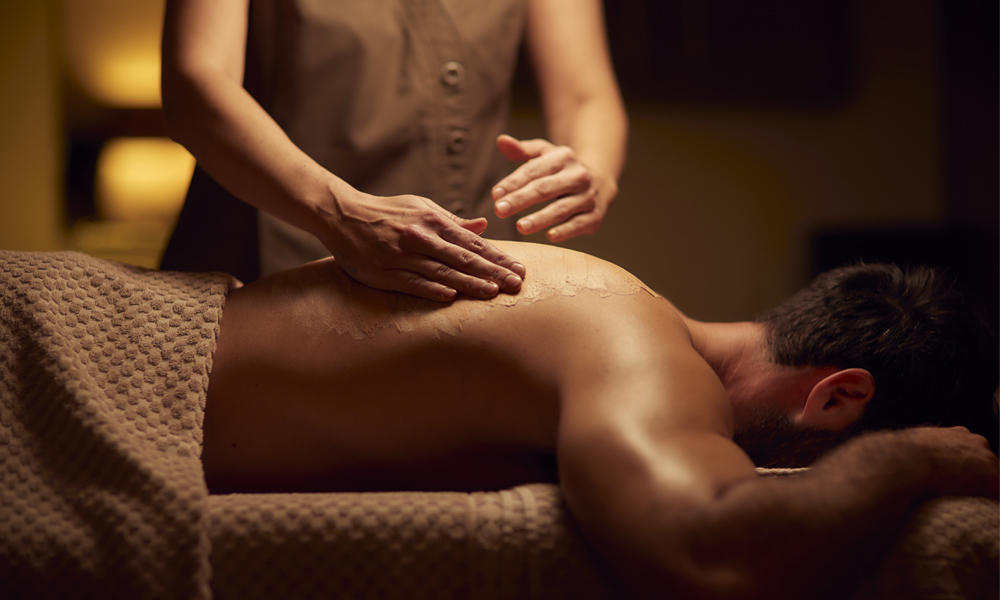
Massage therapy helps by targeting tight muscles and improving blood circulation in affected areas. When muscles around the spine become tense, they can place extra strain on surrounding structures, leading to discomfort and restricted movement.
Many people report feeling greater flexibility and reduced muscle tension after regular massage sessions. While massage is not a cure for underlying medical conditions, it can be a useful complementary approach for managing common muscular back pain.
Lower Back Tension
The lower back carries much of the body's weight and is often under constant stress. Long hours driving through city traffic, sitting at a desk, or standing throughout the day can all contribute to tightness in this area.
Lower back tension often develops gradually. At first, it may feel like mild stiffness, but over time it can become persistent discomfort that affects movement and posture.
Massage techniques that focus on the lower back, hips, and surrounding muscles can help release tension and encourage relaxation. In many cases, tight muscles in nearby areas such as the glutes and hamstrings can also contribute to lower back discomfort, making a full-body approach beneficial.
Neck Stiffness
Few things are as frustrating as waking up unable to turn your head comfortably.
Neck stiffness is commonly linked to poor sleeping positions, stress, prolonged screen use, and repetitive movements. In today's digital environment, many people spend hours looking down at phones or leaning forward toward computer screens, placing extra strain on the neck muscles.
Massage therapy can help reduce muscle tightness in the neck and upper back, which may improve mobility and comfort. Regular treatment can also help individuals become more aware of posture habits that contribute to recurring stiffness.
Shoulder Tightness
The shoulders are often where stress and tension tend to accumulate.
For office workers, business owners, drivers, and even students, spending long periods in one position can cause the shoulder muscles to become tight and uncomfortable. This can limit range of motion and sometimes contribute to headaches or upper back discomfort.
Massage works by helping release muscle knots and reducing tension in the surrounding tissues. Many people find that shoulder-focused massage sessions provide noticeable relief, particularly when combined with stretching and ergonomic adjustments.
Headaches and Muscle-Related Migraines
Not all headaches originate in the head.
Tension headaches are frequently linked to tight muscles in the neck, shoulders, and upper back. Stress, poor posture, and prolonged screen exposure can all contribute to muscle tension that triggers headache symptoms.
Massage therapy may help reduce the frequency and intensity of tension-related headaches by addressing muscular tightness and encouraging relaxation. Some individuals who experience muscle-related migraines also find relief when tension in surrounding muscles is reduced.
Of course, persistent or severe headaches should always be assessed by a qualified healthcare professional, but massage can often play a supportive role in managing muscle-related discomfort.
Heavy or Tired Legs
People who spend much of their day standing, walking, or travelling often experience a sensation of heaviness in their legs.
Retail workers, hospitality staff, healthcare professionals, and event personnel frequently deal with tired legs after long shifts. Athletes and fitness enthusiasts may experience similar symptoms after intense training sessions.
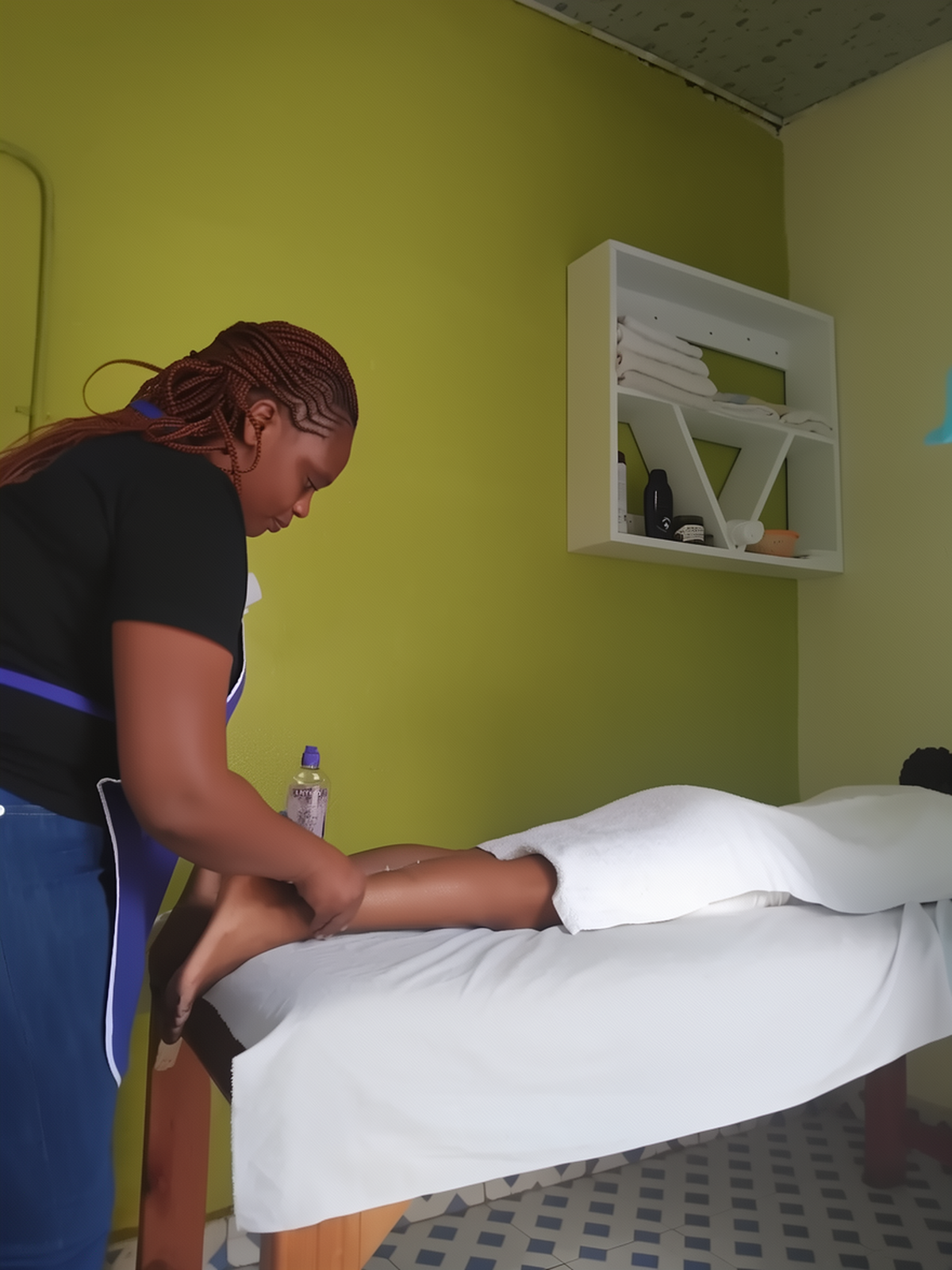
Massage helps stimulate circulation and encourages the movement of fluids through the body. This can create a lighter, more refreshed feeling in the legs and help reduce the sensation of fatigue.
For many people, a focused leg massage becomes particularly beneficial after periods of prolonged standing or physical exertion.
Sports Recovery and Athletic Performance
Massage therapy has become a common recovery tool among athletes at all levels.
Whether someone participates in competitive sports, runs recreationally, cycles on weekends, or regularly visits the gym, physical activity places stress on muscles and connective tissues.
Sports massage is designed to help muscles recover more efficiently after exercise. It may help reduce soreness, improve flexibility, and support mobility between training sessions.
Across Kenya's growing fitness community, many athletes now include massage therapy as part of their recovery routine alongside proper hydration, nutrition, and rest.
Muscle Fatigue
Muscle fatigue can affect anyone, not just athletes.
A demanding work schedule, physical labour, repetitive movements, or even emotional stress can leave muscles feeling tired and overworked. When muscles remain tense for extended periods, they often become less efficient and more prone to discomfort.
Massage therapy promotes relaxation and encourages blood flow to affected areas. Improved circulation helps deliver oxygen and nutrients to tissues while supporting the body's natural recovery processes.
Many clients describe feeling more energised and physically refreshed following treatment, especially when fatigue has been building over several weeks or months.
Poor Posture
Modern lifestyles have created a perfect environment for posture-related problems.
Hours spent sitting at desks, using laptops, scrolling through phones, or driving can gradually pull the body out of alignment. Poor posture often contributes to muscle imbalances, neck pain, shoulder tension, and lower back discomfort.
Massage therapy can help address some of the muscular tightness associated with poor posture. By relaxing overworked muscles and improving flexibility, individuals may find it easier to maintain healthier positioning throughout the day.
However, lasting improvement usually comes from combining massage with posture awareness, ergonomic adjustments, and regular movement.
Repetitive Strain from Office Work
Many office workers are familiar with the gradual aches that come from performing the same movements day after day.
Typing, using a mouse, answering phones, and sitting in static positions can all contribute to repetitive strain injuries and muscle tension. Symptoms often appear in the wrists, forearms, shoulders, neck, and upper back.
Massage therapy can help reduce muscular stress caused by repetitive work patterns. It may also improve flexibility and circulation in areas that receive constant strain.
For professionals spending long hours behind a desk, incorporating occasional massage sessions into a wellness routine can help manage discomfort before it becomes more significant.
General Body Tension and Stress
Sometimes there isn't a single area causing discomfort. Instead, the entire body feels tight, tense, and exhausted.
Stress often manifests physically. Tight shoulders, clenched jaws, stiff necks, and sore muscles are common responses to prolonged mental pressure. Over time, this tension can affect sleep quality, energy levels, and overall wellbeing.
Massage provides an opportunity for both physical and mental relaxation. Beyond the muscular benefits, many people appreciate the chance to disconnect from daily pressures and focus on recovery.
As awareness of wellness continues to grow in Kenya, more people are viewing massage therapy not as an occasional indulgence but as part of a broader self-care strategy.
Finding Qualified Massage Therapists in Kenya
The effectiveness of massage therapy often depends on the experience and professionalism of the therapist providing treatment. Different conditions may require different techniques, making it important to choose someone with appropriate training and expertise.
For those looking to connect with vetted wellness professionals, platforms such as The Real Plug can be useful for discovering service providers and comparing options based on location and needs.
Taking the time to find a qualified practitioner helps ensure a safer and more effective experience.
Final Thoughts
From back pain and neck stiffness to sports recovery and general muscle fatigue, massage therapy can play a valuable role in managing many common physical discomforts. While it should not replace medical treatment for serious conditions, it can be an effective complementary approach for reducing tension, improving mobility, and supporting overall wellbeing.
As more Kenyans prioritise health and recovery, massage therapy continues to move beyond the spa setting and into everyday wellness routines. For many people, regular treatment is less about luxury and more about staying comfortable, mobile, and able to enjoy daily life with fewer physical limitations.