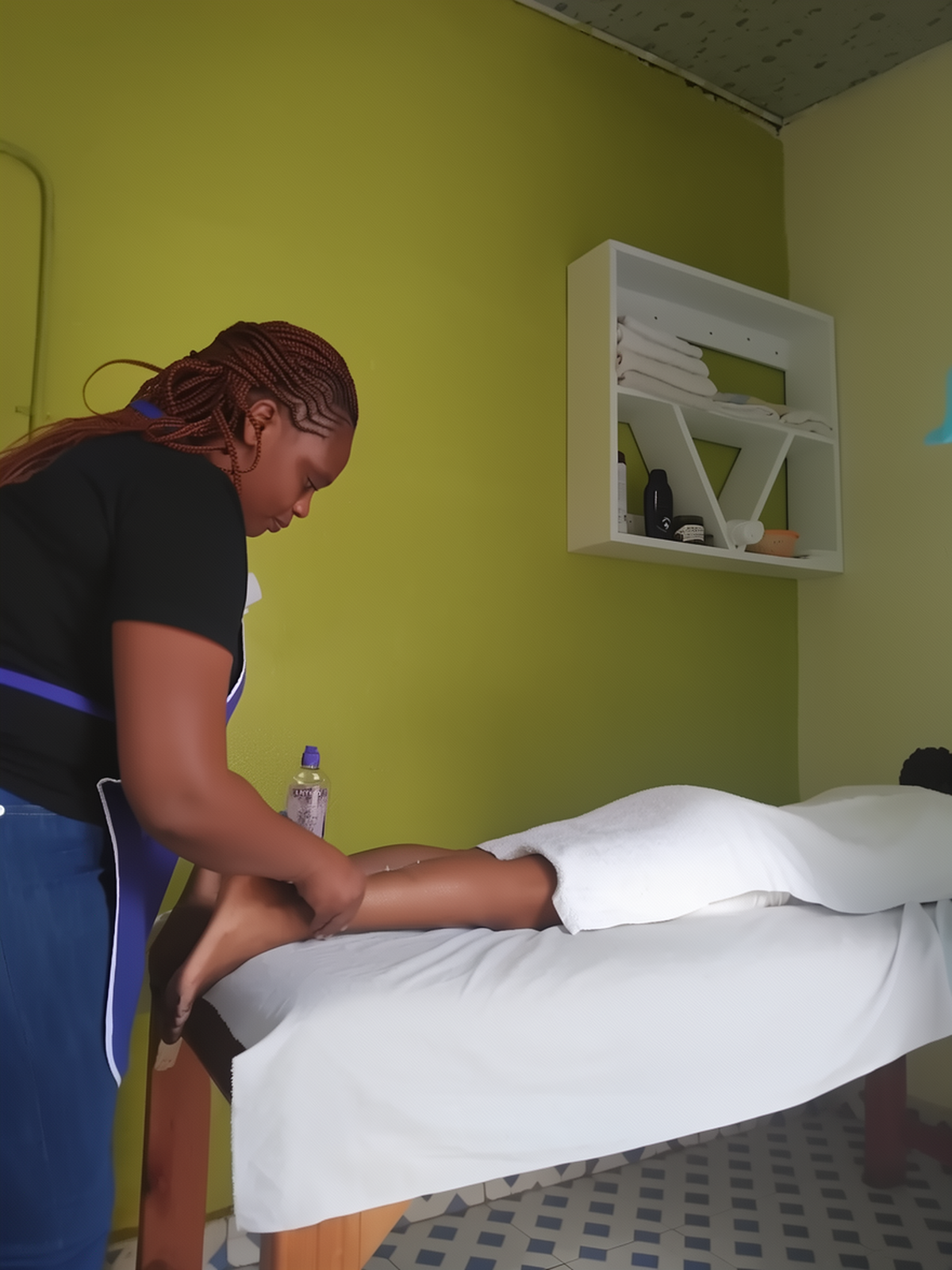


Massage therapy has become increasingly popular across Kenya, whether for relaxation, stress management, fitness recovery, or general wellness. From busy professionals in Nairobi to tourists visiting the coast and athletes training in Eldoret, more people are exploring massage as part of their health and self-care routines.
Yet despite its growing popularity, many first-time clients still have questions before booking an appointment. What actually happens during a massage? Is it safe? How often should you go? And can massage really help with everyday aches and pains?
These are all reasonable questions. If you're considering booking your first session—or simply want a better understanding of what to expect—this guide answers some of the most common questions people ask about massage therapy services in Kenya.
Is Massage Therapy Safe?
For most healthy individuals, massage therapy is generally considered safe when performed by a trained and qualified professional.
Massage techniques are designed to work with the body's muscles and soft tissues, helping promote relaxation, improve comfort, and support overall wellness. Most clients experience no adverse effects beyond occasional mild soreness after certain treatments.
However, safety depends on several factors, including the client's health condition and the therapist's level of experience.
People with specific medical conditions such as recent injuries, severe circulatory issues, certain skin conditions, or other health concerns should consult a healthcare professional before booking a massage. It's also important to inform the therapist about any medical history, injuries, or concerns before treatment begins.
Open communication helps ensure the session is appropriate and comfortable for the client.
How Often Should I Get a Massage?
There is no universal answer because every person's lifestyle, health goals, and physical needs are different.
Someone managing a physically demanding job or participating in regular fitness training may benefit from more frequent sessions than someone seeking occasional relaxation.
Many people schedule massages monthly as part of their wellness routines. Others prefer sessions every few weeks, while some book appointments only when they feel muscle tension, stress, or discomfort building up.
The best frequency often depends on your goals. If massage is part of a broader wellness strategy that includes exercise, stretching, hydration, and stress management, consistency tends to be more important than intensity.
A qualified therapist can usually provide guidance based on your specific circumstances and wellness objectives.
What Should I Wear to a Massage Appointment?
This is one of the most common concerns among first-time clients.
The simple answer is that you should wear comfortable clothing and choose whatever level of undress allows you to feel comfortable during treatment.
Professional massage therapists are trained to maintain client privacy and dignity throughout the session. Only the area being treated is typically exposed, while the rest of the body remains properly covered.
For some types of massage, clients may remain partially clothed. For others, therapists may recommend removing certain items of clothing to allow effective treatment.
The most important thing is to communicate any concerns beforehand. A professional therapist will explain the process clearly and help ensure you feel comfortable throughout the session.
What Happens During the First Appointment?
First appointments usually begin with a brief consultation.
The therapist may ask about your health history, lifestyle, physical concerns, previous injuries, and reasons for seeking treatment. This conversation helps them understand your needs and tailor the session appropriately.
Once the consultation is complete, the therapist will explain the treatment process and answer any questions you may have.
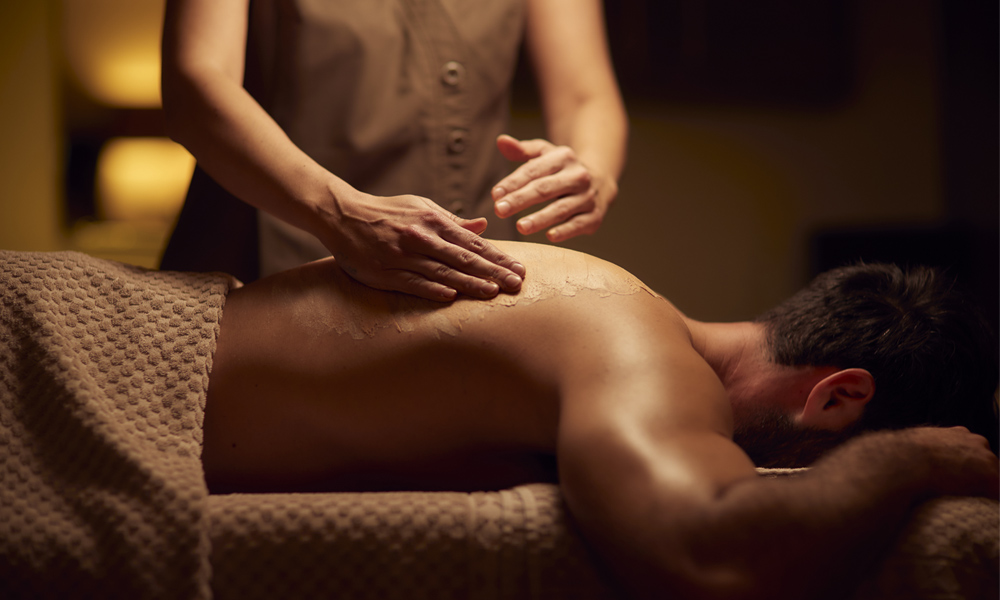
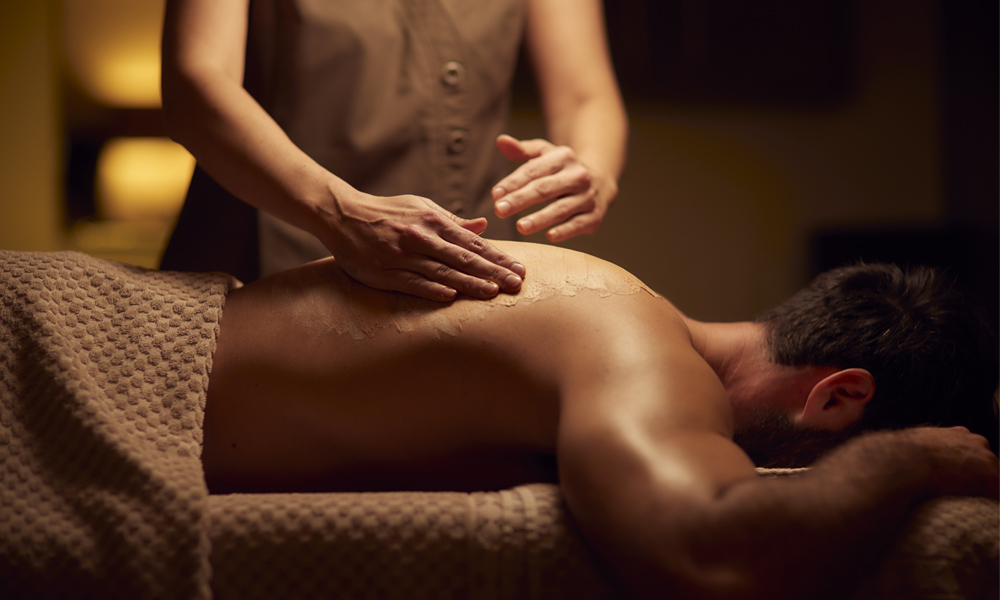
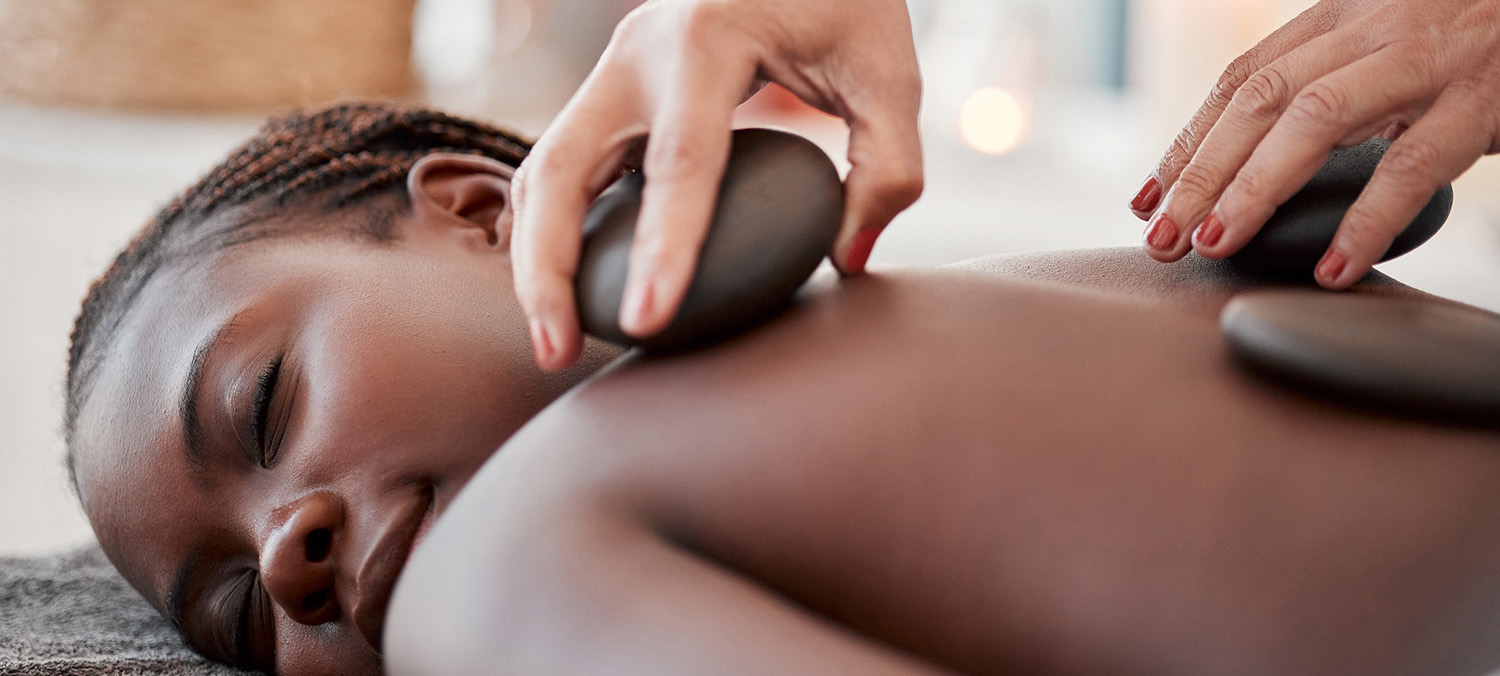
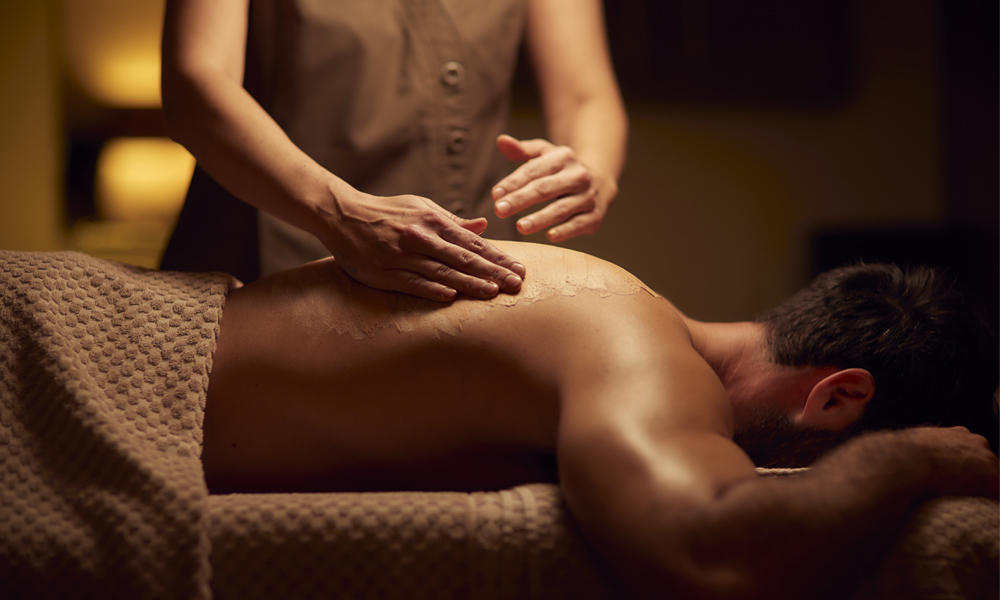
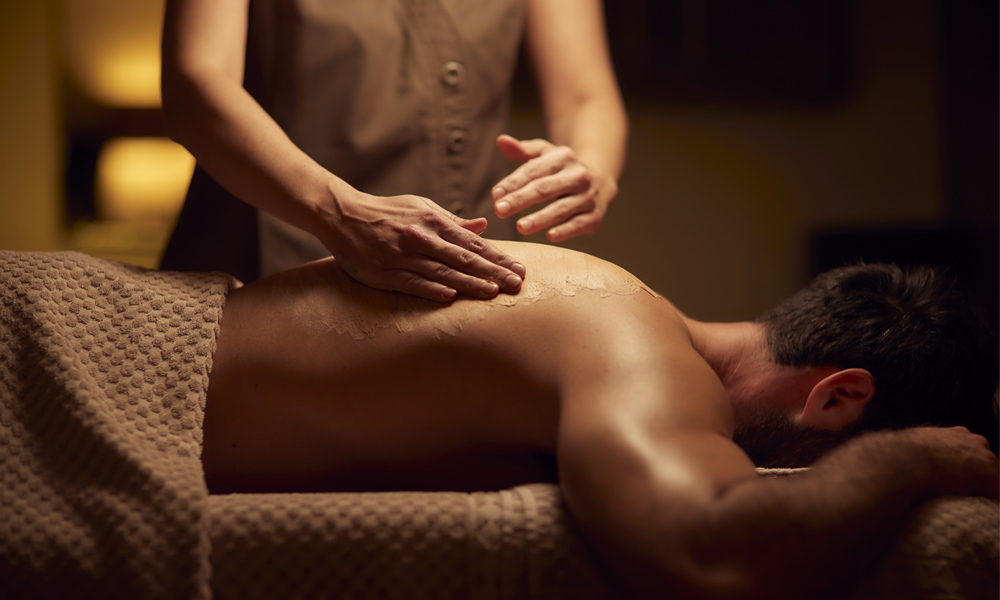
During the massage itself, different techniques may be used depending on the type of treatment selected. Some sessions focus primarily on relaxation, while others target areas of tension or discomfort.
After the appointment, many therapists provide basic aftercare recommendations such as hydration, stretching, or rest.
For first-time clients, the experience is often much less intimidating than expected.
Can Massage Help With Back Pain?
Back discomfort is one of the most common reasons people seek massage therapy.
Long hours spent sitting at desks, driving, standing for extended periods, or performing repetitive physical tasks can contribute to muscle tension and discomfort in the back and shoulders.
Massage therapy may help relieve muscle tightness and improve overall comfort for some individuals experiencing mild or moderate muscular tension.
However, it's important to understand that massage is not a substitute for medical diagnosis or treatment. Persistent, severe, or unexplained back pain should always be evaluated by an appropriate healthcare professional.
Many clients find that massage works best as part of a broader approach that includes movement, stretching, proper posture, exercise, and healthy lifestyle habits.
Is Deep Tissue Massage Painful?
Deep tissue massage is often misunderstood.
While it typically involves firmer pressure than relaxation-focused treatments, it should not be unbearably painful.
Some discomfort can occur when working on particularly tight muscles or areas of chronic tension. However, a professional therapist should always adjust pressure based on client feedback.
Many people describe deep tissue massage as "intense but productive" rather than painful.
Communication is essential. If the pressure feels too strong, clients should speak up immediately. A good therapist will adapt the treatment to ensure it remains both effective and comfortable.
The goal is to address muscle tension—not create unnecessary pain.
How Long Does a Massage Session Last?
Massage sessions vary depending on the treatment type and client preferences.
The most common appointment length is around 60 minutes, which provides sufficient time for a comprehensive full-body treatment.
Some clients choose shorter sessions lasting approximately 30 minutes when focusing on specific areas such as the neck, shoulders, or lower back.
Others prefer longer appointments of 90 or 120 minutes, particularly when seeking deeper relaxation or more extensive therapeutic work.
When comparing services, it is always worth confirming session duration in advance, as treatment length can significantly affect both pricing and overall experience.
Can I Book Home Massage Services?
Yes. Home massage services have become increasingly popular throughout Kenya.
Many therapists now offer mobile appointments, allowing clients to receive treatment in their homes, hotels, apartments, or offices.
This option appeals to busy professionals, parents, tourists, and individuals who prefer the convenience of avoiding travel.
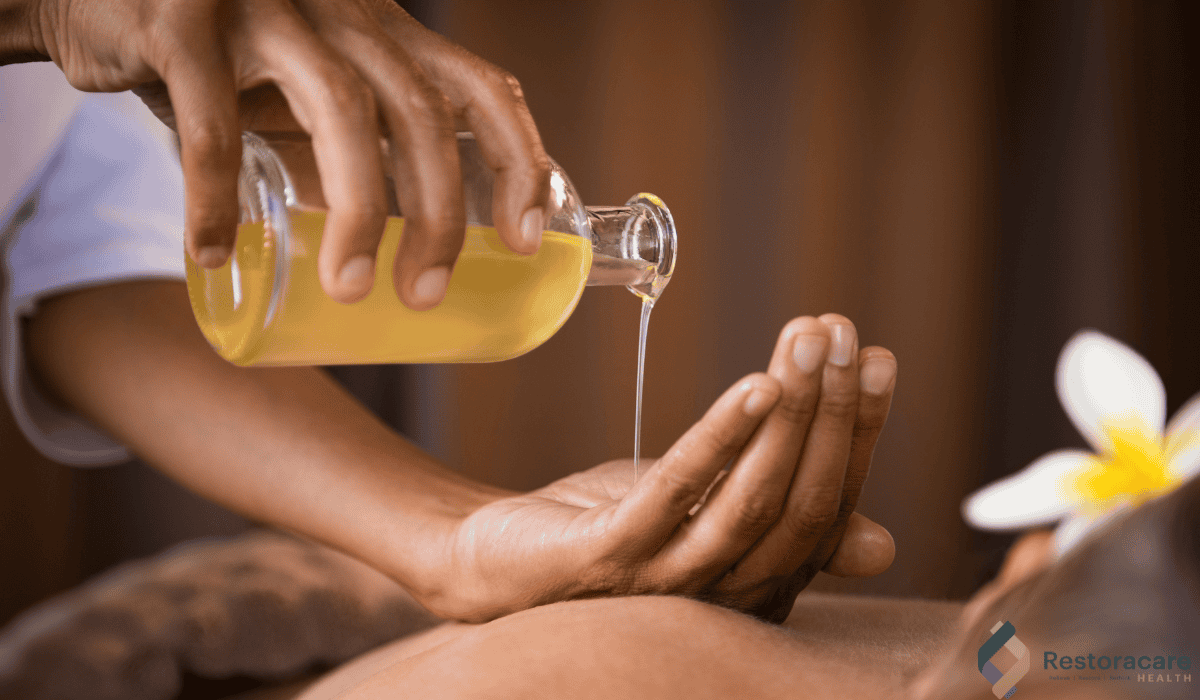
During a home appointment, therapists typically bring portable massage tables, linens, oils, and any necessary equipment.
As with any wellness service, it is important to choose reputable providers. Platforms such as The Real Plug can help users find vetted professionals and compare service providers before booking.
Verifying credentials and reading reviews can help ensure a safe and professional experience.
What Should I Do After a Massage?
Many clients wonder whether there are specific steps they should follow after treatment.
Generally, the best approach is to allow the body time to recover and relax.
Drinking water is commonly recommended, particularly after deep tissue treatments. Staying hydrated supports overall wellness and helps maintain comfort following the session.
Gentle movement, stretching, and adequate rest can also be beneficial.
It is usually wise to avoid immediately returning to intense physical activity, especially after a more vigorous massage.
Paying attention to how your body feels and allowing yourself some downtime can help maximize the benefits of the session.
Who Should Avoid Massage Therapy?
While massage therapy is appropriate for many individuals, there are situations where extra caution is required.
People with certain medical conditions, recent surgeries, serious injuries, infections, or other health concerns should seek medical advice before scheduling treatment.
Pregnant individuals may also require therapists who are specifically trained in prenatal massage techniques.
It is always important to disclose relevant health information during the initial consultation. Doing so allows the therapist to determine whether treatment is appropriate or whether modifications are necessary.
A responsible professional will prioritize client safety above all else.
Choosing the Right Massage Therapist
Beyond understanding the treatment itself, selecting the right therapist plays a major role in the overall experience.
Look for providers who communicate clearly, explain their services transparently, and maintain professional standards. Reviews, recommendations, and verified business listings can also provide useful insights.
The cheapest option is not always the best, and the most expensive service is not automatically superior.
The ideal therapist is one who understands your goals, respects your comfort level, and delivers a professional, trustworthy experience.
Taking time to research providers often leads to better long-term results and greater satisfaction.
Final Thoughts
Massage therapy continues to gain popularity across Kenya as more people explore ways to support their physical and mental well-being.
Whether you're interested in stress relief, relaxation, recovery support, or general self-care, understanding the basics can help you approach your first appointment with confidence.
By asking questions, choosing qualified professionals, and communicating openly with your therapist, you can create a positive experience that aligns with your individual wellness goals.
Like many aspects of health and wellness, the most effective approach is one based on informed decisions, realistic expectations, and consistent self-care habits.