

A blocked toilet can make even the calmest homeowner panic. One minute everything looks normal, then suddenly the toilet refuses to flush, the bathroom starts smelling strange, or dirty water begins rising from a floor drain. In that moment, many people in Kenya reach for the first plumber’s number they can find. Sometimes that is the right move. Other times, the real problem is not the pipe but the septic tank, and what you need is an exhauster service.
This confusion is common in homes, rental plots, restaurants, schools, and small offices across Nairobi, Kisumu, Eldoret, Nakuru, Kitengela, Ruiru, Ngong, Juja, and many other towns. Plumbers and exhauster companies both deal with wastewater problems, but they do not do the same job. Calling the wrong person first can waste money, delay repairs, and make a small issue turn into a messy compound situation.
Understanding the difference between exhauster services vs plumbing services helps you act faster and make a better decision. The key is knowing where the problem is coming from. Is it inside the house? Is it in the pipe? Is the septic tank full? Or has the soak pit stopped draining? Once you can answer those questions, choosing who to call becomes much easier.
What Plumbing Services Usually Handle
A plumber deals with the water and drainage systems in and around a building. This includes taps, sinks, toilets, showers, water tanks, pumps, cisterns, bathroom fittings, kitchen fittings, and the drainage pipes that carry wastewater away from the house. If water is leaking, not flowing, or not draining properly within the plumbing system, a plumber is usually the first person to call.
In a typical Kenyan home, a plumber may fix a leaking toilet cistern, unblock a kitchen sink, repair a broken pipe, install a new shower, connect a washing machine, or replace a cracked toilet bowl. In rental properties, plumbers are often called when tenants complain about slow drains, bad smells from the bathroom, blocked sinks, or water leaking through walls and ceilings.
Plumbers use tools such as plungers, pipe wrenches, drain snakes, pressure machines, sealants, replacement valves, and sometimes inspection cameras. A skilled plumber can trace whether a blockage is in the toilet trap, the bathroom drain, the kitchen waste pipe, or the main line leading to the septic tank or sewer connection. This diagnosis is important because not every drainage problem means the septic tank is full.
However, plumbers have limits. They do not empty septic tanks, pit latrines, or soak pits. If the tank is already full, a plumber may identify the issue, but they cannot remove thousands of litres of sludge. Their tools are designed for pipes and fittings, not bulk waste removal.
What Exhauster Services Usually Handle
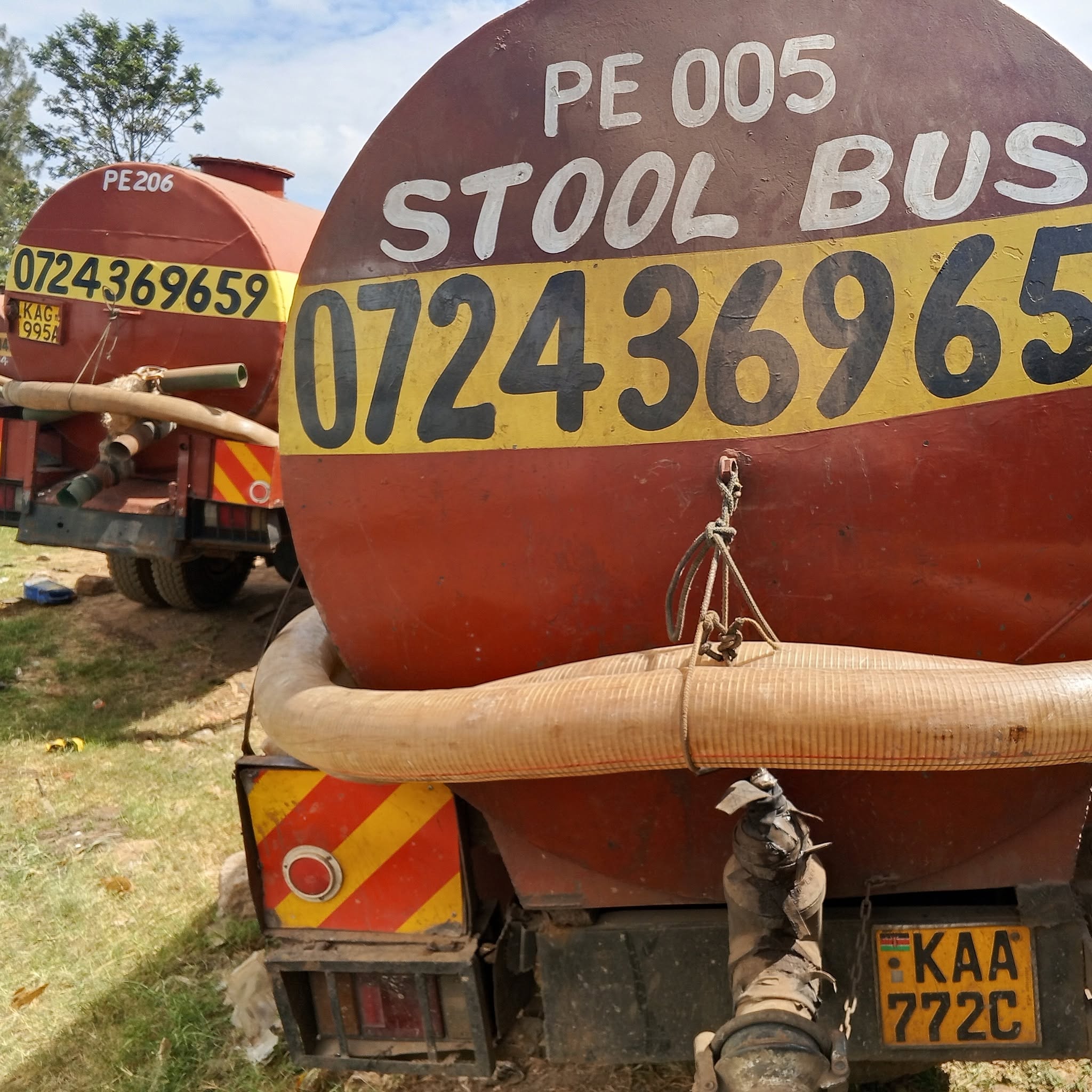
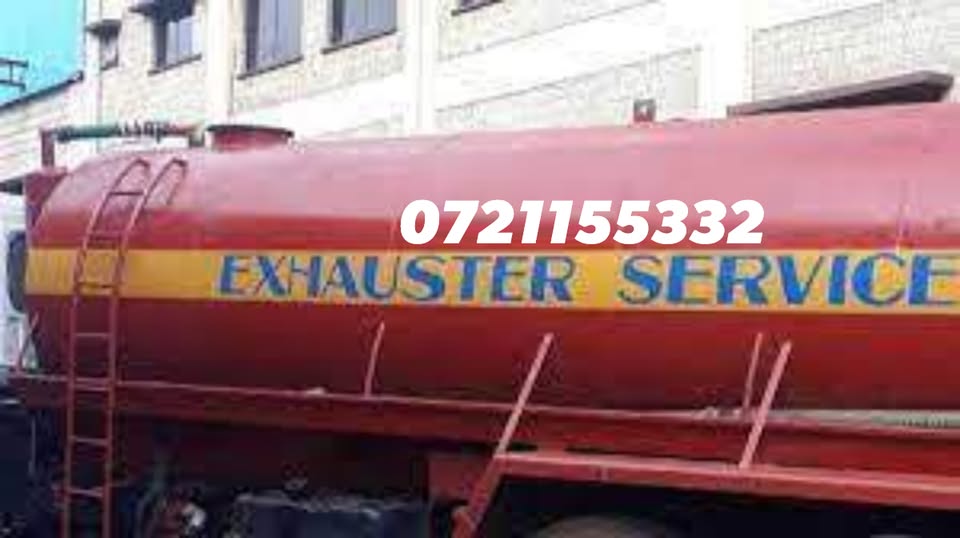
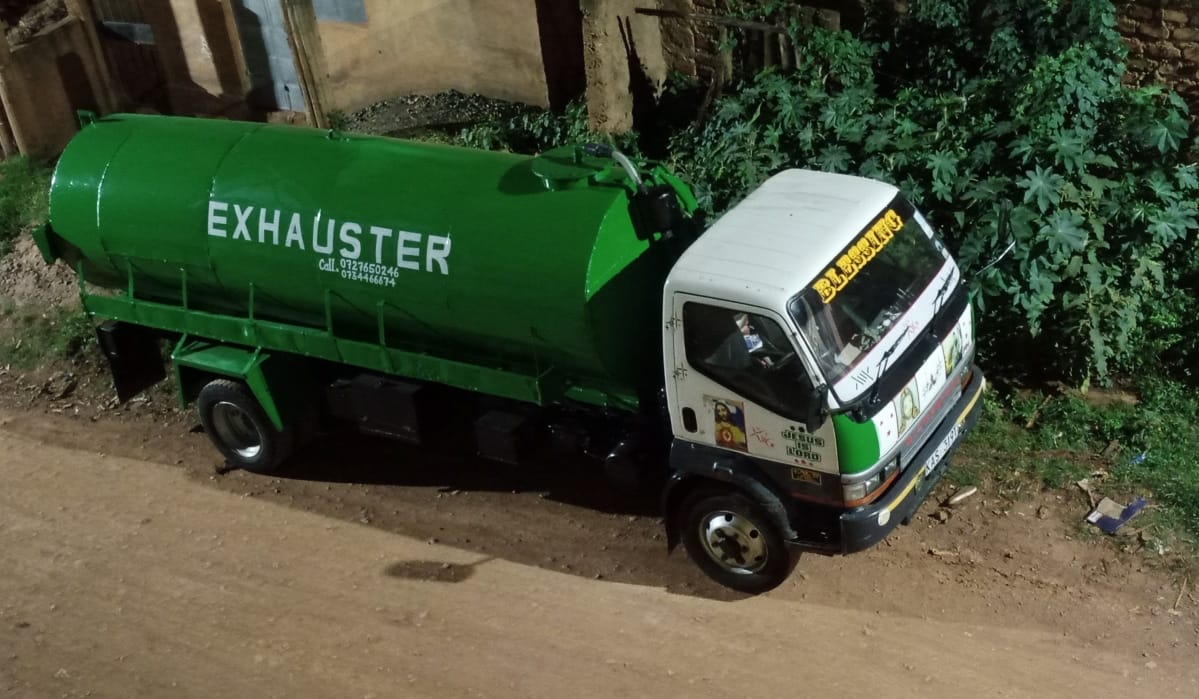
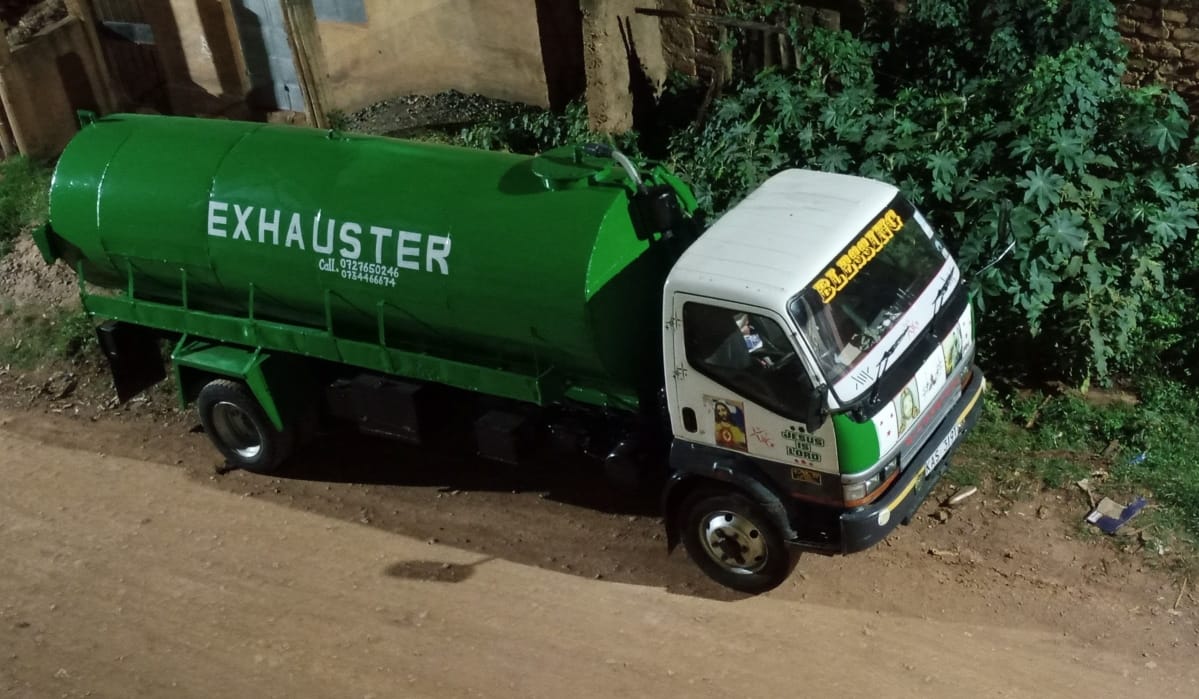
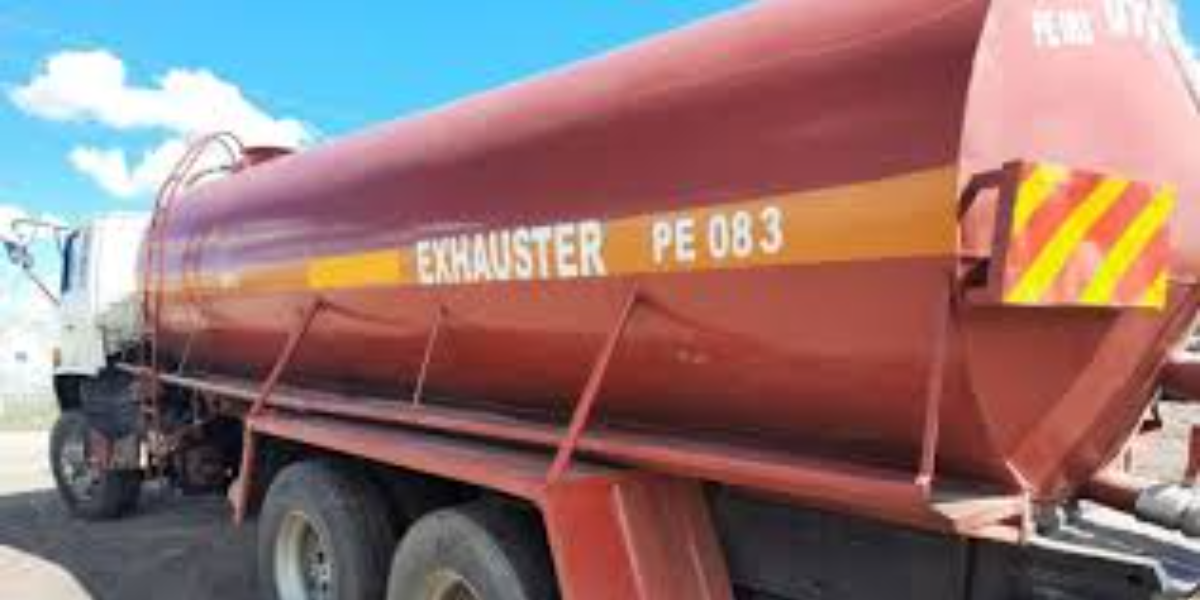
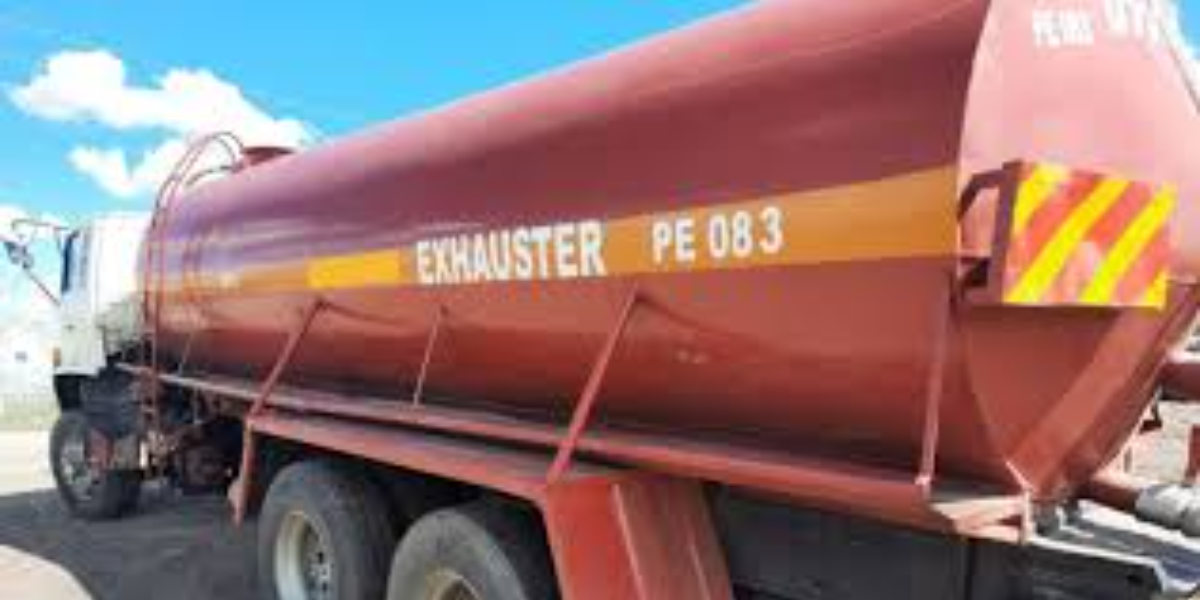
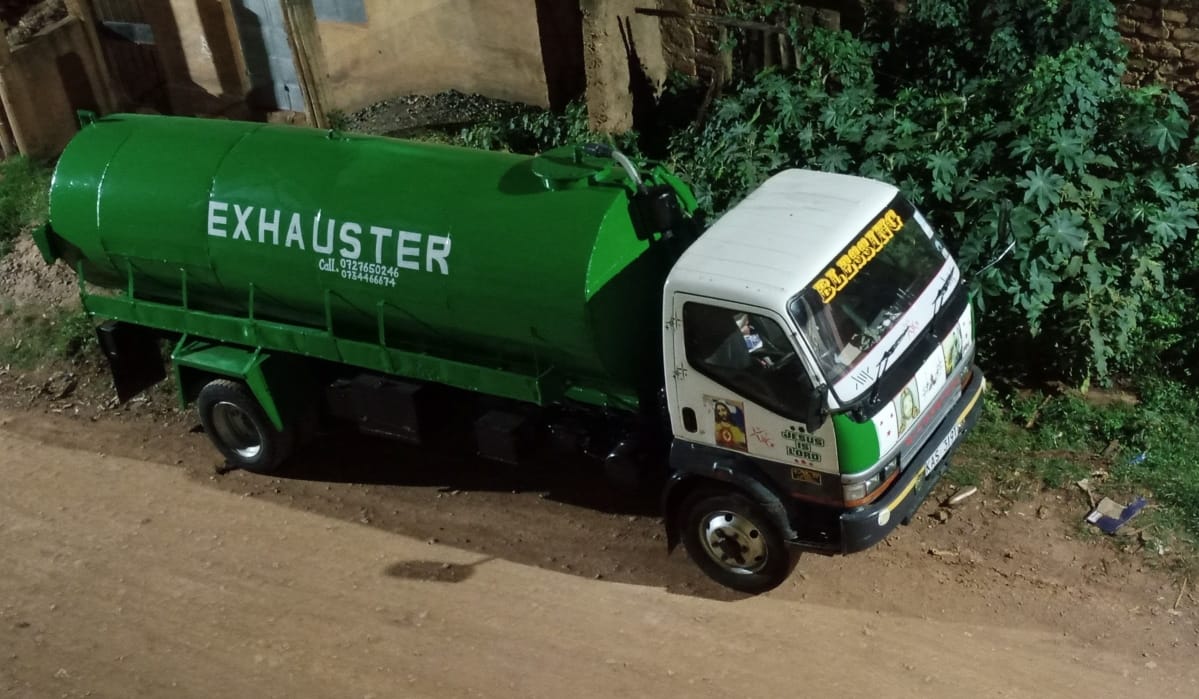
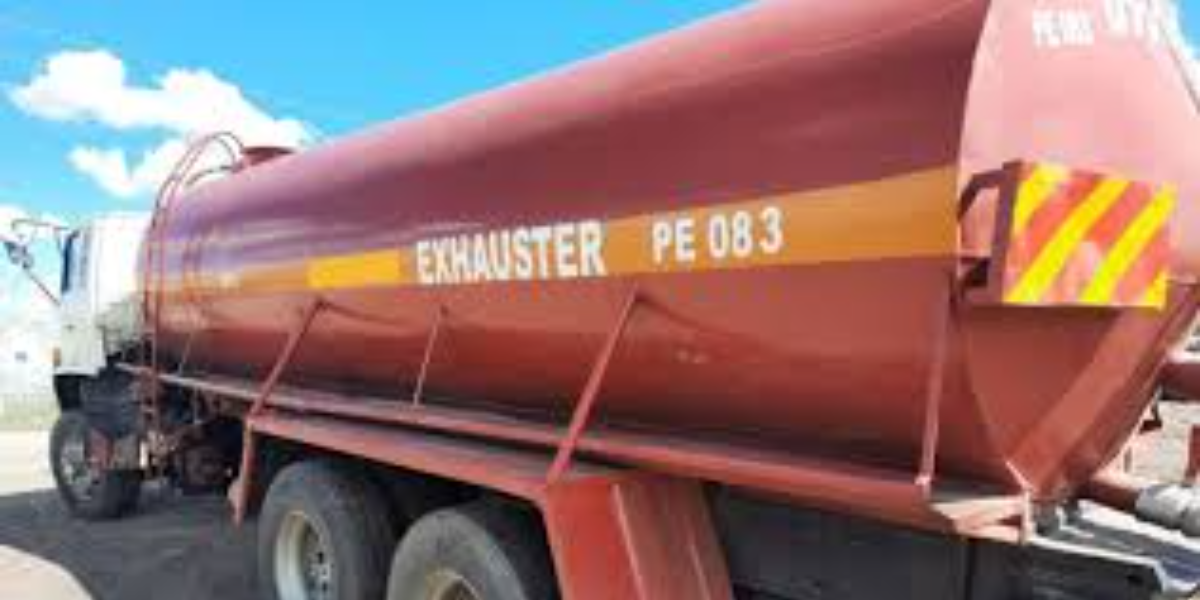
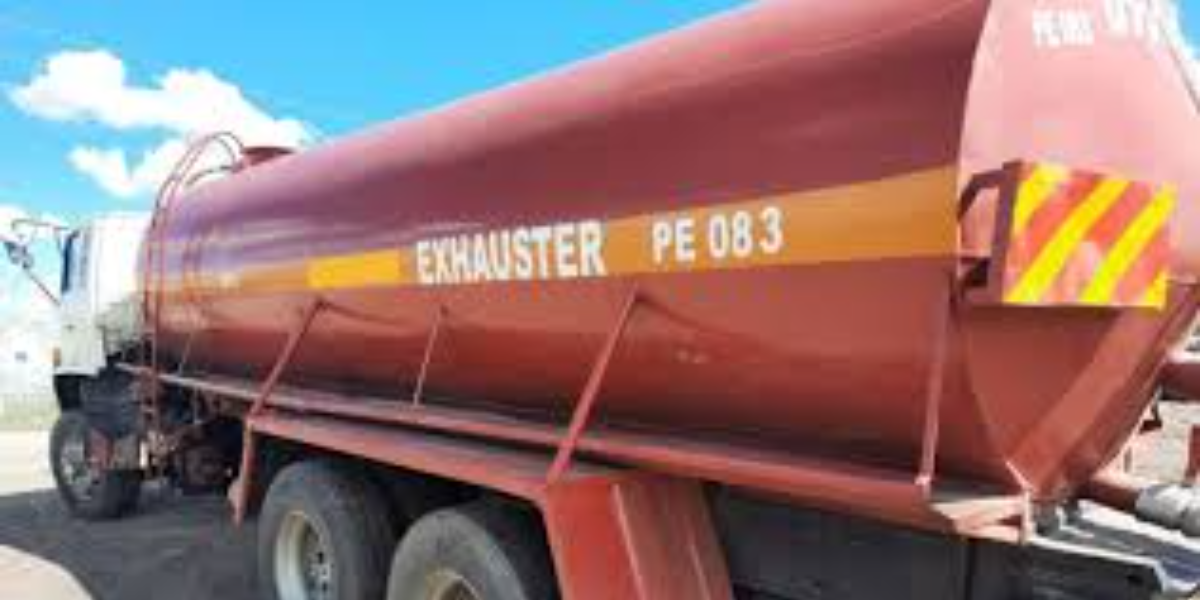
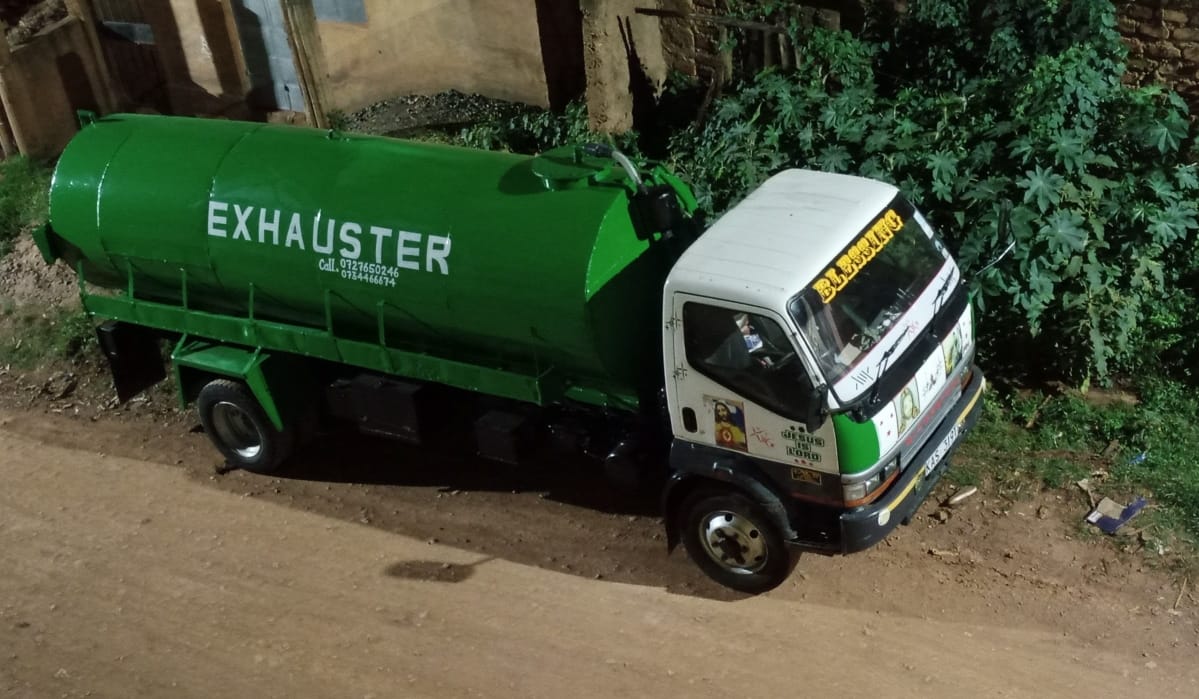
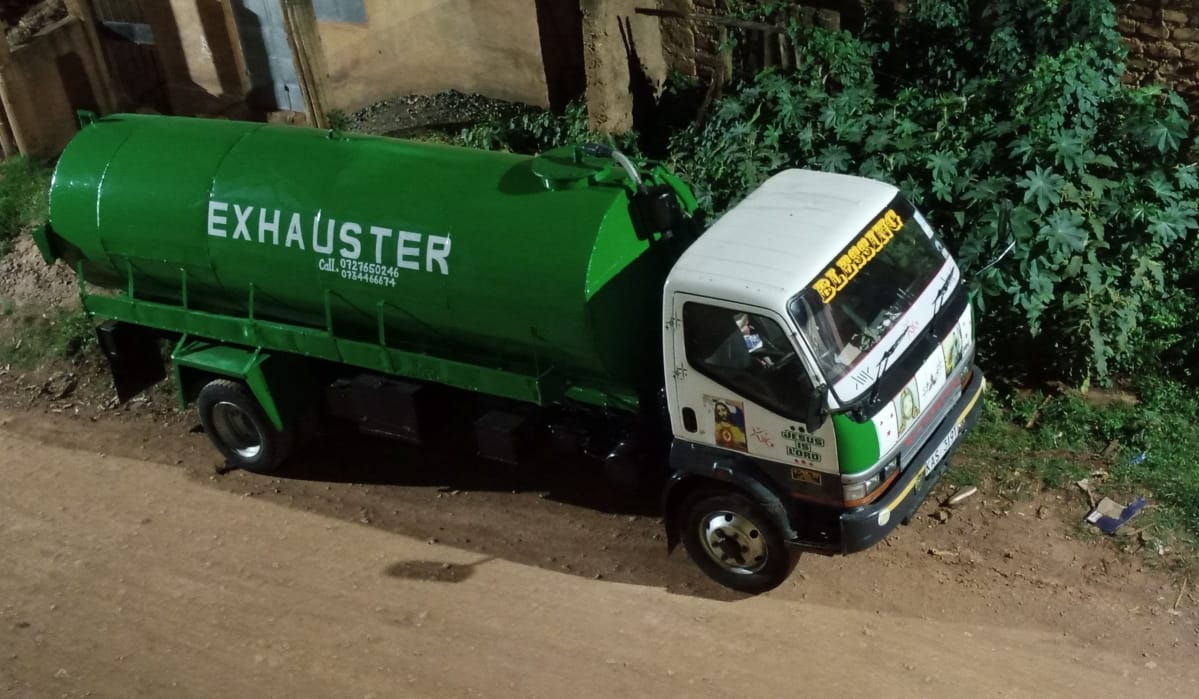
Exhauster services focus on removing accumulated waste from septic tanks, pit latrines, biodigesters, grease traps, and sometimes blocked soak pits. An exhauster truck is fitted with a vacuum pump and a storage tank that sucks out sludge and wastewater, then transports it for disposal at an approved site. This is very different from plumbing work.
You need an exhauster when the problem is no longer just a pipe blockage but a full or overloaded waste collection system. If several toilets in the house are draining slowly at the same time, if sewage is overflowing from a manhole, or if wastewater is backing up into the compound, the septic tank may be full. In that case, opening one pipe will not solve the problem for long.
Exhauster services are also common for landlords and businesses that use septic tanks instead of the main sewer line. A rental block in Kahawa West, a school in Kitengela, a hotel in Naivasha, or a commercial building in Kisumu may need scheduled emptying depending on usage. High-traffic properties fill tanks faster than ordinary homes, so they should not wait for overflow before calling a provider.
A good exhauster company should not only remove waste but also dispose of it responsibly. This matters because illegal dumping can create environmental and legal problems. Property owners, landlords, and businesses should ask where the waste will be taken and whether documentation is available where required, especially for commercial or institutional premises.
How to Tell Whether You Need a Plumber or an Exhauster
The easiest way to decide is to observe how widespread the problem is. If only one toilet, sink, or bathroom drain is affected, the issue is likely local. For example, a child may have dropped something into the toilet, hair may be blocking the bathroom drain, or grease may have hardened in the kitchen sink pipe. In such cases, a plumber is usually the right person to call first.
If several drains are affected at the same time, the problem may be deeper in the system. When the toilet, bathroom drain, kitchen sink, and outdoor drain all start misbehaving together, the main drainage line or septic tank could be the issue. Gurgling sounds when flushing, bad smells near the manhole, and wastewater rising from floor drains are also warning signs that the system is under pressure.
A full septic tank often affects the whole building, not just one fixture. You may notice that toilets flush slowly even after plunging, water backs up after someone showers, or dirty water appears near the inspection chamber outside. If the tank has not been emptied for years, an exhauster should be high on your list.
Sometimes the correct answer is both. A plumber may need to unblock the pipe, while an exhauster empties the septic tank. For example, if the main line is blocked because the tank is full, the plumber can clear the pipe, but the blockage may return quickly unless the tank is emptied. In that situation, calling both professionals in the right order saves repeat visits.
Common Situations and Who to Call First
If your kitchen sink is blocked but the toilet and bathroom are working normally, call a plumber. The issue may be grease, food particles, or a blockage in the sink trap. An exhauster truck would be unnecessary and expensive for that kind of problem.
If the toilet is blocked in one bathroom only, start with a plumber. The blockage may be in the toilet bend or nearby pipe. This is common in homes with children, shared rentals, or public washrooms where people flush tissue, sanitary pads, wipes, or small objects.
If all toilets are slow, drains are gurgling, and the septic manhole smells bad, call an exhauster or ask a plumber to inspect immediately. A full tank or blocked main line could be the cause. Waiting may lead to sewage backing up into the compound.
If your pit latrine is almost full, call an exhauster or a provider that handles pit emptying. A plumber cannot fix a filled pit latrine. The same applies to septic tanks that are visibly overflowing from the manhole.
If water is leaking from a pipe, wall, toilet base, or ceiling, call a plumber. Exhauster services do not repair leaks or install fittings. They remove waste from tanks and pits.
Cost Differences Between Plumbing and Exhauster Services in Kenya
Plumbing charges in Kenya vary depending on location, urgency, complexity, materials, and whether it is a simple repair or a bigger drainage job. A small blockage may cost much less than replacing a damaged underground pipe or repairing a hidden leak inside a wall. It is always wise to ask what the quote includes before the plumber starts work, especially if materials are needed.
Exhauster costs are usually based on distance, truck size, tank volume, access, number of trips, urgency, and disposal requirements. A property near the provider’s base may cost less than one located far away or in an estate with narrow roads. If the truck cannot get close to the septic tank and extra hose length is needed, the cost may increase. Emergency calls at night, on weekends, or during heavy rains may also attract higher charges.
Because prices change by town and provider, homeowners and landlords should confirm current rates directly before booking. A very cheap exhauster quote should be checked carefully. It may exclude disposal fees, require extra payment on site, or come from a provider who does not dispose of waste responsibly.
Mistakes to Avoid When Choosing Between the Two
One common mistake is calling an exhauster for a simple blockage. If only one sink or toilet is affected, a plumber should normally inspect first. Otherwise, you may pay for a truck when a basic drain clearing job would have solved the issue.
Another mistake is assuming that emptying the septic tank will fix poor plumbing or poor septic design. If your septic tank fills every few months in a small household, the problem may be an undersized tank, damaged soak pit, stormwater entering the tank, or groundwater leakage. In that case, repeated emptying only hides the real issue.
Many landlords also ignore early warning signs. Slow drains, smells near the manhole, wet patches around the septic area, or repeated complaints from ground-floor tenants should be checked quickly. Waiting until raw sewage appears in the compound can increase costs and upset tenants.
It is also risky to use one person for everything. A plumber who fixes taps may not be qualified to assess septic capacity. An exhauster driver may know how to empty tanks but may not be trained to repair collapsed sewer lines. Use the right professional for the job.
How to Find Reliable Plumbers and Exhauster Services in Kenya
Trust matters because wastewater problems affect hygiene, comfort, and safety. Start by asking neighbours, caretakers, estate managers, landlords, or business owners in your area for referrals. Local experience is useful because a provider who understands your estate roads, access points, soil conditions, and common drainage issues will often work faster.
Before hiring a plumber, ask whether they have handled the specific issue you are facing. A blocked drain, leaking concealed pipe, broken toilet, and biodigester connection are not the same kind of job. For exhauster services, ask about truck capacity, access requirements, disposal site, availability, and whether they can provide receipts or disposal documentation where needed.
You can also compare vetted professionals and service providers through The Real Plug, especially if you are new in an area and do not know which plumber or exhauster company to trust. Checking reviews and comparing options helps reduce the risk of no-shows, inflated quotes, and poor workmanship.
Conclusion
The difference between exhauster services vs plumbing services comes down to where the problem is. Plumbers fix pipes, fittings, leaks, blockages, water flow, and drainage lines. Exhauster services empty septic tanks, pit latrines, soak pits, biodigesters, and other waste collection systems. One repairs and maintains the flow. The other removes accumulated waste.
Before you call anyone, check whether the problem affects one fixture or the whole building. Look for signs around the septic tank or manhole. Think about when the tank was last emptied. If the issue is inside the house, start with a plumber. If the tank is full or wastewater is overflowing outside, call an exhauster. And when both problems are present, use both professionals in the right order.
A calm decision can save money, protect your home or rental property, and prevent a small blockage from becoming a health hazard. In Kenya, where many homes and businesses still rely on septic systems, knowing who to call is not just convenient. It is part of proper property maintenance.