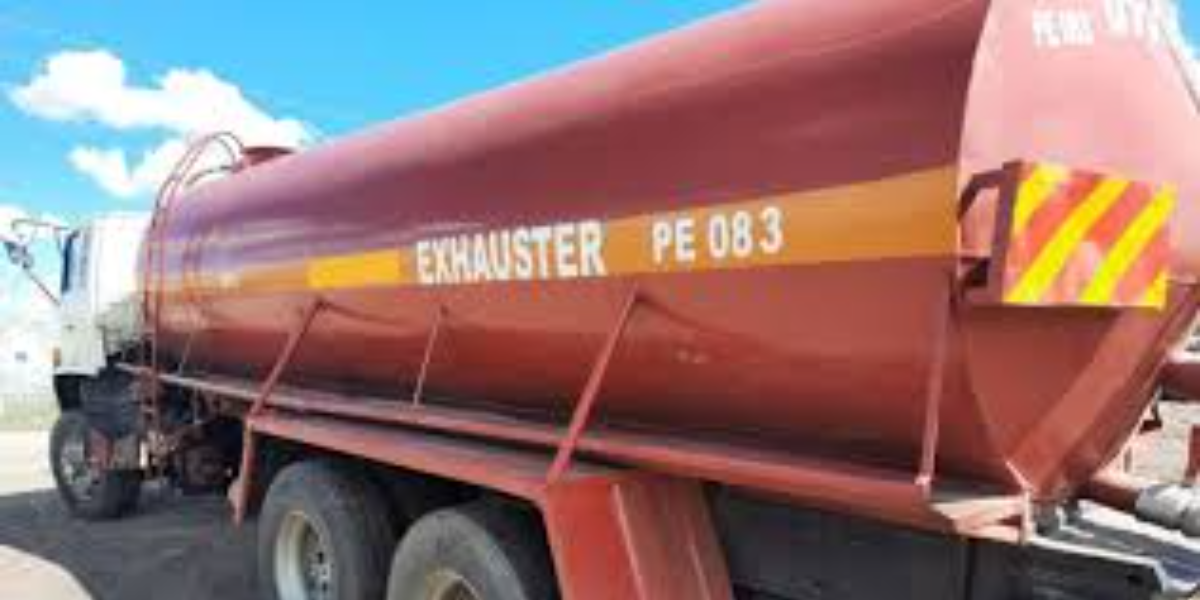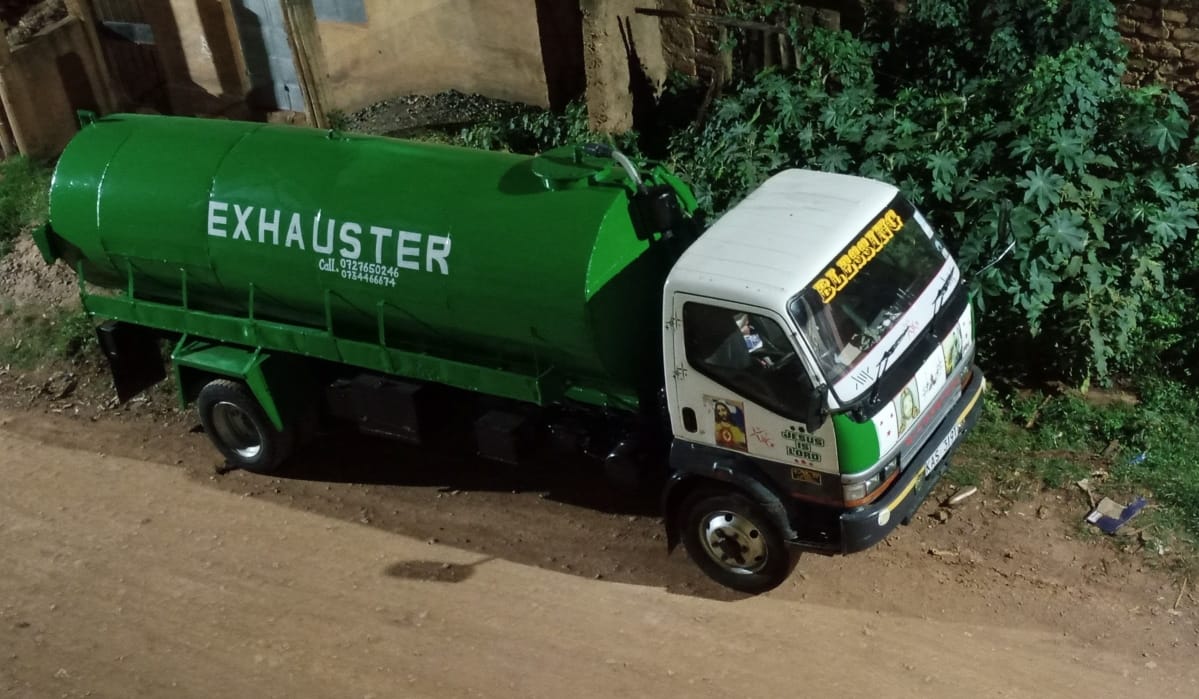


For any business in Kenya, a sewage problem can move from a small inconvenience to a serious operational crisis very quickly. A slow-draining toilet in the morning can become a flooded washroom by lunchtime. A bad smell near the kitchen entrance can turn away customers before they even sit down. For businesses that depend on hygiene, foot traffic, reputation, and inspections, wastewater management is not something to handle casually.
This is especially true for restaurants, schools, clinics, salons, hotels, office blocks, malls, factories, and guest houses that are not connected to a reliable main sewer line. Many commercial premises in places like Kitengela, Ruiru, Athi River, Juja, Syokimau, Ngong, Kisumu, Eldoret, Nakuru, and parts of Nairobi still depend on septic tanks, soak pits, biodigesters, or private wastewater systems. When these systems fail, the business does not just face repair costs. It may lose customers, face staff discomfort, attract complaints, or receive attention from county public health officers.
The good news is that most sewage emergencies are preventable. They usually happen because warning signs were ignored, tanks were not emptied on time, staff were not trained, or the system was overloaded beyond what it was designed to handle. With a practical maintenance plan, clear responsibilities, and reliable service providers, businesses can avoid unnecessary closures and protect their reputation.
Why Sewage Emergencies Are Serious for Kenyan Businesses
A sewage emergency at home is stressful, but a sewage emergency in a business can affect income immediately. If a restaurant toilet overflows during lunch hour, customers may leave and not come back. If a school has blocked toilets, parents will ask hard questions about safety and hygiene. If an office block has a strong smell near the reception or parking area, tenants may start complaining to management or even consider moving out.
Businesses that handle food, health services, accommodation, beauty services, or large numbers of visitors face even greater pressure. Public health standards matter because customers, employees, and visitors have a right to a clean and safe environment. County officers may inspect premises, especially where there are complaints or visible hygiene concerns. If wastewater is overflowing, toilets are unusable, or there is a strong sewage smell, the business may be asked to fix the problem urgently before continuing normal operations.
Reputation is another major risk. In Kenya today, customers do not always complain quietly at the counter. They may take photos, post in local Facebook groups, leave poor reviews, or share videos on TikTok and WhatsApp. Even after the issue is fixed, screenshots can keep circulating. For a business that has spent years building trust, one avoidable sewage incident can cause serious embarrassment.
Common Causes of Sewage Emergencies in Businesses
Most commercial sewage problems do not appear from nowhere. They build up slowly until the system can no longer cope. One common cause is an undersized wastewater system. A building may have been designed for a small office, then later converted into a busy restaurant, clinic, school, or shared business centre. The number of users increases, but the septic tank or drainage system remains the same.
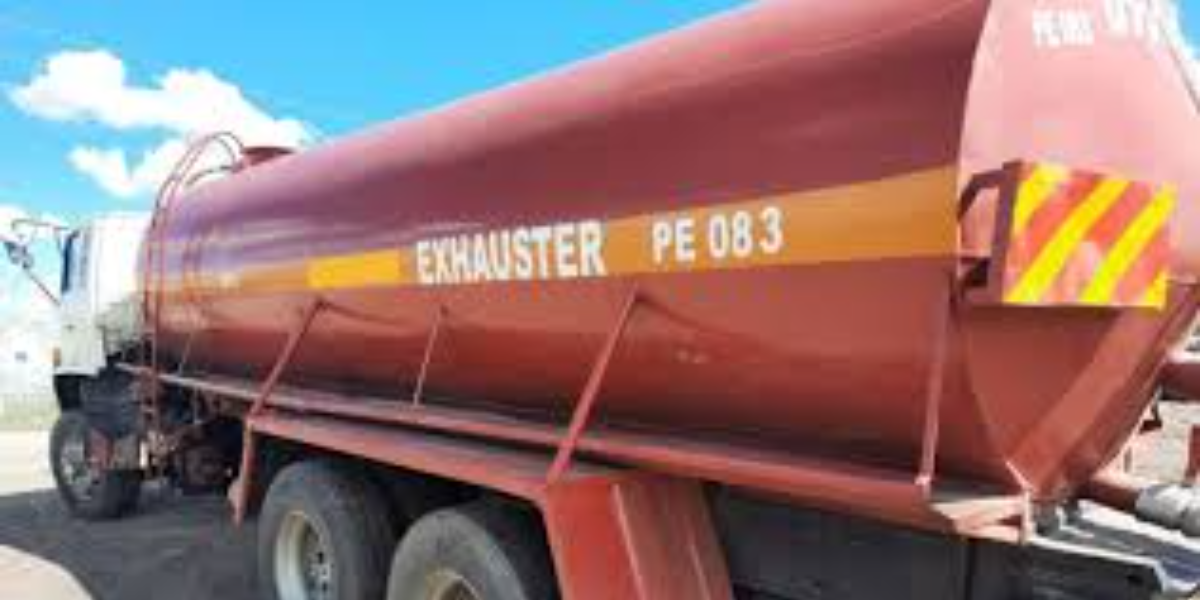
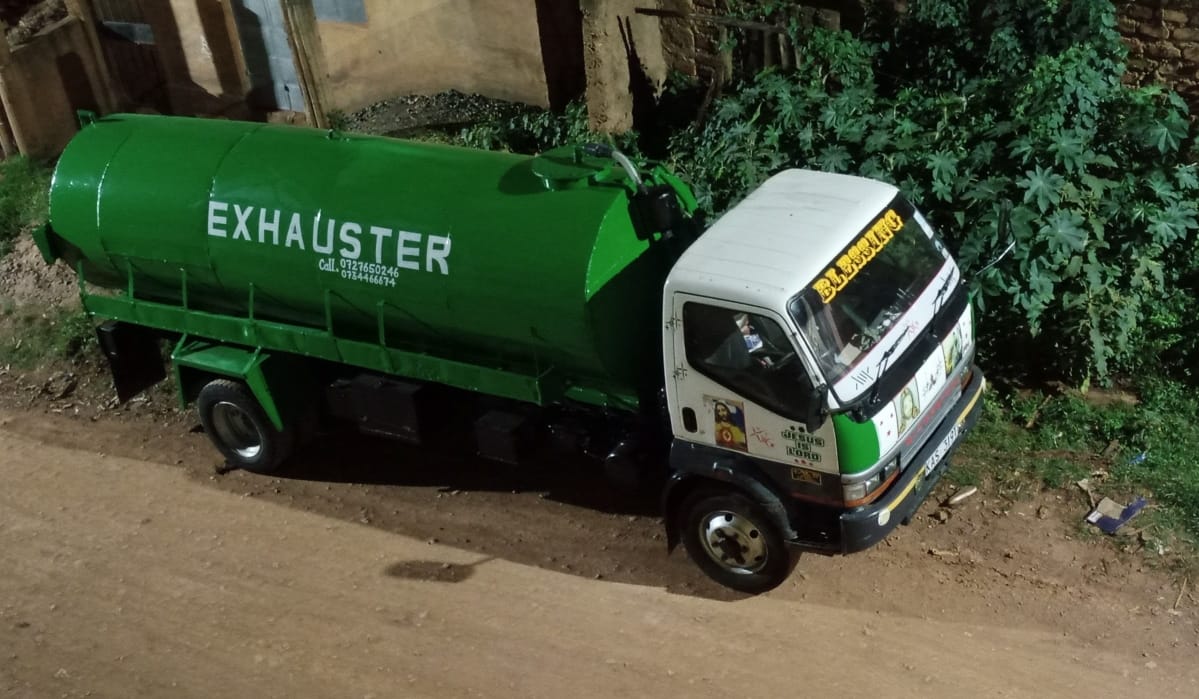
Another common cause is irregular emptying. Some business owners only call an exhauster when there is a smell or blockage. That approach is risky because commercial premises usually produce more wastewater than homes. A septic tank serving a busy restaurant, salon, guest house, or school can fill much faster than one serving a household. Waiting until there is visible overflow usually means the system has already been struggling for some time.
The third issue is what goes into the drains. Restaurants often deal with grease, food particles, and oils. Salons and barbershops deal with hair, chemicals, and product residue. Offices and public washrooms often struggle with wet wipes, sanitary pads, paper towels, and other items that should not be flushed. These materials can block pipes, reduce tank capacity, and damage the normal flow of wastewater.
Poor monitoring also causes problems. In many businesses, no one is clearly responsible for checking toilets, manholes, grease traps, or drainage areas. Cleaners may notice a smell but assume management already knows. A caretaker may see water pooling near a manhole but wait until it becomes worse. By the time the owner is informed, the business may already need emergency help.
Set a Regular Septic and Exhauster Service Schedule
The best way to avoid sewage emergencies in a business is to stop treating septic maintenance as an emergency service. It should be part of the normal operations calendar, just like servicing a generator, renewing licences, paying internet bills, or checking fire extinguishers. A planned exhauster visit is usually easier, cleaner, and less disruptive than a last-minute call when customers are already complaining.
The right emptying schedule depends on the type of business, number of users, tank size, water use, and system design. A small office with a limited number of staff may need servicing less often than a busy restaurant, hotel, school, or clinic. A restaurant with heavy kitchen use may need more frequent grease trap cleaning and septic checks. A school may prefer scheduling major wastewater maintenance during holidays to avoid disrupting learners.
Business owners should ask a qualified plumber, facility manager, or licensed exhauster provider to assess the system and recommend a realistic schedule. The first inspection should look at tank size, sludge levels, manholes, soak pit condition, grease traps, and any signs of backflow or leakage. Once the business understands its actual usage, it can plan maintenance before problems appear.
Watch for Early Warning Signs Before Things Get Worse
Sewage systems usually give warning signs before a full emergency happens. The problem is that many businesses ignore them because they seem minor at first. A toilet that flushes slowly may be blamed on customers. A bad smell may be blamed on the weather. A wet patch near the drainage area may be ignored because it is not blocking access.
Some warning signs should never be taken lightly. Slow drainage in more than one toilet can suggest a main line or tank problem. Gurgling sounds from drains may mean air is trapped in the system. Bad smells near manholes, washrooms, kitchens, basements, or parking areas can point to escaping gases or wastewater buildup. Water pooling around a septic area during dry weather may suggest that the soak pit or drainage field is failing.
Staff should be trained to report these signs immediately. Cleaners, guards, caretakers, kitchen staff, and supervisors are usually the first people to notice small problems. A simple reporting system can help. It does not have to be complicated. A WhatsApp message to the manager, a maintenance logbook, or a daily checklist can make sure warning signs are acted on before the business is forced to close sections of the premises.
Train Staff on What Should Not Go Down the Drain
A wastewater system is only as good as the habits of the people using it. In commercial premises, staff and customers may unknowingly damage the system by disposing of the wrong items through toilets, sinks, and floor drains. This is common in busy places where people are rushing, cleaning fast, or assuming that someone else will deal with the consequences.
Restaurants should be especially careful with grease and cooking oil. Oil should never be poured directly into sinks because it cools, hardens, and sticks inside pipes. Over time, it traps food particles and forms stubborn blockages. Plates should be scraped into bins before washing, and grease traps should be cleaned regularly. A grease trap that is ignored can become just as serious as a full septic tank.
Salons and barbershops should use drain covers to catch hair. Chemicals should be handled carefully and disposed of according to relevant safety guidance, not casually poured into drains. Offices, malls, clinics, and schools should provide bins in washrooms and display polite signs asking users not to flush sanitary products, wet wipes, paper towels, diapers, or other solid items.
These reminders may feel basic, but they work when combined with good supervision. Staff should understand that blocked drains are not just a cleaner’s problem. They affect revenue, customer comfort, and the whole business.
Prepare for Public Health Inspections and Compliance Checks
Businesses should not wait for county officers or inspectors to point out hygiene issues. Self-inspection is a better habit. A weekly internal check can help identify problems early and show that the business takes sanitation seriously. This is particularly important for food businesses, schools, clinics, hotels, and premises with high customer traffic.
A useful inspection routine can include checking whether toilets flush properly, whether floor drains are clear, whether there are bad smells, whether manhole covers are secure, whether grease traps are clean, and whether any wastewater is visible around the compound. The person responsible should record the date, findings, and any action taken. These records may be helpful if questions arise later.
Businesses should also keep records of exhauster services, plumbing repairs, grease trap cleaning, and wastewater inspections. The records should include dates, service providers, invoices, receipts, and any disposal documents where applicable. If an officer visits after a complaint, clear records can show that the business has a maintenance plan and is not ignoring public health concerns.
Choose Reliable Exhauster and Plumbing Providers
During a sewage emergency, many business owners rush to hire the first provider who answers the phone. That is understandable, but it can lead to poor service, inflated emergency charges, incomplete work, or irresponsible waste disposal. It is better to identify reliable providers before there is a crisis.
A good provider should be professional, reachable, properly equipped, and willing to explain the work needed. For commercial premises, experience matters because the provider may need to work around customers, security rules, loading zones, restricted access, and business hours. A provider who understands malls, restaurants, schools, hotels, and office parks is often easier to work with than someone used only to small residential jobs.
Businesses should compare quotes, check reviews, ask about licensing where required, and confirm where waste is disposed of. Illegal dumping can create environmental and reputational risks. Platforms such as The Real Plug can help users find vetted professionals, service providers, and businesses in Kenya, which is useful when comparing exhauster companies, plumbers, and other maintenance providers before an emergency happens.
Plan for Emergencies Without Disrupting the Whole Business
Even with good maintenance, emergencies can still happen. Heavy rains, sudden blockages, pipe collapse, customer misuse, or an overloaded system can cause unexpected problems. Every business should have a simple response plan. The plan should include emergency contacts, who approves urgent spending, which areas should be closed off, and how customers and staff should be informed.
If wastewater appears in a public area, safety comes first. Keep customers, staff, children, and visitors away from the affected space. Stop using nearby toilets or drains if they are contributing to the overflow. Call a qualified plumber or exhauster provider immediately. After the service, the area should be cleaned and disinfected properly before normal use resumes.
Communication should be calm and clear. If part of the premises must close temporarily, explain that maintenance is ongoing and direct customers to alternative facilities where possible. Silence creates rumours, especially in shared buildings and busy shopping centres. A short, honest update is better than allowing people to guess what is happening.
Know When It Is Time to Upgrade the Wastewater System
If a business keeps calling an exhauster every few months, the issue may not be poor scheduling. The system may be undersized, poorly designed, damaged, or no longer suitable for the current level of use. This is common where a building changes use, such as a house becoming a school, an office becoming a clinic, or a small eatery growing into a busy restaurant.
Upgrading may involve increasing septic capacity, repairing the soak pit, improving drainage, installing a better grease management system, adding a biodigester, or connecting to a sewer line where available. The right option depends on the site, soil conditions, county requirements, business type, and long-term cost. Because wastewater systems affect health and the environment, business owners should avoid guesswork and seek advice from qualified professionals.
Before making major changes, confirm any required approvals with the relevant county office, environmental authority, landlord, estate management, or building professional. A cheap shortcut can become expensive if it fails inspection or creates problems for neighbouring properties.
Conclusion
Sewage emergencies can damage a business in ways that go beyond plumbing bills. They affect customer trust, staff comfort, compliance, revenue, and reputation. For Kenyan businesses operating in areas without dependable sewer connections, septic and wastewater maintenance should be treated as a core business function, not an afterthought.
The practical solution is simple but requires discipline. Know your system, schedule regular emptying, train staff, control what goes into the drains, keep inspection records, and work with reliable professionals. A clean and functional wastewater system is rarely noticed by customers, and that is exactly how it should be. The best businesses handle these things quietly in the background so operations can continue without drama, closures, or embarrassing complaints.