

If your home uses a septic tank, your toilet is not connected to some faraway city system where everything disappears for good. What you flush ends up right there in your compound, inside the tank under the parking, behind the kitchen, or somewhere near the boundary wall.
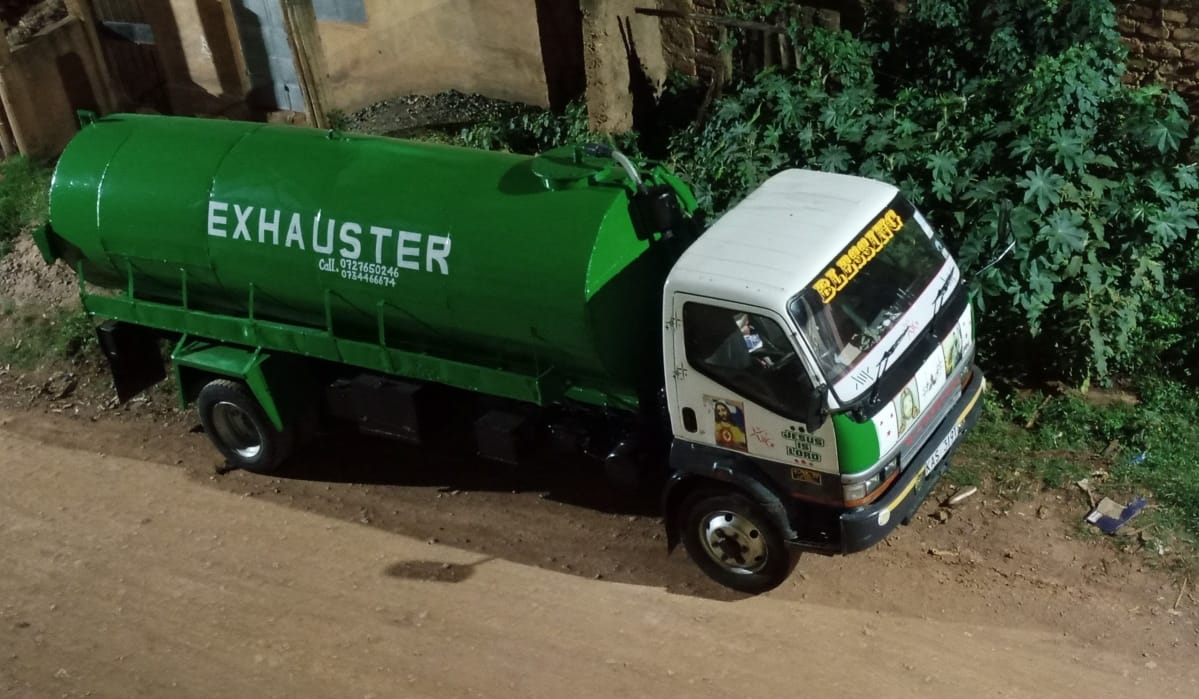
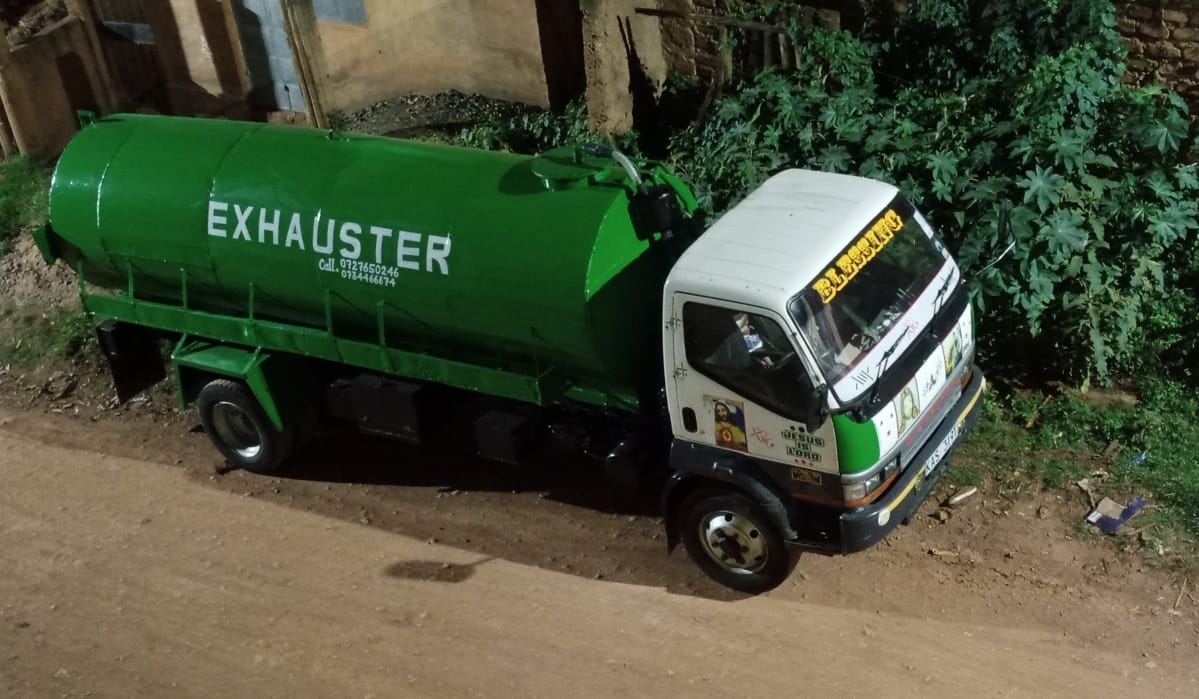
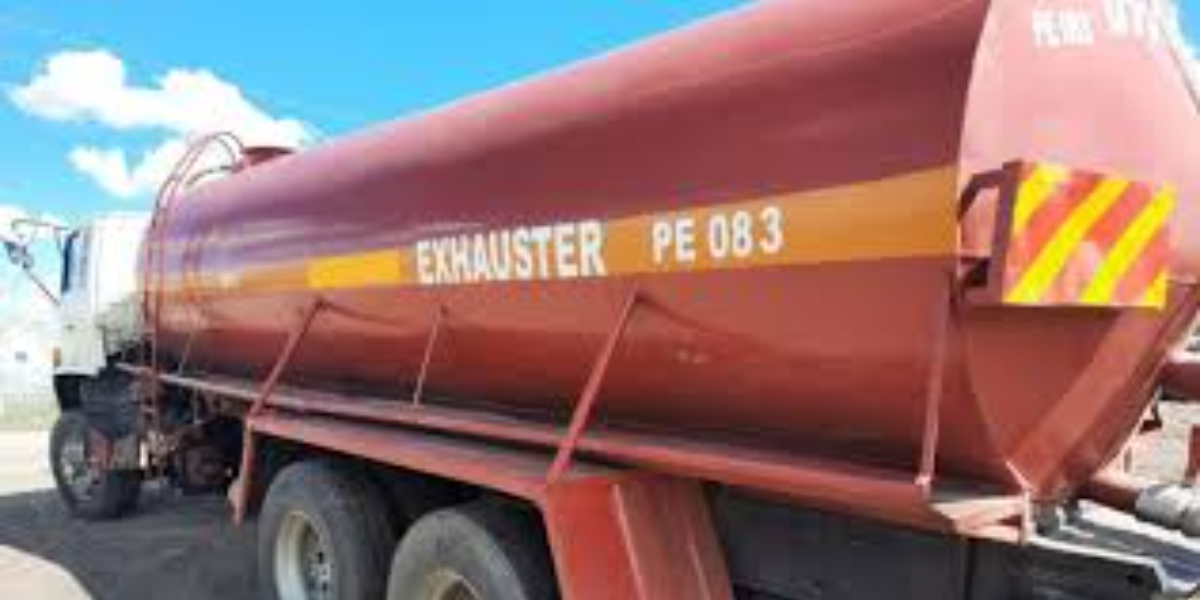
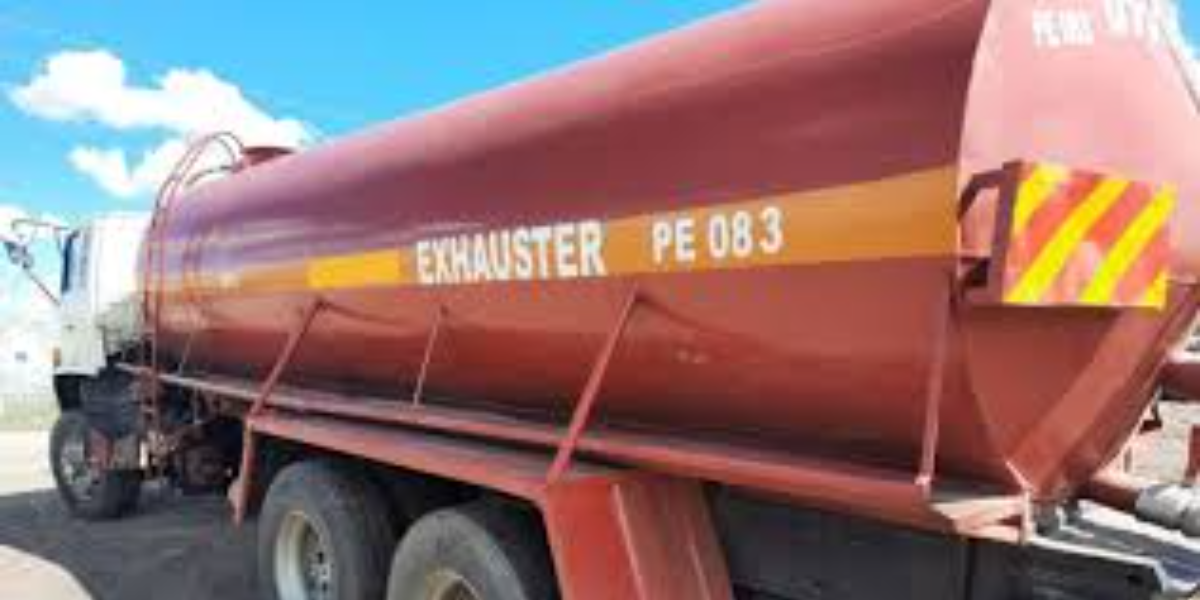
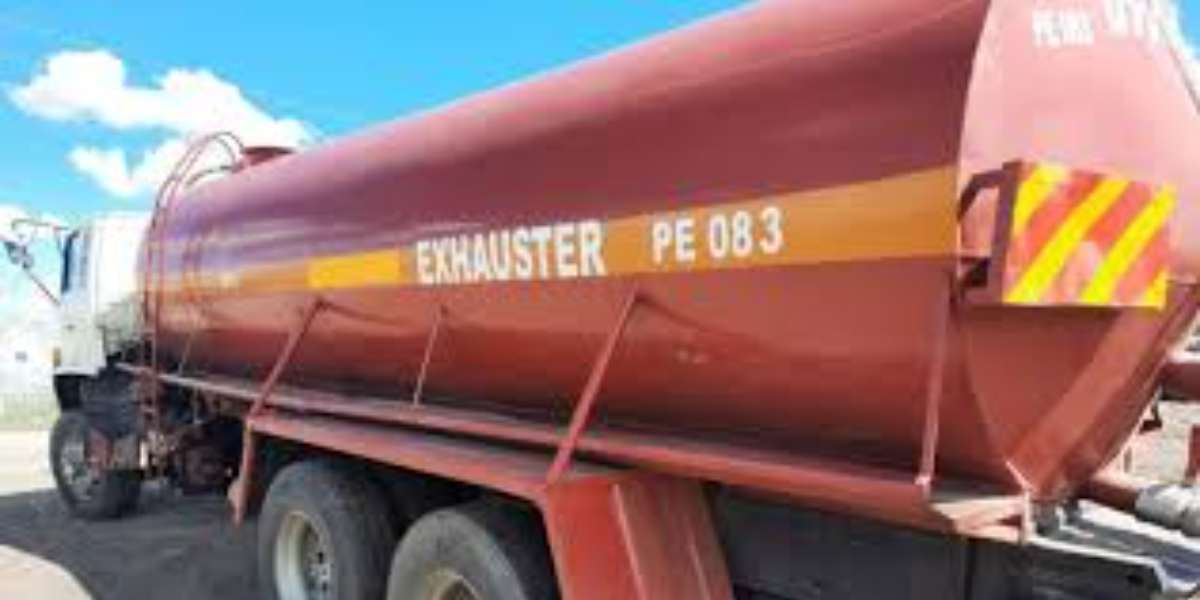
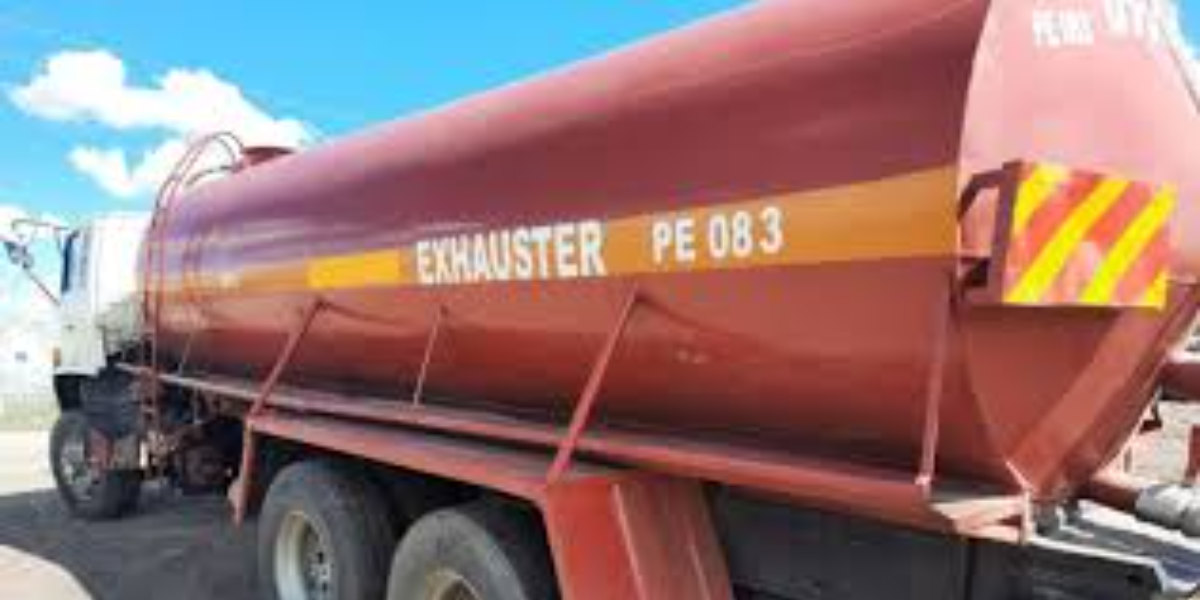
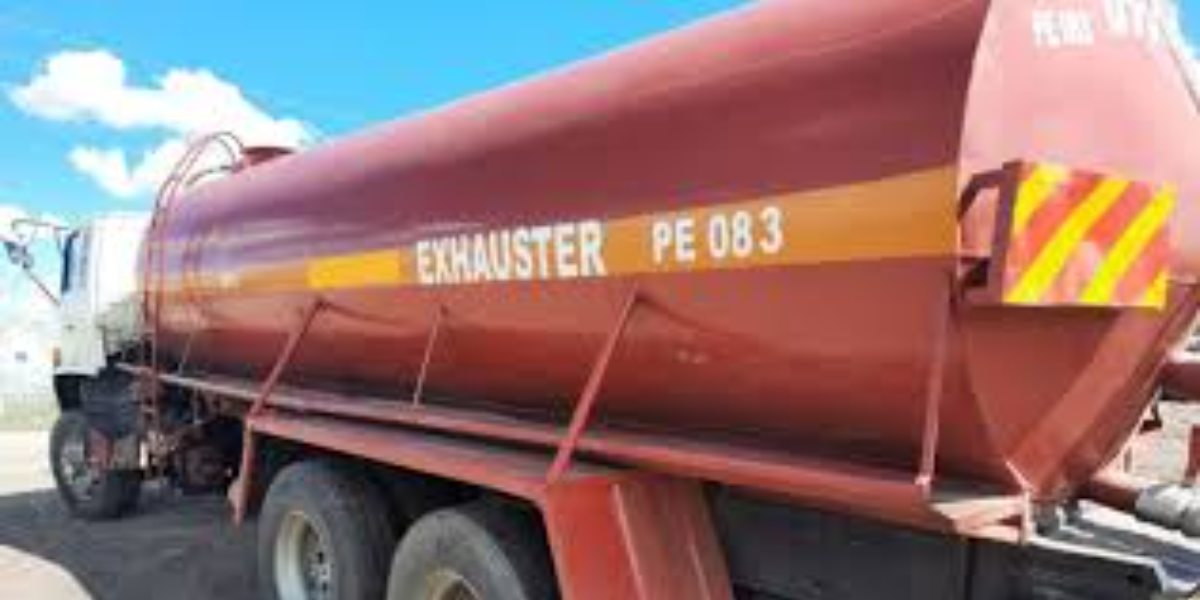
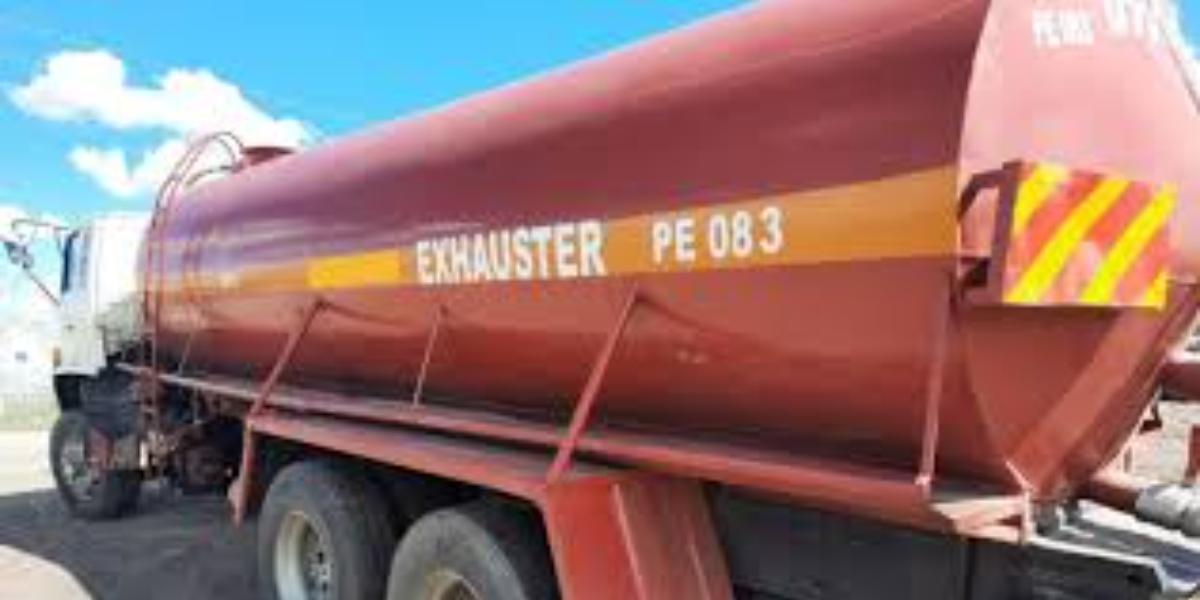
That is why flushing the wrong things can become expensive very quickly. A septic tank works through a simple balance of water flow, settling waste, and bacteria breaking down organic matter. When you introduce pads, wipes, grease, chemicals, or other stubborn items, the system struggles. Pipes block, the tank fills faster, bad smells start, and suddenly you are calling an exhauster earlier than expected.
For homes in Ngong, Ruiru, Kitengela, Malindi, Juja, Syokimau, and many parts of Kenya without sewer connection, knowing what not to flush is basic home maintenance.
Sanitary Pads and Tampons
Sanitary pads and tampons should never be flushed into a septic tank. They are made to absorb liquid, not break down inside water.
Pads contain plastic layers, cotton, gel, and adhesive materials that remain intact for a long time. Tampons expand when wet and can block pipes before they even reach the tank. Once inside the septic system, they take up space and interfere with normal waste flow.
In rental properties, this is one of the most common causes of repeated blockages. One flushed pad can trap tissue, hair, and more waste until the pipe slows or blocks completely.
The best solution is simple: provide a covered bin in every bathroom. Wrap pads or tampons properly and dispose of them with solid waste.
Diapers and Baby Wipes
Diapers are a serious problem for septic tanks. They swell, hold liquid, and do not decompose. A single diaper can block a pipe, reduce tank space, or cause problems during emptying.
Baby wipes are just as tricky. Even when packaging says “flushable,” they do not break down like toilet paper. In Kenyan septic systems, they often remain whole, join together, and form thick clumps that block pipes and tank inlets.
Parents and caregivers should keep a small bin near the changing area or bathroom. It may feel less convenient in the moment, but it prevents costly drainage problems later.
Grease, Cooking Oil, and Fat
Cooking oil may look harmless when hot, but once it cools, it thickens and sticks to pipes. Over time, it builds up like a greasy layer inside the drainage system.
Inside a septic tank, grease floats and forms a scum layer. Too much of it reduces the tank’s working space and affects the bacteria that break down waste. The tank starts smelling worse and fills faster.
Avoid pouring oil from chips, stew, meat, fish, or githeri down the sink or toilet. Let it cool in a container, then throw it away with solid waste. Wipe greasy sufurias before washing them.
Food Waste
A toilet is not a dustbin, and a septic tank is not built to digest leftovers. Rice, ugali, bones, tea leaves, peels, and food scraps settle inside the tank and rot slowly.
Food waste also attracts grease and can cause smells. In homes where a lot of cooking happens, or in rental units where tenants dump leftovers carelessly, the septic tank fills faster than expected.
Use a kitchen strainer, compost where possible, and throw food scraps in the bin. Keep the toilet for human waste and toilet paper only.
Condoms
Condoms do not decompose in a septic tank. They float, stretch, and can wrap around other waste. They may seem small, but they can contribute to blockages and make emptying messier.
Dispose of condoms in the bin, wrapped properly. Flushing them may feel discreet, but it creates a problem underground that eventually comes back.
Hair and Dental Floss
Hair looks harmless, but it forms tangles inside pipes. Dental floss is even worse because it is strong and string-like. Together, they can trap tissue, wipes, grease, and other small materials until the pipe becomes blocked.
This often happens in bathrooms where people shave, comb hair, or clean brushes over sinks and toilets. Use drain catchers and throw collected hair into the bin.
Cotton Buds, Cigarette Butts, and Small Plastics
Small items are easy to dismiss, but they cause real trouble. Cotton buds can lodge in pipe bends. Cigarette butts release chemicals and do not break down properly. Small plastics remain inside the system for years.
If it is not human waste or toilet paper, it should not go into the toilet. That rule saves homeowners and landlords a lot of stress.
Harsh Chemicals and Disinfectants
Your septic tank depends on bacteria to break down waste. Heavy use of bleach, strong toilet cleaners, disinfectants, paint, pesticides, solvents, or other chemicals can kill those bacteria.
When bacteria die, waste does not break down properly. Sludge builds up faster, smells become stronger, and the tank may need emptying more often.
This does not mean you should stop cleaning your toilet. Just avoid pouring large amounts of harsh chemicals into the system. Use mild cleaners where possible and do not dump chemical mop water into the toilet.
Too Much Tissue Paper
Toilet paper is generally safe, but too much of it can still cause problems. Thick tissue, poor-quality tissue, or using large amounts at once may not dissolve quickly enough.
In shared homes and rentals, excess tissue can build up and form a grey paste inside the system. This slows drainage and can clog the soak pit.
Use reasonable amounts of tissue and choose one that breaks down easily. Remember, kitchen towels, newspapers, and wet wipes are not toilet paper.
What You Should Do Instead
Put a covered bin in every bathroom. This is the easiest way to stop people from flushing things they should not. Empty it regularly so visitors, children, househelps, and tenants actually use it.
Talk to everyone in the home about what belongs in the toilet. In rental properties, a simple notice can prevent repeated plumbing issues.
Handle grease properly in the kitchen. Let oil cool in a tin or container before disposal. Wipe greasy pans before washing.
Schedule regular septic inspections instead of waiting for an emergency. If your tank keeps filling too quickly or blocking often, get a professional to check what is going on. Platforms such as The Real Plug can help you find vetted septic tank and plumbing professionals across Kenya when you need someone reliable.
Final Thoughts
A septic tank works best when you treat it with a bit of respect. It is designed for human waste, wastewater, and toilet paper — not pads, diapers, wipes, grease, food, condoms, hair, plastics, or harsh chemicals.
The rule is simple: when in doubt, bin it.
Following that rule keeps your pipes clear, your tank healthier, your compound cleaner, and your exhauster costs lower. It is one of those small habits that saves money quietly in the background.