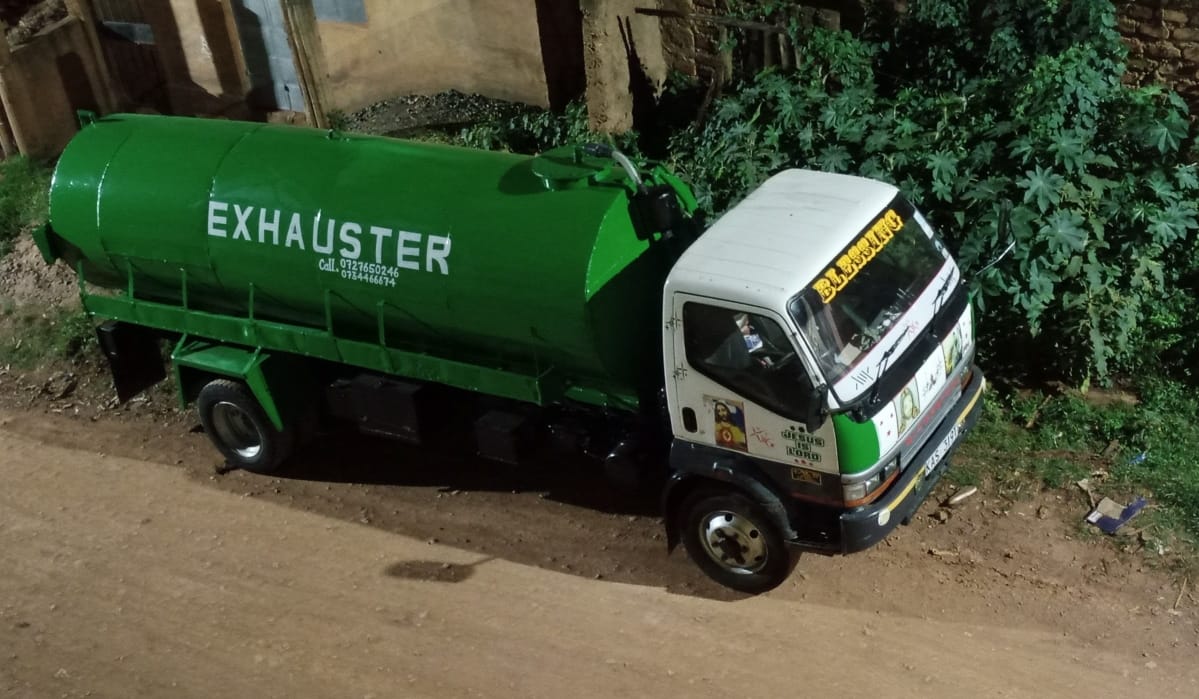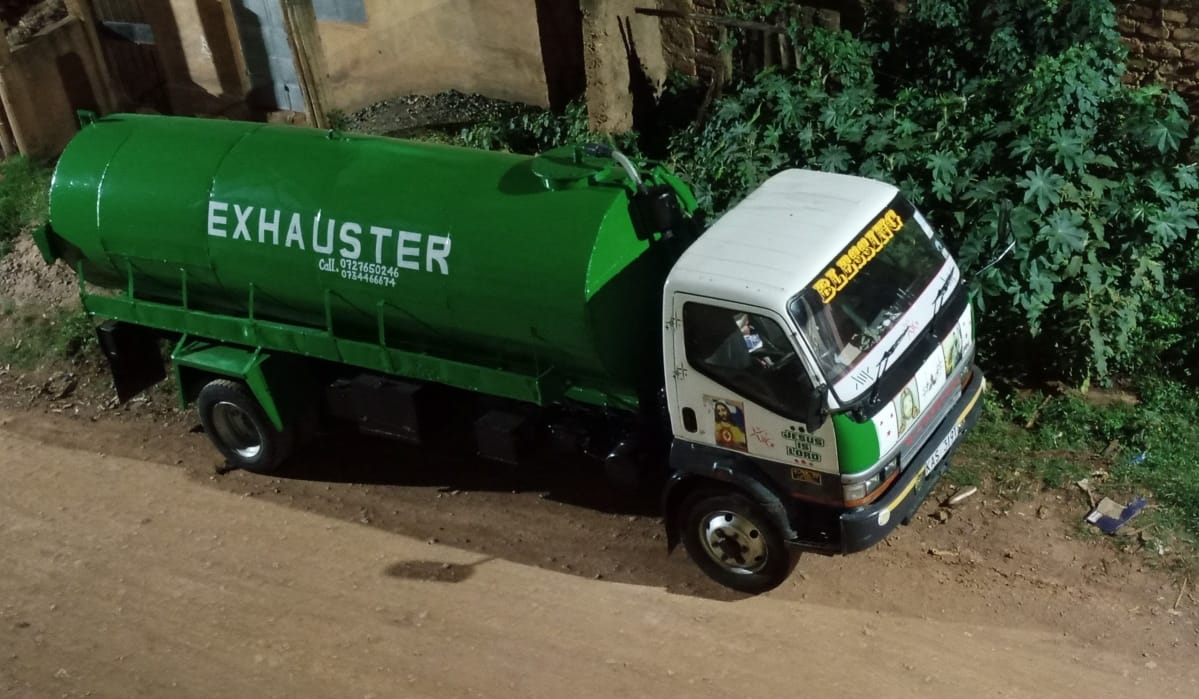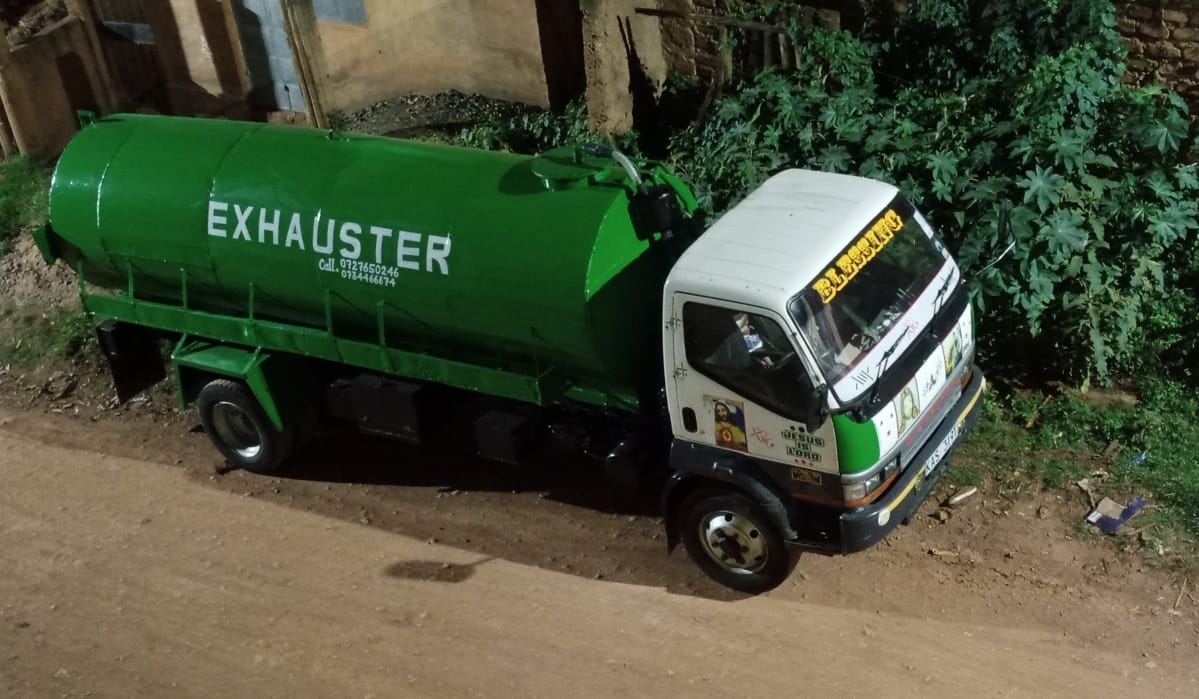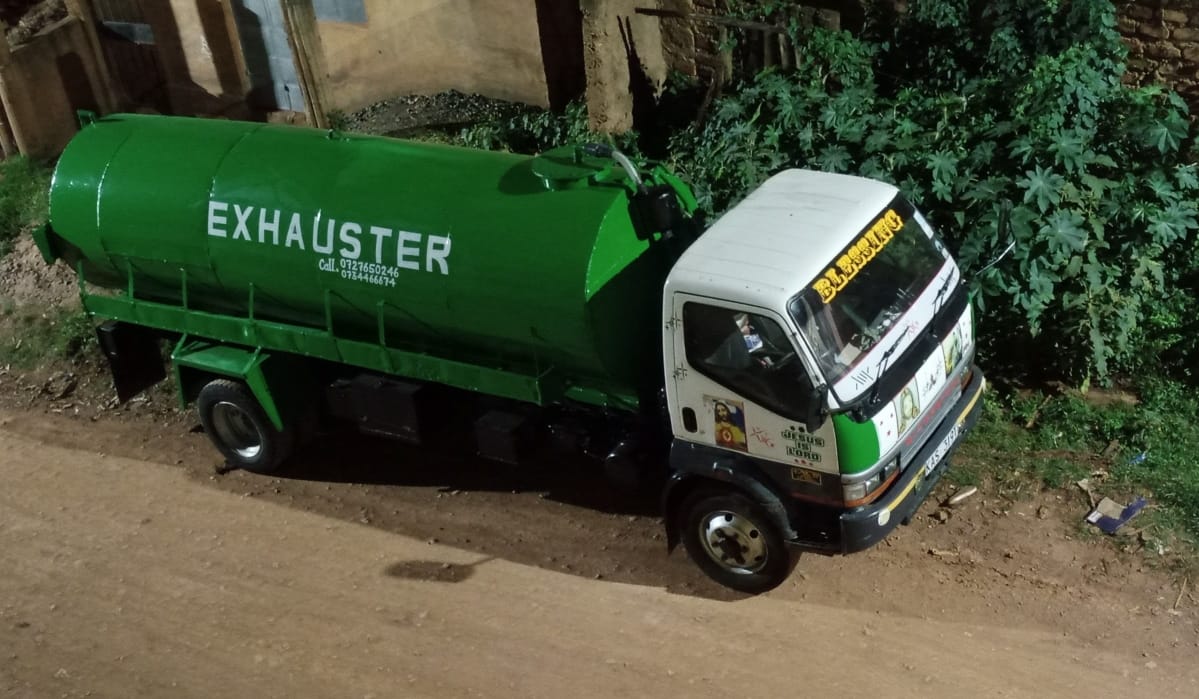


Septic tank emptying is one of those home maintenance tasks that many Kenyan homeowners only learn about when the need is already urgent. The toilet starts draining slowly, the compound smells strange, or the caretaker says, “Hii ni exhauster.” Suddenly, you are calling numbers and hoping the truck that comes will do a proper job.
If you live in Kitengela, Ruiru, Ngong, Syokimau, Eldoret, Nakuru, Kisumu, or any home not connected to a county sewer line, septic tank emptying is part of ownership. It may not be exciting, but knowing what should happen before, during, and after the service can save you money, stress, and repeat callouts.
Before the Exhauster Arrives
Preparation matters more than most people think. A job that should take less than an hour can become expensive and messy if the tank is hidden, blocked, or difficult to access.
Start by locating the septic tank cover. In some homes, it is under cabro, grass, a flower bed, or even a parked car. Make sure the crew can reach it easily. If the exhauster truck cannot enter your compound, ask in advance whether they have a long enough hose.
Reduce water use a few hours before the service. Avoid laundry, long showers, and unnecessary flushing. This allows solids to settle so the crew removes sludge properly instead of mostly pumping water.
Also clear the path. Move cars, plants, children’s bikes, and anything fragile. Exhauster hoses are heavy, and the work area should be safe.
Most importantly, agree on the price and scope before the truck comes. Ask whether the quote includes pumping, sludge removal, cleanup, disposal, opening the slab if needed, and a receipt. Confirm it on WhatsApp to avoid “ongeza kidogo” stories later.
If you are unsure where to find reliable providers, The Real Plug can help you compare vetted septic tank emptying professionals across Kenya instead of relying only on random wall numbers or estate group forwards.
During Septic Tank Emptying
If possible, be at home during the service. You do not need to stand over the crew the whole time, but your presence helps ensure the right chamber is opened and the work is done properly.
A normal job starts with the truck parking close to the tank. The crew opens the inspection cover, lowers the suction hose, and starts the pump. The first waste removed is often watery, followed by thicker sludge. That sludge is important because it is what takes up space inside the tank.
For a standard home septic tank, the process may take 30 to 60 minutes depending on size, sludge thickness, and access. If the crew finishes in just a few minutes, ask questions. They may have only removed liquid from the top.
While the tank is open, check for useful clues. Are there diapers, wipes, pads, grease, roots, or cracks? These can explain why your tank fills quickly or blocks often.
Keep children and pets away. Open septic tanks are dangerous, and the gases can be harmful. Let the crew work, but stay available to answer questions and inspect before they close.
After the Truck Leaves
Some smell after emptying is normal, especially on a hot day. It should reduce within a few hours. Keep manholes closed and allow the area to air naturally.
Do not pour strong chemicals into the toilet trying to “freshen” the system. Harsh chemicals can kill the bacteria that help the septic tank break down waste.
Resume water use normally, but do not overload the system immediately with heavy laundry or excessive flushing. Give the tank time to settle back into normal operation.
Watch the system for the next few days. Toilets should flush better. Drains should move smoothly. If gurgling, bad smells, or backups return quickly, the problem may be blocked pipes, a failed soak pit, poor drainage, or incomplete emptying.
Keep your receipt and write down the emptying date. This helps you track how often the tank fills. If you need emptying again after a few months, investigate the cause instead of treating it as normal.
Red Flags to Watch For
Be cautious if the provider refuses to explain where the waste will be disposed of. Waste should go to an approved facility, not a river, quarry, or empty plot.
Also watch for crews that arrive without protective gear, proper hoses, or basic tools. A professional team should not be improvising with borrowed buckets or leaving the tank open.
Hidden charges are another warning sign. That is why confirming scope before the job matters.
Final Thoughts
Septic tank emptying should not be a mysterious or chaotic process. Before the truck arrives, prepare the tank area and confirm the price. During the job, stay available and make sure sludge is actually removed. After the job, monitor your system and keep records.
A little attention can prevent repeat problems, surprise costs, and messy emergencies. Your septic tank may be underground, but managing it well is a very visible part of keeping your home clean, safe, and comfortable.