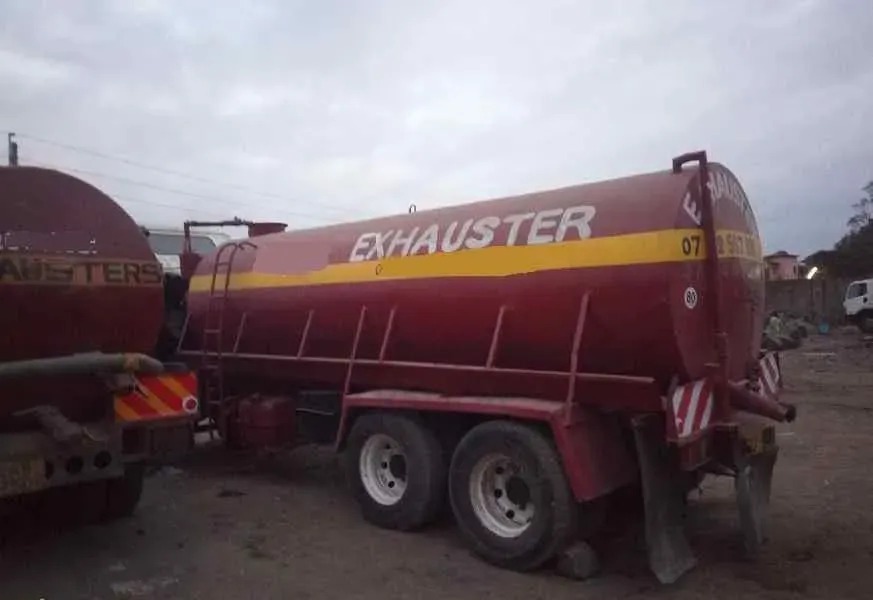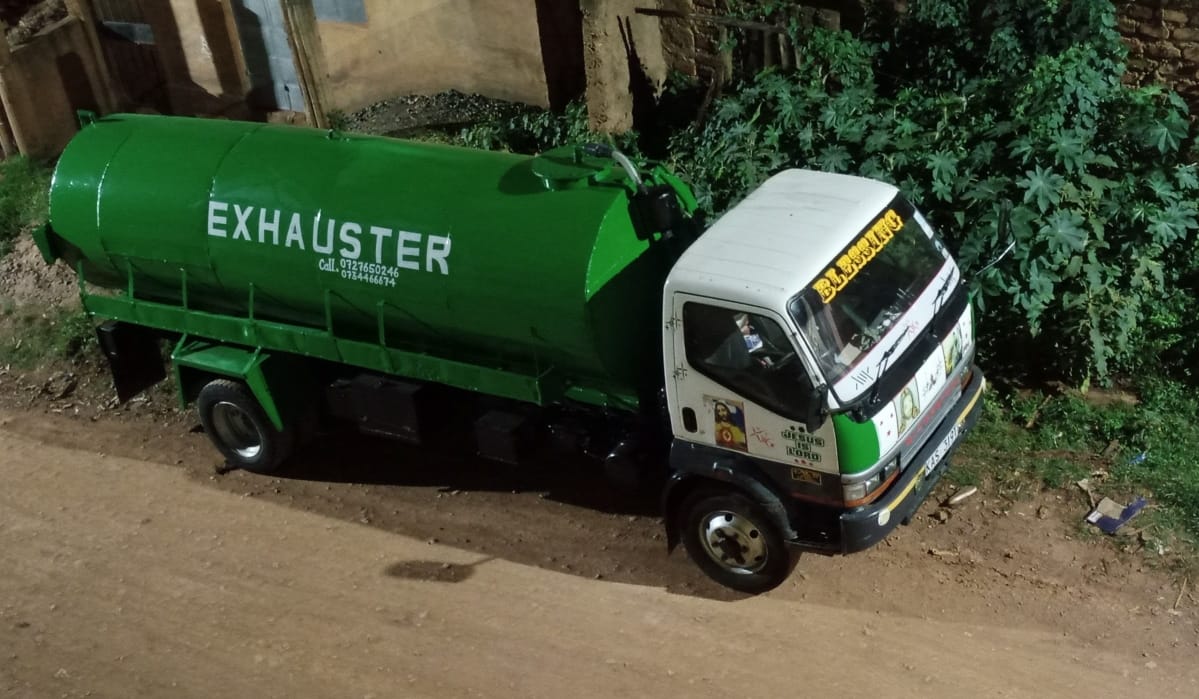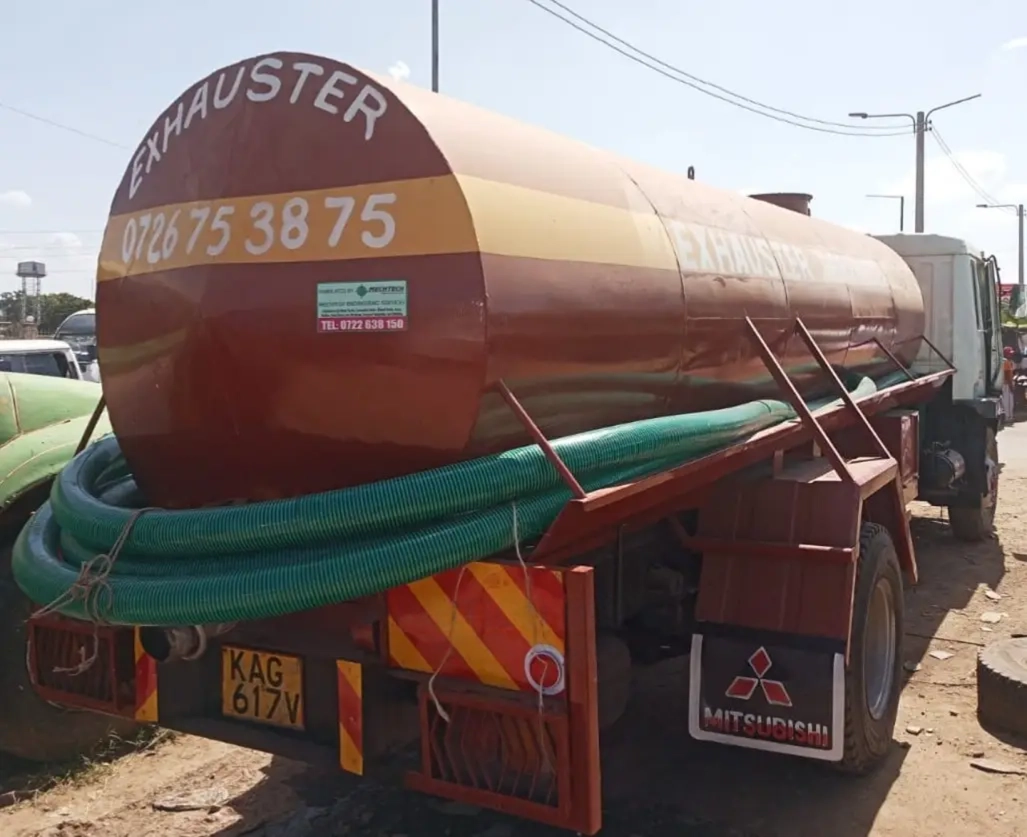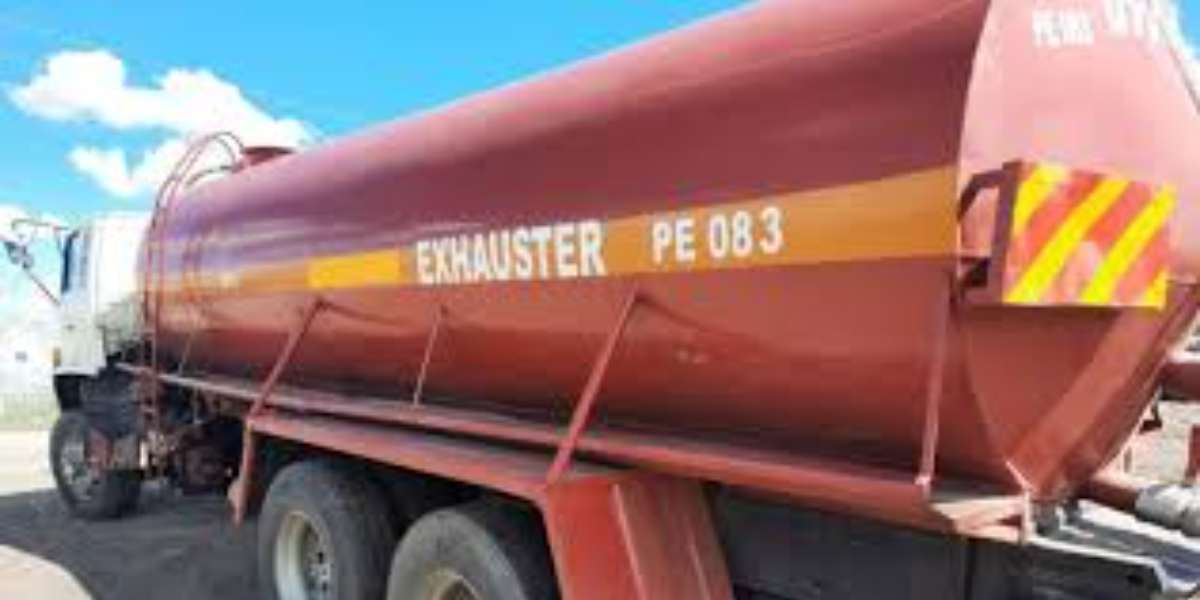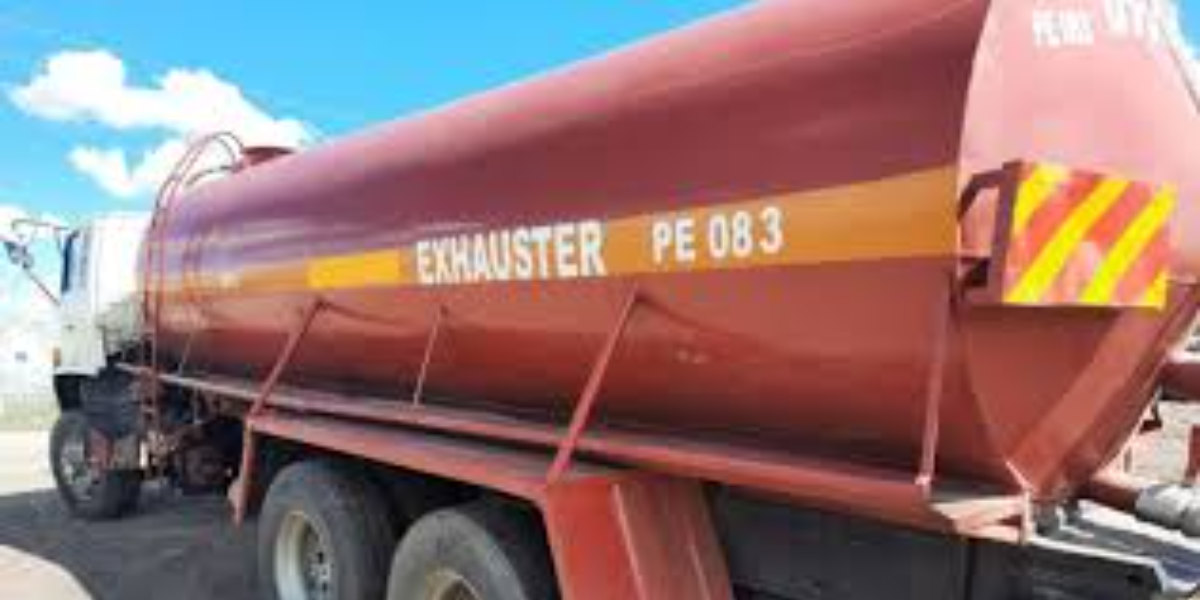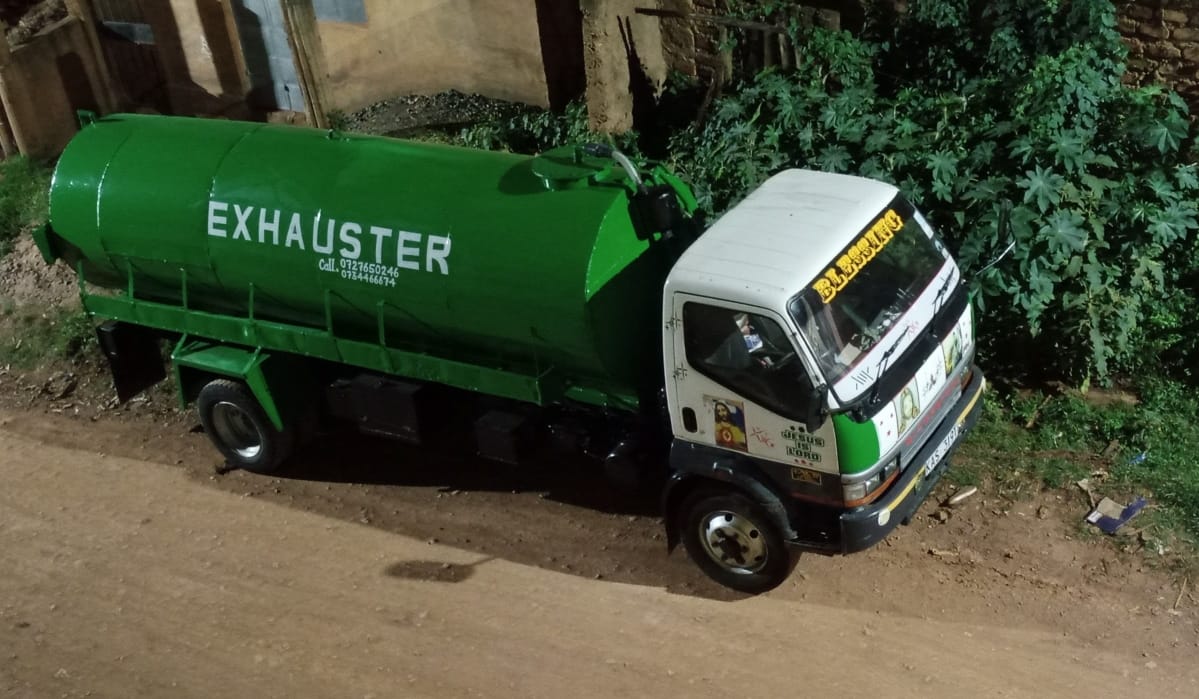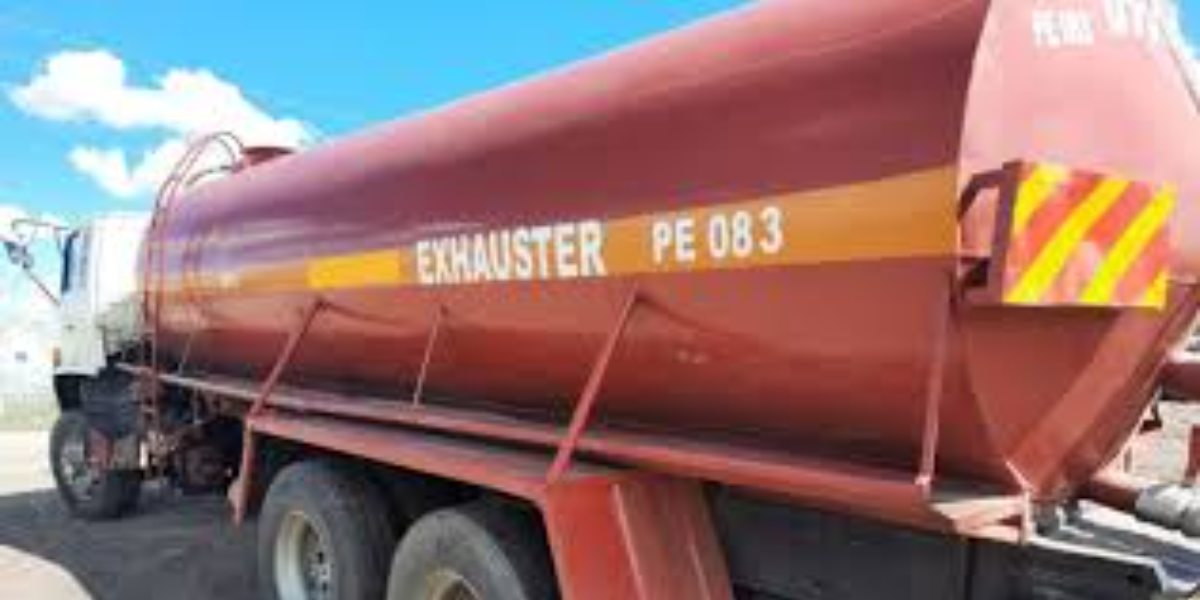


A septic tank that fills up too fast is usually trying to tell you something. If you emptied it in December and you are calling an exhauster again by June, that is not normal for an average Kenyan home. Something is either sending too much water into the system, blocking waste from flowing out properly, or stopping the tank from breaking down waste the way it should.
Many homeowners first blame the exhauster. Sometimes that is fair, especially if the previous emptying was rushed. But if the tank keeps filling after several proper pump-outs, the real problem is probably deeper.
Whether you are in Ruiru, Kitengela, Kisumu, Eldoret, Mombasa, Syokimau, Ngong, or a rental plot in Kasarani, these are the common reasons septic tanks fill up too fast.
Too Much Water Entering the Septic Tank
A septic tank is designed to handle normal household wastewater, not endless water flow. Leaking taps, running toilets, and constant laundry can fill the system faster than expected.
A toilet that keeps running after flushing can quietly send a lot of water into the tank every day. You may not notice it during the day because the house is busy, but at night you might hear the soft hissing sound from the cistern.
Too much water also disturbs the natural settling process inside the tank. Solids that should stay at the bottom may get pushed toward the outlet and into the soak pit, creating bigger problems later.
The Tank Is Too Small for the Number of Users
This is very common in Kenya, especially in homes that have been extended or converted into rentals. A septic tank built for one family may later serve a main house, DSQ, outside toilet, and several tenants.
The math will not favour you.
More people means more flushing, more showers, more laundry, and more wastewater. If the tank was undersized from the start, or the number of users has increased, it will fill quickly no matter how careful you are.
For landlords, this is a serious issue. One tank serving many bedsitters or rental units needs a realistic emptying schedule or a proper upgrade.
Rainwater Is Getting Into the System
If your septic tank fills faster during rainy seasons, stormwater may be entering the system. This can happen through broken manhole covers, cracked inspection chambers, poor drainage around the tank, or roof gutters wrongly connected to the septic line.
A septic tank should not receive rainwater. One heavy downpour can overload it within a short time.
Walk around your compound when it rains. If water collects around the tank or flows into inspection covers, that is a problem. The ground should slope away from the septic area, not toward it.
The Soak Pit Has Failed
Sometimes the septic tank is blamed when the real issue is the soak pit. The septic tank separates solids from liquid. The liquid then flows into the soak pit, where it should drain into the soil.
If the soak pit is clogged, undersized, poorly built, or sitting in soil that does not drain well, liquid backs up into the septic tank. The tank then appears full shortly after emptying.
This is common in areas with black cotton soil, high water tables, or poor drainage. You may notice soggy ground, bad smell near the soak pit, or a tank that fills again within weeks.
In such cases, another exhauster visit is only a temporary fix. You may need to rebuild, relocate, or expand the soak pit.
Flushing the Wrong Things
A septic tank is not a dustbin. Wet wipes, sanitary pads, diapers, condoms, cotton wool, plastics, hair, and food waste do not break down properly.
These items take up space, block pipes, and interfere with the movement of waste inside the tank. In rental properties, this problem is especially common because landlords cannot fully control what tenants flush.
Even items labelled “flushable” are not always friendly to Kenyan septic systems. Toilet paper and human waste are enough. Everything else should go into a bin.
Grease and Cooking Oil
Pouring cooking oil, soup fat, or greasy water down the kitchen sink can slowly damage your septic system. Grease cools and hardens inside pipes and tanks. It forms a floating layer that reduces the tank’s working space and affects bacterial activity.
This is common in homes, restaurants, food kiosks, and rental units where kitchen waste is not managed properly.
The better habit is simple: collect oil and grease in a container, then dispose of it with solid waste. It may look small daily, but over months, it makes a big difference.
Harsh Chemicals Killing Septic Bacteria
Septic tanks rely on bacteria to break down organic waste. Strong chemicals can kill these bacteria and slow the digestion process.
Heavy use of bleach, strong toilet cleaners, disinfectants, paint, pesticides, and other chemicals can turn your septic tank into a storage pit instead of a treatment system. When waste is not breaking down, sludge builds up faster.
You do not need to stop cleaning your home. Just avoid pouring harsh chemicals into toilets and drains regularly. Use milder products where possible.
Poor Construction or Bad Design
Some septic tanks fill quickly because they were badly built. The tank may be too shallow, too small, poorly chambered, cracked, or missing a proper outlet. The soak pit may also have been built without enough stones or in the wrong location.
In fast-growing areas, some developers cut costs underground because buyers focus on finishes they can see. The tiles look good, but the septic system is struggling from day one.
If your tank has always filled too fast since the house was new, poor design may be the reason.
Tenant Misuse in Rental Properties
Landlords deal with a different kind of septic pressure. Tenants may flush wipes, pads, diapers, food waste, mop water with sand, hair from salons, or other items that do not belong in the system.
Some leaks also go unreported because tenants do not pay directly for repairs. By the time the landlord notices, the tank is already filling too fast or the soak pit is damaged.
Rental properties need clear house rules, routine inspections, and a realistic maintenance budget. When the problem keeps repeating, it may help to bring in a drainage professional who can inspect the system and explain the cause clearly. Platforms such as The Real Plug can help property owners find vetted professionals across Kenya, including exhauster providers, plumbers, and drainage specialists who understand these local issues.
How to Slow Down Septic Tank Filling
Start by fixing leaks. Check toilets, taps, and underground pipes. A small leak can cost you both water and exhauster money.
Keep rainwater away from the septic system. Seal inspection covers, redirect gutters, and improve compound drainage.
Control what goes down the toilet and sink. Put bins in bathrooms. Stop flushing wipes and pads. Avoid pouring grease down the kitchen sink.
Know your system. Find out your tank size, soak pit location, and last emptying date. If you manage rentals, keep service records and monitor usage patterns.
If the tank fills again soon after proper emptying, do not keep paying for pump-outs blindly. Investigate the soak pit, drainage lines, and tank structure.
Final Thoughts
A septic tank that fills too fast is not just an inconvenience. It is a sign that your wastewater system is under pressure.
The cause could be too much water, too many users, rainwater entry, a failed soak pit, wrong flushing habits, grease, harsh chemicals, poor construction, or tenant misuse. Once you identify the real cause, you can stop treating symptoms and fix the system properly.
A good septic system should quietly serve your home for a reasonable period. If yours keeps demanding an exhauster every few months, it is time to look beyond the tank.