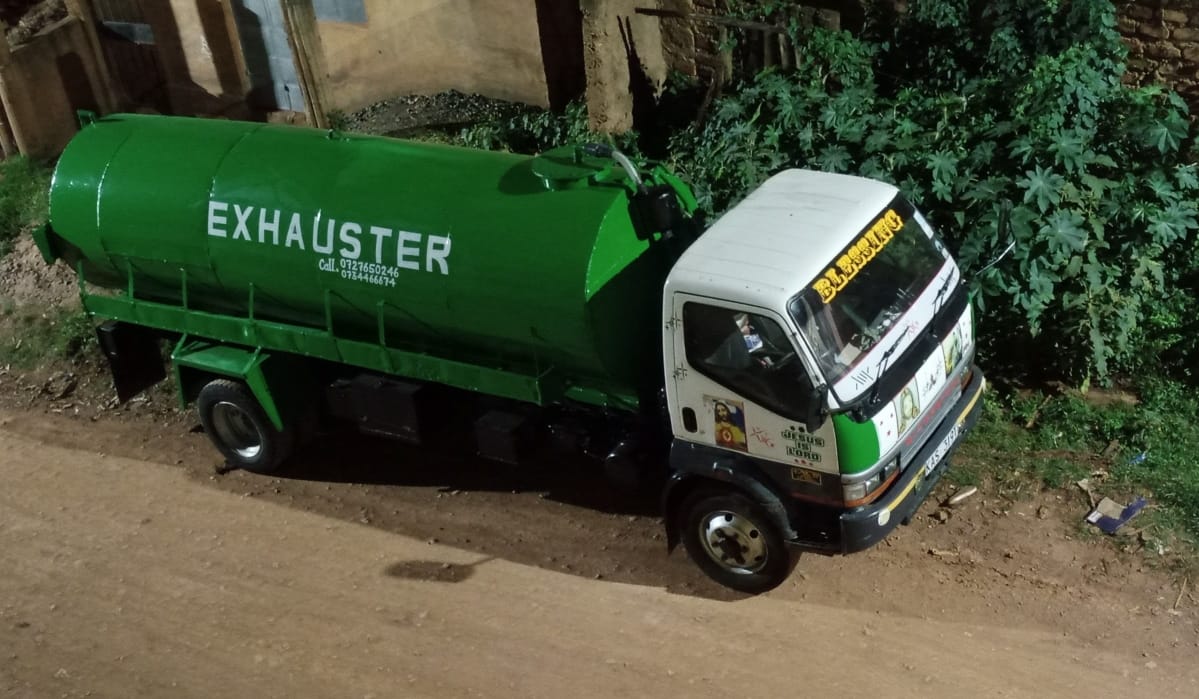


A sewage smell in your compound is hard to ignore. You open the door in the morning, and there it is. Not garbage. Not a dead rat. That sharp, dirty smell that makes you look toward the septic tank before you even finish locking the door.
Most people assume the septic tank is full, and sometimes they’re right. But not always.
In many Kenyan homes, especially in places like Ruiru, Kitengela, Syokimau, Ngong, Juja, Kisumu, Eldoret, and parts of Nairobi, a sewage smell can come from several different problems. If you rush to call an exhauster without checking properly, you may empty the tank and still have the same smell two weeks later.
So before spending money, it helps to understand what could be causing the smell and what action actually makes sense.
A Full Septic Tank
This is the first suspect for good reason. If your home uses a septic tank and it has not been emptied for a while, sludge and wastewater can rise too high. Once the tank has no space left, gases escape, drains slow down, and sewage may start pushing back through inspection chambers or floor drains.
You may notice slow-flushing toilets, gurgling pipes, wet ground near the tank, or a strong smell around the inspection cover. The smell often gets worse after rain because the ground is already soaked and the system struggles to drain.
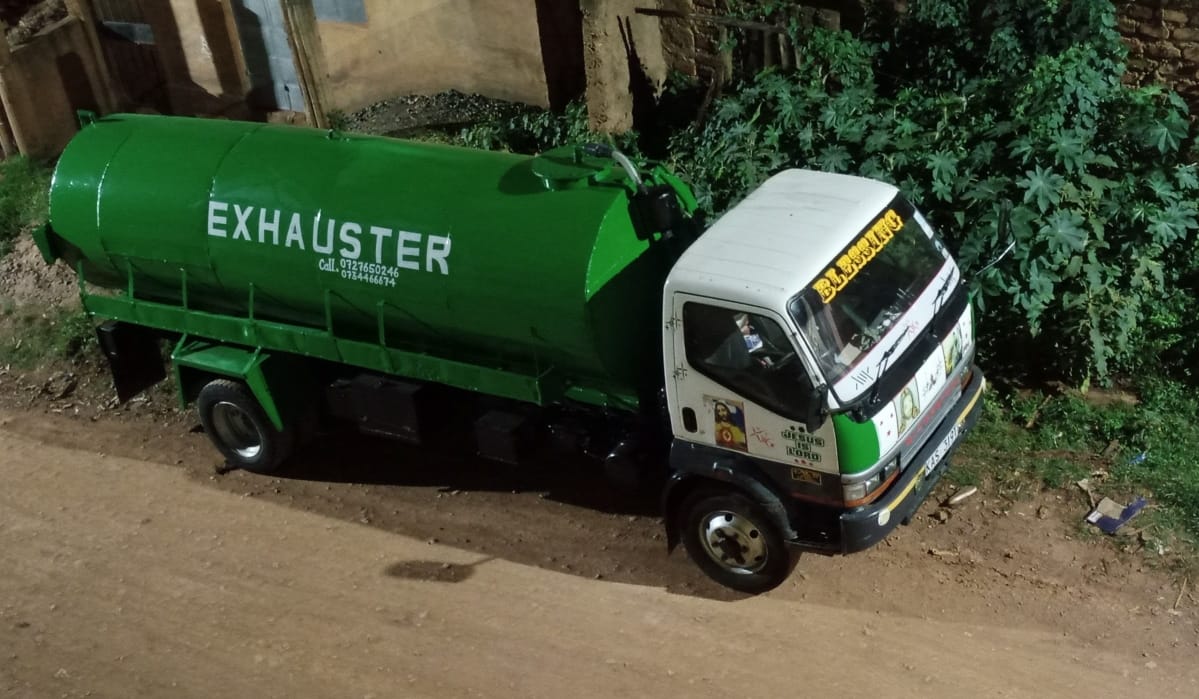
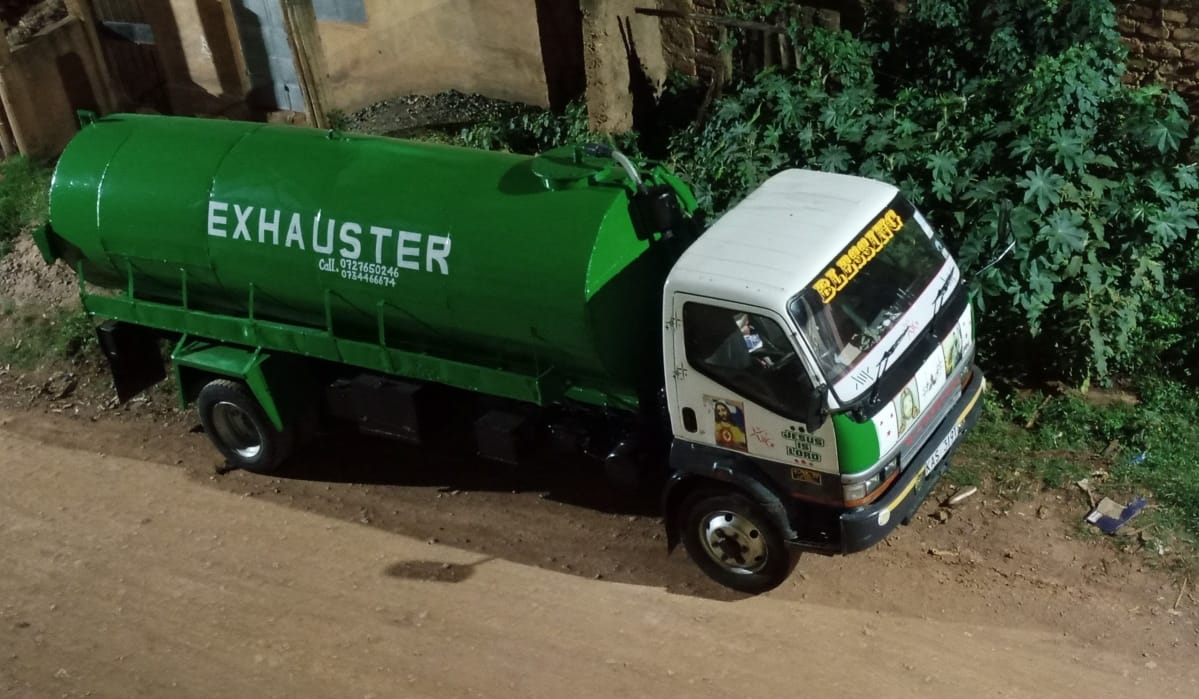
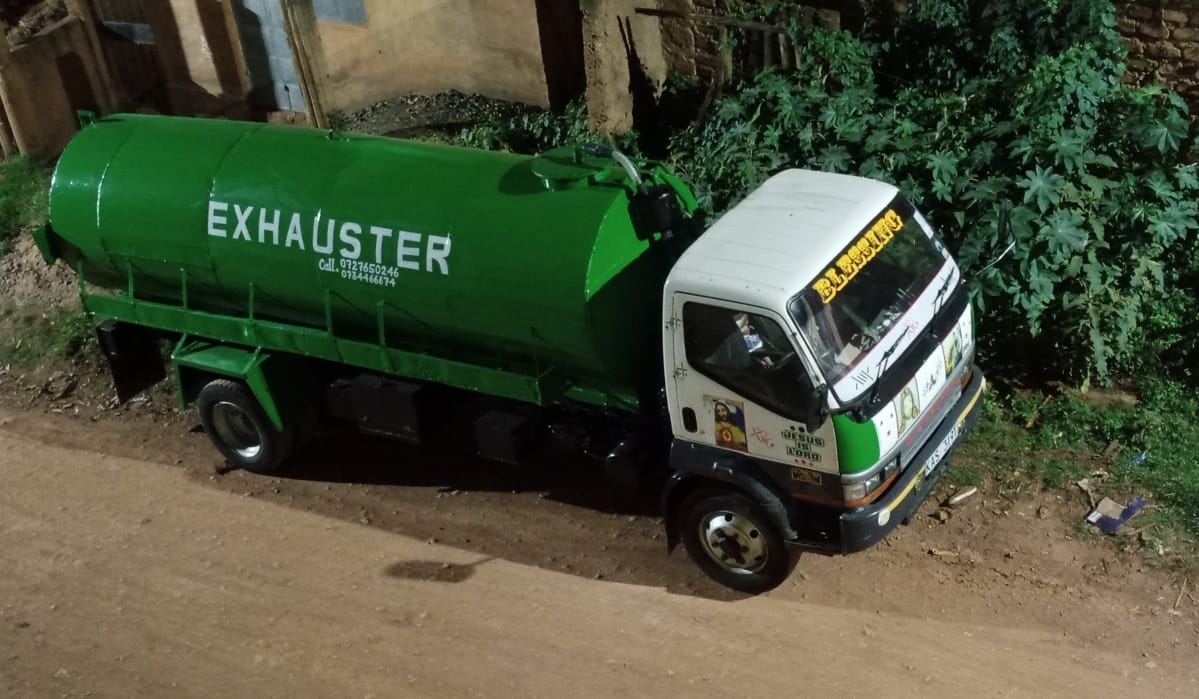
If the tank is full, call a licensed exhauster. But here’s the important bit: if you emptied it recently and it is already full again, the septic tank is not the main problem. Something else is forcing it to fill too fast.
Blocked Drainage Pipes
Sometimes the septic tank is fine, but the pipe between the house and the tank is blocked. This is common in homes where people flush wet wipes, sanitary pads, diapers, cotton wool, or too much tissue. Kitchen grease is another big culprit, especially in homes where cooking oil is poured down the sink.
When pipes block, sewage sits in the line and gases escape through floor drains, sinks, showers, or inspection chambers. You may notice the smell more inside the house than outside. One bathroom may smell worse than others, or water may drain slowly from the shower or kitchen sink.
This is a plumbing job, not an exhauster job. You need a plumber with drain rods, a jetting machine, or proper inspection tools. Emptying the septic tank will not fix a blocked pipe if the waste cannot reach the tank properly.
Broken or Missing Vent Pipes
A proper drainage system needs vent pipes. These are the pipes that carry sewer gases up and away from the house, usually above the roofline. If the vent is missing, blocked, badly installed, or broken, gases find another way out.
That “another way” is usually your bathroom drain, toilet, or sink.
Vent problems are common in some new builds where fundis cut corners, and in older homes where pipes have cracked or been blocked by leaves, birds, or debris. In flats, a blocked main vent can affect several units at once.
A vent issue often causes a smell that comes and goes. It may get worse when it is windy or after flushing. You may also hear gurgling from drains even when the septic tank is not full.
A plumber can inspect and clear or replace vent pipes. It is usually cheaper than repeatedly calling an exhauster for a problem that is not inside the tank.
Leaking Inspection Chambers or Manholes
Those small concrete or plastic covers in your compound are inspection chambers. They allow access to the drainage line in case of blockage. If they crack, break, shift, or are poorly sealed, sewage gases escape directly into the compound.
This type of smell is usually strongest in one specific spot. You may also see flies gathering around the chamber, dampness nearby, or a cover that no longer sits properly.
In shared compounds and rental plots, inspection chambers often get damaged by cars, water tankers, delivery vehicles, or careless construction. Once the seal is broken, the smell becomes constant.
The solution may be as simple as sealing the cover properly, replacing it, or rebuilding the chamber. A mason or plumber can help depending on the damage.
Soak Pit or Drainage Failure
A septic tank does not work alone. It relies on a soak pit or drain field to absorb liquid waste after solids settle in the tank. If the soak pit fails, liquid has nowhere to go. The tank fills quickly, and the compound starts smelling.
This is common in areas with black cotton soil, high water tables, or poor drainage. Parts of Ruiru, Athi River, Kitengela, Embakasi, and Kisumu can struggle with soakage depending on the exact location and soil conditions.
A failed soak pit can fool you. You empty the septic tank, everything seems fine, then a few weeks later the smell is back. The tank fills again because water is not draining away.
If this keeps happening, stop blaming the exhauster. You may need a fundi to inspect the soak pit, rebuild it, enlarge it, or create a better drainage solution.
Rainwater Entering the Septic System
If the smell gets worse every time it rains, check whether stormwater is entering your septic system. This happens more often than people admit.
Sometimes gutters are wrongly connected to the sewer line. Sometimes inspection chamber covers are broken, allowing rainwater to pour in. In low-lying compounds, surface runoff can enter the septic tank through gaps around the cover.
A septic system is not designed to receive rainwater. One heavy storm can overwhelm the tank and push gases or wastewater back into the compound.
Walk around when it rains and see where the water flows. Check gutters, manholes, and septic covers. If rainwater is entering the system, a plumber or mason can help redirect it.
What You Should Do First
Do not guess. Start by locating the strongest smell. Is it near the septic tank, one inspection chamber, the bathroom, the soak pit area, or the boundary wall?
Check whether toilets are flushing slowly. Look for wet patches. Notice whether the smell worsens after rain, after heavy water use, or at night. These details help identify the cause.
If the tank is clearly full or sewage is overflowing, call an exhauster. If drains are slow but the tank is not full, call a plumber. If chambers are cracked, call a mason. If you are not sure, get an inspection before paying for the wrong service.
For a safer starting point, The Real Plug can help you find vetted plumbers, exhauster providers, and home service professionals across Kenya, so you are not guessing between random numbers when the compound already smells bad.
How to Reduce the Smell Temporarily
While waiting for help, reduce water use in the house. Avoid flushing unnecessarily, doing laundry, or running long showers if you suspect the septic system is struggling.
Pour water into unused floor drains or sinks. Sometimes dry drain traps allow gases to rise into the house. Cover broken inspection chambers temporarily, but do not seal anything permanently until a professional checks it.
Avoid pouring harsh chemicals into the septic tank. They may reduce smell briefly, but they can kill useful bacteria and make the system worse over time.
Keep children and pets away from wet or smelly areas. Sewage exposure is a health risk, not just a nuisance.
Preventing the Smell from Coming Back
The best prevention is regular maintenance. Empty your septic tank before it overflows. Keep inspection covers sealed and accessible. Do not flush wipes, pads, diapers, condoms, plastics, or grease.
Make sure roof water and stormwater drain away from the septic system. Check vent pipes once in a while, especially after roof repairs or strong winds. Keep large trees away from drainage lines because roots can break pipes and cause hidden leaks.
If you are buying or renting a house, ask where the septic tank, soak pit, and inspection chambers are. Many people only discover them during a crisis.
Final Thoughts
A sewage smell in your compound is not normal, and it should not be ignored. But it is also not always a full septic tank. It could be blocked pipes, broken vents, leaking chambers, soak pit failure, or rainwater entering the system.
The smart move is to identify the cause before spending money. Call the right professional, fix the real problem, and keep the system maintained.
A clean compound is not just about comfort. It protects your family, tenants, neighbours, and the environment around you.