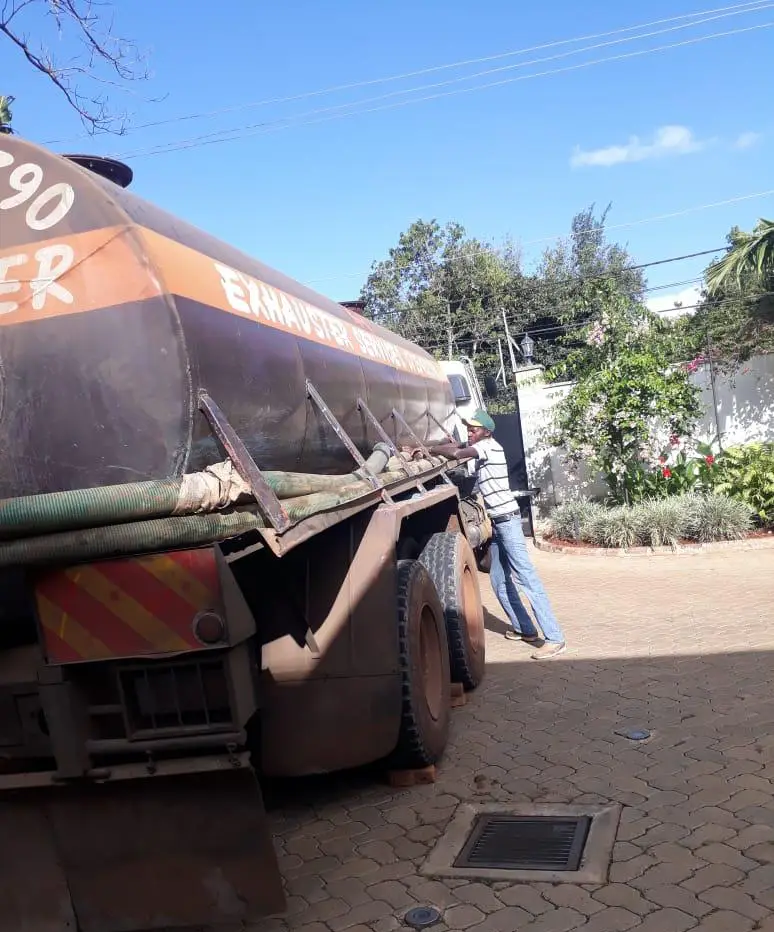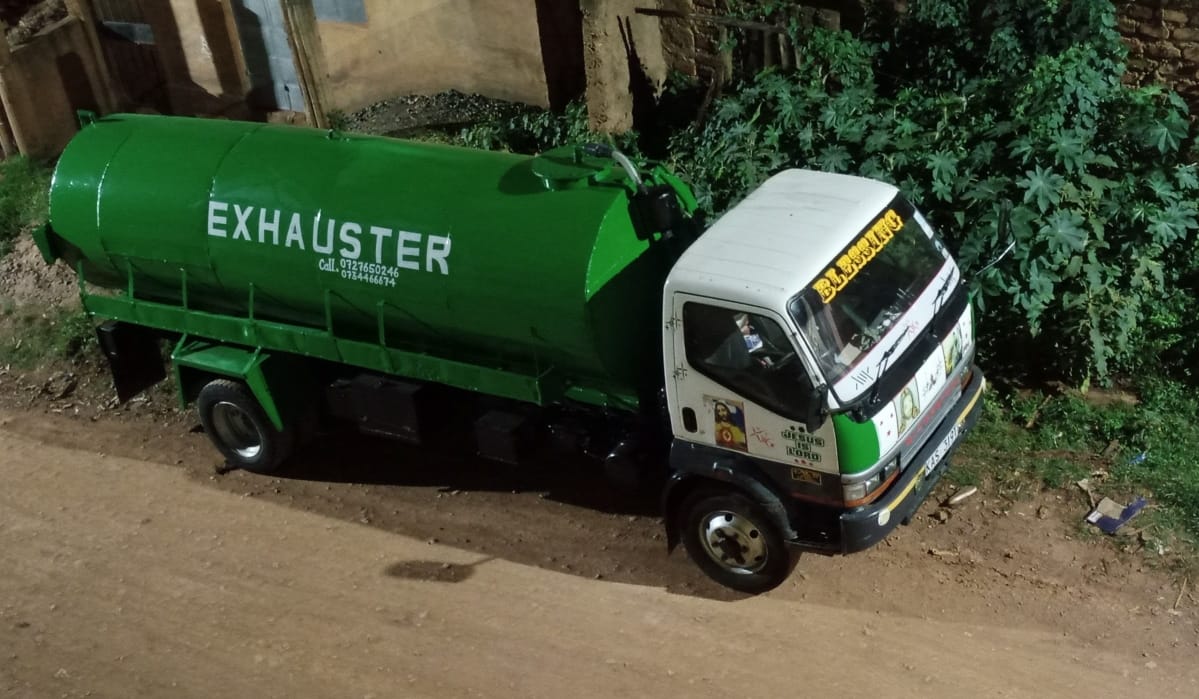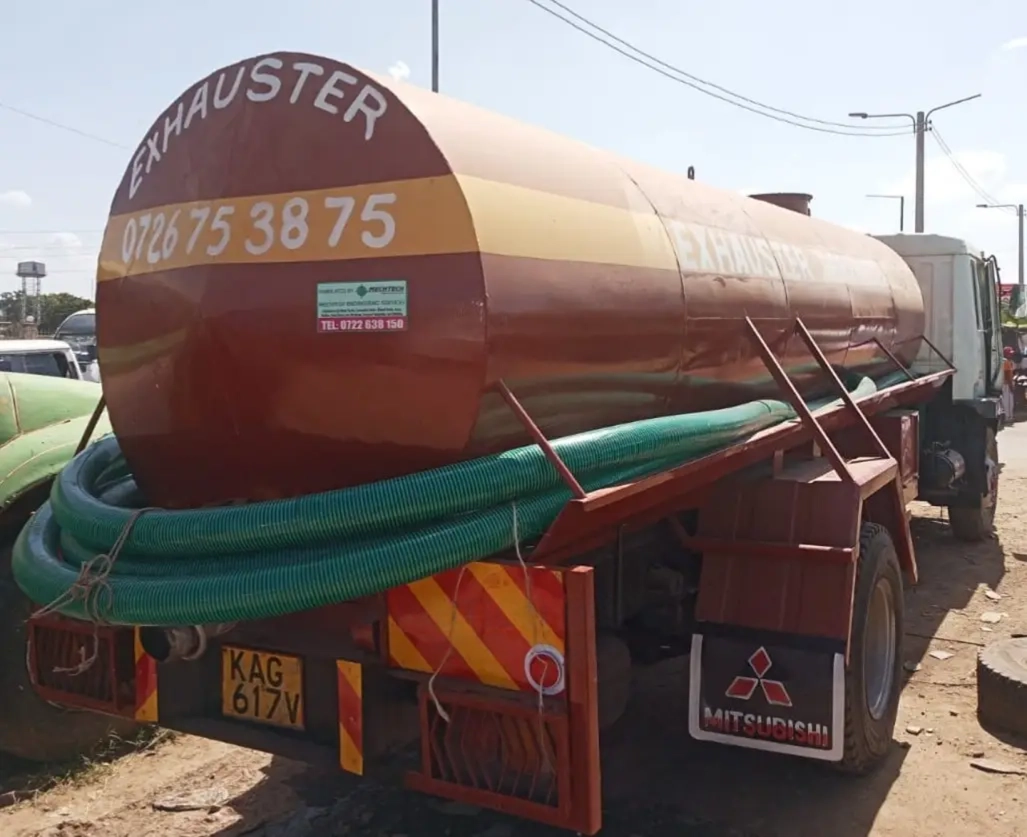


Yes, heavy rain can make your septic tank overflow. Many Kenyan homeowners discover this the hard way during the long rains, when a toilet that was working fine in February suddenly starts gurgling in April.
It can feel confusing. You emptied the tank recently. The household has not changed. Nobody flushed anything strange. So why is the septic system suddenly acting full?
Rain has a way of exposing hidden drainage problems. It finds cracked covers, poorly sealed chambers, bad slopes, weak soak pits, and soil that cannot absorb water anymore. In places like Kitengela, Syokimau, Ruiru, Juja, Athi River, Kisumu, Mombasa, and parts of Nairobi, this is a very common rainy-season problem.
Rainwater Should Not Enter a Septic Tank
A septic tank is designed for wastewater from toilets, bathrooms, sinks, and laundry areas. It is not designed to handle stormwater from roofs, roads, courtyards, or open drains.
But rainwater often finds its way in through broken manhole covers, cracked inspection chambers, gaps around pipes, poorly sealed slabs, or low-lying tank areas. Some homes also have roof gutters or compound drains wrongly connected to the septic system.
That may seem harmless until it rains heavily. A single storm can push huge amounts of water into the tank. Once the tank is overloaded, wastewater has nowhere to go, and toilets begin to drain slowly or back up.
The Soak Pit Can Fail During Heavy Rain
Your septic tank does not work alone. After solids settle inside the tank, liquid flows into a soak pit or drain field, where it slowly drains into the soil.
During heavy rain, the soil becomes saturated. Once the ground is already full of water, the soak pit cannot absorb more. Liquid then backs up into the septic tank.
This is especially common in areas with poor-draining soil. Black cotton soil, found in parts of Kitengela, Athi River, Syokimau, Ruiru, Kamulu, and Embakasi, becomes difficult for water to pass through when wet. In low-lying areas, the water table can also rise and flood the soak pit from outside.
When that happens, emptying the tank may only give temporary relief unless the soak pit or drainage issue is fixed.
Poor Compound Drainage Makes It Worse
If your compound slopes toward the septic tank or soak pit, rainwater will naturally collect there. Cabro surfaces, raised estate roads, blocked side drains, and neighbouring runoff can all push water toward your waste system.
This is common in fast-built estates where drainage was treated as an afterthought. The house may look finished, but every rainy season reveals the real levels.
Walk around your compound during rain. If water pools around septic covers, inspection chambers, or soak pit areas, that is a warning. The system is likely receiving water it was never meant to handle.
Cracks and Poor Sealing Allow Water In
Small gaps can cause big problems. A cracked concrete slab, loose inspection cover, broken manhole, or poorly sealed pipe joint may not look serious during dry weather. During heavy rain, it becomes an entry point.
If your septic tank smells during dry weather, gases are escaping. That also means water may enter during wet weather.
Older tanks, especially those built with poor materials or weak workmanship, may also allow groundwater through the walls. When the surrounding soil is soaked, water pushes into the tank and fills it from outside.
Signs Rain Is Affecting Your Septic Tank
The clearest sign is timing. If the septic system only struggles during or after heavy rain, stormwater or soak pit failure is likely involved.
Other signs include toilets gurgling after rain, manholes filling with mostly clear water, sewage smell becoming stronger during wet weather, wet ground around the soak pit, and a tank that fills again soon after emptying.
If the problem disappears during dry months and returns every rainy season, you are probably dealing with drainage or soil issues, not just normal septic use.
What You Should Do Before the Next Rainy Season
Start by checking where rainwater flows in your compound. Gutters should drain away from the septic system. Surface water should not collect around manholes, inspection covers, or soak pits.
Repair broken covers and seal gaps around chambers. If the compound slopes toward the tank, create small drains or reshape the ground to divert water away.
If you live in an area with black cotton soil or poor drainage, ask a professional to inspect the soak pit. You may need a larger soak pit, a new drainage route, a French drain, or a different wastewater solution.
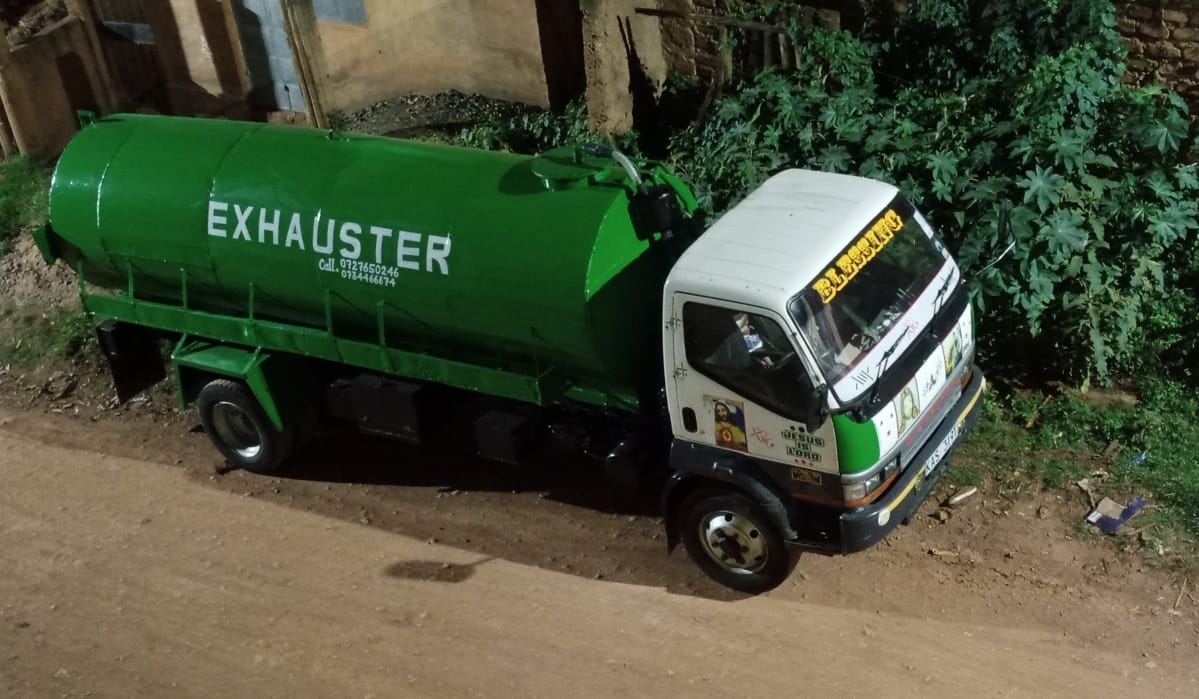
If you are not sure whether to call an exhauster, plumber, or drainage fundi, The Real Plug can help you find vetted professionals across Kenya who understand septic systems, drainage, and rainy-season overflow issues.
Should You Empty the Tank Before the Rains?
If your septic tank is already near full, emptying it before the rains is smart. It gives the system more capacity and reduces the risk of overflow.
But emptying alone will not fix stormwater entering the tank or a failed soak pit. If rainwater keeps entering, the tank will fill again quickly. The real solution is to stop outside water from getting in and improve drainage around the system.
Final Thoughts
Heavy rain can absolutely make your septic tank overflow, especially if stormwater enters the system or the soak pit cannot drain properly.
The rain is not always the main problem. Often, it simply reveals poor sealing, bad drainage, weak construction, or soil that does not absorb water well.
Before the next rainy season, inspect your compound, seal covers, divert rainwater, check the soak pit, and service the tank if needed. A little preparation can save you from emergency exhauster calls, bad smells, and sewage backing up into the house.