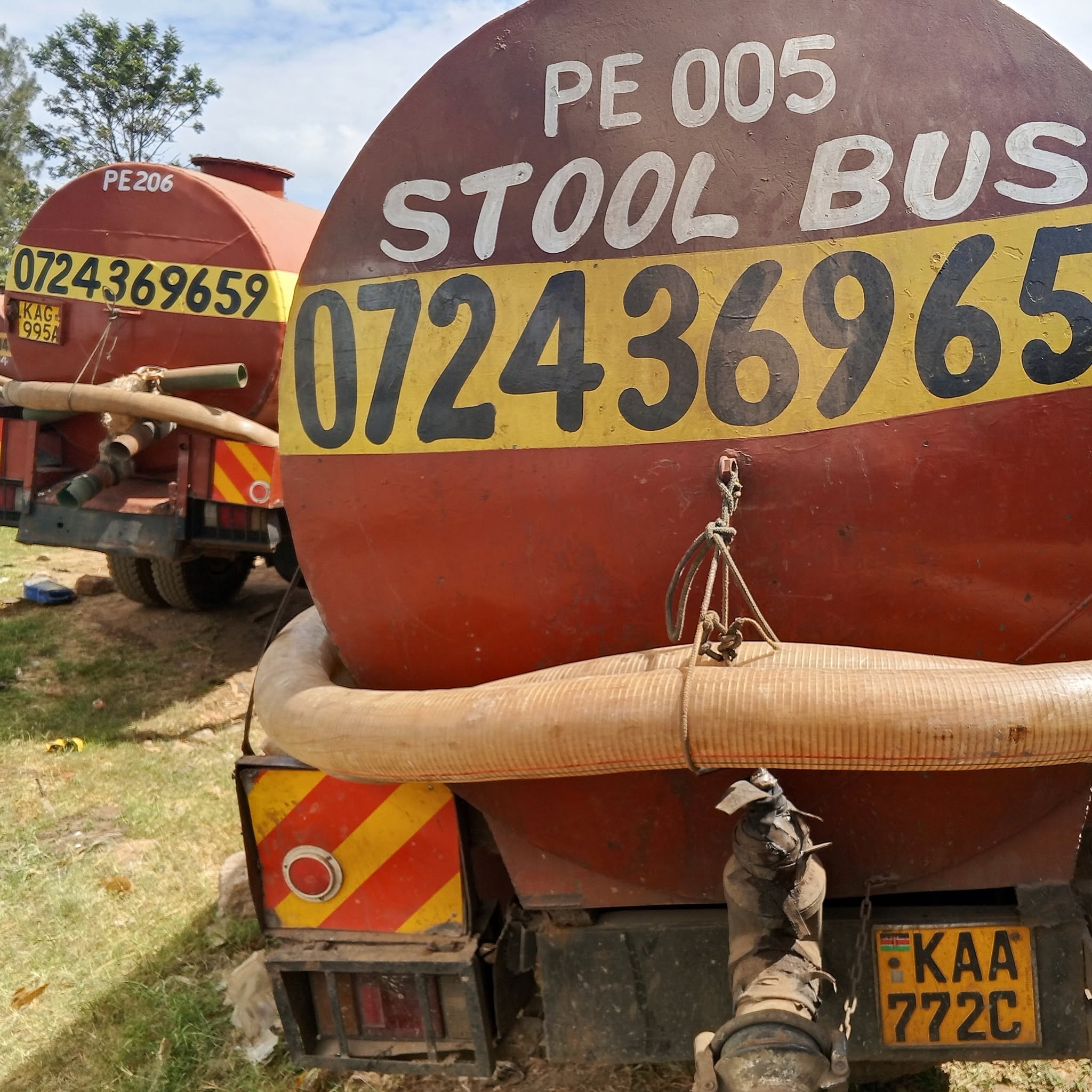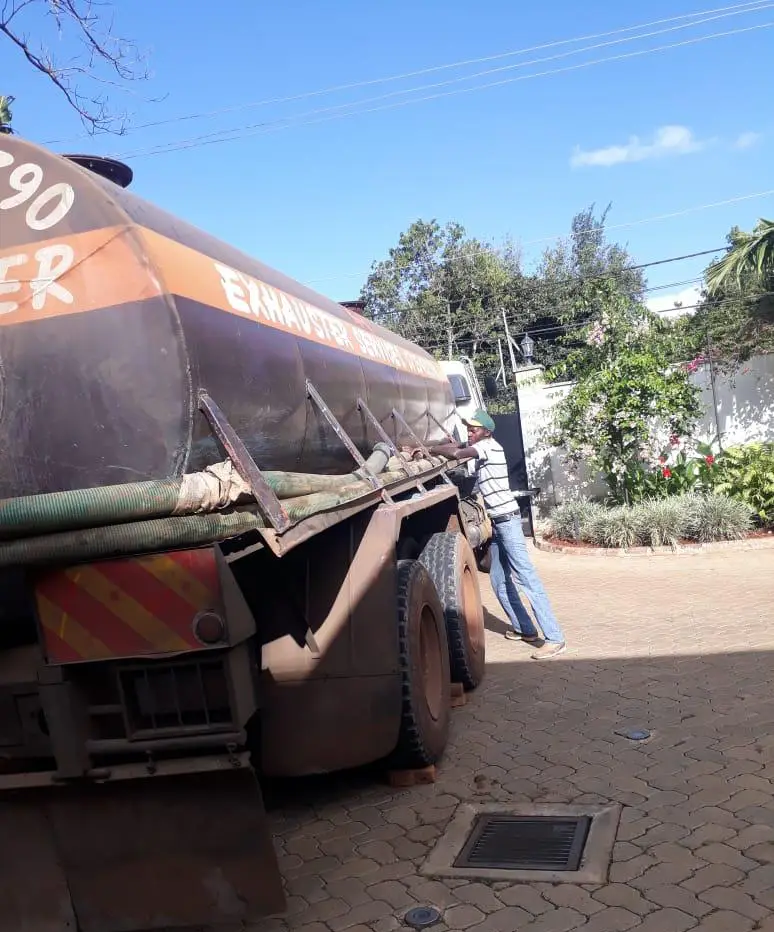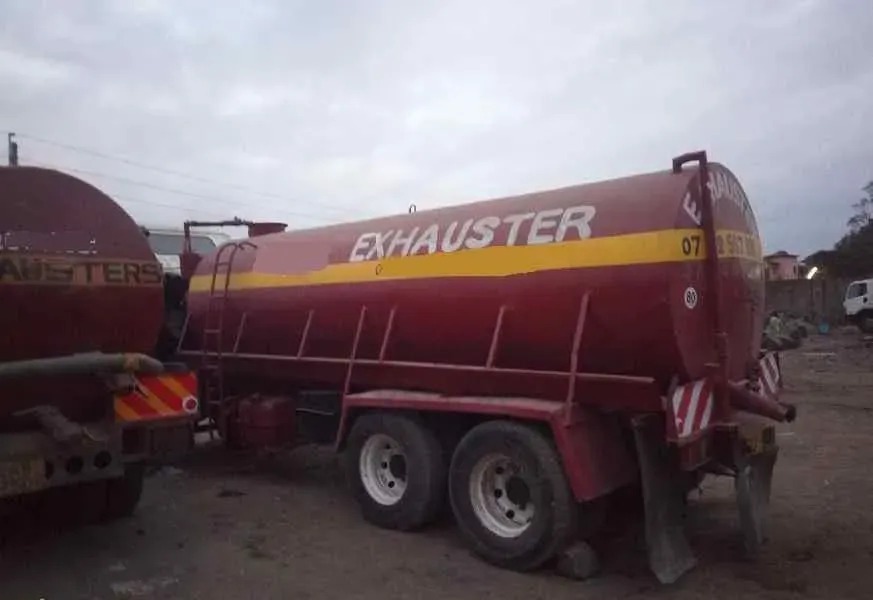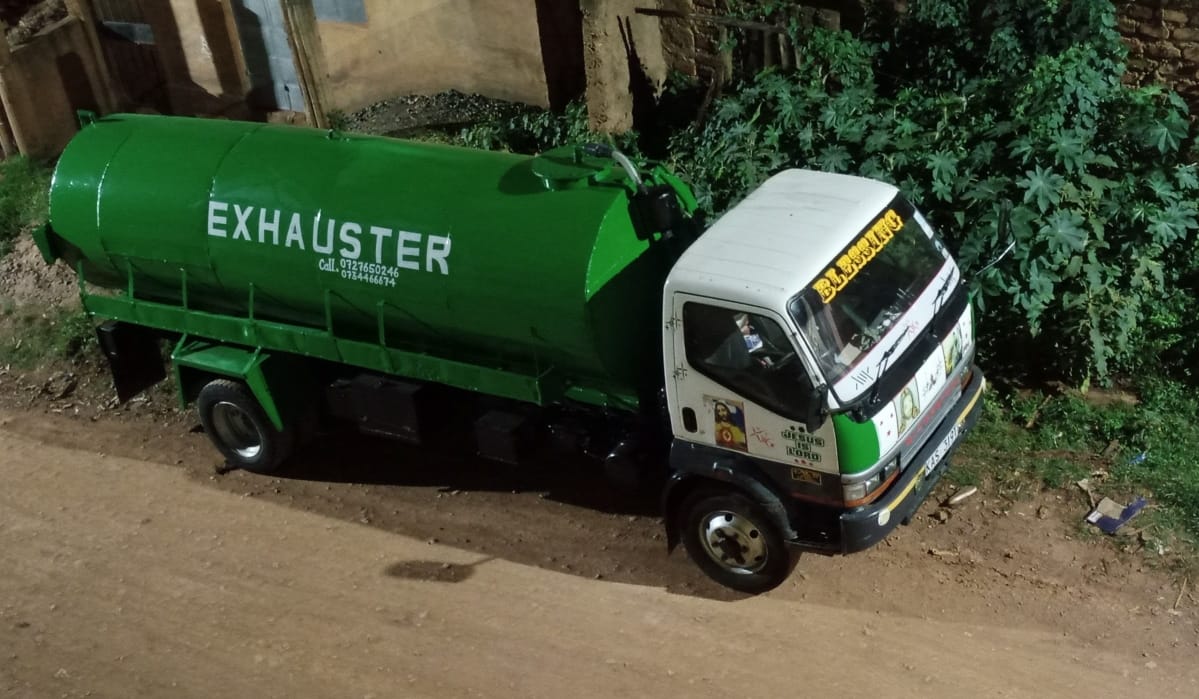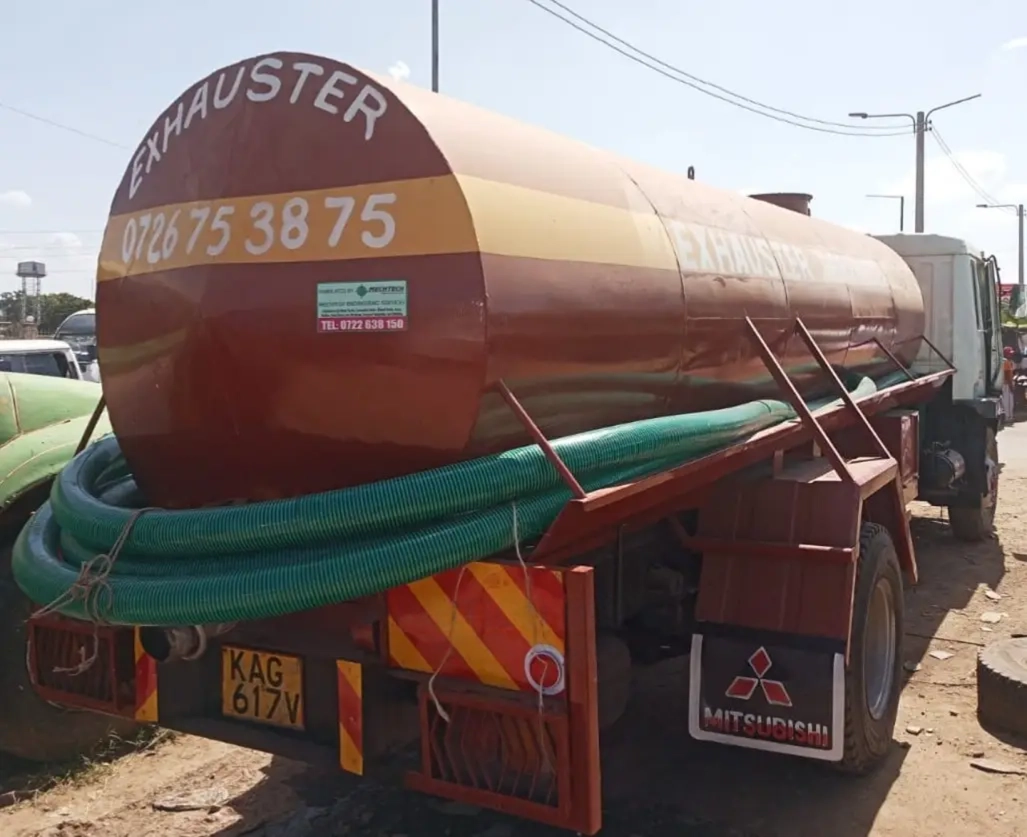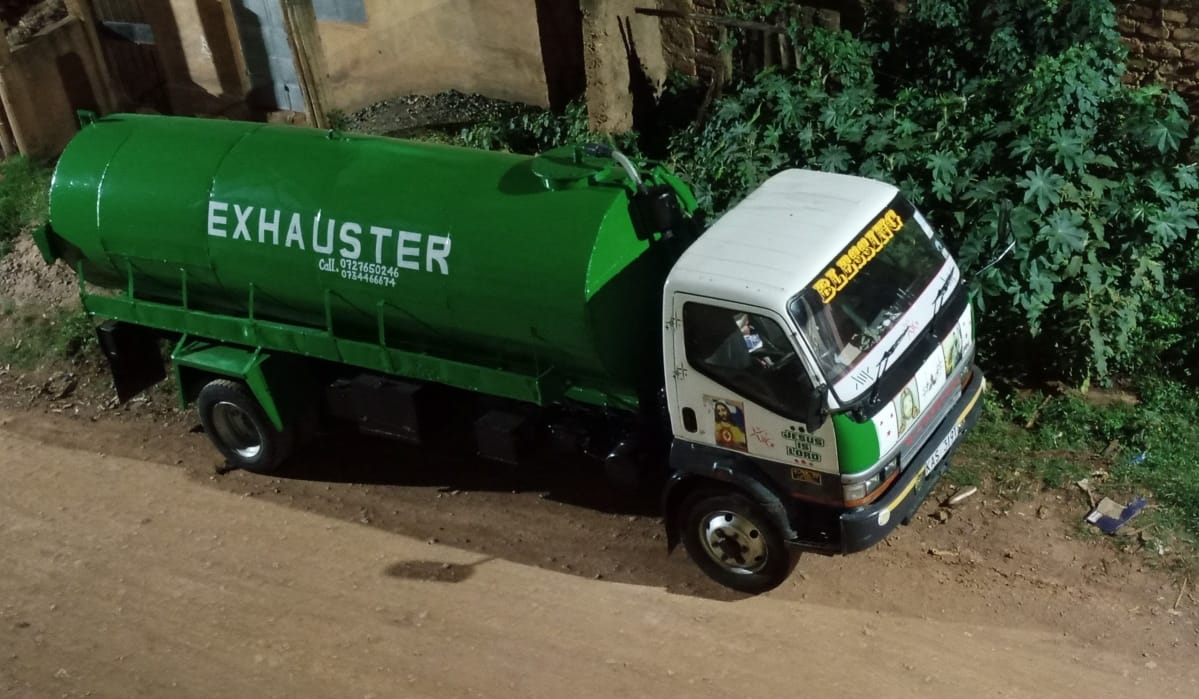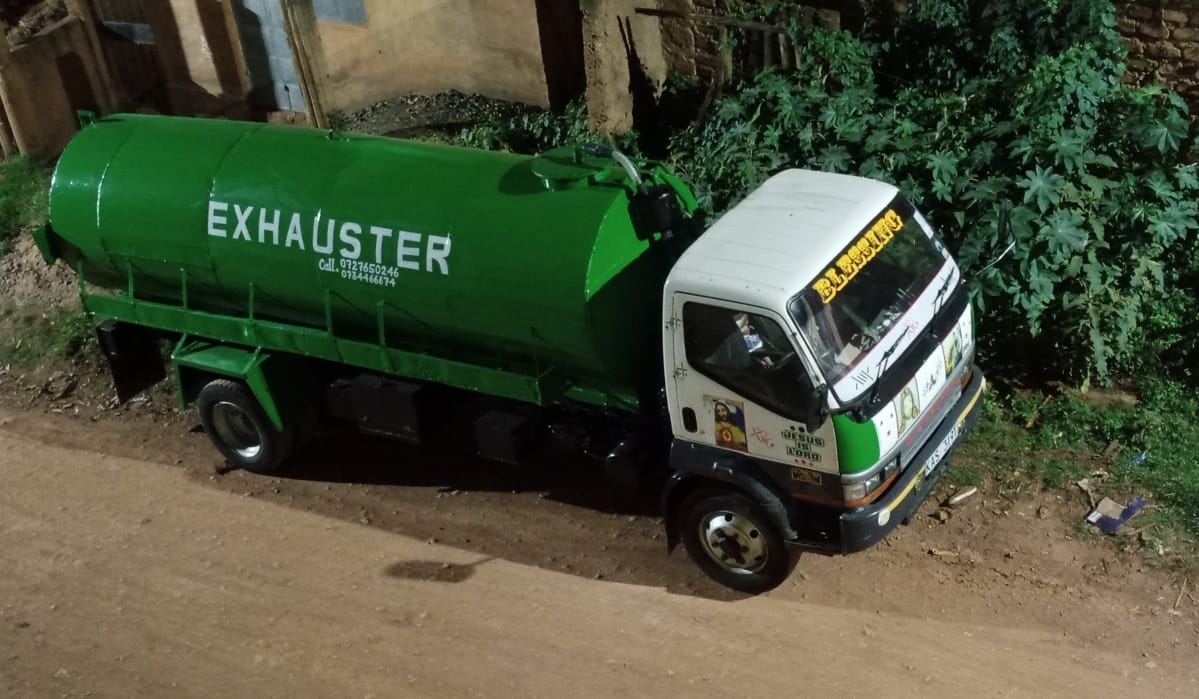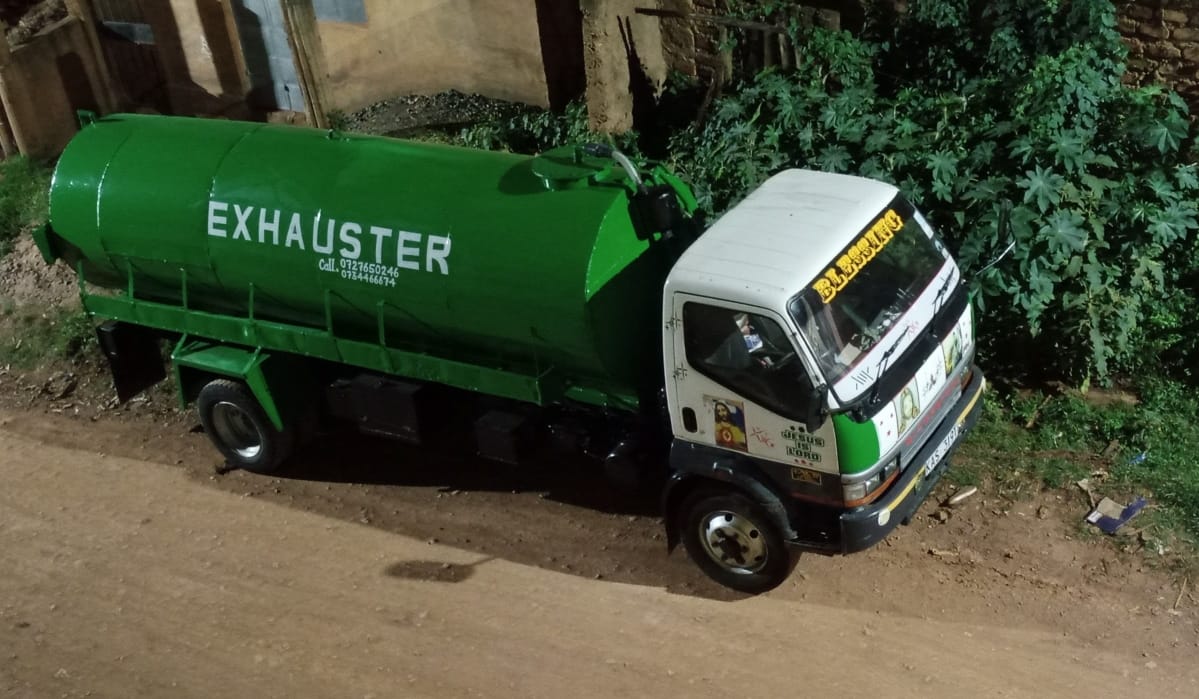


For many Kenyan homeowners, septic tank emptying becomes a serious topic only after the first scare. You move into a new house in Kitengela, Ruiru, Syokimau, Ngong, or Juja, and someone casually says, “Hiyo tank itakaa miaka mingi.” Then, barely a year later, the toilet starts gurgling, the bathroom drain smells funny, and suddenly an exhauster truck is reversing into your compound.
So, how often should you empty a septic tank at home?
For most family homes in Kenya, the realistic range is every 1 to 3 years. For busy homes, rental compounds, hostels, and multi-unit properties, it can be as often as every 3 to 6 months. The right schedule depends on how your home actually uses water and waste, not what the neighbour says.
Why There Is No Fixed Septic Tank Emptying Schedule
A septic tank does not fill based on calendar dates. It fills based on usage. The more people using the toilets, bathrooms, kitchen sinks, and laundry area, the faster the system works and the sooner it needs emptying.
A retired couple in Karen with a large tank may go several years without needing an exhauster. A family of seven in Ruiru with a small tank may need service every year. A rental plot in Pipeline or Githurai may need emptying several times a year.
Same country, same service, completely different reality.
Household Size Matters Most
The number of people in the home is the biggest factor. More people means more flushing, more bathing, more laundry, and more wastewater entering the septic system daily.
A small household of two or three people can often go longer, especially if the tank is reasonably sized. An average family of four to six people may need emptying every 12 to 24 months. A large household with relatives, visitors, a househelp, or occupied DSQ may need emptying sooner.
For rental homes and shared compounds, the schedule becomes shorter because usage is harder to control. One tank serving many tenants fills quickly, and landlords should plan regular emptying instead of waiting for complaints.
Tank Size Makes a Big Difference
Many homeowners do not know their septic tank size, yet it affects everything. A small 3,000-litre tank will fill faster than a 6,000-litre or 10,000-litre tank serving the same household.
Some newer developments have undersized tanks because the builder was trying to save money. The house may look beautiful, but the septic system struggles quietly underground.
If you bought the home, ask the previous owner, developer, or fundi about the tank size. If nobody knows, have a sanitation professional inspect it. Guessing can become expensive.
Water Usage Can Fill Your Tank Faster
High water use affects how your septic system behaves. Long showers, daily laundry, frequent flushing, and leaking toilets all push more water into the tank.
A leaking toilet is especially sneaky. It can send hundreds of litres into the septic system daily without anyone noticing. That water can overwhelm the soak pit and make the tank seem full faster than expected.
Also, rainwater should never be connected to the septic tank. Some fundis do this thinking it will “wash” the system. In reality, one heavy storm can overload the tank and cause backup.
What You Flush Affects Emptying Frequency
A septic tank is designed for human waste, wastewater, and toilet paper. It is not a dustbin.
Wet wipes, sanitary pads, diapers, condoms, cotton wool, plastics, cooking oil, and food waste do not break down properly. They take up space, block pipes, and interfere with bacteria inside the tank.
Homes that are strict about what goes down the drain often go longer between emptying. Homes where everything is flushed usually call the exhauster more often.
Soil and Soak Pit Conditions Matter
Your septic tank works together with a soak pit or drainage field. Liquid leaves the tank and soaks into the ground. If the soak pit is blocked or the soil drains poorly, the tank fills faster.
This is common in areas with black cotton soil, parts of Embakasi, Ruiru, Athi River, and some sections of Kiambu and Kajiado. Coastal and lakeside areas may also struggle where the water table is high.
If your tank fills again shortly after emptying, the problem may not be the tank. It may be the soak pit, outlet pipe, or drainage field.
Visitors and Holidays Can Change Everything
December, school holidays, family gatherings, ruracios, and home events can put sudden pressure on your septic system. A tank that would have lasted six more months can fill quickly when many visitors stay over and water use triples.
If you know you will host many guests, check your septic tank before the event. It is better to empty it early than to deal with a blocked toilet when the compound is full of relatives.
Signs It Is Time to Empty Your Septic Tank
Do not wait for sewage to overflow. Watch for slow flushing toilets, gurgling drains, bad smells near the tank, wet patches in the compound, unusually green grass near the soak pit, or wastewater backing up into the house.
If you notice two or more of these signs, start looking for an exhauster provider. If sewage is already coming up through the bathroom drain, stop using water and call immediately.
How to Create a Practical Emptying Schedule
Start by knowing your tank size and counting the number of regular users. Include children, househelps, DSQ occupants, and long-term visitors.
For an average family home, inspect the tank once or twice a year. If your household is large or the tank is small, inspect more often. For rental compounds, create a fixed service schedule based on past usage.
Keep records. Write down the date you emptied the tank and how full it was. After one or two cycles, you will understand your home’s real pattern.
When looking for a reliable provider, The Real Plug can help you find vetted septic tank emptying professionals across Kenya, especially if you do not want to rely on random wall numbers or last-minute estate WhatsApp contacts.
How to Extend Time Between Emptying
You can reduce how often you need an exhauster by using the septic system properly. Do not flush wipes, pads, diapers, plastics, or grease. Fix leaking toilets quickly. Avoid harsh chemicals that kill helpful bacteria. Keep rainwater away from the septic system.
Also, keep the tank accessible. Do not build over the inspection cover or hide it under cabro without marking it. Poor access makes emptying harder and more expensive.
Final Thoughts
There is no one-size-fits-all answer for how often to empty a septic tank at home. For many Kenyan homes, every 1 to 3 years is reasonable. For large households, busy rental plots, or homes with poor drainage, the interval can be much shorter.
The best approach is simple: know your tank, watch your usage, inspect regularly, and empty before it becomes an emergency. A planned exhauster visit is far cheaper and calmer than sewage backing up into your bathroom.
Handle the septic tank early, and it will stay exactly where it belongs: underground and out of your daily stress.