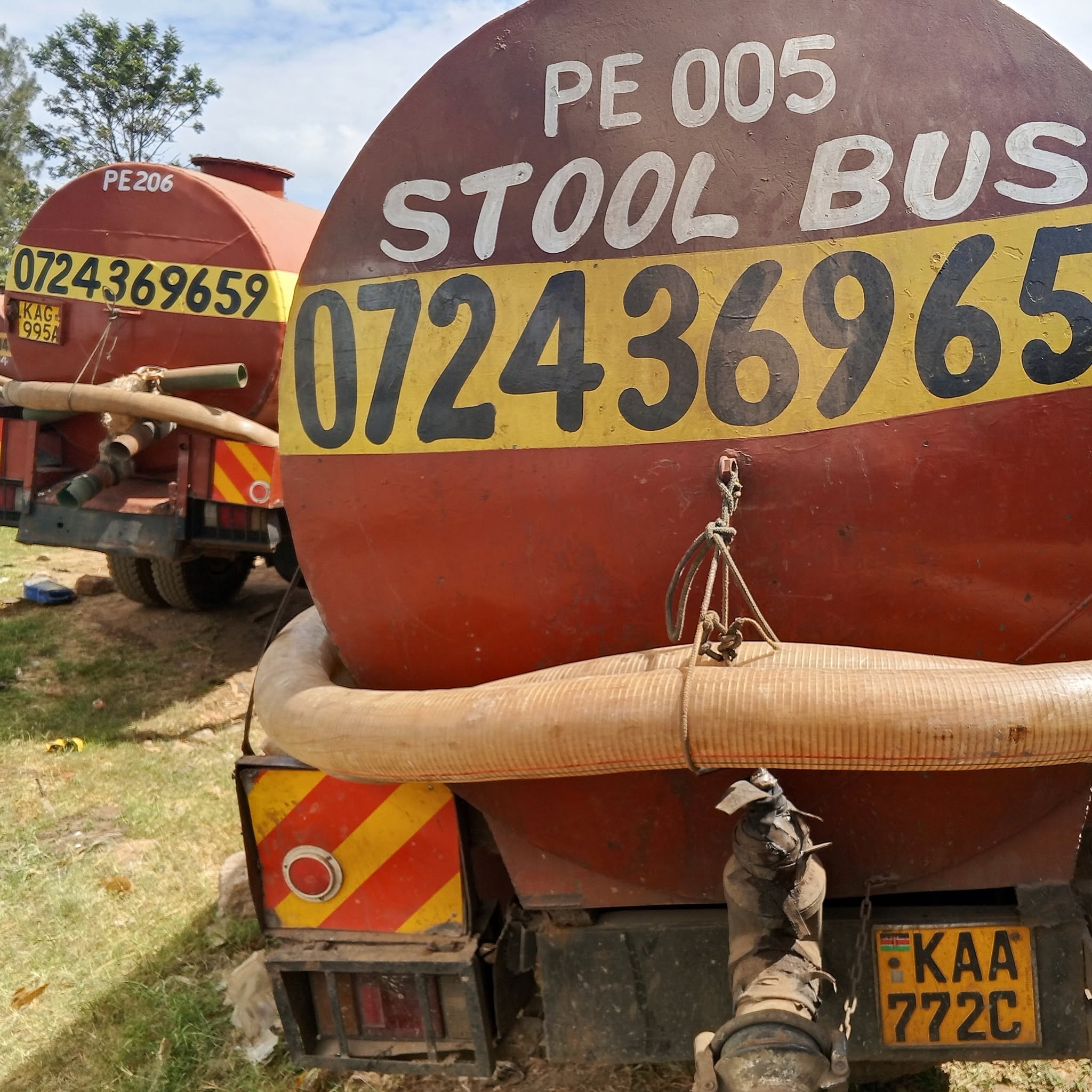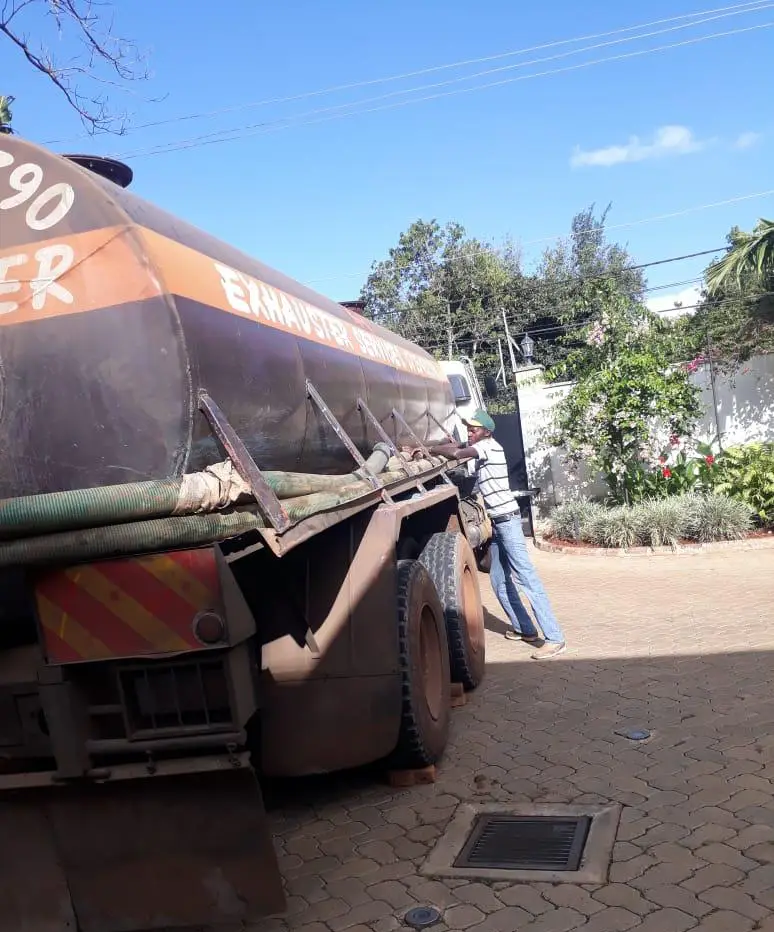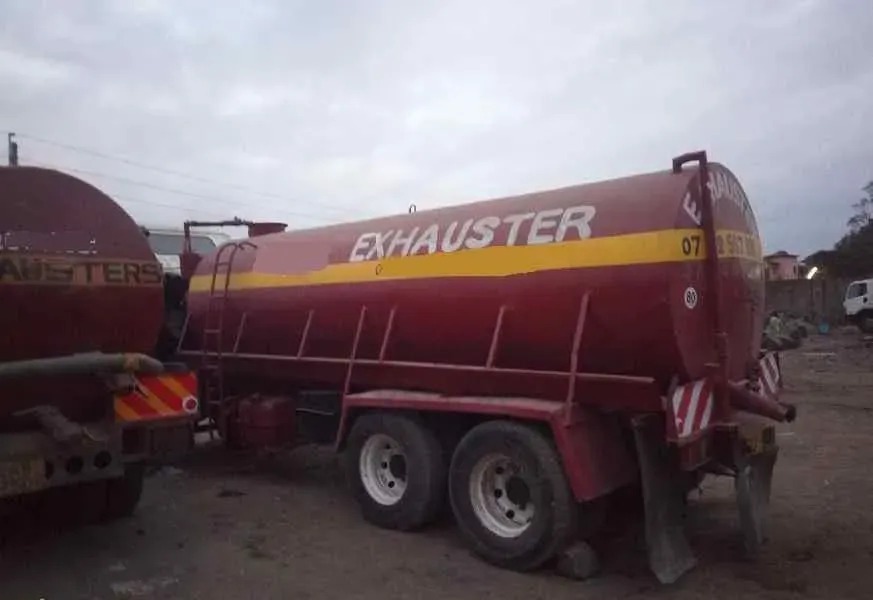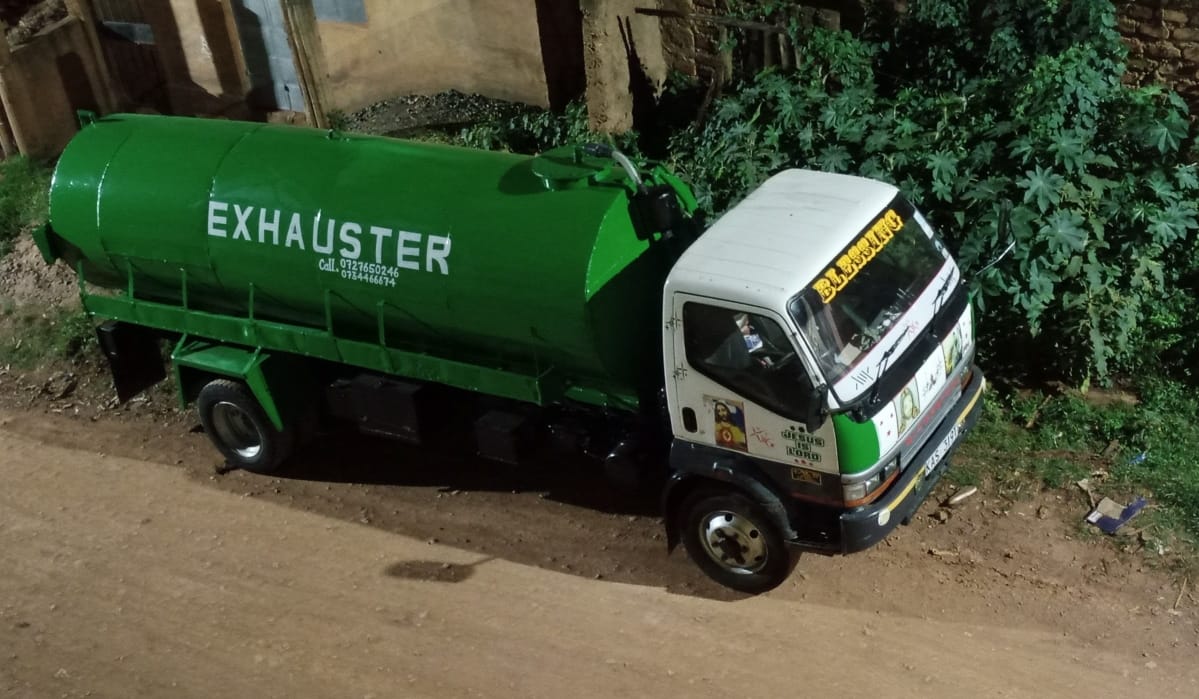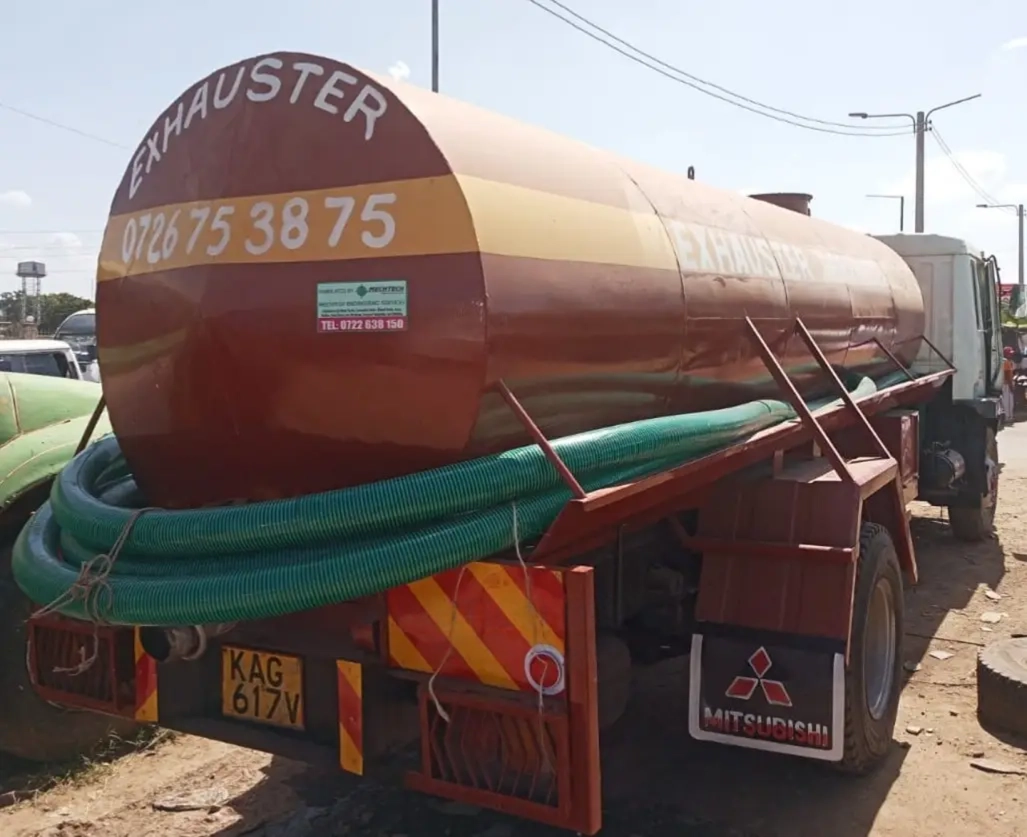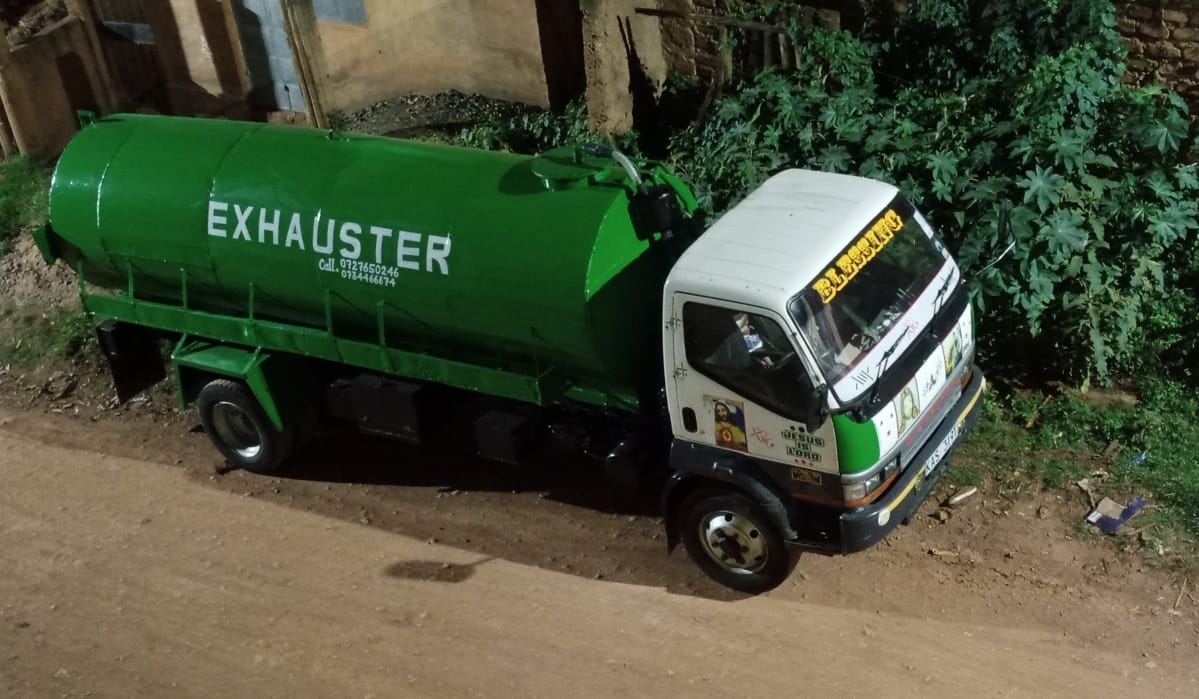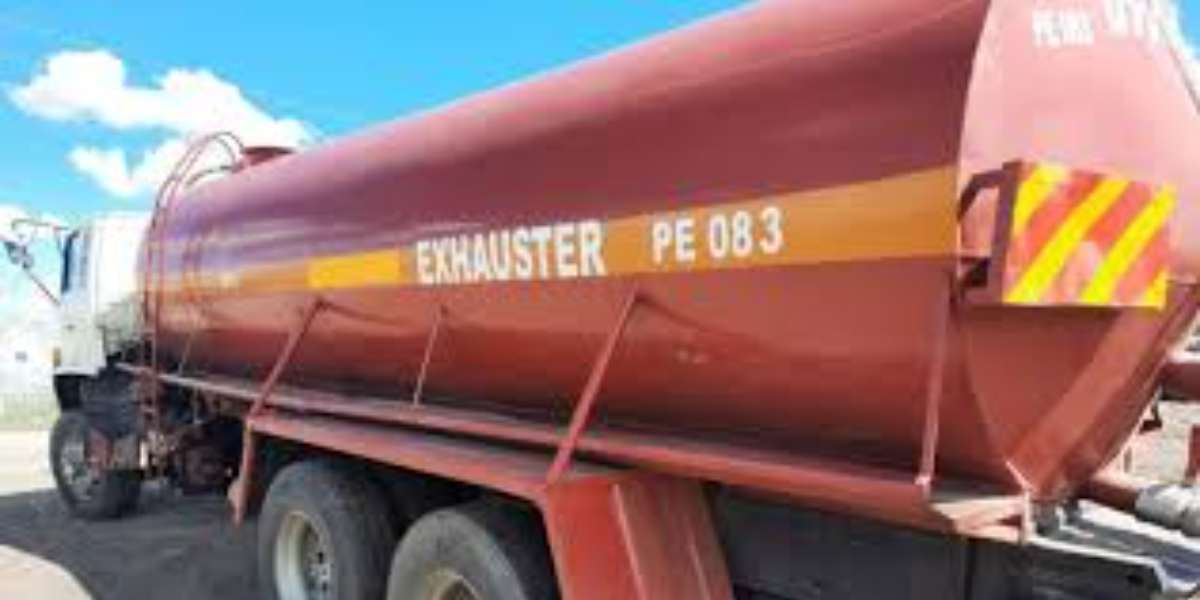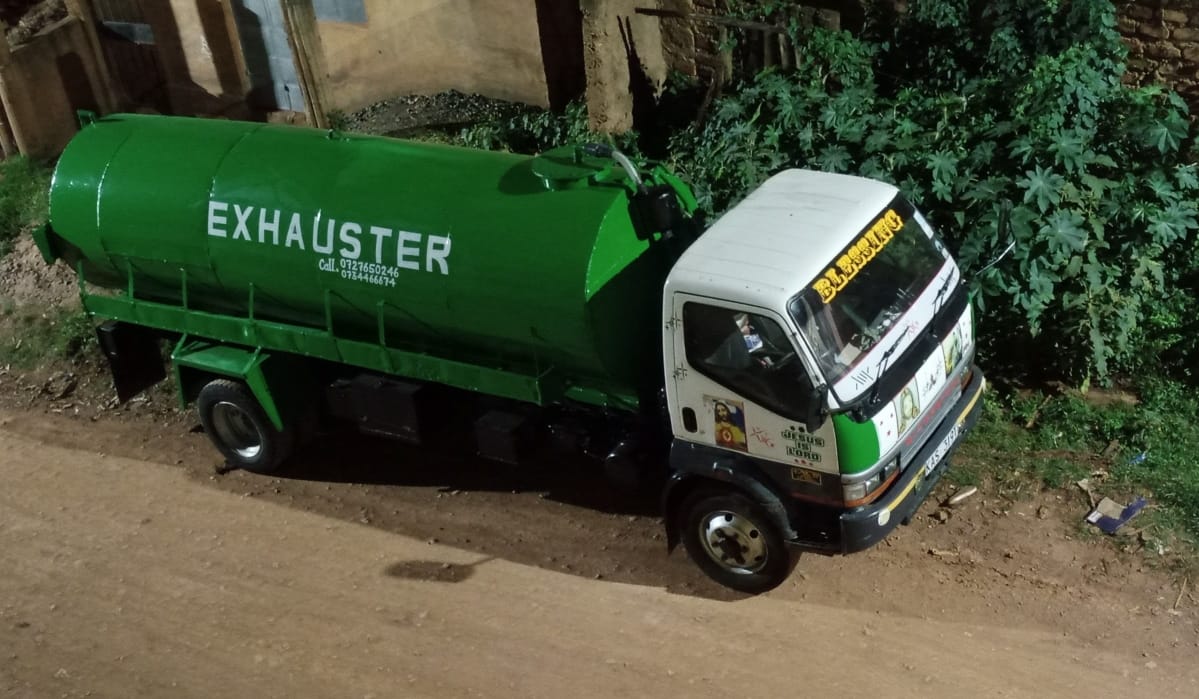


You’ve already called the exhauster. The truck came, the crew opened the tank, the pump made noise for a while, and you paid. For a moment, you felt relieved. Then two or three days later, the toilet started draining slowly again. Maybe it gurgles after flushing. Maybe the water rises before going down. Maybe the bathroom has that smell again.
At that point, it’s easy to think, “Kwani walinicon?” And yes, sometimes the exhauster job may have been poorly done. But in many Kenyan homes, the septic tank is not the only reason a toilet drains slowly. The real problem may be in the pipes, soak pit, plumbing slope, venting, or even the way the system was built from day one.
Before you pay for another emptying, it helps to understand what could be happening underground.
First Check: Was the Septic Tank Properly Emptied?
Let’s start with the obvious one. Not every septic tank emptying job is thorough. Some crews remove mostly the liquid at the top and leave thick sludge settled at the bottom. From the surface, the tank may look lower, but the real waste buildup is still there.
This happens more often when people choose the cheapest provider without checking reviews, licensing, or service quality. A rushed crew may pump for a few minutes, close the tank, collect payment, and move to the next job.
If the toilet worked briefly after emptying and then slowed down again, ask whether the sludge was removed properly. A good crew should open the tank, pump deeply, and explain what they found. If you never saw the tank opened or no one checked sludge levels, the job may have been incomplete.
Blocked Pipes Between the Toilet and Septic Tank
Your septic tank can be empty, but if the pipe from the house to the tank is blocked, waste still cannot flow properly. This is one of the most common reasons toilets drain slowly after septic tank emptying.
In many Kenyan homes, blockages come from wet wipes, sanitary pads, diapers, cotton wool, condoms, too much tissue, and small plastics. People flush them thinking they will disappear, but they get stuck inside the pipe and collect more waste over time.
Kitchen grease can also cause problems, especially where kitchen and bathroom lines connect before reaching the septic tank. Cooking oil may go down as liquid, but it cools and hardens inside the pipe. Slowly, the passage becomes narrower until water struggles to pass.
If only one toilet is slow, or one bathroom smells more than others, the issue may be a local pipe blockage rather than a full tank. In this case, you need a plumber with drain rods, a jetting machine, or proper inspection tools.
The Soak Pit May Be Failing
A septic tank does not work alone. After solids settle inside the tank, liquid flows out into a soak pit or drainage field. If the soak pit is blocked or waterlogged, the septic tank cannot drain properly. The system then backs up, even after emptying.
This is common in areas with poor drainage, black cotton soil, or high water tables. Parts of Kitengela, Athi River, Ruiru, Utawala, and some low-lying areas around Kisumu and Mombasa can experience this problem.
Signs of soak pit failure include soggy ground, bad smell near the soak pit, a tank that fills again quickly, and slow drains that get worse during rainy seasons.
If the soak pit is the issue, another exhauster visit will only give temporary relief. You may need to rebuild, expand, or relocate the soak pit.
Poor Plumbing Slope
Drainage pipes need the right slope so waste can move by gravity from the toilet to the septic tank. If the pipe is too flat, waste settles inside. If it slopes the wrong way, the problem becomes even worse.
This often happens in extensions, DSQs, backyard rooms, or rushed construction projects where plumbing was added after the main house was already built. A toilet may flush, but the waste moves slowly and keeps leaving deposits in the pipe.
If your slow drainage problem started after renovation or construction, suspect the pipe gradient. Fixing it may require opening the floor or ground and relaying the pipe properly. It is not the cheapest repair, but it solves the problem at the root.
Tree Roots or Collapsed Underground Pipes
Tree roots are another hidden cause. Mango, eucalyptus, bamboo, grevillea, and other thirsty trees can find small cracks in drainage pipes and grow into them. Once roots enter, they trap tissue and waste until the pipe blocks.
Older estates may also have cracked clay pipes, while newer homes can still suffer from damaged PVC pipes if the trench was poorly compacted or vehicles pass over shallow lines.
A collapsed pipe usually starts as a slow drain before becoming a full blockage. You may hear gurgling sounds, notice water coming up in the shower drain, or see inspection chambers filling unexpectedly.
A camera inspection is useful here. Digging blindly can waste money and destroy your compound unnecessarily.
Vent Pipe Problems
A toilet does not only need water to flush. It also needs proper air movement in the drainage system. Vent pipes allow sewer gases to escape and help wastewater flow smoothly.
If the vent pipe is missing, blocked, or poorly installed, air pressure builds up in the system. This can cause gurgling, slow drainage, and sewage smells even after the septic tank has been emptied.
You may notice that flushing one toilet causes another drain to bubble. The smell may also come and go, especially when it is windy.
A plumber can inspect the vent pipe and clear or repair it. In some homes, especially newer builds done quickly, the vent may not have been installed properly in the first place.
The Problem Was Misdiagnosed
Sometimes the septic tank was never the main issue. It was simply the easiest thing to blame.
If your tank was emptied recently and your home does not have unusually high usage, it should not be full again after a few weeks. When that happens, there is likely a deeper issue: blocked pipes, soak pit failure, groundwater entering the system, or poor construction.
This is why proper diagnosis matters. A reliable professional should check the pipes, inspection chambers, tank level, and soak pit before recommending another emptying.
If you are not sure who to call, The Real Plug can help you find vetted plumbers, drainage experts, and exhauster service providers across Kenya. That way, you are not relying only on random contacts when the problem keeps coming back.
What You Should Do Next
First, reduce water use if the toilet is draining slowly. Avoid repeated flushing, long showers, and laundry until the issue is checked.
Next, inspect the nearest chamber if it is safe to do so. If wastewater is backing up there, the blockage may be between the house and the tank. If the chamber is flowing well but the tank or soak pit area is wet, the issue may be further down the system.
Call a plumber or drainage specialist if you suspect blocked pipes, poor slope, roots, or vent problems. Call an exhauster only if the tank is full or overflowing. If both issues exist, you may need both services.
Keep records of when the tank was emptied and what the provider reported. If the same issue returns, those details help identify patterns.
Final Thoughts
A slow-draining toilet after septic tank emptying does not always mean the exhauster failed. It may mean the real problem is somewhere else in the drainage system.
Blocked pipes, failed soak pits, poor slope, broken drains, tree roots, and venting problems can all make a toilet drain slowly even when the tank has been emptied.
The smart move is not to keep paying for the same temporary fix. Diagnose the system properly, repair the actual fault, and work with professionals who understand Kenyan drainage conditions.
A toilet should flush and clear without drama. If yours still struggles after septic tank emptying, listen to what the system is telling you before the small problem becomes a messy one.