

For a hospital, clinic, dispensary, laboratory, dental centre, maternity home, or nursing facility in Kenya, sewage removal is not the same as calling an exhauster for a normal residential plot. The stakes are higher because the environment already deals with infection risks, vulnerable patients, medical procedures, cleaning chemicals, laboratory waste, and strict hygiene expectations. If a septic tank overflows near a waiting bay or a waste line blocks close to a ward, the issue is no longer just a bad smell. It becomes a patient safety concern, a staff safety concern, and a possible compliance problem.
Many healthcare facilities in Kenya operate in areas where sewer connections are limited, unreliable, or unavailable. You will find clinics, small hospitals, labs, and maternity homes in places like Kitengela, Ruiru, Ongata Rongai, Ruaka, Kisumu, Nakuru, Eldoret, Thika, and peri-urban parts of Nairobi depending on septic tanks, soak pits, biodigesters, or private wastewater systems. These systems can work well, but only when they are properly maintained and handled by competent providers.
Choosing the wrong sewage removal service can expose a healthcare facility to unnecessary risk. A careless contractor may spill waste, use leaking equipment, fail to disinfect the working area, dump waste at an unapproved location, or disappear without giving proper paperwork. For healthcare administrators, facility managers, and clinic owners, the goal should be simple: hire a provider who is reliable, compliant, discreet, well-equipped, and experienced enough to work around patients and medical staff.
Why Healthcare Sewage Removal Requires Extra Care
Wastewater from a healthcare facility is more sensitive than ordinary household wastewater. It may contain bodily fluids, traces of medicines, disinfectants, laboratory residues, and other materials that require careful handling. Even where the waste is mainly from toilets, bathrooms, cleaning areas, and sinks, the setting itself demands a higher level of caution because patients, staff, caregivers, and visitors move around the same compound.
A normal exhauster company may know how to empty a domestic septic tank, but healthcare facilities need more than suction and transport. The provider should understand hygiene, safety, containment, documentation, and responsible disposal. If a hose leaks near an outpatient area or a truck spills waste near the parking lot, the facility may have to manage complaints, cleaning costs, infection control concerns, and reputational damage.
There is also the issue of responsibility. Healthcare facilities should not assume that once waste leaves the premises, the matter is finished. If waste is disposed of irresponsibly and later traced back to the facility, questions may still be asked. This is why due diligence matters before signing a contract or allowing any truck into the compound.
Check Licensing, Compliance, and Disposal Practices
The first thing a healthcare facility should check is whether the sewage removal provider is properly licensed and allowed to handle the kind of waste involved. The company should have valid business documents, relevant county approvals where applicable, and environmental compliance documents for waste transport and disposal. Since rules and requirements may vary by county and waste category, administrators should verify details with the relevant authority or professional adviser instead of relying only on verbal assurances.
Responsible disposal is one of the most important checks. Ask the provider where the waste will be taken, whether the site is approved, and whether they can provide a disposal certificate, dumping slip, or other proof after the job. A vague answer such as “we know where to take it” is not enough for a healthcare setting. The facility needs a paper trail that shows waste was handled properly from collection to final disposal.
It is also wise to ask whether the company has handled healthcare facilities before. A provider that mostly serves apartments or construction sites may not understand the sensitivity of working around wards, labs, theatres, maternity areas, or outpatient departments. Experience does not replace licensing, but it helps reduce operational mistakes.
Assess Safety Procedures Before the Work Begins
Healthcare facilities already have infection prevention routines, and any outside contractor should fit into those standards rather than weaken them. Before hiring a sewage removal company, ask about the protective gear used by the crew. At minimum, workers should have appropriate gloves, gumboots, overalls, and other protective items suited to the task. For higher-risk jobs, additional protection may be necessary depending on the facility’s infection control advice.
The provider should also explain how they prevent spills, how they disinfect equipment, and what they do if a hose bursts or waste leaks during the job. This matters because a small spill in a hospital compound can quickly become a serious incident. The response should not be improvised while patients and visitors are watching.
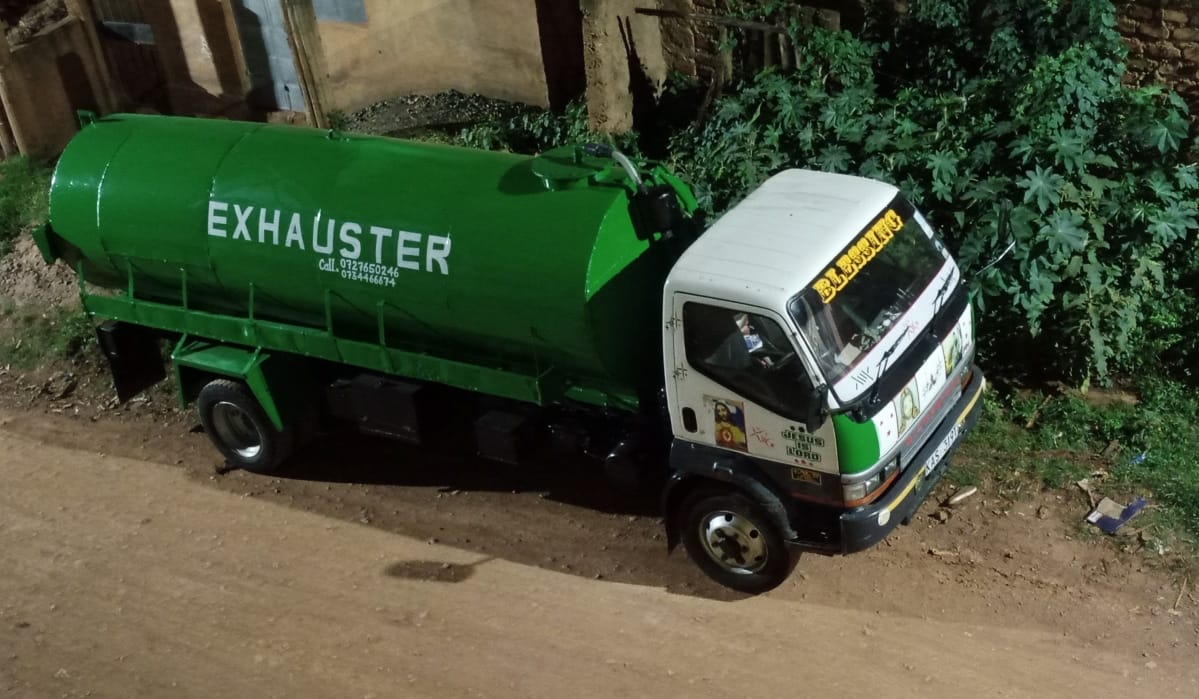
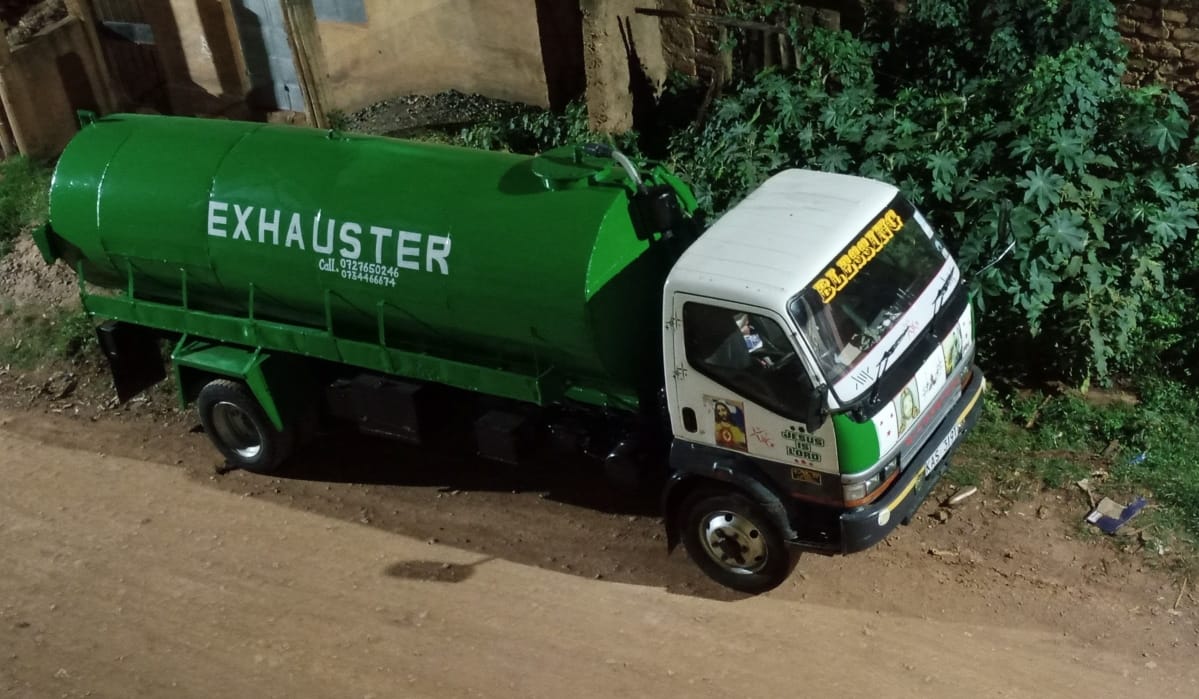
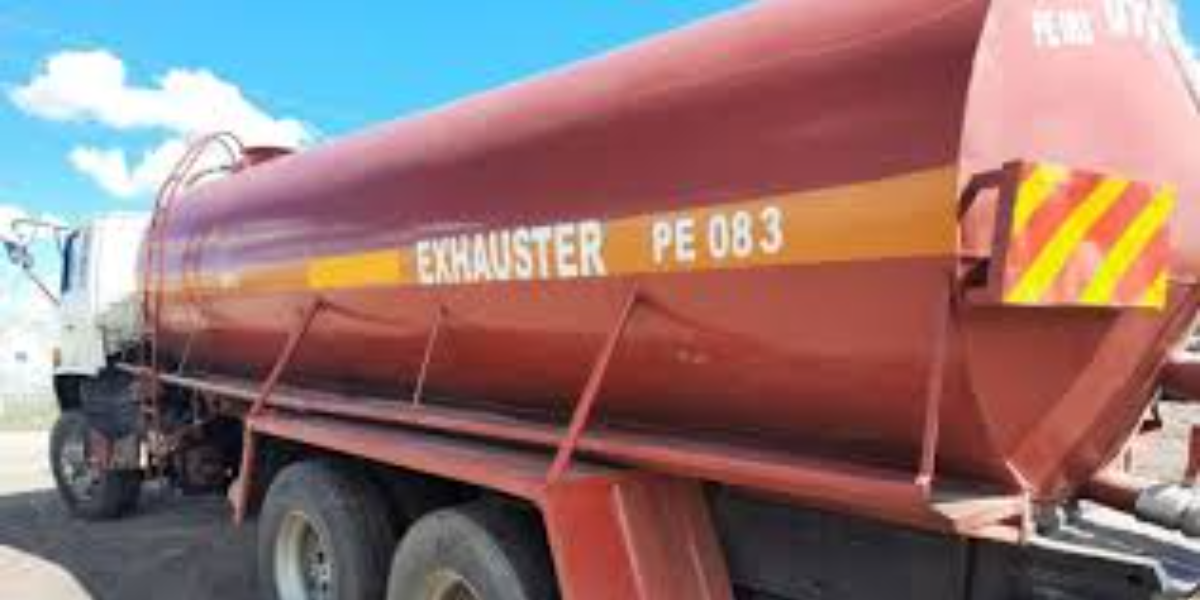
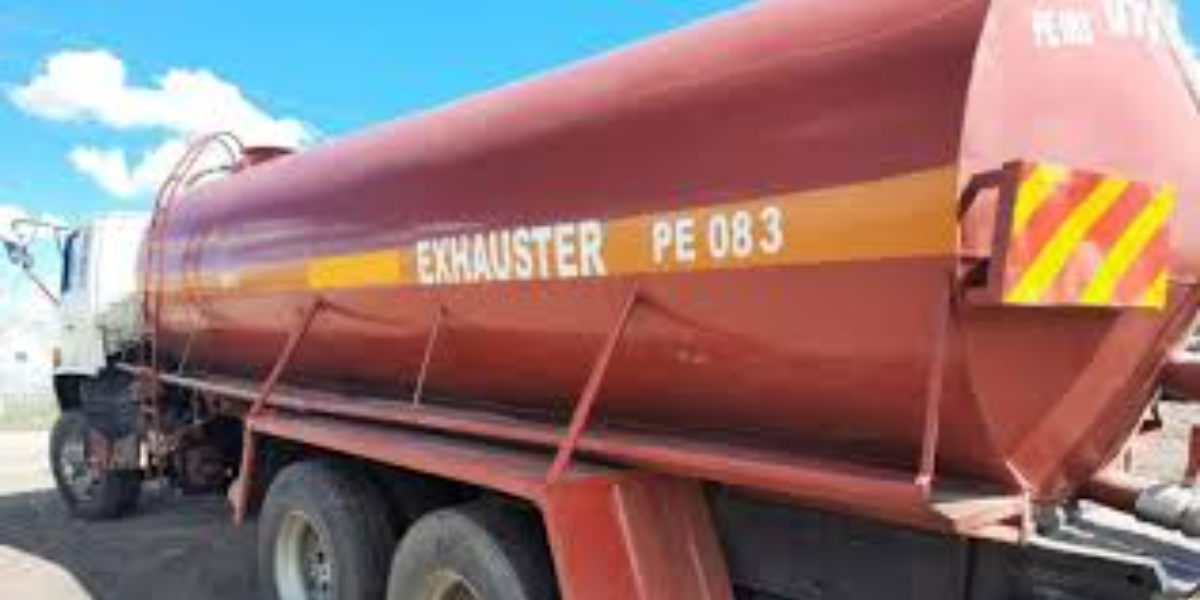
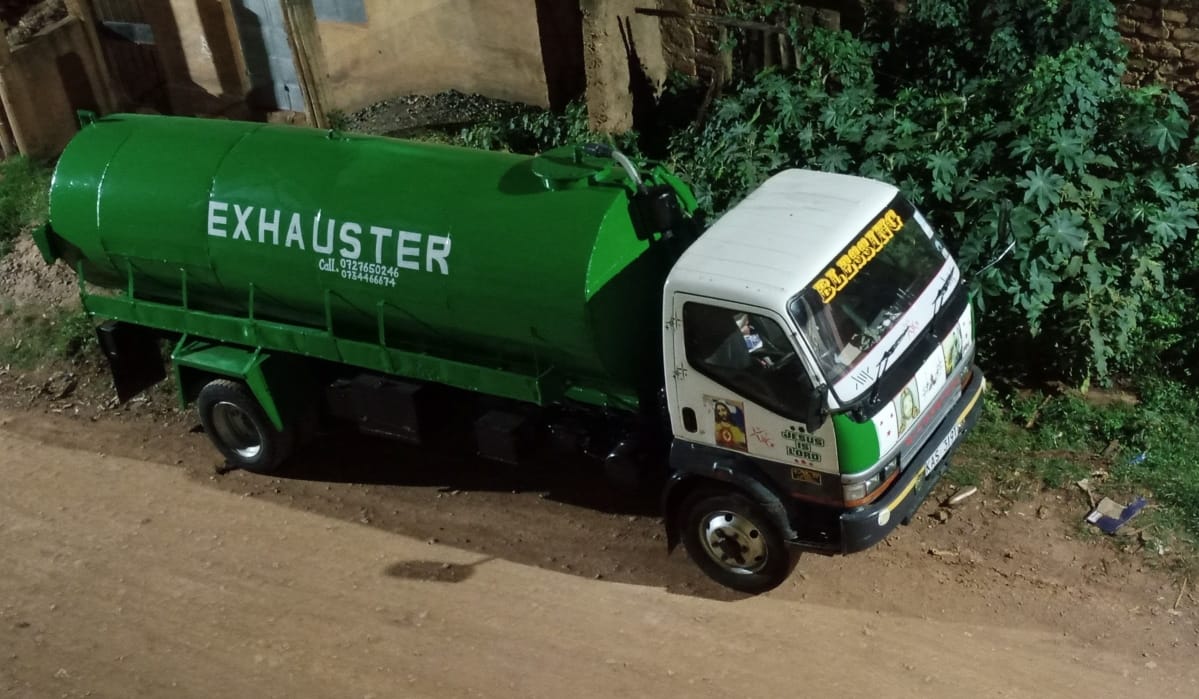
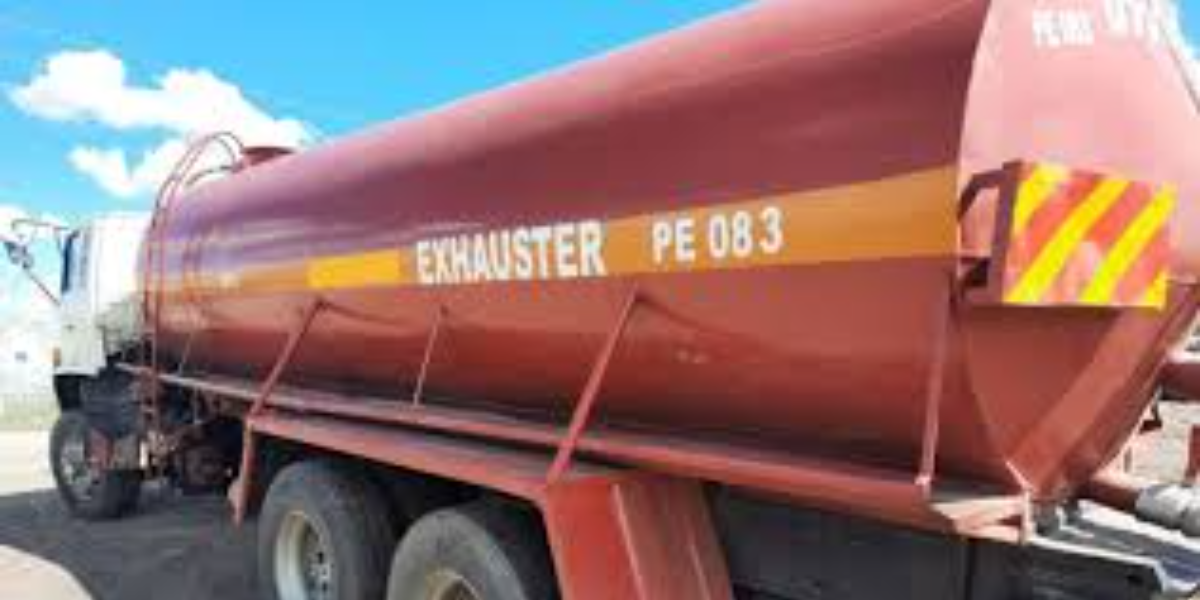
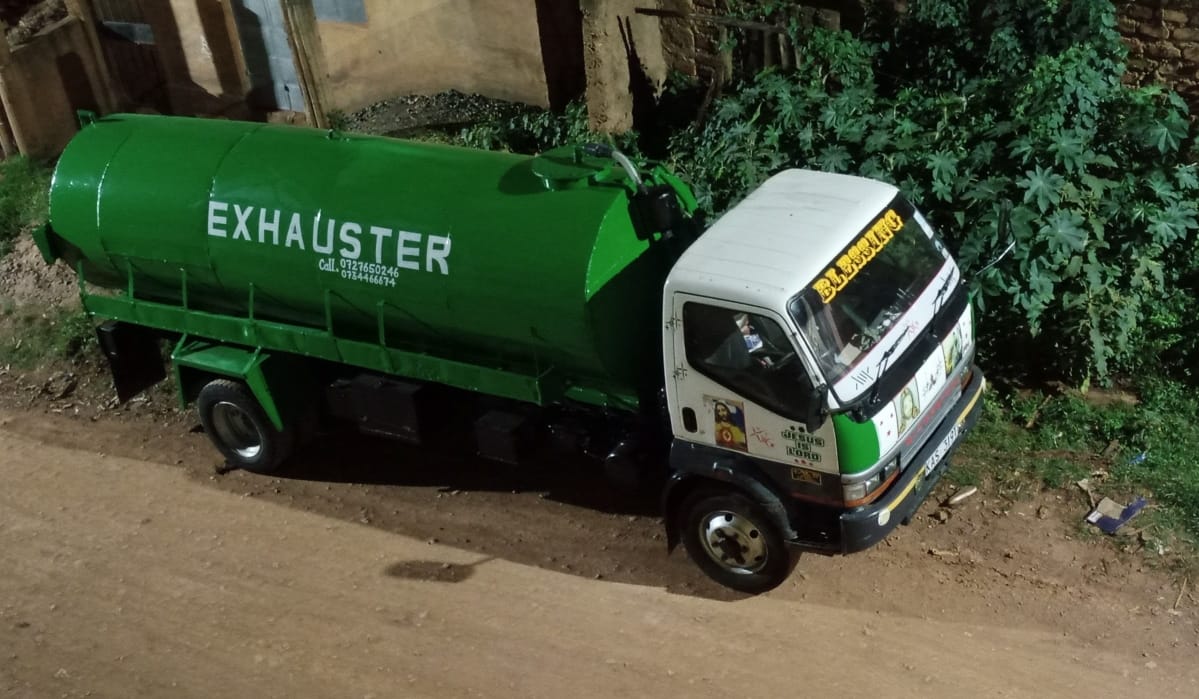
Truck condition is another practical safety issue. A leaking tank, weak hose, poorly maintained suction system, or careless crew can create unnecessary danger. Before approving a provider, the facility manager should inspect the equipment or request evidence that the vehicles are maintained and suitable for the work. A cheaper quote is not helpful if the truck leaves contaminated waste across the driveway.
Confirm Reliability and Emergency Response Capacity
In healthcare, delays can affect patient care. If toilets back up in a maternity unit, isolation area, theatre wing, dialysis centre, or busy outpatient clinic, the facility needs a provider who can respond quickly and professionally. This is why reliability should be checked before an emergency, not during one.
Ask how many trucks the provider has, whether they offer emergency response, and how quickly they can reach your location. A company based far away may promise fast service, but traffic, distance, and vehicle availability can make that promise unrealistic. A clinic in Westlands, a hospital in Thika, and a lab in Eldoret may each need different arrangements depending on local access and provider coverage.
References are useful here. Speak to other healthcare facilities, schools, hotels, or commercial clients that have used the provider. Ask whether the company arrived on time, completed the job properly, cleaned up after itself, and gave the required documents. Platforms such as The Real Plug can also help users compare vetted professionals, service providers, and businesses in Kenya, especially when a facility wants to shortlist reliable options before making calls.
Look at Discretion and Site Conduct
Healthcare facilities run on trust. Patients and families expect cleanliness, order, privacy, and professionalism. A sewage removal job that is handled carelessly can make patients uneasy even if there is no actual danger. For this reason, discretion should be part of the hiring decision.
The provider should be willing to work during suitable hours, use designated access routes, avoid sensitive areas, and coordinate with security and maintenance teams. In many facilities, early morning, late evening, or low-traffic hours may work better than busy clinic hours. The truck should not block ambulance access, patient entrances, pharmacy queues, kitchen areas, or emergency exits.
The crew’s behaviour also matters. Workers should not take photos or videos inside the facility without permission. They should not discuss patient areas, lab operations, or internal issues outside the job. For larger facilities, it may be sensible to include confidentiality and site conduct clauses in the service agreement. Professionalism is not just about finishing the job; it is also about protecting the dignity and reputation of the facility.
Insist on Proper Documentation
Documentation is one of the strongest protections a healthcare facility can have. Every sewage removal job should leave behind clear records. These may include a service order, job card, invoice, receipt, volume estimate, truck details, driver or supervisor name, and proof of disposal. The exact documents may vary, but the facility should not accept a completely informal arrangement.
These records are useful during audits, inspections, internal reviews, insurance questions, or disputes. They also help the facility track maintenance frequency. If the septic tank is being emptied too often, the records may show that the system is undersized or that water usage has increased. If blockages keep happening, the records can help identify patterns.
Facilities should store these documents together with other maintenance and sanitation files. A clinic owner who keeps everything in scattered WhatsApp messages may struggle to respond confidently if a public health officer, landlord, board member, or regulator asks for proof of proper waste handling.
Review Costs Carefully Without Choosing the Cheapest Option
Cost matters, especially for small clinics and private facilities trying to manage tight budgets. However, sewage removal in healthcare should not be awarded automatically to the cheapest provider. A low quote may exclude disposal fees, after-hours charges, extra trips, cleaning, documentation, or emergency response. The final cost can rise once the truck is already on site.
Ask for a written quote that clearly explains transport, labour, disposal, timing, expected volume, and any extra charges. This helps avoid arguments during the job. For facilities that need frequent service, an annual maintenance contract may be better than calling different providers each time. A long-term provider learns the site layout, sensitive departments, access rules, and emergency contacts.
The best value is not always the lowest price. It is the provider who reduces risk, responds reliably, documents properly, and protects patient safety.
Know When the Facility Needs a System Review
If a healthcare facility keeps calling an exhauster every few weeks or months, the problem may not be the service provider. The wastewater system may be too small, poorly designed, blocked, damaged, or overloaded. This often happens when a small clinic expands into a larger outpatient centre, adds a maternity wing, opens a laboratory, or increases bed capacity without reviewing wastewater infrastructure.
In such cases, repeated emptying may only hide the real issue. The facility should get an assessment from a qualified plumber, engineer, wastewater specialist, or relevant professional. Possible solutions may include repairing the drainage line, improving soak pit performance, increasing tank capacity, installing a more suitable treatment system, or connecting to a sewer line where available and approved.
Any upgrade should be planned carefully and checked against county, environmental, health, and building requirements. Healthcare wastewater is too sensitive for guesswork or shortcuts.
Conclusion
Hiring sewage removal services for a healthcare facility in Kenya is a decision that should be handled with care. The provider must do more than arrive with a truck. They should understand safety, hygiene, discretion, documentation, legal responsibility, and the sensitive nature of medical environments.
Before signing any agreement, check licensing, disposal practices, safety procedures, emergency response, healthcare experience, site conduct, and paperwork. Compare providers carefully, ask practical questions, and avoid informal arrangements that leave the facility exposed. A clean, well-managed wastewater system protects patients, staff, visitors, and the reputation of the facility. In healthcare, that kind of prevention is not optional; it is part of responsible care.