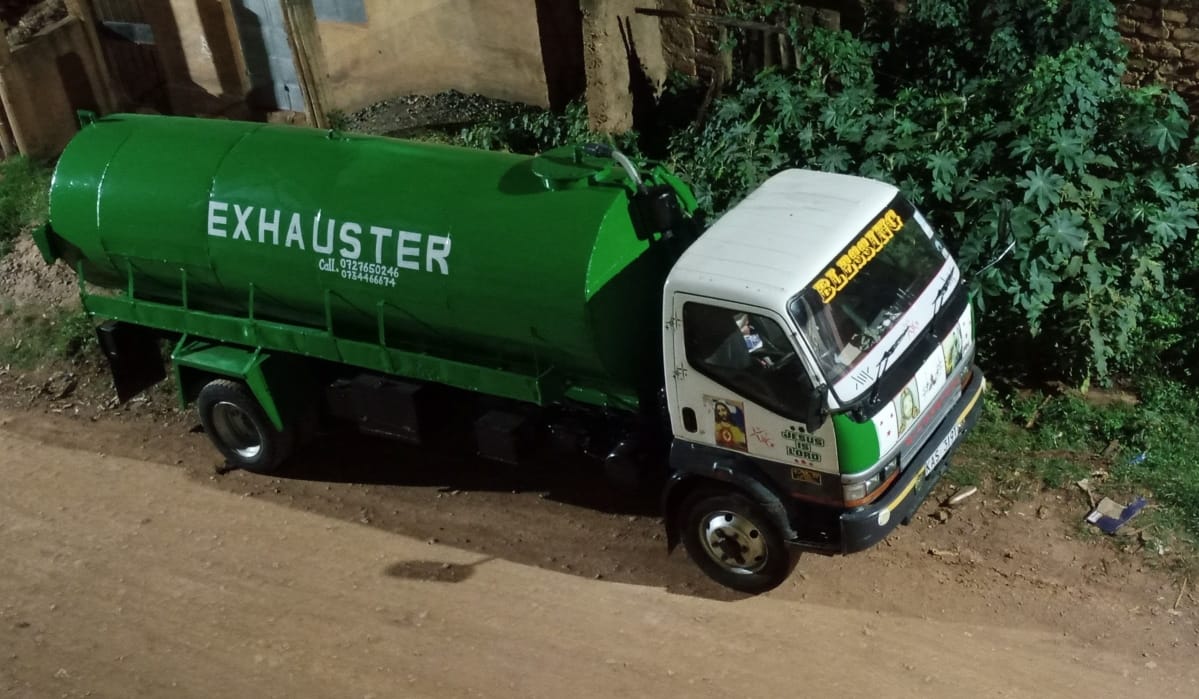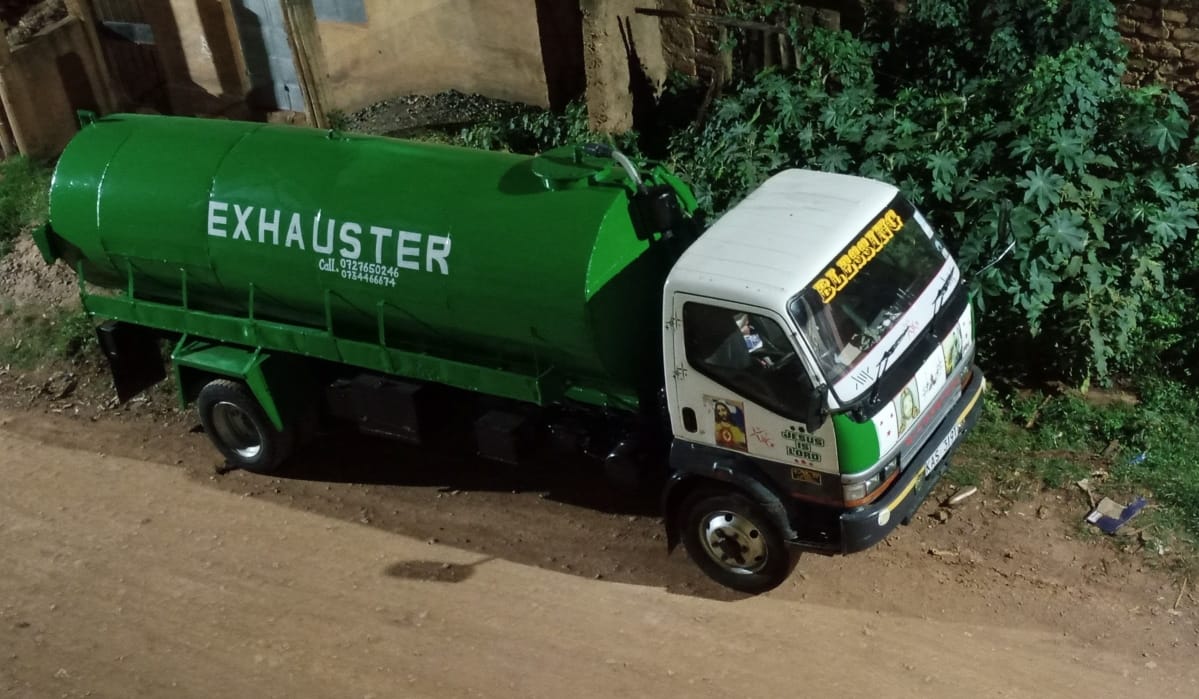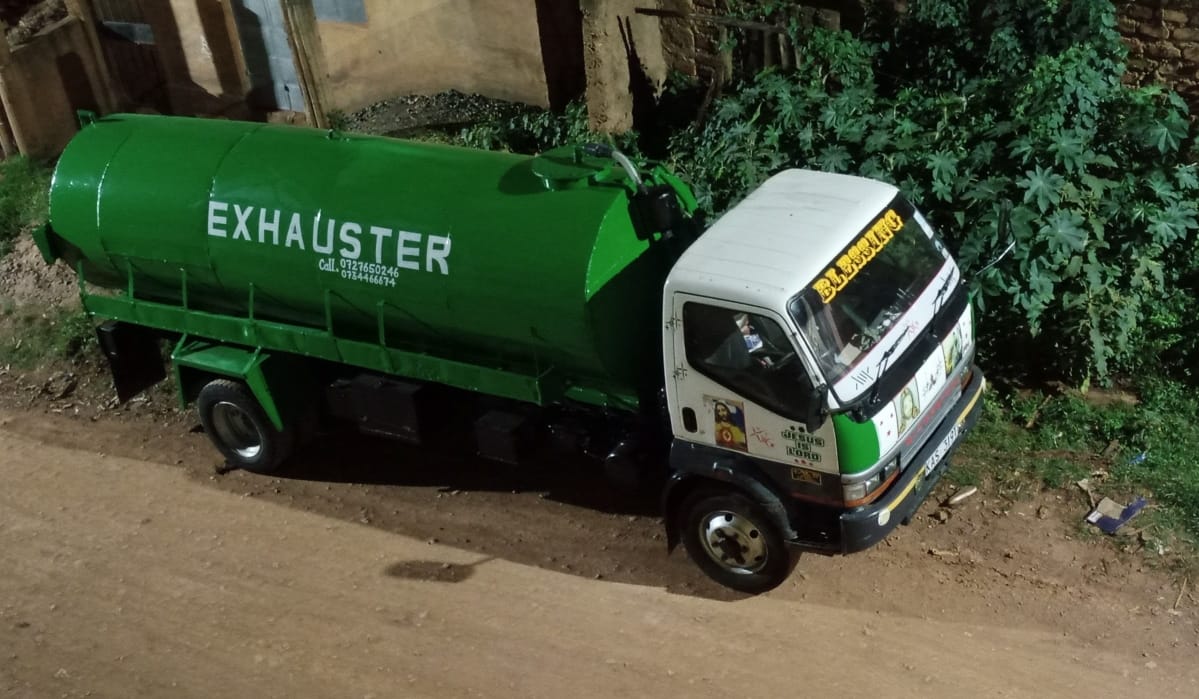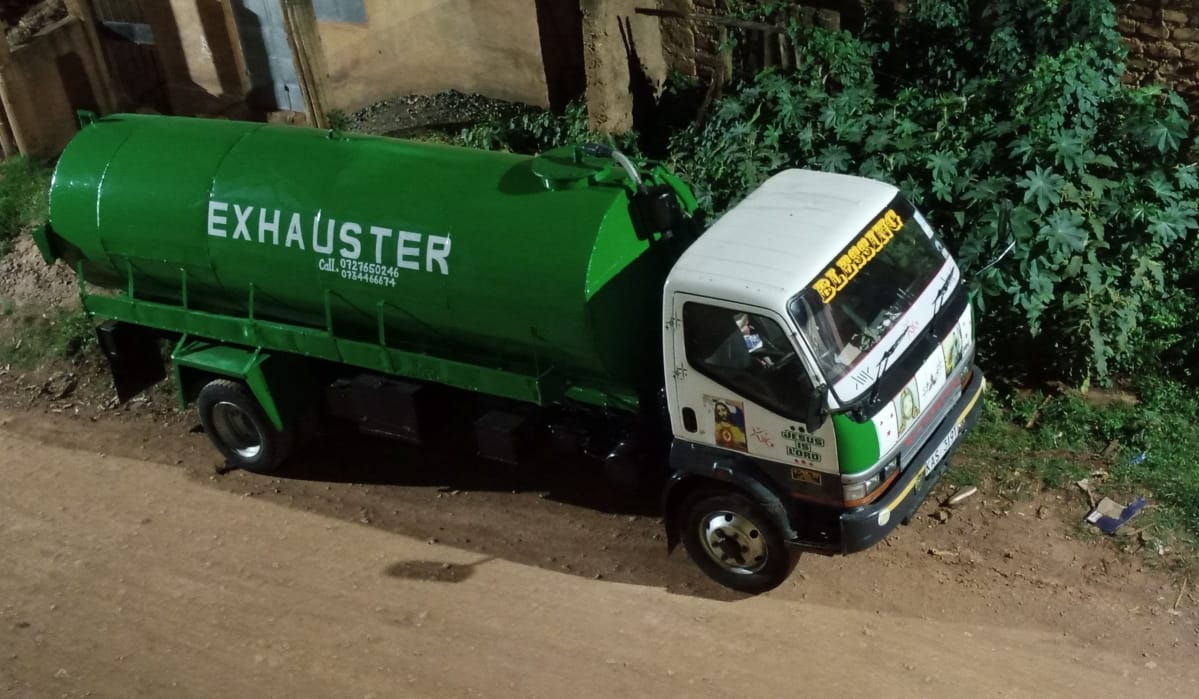


For many rental property owners in Kenya, septic tank maintenance is easy to ignore until tenants start complaining. The toilets are slow, the bathroom has a bad smell, or wastewater is pooling near the manhole after a heavy downpour. By then, the issue has already moved from routine maintenance to an urgent problem that can affect tenant comfort, property reputation, and your repair budget.
The question many landlords ask is simple: how often should landlords empty septic tanks? The honest answer is that there is no one timetable that fits every rental property. A bedsitter block in Ruiru, a family rental in Kitengela, and a maisonette compound in Karen will not use a septic system in the same way. The right schedule depends on tank size, number of tenants, water usage, soil type, previous blockages, and whether the soak pit or drainage field is working properly.
For landlords in areas without reliable sewer connections, such as Juja, Syokimau, Ngong, Kitengela, Joska, Kamakis, parts of Eldoret, and many growing peri-urban estates, septic management is not a small side issue. It is part of running a decent rental business. A clean, functional system keeps tenants comfortable, reduces health risks, and helps prevent those late-night emergency calls that usually cost more than planned maintenance.
Why Septic Tank Emptying Should Not Wait for Tenant Complaints
Waiting for tenants to complain before emptying a septic tank is one of the most expensive habits a landlord can develop. Septic systems usually fail quietly at first. The tank fills slowly, solids build up, and the soak pit begins to struggle. Tenants may notice small signs like a slow-draining toilet or a smell near the bathroom, but many will only report the matter when it becomes disruptive.
By the time wastewater backs up into a ground-floor toilet or starts flowing in the compound, the landlord is no longer dealing with a simple exhaust service. There may be plumbing blockages, contaminated surfaces, damaged flooring, tenant disputes, and sometimes complaints to local health officers or estate management committees. In a crowded rental block, one overflow can quickly become everyone’s problem.
Planned septic tank emptying is usually cheaper and calmer than emergency service. Costs vary widely depending on location, tank size, access, distance from the exhauster provider, and urgency. In Nairobi metro and nearby towns, landlords may receive very different quotes, so it is wise to confirm prices directly with licensed providers before booking. An emergency call on a weekend, during rains, or late in the evening will often cost more than a scheduled weekday service.
A good landlord should treat septic maintenance the same way they treat roof repairs, garbage collection, water storage, and security lighting. It is not something to remember only when things go wrong. It is part of keeping the property livable and protecting rental income.
How Often Should Landlords Empty Septic Tanks?
As a practical guide, many rental properties should have their septic tanks inspected every 12 to 18 months and emptied based on the actual sludge level. Some smaller or lightly occupied properties may go longer, while high-occupancy rental blocks may need emptying much sooner. The safest approach is to use a schedule as a starting point, then adjust it after inspection.
For a small property with 2 to 4 units, a well-sized tank, and normal household use, emptying may be needed every 2 to 3 years. This assumes the tank was properly designed, tenants are not overloading the system, and the soak pit is draining well. Even then, the landlord should not disappear for three years and hope for the best. A simple inspection at around 18 months can prevent surprises.
For a medium rental block with 5 to 10 units, a more realistic schedule is often every 18 to 24 months. If the property has many children, shared facilities, frequent visitors, or heavy laundry use, the interval may need to be shorter. In plots where tenants work from home or run small legal home-based activities that increase water use, the tank can fill faster than expected.
For larger rental properties with more than 10 units, high occupancy, small tanks, poor drainage, or a history of overflow, emptying every 9 to 15 months may be safer. In areas with black cotton soil, high water tables, or poor soakage during rainy seasons, landlords should be extra cautious. The tank may not be the only issue. The drainage field or soak pit may also be failing.
Key Factors That Affect Septic Tank Emptying Frequency
Number of Units and Actual Occupancy
The number of units matters, but the real issue is how many people are using the system every day. A one-bedroom unit may be occupied by one person, a couple, or a young family. A two-bedroom house may hold more people than the landlord expected when the property was designed. In many Kenyan towns, tenants also host relatives for school holidays, job searches, medical visits, or short-term stays, and this affects water and toilet use.
A septic tank serving four units with eight people in total will behave very differently from the same tank serving four units with twenty people. More people means more flushing, bathing, laundry, and kitchen wastewater. Over time, that extra load increases sludge levels and puts pressure on the soak pit.
Landlords and caretakers should quietly track occupancy changes without being intrusive. If a plot that was designed for small households gradually becomes heavily occupied, the septic schedule should change. A tank that previously needed emptying every two years may start requiring service every year.
Tank Size and System Design
Some rental properties have properly sized septic systems, while others were built with undersized tanks or poorly planned soak pits. Older plots in fast-growing estates may have been developed before stricter approvals, better supervision, or proper professional design. In such cases, landlords often inherit hidden problems that only show up once the units are fully occupied.
A large, well-built tank with proper chambers and a functional soak pit can handle normal use for a reasonable period. A small tank, shallow tank, cracked tank, blocked outlet, or poorly located soak pit will struggle even with moderate use. If the tank fills too fast, the landlord should not assume tenants are always the problem. The system itself may be badly designed.
During the next emptying service, ask the service provider or a qualified plumber to help estimate the tank size, check the outlet, and observe whether the soak pit is draining properly. Keep the details in your property records. Knowing the tank capacity helps you plan instead of guessing.
Water Use and Tenant Habits
Septic systems are affected not only by solid waste but also by the amount of water entering the tank. Properties where tenants do daily laundry, take long showers, wash cars within the compound, or run water for long periods may overload the system faster. A salon, kinyozi, small food business, or informal laundry activity within a rental property can also increase wastewater flow.
Low water supply can create a different problem. In areas where water rationing is common, tenants may use less water when flushing or cleaning drains. This can allow solids to settle and harden in pipes, increasing the risk of blockages. So both too much water and too little water can create septic problems in different ways.
Landlords should give tenants simple, respectful guidance on what not to flush. Wet wipes, sanitary pads, diapers, condoms, cigarette filters, cooking fat, and food waste should never go into the septic system. These materials do not break down properly and can reduce tank capacity or block pipes. A simple notice in the bathroom or tenant handbook can save a lot of money later.
Common Warning Signs Your Septic Tank Is Overdue
A landlord should not wait for obvious failure, but warning signs should never be ignored. Slow-draining toilets, gurgling sounds from pipes, bad smells near manholes, wastewater pooling near the soak pit, unusually green grass over the drainage area, and repeated blockages in ground-floor units can all point to septic trouble.
During rainy seasons, these signs may become worse because the soil is already saturated. In places with clay soil or black cotton soil, soak pits may drain slowly after heavy rains. If the property has a history of overflowing every March, April, or May, schedule emptying before the long rains instead of waiting for the usual disaster.
Tenant complaints should be taken seriously, even when they sound exaggerated. A tenant who reports smell, slow flushing, or wastewater near the house may be noticing an early sign. Sending a caretaker to inspect quickly is better than dismissing the issue and later paying for emergency repairs.
How Landlords Can Build a Better Septic Maintenance Plan
A good septic plan does not have to be complicated. Start by recording the date of every exhaust service, the provider used, the amount paid, and any advice given by the plumber or exhauster operator. Over time, these records show your true maintenance cycle. Instead of guessing, you can see whether the tank fills after 12 months, 18 months, or 24 months.
Budgeting also helps reduce stress. If a septic service costs a certain amount every year or every two years, treat it as part of property operating expenses. Some landlords absorb the cost in rent, while others include it in a transparent service charge where applicable. What matters is fairness and communication. Tenants are less likely to complain when they see that maintenance is planned and not used as a sudden excuse for extra charges.
It is also important to work with reliable providers. A cheap exhauster who does incomplete work, damages the compound, or disposes of waste irresponsibly can create legal, environmental, and reputational problems. Landlords should compare providers, ask about licensing where necessary, and check local reviews or referrals. Platforms such as The Real Plug can help users find vetted professionals, service providers, and businesses in Kenya, which is useful when you do not want to rely only on random phone numbers shared in estate groups.
What to Do If Your Septic Tank Fills Too Fast
If your septic tank needs emptying every few months, the issue may be bigger than routine maintenance. The tank could be too small for the number of tenants, the soak pit could be clogged, stormwater may be entering the system, or groundwater could be leaking into the tank. In such cases, emptying more often may only provide temporary relief.
A qualified plumber, septic technician, or building professional should inspect the system properly. They may check whether roof water or surface runoff is flowing into the septic area, whether the outlet pipe is blocked, whether the soak pit has collapsed, or whether the tank has cracks. Depending on the findings, the solution may involve repairing the soak pit, diverting stormwater, adding capacity, improving drainage, or considering another wastewater option.
Some landlords explore biodigesters or upgraded wastewater systems when repeated exhaust costs become too high. This decision should not be rushed. The best option depends on soil conditions, space, county requirements, number of users, installation cost, and long-term maintenance needs. Always verify technical advice with a competent professional before spending money on major changes.
Conclusion
The best answer to how often should landlords empty septic tanks is this: empty the tank before it becomes a crisis, not after tenants start complaining. For many Kenyan rental properties, that may mean every 18 to 24 months, but smaller households may go longer and high-occupancy plots may need service every year or even sooner. The right schedule depends on real use, not guesswork.
Landlords who manage septic systems well tend to inspect regularly, keep maintenance records, guide tenants on proper use, and work with dependable service providers. They also understand local conditions, such as soil type, rainy seasons, water rationing, and the pressure that comes with fully occupied rental blocks. A septic tank is not glamorous, but when it works properly, everyone enjoys peace. No smell, no overflow, no weekend panic, and no angry tenant messages in the group chat.