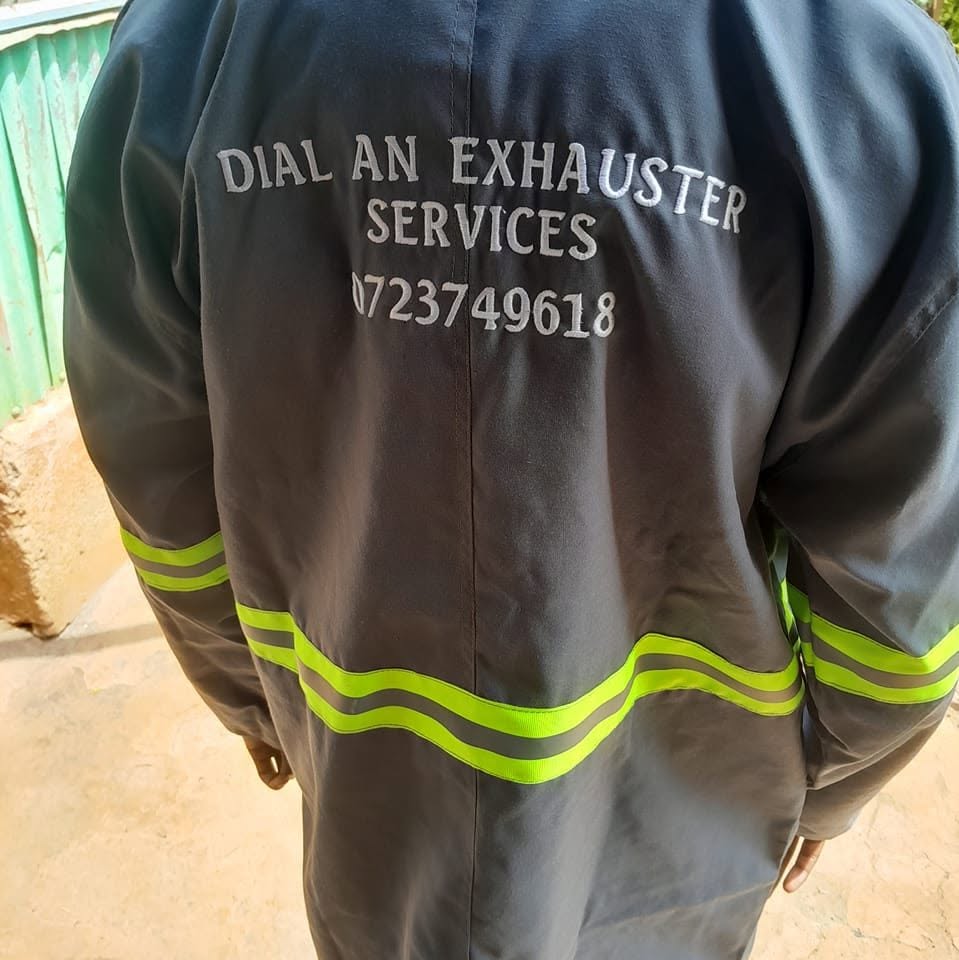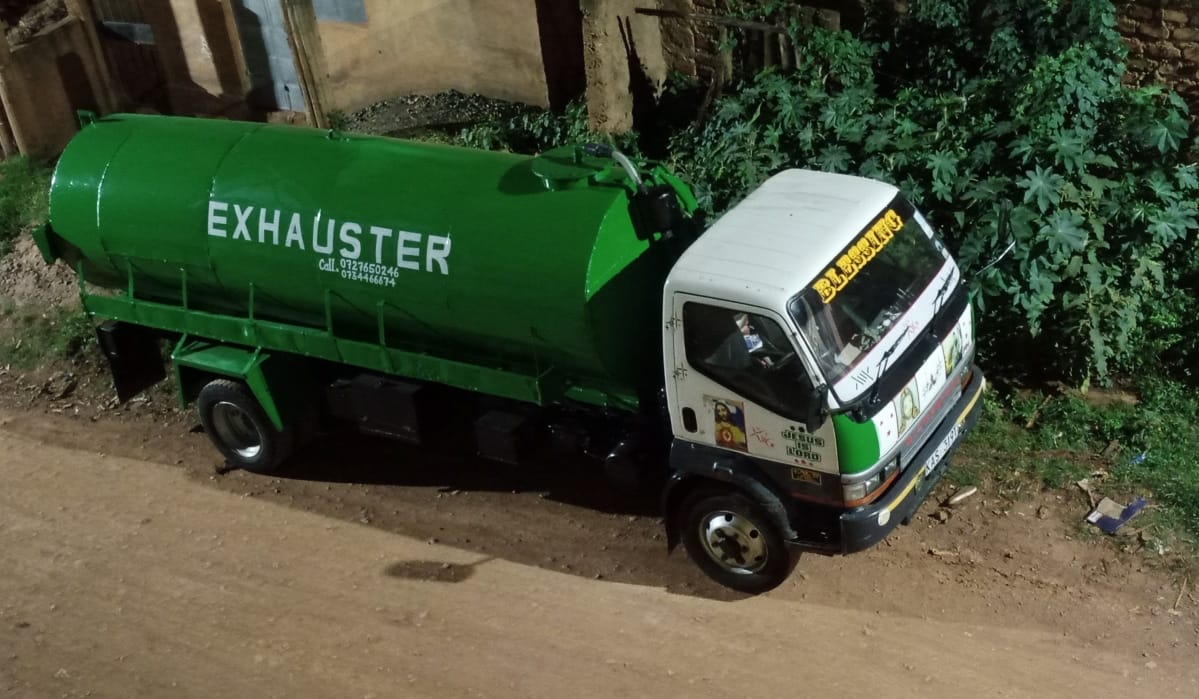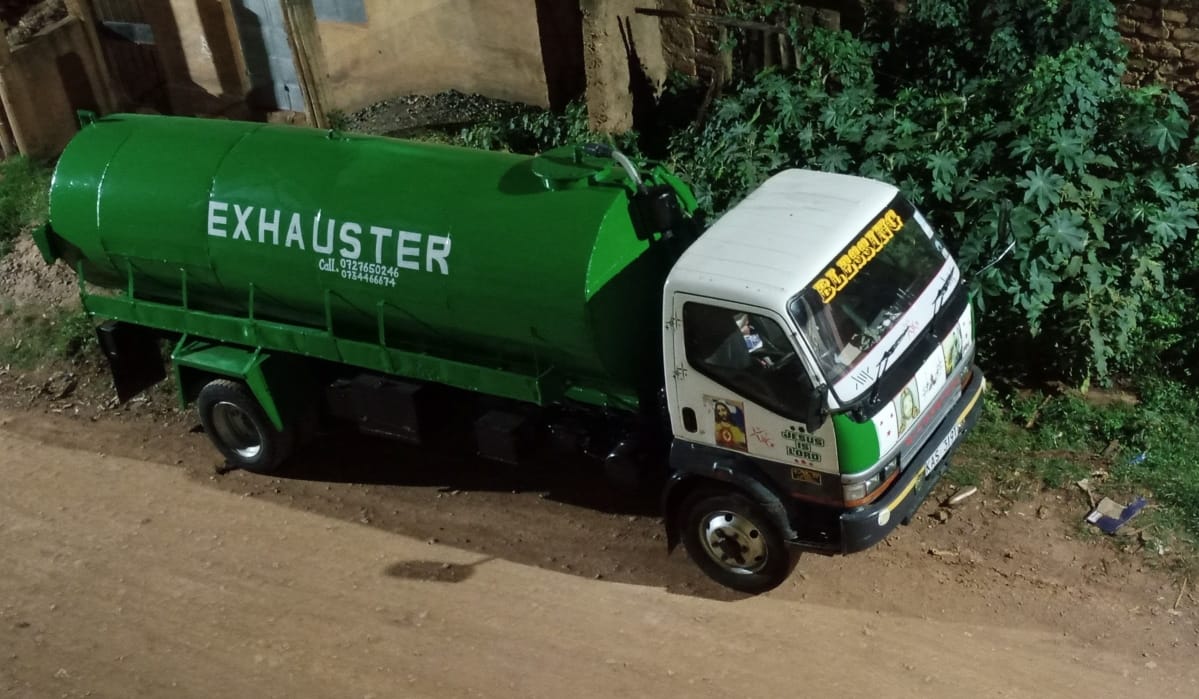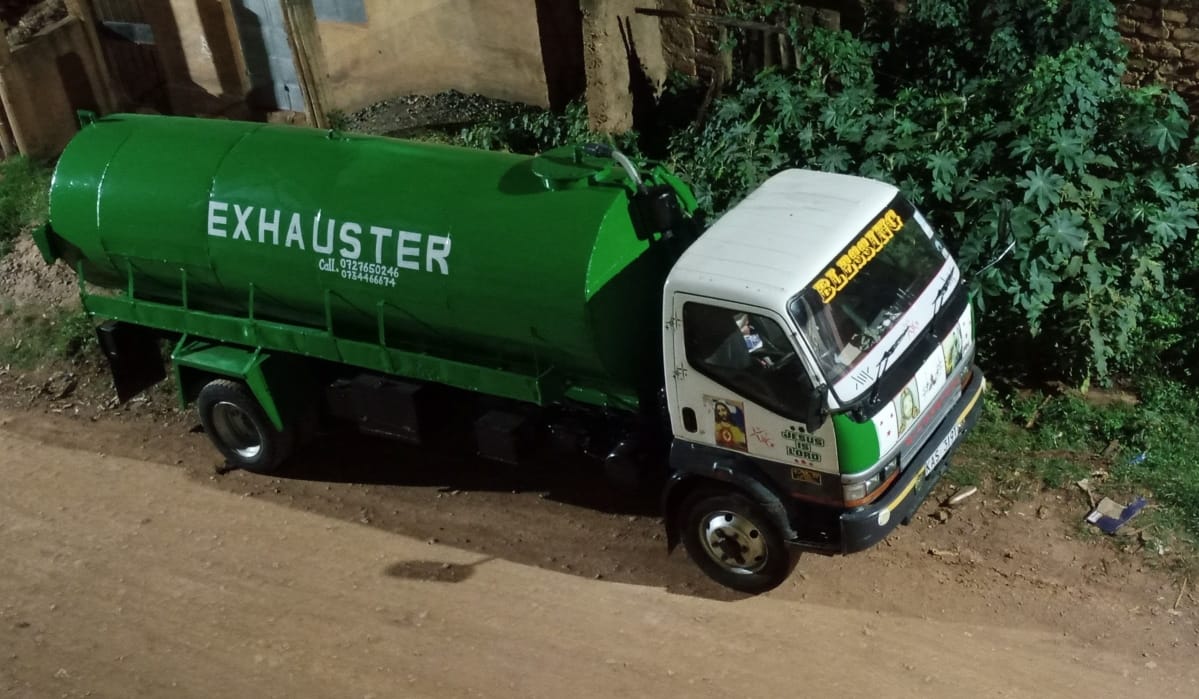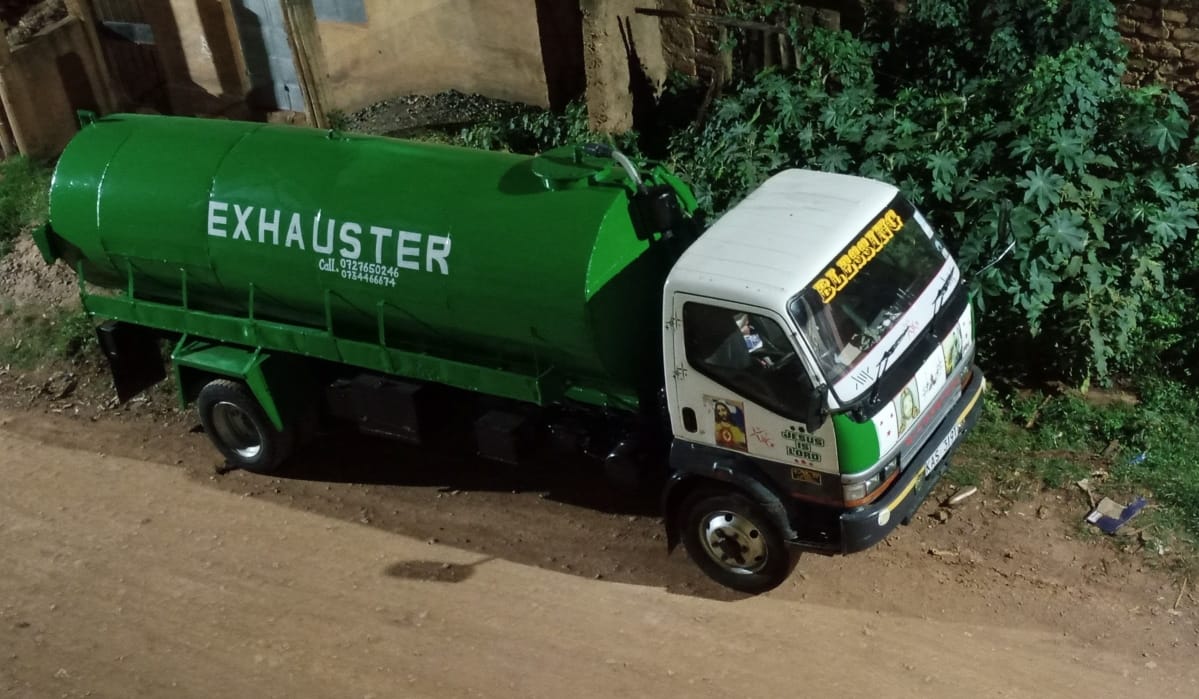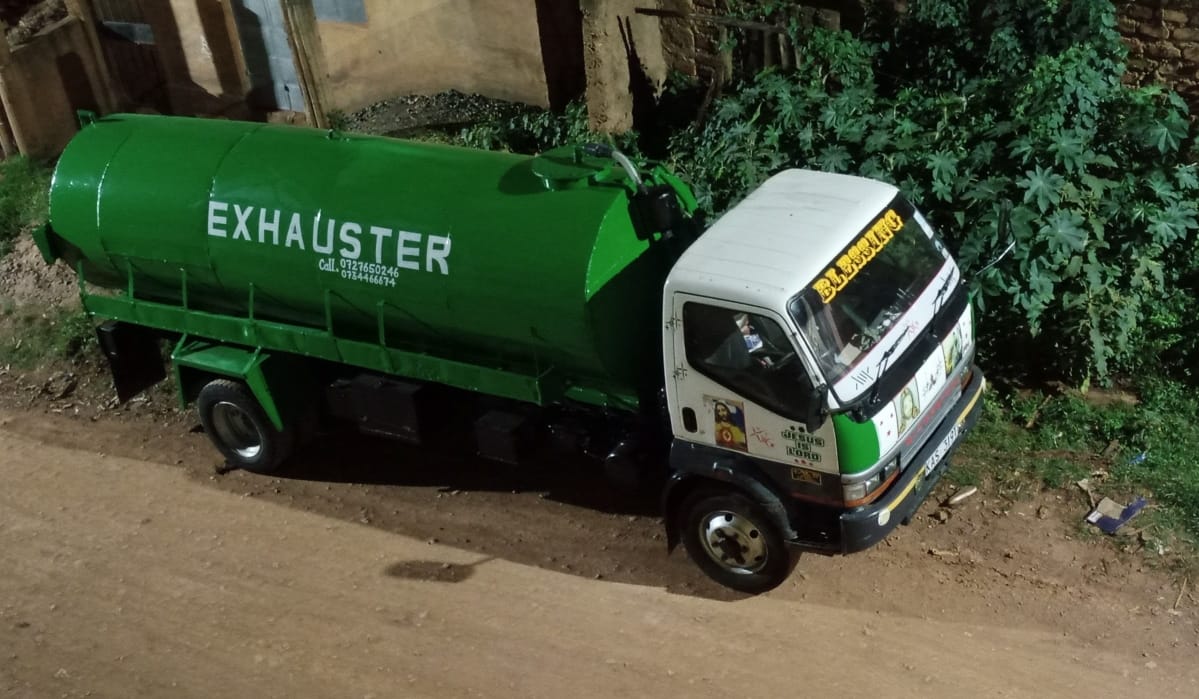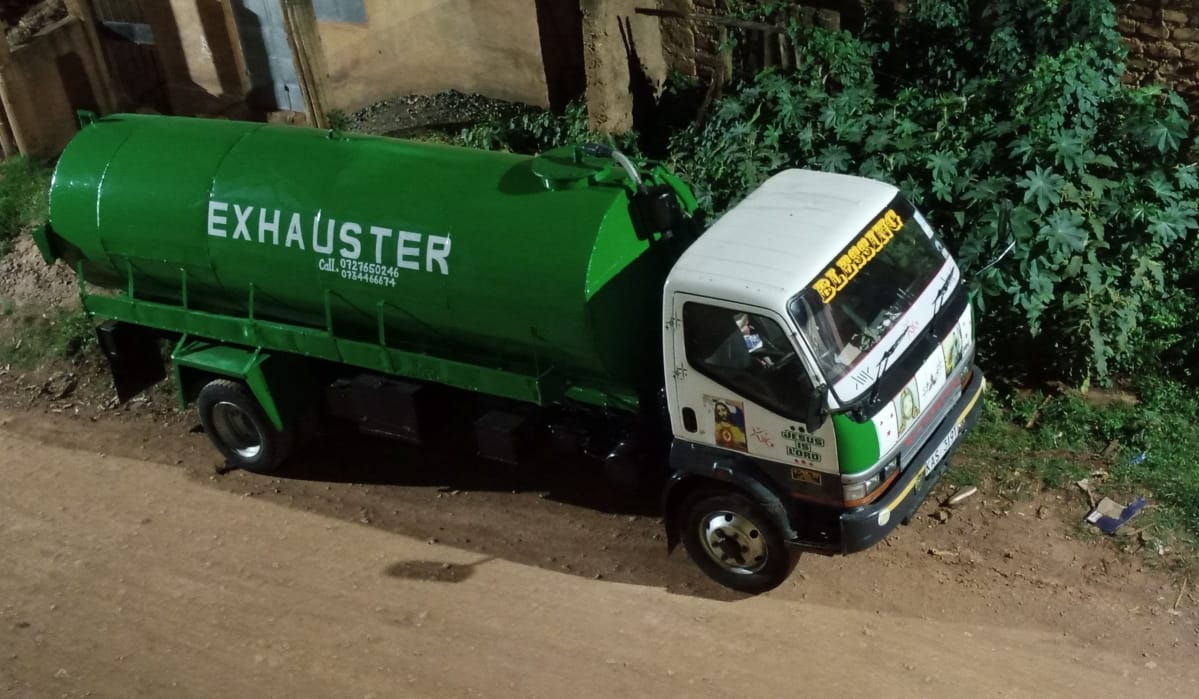


If you live in a rental house in a place like Kitengela, Ruaka, Ruiru, Ngong, Joska, Eldoret, Nakuru, or parts of Nairobi that are not fully connected to the main sewer line, septic tank issues are not strange. One day everything is normal, then toilets start draining slowly, the compound smells bad after rain, or the caretaker announces that an exhauster truck must be called.
That is when the uncomfortable question comes up: who pays for septic tank emptying in Kenya, the landlord or the tenant?
The answer is not always simple. It depends on the tenancy agreement, how the septic system has been used, whether the tank is full from normal use, and whether there is evidence of misuse. In many Kenyan rentals, this issue causes avoidable arguments because it is rarely discussed before tenants move in.
Why Septic Tank Emptying Causes Disputes in Kenyan Rentals
Many rental properties outside public sewer coverage rely on septic tanks and soak pits. This is common in fast-growing towns and estates where housing has expanded faster than sewer infrastructure. A septic tank is part of the property, but tenants use it daily. That shared nature is what creates confusion.
A tenant may feel it is unfair to pay for a tank that was already almost full before they moved in. A landlord may feel tenants should contribute because their households are producing the waste. Both arguments can make sense depending on the situation.
The problem becomes worse when there is no written agreement. Some landlords only mention rent, deposit, water, and electricity during house viewing. Septic maintenance is ignored until there is a smell in the compound or wastewater begins flowing back into the bathroom. By then, everyone is emotional because money is needed urgently.
How Septic Tanks Work in Kenyan Homes and Apartments
A septic tank receives wastewater from toilets, bathrooms, sinks, and sometimes kitchen drainage. Solids settle at the bottom while liquid waste moves into the soak pit. Over time, solid waste builds up and the tank must be emptied by an exhauster service.
How fast a tank fills depends on the tank size, number of users, soil drainage, design quality, and what people flush. A well-sized tank serving a small household can take a long time before it needs emptying. A poorly built tank serving many bedsitters or one-bedroom units may fill quickly.
Some problems are not caused by a full tank. They come from blocked pipes, failed soak pits, or items such as diapers, sanitary pads, wipes, condoms, food waste, and cooking fat. These materials can cause serious blockages and may shift responsibility to the tenant if misuse is proven.
So, Who Pays for Septic Tank Emptying Landlord or Tenant?
In normal circumstances, routine septic tank emptying is usually treated as the landlord’s responsibility because the septic system is part of the property’s infrastructure. If the tank fills gradually through ordinary domestic use, many tenants expect the landlord to arrange and pay for emptying, especially in multi-unit plots.
However, tenants may be required to pay if the problem was caused by misuse, negligence, or a specific action that damaged the drainage system. For example, if a plumber confirms that a blockage came from flushed diapers or sanitary pads, the landlord may fairly ask the responsible tenant to cover the cost.
In shared compounds, responsibility is harder to assign. If ten units use one septic tank and there is no clear evidence of misuse by one household, some landlords split the cost among tenants or include it in service charge. This is common in older plots where maintenance systems are informal.
What the Lease Agreement Should Say
The tenancy agreement is the most important document in this discussion. A good lease should explain who pays for routine septic emptying, who pays for misuse, and whether the cost is included in rent or service charge.
For example, a fair clause may state that the landlord pays for scheduled septic tank emptying after normal use, while tenants pay for blockages caused by flushing unsuitable items. This kind of wording protects both sides.
Tenants should ask about septic responsibility before paying deposit. It may feel like a small question during house hunting, but it can save you from an unexpected bill later. Landlords should also explain the rules early instead of waiting for an emergency.
Common Cost Arrangements in Kenya
Landlord Pays for Routine Emptying
This is common in managed apartments, gated estates, and properties with professional caretakers or property managers. The landlord schedules septic emptying as part of normal maintenance. Tenants are only charged if they cause damage or blockages through careless use.
Tenants Pay Through Service Charge
Some properties collect a monthly maintenance fee for garbage collection, compound cleaning, security lighting, water pumps, and septic emptying. This can work well if the money is handled transparently. Tenants should ask for receipts or records when major work is done.
Cost Is Shared When the Tank Fills
In many older rental plots, the landlord calls an exhauster truck and divides the bill among occupied units. This may seem practical, but it can feel unfair where one tenant has just moved in or where household sizes are very different.
Tenant Pays for Misuse
If the issue is clearly linked to one tenant’s actions, that tenant may be asked to pay. This is more common where each unit has a separate drainage line, making it easier to identify the source of the blockage.
How Tenants Can Avoid Septic Tank Problems
Before moving into a rental, ask when the septic tank was last emptied and how many households use it. Check whether there is a service charge and what it covers. If the landlord gives a verbal answer, request that it be included in the lease or house rules.
Tenants should also use the system responsibly. Do not flush diapers, pads, wipes, cotton wool, plastic, or food waste. Avoid pouring cooking oil into sinks because it can harden and block pipes. If you notice slow drainage, report it early instead of waiting until the problem becomes expensive.
What Landlords Should Do Better
Landlords can prevent many disputes by keeping septic maintenance records. Receipts from previous exhauster services, inspection notes, and clear house rules help reduce suspicion. If tenants can see that the tank was emptied recently, it becomes easier to discuss responsibility fairly.
Property owners should also ensure the tank is properly sized. A small septic tank serving many units will create repeated problems no matter how careful tenants are. During construction or renovation, it is wise to work with qualified builders, plumbers, and public health professionals.
For landlords, tenants, and homeowners looking for reliable service providers, platforms such as The Real Plug can help users find vetted professionals and businesses in Kenya, including maintenance and property-related services.
What to Do If There Is a Disagreement
If a dispute arises, start with the lease agreement. If it is silent, discuss the facts calmly. When was the tank last emptied? Is this routine maintenance or a blockage? Is there proof of misuse? Has the same problem happened before?
Where necessary, involve a qualified plumber or exhauster provider to inspect the issue. A professional opinion can reduce blame games. If the matter remains unresolved, tenants and landlords may seek guidance from a property manager, local administrator, residents’ association, or a relevant legal professional.
It is better to solve the issue early. Ignoring a full septic tank can create health risks, bad smells, property damage, and conflict with neighbours. County public health officers may also take action where wastewater becomes a public nuisance.
Conclusion
There is no single answer that fits every rental property in Kenya. In most cases, if septic tank emptying is needed because of normal use over time, the landlord is usually expected to handle it as part of property maintenance. If the problem comes from tenant misuse, the tenant may be required to pay.
The fairest solution is clarity. Tenants should ask about septic responsibility before moving in. Landlords should put maintenance terms in writing. Both sides should use the system responsibly and keep records. That way, when the exhauster truck finally comes, the discussion is based on agreement and facts, not anger and guesswork.