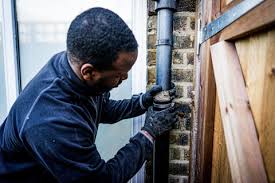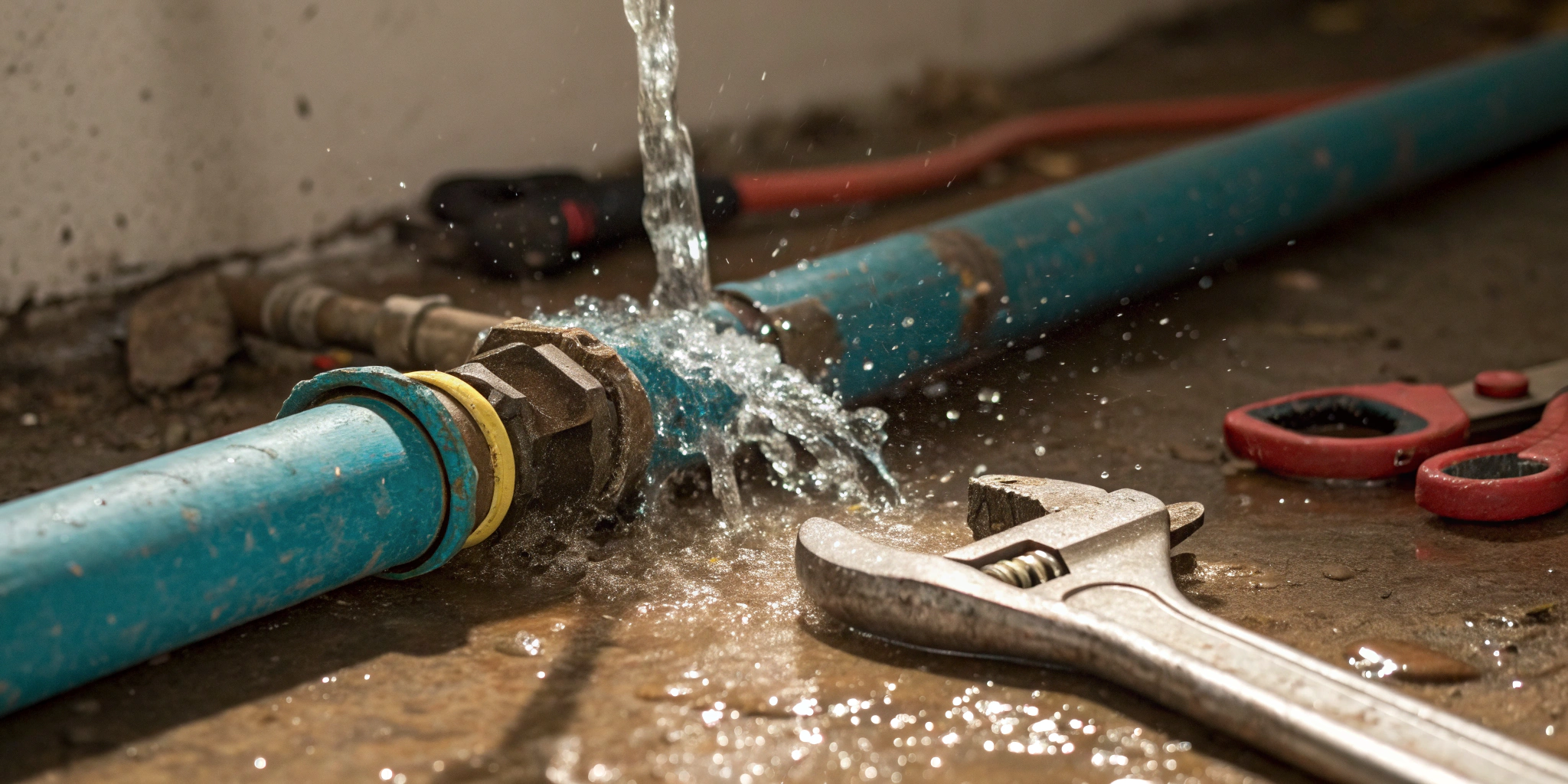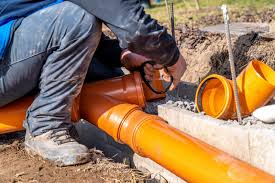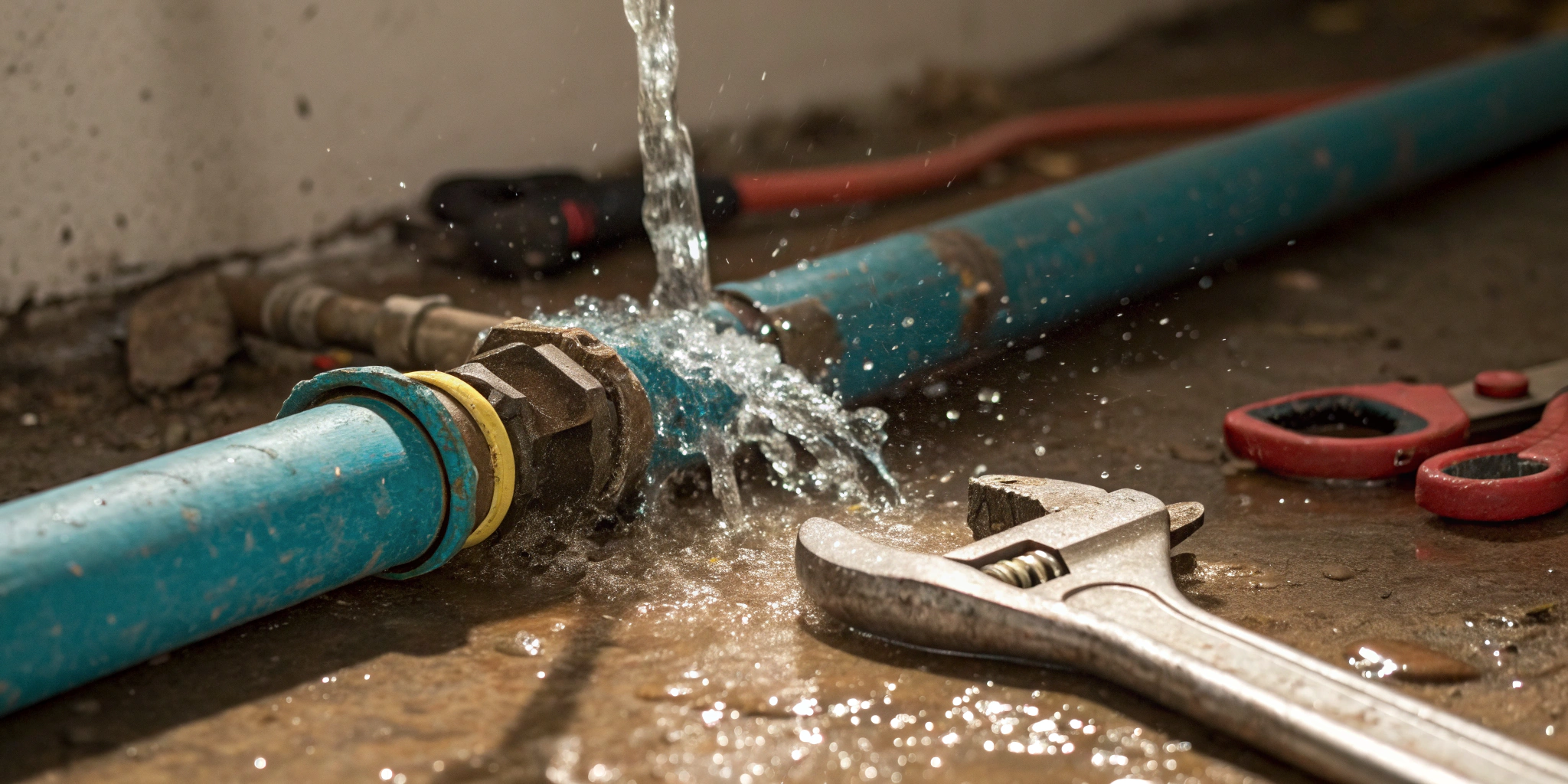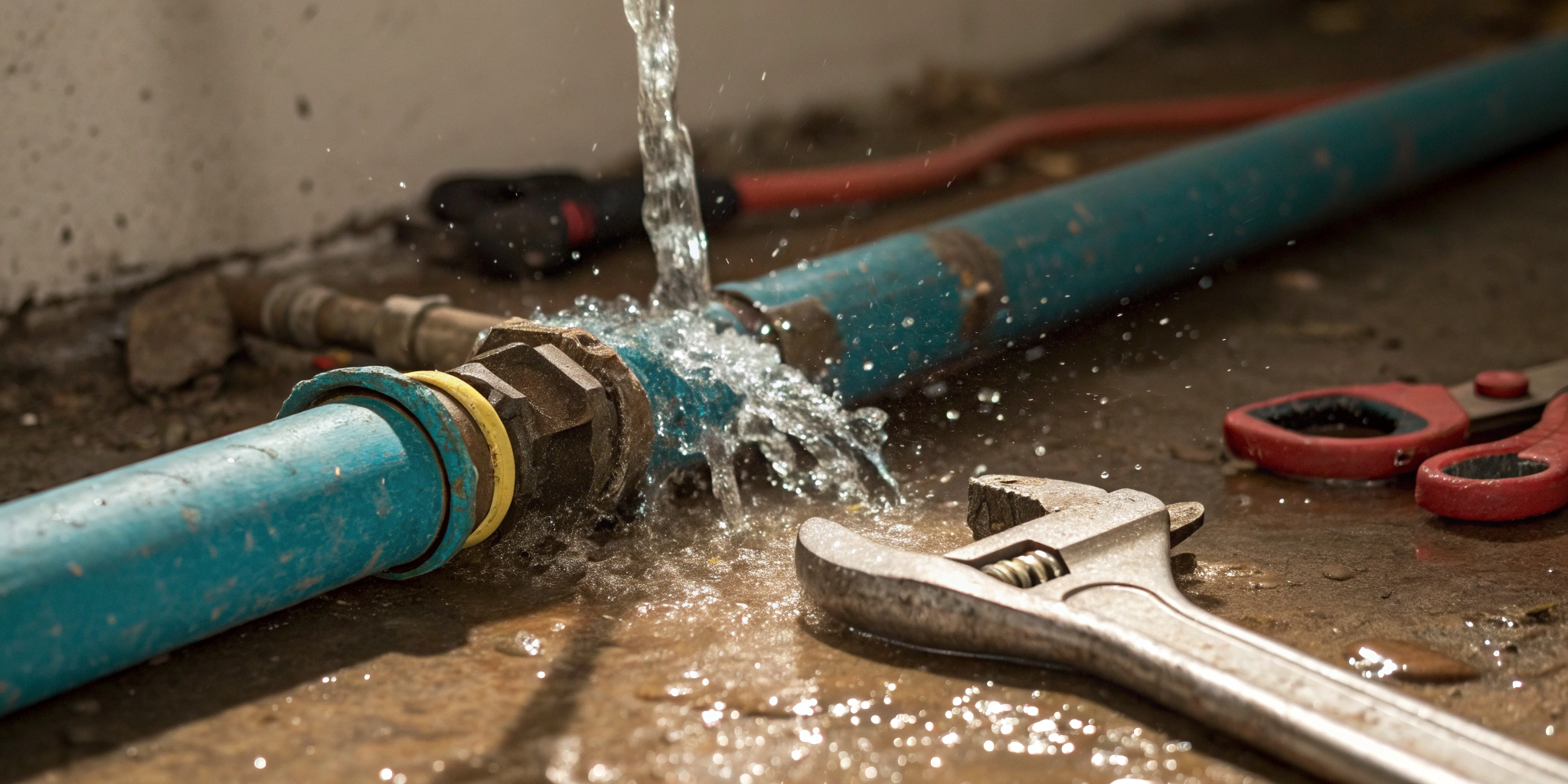


Commercial plumbing jobs in UAE are very different from the small repair jobs many people imagine when they hear the word plumbing. This is not just about fixing a leaking tap in an apartment or unblocking a kitchen sink. In the UAE, commercial plumbers work in malls, hotels, hospitals, schools, office towers, restaurants, airports, factories, warehouses, and large residential communities where water systems must run safely every day.
For Kenyan plumbers and technicians thinking about working in Dubai, Abu Dhabi, Sharjah, or other emirates, commercial plumbing can be a good opportunity. The work is more structured, the systems are larger, and the experience can help you grow beyond basic repairs. But it is also demanding. You must follow strict safety rules, read drawings, work with different nationalities, document your tasks, and meet deadlines that leave very little room for mistakes.
This guide explains what commercial plumbing jobs in UAE really involve, the types of roles available, the skills employers look for, salary expectations, working conditions, and what Kenyans should know before applying.
What Commercial Plumbing Means in the UAE
Commercial plumbing refers to plumbing work done in large buildings and business facilities. This includes water supply, drainage, sewage systems, grease traps, pumps, water tanks, pressure systems, hot water systems, firefighting pipework, and sometimes gas or specialist piping depending on the project.
In a home, a plumbing issue may affect one family. In a commercial building, one mistake can affect hundreds or even thousands of people. A blocked drain in a busy restaurant can stop operations. A leaking pipe in a hotel can damage guest rooms and hurt the hotel’s reputation. A failed pump in a hospital or mall can create serious disruption.
That is why commercial plumbing in the UAE is more regulated than ordinary repair work. Projects usually follow approved drawings, municipality requirements, developer rules, safety procedures, and inspection standards. Plumbers work under licensed companies, and tasks are often checked by supervisors, engineers, quality inspectors, and client representatives.
For Kenyan plumbers used to informal site work, this can be a big adjustment. In Kenya, many jobs are agreed through phone calls, site visits, and trust. In the UAE, work orders, permits, checklists, inspection reports, and photos are part of the daily routine.
How Commercial Plumbing Differs from Residential Plumbing
Residential plumbing focuses on homes, apartments, villas, and small rental units. The systems are usually smaller and easier to isolate. Commercial plumbing is bigger in scale and more complex.
A commercial plumber may work on a hotel with hundreds of bathrooms, a mall with many restaurants, a school with washrooms used by students all day, or a factory that depends on water for production. The pipes are larger, the pressure systems are stronger, and the drainage lines carry heavier loads.
Materials may also differ. In addition to common PVC and PPR, commercial projects may involve HDPE drainage, copper, stainless steel, multilayer pipes, grooved pipes, insulated lines, booster pumps, water filtration systems, grease interceptors, and sewage lifting stations. The tools can be heavier and more specialized.
Another difference is teamwork. Commercial plumbing jobs in UAE are rarely handled by one person alone. You may work under a foreman, supervisor, site engineer, project manager, safety officer, and quality control team. You also coordinate with electricians, HVAC technicians, civil workers, tilers, ceiling installers, and fire safety teams.
This means communication matters. A plumber who is technically good but cannot follow instructions, report progress, or coordinate with others may struggle in a commercial environment.
Common Commercial Plumbing Roles in UAE
Commercial plumbing jobs in UAE come in different levels. Understanding these roles helps you apply for positions that match your skills and experience.
Plumber or pipe fitter
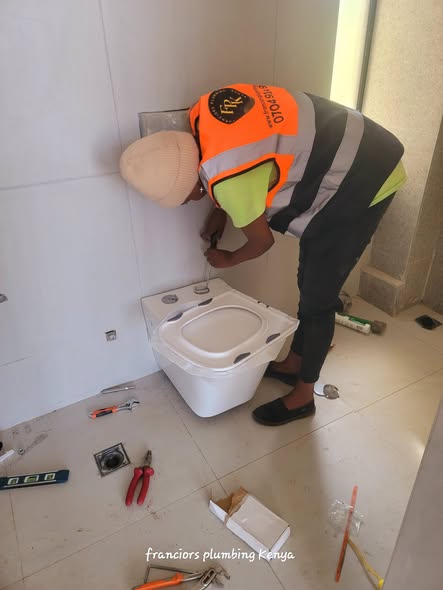
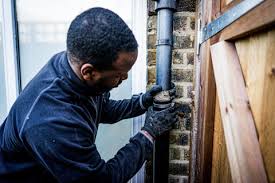
This is the main hands-on role. A plumber or pipe fitter installs, repairs, cuts, joins, tests, and maintains piping systems. On a construction project, you may install water supply lines, drainage stacks, bathroom groups, floor drains, valves, pumps, and fixtures.
Accuracy is very important. In a high-rise building, one poorly aligned pipe stack can affect many floors. If a pipe is not properly supported, tested, or sealed, it may fail later and cause serious damage.
MEP technician
MEP stands for Mechanical, Electrical, and Plumbing. Many facility management companies in the UAE hire plumbers as MEP technicians because commercial buildings need workers who can handle basic issues across related systems.
An MEP technician may respond to plumbing complaints, check pumps, inspect pressure systems, support water heater repairs, clear blockages, and report electrical or mechanical faults to the right team. This role suits plumbers who are flexible and willing to learn beyond pipework.
Plumbing foreman or supervisor
A foreman manages a team of plumbers and helpers. The role involves reading drawings, assigning tasks, checking work quality, reporting progress, coordinating with engineers, and ensuring safety rules are followed.
For Kenyan plumbers with several years of experience, this can be a good growth path. However, it requires leadership, planning, communication, and confidence with paperwork.
HDPE or welding specialist
Some commercial projects require plumbers who understand HDPE butt fusion, electrofusion, stainless steel welding, or specialized pipe joining. These skills are valuable in drainage systems, industrial facilities, commercial kitchens, hospitals, and large infrastructure projects.
If you have welding or pipe joining certification, mention it clearly in your CV. Specialized skills can improve your chances of getting better-paying roles.
QA/QC plumbing inspector
Quality assurance and quality control roles involve checking whether plumbing installations match approved drawings and standards. Inspectors may witness pressure tests, check pipe supports, confirm slopes, review materials, and prepare reports.
This role is suitable for experienced plumbers who understand technical drawings, site standards, and documentation. It is less about doing the physical installation and more about ensuring the work is done correctly.
What a Typical Workday Looks Like
A commercial plumber’s day depends on whether they work in construction or facility maintenance.
On a construction site, the day often starts early. Workers may attend a safety toolbox talk, receive instructions from the foreman, collect materials, and begin assigned tasks. You may spend the day installing pipes in a riser shaft, fixing brackets, joining drainage lines, preparing for pressure testing, or working in a plant room.
Everything must follow drawings and site procedures. You may need a work permit for certain tasks, especially if the job involves hot work, confined spaces, heights, or live systems. Supervisors may take photos and inspect the work before moving to the next stage.
In facility management, the day is more responsive. You may receive work orders through a maintenance system. A restaurant may report a blocked drain. An office floor may have low water pressure. A hotel washroom may have a leaking flush valve. A mall tenant may complain about a bad smell from the drainage system.
Facility management also includes preventive maintenance. This can involve checking water tanks, inspecting pumps, cleaning strainers, descaling equipment, testing valves, checking leaks, and recording readings. The goal is to prevent breakdowns before they disrupt business.
Skills Employers Look For
Employers hiring for commercial plumbing jobs in UAE look for practical skills, discipline, and the ability to work under formal systems.
Technical skills include pipe installation, drainage work, pressure testing, valve installation, pump maintenance support, leak repair, sanitary fitting installation, pipe cutting, threading, welding, and reading plumbing drawings. Experience with PPR, PVC, uPVC, HDPE, copper, and stainless steel can help depending on the employer.
Reading drawings is especially important. Commercial sites rely on shop drawings, isometric drawings, layouts, and specifications. You do not have to be an engineer, but you must understand pipe routes, levels, sizes, slopes, and symbols.
Safety awareness is also essential. Commercial sites take safety seriously because accidents can stop work and create legal problems. You may need to understand PPE, toolbox talks, permits to work, hot work rules, confined space safety, working at height, and lockout procedures.
Basic English is useful because most site instructions are given in English. You do not need perfect grammar, but you should understand safety instructions, measurements, work orders, and supervisor directions. You should also be able to write simple reports or updates where required.
Certificates and Documents Kenyan Applicants May Need
For Kenyan technicians, formal documents can strengthen your application. A NITA trade test certificate, TVET certificate, diploma, or technical training certificate can help prove your skills. Employers may also ask for experience letters from previous companies, contractors, or projects.
You should also prepare a valid passport, CV, passport photos, academic certificates, professional certificates, and certificate of good conduct where required. Some documents may need attestation depending on the employer and visa process. Always confirm the latest requirements with the employer, licensed recruitment agency, embassy, or relevant authority before paying for document services.
Safety certificates such as OSHA, IOSH, or other site safety training may give you an advantage, especially for construction and facility management roles. If you have welding, HDPE, pump maintenance, or MEP-related training, include it clearly.
Do not use fake papers. UAE employers and authorities can verify documents, and fake certificates can lead to rejection, job loss, deportation, or future bans.
Pay, Benefits, and Contract Terms
Salaries for commercial plumbing jobs in UAE vary depending on experience, employer, emirate, job level, and specialization. General plumbers and helpers usually earn less than skilled pipe fitters, welding specialists, foremen, or MEP technicians. Commercial roles may pay better than basic residential maintenance, especially when the job requires technical drawings, large systems, or specialized skills.
Many contracts include shared accommodation, transport to site, medical cover, uniforms, and sometimes food or food allowance. Some companies provide tools and PPE, while others expect workers to have basic personal tools.
Before signing, check the full package. Ask about working hours, overtime, rest days, accommodation, transport, food, medical insurance, leave days, probation period, contract duration, and return ticket terms. A salary may look attractive in Kenyan shillings, but the real value depends on what the employer covers.
Overtime is common during project deadlines, mall shutdowns, hotel maintenance windows, and emergency repairs. Make sure overtime terms are written clearly. Verbal promises are not enough.
Working Conditions and Challenges
Commercial plumbing work in the UAE can be physically demanding. Construction sites may involve long hours, heavy materials, tight spaces, basement plant rooms, riser shafts, ladders, scaffolds, and outdoor work. During hot months, the weather can be difficult, especially for workers coming from Kenya for the first time.
The pace is also faster than many people expect. In a busy mall, restaurant, hotel, or hospital, plumbing problems must be fixed quickly because downtime affects business. You must work fast but still follow procedure.
Documentation is another challenge. You may need to fill work orders, take before and after photos, record materials used, update checklists, and get client sign-off. At first, this may feel like extra work, but it protects both the worker and the company.
Living conditions can also require adjustment. Many workers stay in shared accommodation with people from different countries. Food, language, culture, and work routines may feel unfamiliar. Homesickness is normal, especially in the first few months.
How Kenyans Can Prepare Before Applying
If you want to apply for commercial plumbing jobs in UAE, start by improving both your skills and your proof of experience. Employers want to see what you can do, not just what you claim.
Collect experience letters from past employers, contractors, schools, hotels, estates, or construction companies you have worked with. Build a simple portfolio with photos of your plumbing work, especially large installations, pump systems, drainage repairs, water tanks, commercial kitchens, or multi-unit buildings.
Upgrade your skills where possible. Learn PPR welding, HDPE joining, pressure testing, pump basics, reading drawings, and site safety. If you can take short courses in MEP maintenance or occupational safety, that may help.
Prepare a clean CV that focuses on plumbing experience. Mention materials you have worked with, tools you can use, project types, and any leadership experience. Keep it honest. If you exaggerate, interviews or trade tests may expose you.
When comparing recruitment agencies, training providers, or document support services in Kenya, platforms such as The Real Plug can help users find vetted professionals, service providers, and businesses. This can support safer decision-making before you trust anyone with your money or documents.
Red Flags When Looking for UAE Plumbing Jobs
Scams are a real concern for Kenyans looking for Gulf jobs. Be careful with anyone who promises a quick job without interviews, documents, medical checks, or a proper contract.
Avoid agents who ask for large upfront payments before giving the employer’s name or offer letter. Also be cautious if communication is only through WhatsApp, the job sounds too good for your experience, or the recruiter refuses to provide receipts.
You should not travel on a visit visa to start working illegally. A genuine employer should guide you through the proper work authorization process. Working without correct documents can lead to fines, deportation, or future problems.
Ask for the contract and read it carefully. Confirm the job title, salary, benefits, working hours, accommodation, transport, and probation period. If the contract says something different from what you were promised, ask questions before signing.
You can also use The Real Plug to research vetted local businesses and professionals in Kenya when checking agencies, training centres, or service providers connected to overseas job preparation.
Legal and Safety Points to Remember
A commercial plumber in the UAE should work under a legal employment arrangement. Your employer should process the required work authorization and guide you through medical testing, residence procedures, and Emirates ID steps after arrival.
Keep copies of your offer letter, contract, passport page, visa documents, payslips, and any important communication. These records can help if there is a dispute.
Safety rules should never be ignored. Wear PPE, follow site instructions, attend toolbox talks, and do not take shortcuts with live systems, confined spaces, heights, or hot work. One accident can affect your health, job, and future opportunities.
If you face a serious labour issue, use official complaint channels and seek guidance from trusted sources. Do not suffer silently or rely only on rumours from other workers.
Career Growth in Commercial Plumbing
Commercial plumbing can open strong career paths for skilled workers. A plumber can grow into a senior technician, pipe fitter, welding specialist, foreman, supervisor, MEP technician, QA/QC assistant, or facilities maintenance coordinator.
The experience can also help you back in Kenya. Developers, hotels, hospitals, factories, apartment managers, and institutions increasingly want plumbers who understand systems, documentation, safety, and preventive maintenance. UAE experience can make you more competitive if you return home and start a plumbing business or work with serious contractors.
The key is to keep learning. Do not only focus on monthly salary. Learn how large systems are planned, installed, tested, maintained, and documented. That knowledge can become more valuable than the job itself.
Final Thoughts
Commercial plumbing jobs in UAE offer real opportunities for skilled Kenyan plumbers, pipe fitters, and technicians. The work is larger in scale than residential plumbing, and it demands technical ability, discipline, safety awareness, teamwork, and proper documentation.
If you are planning to apply, prepare carefully. Get your certificates in order, improve your skills, collect proof of experience, and understand what commercial plumbing really involves. Avoid shortcuts, verify employers, and read your contract before travelling.
The UAE rewards workers who are reliable, accurate, and willing to learn. Commercial buildings cannot afford plumbing failures, so employers value technicians who can do the job safely and correctly. With the right preparation, commercial plumbing can become more than just an overseas job. It can be a serious step forward in your trade career.