

Looking for plumbing jobs in UAE from Kenya can quickly become confusing. One advert promises a good salary, free accommodation, and quick travel. Another asks for money before giving you the employer’s name. Someone in a WhatsApp group says they know a “sure agent,” while a friend warns you about people who paid and never travelled. For a Kenyan plumber trying to improve life through overseas work, it is not always easy to know who to trust.
The UAE remains a popular destination for skilled tradespeople because plumbing work is needed in many sectors. Dubai, Abu Dhabi, Sharjah, Ajman, and other emirates have residential towers, hotels, malls, hospitals, schools, villas, airports, and commercial buildings that require proper plumbing installation and maintenance. Facility management companies also need technicians to keep completed buildings running smoothly.
Still, finding a genuine job requires more than hope. You need to understand where real employers recruit, how legal hiring works, what documents are required, and which warning signs to avoid. This guide explains practical ways Kenyans can find legitimate plumbing jobs in UAE without falling for scams or rushing into poor contracts.
Understanding the UAE Plumbing Job Market
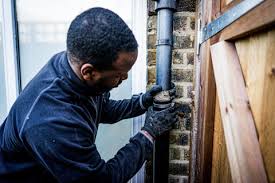
Plumbing work in the UAE falls into different categories. Some plumbers work on new construction projects, installing pipes, drainage systems, sanitary fittings, water supply lines, pumps, and water heaters before buildings are handed over. Others work in maintenance, responding to leaks, blockages, pressure issues, faulty valves, and emergency repairs in completed buildings.
There are also specialized roles for plumbers with experience in chilled water systems, firefighting pipework, swimming pool plumbing, pump rooms, industrial plants, or large commercial facilities. These jobs may require stronger technical knowledge and, in some cases, previous Gulf experience.
For Kenyan plumbers, the most common entry points are construction plumbing and general maintenance. If you have worked on apartments in Nairobi, estates in Ruiru, hotels in Mombasa, schools in Nakuru, or commercial buildings in Kisumu, that experience can be useful. However, UAE employers usually expect formal documentation, safety awareness, and the ability to work under strict site procedures.
Pay varies depending on experience, employer, location, and job category. Entry-level plumbers may earn less than experienced technicians, while foremen and specialists can earn more. Some employers provide shared accommodation, site transport, medical cover, and leave benefits. Always compare the full package, not just the monthly salary.
Start with Licensed Recruitment Agencies in Kenya
For many Kenyans, licensed recruitment agencies are one of the most practical ways to find genuine plumbing jobs in UAE. These agencies connect local workers with overseas employers and usually help with interviews, document checks, medical tests, contracts, and visa processing.
The important thing is to confirm that the agency is properly licensed. In Kenya, overseas employment agencies should be registered with the relevant government bodies. Before paying any money or submitting original documents, ask for the agency’s licence details and verify them through official channels. A genuine agency should not become defensive when you ask basic questions.
A reliable recruitment agency should clearly explain the employer, job title, salary, benefits, contract length, accommodation, transport, working hours, and visa process. They should also provide receipts for any payments and avoid vague terms such as “connection fee” or “Dubai processing” without a proper breakdown.
Be cautious if an agency asks for a large upfront payment before an interview or refuses to name the UAE employer. Also be careful with recruiters who operate only through WhatsApp, have no physical office, and pressure you to send money urgently through M-Pesa. Many fake job cases start with “limited slots available today” messages.
Apply Through UAE Job Portals and Company Websites
Online applications can work, especially for plumbers with good experience and a well-written CV. Many UAE employers advertise vacancies on job portals and official company career pages. When searching, use specific terms such as plumber, pipe fitter, maintenance technician, MEP technician, plumbing technician, or facility maintenance plumber.
Job portals can help you discover openings, but they also require caution. Some adverts may be outdated, duplicated, or posted by third parties who are not clear about the employer. Read the job description carefully and check whether the company name, location, salary range, and requirements look realistic.
Company websites are often safer than random job posts because you apply directly to the employer. Large facility management firms, construction companies, hotel groups, and MEP contractors in the UAE may post vacancies on their career pages. Direct applications may take longer, but they reduce your reliance on middlemen.
Your CV should be simple and practical. Mention your years of experience, plumbing skills, materials you have worked with, tools you can use, and types of projects handled. For example, include PPR pipe welding, uPVC drainage, bathroom fittings, water heater installation, pressure testing, leak repairs, pump connections, and maintenance work where applicable.
Avoid long CVs full of unrelated information. UAE employers want to know whether you can do the job, follow safety rules, communicate well enough on site, and work reliably under supervision.
Use Referrals from Kenyans Already in the UAE
Referrals are a strong route because many companies trust recommendations from current employees. If you know a Kenyan plumber, electrician, technician, driver, security guard, or cleaner already working in the UAE, ask them to share genuine openings when available.
This does not mean putting pressure on people. A referral affects the reputation of the person recommending you. If they introduce you and you perform poorly, disappear from work, or cause problems, it can affect them at the workplace. Approach referrals professionally by sharing your CV, certificates, passport copy if requested, and honest details about your experience.
Referrals are also useful because they give you real information that job adverts may not show. Someone already working there can tell you whether salaries are paid on time, how many people share accommodation, whether overtime is common, how supervisors treat workers, and whether the company follows proper procedures.
Kenyans in UAE community groups may also share vacancies, but do not trust every post automatically. Verify the employer, contract, and visa process before sending money or documents.
Attend Genuine Walk-In Interviews and Trade Tests
Sometimes UAE employers recruit directly in Kenya through approved agencies. They may hold interviews or practical trade tests in Nairobi, Mombasa, or other towns. These recruitment drives are usually organized when many workers are needed for construction, facility management, hotel maintenance, or large service contracts.
A genuine walk-in interview should have clear details about the agency, employer, job category, venue, date, requirements, and selection process. You may be asked to carry your passport, CV, certificates, passport photos, and experience letters.
Trade tests are common for plumbers because employers want to confirm practical skills. You may be tested on pipe cutting, joining, threading, installation, leak testing, drawing interpretation, measurements, or safety awareness. Do not take this lightly. Practise your core skills before attending and be ready to explain your work clearly.
Be careful if someone asks you to pay simply to attend an interview. Recruitment costs should be transparent, reasonable, and properly receipted. Paying large sums before you even know whether you have been selected is risky.
Check the Legitimacy of Employers and Agencies
Verification is one of the most important steps when looking for plumbing jobs in UAE. Scammers often rely on urgency because they know many applicants are desperate to travel. Slow down and check the details.
Ask for the UAE employer’s full name, website, office location, and trade licence details where possible. A serious company should have some form of verifiable presence. Search for the company online, check whether the email address matches the official domain, and confirm whether the job advert appears on their official platforms.
If you receive an offer letter, read it carefully. It should show the employer’s name, job title, salary breakdown, benefits, working hours, accommodation terms, leave days, and other contract details. A vague offer with no employer address or clear salary structure should raise concern.
When comparing recruitment agencies, training centres, or service providers in Kenya, platforms such as The Real Plug can help users find vetted professionals, service providers, and businesses. It is not a replacement for official verification, but it supports the habit of checking whether a business looks credible before you trust it with your money or documents.
Documents You Need Before Applying
Preparing your documents early makes the job search smoother. Many applicants lose opportunities because they start looking for certificates after being shortlisted.
At minimum, you should have a valid passport with enough validity, an updated CV, KCSE certificate if available, plumbing training certificates, NITA trade test certificate if you have one, passport photos, experience letters, and a certificate of good conduct. Some employers may also request proof of previous employment or copies of any safety training certificates.
Experience letters are very useful. If you worked for a contractor, school, hotel, apartment developer, plumbing company, or maintenance provider, ask for a signed letter showing your job role, duties, and period worked. A stamped letter with contact details looks more professional.
Some certificates may need attestation depending on the employer and visa requirements. Attestation processes can change, so confirm with the agency, employer, embassy, or relevant authority before spending money. Avoid brokers who promise shortcuts with documents because fake papers can lead to rejection, deportation, or future bans.
Skills That Improve Your Chances
Plumbing experience alone may not be enough if it is not presented properly. UAE employers like candidates who can show specific skills and adapt to structured work environments.
Useful skills include PPR pipe welding, uPVC drainage installation, water heater maintenance, sanitary ware installation, pressure testing, pump system support, leak detection, valve replacement, and reading basic technical drawings. Knowledge of copper, HDPE, PEX, and firefighting pipework can also help depending on the role.
Basic English is important because site instructions, safety briefings, labels, and work orders are often given in English. You do not need perfect grammar, but you should understand measurements, tools, safety warnings, and supervisor instructions.
Safety awareness is another advantage. UAE worksites take helmets, boots, gloves, harnesses, permits, and toolbox talks seriously. A plumber who ignores safety rules may not last long, even if they are technically skilled.
If you need to upgrade your training before applying, look for reputable local institutions or practical short courses. You can also use The Real Plug when researching vetted local service providers or training-related businesses in Kenya, especially if you want to compare options before committing.
Red Flags to Avoid When Searching for UAE Plumbing Jobs
Several warning signs should make you pause. One is a recruiter who asks for a large payment before giving you the employer’s name or contract details. Another is a job offer that arrives without an interview, trade test, or document review.
Be cautious if the salary sounds too high for your level of experience. A very high offer for an entry-level plumber with no Gulf experience may be bait. Also be careful with people who claim that no documents are needed, no medical test is required, or you can start working immediately on a visit visa.
Travelling on a visit visa with the hope of finding work can be risky. Some people do find employment that way, but many spend money on accommodation, food, transport, and visa extensions while searching. If the job does not come through, the pressure can push you into accepting poor terms or overstaying.
Fake contracts are another problem. Always check whether the employer name, job title, salary, benefits, and terms are clear. Share the contract with someone experienced if you are unsure. Do not sign simply because you are excited to travel.
What to Expect After Getting a Genuine Offer
Once you receive a genuine offer and accept it, the employer or approved recruitment agency should guide you through the next steps. This may include medical tests, contract signing, entry permit processing, travel arrangements, and final visa procedures after arrival.
When you arrive in the UAE, you may undergo another medical test before residency processing. You may also receive an Emirates ID after the required steps are completed. The exact process can vary by employer and emirate, so follow official instructions and keep copies of your documents.
The first few months are usually a probation period. During this time, your employer checks your punctuality, technical ability, teamwork, safety compliance, and attitude. Work may be strict compared to casual jobs in Kenya. Site reporting time, uniform, protective equipment, and supervisor instructions matter.
Accommodation is often shared, especially for workers in construction and facility management. This can be an adjustment if you are used to living alone or with family. Budgeting is also important because even with accommodation provided, personal expenses, food, phone costs, and money sent home can reduce savings.
Final Thoughts
Finding genuine plumbing jobs in UAE is possible for Kenyan plumbers, but it takes patience, preparation, and careful verification. The safest routes include licensed recruitment agencies, direct applications to reputable employers, referrals from trusted contacts, and properly announced trade tests.
Before applying, organize your passport, CV, certificates, experience letters, and certificate of good conduct. Build your practical skills, understand basic UAE work expectations, and avoid anyone promising shortcuts. A genuine employer will follow a process, provide clear contract details, and guide you through legal work authorization.
The UAE can offer steady plumbing work and valuable international experience, but it should be approached as a serious professional move, not a gamble. Take time to check every opportunity, ask questions, compare offers, and only proceed when the employer, contract, and paperwork make sense.