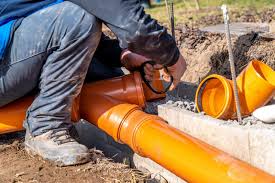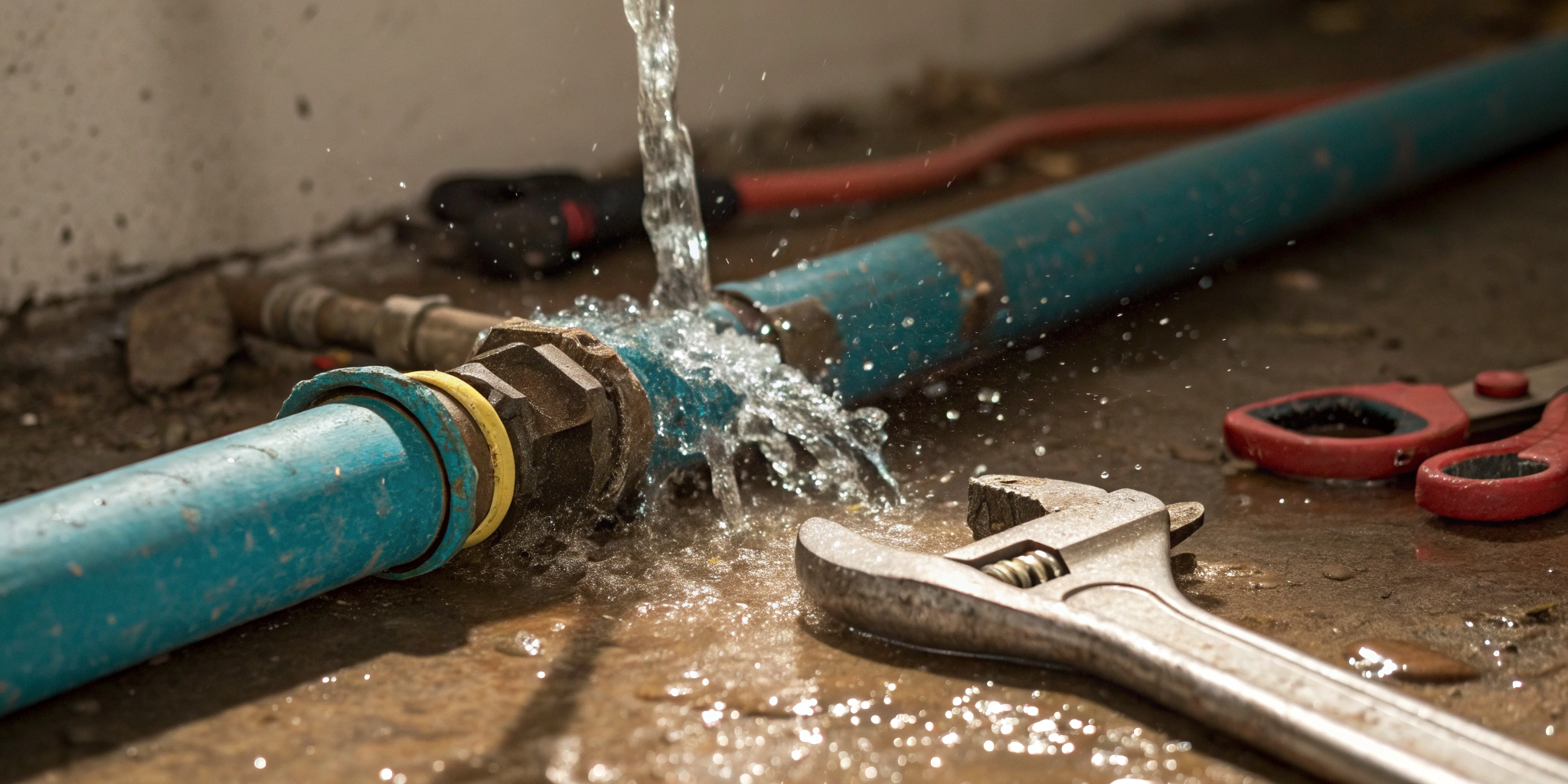


Finding plumbing jobs in Dubai from Kenya can feel confusing, especially when every other person online seems to have a different story. One person says they got hired through a cousin. Another says an agent took their money and disappeared. Someone else claims you can travel on a visit visa and start work immediately. For a Kenyan plumber trying to make a careful decision, it can be hard to separate real opportunities from risky shortcuts.
Dubai does offer plumbing opportunities for skilled workers. The city has apartments, hotels, malls, offices, villas, schools, hospitals, and construction projects that need reliable plumbing services. Maintenance companies and contractors often require plumbers who can handle installations, repairs, drainage systems, water heaters, pumps, and general facility work.
But getting a plumbing job in Dubai is not just about being good with your hands. You need the right documents, a proper contract, a legal work visa, and a careful approach to recruitment. For plumbers in Nairobi, Mombasa, Kisumu, Nakuru, Eldoret, Nyeri, and other parts of Kenya, preparation can make the difference between a good opportunity and an expensive mistake.
Why Kenyan Plumbers Look for Jobs in Dubai
Many Kenyan plumbers consider Dubai because the work can be more structured and, in some cases, better paying than casual plumbing work at home. In Kenya, a plumber may depend on referrals, estate repairs, construction fundis, hardware shop contacts, or one-off jobs from homeowners. Some days are busy. Other days are quiet.
Dubai’s market is different. Many plumbers work under facility management firms, construction companies, hotels, maintenance contractors, or property developers. Instead of waiting for individual clients, you may be assigned to a building, site, or maintenance team with regular duties.
The appeal is easy to understand. A plumber in Kenya may earn from small repair jobs, bathroom installations, water tank connections, or estate maintenance contracts. In Dubai, salaries are usually paid monthly, and some employers provide accommodation, transport, medical cover, and other benefits. That kind of structure can help someone support family back home, save money, or gain international work experience.
Still, it is important to stay realistic. Dubai is not automatic success. Work can be demanding, the weather can be harsh, accommodation may be shared, and rules are stricter than many Kenyan workers expect. A good job starts with understanding the market before sending applications or paying any agent.
Understand the Types of Plumbing Jobs Available in Dubai
Not all plumbing jobs in Dubai are the same. Before applying, you should know the kind of work you are targeting. This helps you prepare a better CV and avoid accepting a role that does not match your skills.
Construction plumbing jobs
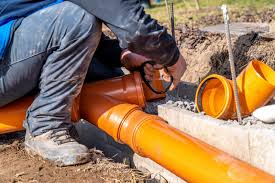
Construction plumbing involves installing new systems in buildings that are still being developed. This may include piping for bathrooms, kitchens, drainage, water supply lines, pumps, tanks, and sometimes larger mechanical systems. The work is usually physical and follows strict timelines.
A Kenyan plumber who has worked on apartments in places like Ruaka, Kitengela, Syokimau, Ruiru, or Bamburi may already understand some parts of construction plumbing. However, Dubai projects may involve larger buildings, more formal site procedures, and different materials such as PPR, uPVC, copper, HDPE, or PEX depending on the project.
Reading drawings is a strong advantage in construction roles. If you can understand measurements, pipe routes, levels, and symbols, you are more useful to a site supervisor.
Maintenance and facility management jobs
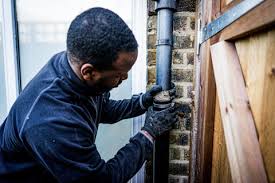
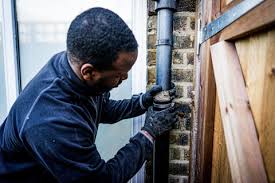
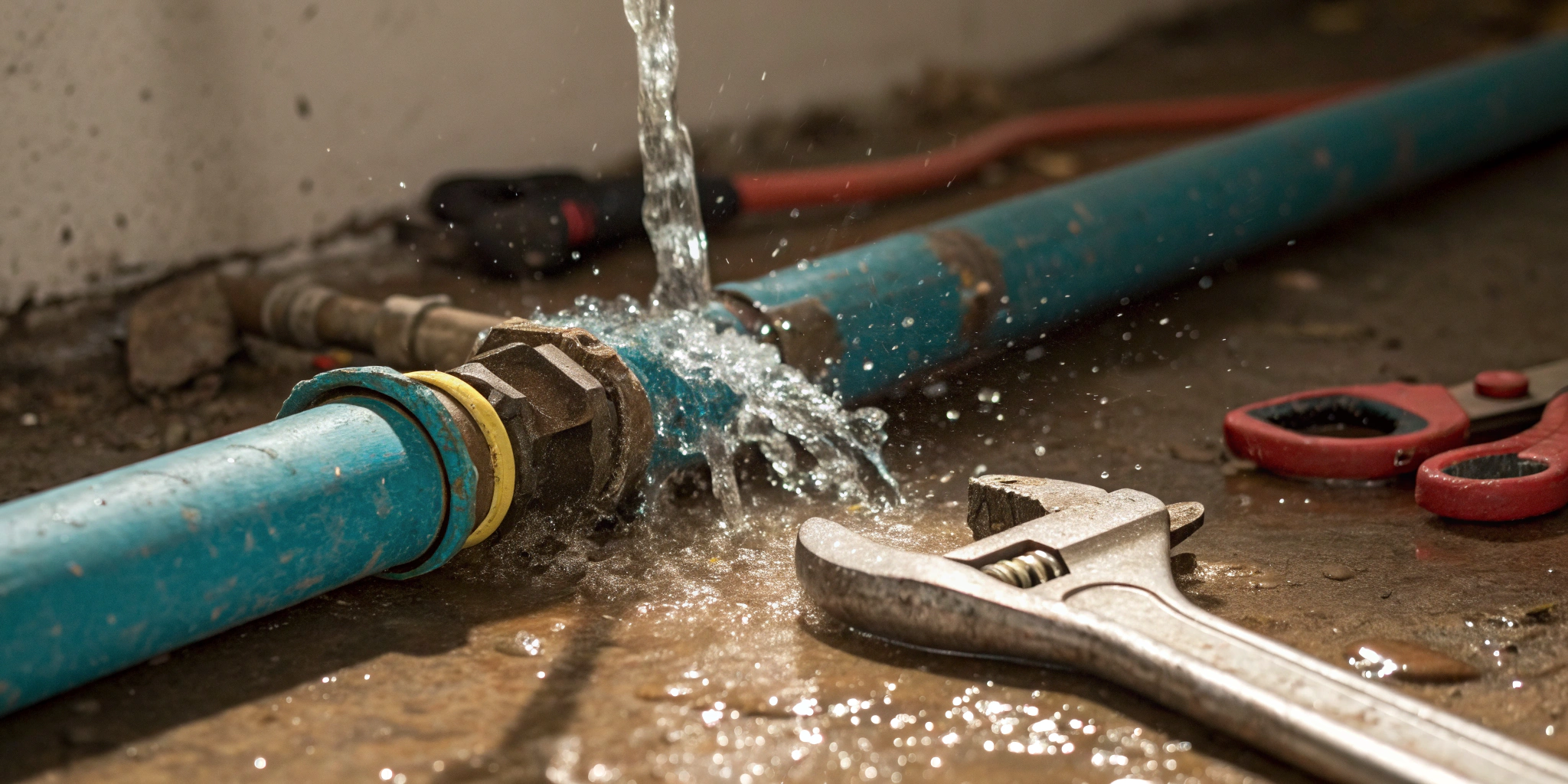
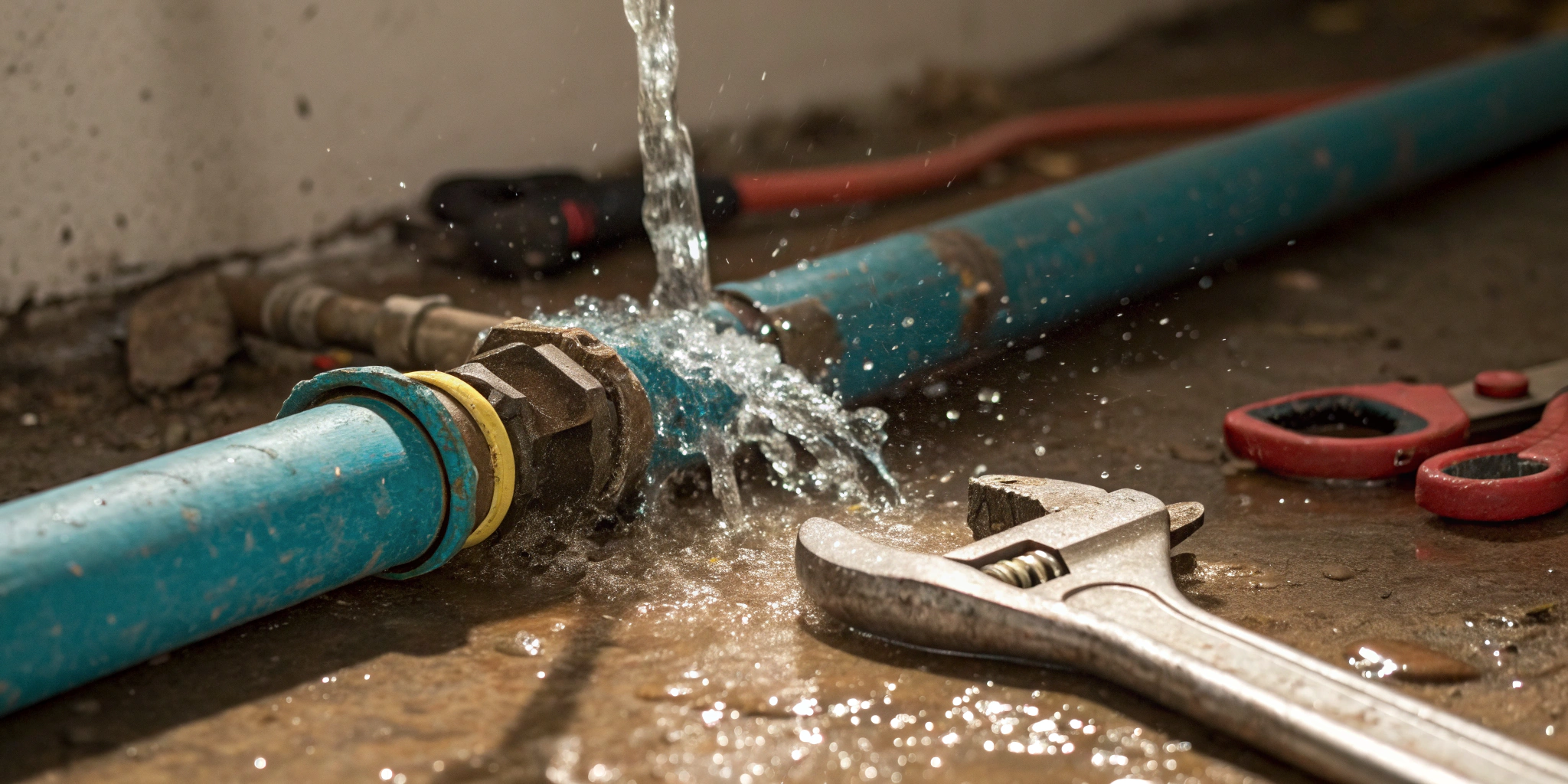
Many Kenyan plumbers start in maintenance because the tasks are familiar. Maintenance plumbers deal with leaks, blocked drains, water heater faults, low water pressure, faulty valves, pump issues, sanitary fittings, and emergency repairs.
These jobs are common in hotels, residential towers, villas, schools, offices, malls, and staff accommodation buildings. The work may involve shifts, including weekends or night calls, because plumbing problems do not always happen during normal office hours.
A plumber who has handled repairs in Nairobi estates, managed apartments, guesthouses, hospitals, or schools can use that experience when applying for maintenance jobs in Dubai.
Specialized plumbing roles
Specialized roles may involve chilled water systems, swimming pool plumbing, firefighting pipework, industrial plants, high-pressure systems, or large pump rooms. These jobs often pay better but require stronger experience and sometimes additional certification.
Do not claim specialized experience if you do not have it. Dubai employers may test your knowledge during interviews or on site. It is better to present yourself honestly as a general plumber who is willing to learn than to exaggerate and struggle later.
Prepare the Right Documents Before Applying
One of the biggest mistakes Kenyan plumbers make is starting the job search before their documents are ready. When an opportunity appears, delays can cost you the chance. Employers and agencies usually prefer applicants who can submit documents quickly and clearly.
A valid passport is the first requirement. Make sure it has enough validity before applying. If your passport is close to expiry, renew it early instead of waiting until a recruiter asks for it.
You should also prepare your plumbing certificates, NITA trade test certificate if you have one, technical training certificates, KCSE certificate, CV, passport photos, and reference letters from previous employers or clients. A certificate of good conduct may also be requested during the process.
Experience letters are especially useful. If you worked for a contractor in Nairobi, a hotel in Mombasa, an apartment project in Kisumu, or a maintenance company in Nakuru, ask for a signed letter showing your role, work period, and duties. If possible, the letter should include a company stamp and contact details.
Some documents may need verification or attestation depending on the employer and visa process. Requirements can change, so confirm with the recruitment agency, employer, or relevant authority before paying for any service.
Use Licensed Recruitment Agencies in Kenya
A licensed recruitment agency can be one of the safer ways to find plumbing jobs in Dubai from Kenya, especially if you do not have direct contacts in the UAE. The key word is licensed. Do not assume every person advertising Gulf jobs online is genuine.
A proper agency should have a physical office, clear contacts, a recruitment licence, and a process you can understand. They should explain the job, employer, salary, accommodation, transport, medical requirements, visa process, and contract terms. They should also issue receipts for any legitimate payments.
Be careful with agents who operate only through WhatsApp or Facebook. Also be cautious if someone asks you to send large amounts of money through M-Pesa before an interview, contract, or employer details are shared. Many Kenyans have lost money because they were promised quick jobs in Dubai without proper documentation.
A genuine recruitment process may still involve costs such as medical tests, certificate of good conduct, passport processing, or document preparation. However, the costs should be clear and reasonable. If the amount sounds too high or the explanation keeps changing, slow down and verify.
Apply Directly to Dubai Companies
Direct applications can also work, especially for plumbers with solid experience and a well-prepared CV. Many Dubai companies post vacancies on their official websites or career pages. These may include facility management firms, construction companies, hotel groups, maintenance contractors, and property service providers.
When applying directly, keep your CV short and practical. Two pages are usually enough. Mention your trade skills clearly, including pipe installation, leak repair, drainage work, water heater installation, pump maintenance, pressure testing, sanitary fittings, and any materials you know how to work with.
Avoid filling your CV with unrelated details. Dubai employers want to know whether you can do the job, follow instructions, work safely, and communicate well enough on site. Your experience should be easy to scan.
A simple portfolio can help. Include clear photos of plumbing work you have done, such as neat pipe layouts, bathroom installations, water tank systems, pump connections, or completed repair jobs. Do not use photos from the internet. Recruiters can notice when images look fake or too polished.
Use Referrals from Kenyans Already Working in Dubai
Referrals are powerful in Dubai because companies often trust workers who recommend people they know. If you have a relative, friend, former colleague, churchmate, or neighbour working in the UAE, ask them to alert you when vacancies come up.
That said, do not pressure people. A referral puts someone’s name on the line. If they recommend you and you fail to perform, disappear, or cause problems, it affects them too. Approach referrals professionally. Send your CV, documents, and honest details about your experience.
It also helps to ask practical questions. What is the accommodation like? Are salaries paid on time? How many hours do plumbers work? Is overtime paid? What tools are provided? How is the supervisor? These answers are often more useful than a polished job advert.
Be Careful with Online Job Portals
Online job portals can help you find plumbing vacancies in Dubai, but they require caution. Some jobs are genuine. Others may be outdated, duplicated, or posted by people collecting CVs without real openings. Scammers also use job platforms to target desperate applicants.
When applying online, look at the company name, email address, job description, salary range, and contact details. A serious employer will not usually ask you to pay visa fees through personal accounts or money transfer services. If a job offer arrives too quickly without an interview, contract discussion, or proper verification, treat it carefully.
You can search for the company’s official website, trade licence details, office location, and employee reviews where available. If the company has no traceable online presence, no address, and no professional communication, think twice.
Verification is a habit that protects you. Platforms such as The Real Plug help users find vetted professionals, service providers, and businesses in Kenya, and the same mindset is useful when checking overseas opportunities. Before trusting any recruiter or training provider, look for signs that the business is real, established, and accountable.
Avoid Visit Visa Job Traps
One of the riskiest routes is travelling to Dubai on a visit visa with the hope of finding plumbing work after arrival. Some people have managed to find jobs this way, but it is risky and not something to treat casually. You cannot legally work without the correct employment approval.
If an agent tells you to travel first and “sort the papers later,” ask serious questions. Who is the employer? Where is the contract? Who pays for accommodation while you search? What happens if you do not find work before the visa expires? Who covers fines if things go wrong?
For many Kenyans, the visit visa route becomes expensive because they pay for flights, accommodation, food, transport, and visa extensions while still job hunting. Some end up accepting poor contracts because they are under pressure. Others overstay and face penalties.
The safer route is to travel after receiving a verified job offer and proper employment visa guidance from a legitimate employer or licensed recruitment agency.
Know the Common Scams Targeting Kenyan Plumbers
Plumbing jobs in Dubai attract scammers because many applicants are hopeful and willing to pay for a chance abroad. Knowing the common tricks can save you from losing money.
One common scam is the “urgent vacancy” message. The agent claims the employer needs plumbers immediately and asks you to send money the same day. Genuine recruitment rarely works through panic.
Another scam is the fake offer letter. The document may have a company logo, salary, and stamp, but the email address may be fake. Always contact the company through official channels if possible.
Some scammers also inflate processing costs. They may demand KSh 150,000, KSh 250,000, or more without a clear breakdown. Before paying, ask what each amount covers. Medical tests, certificates, transport, and documentation should not be hidden under vague terms like “connection fee” or “Dubai processing.”
Also be careful with people who refuse to meet physically, avoid giving licence details, or become rude when you ask questions. A genuine agency should not fear basic verification.
How to Make Your Plumbing Application Stronger
A strong application is not about big grammar or fancy words. It is about showing that you can do the work. Dubai employers are practical. They want plumbers who are skilled, reliable, safety-conscious, and easy to supervise.
Use specific skills in your CV instead of general claims. For example, mention PPR pipe welding, uPVC drainage installation, bathroom fittings, water heater replacement, pump repair support, pressure testing, leak detection, and drainage unblocking where applicable.
Basic English matters too. You do not need perfect grammar, but you should understand instructions, safety signs, measurements, and simple site communication. If your English is weak, practise common workplace terms before applying.
Keep your phone reachable and your documents ready in PDF format. Recruiters may move fast when filling vacancies. If they ask for your CV and you take a week to send it, they may choose someone else.
Before going abroad, you can also build more experience with established Kenyan contractors, maintenance firms, or construction projects. A verified local work history makes your Dubai application stronger. Using The Real Plug to identify reputable service providers and businesses in Kenya can also help when you are researching local opportunities, training centres, or professional networks.
Understand Salary, Benefits, and Living Conditions
Salary is important, but it should not be the only thing you check. A Dubai plumbing job may offer a monthly salary, accommodation, transport, medical cover, leave days, and sometimes food or food allowance. The full package matters more than the salary figure alone.
Ask whether accommodation is provided and how many people share a room. Ask whether transport to the worksite is covered. Confirm working hours, rest days, overtime rates, probation period, contract length, and return ticket terms.
The cost of living in Dubai can be high if the employer does not cover basics. Food, phone bundles, personal items, transport, and sending money home all reduce what you save. A lower salary with accommodation and transport may sometimes be better than a higher salary where you pay for everything yourself.
Do not sign a contract you do not understand. Share it with someone experienced if possible. A few minutes of checking can prevent months of frustration.
What to Expect After Arriving in Dubai
The first months can be challenging. Many jobs have a probation period where the employer observes your performance, punctuality, attitude, and ability to follow instructions. Site rules are usually strict, and lateness is not taken lightly.
Weather can also be difficult, especially during the hotter months. Outdoor construction work can be tiring, so hydration, rest, and safety compliance matter. Employers may provide protective gear, but you must use it properly.
Accommodation is often shared, especially for workers in construction and facility management. You may live with people from different nationalities, cultures, and languages. Patience and respect help a lot.
Homesickness is normal. Many Kenyan workers miss family, local food, church or mosque communities, familiar neighbourhoods, and the freedom of home. Staying focused, budgeting well, and building healthy friendships can make the adjustment easier.
Final Thoughts
The best ways to find plumbing jobs in Dubai from Kenya are based on preparation, verification, and patience. Licensed recruitment agencies, direct applications, trusted referrals, and careful use of online job portals can all work. What matters is avoiding shortcuts that put your money, documents, or legal status at risk.
Before applying, prepare your passport, certificates, CV, experience letters, and any trade test documents you have. Learn how Dubai plumbing jobs differ from local work in Kenya, especially in construction, facility maintenance, safety, and documentation. Ask questions before signing a contract and never rush into payments because someone claims the vacancy will disappear.
Dubai can be a good opportunity for Kenyan plumbers who approach it professionally. The work is there, but employers want proof, discipline, and reliability. With the right documents, realistic expectations, and careful verification, you can pursue plumbing jobs in Dubai from Kenya without turning the process into a gamble.