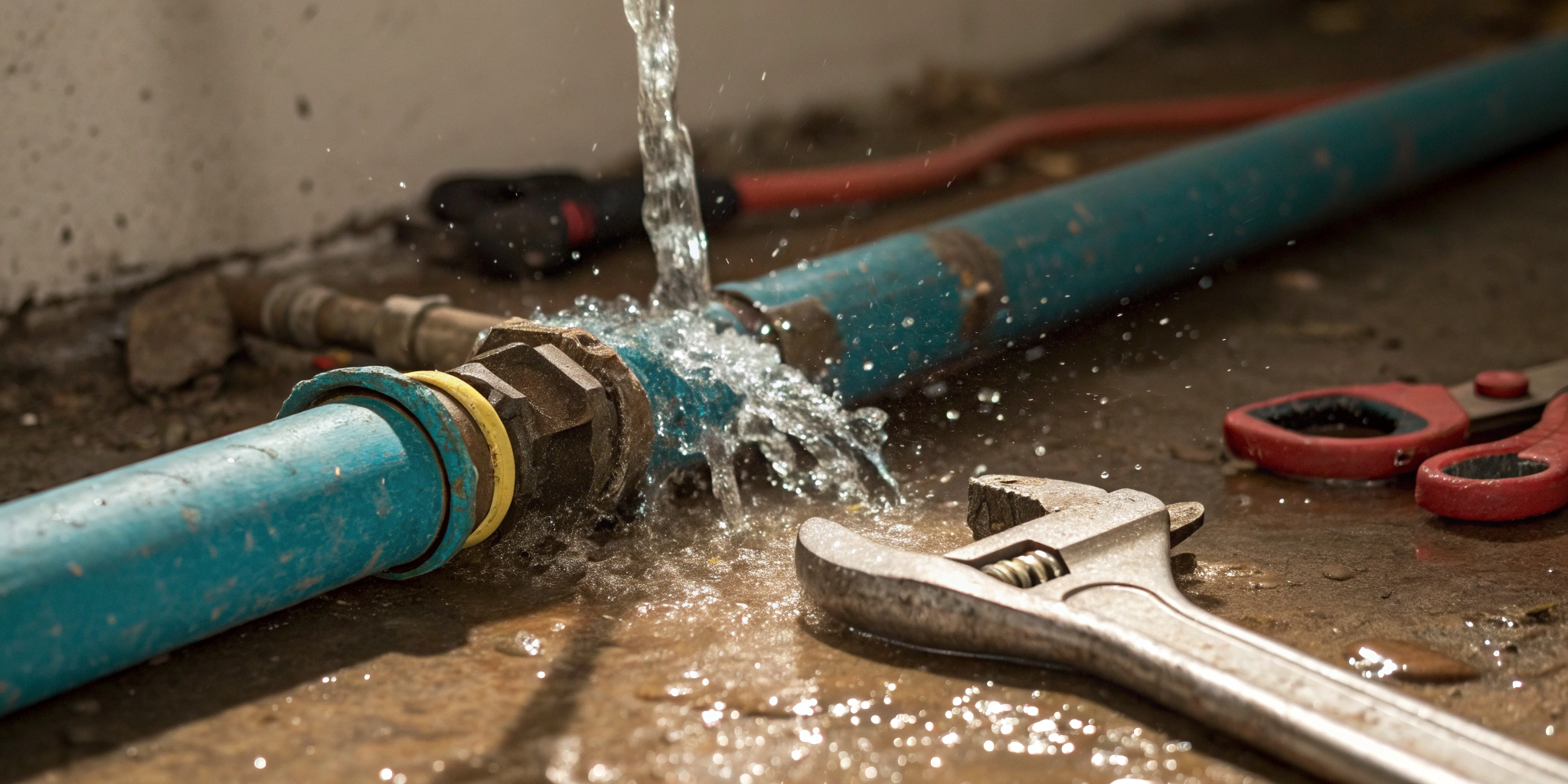


Searching for “plumbing jobs near me” can bring up many results, but not all of them lead to real work. Some listings are outdated, some are vague, and others are posted by brokers who want a cut before you even meet the client. For plumbers in Kenya, finding steady work is not just about being skilled. It is also about being visible in the places where clients, contractors, landlords, and property managers are actually looking.
Plumbing is a local trade. A landlord in Embakasi wants someone who can arrive quickly when a tenant reports a leaking toilet. A contractor in Eldoret needs a plumber who can be on site early, not someone travelling from another county. A homeowner in Nyeri wants a person nearby who can inspect the job, give a fair quote, and come back if there is a problem.
Whether you are a trained plumber in Nakuru, a fundi in Kisumu, a NITA-certified technician in Nairobi, or a young apprentice looking for your first serious opportunity, plumbing jobs are available. The challenge is knowing where to look, how to present yourself, and how to avoid waiting for work that may never come.
Why Local Plumbing Jobs Matter
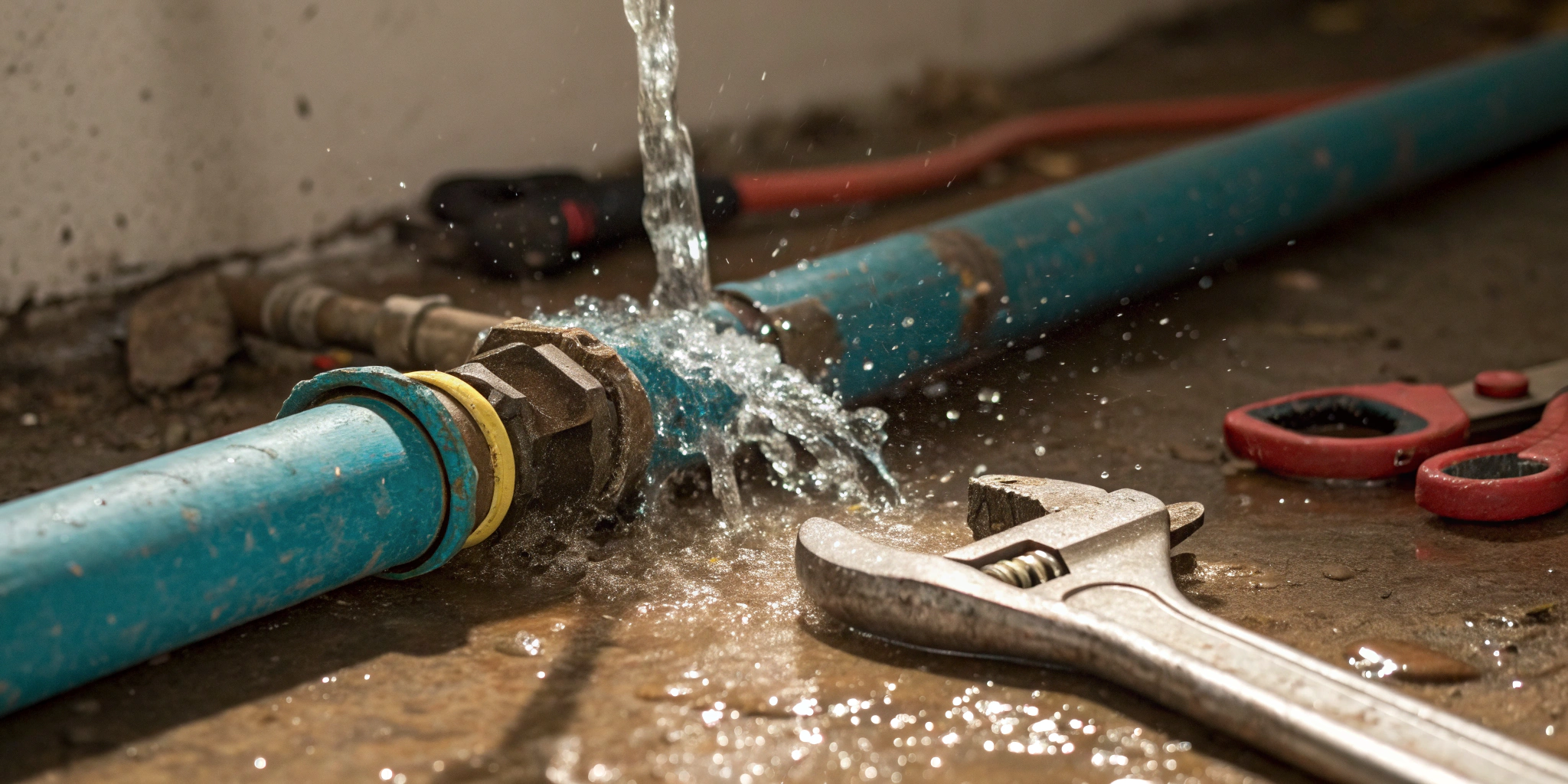
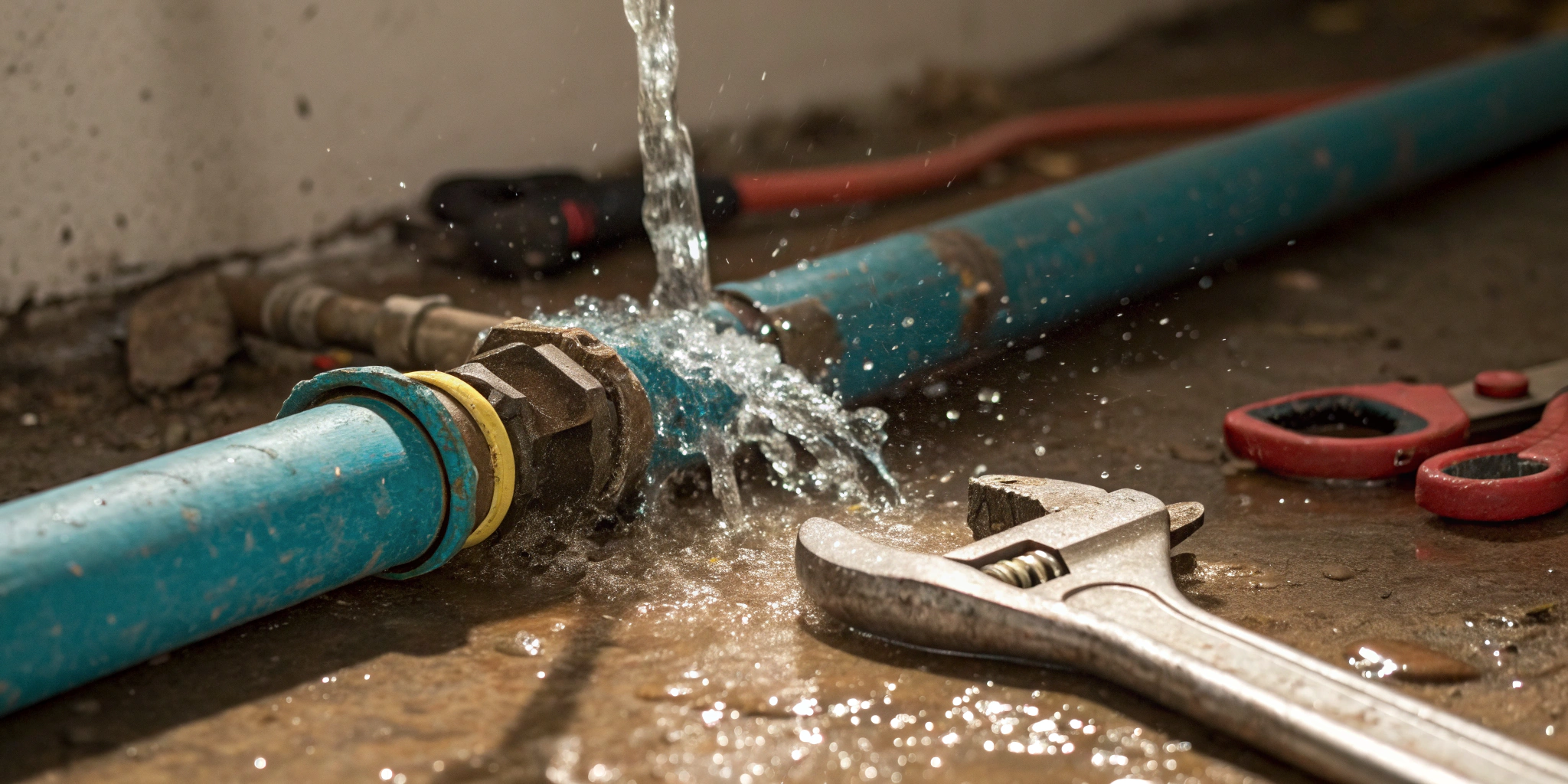
Plumbing work depends heavily on location. Most clients prefer plumbers who are nearby because plumbing problems are often urgent. A blocked drain, burst pipe, overflowing tank, or leaking sink cannot wait for someone travelling from far away unless the job is large.
Distance also affects pricing. If you live in Kahawa West and take a small repair job in Kitengela, transport can eat into your profit. If you are in Kisumu town and the job is far outside town, you must factor in travel time, fuel, and possible return visits. Clients also think about these costs. Many would rather call someone local who can respond quickly and charge reasonably.
This is why the phrase “near me” matters. When clients search online or ask for referrals, they usually want someone close, available, and trustworthy. Your location is an advantage only if people around you can actually find you.
Construction Sites and Ongoing Projects
Construction remains one of the strongest sources of plumbing jobs in Kenya. New houses, apartments, rentals, schools, shops, and small hotels are coming up in many towns. Areas like Ruaka, Ruiru, Syokimau, Kitengela, Ngong, Joska, Kamakis, Nakuru, Nanyuki, Kisii, Eldoret, and Mombasa always have ongoing projects at different stages.
Plumbing work on construction sites includes first fix, second fix, drainage, water supply lines, tanks, pumps, bathroom fittings, kitchen connections, and inspection chamber work. These jobs may start small, but they can lead to longer contracts if you prove yourself.
Contractors do not always advertise plumbing vacancies online. Many ask foremen, hardware shop owners, masons, electricians, or other fundis for recommendations. That means you need to be present where the work is happening.
Visit active sites in your area early in the morning. Dress neatly, carry identification, and be honest about your skills. Ask to speak to the foreman or site supervisor. Even if there is no full plumbing job immediately, you may get assistant work or be called when the project reaches the plumbing stage.
If you have NITA certification, NCA registration where applicable, or proof of past work, carry copies. Serious sites increasingly ask for evidence that workers are qualified.
Hardware Shops as Referral Points
Hardware shops are powerful connection points for plumbers. In many Kenyan towns, people buying pipes, fittings, tanks, taps, valves, or toilets often ask the hardware owner, “Do you know a good plumber?” If the shop owner trusts you, that question can bring work.
Build relationships with hardware shops near your home area. Introduce yourself, leave your number, and explain the services you offer. Do not just show up once and disappear. Pass by occasionally, buy materials there when possible, and treat referred clients well.
If a hardware owner recommends you and the client complains about poor work, overcharging, or dishonesty, that referral source may close. But if you do clean work, explain materials properly, and handle clients well, the shop owner is likely to send more people your way.
This works especially well in busy residential areas, market centres, and fast-growing towns where many homeowners and small contractors buy materials daily.
Estate Caretakers, Landlords, and Property Managers
In many estates, caretakers control a lot of maintenance work. Places like Pipeline, Umoja, Kasarani, Donholm, Zimmerman, Rongai, Bamburi, Lang’ata, and Fedha have many rental units where plumbing problems happen often. When a tenant’s sink blocks or a toilet overflows, the caretaker usually decides who to call.
If you want plumbing jobs near you, caretakers should know you. Introduce yourself politely, offer your contacts, and be available for small jobs. Do not ignore minor repairs because they seem low-paying. A simple tap repair in one unit can lead to regular work across an entire block.
For bigger properties, property managers and real estate agents keep lists of approved technicians. These clients usually prefer plumbers who can invoice, keep time, communicate clearly, and provide receipts. If you have a business name, portfolio, certificate of good conduct, and basic documents, you can approach property management offices in your area.
Landlords also value reliability. If you respond fast, avoid drama with tenants, and give fair prices, they are likely to keep calling you. One landlord may own several units in different estates, so a single good relationship can become a steady source of work.
Online Directories and Search Platforms
More Kenyans now search online before hiring service providers. Someone may type “plumber near me,” “plumber in Nairobi,” “emergency plumber in Mombasa,” or “plumbing services in Nakuru” before asking neighbours. If your name does not appear anywhere online, you lose opportunities to plumbers who are easier to find.
Start with a Google Business Profile. It is free and can show your phone number, location, working hours, photos, reviews, and service area. Add real photos of your work and update the profile regularly. A complete profile can help clients near you find your services on Google Search and Maps.
Social media also helps when used properly. Facebook groups for estates, landlords, homeowners, and local communities often have people asking for plumbers. Respond professionally. Instead of only saying “DM,” give useful information, mention your area, and share a photo or brief example of similar work you have done.
WhatsApp groups can also bring serious leads. Estate associations, landlord groups, diaspora homeowner groups, and local business groups often recommend service providers. One satisfied client in a Kitengela or Thika homeowners group can introduce you to many more.
Platforms such as The Real Plug can also help users find vetted professionals, service providers, and businesses in Kenya. For plumbers, being listed where clients can see reviews, services, and contact details can reduce the trust gap that often stops people from hiring unknown fundis.
Maintenance Companies and Facilities Management Firms
Large buildings, malls, offices, hotels, schools, hospitals, and apartment blocks do not always hire individual plumbers directly. Many use maintenance companies or facilities management firms. These companies then hire plumbers, MEP technicians, and maintenance workers.
If you want more stable work, this route is worth considering. Maintenance companies may offer monthly pay, structured duties, and experience with commercial systems. The work may include repairs, preventive maintenance, water tank checks, pump maintenance, drainage work, washroom repairs, and responding to tenant complaints.
To get these jobs, prepare a simple CV showing your plumbing experience, certificates, tools, and the systems you understand. Mention if you have worked on pump rooms, water heaters, commercial kitchens, schools, apartments, or hotels. Employers value technicians who can read job cards, report clearly, and work without constant supervision.
You can check company career pages, visit offices, ask for referrals, or watch for vacancies posted in local job groups. If you have NITA certification, safety training, or experience with commercial plumbing, make that clear.
County Projects, NGOs, and Institutional Work
County governments, NGOs, churches, schools, and community organizations also create plumbing opportunities. Counties build markets, ECDE classrooms, dispensaries, public toilets, water projects, and drainage systems. NGOs may support WASH projects, water kiosks, sanitation blocks, borehole systems, and school facilities.
These jobs can pay better than small domestic repairs, but they usually require more paperwork. You may need a KRA PIN, bank account, business registration, NITA certificate, NCA registration where relevant, references, and proper quotations.
You can visit county procurement offices, check public notices, follow awarded projects, and approach contractors who win jobs. Many main contractors subcontract plumbing work instead of hiring permanent plumbers.
Institutional clients also care about accountability. A school, clinic, or NGO will usually want receipts, written quotes, and clear communication. If you are organized, these clients can become repeat sources of work.
Referrals from Other Fundis
Other tradespeople can bring you many plumbing jobs. Electricians, masons, painters, tilers, roofers, welders, and carpenters often meet clients who need plumbers. A homeowner finishing a house in Kitale may ask the electrician to recommend a plumber. A tiler renovating bathrooms in Kiambu may need a plumber before tiling starts.
Build relationships with other fundis. Refer work to them when you can, and they are more likely to refer work back. Avoid fighting over jobs that are outside your skill. A strong network helps everyone earn more.
This kind of referral works well because the client already trusts the person making the recommendation. If another technician says you are reliable, the client may call you before searching elsewhere.
How to Make Clients Choose You
Being nearby is not enough. Clients also need to feel confident that you can do the job properly.
Start with your appearance and tools. You do not need expensive branding, but clean overalls, basic PPE, and an organized toolbox make a good impression. A plumber who arrives prepared looks more professional than one who borrows tools from the client.
Give clear quotes. Instead of saying “tutaongea,” explain labour, materials, transport, and estimated time. For example, if you are replacing a toilet, separate the labour cost from the cost of the toilet, connector, seal, and other materials. This helps clients compare fairly and reduces misunderstandings.
Ask for reviews after good jobs. A short WhatsApp message from a satisfied client can help you win the next job. Online reviews are even better because new clients can see them before calling.
Stay reachable. Many clients call several plumbers and hire the first one who answers clearly. If your phone is always off or you take days to respond, you lose work. Use WhatsApp Business if possible and include your services, location, and working hours.
Common Mistakes That Keep Plumbers from Getting Work
One common mistake is waiting passively. Sitting at a stage or hardware shop all day hoping someone asks for a plumber is not enough. You need to visit sites, talk to caretakers, build online visibility, and follow up with past clients.
Another mistake is quoting blindly. Giving a fixed price before seeing the job can lead to conflict. A repair that looks simple on the phone may involve old pipes, hidden leaks, damaged fittings, or poor previous workmanship. Visit the site where possible before giving a final quote.
Ignoring small jobs is also risky. A low-cost repair in Zimmerman, Bamburi, or Lang’ata may introduce you to a landlord with many units. Small jobs can become big opportunities if handled well.
Lack of documentation is another problem. If you have no receipts, no photos, no certificates, and no references, serious clients may choose someone else. Start building a simple portfolio today.
Depending on one contractor or one estate is also dangerous. If that source dries up, your income stops. Spread your opportunities across construction sites, estate maintenance, online listings, hardware referrals, and direct clients.
How to Set Yourself Up for More Local Plumbing Jobs
To find more plumbing jobs near you in Kenya, you need a simple but consistent plan. Start by identifying your main service area. This may be your estate, town, ward, or nearby neighbourhoods. Make it clear where you work so clients know you are close.
Create a Google Business Profile and add real photos of your work. Print simple business cards and leave them at hardware shops, estate offices, and with trusted fundis. Visit active construction sites and introduce yourself to foremen. Talk to caretakers and property managers in your area.
Prepare a small portfolio with five to ten jobs you have done. Include photos, location, type of work, and one or two client references. Keep copies of your certificates, ID, and any registration documents.
Also consider listing your services on The Real Plug so clients looking for vetted professionals and businesses in Kenya can find your profile more easily. When people can see your services and reviews before calling, they are more likely to trust you.
Do these steps consistently, not once. Local visibility builds slowly, but it can create steady work over time.
Final Thoughts
Plumbing jobs near me Kenya searches are not just online keywords. They reflect how clients actually hire plumbers. People want someone nearby, reliable, skilled, and easy to verify. Contractors ask foremen. Homeowners ask hardware shops. Tenants report to caretakers. Landlords search online. Property managers keep lists. Serious clients check reviews.
Your job is to appear in those places. Be known at nearby construction sites. Build relationships with hardware shops and caretakers. Create a visible online profile. Keep your phone reachable. Document your work. Ask for reviews. Treat small jobs as chances to earn bigger referrals.
Plumbing work in Kenya is available, but it goes to plumbers who position themselves properly. Stop waiting for random calls and start making it easy for clients near you to find, trust, and hire you.