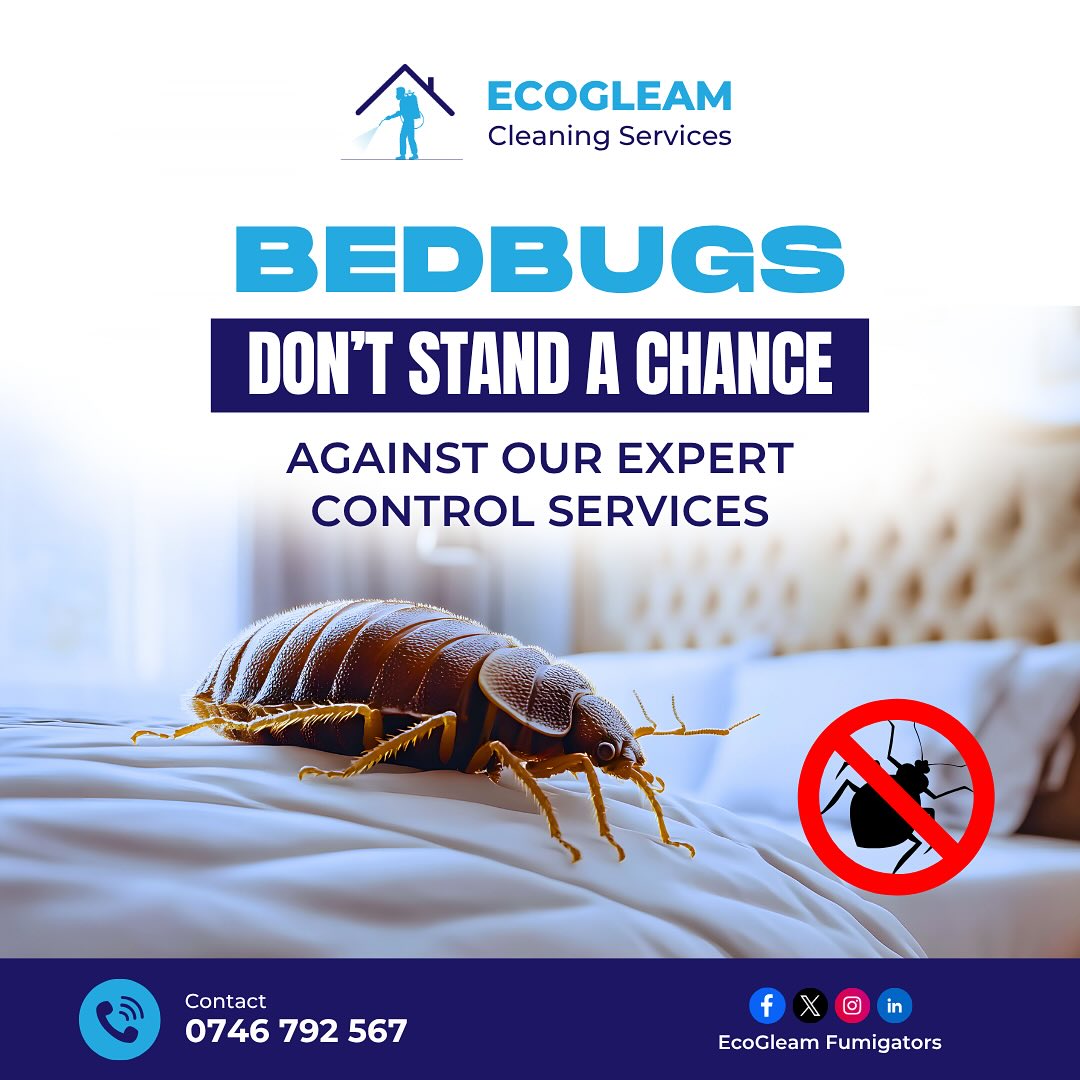


Starting a fumigation business in Kenya can look like a simple hustle from the outside. Buy a sprayer, print a few posters, post in estate WhatsApp groups, and wait for calls from people dealing with mende, kunguni, panya, termites, or mosquitoes. But once you look closely, you realise this is not a casual “dawa na pump” business. It is a technical service that involves chemicals, safety, public health, licensing, customer trust, and repeat results.
The demand is real. Homes in Nairobi need bedbug and cockroach control. Coastal towns like Mombasa, Kilifi, and Diani deal with mosquitoes, termites, ants, and roaches almost all year. Restaurants, supermarkets, guest houses, Airbnbs, schools, warehouses, and apartment blocks need regular pest control. Landlords want tenants to stop complaining. Business owners want health inspections to go smoothly. Families want safe homes.
But the opportunity comes with responsibility. One careless chemical mix can harm a child, a pet, a customer, or a worker. One poor bedbug treatment can ruin your reputation in an estate group. One unlicensed job in a restaurant can get you reported. If you want to start a fumigation business in Kenya and build something serious, you need to do it properly from day one.
Is a Fumigation Business Profitable in Kenya?
Yes, a fumigation business can be profitable in Kenya if it is run professionally. Pest control is not a one-time need. Most clients need repeat service. A home may call you every few months. A restaurant may need monthly treatment. A guest house may need quarterly fumigation and inspection. An apartment block may need coordinated pest control several times a year.
The market is wide. You can serve residential homes, bedsitters, apartments, schools, offices, shops, restaurants, hotels, supermarkets, warehouses, construction sites, farms, and short-stay rentals. Each segment has different needs and different pricing.
The challenge is competition. Many people advertise fumigation services with very low prices and no clear process. Some are untrained, unlicensed, and unsafe. That creates distrust among clients. The opportunity for you is to stand out as reliable, licensed, safe, and professional. Kwa hii business, trust sells more than noise.
Clients are willing to pay more when they believe you know what you are doing, use the right products, give instructions, provide receipts, and return for follow-up where needed.
Understand the Service Before You Start
Before buying equipment, understand what fumigation and pest control actually involve. Different pests need different methods. Cockroaches may need gel bait, drain treatment, and crack application. Bedbugs may need mattress inspection, bed frame treatment, fabric handling, and follow-up. Termites may require soil treatment, wood treatment, or drilling. Rodents need proofing, traps, bait stations, and sanitation advice.
A beginner mistake is thinking one chemical can handle everything. That is how many new operators fail. They spray the same dawa for bedbugs, roaches, ants, termites, and mosquitoes, then wonder why clients complain.
Learn pest behaviour. Know where cockroaches hide in Kenyan kitchens. Understand how bedbugs spread in flats. Learn why mosquitoes breed after rains. Understand termite signs in coastal and garden homes. Know how rats enter restaurants, shops, and ceilings.
The more you understand pests, the better you will quote, treat, explain, and win repeat clients.
Legal Requirements for Starting a Fumigation Business in Kenya
A serious fumigation business should be properly registered and compliant. Start by registering a business name or company through eCitizen. Choose a professional name that sounds trustworthy and easy to remember. After registration, get a KRA PIN and open a business bank account or till where possible.
You should also check licensing requirements with the Pest Control Products Board, commonly known as PCPB, because pest control products are regulated in Kenya. Since rules, fees, and application steps can change, always verify the current requirements directly with PCPB or a qualified professional before operating. This is especially important if you plan to serve restaurants, hotels, schools, supermarkets, hospitals, warehouses, or county-related contracts.
Many counties also require a single business permit. If you operate in Nairobi, Mombasa, Kisumu, Nakuru, Eldoret, Kiambu, or any other county, visit or contact the county offices to confirm what permit applies to your business. Do not assume that registration alone is enough.
Insurance is also worth considering. Public liability insurance can protect your business if a client claims property damage, chemical reaction, or injury. Some bigger clients may not hire you without insurance, especially hotels, supermarkets, schools, and corporate offices.
Training Is Not Optional
Training is what separates a professional fumigator from a random sprayer. You are handling chemicals in homes, kitchens, guest rooms, stores, and offices. You need to understand chemical labels, dilution rates, safety procedures, personal protective equipment, pest biology, re-entry times, storage, disposal, and emergency response.
Look for pest control training from recognised institutions, industry trainers, or organisations that understand Kenyan pest control standards. Confirm whether the training is accepted for licensing purposes before paying. A good course should cover residential pest control, commercial pest control, chemical handling, equipment use, safety, record keeping, and customer communication.
Training also helps you avoid dangerous shortcuts. Overdosing does not mean better results. It can put people at risk. Underdosing can make pests survive and clients lose trust. Using farm chemicals indoors can be dangerous and may expose you to legal trouble.
If you plan to hire staff, they also need training. Do not send untrained workers to spray a client’s house while you stay behind looking for the next job. Your staff represent your brand.
Basic Equipment You Need to Start
You do not need to buy everything on day one. Start with reliable basic equipment, then upgrade as your client base grows.
A good knapsack sprayer is essential for general treatment. Buy a strong brand that does not leak easily. A small hand sprayer is useful for targeted work in cabinets, cracks, corners, and small spaces. A bait gun is useful for cockroach gel application. A torch helps during inspection because pests hide in dark places.
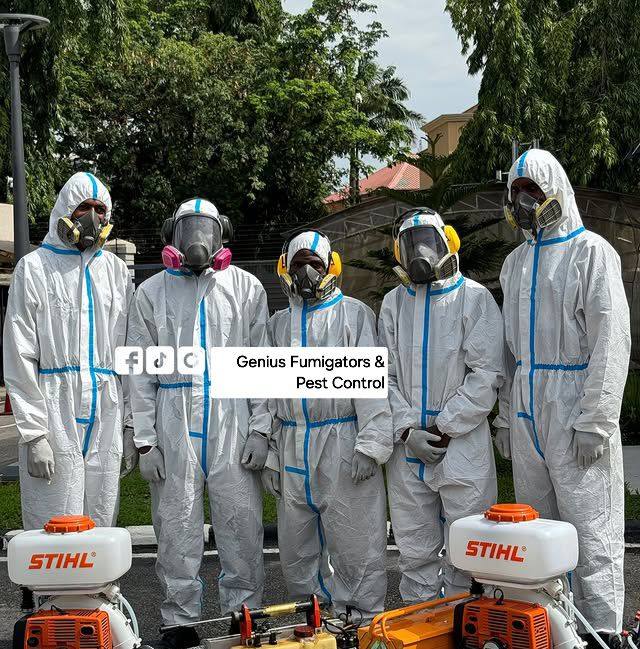
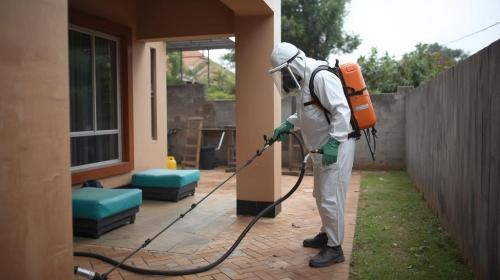
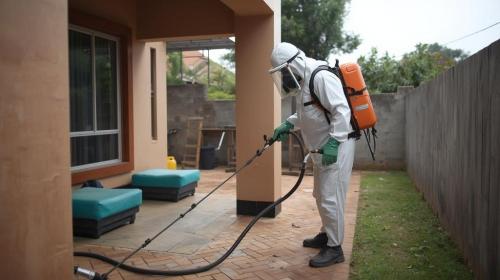
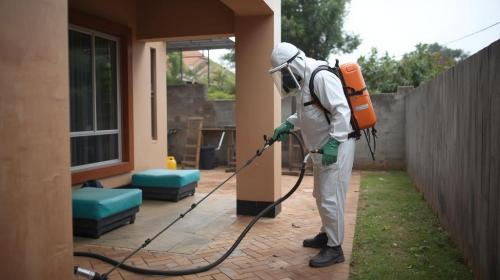
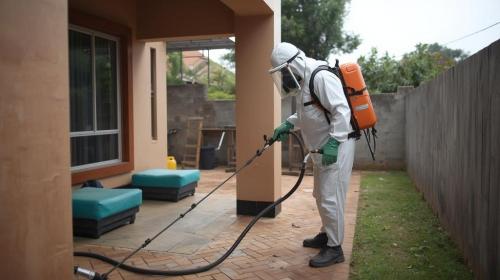
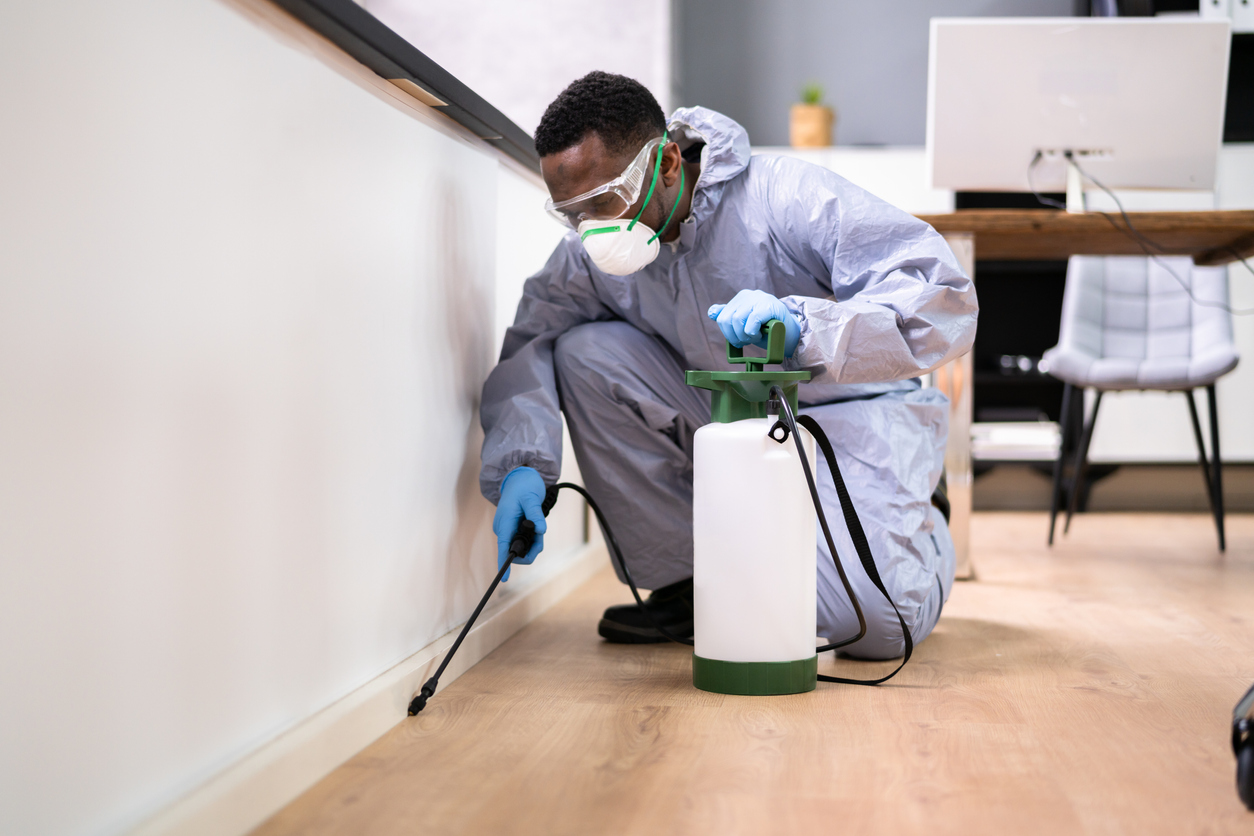
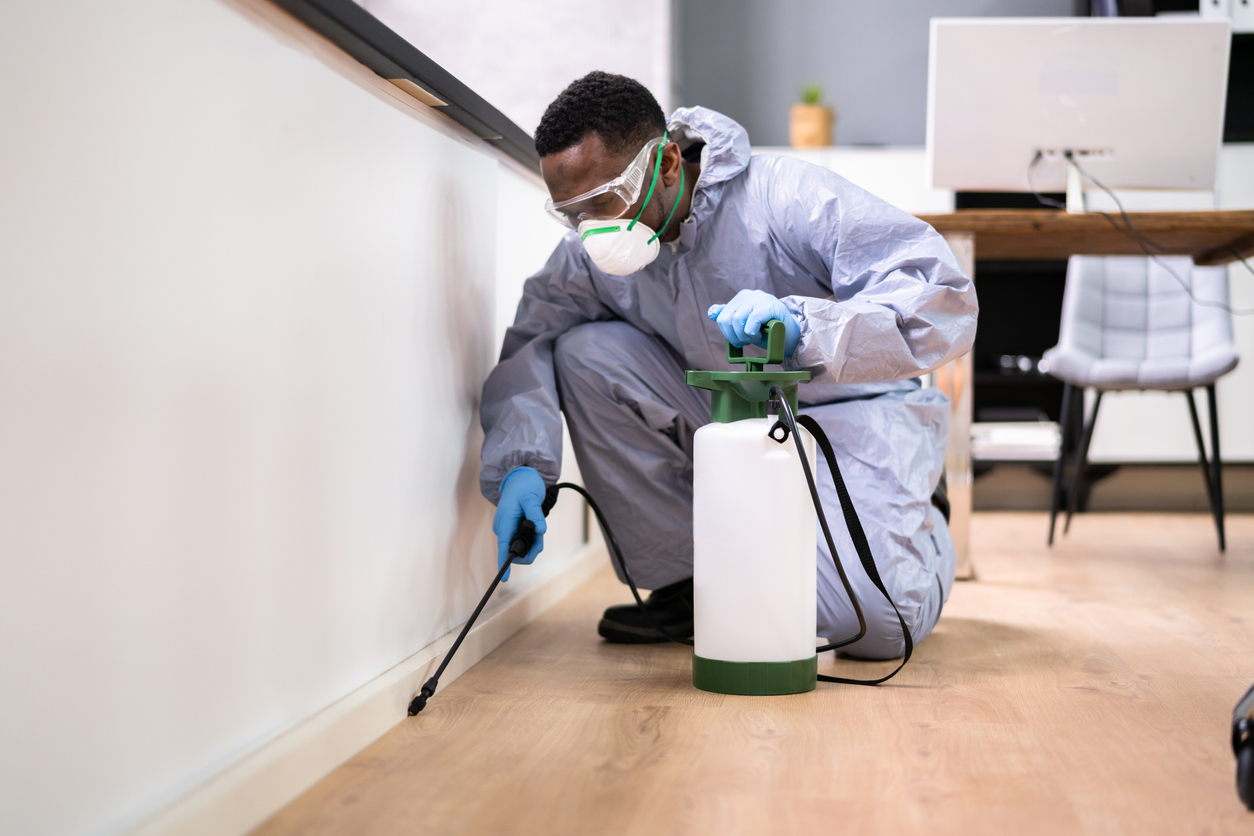
Personal protective equipment is a must. You need overalls, gloves, gumboots, goggles, and a proper respirator or mask suitable for the products you use. Do not show up to a client’s home in slippers and a T-shirt, then start spraying. It looks careless and exposes you to risk.
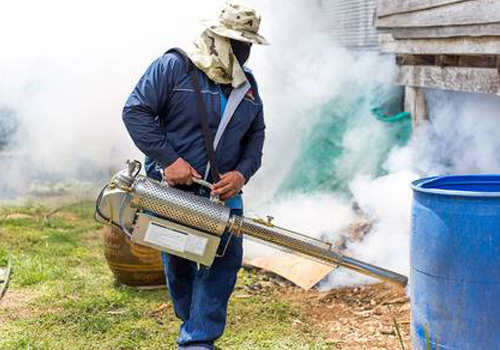
You also need measuring tools such as measuring cylinders, mixing containers, labels, bags for tools, and storage boxes. For commercial work, you may later add fogging machines, steamers, rodent bait stations, ladders, inspection mirrors, and a branded vehicle.
Start clean and organised. Clients notice.
Choosing the Right Chemicals and Products
Buy pest control products from reputable suppliers and confirm that they are approved for the intended use. Avoid buying unlabelled chemicals from unknown street sellers. Fake or wrong products can fail, damage property, or harm people.
You may need different product categories depending on your services. For cockroaches, gel bait and residual treatments are useful. For mosquitoes, approved insecticides and fogging products may be needed. For rodents, use safe bait stations and appropriate rodenticides where allowed. For bedbugs, products and methods should target hiding places and eggs, with follow-up planning.
Always read and follow the label. The label tells you dilution, application areas, safety precautions, re-entry time, and restrictions. Keep product information and safety data where available. This is important for your safety and for clients who ask what you used.
Never describe everything as “dawa kali.” Serious clients want real answers. Tell them what method you are using and why.
How Much Capital Do You Need?
Startup capital depends on how professional you want to be from the beginning. A small informal operator may start with very little, but that approach limits trust and can create legal and safety risks. A proper small fumigation business needs registration, training, licensing or compliance costs, equipment, protective gear, chemicals, branding, transport, marketing, and possibly insurance.
A practical starting budget may range from tens of thousands to over KSh 100,000 depending on your location, training costs, equipment quality, permits, and stock. Costs change, so verify current figures before planning. Do not spend all your money on branding and ignore training or safety gear. A sharp logo will not save you if your treatment fails or a client asks for compliance documents.
Start lean but serious. Buy what you need to do common jobs well, then reinvest from profits.
Services You Can Offer
Begin with common residential and small business services before moving into complex jobs. Cockroach control, bedbug treatment, mosquito control, ant control, rodent control, and general house fumigation are good starting points if you are trained.
As you gain experience, you can add termite treatment, restaurant pest management, supermarket pest control, Airbnb fumigation, school fumigation, warehouse pest control, and estate block fumigation. These jobs pay better but also require stronger systems, documentation, and sometimes more equipment.
You can also offer inspection reports, fumigation certificates where appropriate, follow-up visits, maintenance contracts, and pest prevention advice. Businesses value documentation because health officers and landlords may ask for proof.
Do not offer technical services you do not understand. Termite control, for example, can be more complex than spraying a wall. If you are not trained, partner with someone experienced until you learn properly.
How to Price Your Fumigation Services
Pricing should consider house size, pest type, infestation level, location, transport, product cost, labour, follow-up, and risk. A bedsitter with mild cockroaches should not cost the same as a three-bedroom apartment with bedbugs in beds and sofas. A restaurant job should not be priced like a home because food safety, timing, and documentation are involved.
Avoid undercharging just to win work. Cheap prices attract bargain clients who may not value preparation, follow-up, or safety. Worse, undercharging may tempt you to dilute chemicals, skip inspection, or rush jobs. That is how reputation dies.
For small homes, you can create basic price ranges but confirm after asking questions or inspecting. For restaurants, supermarkets, guest houses, and offices, use written quotes. For large jobs, visit the site before giving a final price.
Always explain what is included. Does the price include inspection? Does it cover all rooms? Is follow-up included? What re-entry instructions will you give? Will you provide a receipt or report? Clear pricing prevents arguments.
Finding Your First Clients
Start in your local area. Offer good service to neighbours, landlords, shop owners, and small restaurants. Ask happy clients for reviews and referrals. In Kenya, word of mouth is powerful. One caretaker can introduce you to many tenants. One Airbnb host can refer you to other hosts. One restaurant manager can connect you to other businesses.
Create a simple online presence. Set up a Google Business Profile, social media pages, WhatsApp Business profile, and clear service list. Post real work photos responsibly, but avoid showing clients’ private spaces without permission. Share practical tips about pests, preparation, safety, and aftercare.
Approach caretakers and landlords in apartment blocks. Offer block fumigation packages. Visit restaurants during slow hours and explain monthly pest control plans. Join local business groups, Airbnb host groups, and estate WhatsApp networks where allowed.
Platforms such as The Real Plug can also help service providers and businesses in Kenya become easier to discover by users looking for vetted professionals. Being visible on trusted platforms can help build credibility, especially when clients are comparing providers.
How to Run Each Job Professionally
Every job should follow a process. Start with assessment. Ask what pest the client has seen, where, for how long, whether children or pets are present, and whether neighbours are affected. Inspect before treating where possible.
Explain preparation. Tell the client what to remove, cover, wash, or pack. Food, utensils, baby items, medicine, pet bowls, and open water should be protected. For bedbugs, bedding and clothes may need special handling.
Treat the right areas. Do not spray randomly. Focus on pest hiding places, movement routes, entry points, drains, cracks, furniture, and breeding areas. Use the right method for the pest.
Give aftercare instructions. Tell the client how long to stay away, how to ventilate, what to wipe, when to mop, and when to call you if pests continue. Provide written instructions through WhatsApp or on a job card.
Follow up. Call after a few days to check results. For bedbugs, fleas, and heavy cockroaches, schedule a second visit where needed. Follow-up is what turns one-time customers into repeat clients.
Records and Documentation
Keep records from the start. Record client name, location, pest treated, date, products used, dilution, areas treated, re-entry advice, payment, and follow-up date. This helps you track results and protects you if questions arise.
For commercial clients, issue service reports. Restaurants, supermarkets, schools, guest houses, and offices may need records for inspections or internal compliance. A professional report makes you look serious and helps justify your price.
Keep purchase records for chemicals and equipment. Track stock so you know what is being used and what gives good results. Good records also help when applying for tenders, renewing licences, or handling complaints.
Common Mistakes New Fumigation Businesses Make
One mistake is starting without training or compliance. You may get small jobs at first, but serious clients will ask for credentials. Another mistake is using the wrong chemicals. Indoor pest control needs appropriate products, not farm chemicals or mystery mixtures.
Many beginners also overpromise. Do not tell clients pests will never return. Pests can return if hygiene is poor, neighbours are infested, drains are open, or food is exposed. Say what you can control and recommend prevention.
Skipping follow-up is another big mistake. Bedbugs and German cockroaches often need more than one visit. If you spray once and disappear, clients will call you a con when pests return.
Poor appearance also hurts business. Dirty equipment, no protective gear, no receipt, poor communication, and lateness all reduce trust. This is a service business. Professionalism is part of the product.
How to Scale the Business
Once you have regular clients and cash flow, grow carefully. Hire staff slowly and train them properly. Make sure they use protective gear, follow instructions, and do not steal clients. Pay fairly because good technicians are valuable.
Invest in better equipment such as fogging machines, steamers, bait stations, inspection tools, and transport. A branded vehicle or motorbike can improve trust and make movement easier.
Specialise where possible. You can become known for Airbnb bedbug control, restaurant pest management, termite treatment, apartment block fumigation, coastal pest control, or supermarket compliance services. Specialisation allows you to charge better prices because clients see expertise.
Later, you can bid for tenders from schools, hospitals, county offices, estates, and companies. For this, you will need proper registration, tax compliance, licences, insurance, records, and capacity.
Final Thoughts
Learning how to start a fumigation business in Kenya is not just about buying a sprayer and looking for clients. It is about building a licensed, safe, trusted, and repeatable service. The market is strong because pests affect homes, rentals, restaurants, hotels, supermarkets, Airbnbs, schools, offices, and warehouses across the country.
To succeed, get trained, understand the law, use approved products, buy proper protective gear, document your work, and communicate clearly with clients. Start small, but start professionally. Do good work in your estate, collect reviews, build relationships with caretakers and business owners, and reinvest in better equipment and training.
Pests are not going away in Kenya. But clients are becoming smarter. They want providers who are safe, traceable, honest, and effective. If you build your fumigation business on those values, you will not just get jobs. You will build a company people can trust.