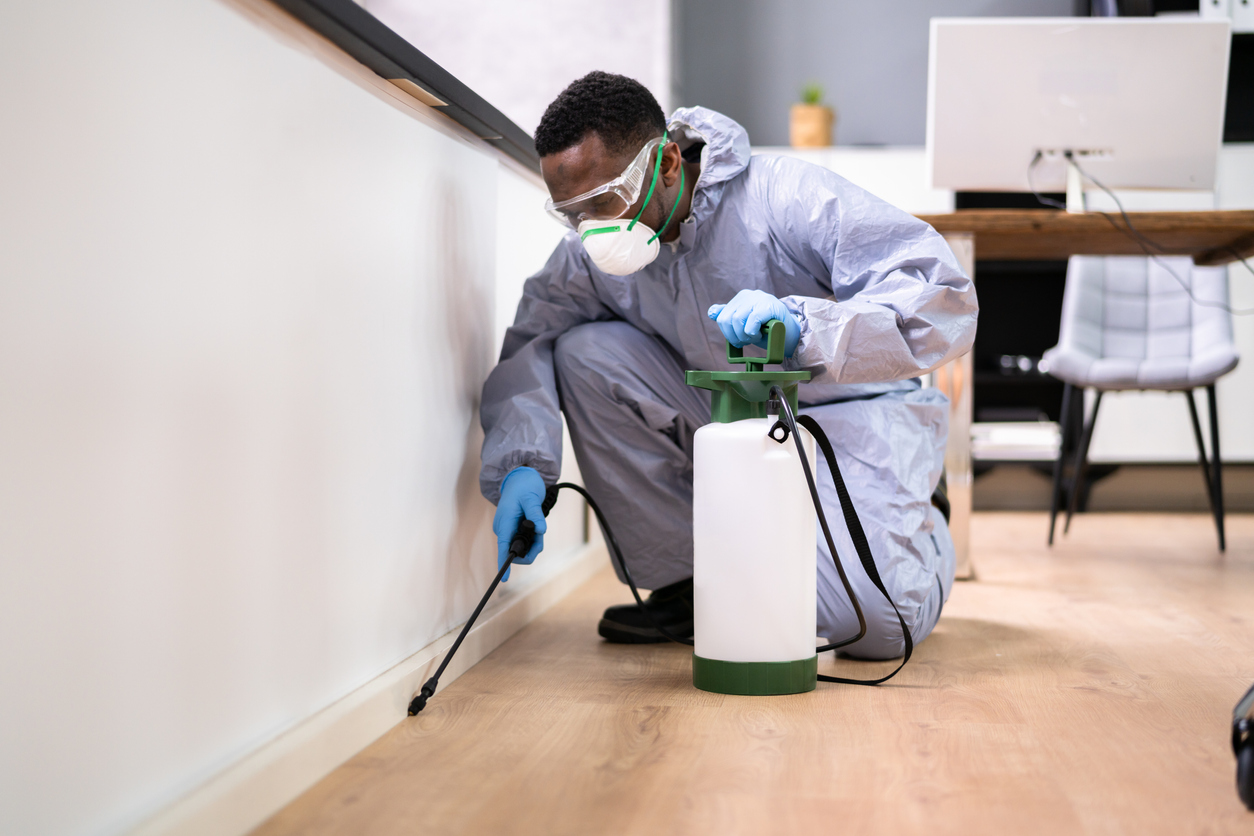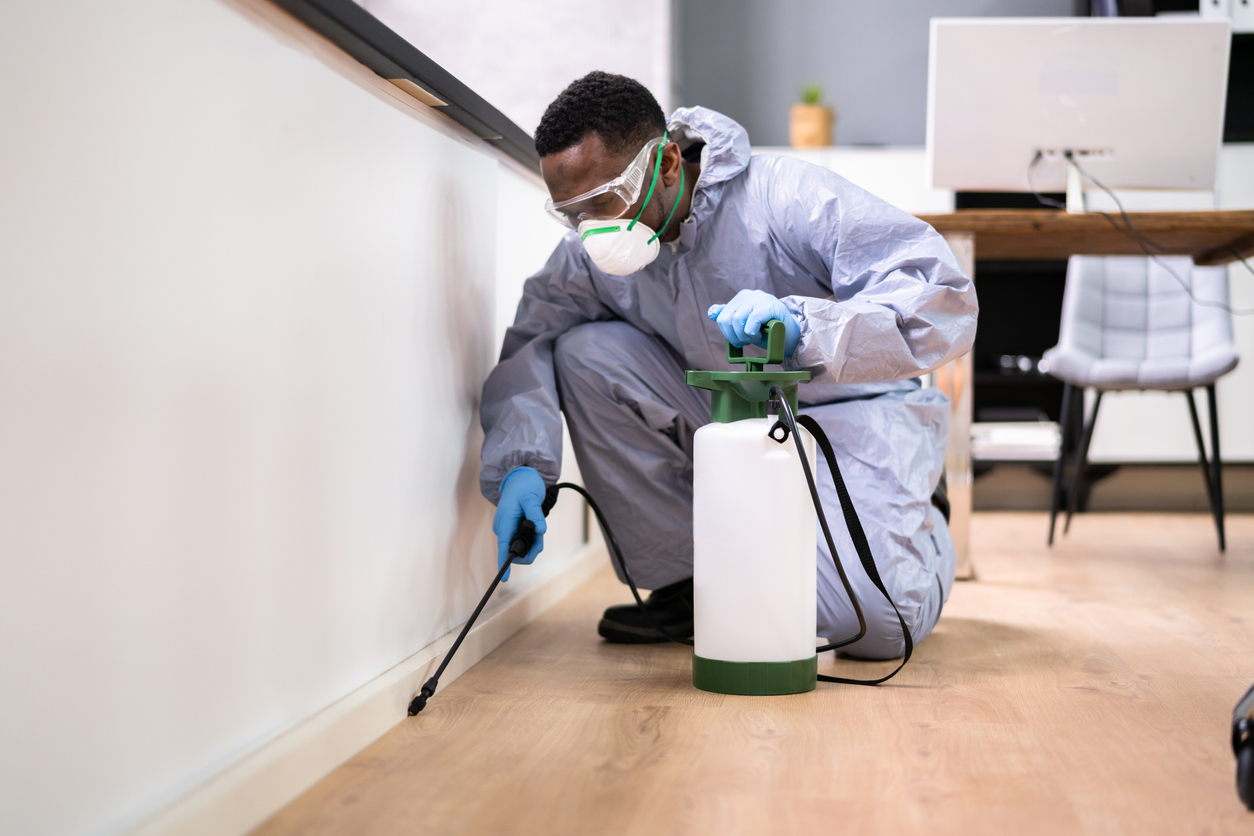


You can have a beautiful Airbnb in Westlands, a beach villa in Diani, a cosy apartment in Kilimani, or a guest house in Naivasha with clean sheets, fast Wi-Fi, and stylish décor. But if a guest sees a cockroach in the kitchen at midnight, wakes up with bedbug bites, hears rats in the ceiling, or spends the night fighting mosquitoes, that is what they will remember.
In Kenya’s short-stay market, pests are not just a cleaning problem. They are a business risk. A single pest complaint can lead to a bad review, refund request, cancelled booking, reduced visibility on booking platforms, and even questions from county health officers if you run a licensed guest house or serviced accommodation.
Pest problems ruin Airbnb reviews Kenya hosts depend on because guests judge short-stay spaces differently from ordinary homes. They are paying per night, often at hotel-level expectations, and they want comfort immediately. They do not want explanations about the building drainage, the neighbour’s unit, or the guest who checked out yesterday. If they see pests, they assume the property is not clean or not well managed.
For hosts, the lesson is simple: pest control is part of hospitality. If you ignore it until a guest complains, you are already late.
Why Pest Complaints Hurt Short-Stay Rentals So Much
A homeowner can notice ants in the kitchen and deal with them over the weekend. A long-term tenant can call the caretaker and wait for fumigation. A guest in an Airbnb or guest house does not think that way. They are staying for one night, two nights, or a few days. Their patience is limited because they paid for a ready, clean, comfortable space.
Guests also document everything. A cockroach on the bathroom wall can become a photo in a review. Bedbug bites can become a refund claim. A rat sound in the ceiling can become a message to customer support at 2 a.m. In Nairobi, Mombasa, Kisumu, Naivasha, Nanyuki, and Diani, many guests compare short-stays directly with hotels, so small problems can feel bigger.
Online platforms are also strict about pests. If a guest provides evidence, the host may be asked to refund, relocate the guest, or prove that the property was treated. Repeated pest complaints can affect ranking, trust, and bookings. Even when the issue is resolved, the review may remain visible for future guests.
Kwa Airbnb, one pest is not just one pest. It can become a business problem.
Bedbugs: The Fastest Way to Lose Guest Trust
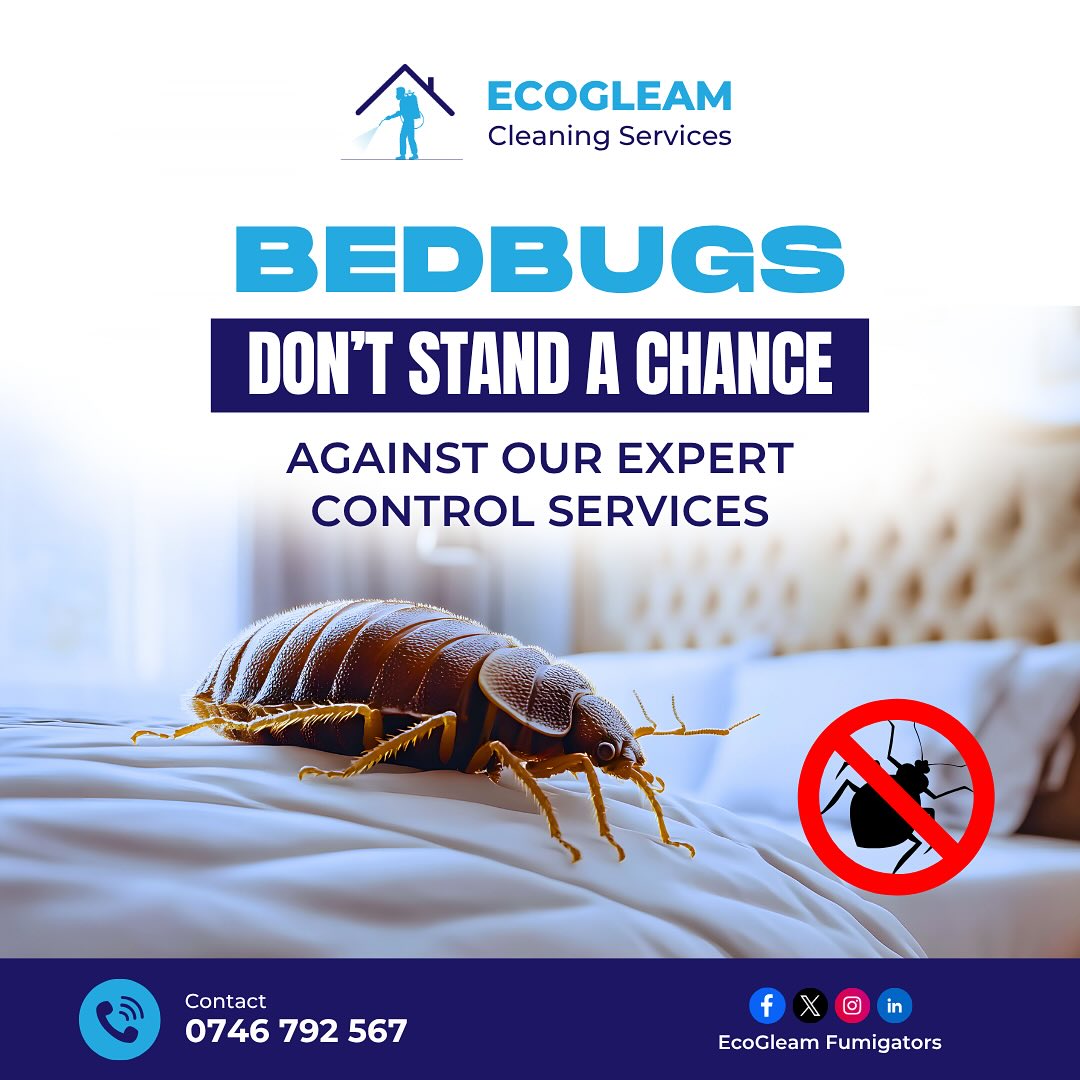
Bedbugs are probably the most damaging pest for Airbnb and guest house reviews. They may not be caused by dirt, but guests usually associate them with poor hygiene. Once a guest wakes up with itchy bites, blood spots on sheets, or sees a live bedbug, the stay is almost impossible to save.
Bedbugs are common in short-stay rentals because guests come and go with luggage, backpacks, clothes, and personal items. A guest may bring them from another hotel, hostel, bus, matatu, aircraft, student accommodation, or even another Airbnb. In Nairobi areas such as Roysambu, Kilimani, Westlands, Ruaka, Syokimau, and Zimmerman, guest movement is high. At the coast, places like Diani, Nyali, Shanzu, Mtwapa, and Kilifi also receive many travellers moving between properties.
Bedbugs hide in mattress seams, bed frames, headboards, sofa cushions, curtains, wall cracks, bedside tables, and luggage racks. They can remain hidden until the problem has grown. By the time a guest complains, the infestation may already need professional treatment and follow-up.
The cost is not only fumigation. You may need to block your calendar, cancel bookings, replace bedding, wash curtains, treat sofas, and handle refunds. One bedbug review can make future guests hesitate, even if every other part of the property looks good.
Cockroaches: Small Pest, Big Disgust
Cockroaches create an immediate feeling of dirtiness. A guest may forgive a delayed check-in or a missing towel, but roaches in the kitchen or bathroom are harder to forgive. This is especially true in premium areas such as Kilimani, Kileleshwa, Lavington, Westlands, Nyali, and Diani, where guests expect a higher standard.
German cockroaches are a serious issue because they are small, fast, and often signal an infestation. They hide under sinks, behind fridges, inside cabinets, near cookers, in drains, and around garbage areas. Guests usually see them at night when they switch on the kitchen light.
Larger cockroaches may come from drains, especially in coastal homes, older buildings, or apartments with poor drainage. Even if the house was cleaned well, a roach coming through a drain can still make the guest feel the space is unclean.
For hosts in apartment blocks, cockroaches may not start inside the unit. They may come from garbage chutes, shared drains, neighbouring units, basements, or restaurants in the same building. That is why treating only your unit may not solve the problem if building management ignores common areas.
Rats and Mice: The Fear Factor
Rats and mice create fear more than irritation. A guest who hears scratching in the ceiling may not sleep. If they see droppings in the kitchen, chewed food packaging, or a rat moving across the room, they may leave immediately.
Rodent problems are common in older houses, cottages, coastal homes, guest houses near markets, properties with gardens, and buildings with poor waste control. Places such as Mombasa Old Town, Naivasha, Nanyuki, parts of Karen, Kilifi, and some mixed-use Nairobi buildings may face rodent pressure depending on the surroundings.
For a short-stay rental, rats and mice should be handled urgently. Do not rely only on poison inside guest spaces because a dead rat in the ceiling or wall can create a smell that is even harder to explain. Rodent control should include sealing holes, using safe traps or bait stations, managing waste, trimming vegetation, and inspecting stores or roof spaces.
A review that says “we heard rats all night” can make the property look unsafe, even if the rest of the stay was fine.
Mosquitoes: A Bigger Issue in Coastal and Lake Regions
Mosquitoes may not ruin every Nairobi stay, but they can damage reviews in Mombasa, Diani, Kilifi, Watamu, Kisumu, Naivasha, Maasai Mara lodges, and other warm or wet destinations. Guests expect mosquito nets, screens, repellent, coils, or at least some effort to reduce bites.
International guests may worry about malaria, dengue, or general health risks. Local guests also dislike spending the night slapping mosquitoes instead of resting. If your listing says mosquito net provided and the net has holes, that is a review waiting to happen.
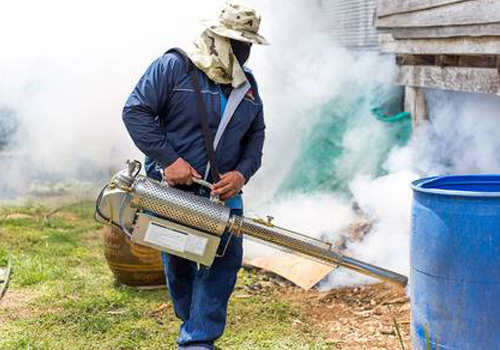
Mosquito control requires more than spraying the room. Remove stagnant water, clear gutters, cover tanks, repair screens, trim bushes, and fog outdoor areas where needed. In coastal homes and villas, outdoor sitting areas, gardens, poolsides, and verandas need attention because guests spend time there too.
A guest may forgive mosquitoes if the host has clearly prepared for them. They are less forgiving when there is no net, no repellent, no screens, and no explanation.
How One Pest Incident Can Affect Revenue
A pest incident rarely ends with the guest message. It can start a chain reaction. The guest complains and asks for a refund. You send a cleaner or fumigator. You block the next booking for treatment. The guest still leaves a review mentioning pests. Future guests see the review and hesitate. Your occupancy drops.
For example, a host may lose one night’s income from a refund, two more nights because the calendar is blocked for fumigation, and future bookings because the rating has dropped. If the issue is bedbugs, losses can be higher because treatment may need a follow-up and bedding may need replacing.
The cost of prevention is usually lower than the cost of one serious complaint. Quarterly fumigation, monthly inspections, mattress encasements, sealed bins, drain covers, and proper cleaning routines may feel like extra expenses, but they protect revenue.
In short-stay hosting, prevention is not just hygiene. It is profit protection.
What Guests Commonly Say in Pest Reviews
Pest reviews are powerful because they are emotional. Guests may write that they could not sleep, felt unsafe, had to throw away clothes, checked out early, or could not use the kitchen. Even when they mention that the host was polite, the pest detail remains.
A bedbug review makes future guests worry about carrying pests home. A cockroach review makes them question cleanliness. A rat review makes them fear safety. A mosquito review makes them question comfort and preparedness.
Once a pest complaint is public, the host has to work harder to rebuild confidence. Several good reviews can push it down, but it may still influence cautious guests. That is why a quick response and visible prevention system matter.
How Hosts Can Prevent Pest Complaints
The best way to avoid pest-related reviews is to inspect like a guest, not like an owner. Owners often see what looks clean. Guests notice what feels uncomfortable. During inspections, check mattress seams, headboards, sofa corners, under beds, behind the fridge, inside cabinets, under sinks, curtains, drains, and dustbin areas.
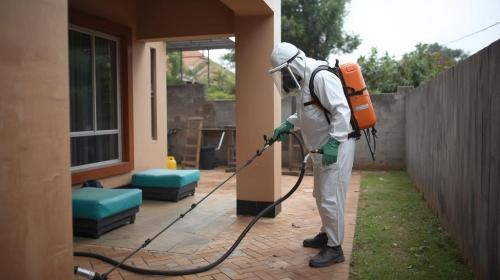
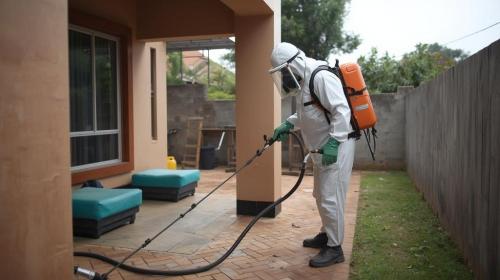
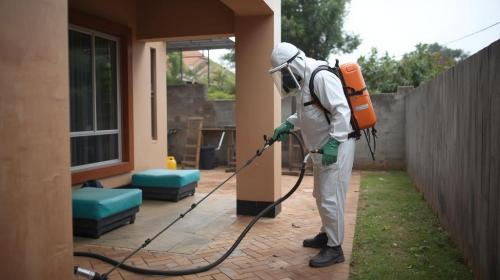
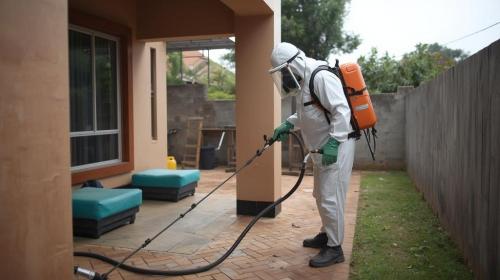
Fumigate on a schedule, not only after complaints. For busy Airbnb units and guest houses in Kenya, quarterly fumigation is a practical baseline. High-turnover units or properties in pest-prone areas may need treatment every two months. Coastal and lake region properties may need stronger mosquito prevention during rainy or humid periods.
Furnish for pest control. Avoid second-hand mattresses where possible. Use simple bed frames that are easy to inspect. Choose light-coloured bedding so marks are visible early. Reduce heavy rugs, fabric headboards, cluttered décor, and storage baskets that pests can hide in.
Control food and waste. Use bins with lids, empty them after every guest, clean behind appliances, wipe grease, and do not leave welcome snacks exposed. Fix leaks quickly because roaches and ants need water.
For apartments, work with building management. If roaches are coming from the garbage chute or shared drains, your unit will not stay pest-free unless common areas are treated too.
What to Do If a Guest Reports Pests
Respond quickly and calmly. Do not dismiss the complaint or accuse the guest of bringing the pest. Even if that might be possible, arguing usually makes the situation worse. Apologise, ask for photos where appropriate, and offer a practical solution.
For bedbugs, take the complaint seriously and block the calendar until the unit is inspected and treated. For cockroaches, send a cleaner or fumigator quickly, but also check drains, bins, and building common areas. For rodents, consider moving the guest if they feel unsafe. For mosquitoes, provide immediate support such as nets, repellent, coils, or room treatment where safe.
Document everything. Keep guest messages, photos, inspection notes, cleaning records, fumigation receipts, and certificates where issued. If the complaint goes to Airbnb, Booking.com, or a county office, records help show that you handled the issue responsibly.
When you need urgent support before the next guest checks in, The Real Plug can help users find vetted pest control professionals, fumigation experts, and service providers in Kenya. This is useful for hosts who need reliable help, fast response, and proper documentation.
How to Respond to a Bad Pest Review
If a pest review appears, do not argue publicly. A defensive response can make future guests trust you less. Respond calmly and professionally. Acknowledge the issue, state that it has been handled, and mention the preventive steps taken.
A good response might say that the property was inspected, professionally treated, and additional prevention measures were added. Keep it brief. Future guests want to see responsibility, not drama.
If the review is false or exaggerated, contact the platform with evidence. Fumigation records, inspection photos, cleaner reports, and recent pest control certificates can help. Removal is not guaranteed, but a documented case is stronger than just saying the guest lied.
After that, focus on getting fresh positive reviews. Good recent reviews help reduce the impact of one bad one.
Records and Certificates Matter
Hosts should keep pest control records as part of property management. Save receipts, fumigation certificates, service dates, provider contacts, inspection reports, and follow-up notes. For guest houses, serviced apartments, and licensed accommodation, these records may be useful during health inspections.
For Airbnb and other platforms, records help during disputes. If a guest complains but you fumigated recently and have inspection evidence, you can show that you had a prevention system in place. This does not mean every dispute will go your way, but it shows professionalism.
Records also help you spot patterns. If roaches appear every rainy season, schedule treatment earlier. If bedbug complaints increase after peak travel periods, inspect more often after those dates. If mosquitoes worsen after rains, improve drainage and fogging plans before the next season.
The Cost of Prevention Versus a Bad Review
A prevention plan may include quarterly fumigation, mattress encasements, door sweeps, sealed bins, mosquito nets, drain covers, and regular inspection. This may cost money, but it is predictable.
A pest complaint is unpredictable and often more expensive. You may lose bookings, issue refunds, replace bedding, pay for emergency fumigation, block the calendar, and spend weeks rebuilding ratings. For a popular unit in Westlands, Kilimani, Diani, or Naivasha, even a few empty nights can cost more than a full year of preventive pest control.
This is why serious hosts treat pest management like Wi-Fi, security, and cleaning. It is not optional. It supports the guest experience and protects the business.
Final Thoughts
Pest problems ruin Airbnb reviews Kenya hosts rely on because guests do not separate pests from cleanliness, safety, and management quality. Bedbugs make guests panic. Cockroaches create disgust. Rats create fear. Mosquitoes make stays uncomfortable, especially in coastal and lake regions. Even ants or dampness pests can make a property feel poorly maintained.
You cannot control every guest, every suitcase, or every neighbouring unit. But you can control your system. Inspect regularly, fumigate on schedule, furnish smart, manage waste, fix leaks, keep records, and respond fast when complaints come in.
In short-stay hosting, clean is not only what the eye sees. It is also what the guest does not see at midnight, under the mattress, behind the fridge, or inside the ceiling. Keep pests out of those spaces, and you protect not just your property, but your ratings, income, and reputation.