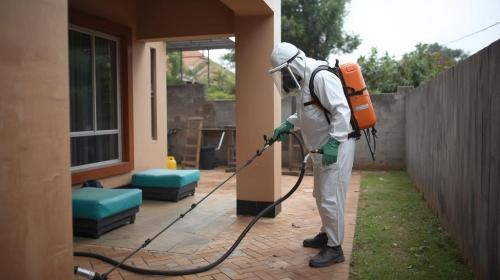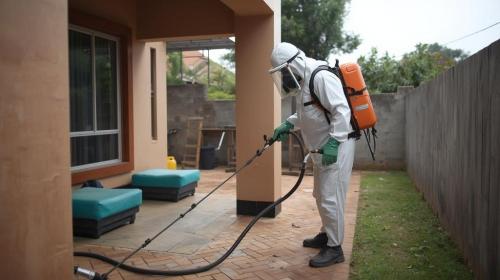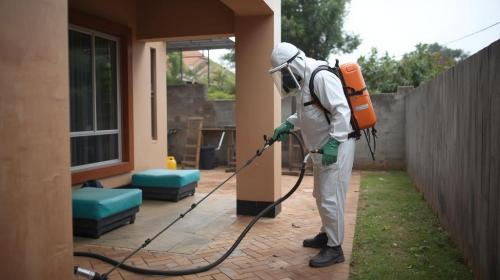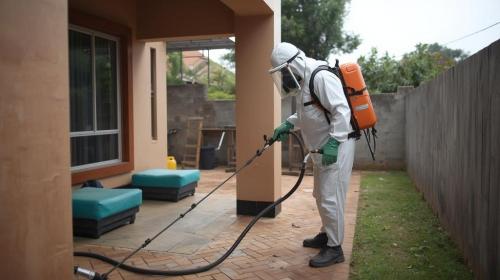


Starting a fumigation business in Kenya can feel straightforward at first. You buy a sprayer, get a few pest control products, post in estate WhatsApp groups, and wait for calls from people dealing with mende, kunguni, ants, mosquitoes, termites, or panya. But if you want to build a real business, not just chase small one-off jobs, you need a plan.
A fumigation business is not only about spraying. It is a regulated service that touches health, safety, food hygiene, property management, hospitality, and customer trust. A restaurant owner in Westlands will not hire you for monthly pest control if you cannot explain your process. An Airbnb host in Nyali will not trust you with a bedbug complaint if you have no record system. A landlord in South B will not give you a block contract if you look like you are guessing.
That is why a fumigation business plan Kenya beginners create should be practical, local, and realistic. It does not have to be a bulky document full of big words. It should clearly explain what services you offer, who you will serve, how much capital you need, how you will price your work, how you will market, how you will operate safely, and how the business will make money.
Why You Need a Business Plan Before You Start
Many small pest control businesses fail because the owner starts with tools but no direction. They buy a sprayer, print business cards, and charge whatever the client suggests. After a few months, they realise they are spending too much on transport, undercharging for jobs, losing clients because pests return, and missing better opportunities because they have no licence, records, or professional image.
A business plan helps you avoid that. It forces you to think through the market before spending money. Are you targeting homes, restaurants, Airbnbs, apartments, schools, supermarkets, or offices? Are you starting in Nairobi, Mombasa, Kisumu, Nakuru, Eldoret, Kiambu, or coastal towns? Are you doing general fumigation only, or will you also handle bedbugs, termites, mosquitoes, rats, and commercial contracts?
It also helps if you need funding, a partner, or a loan. Nobody serious will fund a vague idea that says “I will do fumigation.” They want to see numbers, target clients, risks, pricing, and a clear growth plan.
Kwa biashara, plan si mapambo. It is your road map.
Executive Summary: Explain the Business Clearly
Your executive summary is the first section of the business plan, but it should be short. One page is enough. It should explain what your business does, where it operates, who it serves, and why it will succeed.
Start with the business name and location. For example, you might write that your fumigation business is based in Nairobi and will serve areas such as South B, Kilimani, Westlands, Lang’ata, Kasarani, and nearby Kiambu estates. If you are in Mombasa, you may focus on Nyali, Bamburi, Mtwapa, Tudor, Likoni, and Kilifi.
Then explain the problem. Kenyan homes and businesses face pest problems that affect comfort, hygiene, property, health, reviews, and compliance. Bedbugs affect tenants and Airbnb hosts. Cockroaches affect restaurants and apartments. Mosquitoes affect coastal homes and guest houses. Termites damage timber and buildings. Rats affect shops, supermarkets, restaurants, and stores.
Next, explain your solution. You may offer residential fumigation, bedbug treatment, cockroach control, rodent control, termite inspection, mosquito control, restaurant pest contracts, Airbnb fumigation, and apartment block fumigation.
Also mention what makes you different. This could be licensed service, clear safety instructions, written reports, follow-up visits, fair pricing, fast response, experience with apartments, or focus on commercial clients. Do not exaggerate. Keep it believable.
Business Description and Legal Structure
This section explains how the business will be set up. You should state whether you will operate as a sole proprietorship, partnership, or limited company. A sole proprietorship may be easier for a beginner, but a limited company can look more professional when targeting tenders, schools, hotels, supermarkets, and corporate clients.
Include your business location and service area. Be realistic. If you are starting alone in Nairobi, do not claim you serve the whole country immediately. It is better to start with a clear area such as Nairobi and nearby towns, then expand later.
You should also include licensing and compliance plans. Pest control involves regulated products and public safety. Confirm current requirements with the Pest Control Products Board and relevant county offices before operating. Requirements, fees, and approval steps can change, so your plan should state that you will verify and follow current regulations.
Include county permits where applicable. Nairobi, Mombasa, Kiambu, Nakuru, Kisumu, and other counties may have different business permit requirements. If you plan to work with restaurants, hotels, schools, or supermarkets, compliance becomes even more important because these clients may ask for documentation.
Your mission and vision can be simple. For example, your mission may be to provide safe, reliable, and affordable pest control for Kenyan homes and businesses. Your vision may be to become a trusted pest control partner for apartments, restaurants, and short-stay rentals in your region.
Market Analysis: Know Who Will Pay You
A strong fumigation business plan should not say “everyone is my customer.” That sounds ambitious, but it is not useful. You need to identify specific customer groups and explain why they need your service.
Residential clients are the easiest place to start. These include tenants, homeowners, landlords, and caretakers dealing with cockroaches, bedbugs, ants, fleas, rats, and mosquitoes. Nairobi estates such as Pipeline, Umoja, Roysambu, Kahawa West, Donholm, South B, Kasarani, and Embakasi have steady demand because of high-density housing, shared drainage, tenant movement, and recurring pest issues.
Airbnb hosts and guest houses are another strong segment. Hosts in Kilimani, Westlands, Kileleshwa, Ruaka, Nyali, Diani, Naivasha, Nanyuki, and Kisumu need clean, pest-free spaces to protect reviews. One bedbug complaint can cost them refunds and future bookings, so preventive fumigation is valuable.
Restaurants and food businesses are important because they need hygiene and compliance. Cafés, hotels, bakeries, butcheries, mini-markets, and food kiosks cannot afford cockroaches, rats, flies, or weevils. They may need monthly pest control and service records.
Apartments and estates can provide bigger jobs. A landlord or management company may need quarterly fumigation for a whole block, including units, staircases, drains, garbage areas, and common spaces. This can be more profitable than chasing small jobs one by one.
Commercial clients such as offices, schools, supermarkets, warehouses, clinics, and stores may pay better, but they also expect professionalism, documentation, and reliability.
Competition Analysis: Understand the Market Around You
Your business plan should include competitors. Look at who already offers fumigation in your target area. There may be large established pest control companies, mid-sized local firms, and informal fundis advertising cheap services in estate groups.
Large companies may have strong brands and corporate clients, but they may be expensive or slow for small businesses. Informal operators may be cheap, but they may lack documentation, follow-up, or safety standards. Your opportunity may be to sit in the middle: professional enough for serious clients, but flexible and affordable enough for small restaurants, Airbnbs, landlords, and homes.
Your competitive advantage should be practical. You can compete through fast response, clear pricing, written instructions, follow-up visits, pest-specific treatment, good customer service, and local knowledge. For example, if you understand that bedbugs spread differently in Roysambu bedsitters than in Kilimani apartments, that local insight helps you serve clients better.
Do not build your strategy only around being cheap. Cheap clients can keep you busy but broke. Build around trust and results.
Services to Include in the Business Plan
List your services clearly. Avoid saying only “fumigation services.” Clients search for specific problems, so your services should match real needs.
You may include general house fumigation for cockroaches, ants, spiders, and common crawling insects. Bedbug treatment should be listed separately because it often needs inspection, mattress treatment, furniture treatment, preparation, and follow-up. Rodent control should include inspection, traps, bait stations, entry-point advice, and waste management recommendations.
Cockroach control may include gel baiting, residual treatment, drain treatment, and kitchen inspection. Mosquito control may include indoor treatment, outdoor fogging where appropriate, and advice on breeding-site removal. Termite treatment may include inspection, soil treatment, wood treatment, or referrals to a specialist if you are not yet trained for advanced termite work.
Commercial pest control can include monthly contracts for restaurants, supermarkets, mini-markets, guest houses, offices, schools, and warehouses. Airbnb pest control can include quarterly fumigation, bedbug inspection, certificate or report, and emergency response.
Be honest about what you can do well. If you are not trained in termites, do not pretend. You can start with common services and add specialised services later.
Pricing Strategy: Do Not Guess Your Prices
Pricing is where many beginners make mistakes. They charge low prices because they want clients, then realise they cannot cover chemical costs, transport, time, follow-up, protective gear, and profit.
Your business plan should explain how you will price jobs. Consider house size, pest type, infestation level, location, transport, products used, preparation needed, and whether follow-up is included. A bedsitter with mild ants should not cost the same as a two-bedroom with bedbugs in beds and sofas. A restaurant should not be priced like a home because it needs documentation, timing, and hygiene-sensitive treatment.
Create price ranges, but inspect or ask questions before giving a final quote. For example, you can have ranges for bedsitters, one-bedroom units, two-bedroom homes, three-bedroom homes, maisonettes, restaurants, shops, and offices. For termites, large compounds, warehouses, and block fumigation, quote after inspection.
Include packages. An Airbnb quarterly plan can include inspection, treatment, and report. A restaurant monthly plan can include cockroach control, rodent monitoring, drain checks, and service records. An apartment block package can cover common areas and units at a reduced per-unit rate.
Do not compete with random KSh 1,000 offers if your service is professional. Explain value. A restaurant paying for pest control is not just buying spray. It is protecting customers, inspections, and reputation.
Marketing and Sales Plan
A fumigation business will not grow if you wait for clients to find you. Your plan should explain how you will reach customers consistently.
Start with local visibility. Create a Google Business Profile so people searching for fumigation near them can find you. Use WhatsApp Business with your service list, operating hours, photos, and location. Create Facebook, Instagram, and TikTok pages, but use them professionally. Post real pest prevention tips, preparation guides, before-and-after cleaning where appropriate, and safety advice. Do not post clients’ private spaces without permission.
Caretakers and landlords can bring many residential jobs. Build relationships with them, especially in apartment areas. One caretaker in a busy block can introduce you to many tenants if your work is good.
Restaurants and cafés can be approached directly during slow hours. Carry a short service profile, proof of compliance where applicable, sample report, and clear pricing. Explain how monthly pest control helps with hygiene and inspections.
Airbnb hosts can be reached through host groups, referrals, property managers, and short-stay cleaning companies. Hosts need fast response and documentation, so position yourself around review protection.
Business directories and trusted platforms can also help. The Real Plug helps users find vetted professionals, service providers, and businesses in Kenya. Being visible on such platforms can help a fumigation business reach clients who are already searching for reliable service providers.
Operations Plan: How You Will Deliver the Work
Your operations plan explains how the business will run daily. This section should show that you can deliver safely, consistently, and professionally.
Start with the client process. A client calls or sends a message. You ask about location, property size, pest type, severity, children, pets, and previous treatment. You then decide whether to quote directly or inspect first.
Before treatment, you send preparation instructions. These may include removing food, utensils, baby items, pet bowls, toys, open water, bedding, or clothes depending on the pest. For bedbugs, preparation is more detailed. For restaurants, food safety preparation is critical.
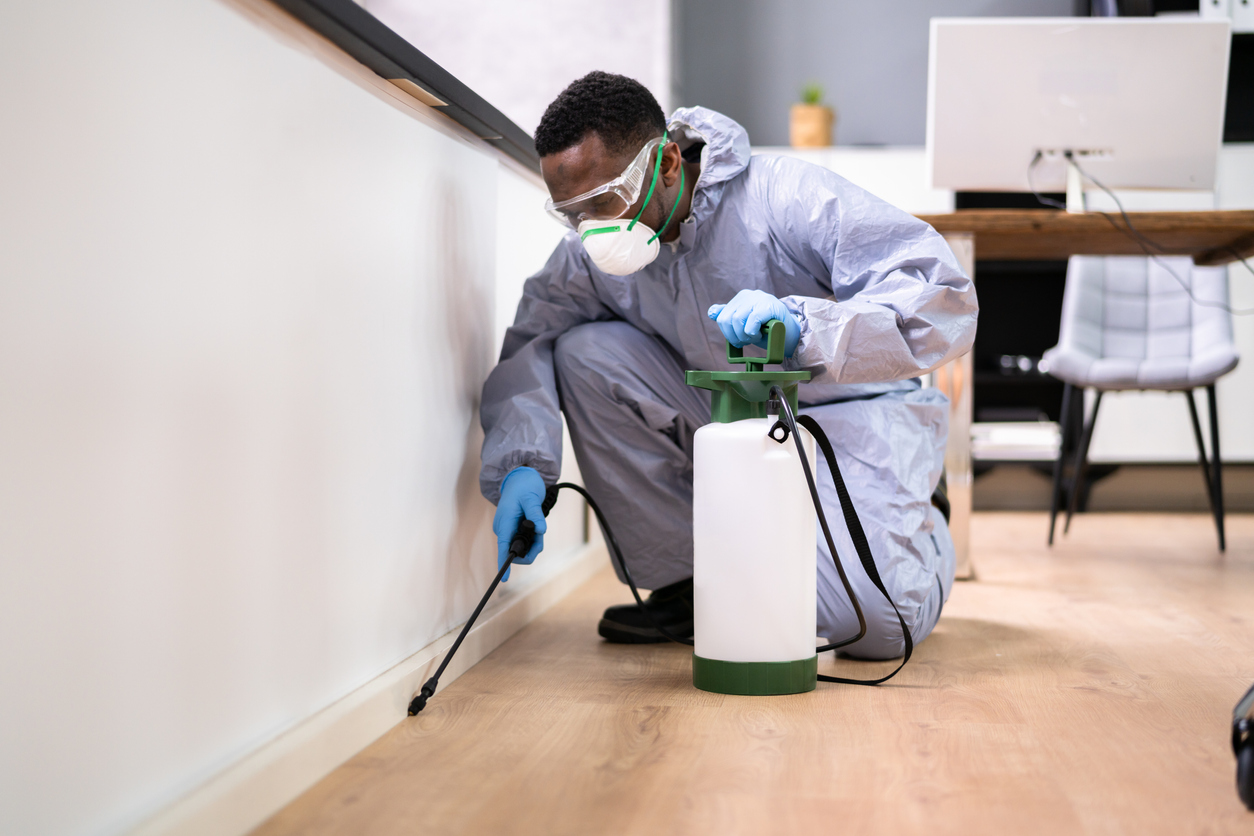
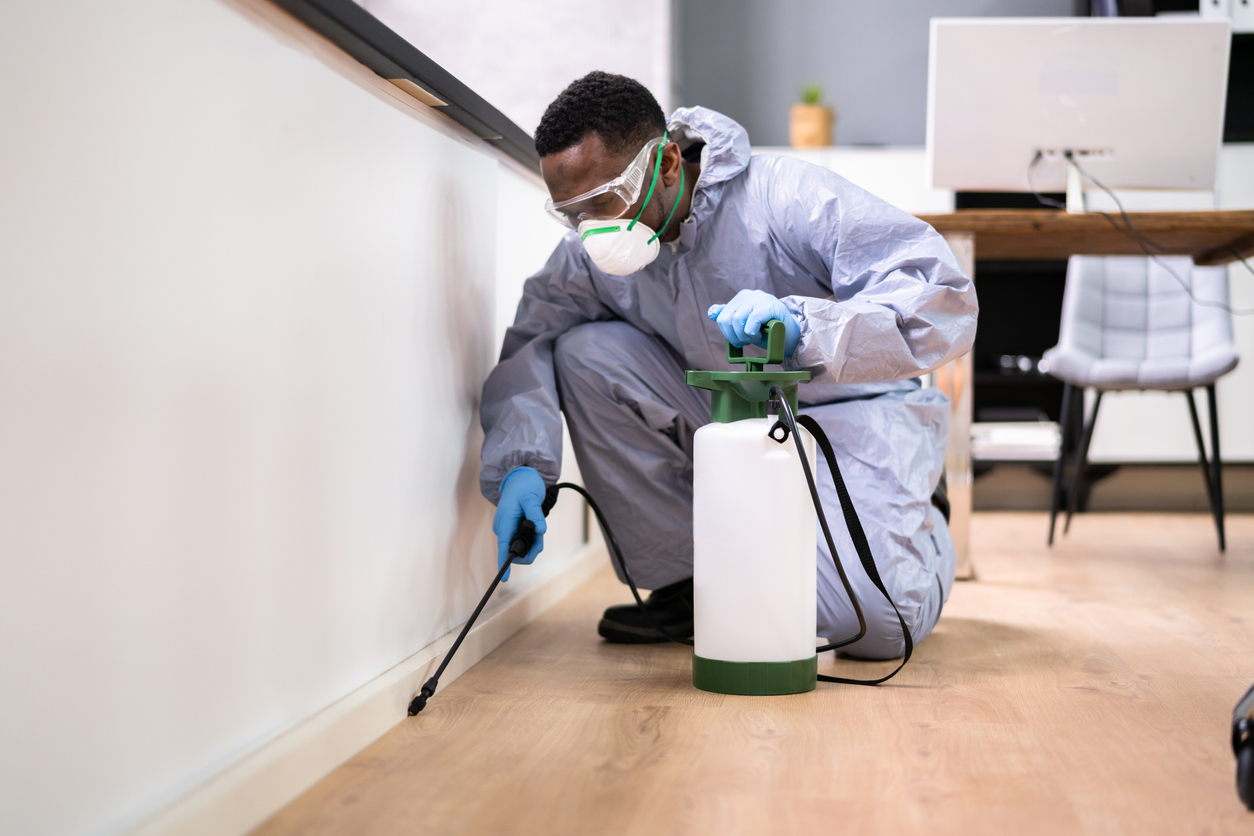
On the job, the technician should inspect, wear protective gear, mix products correctly, treat the right hiding places, and avoid careless spraying. After treatment, the client should receive re-entry instructions, ventilation advice, cleaning guidance, and follow-up details.
Include your working hours and emergency availability. Homes may prefer morning service. Restaurants may need after-hours treatment. Airbnbs may require quick work between checkout and check-in.
Also explain chemical storage, transport, and disposal. Products should be stored safely, away from children, food, and animals. Empty containers should be handled responsibly according to label and regulatory guidance.
Staffing Plan
If you start alone, say so. Many fumigation businesses begin as solo operations. You can handle calls, quoting, treatment, follow-up, and marketing. But your plan should show when you expect to hire.
A first employee may be a trained technician or assistant. They should understand safety, preparation, equipment handling, and customer service. Do not send untrained staff to clients’ homes or kitchens. They can damage your reputation quickly.
As you grow, you may need a technician, salesperson, admin assistant, or driver. Staff costs should be included in your financial projections. Also include training, uniforms, protective gear, and supervision.
A good staffing plan shows you are not just thinking about today’s job. You are planning for growth.
Equipment and Supplies Plan
List the equipment you need to start. This may include a knapsack sprayer, hand sprayer, bait gun, torch, measuring cylinders, mixing containers, overalls, gloves, goggles, boots, respirator or mask, storage boxes, labels, and record books.
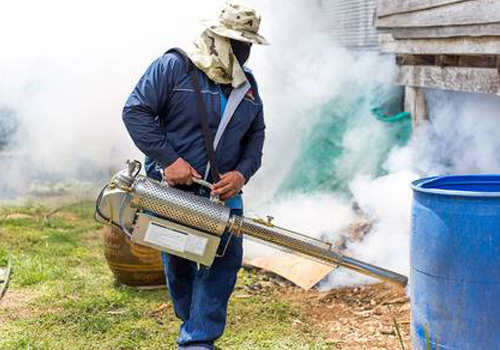
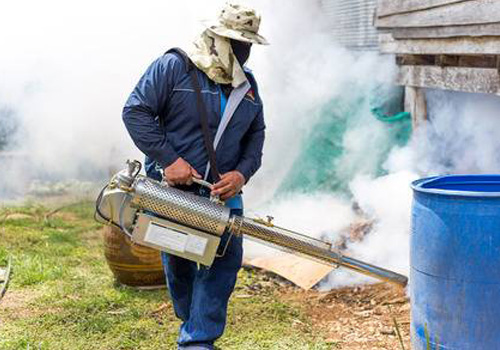
As the business grows, you may add fogging machines, steamers, rodent bait stations, ladders, inspection tools, and transport. Do not buy expensive machines too early unless you already have clients who need them.
List your product categories carefully. You may need products for cockroaches, bedbugs, ants, mosquitoes, rodents, fleas, and termites depending on your services. Buy from reputable suppliers and use products suitable for the intended environment.
Your plan should include stock control. Record what you buy, how much you use, and which products work well. This helps with pricing and prevents wastage.
Financial Plan: Capital, Costs, and Revenue
The financial plan is one of the most important sections. It should show how much capital you need, what the money will buy, your monthly costs, expected revenue, and when you may break even.
Startup costs may include registration, training, licences or permits, equipment, protective gear, chemicals, branding, printing, insurance, transport setup, phone costs, and working capital. Be realistic and verify current fees before finalising the plan.
Monthly operating costs may include chemical replacement, transport, airtime, internet, marketing, equipment maintenance, rent or storage if applicable, staff wages, insurance, and permit renewals spread across the year.
Revenue projections should be practical. For example, you can estimate income from residential jobs, restaurant contracts, Airbnb quarterly plans, and commercial jobs. Do not assume you will get big contracts immediately. Start with conservative numbers, then show growth over 12 months.
Your break-even analysis should show how many jobs you need to recover startup capital. If you invest a certain amount, how many residential jobs or commercial contracts will it take to recover it after expenses? This helps you price properly and set monthly targets.
Risk Management Plan
Every fumigation business has risks. Your business plan should show how you will manage them.
Legal and compliance risk is one. You reduce it by confirming current requirements, getting proper permits, using approved products, and keeping records.
Safety risk is another. You reduce it through training, protective gear, correct dilution, clear re-entry instructions, proper storage, and insurance where possible.
Reputation risk is serious. If pests return, clients may say you are a scam. Manage this by explaining expectations, offering follow-up where needed, documenting work, and not overpromising. Do not claim that one visit will permanently solve every pest problem.
Payment risk also matters. Some businesses delay payment. Use written quotes, deposits for new clients, and clear payment terms. Avoid doing large jobs without agreement.
Operational risk includes equipment failure, transport delays, staff mistakes, and chemical stockouts. Keep backup tools, plan routes well, and manage inventory.
Growth Plan
A beginner business plan should include growth stages. In year one, you may focus on residential jobs, Airbnbs, and small restaurants in one city. In year two, you may hire a technician, add equipment, and target apartment blocks, offices, and guest houses. In year three, you may expand to another town, tender for schools, or specialise in termite control or commercial pest management.
Growth should be based on systems, not excitement. Do not expand to Mombasa, Kisumu, and Nakuru before you can serve Nairobi well. Do not hire staff before you have enough repeat work. Do not buy a vehicle before you know the business can support fuel, insurance, repairs, and loan payments.
A clear growth plan helps you reinvest profit wisely.
Common Mistakes Beginners Should Avoid
One common mistake is writing a plan that is too general. “We will serve everyone in Kenya” is not a plan. Pick a starting area and client segment.
Another mistake is ignoring licensing and safety. Fumigation is not like selling shoes. You are handling products that can affect people, pets, food, and property. Compliance and training are part of the business.
Many beginners also underprice jobs. Low prices may bring calls, but they can trap you in unprofitable work. Price based on real costs and value.
Some people spend too much on equipment and too little on marketing. A fogging machine will not bring clients by itself. You need visibility, referrals, reviews, and relationships.
Others promise too much. Be honest with clients. Bedbugs may need follow-up. Roaches may return if drains and hygiene are poor. Rodents need sealing, not just bait. Honest communication builds trust.
Final Thoughts
A fumigation business plan Kenya beginners use should be clear, practical, and grounded in the real market. It should explain your services, target clients, legal structure, compliance plan, pricing, marketing, operations, startup costs, revenue projections, risks, and growth path.
You do not need a 40-page document full of complicated language. You need a plan that helps you make better decisions. Who will you serve first? How much will you charge? What equipment do you need now? How will you win repeat clients? How will you stay safe and compliant? How will you grow without wasting money?
Fumigation can become a strong business in Kenya because pests affect homes, apartments, restaurants, supermarkets, Airbnbs, schools, offices, and hotels every day. But the people who succeed are not just the ones with sprayers. They are the ones with systems.
Plan properly, start professionally, serve clients well, and keep improving. That is how you move from small jobs to real contracts, and from a hustle to a business people trust.