

Running an Airbnb in Nairobi or Mombasa looks simple from the outside. A guest checks out, the cleaner comes in, bedsheets are changed, floors are wiped, and the next guest arrives a few hours later. But any serious host knows there is more going on behind the scenes. One cockroach in a Kilimani kitchen, one bedbug complaint in Nyali, or mosquitoes disturbing a guest in Bamburi can undo months of good reviews.
Short-stay rentals need a stronger pest control routine than ordinary homes. You are not only keeping the space clean for yourself. You are protecting ratings, bookings, guest comfort, and income. A normal household can decide to fumigate when pests appear. An Airbnb host does not have that luxury. By the time a guest sees pests, the damage may already be done.
That is why a practical fumigation checklist Airbnb Nairobi Mombasa hosts can follow is important. Nairobi and Mombasa both have busy short-stay markets, but their pest problems are not exactly the same. Nairobi hosts often deal with bedbugs, cockroaches, ants, and rodents linked to high-density apartments, shared drainage, guest movement, and seasonal weather. Mombasa hosts must also manage humidity, mosquitoes, termites, drain roaches, and coastal dampness almost throughout the year.
The best approach is not panic fumigation after a bad review. It is a regular system that covers daily cleaning, weekly inspection, monthly checks, quarterly professional fumigation, and fast action when guests report pests.
Why Airbnb Pest Control Is Different From Home Pest Control
An Airbnb or short-stay apartment has more movement than a private home. Guests arrive with suitcases, backpacks, clothes, food bags, beach towels, shoes, and personal items from many different places. Some have just come from another hotel, hostel, bus station, airport, or safari lodge. Without knowing it, they can bring bedbugs, fleas, cockroach eggs, or other pests into your unit.
The cleaning window is also short. In many Nairobi and Mombasa Airbnbs, checkout is around 10 a.m. and check-in may be from 2 p.m. That gives only a few hours to clean, inspect, restock, ventilate, and fix any problem. If pests are found during that window, there may not be enough time for proper fumigation before the next guest arrives.
Reviews make the pressure worse. A guest who sees a cockroach will not care that the building’s garbage chute is the source. A guest bitten by bedbugs will not care that the previous guest may have brought them. They will judge the unit, the host, and the stay. Kwa Airbnb, perception is business.
Nairobi and Mombasa Have Different Pest Patterns
Nairobi’s pest problems are strongly linked to estate density, building design, drainage, and tenant movement. In areas like Roysambu, Kilimani, Westlands, South B, Kasarani, Ruaka, Syokimau, and Kilimani, Airbnbs in apartment blocks may experience cockroaches from shared drains, bedbugs from guest luggage, ants during dry seasons, and rodents in ground-floor units or older buildings.
Mombasa has a different challenge. Warmth and humidity make pests active for much of the year. In Nyali, Bamburi, Tudor, Mtwapa, Shanzu, Diani, and Likoni, hosts often deal with mosquitoes, termites, cockroaches from drains, ants, silverfish, dampness-related pests, and rats in roof spaces or compounds.
Because of these differences, the checklist for a Nairobi Airbnb should focus heavily on bedbug inspection, cockroach control, shared building pest routes, and guest turnover. The checklist for a Mombasa Airbnb should add stronger mosquito control, termite inspection, humidity management, and drain maintenance.
Daily and Between-Guest Checklist
Every turnover should include a quick pest inspection, not just cleaning. The cleaner or host should check the bed first. Look at mattress seams, bed frame joints, headboards, bedside tables, sofa corners, curtain folds, and wall cracks near the sleeping area. Bedbug signs may look like tiny black spots, rusty stains, shed skins, or small insects hiding in seams.
In the kitchen, check under the sink, behind the fridge, around the cooker, inside cabinets, near the dustbin, and around drains. Cockroach droppings may look like black specks or ground coffee. If there are egg cases, dead roaches, or a musty smell, do not ignore it.
All bins should be emptied after every guest. This includes bathroom bins and small bedroom bins. Food waste, takeaway containers, fruit peels, sugar spills, and crumbs under sofa cushions can attract ants and cockroaches quickly. In Mombasa, ants can show up very fast when sugar, juice, or fruit is left exposed.
Bathrooms should be checked for dampness, drain smell, and insects around floor traps. In coastal homes, check for stagnant water in buckets, containers, balcony items, and plant trays. Mosquitoes do not need much water to breed.
Ventilation should be part of every turnover. Open windows where safe, run fans, dry wet mats, and avoid leaving damp towels or mops inside. In Mombasa, dampness can attract silverfish, roaches, and mould-related pests. In Nairobi’s colder months, poorly aired rooms can also feel musty and uncomfortable.
Weekly Checklist for Hosts and Cleaners
Once a week, do a deeper check even if there are no complaints. Pull out the fridge and cooker where possible and clean behind them. Cockroaches love warm appliance areas. If you find droppings, egg cases, or live roaches, schedule treatment before guests start noticing them.
Check all fabric items. Shake out cushions, throws, rugs, curtains, and sofa covers. Too many decorative fabrics may look nice in listing photos, but they create hiding places for bedbugs and fleas. In coastal homes, sunning cushions and rugs can help reduce damp smells and discourage pests.
Inspect balconies, verandas, and compounds. In Nairobi apartments, check whether garbage is piling near the block or whether drains are open. In Mombasa and coastal rentals, look for standing water in flower pots, old containers, gutters, and balcony corners. A guest may not see the source, but they will feel the mosquitoes at night.
Check doors and windows. Door gaps allow cockroaches, ants, mosquitoes, and rodents to enter. In Mombasa, window screens are very important. If your screens have holes, guests will complain about mosquitoes even if the room is clean. In Nairobi, door sweeps can help reduce cockroaches and rodents in ground-floor units.
Monthly Checklist for Airbnb Pest Prevention
Monthly inspection is where serious hosts catch problems before guests do. Strip all beds completely and inspect mattresses, mattress protectors, bed frames, headboards, and wall areas behind the bed. Use a torch. Bedbugs hide in small dark spaces, so a casual glance is not enough.
Inspect sofas and chairs, especially seams and corners. If your unit has a sofa bed, inspect it even more carefully because guests sleep there and it may be folded often. Check behind wall art, curtains, wardrobes, luggage racks, and bedside furniture.
Treat drains as part of monthly maintenance. Clean bathroom and kitchen drains, remove hair and debris, and use appropriate cleaning products safely. In older Nairobi buildings and many coastal homes, drain roaches can be a recurring issue. Drain covers should fit well.
In Mombasa, Kilifi, Diani, and other humid areas, inspect wood monthly. Tap door frames, skirting boards, cabinets, and wooden furniture. Look for hollow sounds, mud tubes, powder, wings, or soft timber. Termites can damage coastal homes quickly if ignored.
Also check building management issues. If your Airbnb is in an apartment block, ask whether garbage chutes, bin areas, basements, corridors, and drains are being treated. Your unit cannot stay pest-free if the common areas are breeding pests.
Quarterly Professional Fumigation Checklist
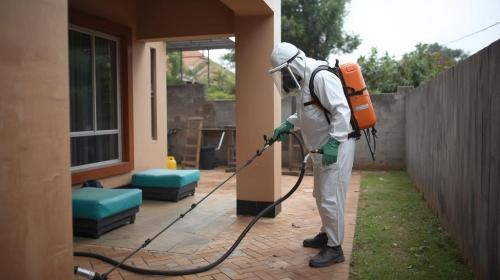
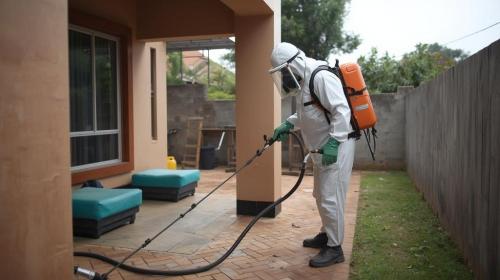
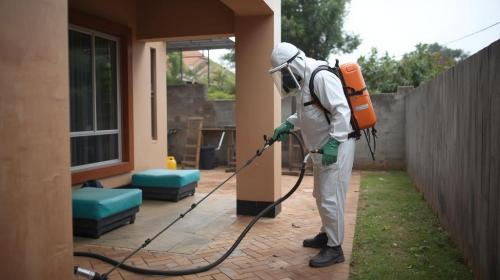
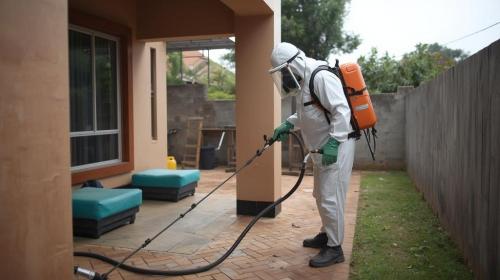
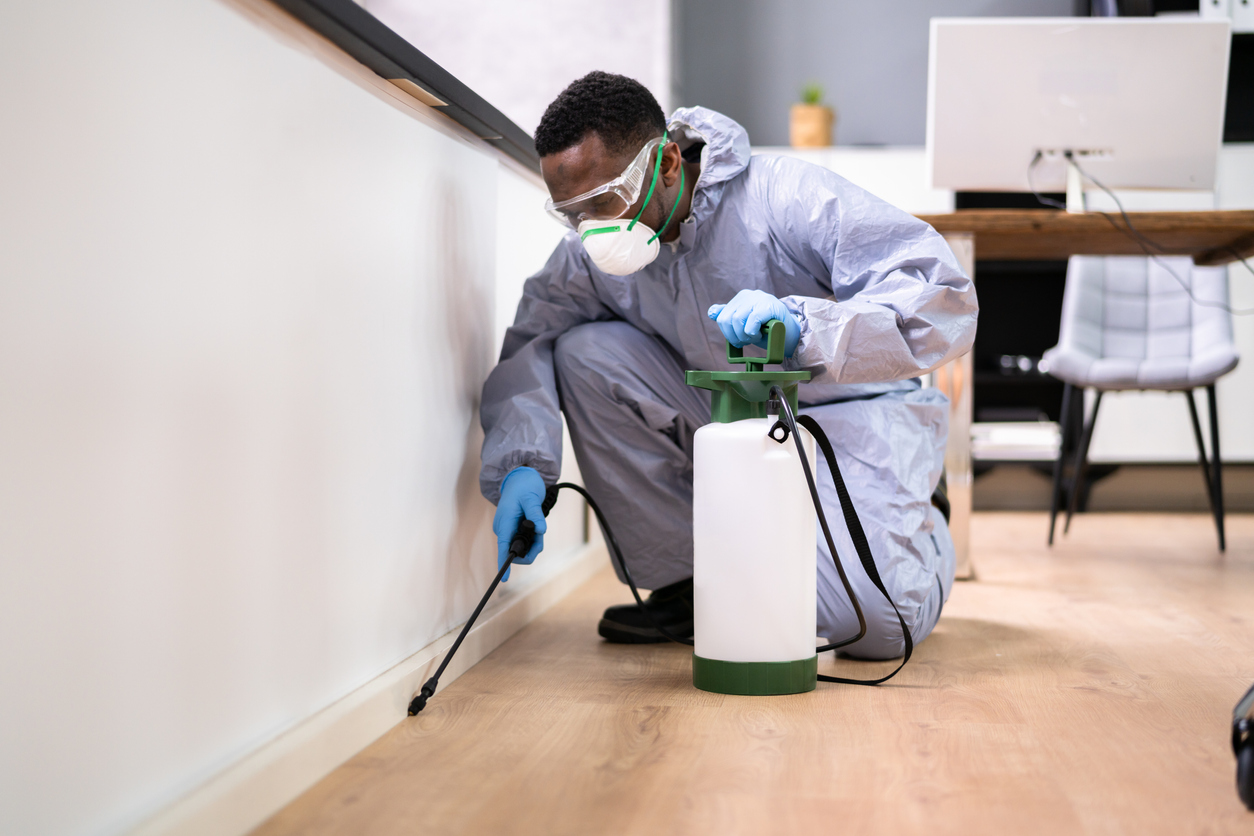
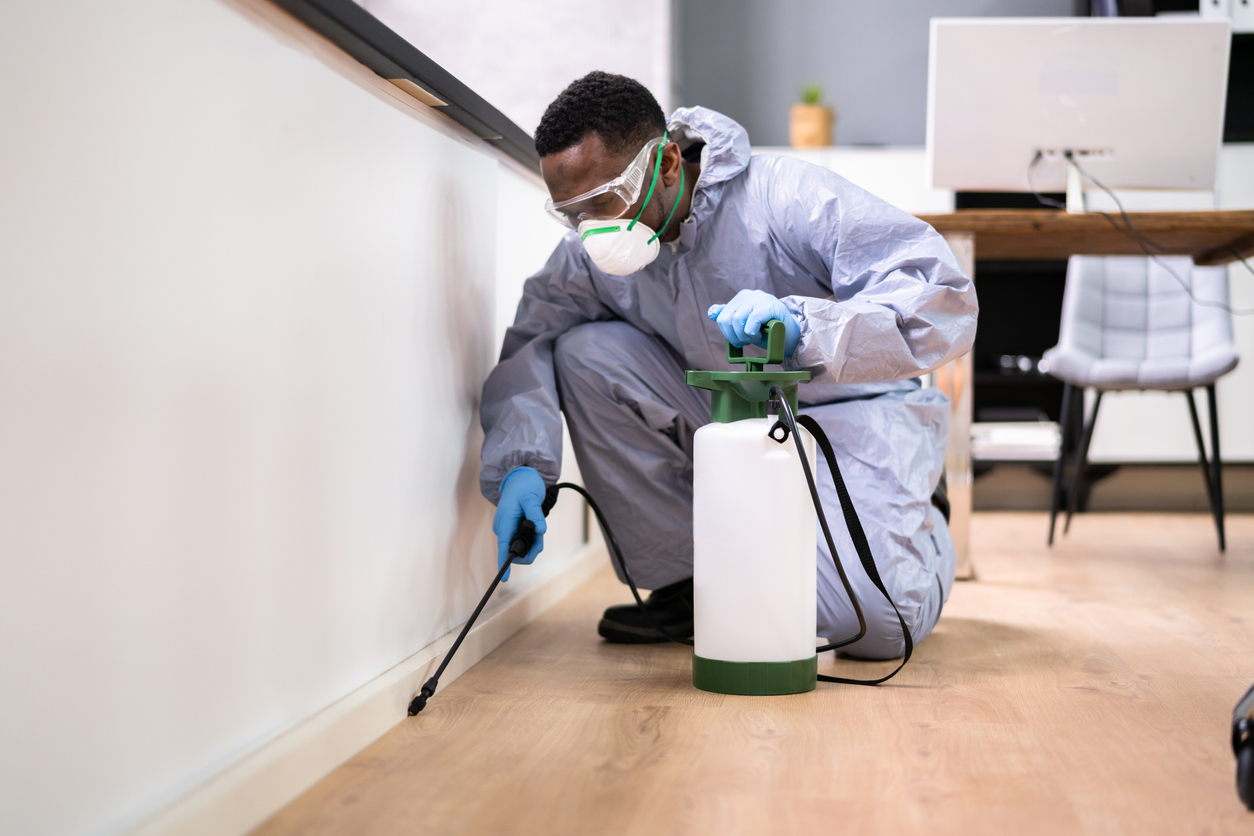
For active Airbnb units in Nairobi and Mombasa, professional fumigation every three months is a smart baseline. This does not mean the unit is dirty. It means the unit receives many guests, and prevention protects your reviews.
Before fumigation, block enough time on your calendar. Do not schedule treatment one hour before check-in. The unit needs preparation, treatment time, drying time, ventilation, and cleaning of food-contact surfaces. For many treatments, you may need at least several hours before re-entry is safe.
Prepare the unit properly. Remove food, utensils, baby items if provided, toiletries, open water, guest snacks, and anything exposed on counters. Open cabinets if cockroach treatment is needed. Strip beds if bedbug prevention or inspection is part of the service. Move furniture slightly away from walls where necessary.
Tell the fumigator that the property is a short-stay rental. This matters because you need methods that are effective, safe, low-odour where possible, and suitable for fast guest turnover. In Nairobi apartments, ask about bedbug inspection, cockroach baiting, drain treatment, and shared pest routes. In Mombasa, ask about mosquito control, termite checks, drain roaches, humidity-related pests, and outdoor areas.
Always get documentation. Ask for a receipt, service report, or fumigation certificate where available. It should show the date, provider details, pest treated, and any follow-up instructions. These records are useful if a guest complains or if a guest house inspection requires proof of pest control.
Follow-Up Treatment for Bedbugs and Cockroaches
Some pests need follow-up. Bedbugs can hatch after the first treatment. German cockroaches can survive if egg cases or hidden nests remain. Fleas can reappear from carpets, rugs, sofa corners, or pet areas.
If the fumigator recommends a follow-up after several days or around two weeks, take it seriously. Do not skip it because the unit looks clean after the first treatment. The follow-up is often what breaks the cycle.
For Airbnb hosts, follow-up should be planned around bookings. It may be better to block one extra day than risk another guest complaint. Losing one night is painful, but losing your rating is worse.
If you need a reliable provider who understands short-stay timelines, The Real Plug can help users find vetted fumigation professionals, pest control experts, and service providers in Kenya. This is useful for hosts who need proper timing, documentation, and fast response between check-out and check-in.
Emergency Checklist When a Guest Reports Pests
If a guest reports pests, respond immediately. Do not argue, blame the guest, or delay until morning if the issue is serious. Apologise, ask for photos where appropriate, and explain that you are arranging inspection or treatment.
For a single cockroach sighting, send a cleaner or technician quickly to inspect and handle the issue. Also check drains, bins, under the sink, and behind appliances. For multiple cockroaches, block the next booking and call a professional.
For bedbugs, treat the complaint as urgent. Offer support to the guest, block the calendar, inspect the unit, and call a fumigator. Do not host another guest until the room is treated and checked. Wash bedding and curtains where needed, inspect sofas, and follow up as advised.
For mosquitoes in Mombasa, Diani, Kilifi, or Kisumu, check nets, screens, stagnant water, and repellents. If the net is torn, replace it immediately. If outdoor areas are the source, arrange fogging or compound treatment where appropriate.
For rats or mice, move the guest if they feel unsafe. Inspect ceilings, stores, kitchen areas, and entry points. Avoid careless indoor poison use because a dead rat in a wall or ceiling can create a smell that affects future bookings.
Document everything. Keep photos, receipts, messages, cleaning notes, and fumigation records. If the guest leaves a complaint on Airbnb or another platform, your records help show that you responded responsibly.
Furnishing Checklist to Reduce Pest Risk
Design choices can make pest control easier or harder. Use simple bed frames that are easy to inspect. Metal frames or smooth wooden frames are often easier to manage than heavy upholstered beds. Avoid fabric headboards if possible because bedbugs love seams and folds.
Use mattress encasements from the beginning. They help protect mattresses and make inspection easier. Choose light-coloured sheets because stains and bedbug marks are easier to spot.
For sofas, leather, vinyl, or washable covers are easier to manage than thick fabric. If you use rugs, keep them minimal and washable. In Mombasa, avoid too many rugs because humidity can make them musty and pest-friendly.
Provide sealed food containers if guests cook. Use bins with tight lids. Install door sweeps and window screens. Seal cracks around pipes, cabinets, skirting boards, and bathroom areas. In coastal properties, use screens and nets seriously. Mosquito prevention is part of guest comfort, not an extra.
Guest Pest Kit Checklist
A small guest pest kit can prevent complaints and show preparedness. In Mombasa and coastal rentals, provide mosquito repellent, coils or safe alternatives where appropriate, a working mosquito net, and instructions on keeping doors and windows closed in the evening.
In Nairobi units, you may provide a small insect spray, but ask guests to notify you if they see pests. You do not want guests spraying randomly while a hidden infestation grows. A polite note can say that the host should be contacted immediately if any pest is noticed so the issue can be handled properly.
Keep the kit neat and professional. Guests should feel cared for, not like they have entered a pest-prone house.
Documentation Checklist for Hosts
Keep a digital or physical pest control folder. It should include fumigation certificates or receipts from the last twelve months, provider contacts, service dates, follow-up dates, pest complaints, photos, inspection records, and communication with building management.
If you manage several units, record each property separately. This helps you identify patterns. Maybe one building has recurring roaches because of the garbage chute. Maybe one coastal unit has mosquitoes after every rainy week. Maybe one sofa keeps attracting bedbugs because it has too many seams.
Good records protect you in disputes and help you make better decisions. They also show professionalism if county officials, platform support, landlords, or guests ask questions.
City-Specific Tips for Nairobi Hosts
Nairobi hosts should pay close attention to apartment-related pest routes. Cockroaches may come through shared drainage, chutes, and neighbouring units. Bedbugs may arrive through guest luggage or spread from nearby units. Ants may appear during dry seasons, while rats may affect ground-floor units, older buildings, and properties near food businesses.
Before the long rains and short rains, inspect drains, garbage areas, and building common spaces. In high-density areas such as Roysambu, Kasarani, Pipeline, and Umoja, fumigation may need coordination with management or neighbours if pests are recurring.
For premium apartments in Kilimani, Kileleshwa, Westlands, and Lavington, do not ignore garbage chutes, basements, and service ducts. A spotless unit can still get roaches if the building is not managed well.
City-Specific Tips for Mombasa Hosts
Mombasa hosts need to manage humidity all year. Ventilation, drying, and moisture control are just as important as fumigation. Check for damp wardrobes, silverfish, termites, mosquitoes, drain roaches, and roof pests.
Mosquito nets and screens should be checked regularly. Guests in Nyali, Bamburi, Shanzu, Mtwapa, Diani, and Kilifi expect mosquito protection. Do not wait for complaints before replacing torn nets.
Termite inspection should be routine, especially for properties with wooden doors, cabinets, makuti features, ceiling timber, or garden structures. Coastal termites can damage wood quickly when moisture is present.
Outdoor areas matter. Clear stagnant water, trim vegetation, keep bins closed, and check gutters often. The compound can ruin the unit if it is ignored.
Final Thoughts
A fumigation checklist Airbnb Nairobi Mombasa hosts can follow is not about making hosting complicated. It is about protecting your guests, reviews, and income. Pests are easier to prevent than to explain after a bad review.
Daily turnover checks catch early signs. Weekly cleaning removes food, moisture, and hiding places. Monthly inspections help find bedbugs, roaches, termites, and drainage issues before guests do. Quarterly professional fumigation keeps the unit ahead of breeding cycles. Emergency response protects your reputation when something slips through.
Nairobi hosts should focus on bedbugs, cockroaches, shared building pest routes, and seasonal changes. Mombasa hosts should add stronger mosquito control, termite checks, and humidity management. Both cities need records, reliable providers, and cleaners trained to inspect, not just wipe surfaces.
In short-stay hosting, pests do not just affect cleanliness. They affect trust. Build the checklist into your routine, and you give guests what they really booked: a comfortable, clean, peaceful stay without unpleasant surprises.