

In many Kenyan homes, rentals, restaurants, schools, and offices, the words cleaning, disinfection, fumigation, and pest control are often used as if they mean the same thing. A tenant moves out of a one-bedroom in Embakasi and leaves the house dirty with cockroaches. The landlord says the house needs fumigation. Someone else says it needs disinfection. Another person says a cleaner will sort everything. By the end of the discussion, nobody is sure what service is actually needed.
This confusion is common because all these services deal with making a space healthier, safer, or more comfortable. They can also overlap in real life. A house with bedbugs may need cleaning before treatment. A restaurant with cockroaches may need both deep cleaning and pest control. A school dormitory may need disinfection after cleaning, but still require bedbug treatment if pests are present.
Still, these services are not the same. Cleaning removes dirt. Disinfection targets germs. Fumigation targets pests using specific treatment methods. Pest control is the wider process of managing pests through inspection, prevention, treatment, and follow-up.
Understanding the difference between cleaning, disinfection, fumigation, and pest control helps homeowners, tenants, landlords, Airbnb hosts, and business owners hire the right provider and avoid wasting money on the wrong service.
Why Kenyans Often Confuse These Services
In everyday conversation, many people use the word fumigation for almost any service involving spraying. If someone sprays a house with disinfectant, some clients call it fumigation. If a cleaner mops a vacant rental with Jik, a landlord may tell the next tenant the house has been fumigated. If a pest control technician sprays for cockroaches, the client may assume the house has also been disinfected.
Service providers also contribute to the confusion. Some advertise “cleaning, fumigation, and disinfection” as one package without explaining what each part includes. Others use one sprayer for everything and make broad promises. The client pays, but the real problem remains.
For example, disinfecting a mattress will not remove bedbugs hiding inside its seams. Cleaning a greasy kitchen may reduce food sources for cockroaches, but it may not kill the colony hiding behind the fridge. Fumigating a dirty restaurant may kill some pests, but if grease, food waste, and open bins remain, the pests can return.
The issue is not always that the service failed. Sometimes the wrong service was requested in the first place.
What Cleaning Means
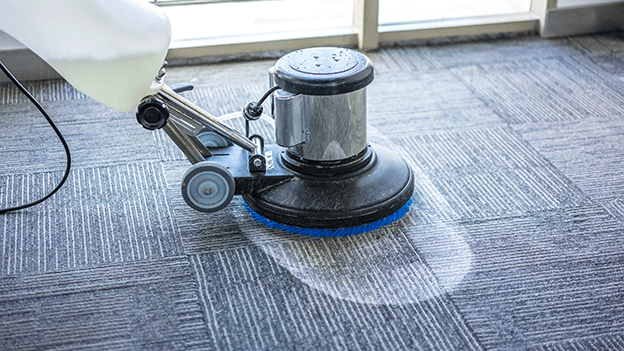
Cleaning is the removal of visible dirt, dust, stains, grease, food waste, rubbish, and general mess from a space. It uses water, soap, detergents, degreasers, brooms, mops, brushes, vacuum cleaners, and cleaning machines.
Cleaning is what happens when a house is washed after a tenant moves out. It is what a cleaner does in an Airbnb before the next guest checks in. It is what restaurant staff do when they scrub floors, wipe counters, wash dishes, and remove food waste.
Cleaning improves appearance, smell, hygiene, and comfort. It can also reduce pest pressure indirectly. When you remove crumbs, grease, stagnant water, and waste, you reduce what cockroaches, ants, flies, and rats feed on.
But cleaning does not necessarily kill germs at a reliable level, and it does not eliminate hidden pests. If a bedsitter in Githurai has bedbugs inside the bed frame and sockets, mopping the floor will not solve the problem. If a café in Nakuru has cockroaches breeding behind equipment, wiping the counter will not remove them.
Cleaning is often the first step. It prepares the space for disinfection or pest treatment. Disinfectants work better on clean surfaces. Pest control products also work better when clutter, food waste, and grease are reduced.
What Disinfection Means
Disinfection is the use of approved chemical agents or methods to kill or reduce harmful microorganisms such as bacteria, viruses, and fungi on surfaces. The goal is disease prevention, not pest removal.
Disinfection became more familiar to many Kenyans during the COVID period, when offices, matatus, schools, malls, and public spaces paid more attention to surfaces such as door handles, desks, counters, toilets, and shared equipment. But disinfection is also useful after floods, sewage contamination, illness in shared spaces, or when preparing sensitive areas such as clinics, schools, food premises, and accommodation facilities.
Disinfection should usually happen after cleaning. A dirty surface with grease, soil, or organic matter may prevent disinfectants from working properly. You clean first, then disinfect.
It is important to understand what disinfection cannot do. It does not kill bedbugs hiding in mattress seams. It does not remove cockroach colonies behind cabinets. It does not control rats, termites, ants, or mosquitoes. A disinfectant may make a toilet or kitchen surface safer from germs, but it is not a pest control product.
So, if a hostel in Thika has bedbugs, disinfection alone will not solve the issue. If a restaurant in Westlands has cockroaches, disinfecting the counters may help hygiene, but pest control is still needed.
What Fumigation Really Means
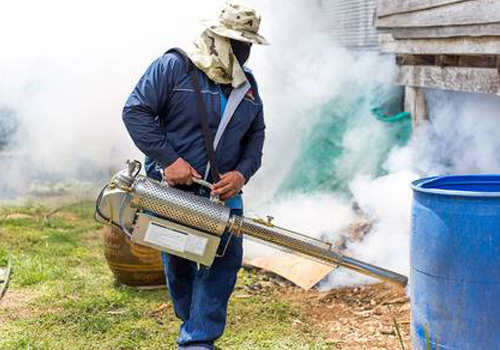
In Kenya, the word fumigation is used loosely. Many people use it to mean spraying for pests. Technically, fumigation refers to a pest control method where a fumigant, often a gas or vapour, is used in an enclosed area to kill pests. True fumigation is more common in specialised settings such as grain stores, containers, warehouses, export goods, or controlled commercial environments.
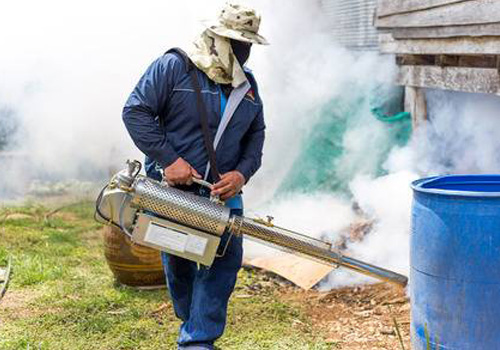
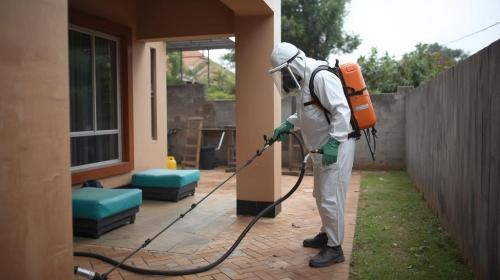
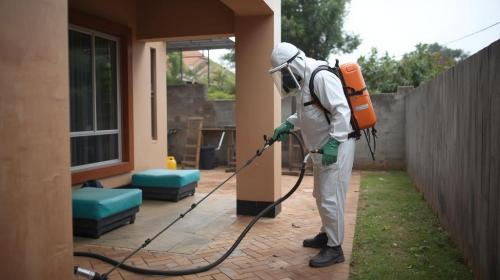
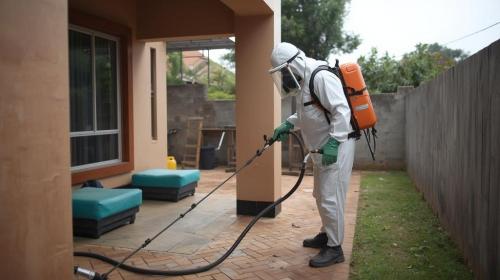
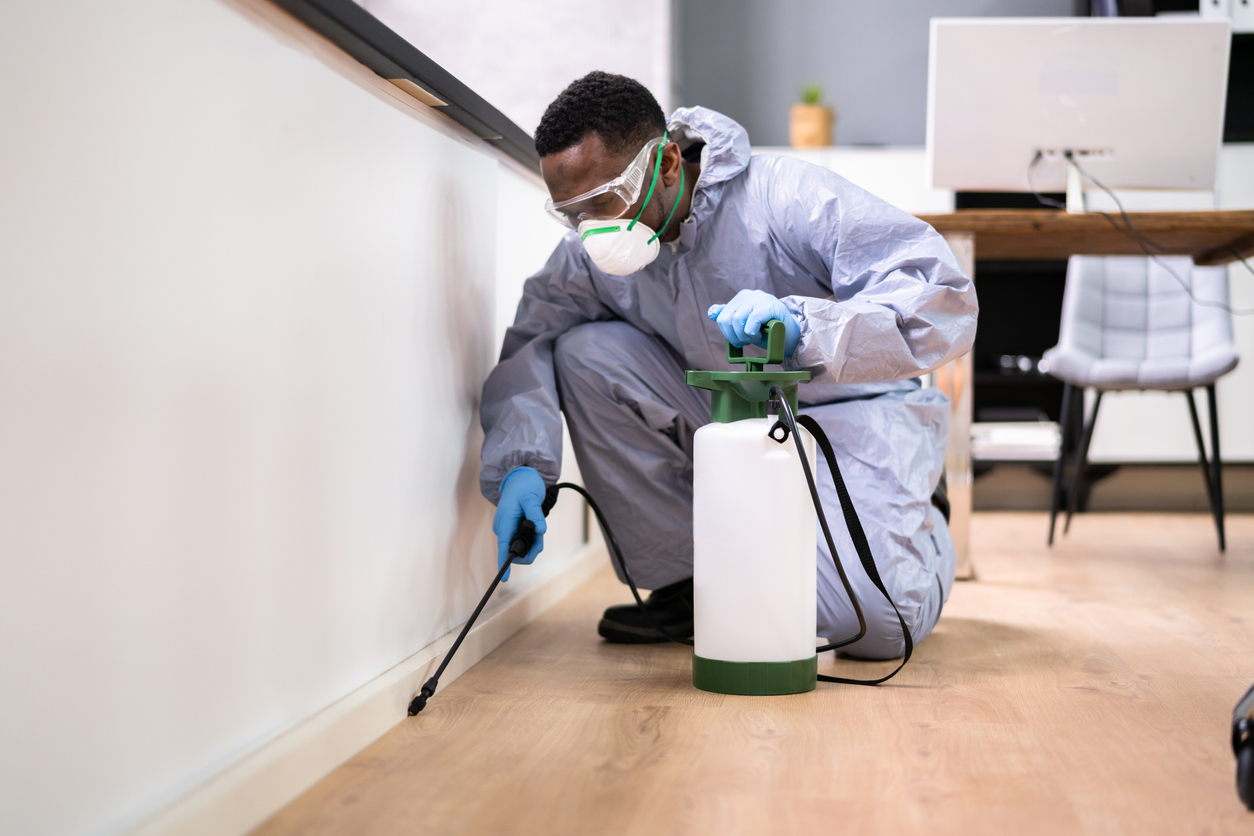
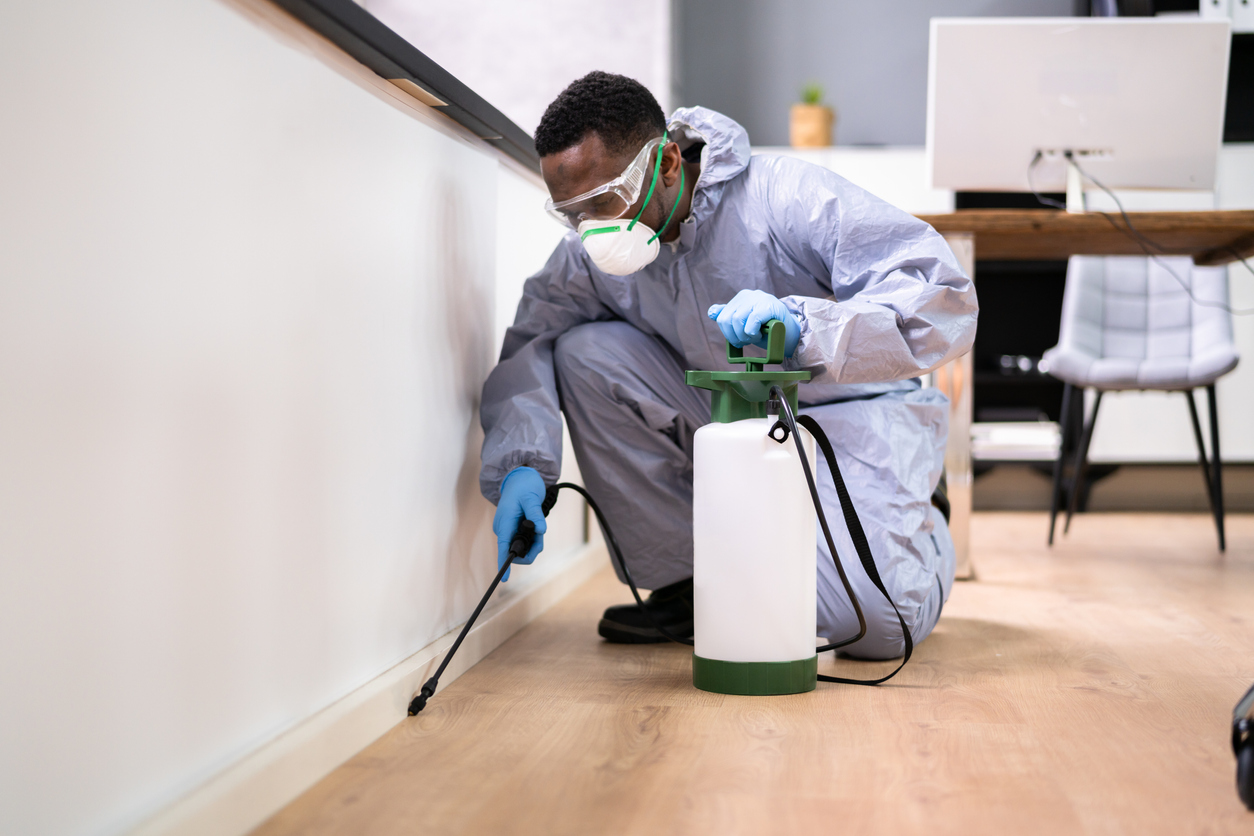
In homes, what many people call fumigation is often residual spraying, misting, fogging, baiting, or a combination of pest treatment methods. A technician may spray walls, skirting boards, bed frames, cracks, drains, kitchens, and other hiding places. The treatment may still be useful, but it is not always true gas fumigation.
Fumigation targets pests. It can help control bedbugs, cockroaches, mosquitoes, termites, ants, fleas, weevils, and other pests depending on the method and product used. It does not clean dirt. It does not disinfect surfaces for viruses or bacteria. It does not repair broken drains or seal rat holes.
A house in Buruburu can be fumigated for cockroaches and still remain dirty if no cleaning was done. A hotel room in Diani can be disinfected and still have bedbugs if pest treatment was not done. The method must match the problem.
Fumigation should also be handled safely. Pest control products must be suitable for the intended use, applied correctly, and handled by trained people. Clients should be given preparation and aftercare instructions, including when to leave, when to return, what to cover, and what to clean before use.
What Pest Control Covers
Pest control is the broader service that deals with preventing, managing, and reducing pests. Fumigation is only one tool within pest control. A proper pest control approach may include inspection, identification, sanitation advice, sealing entry points, baiting, trapping, spraying, dusting, monitoring, follow-up visits, and client education.
For example, controlling rats in a godown in Industrial Area is not just about placing poison. A good provider will inspect entry points, check food storage, place bait stations, recommend sealing gaps, and monitor activity. Controlling cockroaches in a restaurant in Kilimani may involve gel bait, drain checks, residual treatment, grease control, staff hygiene routines, and monthly monitoring.
Bedbug control may involve inspection, treatment of beds and furniture, washing bedding, reducing clutter, sealing cracks, and follow-up visits. Termite control may require soil treatment, wood treatment, drilling, trenching, or structural advice depending on the case.
Pest control focuses on the full problem, not just the visible pests. This is why professional pest control may cost more than a quick spray. You are paying for inspection, planning, suitable methods, safety, follow-up, and prevention guidance.
When comparing providers, it helps to look for those who explain their process clearly. The Real Plug helps users find vetted professionals, service providers, and businesses in Kenya, which can be useful when you want to compare cleaning, disinfection, fumigation, or pest control providers before booking.
How These Services Work Together
In real life, many situations require more than one service. The key is knowing the right order.
If a tenant moves out of a one-bedroom in Embakasi and leaves stains, food waste, and cockroaches, cleaning should come first. The cleaner removes dirt, grease, and rubbish. After that, pest control can target cockroaches using suitable methods such as spray, gel bait, and follow-up. If there are hygiene concerns, disinfection can be done on toilets, kitchen surfaces, and touchpoints after cleaning.
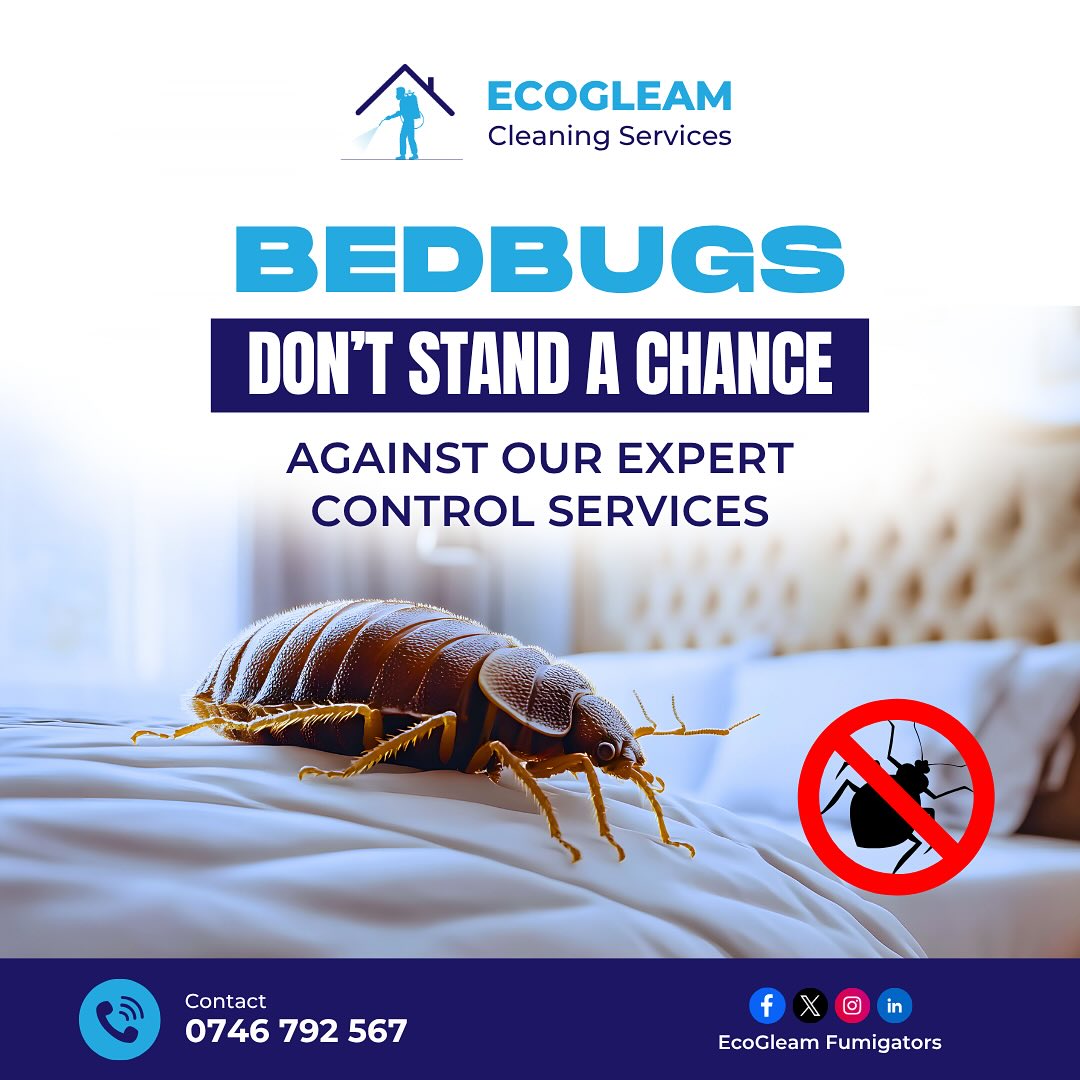
If a school dormitory in Murang’a has bedbugs, cleaning alone is not enough. Bedding may need washing, clutter must be reduced, and the dormitory should be inspected. Pest control treatment is needed for bed frames, cracks, mattresses, and furniture. Disinfection may be useful for hygiene, but it will not kill bedbugs by itself.
If a restaurant in Karen fails a hygiene inspection because of grease, bacteria risk, and cockroaches, all services may be needed. Deep cleaning removes grease and food waste. Disinfection reduces germs on food-contact surfaces and washrooms. Pest control handles cockroaches through baiting, spraying, monitoring, and prevention advice. Fumigation may be part of that pest control plan, but it is not the whole solution.
If an Airbnb in Diani has mosquito complaints, cleaning the room will not control mosquitoes outside. Disinfection may make surfaces hygienic, but mosquito control may require fogging, checking stagnant water, installing screens, and advising on compound management.
Which Service Should You Book First?
The right service depends on the problem. If the issue is dirt, smell, stains, dust, grease, or waste, start with cleaning. If the issue is germs, illness risk, sewage contamination, or hygiene after cleaning, consider disinfection. If the issue is visible pests such as cockroaches, bedbugs, mosquitoes, termites, ants, rats, or fleas, you need pest control.
If the space has both dirt and pests, clean first unless the pest control provider advises otherwise. A cluttered, greasy, or dirty space makes treatment harder. For bedbugs, some preparation may happen before treatment, but moving items carelessly can also spread the pests, so follow professional guidance.
If you are unsure, describe the problem instead of asking for a specific service. Say, “The house has cockroaches and the kitchen is dirty after a tenant moved out,” or “The dormitory has bedbug complaints and needs hygiene treatment.” A professional provider should explain what is needed and in what order.
Be cautious of anyone who says one chemical will clean, disinfect, and eliminate all pests at once. Cleaning products, disinfectants, and pest control products have different purposes.
How Pricing Differs
Cleaning, disinfection, fumigation, and pest control are priced differently because the work, tools, products, and risks are different.
Cleaning may be priced by room, house size, hours, level of dirt, or type of space. A post-construction clean, move-out cleaning, Airbnb turnover, and restaurant deep cleaning will not cost the same.
Disinfection may be priced by room, square footage, surfaces treated, type of facility, and product used. A small office and a school dormitory have different needs.
Fumigation or pest control is usually priced by pest type, infestation level, property size, treatment method, follow-up needs, and risk. Bedbug treatment may cost more than general spraying because it is detailed and may need a second visit. Restaurant pest control may cost more than home treatment because it involves food safety, timing, documentation, and monitoring.
Very cheap combined packages can be risky. If someone offers to clean, disinfect, and fumigate a large three-bedroom house in Utawala for a suspiciously low price, ask what is included. They may skip important steps, use weak products, or rush the job.
Questions to Ask Before Hiring a Provider
Before booking, ask the provider what service they are actually offering. Are they cleaning, disinfecting, fumigating, or providing full pest control? Ask what problem the service targets. Ask what products or methods they use and whether they are suitable for your space.
For pest control, ask whether inspection is included, whether follow-up is needed, how long people and pets should stay away, and what preparation is required. For disinfection, ask whether cleaning must be done first and what surfaces will be treated. For cleaning, ask whether deep cleaning, grease removal, mattress cleaning, carpet cleaning, or post-construction cleaning is included.
For businesses such as restaurants, hotels, schools, clinics, and supermarkets, ask whether the provider can issue a service report, receipt, or certificate where applicable. Documentation matters when dealing with landlords, public health officers, management companies, or clients.
A reliable provider should explain clearly without making exaggerated promises.
Common Mistakes to Avoid
One common mistake is disinfecting when the real problem is pests. A house with bedbugs needs pest control, not only disinfectant. Another mistake is fumigating a dirty kitchen without cleaning grease and food waste. The pests may reduce briefly but return because food and water remain.
Some clients clean after pest treatment too quickly and wipe away products or bait before they work. Others move infested furniture from one room to another before treatment, spreading the problem. Some landlords tell tenants a house was fumigated when only cleaning was done, creating mistrust when pests appear.
Another mistake is choosing the cheapest provider without asking what is included. The right service may cost more upfront but save money by solving the actual problem.
Final Thoughts
Cleaning, disinfection, fumigation, and pest control are connected, but they are not the same. Cleaning removes dirt and waste. Disinfection reduces germs on surfaces. Fumigation targets pests using specific treatment methods. Pest control is the wider strategy that identifies, treats, prevents, and monitors pest problems.
In Kenya’s homes, rentals, Airbnbs, restaurants, schools, and businesses, using the right service matters. A dirty vacant house may need cleaning before pest control. A restaurant with cockroaches may need deep cleaning, disinfection, and a pest control plan. A dormitory with bedbugs needs more than mopping and disinfectant.
Before paying, describe the problem clearly, ask questions, and choose providers who explain their process. When you understand the difference, you avoid wasting money and get results that actually match the issue you are trying to solve.